« back
09.10.25 | Sage Advice®

Savoring the Seasons: Simple Ways to Welcome Change

At Sage Collective®, we believe vibrant living is a practice—rooted in mindfulness, cultural arts, and lifelong learning. The turning of the seasons offers a natural rhythm to support that practice. Rather than bracing against change, we can welcome it with small rituals that enrich body, mind, and community.

Notice before you name it
Begin with attention. Step outside and simply observe: the angle of light, the feel of air on your skin, the scent of rain or cut grass. Try a “five-sense scan”—name one thing you can see, hear, smell, taste, and touch. This gentle check-in is a quick way to ground yourself and build gratitude for what the season brings. Consider keeping a brief seasonal journal—three lines a day tracking the sky, your energy, and one thing that made you smile.

Move with the weather
Let each season suggest how you move. In cooler months, think steady, warming motion—indoor walking circuits, light strength work, or chair yoga by a sunny window. In warmer months, try early-morning strolls, gentle cycling, or stretching on a shaded porch. The aim isn’t intensity; it’s consistency. Pair movement with a cue you already do—after brewing tea, take a ten-minute walk, or after lunch, do a few standing balance exercises. Your future self will thank you for the routine.

Eat what the season offers
Seasonal foods are flavorful, budget-friendly, and nourishing. Build bright salads in spring, juicy berries and tomatoes in summer, roasted squash and soups in fall, and citrus and hearty greens in winter. Turn mealtime into a mini adventure: explore a farmers market, swap recipes with a neighbor, or host a simple “taste of the season” potluck. Cooking in community supports social connection and keeps experimentation fun and low-pressure.

Refresh routines and spaces
As the light shifts, refresh your daily rhythm. Rotate a new stack of library books, queue up a seasonal playlist, or set a small creative goal—a watercolor postcard, a poem, or a family history vignette. At home, make tiny changes with outsized impact: a softer throw for late-autumn evenings, a vase of spring branches, a bowl of lemons on the table. Clear a surface or two; a little open space helps your mind breathe, too.

Share the moment
Seasons are meant to be shared. Plan low-effort, high-delight outings: a neighborhood leaf walk, a matinee concert, a museum afternoon, or a cozy film night with friends. If mobility or weather complicate plans, bring the season to you—invite a grandchild to teach you a new app, host a tea tasting, or start a phone tree to swap “today’s small joys.” Belonging grows when we make room for others to belong with us

Be gentle with shifting needs
Changing weather can change how we feel. Dress in layers, hydrate, and check footwear for good traction. If shorter days affect your mood, sit near a bright window in the morning, schedule a friendly call, or plan something pleasant to anticipate each week. Ask for help when you need it—wisdom includes knowing you don’t have to do everything alone.

At its heart, enjoying the change of seasons isn’t about doing more—it’s about noticing more. It’s choosing a pace that suits your energy, savoring what’s fresh and available, and staying connected to people who make life richer. That’s vibrant living, the Sage Collective® way: mindful, creative, curious, and grounded in community—no matter what the calendar says.

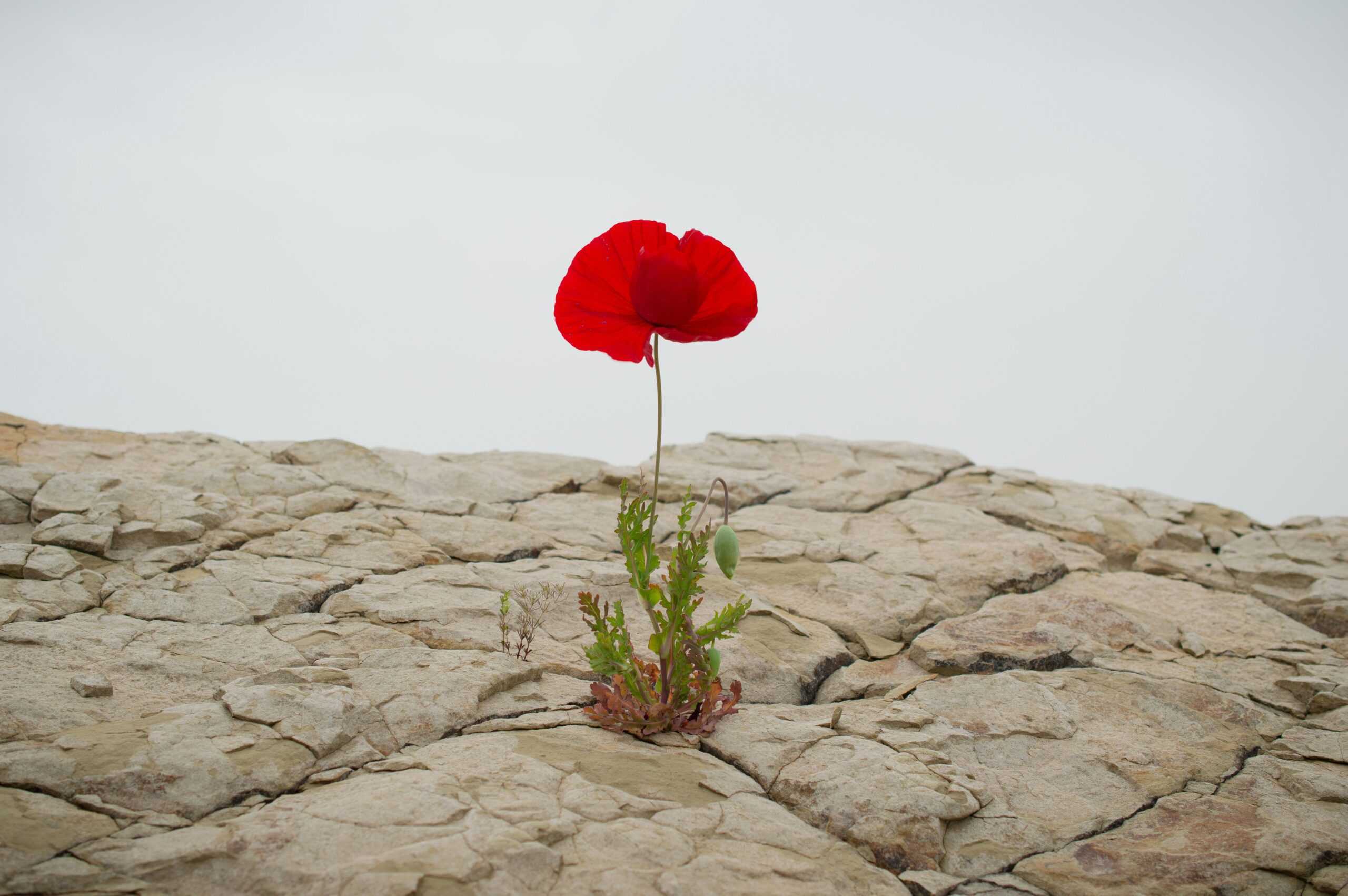
Photo by Justin Cron on Unsplash
› Back to top
« back
08.07.25 | Fitness & Activity

Joyspan: Measuring Life in Moments, Not Years

At Sage Collective®, we believe that vibrant living isn’t measured solely by how many years we have—but by how fully we live in those years. Just as we talk about lifespan and healthspan, there’s another equally essential, if less frequently named, concept: joyspan.

Joyspan is the measure of how much joy we experience and sustain throughout our lives. It’s not about momentary happiness or fleeting pleasures. It’s about the deep, sustaining joy that comes from meaningful connections, a sense of purpose, curiosity, and the freedom to be our full selves—especially as we age.

Beyond Lifespan and Healthspan
Modern medicine and lifestyle changes have helped extend our lifespan—the number of years we live—and increasingly, our healthspan—the number of those years we live in good health. But neither of those measures captures the richness of human experience. That’s where joyspan comes in.

Joyspan is qualitative, not quantitative. It invites us to ask, Am I making space for joy in my life? What fills me up? What lifts my spirit?

 Joy Matters—Especially As We Age
We live in a world that often underestimates the emotional and creative lives of older adults. There’s a quiet but damaging narrative that says joy belongs to the young. But we know from experience—and from the beautiful lives of those in our communities—that joy can flourish at any age. In fact, many people report a renewed sense of joy in their later years, when priorities shift, distractions fall away, and we’re finally able to savor what matters most.

Joy isn’t frivolous—it’s foundational. Research shows that joy supports mental health, bolsters our immune system, and helps build resilience. It improves relationships, sharpens cognitive function, and even enhances longevity. But beyond the science, joy connects us to our humanity. It allows us to experience gratitude, wonder, and awe.

Cultivating Joyspan: Daily Practices
Unlike lifespan, which is out of our control, joyspan is something we can grow—intentionally and continuously. Here are a few practices we encourage at Sage Collective®:

  • Savor small pleasures: A cup of tea, the bloom of a flower, a warm sunbeam on your shoulder. Joy is often tucked into the ordinary.
  • Stay curious: Explore new interests, revisit old passions, take a class, or start a creative project. Curiosity opens the door to joy.
  • Connect deeply: Spend time with people who see you, love you, and make you laugh. Whether it’s family, friends, or community, joy grows in connection.
  • Practice gratitude: Take a moment each day to reflect on what brings you peace or pleasure. Gratitude enhances awareness of joy.
  • Move your body: Gentle movement, walking, dancing—these are not just physical exercises but expressions of life and aliveness.

A Joyspan Philosophy
At Sage Collective®, we are reimagining aging by prioritizing wellness, creativity, and community. Embracing joyspan means honoring the emotional dimension of wellness. It invites us to be present, to celebrate beauty in the everyday, and to believe that joy doesn’t have to fade—it can deepen.

Our joyspan is not determined by the absence of hardship, but by how often we can return to joy, even amidst challenge. As we age, joy becomes not just a possibility, but a practice. And in that practice, we find hope.

So we invite you to ask yourself—not how many years you’ve lived, or even how many healthy ones—but how much joy you’ve let in. Because joy is not the icing on life—it’s the nourishment that makes life worth living.

› Back to top
« back
07.17.25 | Health & Wellness

From Garden to Table: Savoring the Benefits of Your Indoor Herb Garden

At Sage Collective®, we believe that vibrant living is about embracing the cycles of nature, the power of intention, and the small daily joys that nourish the body and spirit. Last summer, we shared the basics of creating an indoor herb garden—a wonderful way to bring greenery into your home, enhance your meals, and stay connected to the rhythms of growth. This season, we invite you to take the next step: harvesting and using your herbs in ways that foster creativity, connection, and mindfulness.

A Mindful Harvest
Tending to your herb garden is certainly about the end result, but it’s also about the quiet, steady practice of care. When you harvest your herbs, do so mindfully. Snip basil leaves or sprigs of thyme in the morning, when the flavors are most concentrated, and take a moment to appreciate the scent that rises from your fingers. Ask yourself: What does this plant teach me about patience or change? What else in my life is ready to be gathered and savored?

Simple Recipes with Heart
Now that you have a bounty of fresh herbs at your fingertips, it’s time to enjoy their flavor in meals that feel both grounding and joyful. Try these easy, herb-forward ideas:

  • Basil Pesto: Blend fresh basil leaves with garlic, olive oil, pine nuts (or walnuts), Parmesan, and a squeeze of lemon. Serve over pasta or spread on toast.
  • Mint Tea: Steep fresh mint leaves in hot water for 5–10 minutes. Add a slice of lemon or a drizzle of honey for added comfort.
  • Herbed Olive Oil: Lightly bruise rosemary, thyme, or oregano and place in a bottle with olive oil. Let sit for 1–2 weeks to infuse. Drizzle over salads, pasta, or roasted vegetables.
  • Thyme-Roasted Veggies: Toss carrots, potatoes, or squash with olive oil, salt, and fresh thyme. Roast at 400°F until golden and tender.

Each recipe is an opportunity to celebrate the labor of your care, and the richness that comes from bringing something to life with your own hands.

Tea for Two (or Ten)
Herbs also offer the chance to create personalized tea blends that comfort and uplift. Consider pairing:

  • Mint + lemon balm for relaxation
  • Thyme + sage for respiratory support
  • Lavender + chamomile for sleep and calm

You can dry your herbs by hanging them in small bunches upside down, or laying them on a mesh screen in a warm, dry spot. Once dried, store them in labeled jars and use them to prepare your own signature blends—perfect for gifting or sharing with a neighbor over conversation.

Sharing the Bounty
One of the most meaningful aspects of herb gardening is the ability to share your harvest. A small bundle of rosemary wrapped in twine, a jar of homemade herbed oil, or a few tea sachets made with love can be beautiful, heartfelt gifts. These gestures carry more than flavor—they carry the story of your care, your intention, and your willingness to nurture both plants and people.

Honoring Growth in All Its Forms
At Sage Collective®, we view these small rituals as part of a larger practice of intentional living. From the first sprout to the final harvest, your herb garden is a reflection of what’s possible when we nurture life with curiosity and compassion. It’s a daily invitation to check in, to take joy in progress, and to savor what you’ve cultivated.

As your herbs grow, so too does your capacity for reflection, creativity, and giving. Let this second season of your herb garden be one of sharing, experimenting, and staying rooted in the pleasure of what you’ve made possible.

There’s no such thing as just a windowsill garden. In the hands of someone who believes in vibrant living, it’s a testament to resilience, nourishment, and joy.

Credit: Anne Nygard on Unsplash
› Back to top
« back
03.06.25 | Sage Advice®

Mastering Video Creation with Your Smartphone: An Interview with Demetri Williams

At Sage Collective®, we believe that technology should be accessible, engaging, and empowering—especially for older adults looking to stay connected with their families and communities. That’s why we’re excited to feature Demetri Williams, a seasoned video producer and editor, as part of our Vibrant Learning Series. With over a decade of experience in video storytelling, Demetri is on a mission to help older adults capture, edit, and share their stories through smartphone video creation.

Demetri shares his journey into video production, the transformative power of storytelling, and how learning video recording, editing, and sharing can open new creative doors for older adults.

What first sparked your interest in video storytelling?
“I first discovered my passion for videography when my father introduced me to my first digital camcorder. He was always capturing moments—taking photos and recording family memories—and that fascinated me. But it wasn’t until I studied broadcast at Winthrop University that I truly grasped the impact of video. One defining moment was my first video editing project, where I created a music video featuring a few friends. That project earned the highest grade in class and became an example for future students. That’s when I knew I had a special talent for video production.”

You spent a decade creating corporate video content. How has that shaped your approach to storytelling?
Working in corporate video production taught me that every experience holds a compelling story—even in structured business settings. I learned to approach storytelling from different angles and to always consider how a video can inspire, educate, or make an impact. Whether you’re filming a corporate message or capturing a personal moment, storytelling is key.”

What do you love most about video production and editing?
“The editing process is what excites me the most. There’s something almost magical about watching an idea come to life on screen. Taking raw footage and transforming it into a powerful visual story is incredibly rewarding.”

What inspired you to teach these video skills as part of Sage Collective’s Vibrant Learning program?
Video creation is an invaluable skill, and I believe older adults should have access to it. We live in a world where technology is rapidly evolving, and knowing how to record, edit, and share videos allows people to stay connected and preserve their memories and legacy. My goal is to help seniors embrace technology and use it as a creative tool.

Your first class taught participants how to use their smartphone as a personal recording tool. Why is this such a valuable skill?
“Most people own a smartphone, but few maximize its camera features. Learning how to frame shots, adjust lighting, and use smartphone settings can elevate video quality dramatically. With the right skills, participants can document family memories, record life stories, and even create mini-documentaries.”

Do you have favorite apps or tools that make mobile video recording easier?
“Absolutely! The basic camera app on a smartphone is great, but apps like Instagram and Snapchat allow you to experiment with filters and effects. I also recommend using a small, portable tripod for stabilizing shots—it makes a huge difference in video quality.”

Editing can seem intimidating. How do you make it feel approachable?
I start with the basics—trimming clips, rearranging sequences, and adjusting audio. Once you shape the story, you can explore transitions, effects, and sound enhancements.

Tips for beginners:
✔ Familiarize yourself with basic editing tools like cutting and trimming.
✔ Organize your footage and focus on key moments.
✔ Experiment with music and sound effects to enhance your story.”

Once someone has created a video, what’s the best way to share it?
“It depends on your audience. If you want to share with family and friends, Facebook is a great choice. If you’re promoting a creative project or small business, Instagram is ideal. The key is to choose a platform that aligns with your goals.”

What privacy or security settings should people be aware of when sharing videos online?
“Be mindful of personal information—avoid sharing home addresses, license plates, or school locations. Once something is posted online, it can stay there indefinitely, so it’s important to control what you share and with whom.”

Many older adults may not see themselves as “content creators.” What advice do you have for them?
“You don’t have to be a professional to create meaningful videos. Video is a way to document family history, preserve cultural traditions, and share wisdom with future generations. Your stories matter, and video allows you to keep them alive.”

What excites you most about teaching these classes?
“I love seeing people unlock their creativity and gain confidence in using technology. It’s incredibly rewarding to help participants connect with their families and communities in new ways.”

What do you hope participants take away from your classes?
“I hope they embrace their creativity and curiosity. Learning is lifelong, and video production is an exciting way to explore storytelling, preserve memories, and engage with the digital world. My message to participants is simple: Don’t be afraid to create. Your stories deserve to be told.”


› Back to top
« back
01.16.25 | Community

Learning to Draw: A Creative Journey for Older Adults

As we celebrate National Hobby Month, it’s a great time to shine a light on learning to draw. It’s a skill that welcomes everyone, regardless of age or experience. It offers more than just the joy of creating art—it’s a pathway to mental relaxation, self-expression, and even connection with others. For older adults, learning to draw can be a rewarding activity that combines creativity with vibrant living. And as we’re learning from Asha Gaines-Smith’s Vibrant Learning Series “Art With Asha,” here are some tips to help you get started on your artistic journey.

Start Simple: Embrace the Basics
Drawing is a skill that builds over time, starting with the basics. Don’t worry about creating a masterpiece right away—begin by exploring simple techniques like drawing lines, shapes, and patterns. Focus on:

  • Lines: Practice drawing straight, curved, or wavy lines to get comfortable with controlling your pencil.
  • Shapes: Try sketching basic shapes like circles, squares, and triangles, which serve as the foundation for more complex drawings.
  • Values and Shading: Experiment with shading to bring depth to your sketches. Practice making light and dark tones with your pencil.

Remember, these initial steps are not about perfection but about developing confidence and familiarity with your tools.

Gather Your Tools and Materials
You don’t need fancy supplies to start drawing—simple materials will do:

  • A set of pencils with varying hardness (e.g., 2B, 4B, 6B) for different line weights and shading.
  • A sketchpad or a simple notebook for practice.
  • An eraser and sharpener to refine your work.

If you’re ready to explore further, consider investing in graphite sticks, blending tools, or colored pencils. The right tools can make your drawing experience more enjoyable.

Practice Mindful Observation
One of the most valuable skills in drawing is learning to observe the world around you. Spend time studying details like the curves of a flower petal, the shadows on a chair, or the texture of a tree bark. Pay attention to how light and shadow interact with objects, as these details will help you create more realistic drawings. Observation is as much a part of drawing as the act itself.

 Break Down Complex Subjects
When drawing something more intricate, break it down into smaller, manageable components. For example:

  • Sketch the overall outline of an object first.
  • Add details layer by layer, focusing on one part at a time. This approach reduces overwhelm and helps you focus on each element individually.

Draw Regularly, Even for Short Periods
Like any skill, drawing improves with practice. Dedicate a few minutes each day to sketching something simple, such as a cup, a fruit, or even patterns. Consistency is more important than the amount of time spent, so a short daily practice will gradually build your skills.

Celebrate Your Unique Style
Every artist has their own style, and yours is no exception. Don’t compare your progress to others—instead, embrace what makes your art unique. Drawing is a personal journey, and each mark you make on paper is a reflection of your creativity.

Seek Guidance and Community
Joining a class, like “Art With Asha,” is a great way to enhance your skills while connecting with others who share your interest. You’ll not only learn the mechanics of drawing but also discover the joy of creative exploration.

Enjoy the Process
Above all, remember that drawing is as much about the journey as it is about the final piece. Let it be a source of relaxation and joy, where you can lose yourself in the creative process.

At Sage Collective®, we believe that learning is a lifelong journey and that creativity plays a key role in vibrant living. Whether you’re picking up a pencil for the first time or rekindling a childhood passion, drawing can open the door to new experiences and perspectives.

Credit: CC0 Public Domain
› Back to top
« back
01.09.25 | Arts & Culture

Exploring Creativity Through Drawing: A Conversation with Asha Gaines-Smith

As we gear up for another inspiring session of Sage Collective®’s Vibrant Learning Series, we’re thrilled to highlight Asha Gaines-Smith, a talented visual artist and instructor leading the upcoming class, Art with Asha. Asha brings her artistic expertise and passion for storytelling to the Sage Collective® community, encouraging older adults to embrace creativity as a means of expression and connection. We sat down with Asha to dive into her artistic journey, teaching philosophy, and belief in the transformative power of drawing.

A Journey Rooted in Passion and Exploration
Asha’s love for drawing started in her early childhood, when she would eagerly anticipate art classes and lose herself in the world of storytelling and illustration. Reflecting on her earliest inspirations, Asha recalls the powerful influence of Kadir Nelson, an illustrator whose work in children’s books captivated her imagination.

While Asha grew up in Cleveland, her time at Howard University’s Chadwick A. Boseman College of Fine Arts deeply shaped her artistic confidence and perspective. Surrounded by supportive peers and mentors, she learned to experiment with her creativity and showcase her work with pride. “Howard gave me the confidence to try new things and share my art more openly,” she shares.

Asha credits one of her professors, Akili Ron Anderson, with teaching her the importance of self-confidence and the ability to market herself as an artist. These lessons have carried her forward, fueling her mission to inspire others to tap into their own creative potential.

Creating a Space for Growth and Expression
When asked about her approach to teaching, Asha emphasizes the importance of creating a relaxed and encouraging environment, particularly for beginners. “Art can smell fear,” she jokes, noting how self-doubt can often hold people back. Her advice to participants? “Relax, trust in your innate ability, and remember that art doesn’t have to be hyper-realistic to be meaningful or beautiful.”

Asha’s class in the Vibrant Learning Series focuses on foundational techniques such as shading, line work, and sketching—skills she believes are the building blocks of creative confidence. “I hope participants gain an avenue of expression and peace of mind through this class,” she says, adding that drawing can be a powerful way to communicate feelings that words cannot.

Beyond technical skills, Asha’s ultimate goal is to help her students discover their own artistic voice. She encourages participants to let go of their attachment to “perfect realism” and embrace the unique beauty of their creations. “Your art doesn’t have to look like anyone else’s to be valid and impactful,” she reminds them.

The Power of Creativity in Vibrant Living
Asha firmly believes that creativity plays a vital role in promoting vibrant living, particularly as we age. “Creativity allows us to tell our stories and reflect on the many beautiful parts of our lives,” she explains. For older adults, drawing offers a way to connect with memories, express emotions, and find joy in the present moment.

Programs like Sage Collective’s Vibrant Learning Series are instrumental in fostering a love for the arts and creating lasting connections within the community. By encouraging participants to explore their creativity, these programs help individuals build confidence, share their unique perspectives, and connect with others through the universal language of art.

Looking ahead, Asha is excited to bring her passion for storytelling and visual art to her students. She’s also working on creating new comics, inspired by her love of illustration and the encouragement of friends.

Join Us on This Creative Journey
Asha Gaines-Smith’s class, “Art with Asha,” offers more than just an introduction to pencil drawing—it’s an invitation to explore the power of creativity and self-expression. Whether you’re picking up a pencil for the first time or rediscovering a childhood passion, this class promises to inspire and empower you to create with confidence.

At Sage Collective, we believe in the transformative power of creativity to promote vibrant living. Join us for this enriching session and discover how drawing can unlock new ways to connect, express, and thrive. Let’s make art together!

Interested in attending? The class will be offered free of charge on Facebook Live on Tuesday, January 14th and again on Tuesday, January 21st at 7:00pm CST. Register now!

› Back to top
« back
04.19.24 | Arts & Culture

Igniting Inspiration: Celebrating World Creativity and Innovation Day with Sage Collective

April 21, 2024 marks an occasion close to the heart of the Sage Collective community — World Creativity and Innovation Day. This year, under the inspiring theme “Step Out and Innovate,” we are called upon to embrace the boundless potential of our minds and encourage people everywhere to push beyond their boundaries and tap into their innate creative and innovative spirit. At Sage Collective, this day is both a celebration and a profound reflection of our core belief in the transformative power of creativity and innovation to enhance lives, particularly as we age.

Contrary to the misconception that creativity wanes with age, the reality is strikingly different. Older adults possess a vast reservoir of experiences, insights, and wisdom that can profoundly fuel creative endeavors. Each of us has the potential to contribute something groundbreaking to the world, regardless of our years.

Innovation involves applying creativity to solve problems or make improvements, envisioning the world not only as it is but as it could be. Sage Collective is deeply committed to fostering an environment where innovative ideas can thrive, especially those enhancing the quality of life for older adults. Through the arts, technology, or new community living models, we recognize innovation as the key to addressing the challenges faced by older generations.

Celebrating Creativity and Innovation at Sage Collective
Under the banner of “Step Out and Innovate,” we, as a community, celebrate World Creativity and Innovation Day by:

  • Showcasing Talent: Highlighting the creative talents within our community, from artists and writers to musicians and thinkers. Through virtual galleries and performances, we celebrate the myriad ways creativity manifests in our lives.
  • Engaging Workshops: Hosting workshops and seminars designed to ignite the creative spark within. These sessions invite members to explore new hobbies, rediscover forgotten passions, and embody this year’s theme by stepping out of their comfort zones.
  • Intergenerational Collaboration: Encouraging projects that bring together younger and older generations, fostering diverse perspectives and co-creating solutions that benefit all ages. These collaborations embody the spirit of stepping out and innovating, showcasing the richness that comes from combining the wisdom of age with the fresh ideas of youth.

As World Creativity and Innovation Day approaches, we urge every member of the Sage Collective community to embrace your creative and innovative potential, engage in activities that challenge you, share your groundbreaking ideas, and most importantly, celebrate the limitless capacity for innovation within each of us.

In celebrating this special day, we’re reaffirming our commitment to building a vibrant, dynamic community where creativity and innovation are integral to everyday life. Join us in this celebration, and together, let’s redefine the boundaries of what’s possible, one innovative step at a time.

CC0 Public Domain
› Back to top
« back
03.20.24 | Sage Advice®

Photography as a Mindful Hobby: Capturing Moments with Intention

In the vibrant tapestry of hobbies that enrich our lives, photography emerges as a uniquely compelling practice, blending art, technology, and mindfulness. At Sage Collective, where we cherish activities that enhance our well-being and connect us to the world in meaningful ways, photography holds a special place. It’s a powerful tool for capturing the beauty of the present, and a medium for expressing our unique perspectives.

The Mindful Art of Photography

Photography, at its essence, is an act of observation and appreciation. It encourages us to slow down, to see the world through a lens of curiosity and wonder. Each time we frame a shot, we’re not just capturing a moment in time; we’re engaging deeply with our surroundings, noticing details we might otherwise overlook. This attentive observation is a disciplined practice, fostering a state of presence and awareness that can be both calming and exhilarating.

Seeing the World with Fresh Eyes

One of the most remarkable aspects of photography is its ability to transform the ordinary into the extraordinary. Through the camera’s lens, mundane objects and everyday scenes can become subjects of beauty and intrigue. This shift in perspective encourages us to look at our world with fresh eyes, finding joy and interest in the familiar. It’s a reminder that beauty and wonder are all around us, waiting to be noticed and appreciated.

this-still-life-composition-features-a-single-piece-of-fruit-on-a-white-surface
Photo: Ralph, pixexid

Expressing Creativity and Emotion

Photography also offers a powerful outlet for creativity and emotional expression. Whether it’s capturing the nuanced play of light and shadow, the vibrant colors of a sunset, or the candid emotions of a street scene, photography allows us to convey feelings and stories without words. It’s a form of visual poetry, where each image reflects a piece of our inner world, our joys, sorrows, and everything in between.

Connecting with Others

Beyond its personal benefits, photography is a medium that fosters connection. Sharing our photographs can spark conversations, evoke empathy, and build bridges between diverse experiences and viewpoints. In community settings, photography projects can bring people together, creating shared experiences and mutual understanding. It’s a way to communicate deeply felt experiences in a universal language that transcends cultural and linguistic barriers.

Embarking on Your Photographic Journey

Starting with photography as a mindful hobby doesn’t require expensive equipment or technical expertise. It begins with a willingness to explore and observe. Here are a few tips to get started:

  • Start Simple: Use whatever camera you have, even if it’s just your smartphone. The best camera is the one you have with you.
  • Pay Attention to Light: Notice how different lighting conditions affect your surroundings and experiment with capturing them.
  • Focus on Composition: Practice framing your shots, playing with angles and perspectives to find interesting compositions.
  • Be Present: Allow yourself to fully engage with the process, focusing on the act of taking the photograph as much as the outcome.

As we explore photography as a mindful hobby, we discover that it’s not just about the images we create but the heightened sense of presence and connection we experience. Photography invites us to celebrate the moment, to express ourselves creatively, and to share our view of the world with others. At Sage Collective, we encourage you to embrace photography as a pathway to mindfulness, a practice that enriches our lives and reminds us of the beauty in the everyday.

tyler-sakil-594r7Dd88FU-unsplash1
Credit: Tyler Sakil on Unsplash
› Back to top
« back
03.09.23 | Arts & Culture

Sparking Creativity When Life Feels Monotonous

No matter how creative you are, everyone inevitably experiences the uninspired “lull” — a slump of nuisance or inconvenience, that can more often than not, get you down — especially when you don’t know how to wade those sorts of waters. A lack of inspiration can put someone’s entire career on hold and in the worst cases, in jeopardy. Keeping your creative juices flowing, is important and can help you perform better, regardless of your profession, or age.

Routine

The first step in ironing out creative wrinkles is to identify what your current routine is. We are by all means and purposes — creatures of habit — and when we understand what parts of a routine are no longer serving us, we’re one step closer to sparking creativity. What do you do when you first wake up? What does the middle and end of your day look like? Answering these questions are crucial to finding creative freedom once again.

Exercise

What can you add in now that you’ve freed yourself from the burden of an old habit? Including some form of exercise such as walking, running, weight-lifting, or body weight training can not only get your blood flowing, but those innovative ideas moving as well.

Escaping Monotony

If that doesn’t work, all hope is lost — if you don’t take your mind off the task that is. Doing something completely unrelated might be just what you needed. By focusing on other tasks, this allows for the exploration of new ideas and solutions to difficult problems. Mow the lawn, learn an instrument, clean your house, “wax-on-wax-off”, it will all be worth it to find that spark again.

Look to the Greats for inspiration, whatever the field, by viewing the best in class we can learn something we didn’t know before. Take Michelangelo Buonarroti for example. He strived to excel at every task. He was a well-known and gifted sculptor. Then he was tasked to paint. He made sure that he was the best at that, too. He showed that when you combine hard work with incredible skill, everything becomes more attainable. By breaking out of our molds and changing the way we view leisure time, we create boundless opportunities for creativity and ourselves!


Creative juices
› Back to top
« back
04.21.22 | Community

Creative vs. Critical Thinking

At Sage Collective, we champion our inspired model of 9 Ways of Vibrant living, and encourage everyone to discover new methods to help better their wellbeing. Today, we’re taking you back to Psych 101 to talk about the key differences between critical and creative thinking, why they’re both important, and ways you can practice both in your life to help you live more vibrantly: 

What Are Creative and Critical Thinking?

Understanding the difference between critical and creative thinking can be broken down simply this way: creative thinking is approaching problems or situations in new ways and with a new perspective, whereas critical thinking is using logic to analyze a situation in order to make an informed decision. Essentially, creative thinking is more subjective (influenced by feelings) whereas critical thinking is more objective (influenced by logic). Both are important when decision-making, so let’s explore some of the reasons why. 

Why Are They Important?

As we’ve discussed in previous blogs, creativity – particularly for adults – can lead to a happier, healthier lifestyle. The same rings true for thinking creatively! Brainstorming new solutions and exploring new ideas are imperative for older adults because it helps provide a sense of self that is innovative and capable. The goal with creative thinking is to have an open mind and to approach situations with diverse perspectives. As for critical thinking, it’s equally important to approach situations constructively and logically, but it is the synergy of both thinking patterns working together that makes us great problem solvers. 

How to Improve Creative and Critical Thinking Skills:

To improve critical thinking skills, when you’re problem-solving, make a list of facts and then cause and effects. This will help you logically analyze outcomes, and come to a decision that way. To think more creatively, try asking yourself: what other considerations are there in this situation? What perspective could I be missing? An easy way to practice this is by brainstorming with another person– hearing a different perspective may inspire you to think of others as well, and is great practice for when you’re alone.

› Back to top