« back
11.12.20 | Community

Vibrant Living Breakdown: Life Purpose

We don’t believe in living a passive life; we believe we should be active participants in our own health, wellness and happiness. That’s why Sage Collective created 9 Ways of Vibrant Living, a model that champions high-quality living, and the backbone of our philosophy. Today, we’re unpacking the second of our nine components: life purpose.

At Sage Collective, we see life purpose as what we give back to our families and communities, or the implementation of efforts to better ourselves through our personal growth of knowledge, skills and abilities. 

True to the notion that we should each be active participants in our lives, having a life purpose puts us in the driver’s seat, and provides us with guidance, clarity and intention to help navigate each day we live and the decisions we make. Rather than allowing things to merely happen to us, living life with purpose means we challenge ourselves to pursue growth, change and meaningful experiences that fulfill us. 

It provides a measure of success, based on what’s most important to us. And in the pursuit of that success, we become more driven, more passionate people. This focus also provides added layers of gratification, knowing that we’re living with integrity and staying true to our own values. Having life purpose, therefore, leads to us living happier, more fulfilled lives.

And when we personally experience purpose and joy, we then have the opportunity to share that with others. Having life purpose doesn’t only transform your own experience, but it transforms the experience of those around you, creating an impact that is long lasting and felt widely. 

Senior woman holding a tablet
› Back to top
« back
11.10.20 | Sage Advice®

Advice for Caretakers Caring for Loved Ones with Dementia

Caring for a loved one is no easy task, and no one should feel alone — whether caretaker or a loved one receiving care. In honor of National Family Caregiver Month, we spoke with Loren Faith Buford to discuss her expert insights and advice for caretakers caring for loved ones with dementia.

Buford is a Licensed Clinical Social Worker and the clinical program Supervisor of Senior Services at Metropolitan Family Services in DuPage County, as well as a member of the Board of Directors at Sage Collective. Beyond her extensive professional expertise, Buford and her sisters are taking care of their beloved 90-year old mother who is experiencing dementia.

Assessing You and Your Loved One’s Unique Situation

Sometimes the hardest part of caring for a loved one with dementia is admitting there’s a need. But that acknowledgement, and planning accordingly, can be vital. “The first thing you can do when grappling with caring for a loved one with dementia is to recognize the symptoms, and recognize that there’s a need,” confirms Buford. “Too often, those struggling with dementia are able to fool the people around them for a long time. You won’t know they need help, because they’re proud and want to maintain their dignity. But the truth is that everyone needs help, especially in cases of dementia, and it isn’t a shameful thing,” she says.

“Developing your awareness, and understanding when there’s a need to seek a medical diagnosis for your loved one takes attentive care,” says Buford. “If your loved one lives alone, for example, I recommend going to their house often: look in their refrigerator, see whether the mail is piling up, and to see whether they’re losing strength and struggling with daily tasks like cleaning or cooking. Those are the first signs. There will be behavioral signs too, like if they get upset more easily or begin repeating information.”

“Once you acknowledge the need for care is there, then you have to figure out how you can balance your life with helping them take best care of themselves,” shares Buford. “Specifically, how can you balance your self care with their care? That’s also why it’s so important to catch dementia early on: the sooner you acknowledge that need, the easier it will be to gather the necessary resources, people and services that are out there, and that can help make the task of caretaking easier on you.” 

Just as caretakers must help their loved one accept help, we too must help caretakers accept the help they themselves need to carry on this essential work.

Creating Solutions That Work: Balancing Communication and Care

Whether caretakers live with or apart from their loved one, establishing a routine of care that feels natural and comfortable for both parties is vital. Buford runs through the gamut of challenges: “When do they eat? How do they get exercise? How do I make sure they’re getting a rounded out day? And most of all — how do I ensure these things without upsetting my loved one and having them feel like all I ask about is medication?” And her answer: “You have to make these things a part of their life, and make it feel natural.”

Even when caretaking feels like a strenuous task, it’s important to remind oneself of the love driving the work. “You have to find ways to provide care and not be a martyr about it,” reflects Buford. “It’s essential that your loved one knows this is what you want to do — and that you’re a team. If they’re feeling it’s not genuine and you’re not comfortable, they’ll feel like a burden and they’ll fight and resist receiving care, and worst of all they won’t communicate, or feel comfortable sharing what they need. But when you’re a team, your loved one will feel like an active part of their own treatment plan, and together you can find solutions they take part in, agree and want.”

So how can caretakers build healthy trust and communication? “Make caretaking a good time and make those memories count. If your loved one starts singing a song, join in. If they’re laughing, laugh with them. When you join them in their world, you find that it’s fun for you, too. It creates a whole different dynamic between the two of you, one that’s productive, and also full of joy,” says Buford. 

And most important of all: “As your loved one’s dementia progresses,” advises Buford, “it’s absolutely vital to remind yourself that the core of that person is still there. Whether they’re having an irritable day, or maybe you’re having a bad day yourself, remind yourself to see them for what they were and continue to be: the person you love.”

LOREN BUFORD
› Back to top
« back
11.06.20 | Health & Wellness

Self Care for Seniors: What Is It, and How to Take Part

Have you heard of the latest millennial craze, self care? Young people all over are encouraging each other to get off of social media for a day, or to order in for the night and binge their favorite TV show, all things they’ve dubbed as acts of self care. 

While these acts may seem frivolous on the surface, they’re actually helping people to take a break from the media cycle, or to celebrate moments of rest. Self care, by definition, encourages people to consciously tend to their own well-being. But most surprisingly of all, this “new trend” isn’t new at all — in fact, it has deep roots and history in the medical field.

A Brief History

Self care began as a treatment course in the 1950s for patients who were mentally ill or elderly and struggled with autonomy. It included acts that helped preserve physical independence, such as simple exercising or personal grooming. This independence opened up the gateway for feeling better in many ways — physically, because patients were able to care for themselves, but also mentally, because independence was rewarding and satisfying.

From the mid 1960s to early 1970s, academics continued to pursue the idea further and how it might pertain to those in high risk professions, such as EMTs and social workers. The idea was that, in order to tend to your responsibilities to others, you need to first take care of yourself and replenish regularly through acts of self care. As Sage Collective’s own Rear Admiral (ret.) James M. Galloway said, “Taking care of yourself ensures you can take your best care of others.”

In the civil rights and feminist movements that followed this time, self care also become a revolutionary and radical act against varied forms of injustice, medical and otherwise. 

Self Care for Seniors Today

So how can seniors reclaim self care, and share in the joy that millennials have found? Our best advice: find what replenishes you, whether it’s physically, mentally or both.

When it comes to your physical health, incorporating moderate, regular physical activity will help replenish not just your body, but your spirit and your energy. Physical acts also include making conscious decisions to eat healthier, to get ample rest each night and to take time to relax. 

As for mental health, experts recommend spending more time in nature to breathe in the fresh air and enjoy natural sunlight. You can also reconnect with a new hobby, or even discover a new one. Dedicating time to activities that you enjoy and find satisfaction in is a great way to embrace the practice, too. And of course: spending time with those you love will always provide a much needed mental boost. 

So don’t be afraid of the trend — self care is for everyone. 

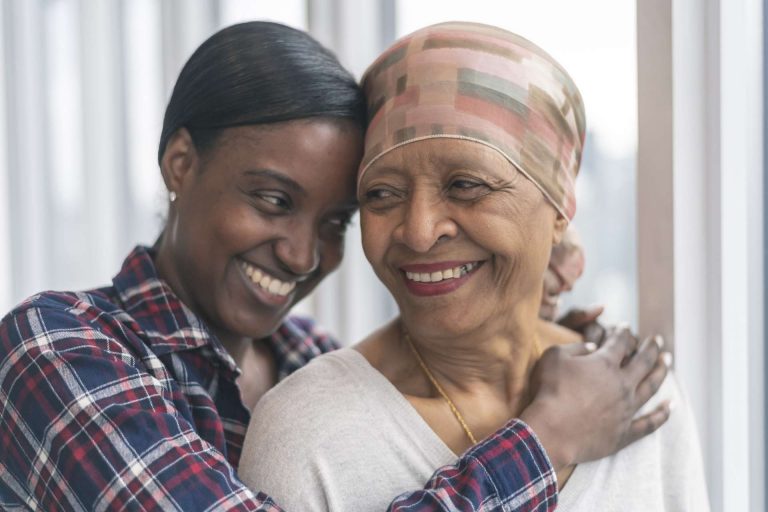
Self care expressed through love, with an older African American man and woman embracing and smiling
› Back to top
« back
11.02.20 | Sage Advice®

November is National Family Caregiver Month

November is National Family Caregiver Month — or NFC Month, for short. In support of those who take on the role of family caregiver, the month is meant to raise awareness for issues they face, to celebrate their tireless work and rally support for them and to educate caregivers themselves about self-identification.

The tradition began as National Family Caregivers Week in the mid 1990s. For years, American presidents have celebrated the week, and have given speeches in its honor. But it wasn’t until President Barack Obama’s NFC Month Proclamation in 2012 that the week became extended to an entire month. 

During the 2012 proclamation, President Obama stated: 

“Across America, daughters and sons balance the work of caring for aging parents with the demands of their careers and raising their own children. Spouses and partners become caregivers to the ones they love even as they navigate their own health challenges… All of them give selflessly to bring comfort, social engagement, and stability to those they love. National Family Caregivers Month is a time to reflect on the compassion and dedication that family caregivers embody every day. As we offer our appreciation and admiration for their difficult work, let us also extend our own offers of support to them and their loved ones.”

Each year, Caregivers Action Network (CAN) chooses a specific theme for National Family Caregivers Month. This year, the theme is Caregiving in Crisis. The COVID-19 pandemic has escalated our concern for health and safety, and in turn, has placed greater stress on family caregivers as they navigate this challenging time. 

You can learn more about National Family Caregivers Month from AARP, here.

You can also read advice for older adult caretakers during the pandemic from Sage Collective’s own Rear Admiral (ret) James M. Galloway, here

Girl hugging an elder family member
› Back to top
« back
10.27.20 | Sage Advice®

The Danish Philosophy of Hygge

With cold weather upon us, we all love the feeling of a steaming mug of hot cocoa nestled between our hands, or the comfort of a good pair of slippers on a chilly Sunday morning. But nobody knows this love better than the Danish — who have actually coined their own term to help describe it: hygge. And since then, the Danish philosophy of hygge has taken the world by storm.

What’s that?

Hygge is described as “a quality of cosiness and comfortable conviviality that engenders a feeling of contentment or well-being.” Pronounced “hoo-guh,” the modern day philosophy is derived from the Sixteenth-century Norwegian term hugga, to comfort or to console. But the word has far transcended its origins to become deeply embedded in Denmark’s national behavior and disposition, inspiring others globally to follow suit.

Meik Wiking, the CEO of the Happiness Research Institute in Copenhagen, goes so far as to say hygge is “a defining feature of our cultural identity and an integral part of the national DNA. In other words, what freedom is to Americans. . . hygge is to Danes.”

Hygge has been part of Danish culture since the early 1880s. The contagious philosophy has since spread to the UK in 2016, when several books were published on the topic, making it such a buzzword that it even appeared in the Collins Words of the Year for 2016. From there, hygge made its way to popular US culture, infiltrating the Pinterest-verse and becoming an integral aesthetic to home design (think roaring fireplaces, big knit blankets). 

How to live a hygge life

Hygge, like all things fun and enjoyable, doesn’t have a ton of rules. The word itself can be an adjective or a noun — hyggebukser is a pair of pants you wouldn’t dare wear in public, but adore at home, and hyggekrog describes a cozy seat, such as your favorite recliner or a good reading nook. To introduce hygge into your own life, you simply have to embrace moments of comfort and joy. 

There are lots ofl ways to do this, like surrounding yourself with candles and throw blankets. There are also deliciously indulgent ways to do this, like baking homemade bread, cakes or pies, binging on comfort food and enjoying a hot, buttered rum.  As proponents of vibrant, engaged living, we at Sage Collective believe the best way to embrace the hygge philosophy is amongst good company. Whether it’s a morning jaunt around the neighborhood with a good friend, or a board game played in the living room with loved ones, hygge can be found in the simplest and most pleasurable of moments, if only we learn to look.

A hygge setup of a red pillow, a lit candle, a mug of hot cocoa and a fuzzy blanket nestled in a window seat
› Back to top