« back
06.08.21 | Arts & Culture

Where to go for scenic walks on Chicago’s South Side

We’ve previously shared how incorporating a 30-minute walk into your daily routine brings with it a surprising array of health benefits. While you enjoy those healthful benefits on your walk, why not enjoy a good view too? Some days it’ll be easier to take a walk around the block, but for those days where you want to elevate “taking a walk” into a special occasion: here is Sage Collective’s guide to the best scenic walks on Chicago’s South Side.

Japanese Garden, part of Jackson Park in Woodlawn, Chicago.

Jackson Park – Woodlawn

Jackson Park is a sprawling 551-acre park on Chicago’s South Side with an impressive history. Designed by the same names behind New York’s Central Park, and once home to the World’s Columbian Exposition, Jackson Park continues to bring exciting seasonal events and features to the Woodlawn community. Just this spring, the park’s 160-tree grove of cherry blossoms bloomed for the first time ever, attracting locals and tourists alike to see the beautiful display. 

The park is the perfect place for a short jaunt or longer “hike,” with landmarks like the lushly landscaped Japanese Garden and winding Bobolink Meadows lagoon-side trail serving as your backdrop.

View of the Chicago skyline from 31st Street Beach in Bronzeville, Chicago. Photo via Flickr.

31st Street Beach – Bronzeville

While most people know it as 31st Street Beach, the beach’s formal name became Margaret T. Burroughs Beach in 2015. Named for the accomplished artist, arts advocate, poet, teacher, civic leader, historian, and founder of the DuSable Museum of African American History, the beach’s official name serves as an homage to the history and vibrancy of both Burroughs herself, and the Bronzeville neighborhood overall.

The beach, which is nestled next to 31st Street Harbor, boasts sweeping views of Chicago’s city skyline, and invites swimmers, joggers and walkers alike to enjoy the beautiful scenery.  

When it comes time to plan your next weekend excursion, we hope these parks provide some inspiration and an exciting backdrop. After all, nothing makes a regular, leisurely workout more vibrant like a little bit of good scenery. 

Burnham Nature Sanctuary. Photo courtesy of Chicago Park District
Burnham Nature Sanctuary. Photo courtesy of Chicago Park District.

Burnham Nature Sanctuary – Kenwood

Located at 1600 E 47th Street, Burnham Nature Sanctuary is just one serene pocket of a larger stretch known as the Burnham Wildlife Corridor. The corridor is a 100-acre ribbon of urban wilderness running through Burnham Park.

The sanctuary itself is the perfect location for novice and expert birdwatchers alike as they meander through the woodlands. These woodlands, full of native plants, attract many forms of wildlife for visitors to enjoy, from birds, to caterpillars, to butterflies. Beyond the woodland path, there’s also a boardwalk that winds through a hill and swale grassland. Overall, Burnham Nature Sanctuary is the perfect way to reconvene with nature all while remaining in the close confines of the city. 

Japanese Garden, part of Jackson Park in Woodlawn, Chicago.
› Back to top
« back
05.20.21 | Community

Can faking a smile really make you happier?

Throughout our lifetime, we’ve all heard the old sayings like “turn that frown upside down” and “fake it till you make it.” But does the simple act of smiling really provide a mood boost? Science says yes.

Facial Feedback Hypothesis

Over two centuries ago, Charles Darwin was the first to suggest that the facial expressions you make have an impact on your overall disposition. This theory, dubbed “facial feedback hypothesis” by scientists, states that the contraction of facial muscles not only communicates what a person is feeling to those around them, but also communicates what that person is feeling to themself, too. Ergo: by contracting your facial muscles into a smile, this physical act will communicate to your brain not just that it should feel happy, but that it is.

As the Studies Suggest

In an early study, published in 1988, testing the facial feedback hypothesis, participants were made to hold a pen between their teeth (thus mocking the muscle contractions of smiling without being told what they were doing was indeed smiling in order to remove cognitive bias). From those whose pen helped them to mock smiling, to those whose pen helped them to mock scowling, the results demonstrated that those smiling did indeed report more pleasant emotions.

Other studies conducted since then have replicated these findings. A recent study, published in 2020, also asked participants to hold a pen between their teeth (once again mocking the musculature of smiling) and yielded similar results — those that smiled were indeed happier. In fact, one study published in 2009 even suggested that botox users — due to their inability to frown — were happier than those without fillers, who naturally have more facial elasticity.

The Health Benefits of Smiling

Scientists have also suggested that, in addition to lifting your mood, smiling can also lower stress, boost your immune system and possibly even prolong your life. That’s because when you smile, your brain releases neuropeptides, which help fight off stress, and neurotransmitters, such as dopamine, serotonin and endorphins, all of which play a critical role in emotional regulation.

And while smiling no doubt has a positive impact on your own disposition, it also has the added benefit of positively impacting those around you. Afterall, smiling is contagious. American spiritual teacher, Peace Pilgrim, famously said: “Life is like a mirror: Smile at it and it smiles back at you.”

There’s an old myth that while it takes 43 muscles to frown, it only takes 17 to smile. So next time you’re feeling down in the dumps, give these scientific hypotheses a try — if we see you around, we’ll be sure to smile right back!

An African American woman smiling in a leopard print dress and black jacket smiles while holding up her cell phone to take a picture; she's contrasted against the red wall behind her.
› Back to top
« back
05.04.21 | Sage Advice®

The Health Benefits of Gardening

At Sage Collective, our philosophy of vibrant living encompasses everything from engaging in moderate, regular physical activity to eating a primarily plant-based diet and having an active social life. Interestingly enough, gardening touches on all three of these facets of vibrant living at once. Adopting gardening as a hobby brings a wide array of health benefits and beyond — let’s take a look:

Physical Health Benefits

Naturally, spending time outdoors gardening leads to higher levels of Vitamin D exposure. Adequate Vitamin D exposure is particularly important for older adults, as it increases calcium levels, therefore improving bone health and providing a boost to your immune system. The act of gardening is also an accessible, aerobic form of exercise that aids in increased flexibility, strength and stamina. Additionally, if you’re growing a vegetable, fruit or herb garden, all that fresh food is great for your diet! 

Mental Health Benefits

Growing and nurturing a living garden brings with it a deep sense of accomplishment, pride and self confidence. Just look at what you can do with your own two hands! Gardening is also believed to help reduce symptoms of anxiety and depression. In fact, one scientific study even posits that inhaling M. vaccae, a healthy bacteria that lives in the soil, can increase levels of serotonin – the key hormone that stabilizes our mood, feeling of well-being, and overall happiness.

Social and Cultural Benefits

While it can be a solo activity, gardening is also a great way to spend time with family, friends or neighbors. Community gardens in particular help many older adults to combat loneliness, all while contributing to the greater good of their neighborhood. Gardening has long been a way for communities to come together, to nurture each other, and to practice healing, sovereignty and even resistance

At Sage Collective, we advocate for older adults to adopt gardening as part of their lifestyles for all these reasons and more. In support of this belief, we will continue to promote the adoption of community gardens in the residential environments in which we engage older adults (including our own residents currently in development in Bronzeville), as well as bringing farmers’ markets to such communities. Stay tuned for more!

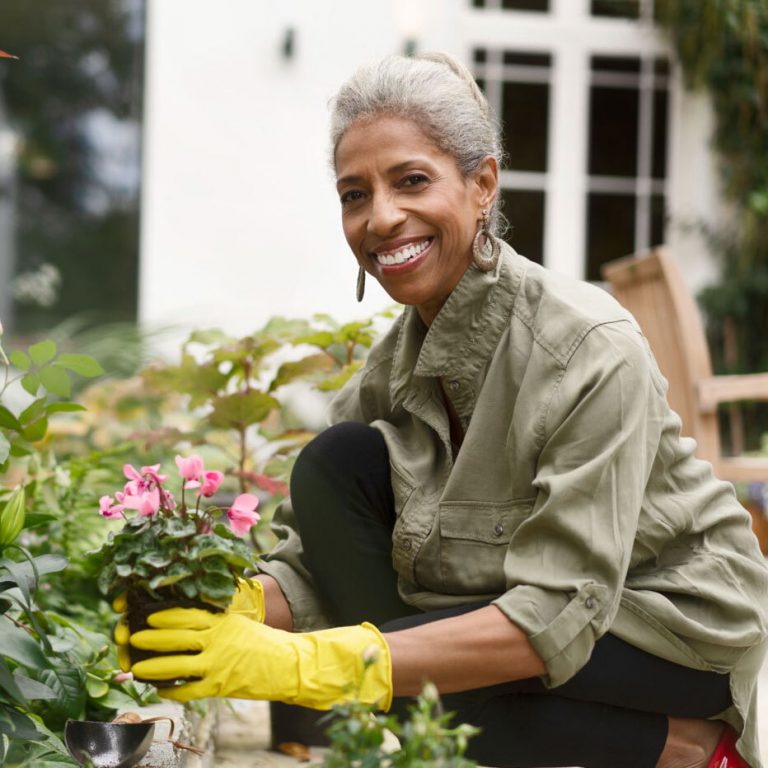
An older African American woman smiling while holding flowers she is about to plant in her garden
› Back to top
« back
03.09.21 | Health & Wellness

Vibrant Living Breakdown: Engagement in Family Life

Nine Ways of Vibrant Living is Sage Collective’s innovative model that champions more meaningful, engaged lives for older adults, and that serves as the backbone of our philosophy. We celebrate and uplift components of vibrant living that span from health and wellness, to arts and culture, to spiritual enrichment — but tying it all together is an underlying feeling of connectedness, care and love. That’s why our eighth component is engagement in family life.

We believe in the deeply transformative power of being part of a community. At Sage Collective, we are committed to providing a genuine sense of community for everyone involved with us, from program participants to building residents to our partners and beyond. Family doesn’t just refer to the bloodlines you’re born into; it also incorporates the loving connections you make throughout a lifetime and the people that you choose to surround yourself with. 

When it comes to our plan for programming and housing, we want to take an active role in developing meaningful friendships and embracing existing family ties. To do so, we intend to provide opportunities such by creating camaraderie-generating participant activities, offering family support activities and policies for our residents as well as the incorporating intergenerational teaching, learning and cultural activities.

The latter piece of this, intergenerational teaching, is particularly important to us when we think about engagement in family and community life. Older adults have a wealth of wisdom and experience to pass onto younger generations — but in the other direction, so too do the youth have much to teach their elders. We believe that honoring and encouraging relationships across generations is the key to creating more unified, meaningful lives for all.

From interpersonal family dynamics, to a more expansive view of community, we’re excited to begin fostering these relationships with and for our participants.

A young African American woman embraces an older African American woman who wears a silk headscarf
› Back to top
« back
03.04.21 | Sage Advice®

Vibrant Living Breakdown: Engagement in Spirituality or Religion

At Sage Collective, we believe in meaningful and engaged lives for older adults. Nine Ways of Vibrant Living is our innovative model that champions just that. Our model incorporates everything from health and wellness to cultural immersion to spiritual enrichment — and today, we’re diving deep into the last of those three key elements. Take a closer look at our seventh component of vibrant living, engagement in spirituality or religion:

Religious Roots

Religion is part of our history. You can read our full story here, but before we were Sage Collective, we were Tabernacle Senior Citizens Project (TSCP). TSCP was started in 1978 by Reverend Louis Rawls, founder and pastor of Tabernacle Missionary Baptist Church on Chicago’s South Side. Rev. Rawls founded both Willa Rawls Manor (a high-quality housing development for older adults) and TSCP in an effort to better support the aging members of his congregation. Today, we carry on his legacy and tradition by continuing to build upon his concern and care for the community. 

The Impact of Engagement

As Rev. Rawls demonstrated, the church is the center of many African American communities. It’s not just a place to practice worship; it’s also a vital hub for civic engagement, for participating in and finding community and for discovering meaningful connections with one another.

Engagement in spirituality or religion touches on all parts of vibrant living. It brings with it life purpose, inner peace and a greater sense of connection to both the people and the world around you. In fact, studies have shown that those who engage in spiritual or religious activities live longer — some claiming even up to four years longer.

For all these reasons and more, we’ve included engagement in spirituality or religion in our Nine Ways of Vibrant Living. We support and encourage participation in spiritual and religious experiences for followers of all faiths residing in Sage facilities, or involved in Sage programs. 

The inside of a church, with rows of pews before large stained glass windows
› Back to top
« back
02.19.21 | Community

Resilience is a Skill You Can Build — Here’s How

Throughout a lifetime, everyone experiences trauma, grief, failures, challenges and setbacks. Resilience is the essential skill needed to help us overcome these experiences. Some people have a better grip on the skill than others, but luckily resilience is something we’re all capable of building — today, we’ll take a look at how:

Understanding Resilience

At Sage Collective, we recognize that everyone faces adversity in life, and that stress is a natural component of the human experience. Rather than the complete elimination of stress (which would be unrealistic), we take a more pragmatic approach, advocating for stress reduction as part of our 9 Ways of Vibrant Living. Resilience is an essential tool for stress reduction. 

According to the American Psychological Association, psychologists define resilience as “the process of adapting well in the face of adversity, trauma, tragedy, threats, or significant sources of stress—such as family and relationship problems, serious health problems, or workplace and financial stressors.” Resilience isn’t just about getting through a challenge, but about emerging on the other side feeling more confident and empowered in your ability to cope and overcome adversity. 

Building Your Resilience

There are four core components that build resilience. 

The first component is easy enough to tackle: take care of your physical wellness. Often, when we take care of our body, our mind will follow suit. Taking care of your physical wellness includes maintaining a healthy diet, participating in moderate, regular physical activity and getting a good night’s sleep. If you incorporate these physical wellness habits into your daily lifestyle, you’ll begin experiencing elevated energy levels and improved moods, both of which will help you become more resilient.

The second component that follows suit is: take care of your mental wellness too. When building resilience, it’s important to both get in touch with your emotions and to learn how to control them. Mindfulness practices such as meditation, yoga and breathing exercises can help with this. Practicing gratitude, developing a self-care routine and engaging in activities you love are all great ways to restore balance and wellbeing to your mind.

The third component that will help you build resilience: seek out connection. You don’t have to go through trials and tribulations alone. Rather than isolating yourself, instead build a network of trusted friends, family and community members that you rely on to validate the troubles you’re going through and to help uplift you when needed. You can also find a sense of connection and support in more structured environments such as support groups, civic groups or faith-based organizations.

And finally, the fourth component: find meaning. Going through a traumatic experience often overwhelms us with negative feelings like despair and hopelessness. Combatting these feelings with a sense of life purpose helps us maintain our groundedness and to hold onto hope and optimism. Whether you’re driven by a desire to help others or to pursue opportunities for self-discovery and improvement, finding meaning through your life purpose — and taking the steps needed to reach your goals and objectives — helps us maintain the problem-solving, motivation and drive that’s key to resilience.

Challenges will continue to come our way. With these tools to help build resilience, we hope you’re left feeling more prepared for the next time adversity comes your way.

Two hands reach out from a bright yellow field of flowers
› Back to top
« back
12.21.20 | Health & Wellness

Healthy Sleeping Habits for Seniors

Many of us struggle with getting a good night’s sleep. Due to the natural aging process and a decrease in hormone production, older adults experience less deep sleep — one of the most refreshing parts of the sleep cycle. That’s also why older adults are prone to waking up more frequently and often wake up feeling less rested. Today, we’re exploring remedies to help older adults achieve their best nights’ sleep, and it all starts with healthy sleeping habits.

Hitting Healthy Sleep Quotas

For older adults, experts recommend getting 7-9 hours of sleep per night. Many older adults will naturally lean towards going to sleep earlier in the evening and waking up earlier in the morning, but still many will have to spend longer in bed each night to fall and stay asleep. In case a night’s sleep doesn’t get you to a full 7-9 hours, it’s okay to make up and take a nap during the day — but try to avoid napping in the late afternoon or evening to ensure your body will be ready for the next night’s sleep.

Developing a Routine

Finding a bedtime rhythm that works for you is essential to regularly getting a good night’s sleep. First and foremost, stick to the same bedtime. This allows your body to get used to a routine and to build up a strong circadian rhythm. Avoid artificial light as well, so as not to confuse your body to the time of day. Instead, make time to wind down before bed, by doing calming activities such as reading, taking a bath, meditating or practicing breathing techniques. You should also avoid alcohol before bedtime and limit liquid intake to ensure a restful night’s sleep.

Filling the Daytime

Naturally, the more energy used during the daytime, the more ready your body will be to rest at night. Getting in a day’s worth of moderate, regular physical activity contributes to better sleep — though be sure not to exercise three hours prior to bedtime. Experts also recommend engaging socially throughout the day; this uses up more of your brain’s energy as well as aids in personal fulfillment. Getting outside and enjoying the sunlight is also crucial to getting a good night’s sleep; this exposure to natural light will help regulate your body’s circadian rhythm. 

It comes as no surprise that many of the components of vibrant living contribute to healthy sleeping habits. As the saying goes — healthy mind, healthy body. 

A comfortable bed with many pillows
› Back to top
« back
12.03.20 | Sage Advice®

Vibrant Living Breakdown: Stress Reduction

At Sage Collective, we have adopted, and vigorously promote, 9 Ways of Vibrant Living, as a model that champions high-quality living, and is the backbone of our philosophy. Today, we’re unpacking the third of our nine components: stress reduction. We believe that stress is a natural component of life for all of us, and our focus is not to totally eliminate stress, but rather learn to manage, to control and to minimize it.

The famous serenity prayer goes: “God, grant me the serenity to accept the things I cannot change, courage to change the things I can, and wisdom to know the difference.” In that vein, Mayo Clinic provides 4 A’s that should be a part of every person’s stress management toolkit: Avoid, Alter, Accept and Adapt. 

Oftentimes, the majority of stressors in our lives are things we can simply Avoid. Avoidance requires us to first acknowledge what triggers stress for us: is it traffic on the way to running errands, or a rude neighbor? Taking the time to plan strategically to avoid these stressors is well worth the effort. Stress also comes from feeling overextended in our responsibilities. Time management and prioritizing what is most important to you is one way to treat this, and even includes saying no to favors you aren’t in a position to take on.

For those things you can’t avoid: Alter. Perhaps you’d like to begin rectifying your relationship with that rude neighbor. Communicating your feelings and, when necessary, setting important boundaries goes a long way when treating your own stress. 

For those things you cannot change or alter? It’s time to Accept. Holding onto anger, frustration or regret not only adds to your stress, but it’s also exhausting. Try talking with a loved one or trained professional to express your feelings through a healthy outlet. Strike a balance between productive venting and then practicing forgiveness, of both yourself and others.

And when all else fails, it’s time to Adapt. We can’t always change the things that cause us stress, but we have the ability to change how we respond. Rather than becoming overwhelmed with negative feelings, take some time to talk yourself down and recenter. Once you’re feeling calm and collected, try reframing the issue and looking for the bright side: is there something to be learned? Is it an opportunity to grow?

Dealing with stress is never fun, but when we develop the right techniques, successful stress reduction is another step towards a life lived more vibrantly. 

Two older adults stand in a balance form during yoga
› Back to top
« back
12.01.20 | Sage Advice®

5 Ways to Keep Your Memory Sharp

Did you lose your car keys? (Or these days, did you misplace your mask?) Forget that item on your grocery list that you know you needed? We all suffer moments of memory loss from time to time, but by establishing certain habits, we can fight to keep our memory sharp. Today, we’re sharing five easy ways to keep your mind — and your memory — healthy!

Exercise Regularly

With a healthy body comes a healthy mind. Moderate, regular physical activity is an essential component to maintaining overall health — not just for seniors, but for every age group. Regularly exercising helps stimulate blood circulation in the whole body, including your brain, and helps aid in preventing memory loss.

Eat Healthy

Not that we should need another reason to keep a healthy diet, but here it is anyway! Feeding your body and brain with ample nutrients is a great way to keep your mind sharp. Avoiding unhealthy habits, such as drinking too much alcohol, is also an important preventative measure, as this will cloud your brain. 

Sleep Soundly

The average adult requires seven to nine hours of sound sleep each night. Hitting this mark plays an important role in maintaining memory. During the process of sleeping, our brain works to consolidate memories so we’ll recall them easier down the road. In addition to solidifying memories, sleep also aids in transferring memories from short – to long-term.

Stay Social

Social interaction is crucial to maintaining brain health, particularly for seniors that live alone. Studies show that even ten minutes of social time a day can make a difference. Spending time with friends and loved ones helps us ward off stress and depression, both of which can contribute to memory loss.

Engage Your Brain

Just as muscles become stronger with exercise, so too does the brain improve with increased mental stimulation. There are endless ways to engage your brain, such as doing a daily Crossword or Sudoku puzzle. You can satisfy brain engagement and socialization simultaneously by playing a board game with a loved one. Reading is also a good (and fun) way to stimulate your mind. Or if reading isn’t for you, try picking up another hobby, such as indoor gardening or crafting.

Not only will these five steps help improve your memory, but they’ll contribute to living a more vibrant life overall, too.

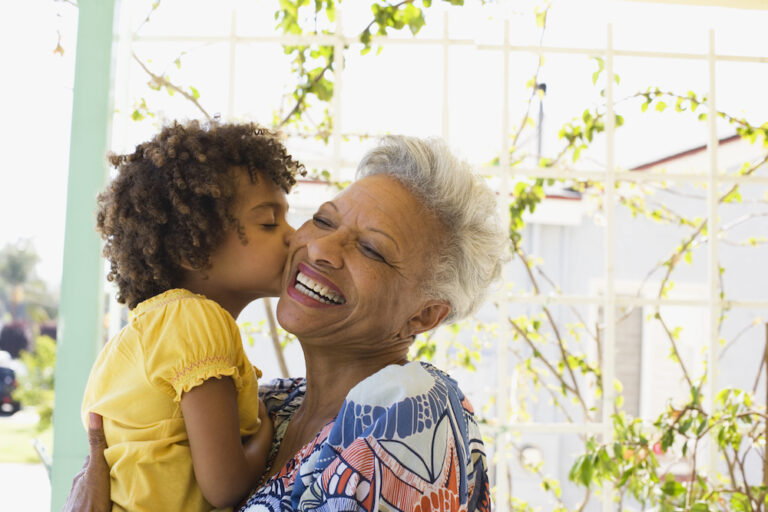
An older African American woman hugs a young kid, who kisses her cheek
› Back to top
« back
11.23.20 | Mental Wellbeing

How Do You Rank Happiness?

What makes us happy? The World Happiness Report seeks to answer that question. The report is an annual publication that surveys people worldwide to discover how satisfied they are by ranking happiness on a scale from 1-10. The results (and the questions that uncover them) have much to teach us.

Developing the Report

The World Happiness Report (WHR) was established by the Sustainable Development Solutions Network (SDSN) in 2012, following a series of United Nations council meetings where members sought to use happiness to help inform public policy decisions. The SDSN includes scientists, engineers, business and civil society leaders and development practitioners, and promotes solutions initiatives that demonstrate the potential of technical and business innovation to support sustainable development.

The World Happiness Report surveys global happiness by ranking 156 countries based on how happy their citizens’ perceive themselves to be, and digs more deeply into how the social, urban and natural environments combine to affect our happiness. WHR partners with Gallup, utilizing data from the American advisory firm’s World Poll. Countries’ overall happiness ratings are determined by the Cantril ladder, which asks people to envision a ladder with ten rungs, the top (10) being a person at their most happy. 2,000-3,000 randomly selected citizens from 156 countries are surveyed to find results. 

What We Stand to Learn

Happiness, according to the report, can be attributed to six main criteria: (1) GDP per capita; (2) healthy years of life expectancy; (3) social support (e.g., having someone to count on in times of trouble); (4) trust (as in absence of corruption in government and business); (5) perceived freedom to make life decisions; and (6) generosity (e.g., donations to charity). From those six factors, social support ranks the highest in importance — carrying 6.3 times more heft than wealth when it comes to building happiness. The second largest driver of happiness is freedom to choose — which is 3.6 times more important than wealth.

Ironically, the 2020 World Happiness Report was released on March 20 (International Day of Happiness) at the onset of the global COVID-19 pandemic. Just as the report shows, our recent experiences have reinforced, too, the vital importance of human connection. Happiness, at its core, will come from building meaning not just in your own life, but by building meaningful relationships in your community. 

At Sage Collective, we believe in vibrant living — our own secrets to finding a life that’s not only more vibrant, but also more meaningful, and hopefully more joyful. From one philosophical rank and file to the next, we hope you find the things that make you happy, and embrace them each and every day. 

World Happiness Report 2020 cover image
› Back to top