« back
01.06.22 | Sage Advice®

Health Benefits of Natural Light

For many of us, winter can be tough on our bodies, so the cold weather encourages us to shelter indoors. You’ll often hear from doctors and medical professionals the importance of Vitamin D in our lives throughout this season especially. Today, we’re highlighting the importance natural light plays in our lives and the significant benefits it can provide to us, especially during the winter: 

Improves Physical Health

There are a slew of health benefits you receive from catching some sunny rays. Spending time in natural light ups your Vitamin D level, also known as the sunshine vitamin. Appropriate levels of Vitamin D support your immune system as well as promote muscle and bone growth, as well as can help prevent depression, heart disease, and even some cancers!

Improves Productivity and Mindset

The more time you spend in the sun, the more you may notice your productivity going up. Studies have shown that there are strong links between natural light and daily productivity. Also, as mentioned earlier, natural light works to keep your mood lighter, actively working to prevent mental illnesses like Seasonal Affective Disorder and depression. All in all, natural light can truly help improve all aspects of life – whether it be mental or physical, natural light improves your general wellbeing! 

Ways to Find More Natural Light

Of course, the best way to improve your intake of natural light is by going outdoors. However, there are some adjustments you can make in your home to give yourself that sunny, natural feel. Mirrors and reflective metals can be your best friends! Things like reflective tiles, silver picture frames and glass chandeliers are going to reflect light in your home beautifully. Pair these things with a light color scheme–like white tones and light colors–in your home to maximize the amount of natural light you receive. 

At Sage Collective, we believe in the power of vibrant living. One of the best ways you can live vibrantly and boost your health this winter season is by providing yourself with as much natural light as possible.

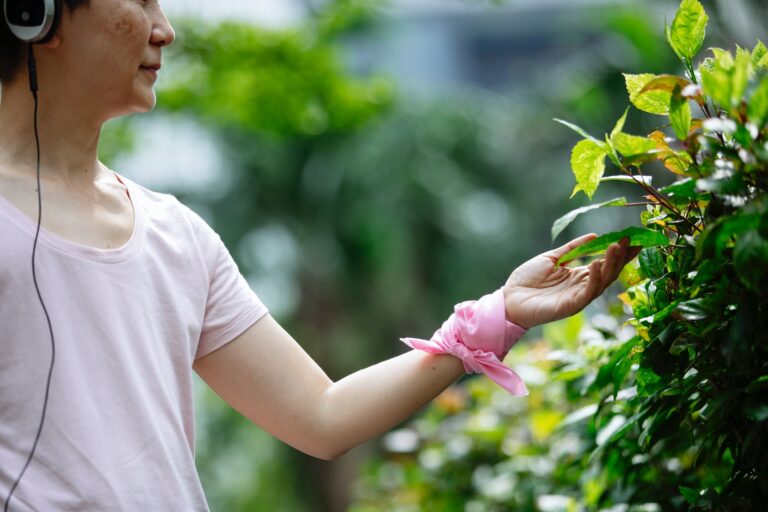
A woman with headphones touches a green plant outdoors.
› Back to top
« back
12.09.21 | Arts & Culture

The Power of Music

There are many ways older adults can keep their minds sharp as they age, including scrapbooking, mentoring or even owning a pet. However, one of the most significant ways to actively exercise the brain is simply by listening to music. Many of us will play our favorite song or put background music on without any thought, but the melodic sounds have the power to stimulate our brains unlike anything else. 

Music and The Brain

If you’re seeking to retain your brain’s powerhouse abilities with age, John Hopkins Medicine affirms that listening to or playing music is an extremely powerful tool in doing so. What many don’t understand is that when we listen to music, mathematical puzzles are simultaneously being performed in our heads. With each note that passes through our ears, our brain toils to compute how it connects to each previous sound.

The unique tool can help assist in gathering memories that have felt lost in time. Sometimes a specific song will have the power to transport you to a specific moment in history; that’s because studies have discovered that music has the power to attract itself to memories, and with that, improve cognitive skills, and recognition and working memory. 

Engaging with music frequently has the ability to retrieve forgotten memories for older adults living with diseases contributing to memory loss and reduce anxiety, depression and pain in those who are battling other disabilities, like PTSD. 

The Intersection of Music and Medicine

Experts are continuously trying to understand where music fits in with medical treatment. Robert Gupta, violinist and social justice activist, has been a chameleon in both the music and medical industry nearly his whole life. Now, after realizing he can be involved in both of his passions, Gupta is finally understanding the sheer power music has in succeeding in areas where traditional western medicine isn’t able to reach, especially for vulnerable communities. Explore more in Gupta’s TED Talk here: 


Instilling Music in Your Life

Although the easiest way to integrate music into your life is by simply pressing play on your favorite album, there are numerous other ways you can reap its benefits at home and within your community. Attending concerts and musicals, in person or through a virtual environment like your television, are perfect ways to stimulate your brain while entertaining everyone in the room. 

While listening to music is just one of the ways you can engage with the effective tool, playing an instrument and singing produces even more marvel responses. Music groups are excellent ways to enjoy the sounds of music while also engaging with those around you in meaningful ways. They can be found anywhere from community-organized troops to the choir at your local church.

› Back to top
« back
11.30.21 | Community

How Spirituality and Religious Involvement Can Help You Age Better

With aging comes many difficulties and moments of emotional turbulence, leaving some to believe they are alone on their journey. However, the aging process also introduces many people to new hobbies, fulfilling purposes and other approaches to life that they had never experienced before. Vibrant living is always at the forefront of our vision at Sage Collective, and one chief aspect of our inspired model is engagement in spirituality and religion. Today, we’re the significant impact that spiritual and religious involvement can have on the aging process.

Sometimes as you age, a sense of community and support is all you need. Churches, and other places of worship, are hubs for mutual respect and are the perfect places to discover connections, engage in thoughtful discussion and participate in meaningful action. 

Despite the anxieties that come with aging, like increased loneliness and isolation, religious attendance has been found to establish a stronger feeling of community support. A recent study published by Geriatrics Journal found that religion and spirituality played a variety of roles in the lives of older adults who participated in them, including strengthening emotional connections and enhancing feelings of comfort and hope during hard times. 

Because religious and spiritual institutions often encourage connecting with those around you, they are one of the best ways for older adults to immerse themselves in a supportive social network and embrace vibrant living. Many religious institutions practice a “door’s always open” policy and will gladly welcome anyone who walks through their entrance. 

Because of these uplifting benefits and more, we encourage you to explore your community and discover a faith of your own if you haven’t already. And no matter the religion, we’re sure that a vibrant community full of love will welcome you with open arms and help produce essential support that will lead to better aging. 

› Back to top
« back
11.18.21 | Community

How to Tackle the Winter Blues

Winter’s frigid months, when sunshine is scarce and snow piles accumulate, can be daunting, leaving many — particularly older adults — feeling as though stepping outside is a chore. At Sage Collective, we recognize the hardships that come with the long winter days and believe that with preparation, anyone can traverse the burdens of winter with relative ease. So, even as winter takes over in the upcoming months, you can meet the blues it might spawn, head-on. 

The simplest way to get through the seemingly never-ending winter months is by centering your focus on your wellbeing, introducing various self-care principles into your life and staying mindful of what makes you happy. 

Secure Nutrients

Nutrients are critical to thriving during winter, and while bleak, the outdoors produces several essential benefits. Natural light provides significant benefits to our bodies that we lack during winter, including vitamin D, which reduces the risk of heart disease and prevents bone loss, and produces mood boosters like serotonin and endorphins. While natural light can be easily accessible from windows, it’s even more beneficial to immerse yourself in the outdoors, and embrace the fresh air.

While you’re outside, a walk around your block or to the grocery store is also a great way to combat the winter blues. Frequent physical activity helps create a routine, and as your body moves, the hormones released by your body and vitamins you receive from the sun help stabilize emotions and build spirits. 

Because the outdoors can be such a brisk environment, having options to be active in indoor environments is a necessity. Programs like SilverSneakers make it easy for qualified older adults to go to gyms and participate in online or in person fitness classes at no cost. Around Bronzeville, gyms participating with SilverSneakers include La Fitness and Planet Fitness. Local YMCA’s are another great option for anyone searching to keep their fitness routine active in the winter.

Feed Your Soul

Nurturing your body certainly helps get through some aspects of winter, but your soul’s wellbeing is equally important. It’s essential to find bliss through activities and hobbies you’re passionate about during winter. Sit next to a warm fire and immerse yourself in a new book; tune into a podcast and explore new topics; put pen to paper and share your feelings in a journal, or document cherished memories in a scrapbook.

If you can, take a trip. Midwesterners know best that venturing to a different climate or part of the country can give you a real boost during the winter months. Whether you make it a road trip to Florida or take a plane to Cancún, vibrant sunlight and cloudless skies never disappoint. Weekend and day trips are another great way to feed the soul, especially considering Chicago’s perfect location for getaways that take you in virtually any direction. 

Most importantly, don’t shy away from spending some extra time with your family and friends during winter. Loved ones are the perfect remedy for the winter blues and often can kick us out of mental slumps. 

As the winter season approaches, start preparing for what lies ahead and armed with a good attitude and a toolkit for beating the winter blues, consider placing a spotlight on your wellbeing.

› Back to top
« back
11.16.21 | Community

The Magnitude of Mentorship as an Older Adult

While reflecting on the past, fortunate people will immediately recall someone who made a lasting impact on their lives. It may have been a coach, a teacher, a parent or a neighbor, but one throughline is shared by all:  the powerful and lasting influence of having a mentor. The process of mentoring and sharing guidance is a valuable and life-changing experience for mentees and can be just as significant for mentors. 

Intergenerational mentoring is a mutually beneficial way to provide both youth and older adults with new perspectives and opportunities for happier and healthier lives. For older adults, sharing life experiences and critical advice with young people can help dismantle generational barriers while fulfilling a sense of purpose many desire. 

We often think that loneliness and isolation are the exclusive domain of older adults, forgetting that young people experience these same emotions. With mentorship, the generations can come together to create a sense of belonging and stability. Youth who receive mentorship, specifically from older adults, have higher self-esteem, improved leadership and communication skills and often find themselves more willing to explore new ways to learn and grow. 

Among its many benefits, mentoring is a great way to diminish ageism and educate younger people about the aging process, expanding their empathy and strengthening their understanding of what others are experiencing. While mentees benefit from improved self-awareness, respect for their elders and other insightful perspectives, mentors gain invaluable knowledge themselves, creating a dynamic, elastic system for communities to thrive together. 

Anyone can be a mentor. The process is uniquely flexible and can be as easy as offering advice and creating a safe space for younger family or community members to visit if they ever need assistance or support. For those who prefer more structure, there are numerous mentorship programs in Bronzeville and around Chicago that anyone can join.

AmeriCorps Seniors Foster Grandparents Program, offered through the Chicago Department of Family & Support Services, allows volunteers age 55 and up to care for and guide Chicago’s youth, enriching the lives of everyone involved. The program actively serves 3,500 Illinois children and provides everything from educational support to essential care some may need. To learn more about their program and how to become involved, visit their website here

Mentorship is a critical asset to youth, older adults and communities that shapes positive outcomes in all directions. For older adults aspiring to empower others and share their essential voices, mentoring is the opportunity you’ve been seeking.

› Back to top
« back
11.04.21 | Community

Practicing Empathy: How it Can Create a More Vibrant World

Empathy is a universal tool for understanding. By definition, it’s a way of emotionally recognizing and validating what someone else is feeling. At Sage Collective, we approach all of our work with empathy, and believe that with practice, exhibiting empathy improves communication, heightens creativity and enhances appreciation.

What the Science Says

Empathy has always been an essential skill for communication and understanding. However, it’s more important now than ever, in light of the enormous levels of stress many confront today. Displaying empathy serves as an antidote for burnout and anxiety — producing beneficial effects on wellbeing and supporting positive social interactions for individuals and groups alike.

According to a recent study published by the Journal of Social and Personal Relationships, empathy in older adults may play a sizable role in shaping the regularity and types of support they exchange within social networks and the ramifications associated with the exchanges. The study concludes that empathetic older adults grant emotional and instrumental support more often than older adults who display less empathy. Furthermore, those who are more empathetic enjoy greater levels of emotional comfort from their networks and uphold more positive moods throughout the day, producing significant exchanges of care and more powerful controls over temperament. 

Practicing Empathy

Because empathy is a crucial element for collective support, everyone can benefit from improving their skills, whether practicing empathy comes naturally or must be learned. However, with time, an empathetic approach to all situations becomes instinctive. Here are three kinds of empathy that a person may encounter and should strive to understand:

Cognitive empathy consists of putting yourself in someone else’s situation to try and
comprehend what they might be going through at that moment. Even if it involves
something unfamiliar, the effort of understanding can transform anyone’s perspective. 

Somatic empathy requires the ability to experience someone else’s feelings. It usually
includes physical reactions to situations like feeling sick, sweating or blushing.

Active listening is a large part of being empathetic, but taking action and giving appropriate feedback takes the skill a step further. Affective empathy entails understanding the emotion someone else is feeling and answering accordingly. The awareness establishes personal connections and leads to a more profound concern for others’ feelings. 

As more and more people recognize the power of using empathetic techniques, a mutual understanding and compassion will blossom, empowering our communities to become more vibrant and rich in emotional support.

› Back to top
« back
11.02.21 | Community

Why You Should Start Journaling if You Aren’t Already

As part of our 9 Ways of Vibrant Living at Sage Collective, we are proponents of any activity that reduces stress and increases overall wellbeing. Burnout and stress are familiar to many of us, and it’s imperative to find someone or something to help manage, control and minimize these feelings. Journaling is one delightful distraction that diminishes those anxieties and comes with a handful of other benefits, particularly for older adults.

 Along with functioning as a means to escape the world around you, journaling is an enjoyable way to pass the time and alleviate any stressors that come with life. It’s difficult to separate the positive and negative experiences that happen to us daily. Conveying thoughts by putting pen to paper is one way to help release emotions while granting your mind and body relaxation from the tension you may have been feeling.

Many people who journal will often follow guides and roadmaps that help steer their process, but the brilliant thing about journaling is that the quality and subject of your writing are less important than the actual act. Having the opportunity to write about anything from daily stressors and positive affirmations to poetry increases creativity, along with numerous other cognitive benefits.

For many older adults, cultivating a routine can combat negative sleeping habits and feelings of isolation. Like any new habit, we recommend journaling at the same time each day to help create a routine, whether you start your day with a few morning pages or reflect before going to bed.

Along with improving sleep and reducing loneliness, jotting down experiences, emotions and everything in between helps older adults preserve their memories and sharpen their minds. Journaling acts as a memory aid and, with time, can generate more effective recollections for older adults.

Whether you prefer to write in a notebook or favor typing on your phone, journaling is a fantastic way to reduce the stressors of your daily life and sharpen your memory and mind. If you want to learn more about how to begin journaling or need a boost of creativity to start the process, check out the video below.

› Back to top
« back
10.19.21 | Arts & Culture

How Museums Might Reduce Your COVID-19 Stress

One of the largest challenges in modern-day life is finding a treatment for the frequent burnout that most of us feel daily. At Sage Collective, one of our most cherished beliefs is that wellness, health and empowerment should be made priorities in every community. That’s why today, we’re exploring how museums might be the perfect answer to your post-pandemic stress and burnout. 

Many individuals, especially older adults, have faced higher stress levels over the past year and a half than ever before. Feelings of uncertainty and unpredictability due to COVID-19 have also led to many feeling alone, anxious and burnt out, with little reprieve. However, there is growing research that offers tangible steps toward alleviating these negative feelings. 

Often in the present day, many feel like time is limited, and burnout is constant. However, solace can be found in the relaxing and revitalizing spaces of a museum. For many, the knowledge that curated spaces of art and history can provide a wealth of benefits for mental and physical health is new.

Recently, doctors in Belgium received permission to prescribe museum visits to combat the mental health crisis in their country, and similar actions have been implemented in Canada. Patients who get the prescriptions can go anywhere from an intimate art gallery to a fashion exhibition at a history museum. 

The goal behind the three-month-long trial is to promote an engaging learning experience and shift people away from the stress of their daily routines in hopes of having a positive impact on mental and physical health. The museums and exhibitions act as safe and welcoming places for patients to unwind from their day-to-day responsibilities and explore new ideas and areas of interest. Not only does the time off allow patients to catch their breath and spend time with loved ones, but it also acts as a moment of respite from the harsh realities of the pandemic. 

Instead of relying on drug therapies, this mode of enrichment has the possibility to be expanded to other areas of mental health beyond pandemic-related stress and anxiety to alleviating symptoms of depression, psychiatric disorders, anxiety and more. 

Numerous museums, galleries and art centers around Bronzeville present the perfect opportunity for anyone looking to combat stress and relax — in person or virtually. The South Side Community Arts Center, Gallery Guichard, Smart Museum of Art, DuSable Museum of African American History, and Chicago’s Museum of Science and Industry are all wonderful choices to spend an afternoon enhancing your wellbeing and expanding your mind. 

Furniture and a crowd of people fill a bright museum interior.
› Back to top
« back
10.12.21 | Sage Advice®

Benefits of Owning a Pet

Living a vibrant life includes everything from engaging in activities that reduce stress to spending time with friends and family. One effective way to encourage vibrant living and invite joy into your life is by adopting a pet. 

The bond between humans and animals is mutually beneficial and dynamic; while humans provide shelter, food, love and much more to pets, they give back to us in so many ways. Pets offer the kind of companionship that many older adults are looking for, which helps offset feelings of loneliness and other negative emotions.

Research published by Harvard Health found that pet ownership prompts people to live a more active lifestyle and even improves their social skills. Sometimes, it can be hard to find the physical or mental motivation to leave the couch or your house. That’s where dogs and other animals that require outdoor time come in — they keep you active and can lead you to discovering new interests, people and places in your community. The responsibility and routines that come with pets can be very advantageous to vibrant living, especially for older adults.

Pets can also alleviate mental health issues such as depression and anxiety by offering valuable emotional support. A study published by the National Library of Medicine found that exposure to pets dramatically decreased participants’ blood pressure and heart rate, along with other therapeutic benefits such as stress reduction.

This October during Adopt a Shelter Dog Month, consider welcoming a four legged companion into your life. Learn more about pet adoption and animal care from Chicago’s Anti-Cruelty Society and PAWS Chicago.

A cat and dog cuddle in grass.
› Back to top
« back
09.30.21 | Community

The Importance of Checking In

It’s easy to assume that someone may be happy just from the smile on their face. However, behind closed doors, many people are dealing with heightened feelings of isolation, anxiety and depression. At Sage Collective, we believe that connection, engagement and shared relationships are vital to our health and well-being, as well as that of many other folks in our community. Checking in on friends, family and neighbors can be an effective way of looking out for one another and fostering those connections.  

Checking in on someone you haven’t seen in a while, who works remotely or who recently lost a loved one is a powerful gift. The simplest way of checking in is just asking how someone is doing. Reaching out can be done in person, through text, email or phone, and these small efforts can go a long way to show support and invite them to share more with you.

Words are meaningful, but in many circumstances, actions can be even more powerful. Delivering meals is a thoughtful way of checking in during difficult times or extending a hand to those who may have trouble accessing healthy foods. Whether it’s some of your own leftovers or cookies you’ve baked, your thoughtfulness will bring joy and comfort. Offering a form of mutual aid, a topic we talk more about here, is another inspirational way to foster engagement and check in on neighbors, since we know that extending aid to others by sharing knowledge and skills is a great way to develop ‘care webs’ — an element of mutual aid — in the community.

It’s essential that while checking in on those around you, you do not forget about yourself. It can be dangerous to ignore your physical and mental health while helping others. Valuable practices to utilize for checking in on yourself include asking yourself how you are feeling, meditating and taking advantage of other mindful habits that benefit your health and happiness.

Cropped shot of a cheerful elderly woman hugging her husband who's in a wheelchair at home during the day
› Back to top