« back
12.17.20 | Sage Advice®

A Vibrant Living Guide to Aging in Place

How does vibrant living play into aging in place? “Aging in place” describes the process of growing older at home. It’s a process rooted in independence and comfort; a way for older adults to maintain normalcy and their sense of community.

We recently spoke with Angela Higginbotham about her expertise on aging in place, learned from assisting her 93-year-old mother at her mother’s home. Higginbotham is a CPS educator, Lead Speech Pathologist and a member of the Sage Collective Board of Directors.

Maintaining Independence 

“First off, I feel grateful to have the opportunity to care for my mom,” reflects Higginbotham. “I saw the sacrifices she made for my family growing up and I’m happy it’s my turn to do that now. As for how our caretaking occurs: it’s a family affair where my mother is directly involved in the decision-making process. My brother, sister, mother and I all sit down and have a conversation about how she’s feeling, what her needs are and how we can support her as long as we can in an independent setting.” 

Though aging in place isn’t a viable option for everyone, it’s important for older adults with the mental and physical capacity to maintain that level of independence. “As long as people are able to take care of themselves, they’ll be able to take care of themselves longer,” explains Higginbotham. “So helping older adults to age in place, when possible, is essential to sustaining a vibrant life. Because I believe that once people stop maintaining their independence, it affects them psychologically and emotionally.” 
Text over a green background, with quotation marks at the top and the Sage Collective logo at the bottom. Text reads: Helping older adults to age in place, when possible, is essential to sustaining a vibrant life.

Staying Engaged Through Community

“My mom still has her driver’s license — she’s smart about it and only drives between 10-2, when everyone else is at work and when it’s safest — but she still goes to church and out to see friends,” says Higginbotham. For older adults, social isolation and loneliness are often big hurdles to overcome. Staying engaged with family, friends and community members, then, plays a vital role in supporting a more vibrant lifestyle.

Higginbotham goes on to say: “My mom also personally knows many of my friends. From time to time, they’ll give her a phone call or even go and visit, which is something I so appreciate. It means she’s connecting with people and that’s so important.” Though maintaining independence is a large part of aging in place, it is these moments of human connection and care that help the experience feel even more comfortable and warm.

Staying Engaged Through Culture

Social engagement is one thing — but finding things to do for oneself is vital, too. We’ve emphasized before the importance of older adults discovering activities they love. Higginbotham reinforces this perspective, sharing: “One of my mom’s favorite hobbies is quilting. In the spring, we’ll also go to the nursery and pick out plants for both her place and my place together. I’ll keep her company at her house while she plants hers and then she’ll come over while I do mine. We also — pre-COVID times, of course — loved to go to the theater. We’d get lunch or dinner and see different plays across the city. It gave my mom something to talk about, too, because she’d go back and tell her girlfriend all about it.” 

Higginbotham reflects on this, saying, “It’s important for people to get out and see what’s going on in the world. As people age, their ability to transport themselves to new places is limited, and they know about, what they know about. But, if there are people around who can expose them to new experiences, it enriches their lives.” 

Aging in place is just one way to live a more vibrant life. But, whether at a personal home or a care facility, both experiences share a commonality: community and cultural experiences have the ability to engage older adults and enrich them, leading to more vibrant living for all.


Angela Higginbotham
› Back to top
« back
12.15.20 | Arts & Culture

Celebrating the December Holiday Season Safely

The December holiday season (like everything else this year) is looking different than usual. With COVID-19 cases spiking this winter, it’s more important than ever to practice safety: always wear a mask, maintain social distance and stay home whenever possible. Traveling and large group gatherings are highly discouraged during COVID-19 — which means many of us are glumly accepting that seeing our family in person isn’t the safest option. But like every challenge this year, there are creative ways we can overcome this obstacle. Below are a few joy-filled ideas on how to celebrate the December holiday season safely:

Get Creative (and Passionate) with Baking

Nothing better fills at-home time (and our bellies) than baking. This holiday season, revisit the family cookbooks for some inspiration and whip up a feast of delicious goods. The best thing about food — it’s meant to be shared. Try organizing a cookie swap with the neighbors on your block by asking everyone to bake their favorites and to drop it off at each other’s doorsteps. Sharing food is a great way to feel like we’re together, even when we’re apart. 

Enjoy Festive Decorations

Holiday decorations are another way we share our joy and excitement with others. Take a walk or drive around the neighborhood to see how your community’s decorative cheer is being displayed. Or join in on the festivities and hang decorations around your own home to express yourself. Going to see festive decorations can also become an exciting excursion with this TimeOut list of lights to see in Chicago.

Make and Exchange Holiday Cards

Holiday cards are an exciting occasion every year, but this year especially, there’s an extra exhilaration to sending and receiving snail mail. Whether it’s a family photo, a fun drawing or a personally written note, make an event out of creating your holiday cards this year. And when they’re done, share them with friends, family and more. Veterans, children’s hospitals and incarcerated folks are also great recipients for holiday cards!

Host a Video-Chat Party

We’re no strangers to Zoom this year. Video chatting platforms are perfect for hosting virtual holiday parties safely. There’s nothing you can’t do with a well-positioned camera — cook together virtually, have dinner together virtually or just hang out. Try spicing up your virtual holiday party with activities like holiday-theme bingo, trivia or sing-alongs. 

No matter the circumstances, people will always find a way to celebrate special moments together. From the Sage Collective team to you, have a happy and safe holiday season!

An array of holiday celebration items, including handmade cards, hot chocolate and seasonal ornaments
› Back to top
« back
12.10.20 | Arts & Culture

Discover Your New Winter Hobby for Seniors

Cultivating hobbies in older adulthood is a vital part of staying enriched and engaged. We’ve spent our entire lives making others happy, from partners to kids to bosses to friends. Now is the perfect time to indulge in activities for personal happiness and enjoyment, too. That’s why today, we’re talking about the benefits of finding a hobby that suits you — and sharing a few ideas to help get you started.

Fitness Hobbies

As we’ve discussed before, it’s vital that older adults partake in regular, moderate physical activity. Hobbies such as yoga, tai chi, swimming and even gardening are great ways to get those minutes in while also enjoying the task. Choosing these forms of exercise will help transform the experience of working out from a chore to a treat. 

Social Activities

Loneliness and social isolation are major challenges older adults face. Incorporating social activities into your life is a great way to meet new people and learn new things at the same time. Consider joining a choir, a local senior bowling (or other leisurely sport) league, taking a dancing class or even getting together for a game of cards every once and awhile.

Mental Engagements

One major benefit of hobbies is the opportunity to stimulate and engage your mind. For those that love a good challenge, or like to be whisked away in a story, try picking up a good novel from your library or grappling with a puzzle in the newspaper. Mentally engaging hobbies and activities are even proven to help keep your memory sharp.

Artistic Pursuits

For those seeking to express their artistic side, there are many artist hobbies available. For those that are good with their hands, knitting, crocheting or quilting are all exciting pursuits. Painting, drawing and scrapbooking are great ways to get creative and to create keepsakes, too. And for the wordsmiths among us, writing counts as an artform too!

There’s a hobby out there for everyone. Keep looking and trying new things until you find one that’s the right fit for you!

Three African American older adults smile together, wearing aprons at a painting class
› Back to top
« back
12.08.20 | Sage Advice®

Understanding the South African Philosophy of Ubuntu

Words from other cultures often encapsulate grand ideas that our own language simply struggles to communicate so succinctly, just like the Japanese concept of tsundoku, which describes having more books than one could ever read. Similarly, the Nguni Bantu term ubuntu is hard to even translate into English, though roughly it means “humanity.” Today, we’re exploring ubuntu and all that the word encompasses.

What It Means

The word ubuntu combines the root –ntʊ̀, or “person/human being” with the abstract-noun-forming prefix ubu-, which is why the word is sometimes translated to mean “humanity” or, more extensively, “humanity towards others” and “I am because we are.” The Zulu phrase “Umuntu ngumuntu ngabantu” literally means that a person is a person through other people. Ubuntu encapsulates ideas of human kindness, mutual caring, connection, community and oneness. 

The word dates back as early as 1846 in South Africa, though first became popular during the period of decolonization in the mid 20th century. Ubuntu at that time was described as a form of African humanist philosophy, a moral compass for how we should behave towards one another. 

How Ubuntu Has Been Used

In the late 20th century, Desmond Tutu further popularized the term and brought it to Western audiences. He described it by saying, “My humanity is caught up, is inextricably bound up, in what is yours.” In truly ubuntu, or humanistic form, Tutu advocated that a democratic South Africa could reconcile from apartheid through restorative justice. Both oppressor and oppressed needed to have their humanity restored, to return to ubuntu and a more just, mutualistically caring society, together.

Nelson Mandela himself famously described ubuntu saying, “A traveller through a country would stop at a village and he didn’t have to ask for food or for water. Once he stops, the people give him food, entertain him. That is one aspect of Ubuntu but it will have various aspects.” Mandela embodied ubuntu by leading South Africa out of apartheid with compassion and understanding, rather than vengeance. 

We could all benefit from incorporating ubuntu into our vocabulary and philosophy. At Sage Collective, we believe in the power of humanity, community and kindness — and we celebrate all that ubuntu embodies.

A group of dark human figures are gathered, and their silhouettes are reflected on the ground below them
› Back to top
« back
11.25.20 | Health & Wellness

Growing Your Green Thumb — With Indoor Houseplants

With winter quickly approaching, in many parts of the country, it’s time to bring the great outdoors… indoors. Keeping houseplants is the perfect way to incorporate nature into your everyday life, even on those days when getting outside isn’t an option. Houseplants also make for lovely additions to home design, help improve indoor air quality and even serve to boost your mood. So today, we’re talking about how you can grow your green thumb indoors by sharing some houseplant 101 tips.

Consider Sunlight

Whenever deciding to add a new houseplant to your home, you first have to consider two primary factors: where will the houseplant go, and how much sunlight will it receive? If your new leafy friend is going to live on a bookshelf by an eastern facing window, you can expect ample sunlight exposure. But if the plant is going in a room without windows that receives little sunlight, be prepared to choose a plant that can thrive in those lowlight conditions.

A good way to gauge whether your houseplant is getting the appropriate amount of light is to inspect the leaves. Yellow leaves signify either a lack of sunlight, or a lack of water. Leaves that begin to brown on the edges, as if burned, are being scorched by too much sunlight.

Watering Regularly

All plants will need regular watering. A good rule of thumb is to water your houseplants once per week, but this may change depending on sunlight and the time of year. Many store-bought houseplants will come with specific instructions.

It’s good practice to choose a specific day for watering (say a Saturday morning) in order to make it into a regular habit. You can also check if your plant needs water by sticking an index finger into the soil. Even if the top of the soil appears wet, if the soil half an inch below is dry, your plant may require more water.

Beginner-Friendly Plants

Choosing what plant will fare best in your home’s specific conditions is an important part of the process. Take the time to do your research before buying a houseplant, or ask a clerk at the store for their help and advice. Those new to keeping houseplants will do best to choose from a list of beginner-friendly options, including pothos, spider plants, snake plants, succulents and cacti. 

Whether you start with just one houseplant, or grow your collection to become an indoor jungle, indoor gardening is the perfect way to introduce vibrant living to your winter months — and beyond.

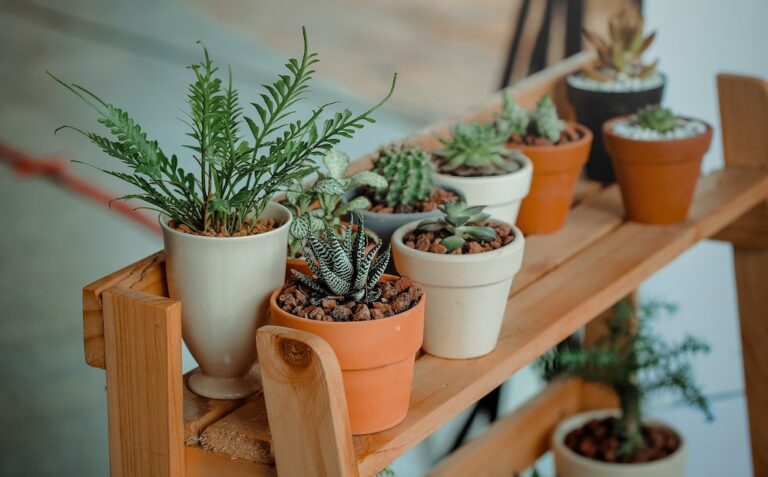
A wooden shelf is lined with pots of succulents and other potted houseplants
› Back to top
« back
11.23.20 | Community

How Do You Rank Happiness?

What makes us happy? The World Happiness Report seeks to answer that question. The report is an annual publication that surveys people worldwide to discover how satisfied they are by ranking happiness on a scale from 1-10. The results (and the questions that uncover them) have much to teach us.

Developing the Report

The World Happiness Report (WHR) was established by the Sustainable Development Solutions Network (SDSN) in 2012, following a series of United Nations council meetings where members sought to use happiness to help inform public policy decisions. The SDSN includes scientists, engineers, business and civil society leaders and development practitioners, and promotes solutions initiatives that demonstrate the potential of technical and business innovation to support sustainable development.

The World Happiness Report surveys global happiness by ranking 156 countries based on how happy their citizens’ perceive themselves to be, and digs more deeply into how the social, urban and natural environments combine to affect our happiness. WHR partners with Gallup, utilizing data from the American advisory firm’s World Poll. Countries’ overall happiness ratings are determined by the Cantril ladder, which asks people to envision a ladder with ten rungs, the top (10) being a person at their most happy. 2,000-3,000 randomly selected citizens from 156 countries are surveyed to find results. 

What We Stand to Learn

Happiness, according to the report, can be attributed to six main criteria: (1) GDP per capita; (2) healthy years of life expectancy; (3) social support (e.g., having someone to count on in times of trouble); (4) trust (as in absence of corruption in government and business); (5) perceived freedom to make life decisions; and (6) generosity (e.g., donations to charity). From those six factors, social support ranks the highest in importance — carrying 6.3 times more heft than wealth when it comes to building happiness. The second largest driver of happiness is freedom to choose — which is 3.6 times more important than wealth.

Ironically, the 2020 World Happiness Report was released on March 20 (International Day of Happiness) at the onset of the global COVID-19 pandemic. Just as the report shows, our recent experiences have reinforced, too, the vital importance of human connection. Happiness, at its core, will come from building meaning not just in your own life, but by building meaningful relationships in your community. 

At Sage Collective, we believe in vibrant living — our own secrets to finding a life that’s not only more vibrant, but also more meaningful, and hopefully more joyful. From one philosophical rank and file to the next, we hope you find the things that make you happy, and embrace them each and every day. 

World Happiness Report 2020 cover image
› Back to top
« back
11.19.20 | Sage Advice®

An Argument for the Antilibrary

Whether you’re an avid reader or the one-novel-a-year type, being surrounded by more books than you can read is good for you and leads to a more vibrant life. The desire to stockpile a library far beyond the limits of your reading speed is in fact so universal that there’s a word for it: tsundoku. 

The Japanese term is defined as the “stockpiling of books that will never be consumed.” Breaking the word down into its separate components: tsunde means to stack things, oku means to leave for a while and doku means to read. Those that “suffer” from tsundoku can’t help but pick up a few extra titles at a garage sale, or to browse the bookstore if they happen to stroll past. Having a specific word for it celebrates these tendencies and points out that hoarding books is not only fun, but good for the soul.

In fact, author and statistician Nassim Nicholas Taleb takes the idea of tsundoku one step further. He advocates for building your own antilibrary, a term coined in his bestselling book The Black Swan. Before introducing the concept of antilibrary, Taleb reflects on the library of Italian writer Umberto Eco, which contained a staggering 30,000 tomes. It wasn’t Eco’s intention to ever read his entire library — in fact, he purported that the library served as a reminder of everything he didn’t (and wouldn’t ever) know. That constant reminder is what kept Eco not only humble, but also intellectually hungry and perpetually curious.

Inspired by Eco, Taleb introduces the antilibrary in The Black Swan by saying:

“A private library is not an ego-boosting appendage but a research tool. Read books are far less valuable than unread ones. The library should contain as much of what you do not know as your financial means, mortgage rates, and the currently tight real-estate market allows you to put there. You will accumulate more knowledge and more books as you grow older, and the growing number of unread books on the shelves will look at you menacingly. Indeed, the more you know, the larger the rows of unread books. Let us call this collection of unread books an antilibrary.”

Practicing a little tsundoku and building your own antilibrary serves to set a goal for yourself: to never stop seeking knowledge and growth. Like Eco, it can keep you humble, hungry and curious. So the next time you wonder whether you should buy another book that will end up just sitting on your bookshelf, the answer is yes, you should. 

A bookstore with cluttered stacks of books
› Back to top
« back
11.12.20 | Mental Wellbeing

Vibrant Living Breakdown: Life Purpose

We don’t believe in living a passive life; we believe we should be active participants in our own health, wellness and happiness. That’s why Sage Collective created 9 Ways of Vibrant Living, a model that champions high-quality living, and the backbone of our philosophy. Today, we’re unpacking the second of our nine components: life purpose.

At Sage Collective, we see life purpose as what we give back to our families and communities, or the implementation of efforts to better ourselves through our personal growth of knowledge, skills and abilities. 

True to the notion that we should each be active participants in our lives, having a life purpose puts us in the driver’s seat, and provides us with guidance, clarity and intention to help navigate each day we live and the decisions we make. Rather than allowing things to merely happen to us, living life with purpose means we challenge ourselves to pursue growth, change and meaningful experiences that fulfill us. 

It provides a measure of success, based on what’s most important to us. And in the pursuit of that success, we become more driven, more passionate people. This focus also provides added layers of gratification, knowing that we’re living with integrity and staying true to our own values. Having life purpose, therefore, leads to us living happier, more fulfilled lives.

And when we personally experience purpose and joy, we then have the opportunity to share that with others. Having life purpose doesn’t only transform your own experience, but it transforms the experience of those around you, creating an impact that is long lasting and felt widely. 

Senior woman holding a tablet
› Back to top
« back
11.10.20 | Sage Advice®

Advice for Caretakers Caring for Loved Ones with Dementia

Caring for a loved one is no easy task, and no one should feel alone — whether caretaker or a loved one receiving care. In honor of National Family Caregiver Month, we spoke with Loren Faith Buford to discuss her expert insights and advice for caretakers caring for loved ones with dementia.

Buford is a Licensed Clinical Social Worker and the clinical program Supervisor of Senior Services at Metropolitan Family Services in DuPage County, as well as a member of the Board of Directors at Sage Collective. Beyond her extensive professional expertise, Buford and her sisters are taking care of their beloved 90-year old mother who is experiencing dementia.

Assessing You and Your Loved One’s Unique Situation

Sometimes the hardest part of caring for a loved one with dementia is admitting there’s a need. But that acknowledgement, and planning accordingly, can be vital. “The first thing you can do when grappling with caring for a loved one with dementia is to recognize the symptoms, and recognize that there’s a need,” confirms Buford. “Too often, those struggling with dementia are able to fool the people around them for a long time. You won’t know they need help, because they’re proud and want to maintain their dignity. But the truth is that everyone needs help, especially in cases of dementia, and it isn’t a shameful thing,” she says.

“Developing your awareness, and understanding when there’s a need to seek a medical diagnosis for your loved one takes attentive care,” says Buford. “If your loved one lives alone, for example, I recommend going to their house often: look in their refrigerator, see whether the mail is piling up, and to see whether they’re losing strength and struggling with daily tasks like cleaning or cooking. Those are the first signs. There will be behavioral signs too, like if they get upset more easily or begin repeating information.”

“Once you acknowledge the need for care is there, then you have to figure out how you can balance your life with helping them take best care of themselves,” shares Buford. “Specifically, how can you balance your self care with their care? That’s also why it’s so important to catch dementia early on: the sooner you acknowledge that need, the easier it will be to gather the necessary resources, people and services that are out there, and that can help make the task of caretaking easier on you.” 

Just as caretakers must help their loved one accept help, we too must help caretakers accept the help they themselves need to carry on this essential work.

Creating Solutions That Work: Balancing Communication and Care

Whether caretakers live with or apart from their loved one, establishing a routine of care that feels natural and comfortable for both parties is vital. Buford runs through the gamut of challenges: “When do they eat? How do they get exercise? How do I make sure they’re getting a rounded out day? And most of all — how do I ensure these things without upsetting my loved one and having them feel like all I ask about is medication?” And her answer: “You have to make these things a part of their life, and make it feel natural.”

Even when caretaking feels like a strenuous task, it’s important to remind oneself of the love driving the work. “You have to find ways to provide care and not be a martyr about it,” reflects Buford. “It’s essential that your loved one knows this is what you want to do — and that you’re a team. If they’re feeling it’s not genuine and you’re not comfortable, they’ll feel like a burden and they’ll fight and resist receiving care, and worst of all they won’t communicate, or feel comfortable sharing what they need. But when you’re a team, your loved one will feel like an active part of their own treatment plan, and together you can find solutions they take part in, agree and want.”

So how can caretakers build healthy trust and communication? “Make caretaking a good time and make those memories count. If your loved one starts singing a song, join in. If they’re laughing, laugh with them. When you join them in their world, you find that it’s fun for you, too. It creates a whole different dynamic between the two of you, one that’s productive, and also full of joy,” says Buford. 

And most important of all: “As your loved one’s dementia progresses,” advises Buford, “it’s absolutely vital to remind yourself that the core of that person is still there. Whether they’re having an irritable day, or maybe you’re having a bad day yourself, remind yourself to see them for what they were and continue to be: the person you love.”

LOREN BUFORD
› Back to top
« back
10.22.20 | Arts & Culture

The Sage Collective Story: From TSCP to Now

Sage Collective emerged in 2019 with the intention of pursuing affordable, vibrant and high-quality living for older adults. But before we were Sage Collective, we were Tabernacle Senior Citizens Project (TSCP) — and we wouldn’t be where we are today without the history that precedes us. To unpack the TSCP legacy, we spoke with Donna Gaines and Dwain J. Kyles, founding members of the Sage Collective Board of Directors.

TSCP: Faith Leads the Way

Tabernacle Senior Citizens Project began in 1978 as the brainchild of Reverend Louis Rawls, founder and pastor of Tabernacle Missionary Baptist Church on Chicago’s South Side. “Rev. Rawls was a prolific pastor and entrepreneur,” says Dwain J. Kyles. “In his efforts to address the needs of his congregation and the broader community, he established everything from hospitals to hotels to funeral homes. As Rev. Rawls grew older, his focus turned to elderly members of the congregation; and it was then that he decided to create a housing development that would offer safe, affordable and high-quality living for seniors.” Named after his wife, Dr. Rawls built Willa Rawls Manor, a 123-unit housing development adjacent to the Church.

“To say I was connected to Rev. Rawls would be an understatement,” says Kyles. “In the mid- 1950s, my father was the first youth pastor at Tabernacle Missionary Baptist Church, and Rev. Rawls and his wife Willa were my godparents! My mother later moved to Willa Rawls Manor in her golden years.” Deeply invested in the work and its caring intentions, Kyles was quick to jump into action when he realized Rev. Rawls was becoming overwhelmed by the enormity of work required to manage all of the church’s projects in the community.. 

“Willa Rawls Manor became my passion project,” explains Kyles. “I was working pro-bono, looking to reinvest the time, energy and resources necessary to reinvigorate a building that was falling behind. Luckily, I was dating this amazing woman at the time… Donna had been President of the Board and provided operational oversight for a co-op of considerable size on the South Side, and was a person perfectly equipped to help lead the project, not just with experience, but more importantly, with a strong sense of passion and integrity.”

Willa Rawls Manor: Developing Culture

In inheriting Willa Rawls Manor, Dwain Kyles and Donna Gaines also inherited a building that was in disrepair and a team that was struggling to keep pace with inadequate resources. “I knew we could fix the building’s physical infrastructure,” says Gaines, “but it didn’t mean we could immediately fix how people felt about themselves or how they were living. With my background in social work, and being certified in change management, I knew true changemaking begins and ends with culture. And so that’s where we had to start.” 

“We worked tirelessly to get our staff invested in the work they were doing, and to get our residents engaged in the activities and efforts aimed at improving the conditions where they were living. We wanted everyone to have a voice, to feel they were contributing to a broader vision and to invest themselves in that experience. So as we made proactive investments to improve building maintenance and care, we also began to cultivate a culture of staff and residents that really believed in what we did,” tells Gaines.

The impact was tangible: “When we eventually sold Willa Rawls Manor after several decades, what remained was a new culture, one rooted in genuine mutual respect and love,” reflects Gaines. “When we had Christmas parties, rather than hightailing it out of there at five, the maintenance staff would stick around and dance with the older women. It was just pure joy. And when we built a rec room and added a flatscreen TV and nice recliners, we saw the pride residents took in having that space, and caring for it. The culture began at the top with our phenomenal Board Members, but it trickled down and permeated every part of the building — and affected every person.”

Sage Collective: An Evolved Vision

“We made the decision to sell Willa Rawls Manor because we saw a greater need. Working within the operational parameters of the Department of Housing and Urban Development limited how far our innovation could go,” explains Gaines. “We had been good stewards of TSCP’s funds and had built up a solid replacement reserve, and there was now appreciable equity in the building. We saw an opportunity to utilize these existing assets, to take the vision of Rev. Rawls to the next level and, with the money acquired from selling Willa Rawls, to design and develop the kind of housing and ancillary programming we know residents need. Having ample finances to do so gave us a greater degree of freedom to be truly expansive in our thinking, and to unleash our vision creatively, passionately and fully.” 

Thus, Sage Collective was born. Building on the legacy of TSCP and Rev. Rawls’ vision for safe, affordable, high-quality housing for older adults, Sage Collective seeks to enhance the older adult experience by introducing more vibrant ways of living and experiencing culture, while inviting intergenerational involvement for all to thrive together. 

“The intergenerational component is vital to us,” says Gaines, “because just as we continue to carry the torch for Rev. Rawls, we hope to share our gained knowledge and experience with those who follow. Legacy is important to us; people and culture are important to us; and we hope to develop a movement with Sage Collective — a movement that brings like-minded people together as a collective, and a movement that people everywhere can share in and benefit from.”

Quote reads: Legacy is important to us; people and culture are important to us; and we hope to develop a movement with Sage Collective."
› Back to top