« back
06.22.23 | Arts & Culture

Juneteenth: Honoring the Past, Embracing the Present, Envisioning a Vibrant Future

In the spirit of learning and understanding that fuels the Sage Collective, we’re delving into a significant moment in our shared American history, a moment that anchors us to our past as it guides us towards a more inclusive future – Juneteenth.

The essence of Juneteenth is one of freedom and liberation, dating back to 1863 when the Emancipation Proclamation declared enslaved African Americans free. The truth of this newfound freedom, however, took two years to permeate every state, with Texas being the last to hear the news. Hence, Juneteenth was born, officially recognized by President Joe Biden on June 17, 2021.

The celebration of Juneteenth, while filled with joy and reverence for the resilience of freedmen and freedwomen, was not devoid of strife. However, the spirit of determination and unity endured. By pooling resources, formerly enslaved people bought land in 1950, creating Emancipation Park in Houston, Texas, a testament to their collective resilience and a place for future Juneteenth celebrations.

The Juneteenth flag, designed by Ms. L.J. Graff, embodies this shared history and vision. Its colors echo the American flag, asserting the rightful place of freed people and their descendants as American citizens. The central star pays homage to Texas, while the bursting new star symbolizes a new dawn and new freedom.

As we honor Juneteenth, we also acknowledge the complex emotions that accompany this day of celebration. The weight of history can bring feelings of anxiety and stress, emotions we at Sage Collective encourage our members to acknowledge and discuss. We are committed to creating a safe space for these dialogues, believing that understanding our past is a crucial step toward shaping a vibrant and inclusive future.

Juneteenth, much like our mission at Sage Collective, is about embracing freedom and fostering vibrant living for all. It reminds us that freedom is also about the liberation of the mind and spirit. It’s about the courage to acknowledge the pain of our past, the determination to celebrate the progress of our present, and the vision to foster a future of justice, inclusivity, and vibrant living for everyone.

Join us as we commemorate Juneteenth this month and every month, and let its history and values inspire us as we continue to work towards a future where everyone can live vibrantly.

› Back to top
« back
06.01.23 | Sage Advice®

Travel Trips and Destinations for Summer Adventurers

Get ready to embrace the magic of summer! It’s the perfect season to awaken your inner explorer, savor the thrill of freedom, and make every moment count. Remember, travel isn’t just about moving from point A to point B; it’s about learning continuously and sprinkling your life with unforgettable memories. But, as we all know, every adventure carries its share of surprises. Don’t fret, though – we’ve got you covered. Dive into our expertly-curated travel tips and discover three destinations that will inevitably satisfy your spirit of adventure this summer:

Starved Rock State Park, Illinois

First on our list is a day trip to Starved Rock State Park, about two hours west of Chicago. The park boasts some of the finest natural attractions in the Midwest, with an impressive 18 canyons, scenic waterfalls, and a wide variety of wildlife. Take a guided tour or embark on a self-guided adventure, it’s the perfect place to commune with nature and appreciate the beauty of the Illinois Valley.

Lake Geneva, Wisconsin

If a serene lakeside excursion suits your fancy, consider visiting Lake Geneva in Wisconsin. Only a short hour and a half drive from Chicago, it’s a haven of relaxation and natural beauty. Here, you’ll find opportunities to indulge in boating, fishing, or simply a picnic by the waterside. For a real treat, take a historical tour on the lake’s mail boat, a century-old tradition that offers a unique perspective of the stunning lakeside homes.

Michigan City, Indiana

Finally, a day trip to Michigan City in Indiana offers a blend of city attractions and natural beauty, only an hour away from Chicago. Enjoy the vibrant arts scene at the Lubeznik Center for the Arts, explore the beautiful Washington Park Zoo nestled on a sand dune overlooking Lake Michigan, or stroll the colorful boutiques and antique shops of the Uptown Arts District. 

When embarking on these adventures, remember to consider your comfort and health. Carry water, snacks, and any required medication. Dress for the weather, and wear comfortable footwear suitable for the activity you’re planning. Whether you’re journeying solo or with loved ones, each trip offers a unique opportunity for exploration, learning, and a touch of adventure. 

So, here’s our Sage Advice: take the summer its hands and step out into the world. There’s a lot to see, much to learn, and countless experiences waiting just for you. Exploration is not just about discovering new places, but also about discovering ourselves. After all, age is just a number, and the world is our timeless playground. Embrace your independence, pursue vibrant living, and make the most of the educational experiences that these journeys offer.

› Back to top
« back
05.18.23 | Personal Development

The Benefits of Lifelong Learning: Ways You Can Stay Curious and Keep Learning at Any Age

In today’s world, learning is not just confined to the classroom. Nor is it a phase that fades after our school years. Learning is an exhilarating journey of discovery that can and should continue throughout our entire lives. At Sage Collective, we believe in the power of lifelong learning to nourish the mind, invigorate the spirit, and ultimately, facilitate a vibrant and high-quality living experience. 

Embrace the Ever-Curious Mind 

Being curious is about wanting to know more. It’s about asking questions and finding answers, about anything that interests you. This could be about the latest gadget or an old piece of history. Following your curiosity can lead to exciting discoveries and new knowledge. Remember, no matter how old you are, there’s always something new to learn.

The Benefits of Lifelong Learning

Throughout our programming, we’ve observed firsthand the transformative power of lifelong learning. It fosters a sense of purpose, promotes mental agility, and bolsters self-confidence. Lifelong learning can also help combat loneliness by providing opportunities to meet like-minded peers, thus forming enriching relationships. Moreover, being actively engaged in learning contributes to your overall wellbeing. Research suggests that stimulating your mind can help slow cognitive decline and improve memory function. It keeps the brain agile and the spirit youthful. 

Ways to Keep Learning 

So, how do you maintain a lifelong commitment to learning? The key is to integrate learning into your daily routine. Here are a few suggestions: 

  1. Reading: Books, newspapers, magazines or even online articles can take you on a journey of discovery. Reading not only expands your knowledge, but also stimulates your imagination and enhances your understanding of the world. 
  2. Online Courses: With advancements in technology, you can learn almost anything from the comfort of your home. Websites like Coursera or Khan Academy offer courses on a variety of subjects. There’s also TED Talks, which offers thought-provoking presentations on countless topics. 
  3. Local Community Events: Many communities host educational workshops, lectures, and events. These gatherings provide a great opportunity to learn something new, meet people with similar interests, and actively engage in your community. 
  4. Hobbies: Hobbies like painting, gardening or playing a musical instrument are not just enjoyable, but also educational. They can help develop new skills, stimulate creativity, and provide a sense of accomplishment. 
  5. Travel: If circumstances allow, traveling can be a great way to learn. Experiencing new cultures, tasting different foods, and learning new languages can provide a firsthand education that’s impossible to get in any other way. 

Remember, lifelong learning doesn’t mean becoming an expert in every subject. It’s about maintaining an open mind, staying curious, and enjoying the process of discovery. The joy lies in the journey, not just the destination. 

At Sage Collective, we encourage and celebrate a culture of continuous learning, believing it to be an essential component of vibrant living. We strive to create opportunities for our residents to explore, grow, and flourish. By choosing to stay curious and keep learning, you are not just passing time; you are creating a meaningful, engaged future. Here’s to celebrating the sage in all of us!

Sage Collective's Vibrant Living Program at Chicago Commons
› Back to top
« back
05.04.23 | Arts & Culture

Five Engaging Hobbies You Can Pick up to Keep Your Mind Active

Growing older doesn’t have to mean slowing down! In fact, our golden years can be an excellent time to embrace new hobbies that challenge our minds and help us live life to the fullest. Engaging in activities that stimulate the mind can help you stay sharp, enhance cognitive function, and add a touch of zest to everyday life. Today, we’re diving into five engaging hobbies that anyone can explore to keep their minds active and their lives vibrant:

Family History Research

Unearthing your family’s past can be a thrilling and rewarding journey. As you dive into genealogy, you’ll develop research skills, learn about history, and discover fascinating stories about your family’s heritage. It’s a wonderful way to connect with distant relatives and preserve family history for future generations. Online resources like Ancestry.com and FamilySearch make it easy to get started, and don’t forget to check out local libraries and historical societies for additional support. 

Photography

Capture the beauty around you with photography! This creative hobby can be enjoyed both indoors and outdoors, giving you the freedom to express yourself artistically. With the increasing accessibility of digital tools and platforms, anyone can explore various photography styles – from stunning landscapes to captivating portraits. Share your work in online photography forums or join a local photography club to meet new friends and learn from fellow enthusiasts. 

Learning a New Language

Say ‘bonjour’ or ‘hola’ to a new language! Picking up a new language can be a delightful challenge, keeping your mind sharp and opening the door to new cultural experiences. Learning a new language not only improves memory and critical thinking skills but can also provide a sense of accomplishment. Online platforms like Duolingo, Rosetta Stone, and Babbel make it easy to get started, and you can also join local language classes or conversation groups for a more interactive experience. 

Experimental Cooking 

Spice up your life by venturing into the world of experimental cooking. This delicious hobby allows you to nurture your creativity while tantalizing your taste buds. Develop your culinary skills by exploring new recipes, ingredients, and cooking techniques. Travel the world through your kitchen by trying out international cuisines or challenge yourself with unique cooking methods. Who knows, you might just discover your next signature dish! 

Bonsai Artistry

Enter the tranquil world of bonsai, where the cultivation and maintenance of miniature trees transform into living art. This unique and captivating hobby requires attention to detail, an appreciation for the natural world, and a touch of mindfulness. As you nurture your bonsai creations, you’ll find a sense of relaxation and accomplishment. Resources like books, online tutorials, and local bonsai clubs can help you embark on this beautiful journey.

Whether you’re exploring your family’s past, capturing the world through photography, learning a new language, whipping up culinary delights, or nurturing miniature trees, there’s a hobby for everyone to enjoy. So go ahead, embrace these activities and add a touch of vibrancy to your golden years!

› Back to top
« back
03.09.23 | Arts & Culture

Sparking Creativity When Life Feels Monotonous

No matter how creative you are, everyone inevitably experiences the uninspired “lull” — a slump of nuisance or inconvenience, that can more often than not, get you down — especially when you don’t know how to wade those sorts of waters. A lack of inspiration can put someone’s entire career on hold and in the worst cases, in jeopardy. Keeping your creative juices flowing, is important and can help you perform better, regardless of your profession, or age.

Routine

The first step in ironing out creative wrinkles is to identify what your current routine is. We are by all means and purposes — creatures of habit — and when we understand what parts of a routine are no longer serving us, we’re one step closer to sparking creativity. What do you do when you first wake up? What does the middle and end of your day look like? Answering these questions are crucial to finding creative freedom once again.

Exercise

What can you add in now that you’ve freed yourself from the burden of an old habit? Including some form of exercise such as walking, running, weight-lifting, or body weight training can not only get your blood flowing, but those innovative ideas moving as well.

Escaping Monotony

If that doesn’t work, all hope is lost — if you don’t take your mind off the task that is. Doing something completely unrelated might be just what you needed. By focusing on other tasks, this allows for the exploration of new ideas and solutions to difficult problems. Mow the lawn, learn an instrument, clean your house, “wax-on-wax-off”, it will all be worth it to find that spark again.

Look to the Greats for inspiration, whatever the field, by viewing the best in class we can learn something we didn’t know before. Take Michelangelo Buonarroti for example. He strived to excel at every task. He was a well-known and gifted sculptor. Then he was tasked to paint. He made sure that he was the best at that, too. He showed that when you combine hard work with incredible skill, everything becomes more attainable. By breaking out of our molds and changing the way we view leisure time, we create boundless opportunities for creativity and ourselves!


Creative juices
› Back to top
« back
02.23.23 | Arts & Culture

Habit Making: Finding Fun

Not all things are ‘fun and games’…Or are they? Well, it depends on who you ask. One person might enjoy mountain biking down steep slopes, while another might find falling to their impending doom — i.e. bungee cord jumping — fun because of the risk involved. That isn’t to say that all fun warrants some kind of risk, because that would be further from the truth. So when we strip away the performative act involved with the idiom of ‘having fun,’ how do we instead — find it?

True fun begins with having your basic needs met. It then becomes a choice when we give ourselves permission to stop judging ourselves — giving us the ability to walk away with energy that will buoy us up long after the music has stopped, the book is finished, and the movie credits have started to roll. Finding fun doesn’t have to mean searching for it on a vacation, or within things and other people. It can be summed up as the embodiment of three things: playfulness, connection, and flow.

Playfulness

Playfulness isn’t about the act of playing as much as it is about the act of embracing freedom and lightheartedness. It means letting go of the idea that the moment has to be right or that you have to achieve something for you to play and find fun. 

Connection

Finding fun involves having a connection with the activity you’re doing. Perhaps it’s a physical activity that involves other people such as swimming, basketball, or tennis. It could even be a mental activity such as reading, or writing that you do by yourself. If the connection is clear, so is your journey to establishing what fun means to you.

Flow

Flow is the last piece to finding fun, it’s the feeling you have when you’re totally immersed in your activity. Sometimes you may even lose track of time doing it. All things are fun and games depending on the framing of an individual’s own fun. In order to establish a life purpose, and to engage more with yourself and live a fulfilling life you must be willing to embrace freedom, make your connections clear, and allow yourself to flow effortlessly from one fun activity to another!

Old Couple
› Back to top
« back
01.19.23 | Arts & Culture

aRT Without the Capital “A”

Believe it or not, the little stick figure you managed to draw as a kid on is considered a masterpiece. Okay, maybe not a “masterpiece” per se, but definitely a piece of work you should be proud of, because that same stick figure is doing more than you might think.


Flexing That Creative Muscle

Everyone is capable of creative expression. Regardless of skill level, age, or disability, the benefits of creating art are nigh infinite. Whether you draw, paint, do woodwork, or draw stick figures, making art is good for the mind, body, and soul.

The act of creation has been linked to a reduction in anxiety and stress. It even improves your sense of agency when it comes to imagining solutions to problems you may face on a regular basis. 

Making “aRT”

Painting

Start with what you enjoy — maybe something you’ve done before, maybe something you loved as a kid. But keep an open mind in this process.

Anything that engages the creative mind — reformatting the ability to make and establish connections between unrelated things through visual communication — is good for you.

Here’s a few to get you going: finger painting, cooking, baking, collaging, oil painting, weaving, knitting, crocheting, writing screenplays, scrapbooking — lose yourself in the process and let go of expectations.

Do what lets you express yourself fully in the world of art making. You do not need to complete a project or like what you’re making to feel the various health benefits.

“aRT” Like You Exercise, Like You Eat

Just as you make time to eat, exercise and hang out with family and friends, you should make time for your new found joy for artistic expression. Creativity in and of itself is important for remaining healthy — remaining connected to yourself and remaining connected to the world.

Chicago Methodist Senior Services offer a few more resources for healthy art making, enjoy!

Art therapy
› Back to top
« back
12.22.22 | Arts & Culture

The Benefits Of Reading A Book

There’s no better time to snuggle up next to a fireplace and pick up a favorite book or one that’s been on your radar for a while than winter. For many, reading a book is one of life’s greatest comforts, but it can also be an escape from the turbulence of everyday life. From loneliness and stress to relationship issues, today we’re exploring how reading impacts our mental health and well-being. 

A 2013 study conducted by the Clinical Psychology & Psychotherapy journal found that patients with mild depression saw improvements in mood, behavior and other depressive symptoms after reading. Another study published by The New School for Social Research discovered that those who read a fiction book experienced an improved Theory of Mind, which is our ability to empathize and understand others’ views and beliefs. 

Because of the wealth of benefits that comes with reading, bibliotherapy – a therapeutic approach using books and other forms of literature – is becoming progressively utilized. Dr. Paula Byrne, an author and founder of ReLit, is one of many running workshops in schools, prisons and halfway houses. 

Byrne states that bibliotherapy isn’t meant to replace medicine; instead, it’s used to complement it. Literature has the power to transport the reader to different places. It can relax, calm, excite or humor them. And while self-help books, relatable non-fiction and mood-boosting fiction books all make for amazing options, Byrnes finds that poetry does wonders for entering a different headspace. 

The bottom line is that reading contributes to a vibrant life. And the best part about it is that there’s a book for everyone. Explore our book recommendations and essential Chicago book list, or visit your local library or bookstore to discover something new today!

› Back to top
« back
12.08.22 | Arts & Culture

Understanding the Swedish Philosophy of Fredagsmys

Swedes are known for their love of organizations, structure and readiness, which is one of the reasons why their culture’s work ethic is unlike any other. Because they value their work time so much, Swedes typically reserve a night a week to unwind and relax, which they call fredagsmys. While the philosophy shares similarities with other European philosophies, the Swede’s tradition is something we should all embrace to live a more vibrant life. 

What It Means

Following a hard work week, it’s a Swede tradition to spend Friday nights relaxing and unwinding. They call this fredagsmys, which means “Friday coziness” in Swedish. A typical fredagsmys will involve time spent with family and friends, playing board games, watching movies and enjoying their favorite snacks and meals.  

There’s no question that fredagsmys contribute to Sweden’s position as the happiest country in the world. Instead of staying in and watching television, Swedes spend Monday through Thursday evenings doing their favorite hobbies and activities, reserving Friday for relaxation. Fredagsmys have been a staple of Swedish households since the mid-1980s. However, today more than ever, Swedes are embracing the tradition as a perfect Friday night recharge. 

How To Embrace Fredagsmys 

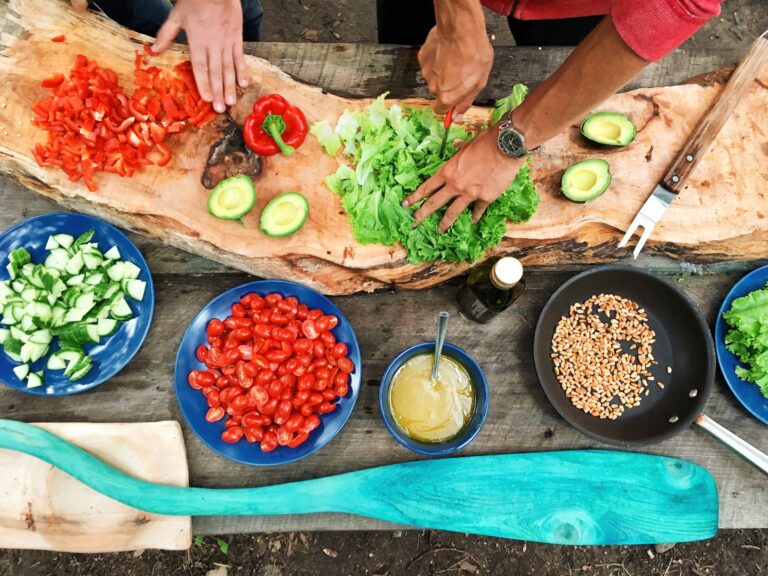
There’s no correct approach to fredagsmys, which makes the philosophy easy to embrace. While you can do it alone, the most popular way to participate in fredagsmys is with others. Call up your family of friends and make a fun meal like a taco bar or a grand salad for everyone to enjoy together. 

Fredagsmys is all about going for casual and comfy. After dinner, throw on your snuggliest pajamas, grab a blanket and move to the couch for game night or a movie night with a glass of wine. However you choose to fredagsmys, what matters the most is the quality time spent with others or with yourself. 

We could all benefit from incorporating fredagsmys into our vocabulary and philosophy. At Sage Collective, we believe in the power of recharging, community and high-quality living — and we celebrate all that fredagsmys embodies.

› Back to top
« back
11.23.22 | Arts & Culture

The Marvelous Benefits of Joining a Book Club

Whether you like spending your evenings escaping into your favorite novel or you only get to read a book a few times a year, there’s no question that reading is good for you. Regardless if you’re a devotee of reading or not, one of the best ways to elevate your experience – and keep yourself accountable – is by joining a book club. That’s why today, we’re exploring the benefits that come with book clubs and how you can join your own. 

There are plenty of reasons you should join a book club, but one of the most alluring is the opportunity to make new friends or engage with old ones. If you’re looking to meet others throughout your community, joining a book club is a great way to do so. Beyond engaging with a new crowd, book clubs provide safe spaces to observe and understand new perspectives from the books you read and those around you. 

Not only are you able to engage with others, but book clubs promote brain health! If you’re the type who rushes through books, this will help challenge you to engage deeper with the content and digest what you’re reading better. And by doing so, you and your group will encourage each other to practice critical thinking skills in the discussion!

Book clubs can be great for anyone who loves reading but isn’t the best at making time for it. By joining a book club, you’re automatically committing to reading a book within a specific time limit, and you’ll have a whole team of people to keep you accountable. And hopefully, throughout the process, you’ll be able to foster a continuing love of literature. 

If you’re interested in joining a book club but not sure where to find one, ask friends, search local Facebook Groups, head to your local library or bookshop, or start one yourself! 

› Back to top