« back
03.16.21 | Community

Our Guide to Spring Cleaning

With spring just around the corner, it’s time to talk about that dreaded annual task: spring cleaning. Luckily, spring cleaning doesn’t have to be something you dread. With the right planning and strategy — and the right people to help lend a hand and brighten the task — spring cleaning can be a breeze. To get you started on the right path, we present: Sage Collective’s guide to spring cleaning.

Partner Up and Plan

Spring cleaning is a much easier — and much more fun — task when you have someone else to do it with you. Whether it’s a neighbor, friend or family member, invite someone over to take on the job with you. Start off by boiling a fresh kettle of tea and putting on a favorite record to set the mood. Together, work to create a checklist of everything that has to be done and to dole out responsibilities accordingly. That way, you can tackle the challenge together, and maybe even sing along as you go.

Choosing the Right Cleaning Supplies

First and foremost, you should always consider your safety when going about cleaning the house. That’s why choosing the right cleaning supplies is essential to getting the job done right, and done without incident. Things like long-handled brooms and stand-up dust pans ensure that you won’t have to constantly bend down when sweeping. Meanwhile, when it comes to those hard-to-reach places, an extendable duster will help make getting to every nook and cranny much easier!

Not Just Cleaning — But Decluttering

In addition to getting your home spotless, sparkling and shining, spring cleaning is the perfect time to tackle decluttering. From cleaning out the medicine cabinet to remove clutter and the safety hazards posed by expired medications, to cleaning out the pantry and refrigerator of any expired or unused food objects, to tackling those piled up stacks of bills, you’ll thank yourself later! These things stack up throughout the year, but by tackling declutter each spring, you can ensure a home where what you want and need most is easy to store and find later. 

Thinking About Safety

Spring cleaning is also a great time to check-in on the safety initiatives you have in place in your home. Plan to check smoke detectors and carbon monoxide alarms to make sure their batteries are still good and everything is in working order. And did you know fire extinguishers have an expiration date? Be sure to add checking those to the list! Because checking these things often requires climbing a ladder, consider enlisting a younger neighbor, caregiver or loved one to traverse the ladder for you in order to avoid fall risks. 

Other safety considerations to add to your spring cleaning checklist: check in on, or put together, a simple emergency kit. This can include first-aid kits, flashlights with spare batteries, and an easily-accessible list of numbers to call in case of an emergency. 

With these tips in mind, and with the right helping hands, spring cleaning might even become something you look forward to each year! 
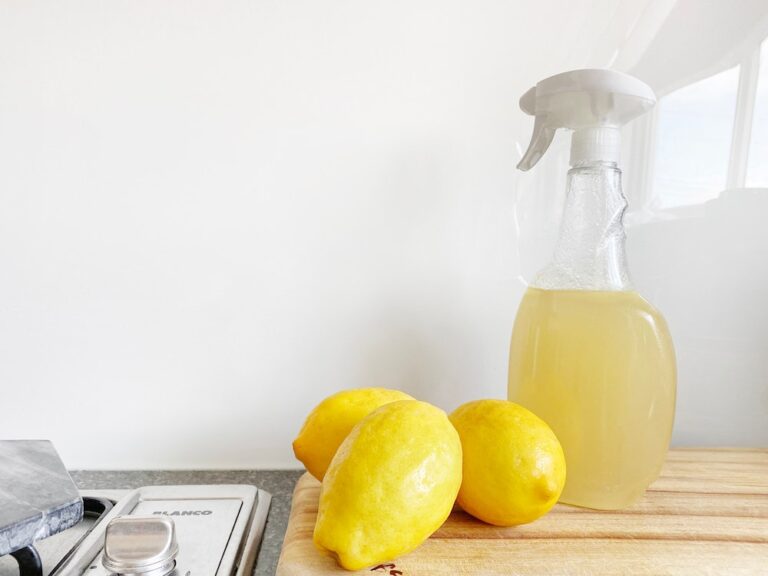
A clear plastic spray bottle filled with yellow fluid. Lemons sit on the countertop next to the bottle
› Back to top
« back
03.09.21 | Sage Advice®

Vibrant Living Breakdown: Engagement in Family Life

Nine Ways of Vibrant Living is Sage Collective’s innovative model that champions more meaningful, engaged lives for older adults, and that serves as the backbone of our philosophy. We celebrate and uplift components of vibrant living that span from health and wellness, to arts and culture, to spiritual enrichment — but tying it all together is an underlying feeling of connectedness, care and love. That’s why our eighth component is engagement in family life.

We believe in the deeply transformative power of being part of a community. At Sage Collective, we are committed to providing a genuine sense of community for everyone involved with us, from program participants to building residents to our partners and beyond. Family doesn’t just refer to the bloodlines you’re born into; it also incorporates the loving connections you make throughout a lifetime and the people that you choose to surround yourself with. 

When it comes to our plan for programming and housing, we want to take an active role in developing meaningful friendships and embracing existing family ties. To do so, we intend to provide opportunities such by creating camaraderie-generating participant activities, offering family support activities and policies for our residents as well as the incorporating intergenerational teaching, learning and cultural activities.

The latter piece of this, intergenerational teaching, is particularly important to us when we think about engagement in family and community life. Older adults have a wealth of wisdom and experience to pass onto younger generations — but in the other direction, so too do the youth have much to teach their elders. We believe that honoring and encouraging relationships across generations is the key to creating more unified, meaningful lives for all.

From interpersonal family dynamics, to a more expansive view of community, we’re excited to begin fostering these relationships with and for our participants.

A young African American woman embraces an older African American woman who wears a silk headscarf
› Back to top
« back
03.02.21 | Health & Wellness

Chicago COVID-19 Vaccination: Where We’re At Now

Earlier this year, we shared a blog post on what to know about the COVID-19 vaccine. Now that vaccine rollouts have been occurring nationwide, one of the biggest hurdles outside of deployment is ensuring that we, the people, feel informed and equipped with the necessary tools and knowledge to make decisions about our own vaccination. In support of that, today we’re providing an update on COVID-19 vaccination in Chicago, and where things stand now:

Understanding the State’s Phased Rollout

Illinois is administering vaccinations in a phased rollout plan — you can read the state’s  comprehensive coverage of its vaccine distribution phases here. As of January 25th, Illinois entered Phase 1B: Frontline Essential. This phase made the vaccine available to all non-healthcare residential settings and Chicagoans age 65 and older.

According to Chicago, all non-healthcare residential settings includes homeless shelters, women’s shelters, adult day care programs, correctional settings (jail officers, juvenile facility staff, workers providing in-person support, detainees), and other non-health care residential settings that have experienced outbreaks (e.g. convents). 

But as of February 25th, Illinois progressed further into Phase 1B Plus. This extended phase includes people (16 years of age and older) with certain underlying conditions and comorbidities. The list of conditions includes cancer, COPD (Chronic Obstructive Pulmonary Disease), diabetes, heart condition, immunocompromised state from a solid organ transplant, obesity, pregnancy, pulmonary disease and sickle cell disease. 

However, it is important to note that Chicago will NOT be joining the rest of Illinois in progressing to Phase 1B Plus at this time. Due to the city’s population density, more than 95,000 Chicago residents would become eligible if we were to expand under the state’s guidelines. Therefore, the city has decided to hold off on progressing to this next stage until it is able to more fully serve those who fall into the initial Phase 1B.

Looking at Current and Future Benchmarks

According to the Illinois COVID-19 vaccine tracker, as of Wednesday, February 24th: 28,626 additional people have been fully vaccinated for a total of 619,480 — 4.86% of the state’s population.

As of that same date, 5% of all White Illinoisians have been fully vaccinated, 2% of all Hispanic Illinoisians have been fully vaccinated and 2% of all Black Illinoisians have been fully vaccinated. Chicago is seeing similar disparities: as of that same date, 6% of all White Chicagoans have been fully vaccinated, 2% of all Hispanic Illinoisians have been fully vaccinated and 3% of all Black Chicagoans have been fully vaccinated.

You can stay up-to-date on the state’s vaccination rates here.

Looking ahead: according to Governor J.B. Pritzker, Illinois expects to begin administering an average of 100,000 doses of the COVID-19 per day by mid-March.

Stay tuned for more COVID-19 vaccination updates and insights from Sage Collective.

A vaccine shot being inserted into a Black patient's arm
› Back to top
« back
02.25.21 | Sage Advice®

The Health Benefits of Tai Chi

Tai chi is an internal Chinese martial art, practiced for defense training, health benefits and meditation. As one of the most gentle martial art forms, tai chi is a great exercise option for older adults across the health and mobility spectrum — bringing with it a slew of benefits, healthful and otherwise. Let’s take a closer look:

Tai chi

Tai chi, short for T’ai chi ch’üan or Tàijí quán (太極拳), is an ancient Chinese martial arts practice, rooted in a deep history and philosophy. (You can read more about that on CultureTrip, here.) According to MayoClinic, tai chi “is a noncompetitive, self-paced system of gentle physical exercise and stretching. Each posture flows into the next without pause, ensuring that your body is in constant motion.” The movements emphasize deep breathing, encouraging participants to slow down and get in touch with their body and feelings.

Because tai chi is low-impact, slow-motion and emphasizes the mind-body connection, it’s become a popular practice globally, attracting a broad spectrum of participants. And thanks to its wide array of health benefits, it’s since been adopted as a common practice at hospitals, community centers, older adult facilities and the like.

Health Benefits

Tai chi is often described as “meditation in motion,” but because its health benefits are so great, Harvard Women’s Health Watch jokingly calls it medication in motion.”

The low-impact exercise boasts physical health benefits such as improved lower- and upper-body strength, improved flexibility, improved balance (and possibly even decreased risk of falling), improved joint pain, enhanced immune system, enhanced quality of sleep, lowered blood pressure and healthy aerobic conditioning (where heart and lungs are trained to pump blood more efficiently, allowing more oxygen to be delivered to muscles and organs). All of the listed benefits are crucial to older adults seeking to maintain or better their health. 

In addition to its physical health benefits, the meditative aspect of tai chi brings with it an array of mental health benefits. These benefits include decreased stress, anxiety and depression; improved mood, energy and stamina and a general boost to wellness overall. 

Part of the appeal is that tai chi can be practiced independently or within a group setting, and it doesn’t require any equipment. If a low-impact, slow-motion and mindful form of exercise sounds like a good fit for you, then tai chi might just become part of your next fitness regimen routine.

Two people practice tai chi, silhouetted against a night sky and the moon
› Back to top
« back
02.19.21 | Community

Resilience is a Skill You Can Build — Here’s How

Throughout a lifetime, everyone experiences trauma, grief, failures, challenges and setbacks. Resilience is the essential skill needed to help us overcome these experiences. Some people have a better grip on the skill than others, but luckily resilience is something we’re all capable of building — today, we’ll take a look at how:

Understanding Resilience

At Sage Collective, we recognize that everyone faces adversity in life, and that stress is a natural component of the human experience. Rather than the complete elimination of stress (which would be unrealistic), we take a more pragmatic approach, advocating for stress reduction as part of our 9 Ways of Vibrant Living. Resilience is an essential tool for stress reduction. 

According to the American Psychological Association, psychologists define resilience as “the process of adapting well in the face of adversity, trauma, tragedy, threats, or significant sources of stress—such as family and relationship problems, serious health problems, or workplace and financial stressors.” Resilience isn’t just about getting through a challenge, but about emerging on the other side feeling more confident and empowered in your ability to cope and overcome adversity. 

Building Your Resilience

There are four core components that build resilience. 

The first component is easy enough to tackle: take care of your physical wellness. Often, when we take care of our body, our mind will follow suit. Taking care of your physical wellness includes maintaining a healthy diet, participating in moderate, regular physical activity and getting a good night’s sleep. If you incorporate these physical wellness habits into your daily lifestyle, you’ll begin experiencing elevated energy levels and improved moods, both of which will help you become more resilient.

The second component that follows suit is: take care of your mental wellness too. When building resilience, it’s important to both get in touch with your emotions and to learn how to control them. Mindfulness practices such as meditation, yoga and breathing exercises can help with this. Practicing gratitude, developing a self-care routine and engaging in activities you love are all great ways to restore balance and wellbeing to your mind.

The third component that will help you build resilience: seek out connection. You don’t have to go through trials and tribulations alone. Rather than isolating yourself, instead build a network of trusted friends, family and community members that you rely on to validate the troubles you’re going through and to help uplift you when needed. You can also find a sense of connection and support in more structured environments such as support groups, civic groups or faith-based organizations.

And finally, the fourth component: find meaning. Going through a traumatic experience often overwhelms us with negative feelings like despair and hopelessness. Combatting these feelings with a sense of life purpose helps us maintain our groundedness and to hold onto hope and optimism. Whether you’re driven by a desire to help others or to pursue opportunities for self-discovery and improvement, finding meaning through your life purpose — and taking the steps needed to reach your goals and objectives — helps us maintain the problem-solving, motivation and drive that’s key to resilience.

Challenges will continue to come our way. With these tools to help build resilience, we hope you’re left feeling more prepared for the next time adversity comes your way.

Two hands reach out from a bright yellow field of flowers
› Back to top
« back
02.16.21 | Sage Advice®

Your Daily Cup of Coffee: Helping Your Health or Harming?

Coffee is an indelible part of most people’s morning routines. If you don’t feel human before you’ve had your first cup of coffee, you’re not alone. A study conducted by the National Coffee Association found that 64% of Americans drink coffee, and a New England Journal of Medicine article “Coffee, Caffeine and Health” called coffee the most widely consumed psychoactive agent in the world. But is getting your coffee fix helping or harming your health? Let’s take a look.

Helpful Benefits of Coffee

First things first: what is “the right” amount of coffee to consume? Lucky for us die-hard coffee lovers, Harvard Health Publishing describes moderate coffee consumption as three to four cups per day. As is our unofficial motto at Sage Collective, everything is best consumed and enjoyed in moderation. 

Diane Vizthum, M.S., R.D., research nutritionist for Johns Hopkins University School of Medicine also comments: “Caffeine is the first thing that comes to mind when you think about coffee. But coffee also contains antioxidants and other active substances that may reduce internal inflammation and protect against disease.”

In fact, according to Heathline, one cup of coffee includes the following amounts of daily recommended dosages for vitamins: 11% of riboflavin (vitamin B2), 6% of pantothenic acid (vitamin B5), 3% of manganese and potassium and 2% of magnesium and niacin (vitamin B3). So if you’re a moderate coffee drinker (3-4) cups, you do the math… it’s like taking gummy vitamin supplements, right?

Coffee is also believed to lower risk of Type 2 diabetes, lower risk of Parkinson’s and Alzheimer’s disease, lower risk for certain types of cancer (such as liver and colon), lower risk of stroke, help fight off gallstones and even help you live longer. 

Harmful Health Effects of Coffee

Now here’s where we talk about the other side of moderate consumption: overconsumption of coffee. Whether you exceed your daily limit of 4-5 cups, or whether you’re a novice coffee drinker who hasn’t built up a caffeine tolerance, coffee drinking could produce negative effects.

Negative effects of coffee overconsumption include increased blood pressure, headaches, nervousness, restlessness and anxiety, dizziness, heartburn, muscle tremors, pounding heart, dehydration, frequent trips to the bathroom and insomnia. Noticing a pattern? Most, if not all, of these negative side effects are directly induced by too much caffeine. 

The solution? Trade your next cup of coffee for a glass of water, or try decaf for a while. We’ve said it before and we’ll say it again: coffee consumption is great, but only in moderation. So drink away, all ye lovers of that good morning cuppa joe, but remember when to stop.

A clear mug of black coffee sits on a plain white surface, with coffee beans scattered around it
› Back to top
« back
02.11.21 | Healthy Eating

Vibrant Living Breakdown: Moderate Alcohol Intake

Nine ways of vibrant living is Sage Collective’s innovative model championing happier, healthier more engaged lives for older adults. The model incorporates everything from physical and mental health and wellness to engaging in one’s surrounding community. Today, we’re taking a closer look at the sixth component: moderate alcohol intake.

Alcohol is a double-edged sword in our society. It’s the foundation of many social interactions: we meet friends, family and old connections over a drink at the bar, while also using it as a fundamental element of many family and other gatherings. But just as easily, it can also be a source of addiction and harm, thanks to peer pressure and overconsumption. The polar nature of these two realities means many people have a strong reaction to alcohol: they’re either in favor of it or against it. 

At Sage Collective, we will never flatly discourage the use of alcohol in our activities, or in our forthcoming facilities. Our approach to alcohol consumption is this: like all things, it’s okay to partake in moderation. For as many negative impacts as binge drinking may have (including, but not limited to, liver damage, stomach distress and impaired judgment) there are benefits to drinking spirits such as red wine in moderation. 

Because red wine is rich in antioxidants, some healthcare professionals recommend the occasional glass with dinner. One study even demonstrated that forty adults drinking 13.5 mL of red wine daily over a period of two weeks experienced increased antioxidant levels — a result which is linked to decreased risk of diseases like Alzheimer’s, Parkinson’s and even heart disease. Having high levels of antioxidants also assists in reduced risk of high blood pressure and high cholesterol. 

Ultimately, it’s up to each individual to determine the level of alcohol intake that feels right for them. But a good rule of thumb is always practice moderation, keep your health top of mind and only drink when you want to, not because you feel pressured to.

Red wine is poured from a bottle into a stemmed wine glass
› Back to top
« back
02.04.21 | Sage Advice®

How Better Self-Control Leads to Life Longevity

What does good behavior have to do with life expectancy? More than you might think.

U.S. News recently reported on a study conducted on 1,000 New Zealanders, from newborns to 45 years old, tracking the correlation between self control and health in middle age. The study tracked self-control through behaviors related to goal-orientation and restraint in thoughts, behavior and emotion. The study’s analysis of health in middle age took into account both body and brain.

Overall, the study concluded that those who practiced better self control “aged more slowly,” resulting in better health outcomes during their middle-aged years. So why exactly does this correlation occur? Self-control is also directly related to self-regulation. The study considered the impact of a person’s ability to delay gratification. For example, were participants able to forego short-term indulgences in favor of long-term rewards? (i.e., would they give up the immediate gratification of a ‘smoke break’ in order to have better lung health later on in life?) 

Most importantly, while self-control and self-regulation may also be influenced by DNA makeup and unique life circumstances, individuals do have the capability to learn better self-regulation skills. Knowing the long term effects of such behavior on one’s body and brain health, the development and cultivation of these skills throughout life becomes critical.

You can read more about the study and its findings in the U.S. News article here.

A doctor's stethoscope
› Back to top
« back
01.26.21 | Health & Wellness

Vibrant Living Breakdown: Plant-Based Diet

9 Ways of Vibrant Living is Sage Collective’s guidebook to a full, happy and high-quality life. Building off our fourth component, moderate caloric intake, the fifth component of vibrant living is a plant-based diet. Notice we didn’t use the word “vegetarian.” That’s because the key to a plant-based diet is practicing moderation. We’ll discuss more below.

As we discussed in Healthy Eating Tips for Seniors, older adults require fewer calories, but the same, if not more, nutrients to maintain wellbeing. That’s why a nutrient-dense diet is more important than ever for those 55+. Foods like fresh fruit, vegetables and legumes constitute the basis of a healthy diet. 

While meat is a good source of protein, iron and vitamin B12, red meat in particular is often guilty of being high in saturated fat. Consuming saturated fat contributes to higher blood pressure and increased risk of heart disease. Meat products, therefore, are a double-edged sword. Depending on the cut of meat one chooses and the methods of cooking, that daily source of protein has the potential to do more harm than help. 

Meanwhile, plant-based alternatives to meat, such as beans, lentils, nuts, seeds and soy provide fiber and prebiotics (good for gut health) in addition to containing sustainable carbohydrates and healthy fats. The latter helps to balance blood sugars and lower the risk of heart and cardiovascular disease. While the old plant-based classics, such as tofu, tempeh, beans and lentil are all good choices, recent innovations in the plant-based meat industry have introduced options like plant-based burgers that “bleed”. With the right recipes and supplies, plant-based eating can be delicious and nutritious.

At Sage Collective, in addition to our programmatic focus on health and wellness, we aim to develop and curate culinary programs (such as nutrition education, cooking experiences and group dining experiences at our facility) that focus on fresh, healthy, primarily plant-based diets. While meat is welcome to remain a small part of the menu, we seek to prioritize diet, portion control and alternative (and delicious) plant-based options. 

Whether for dinner or in spirit, we invite you to join us on our journey to intentional, plant-based eating. Start small, like with meatless Mondays, and we’ll go from there together.

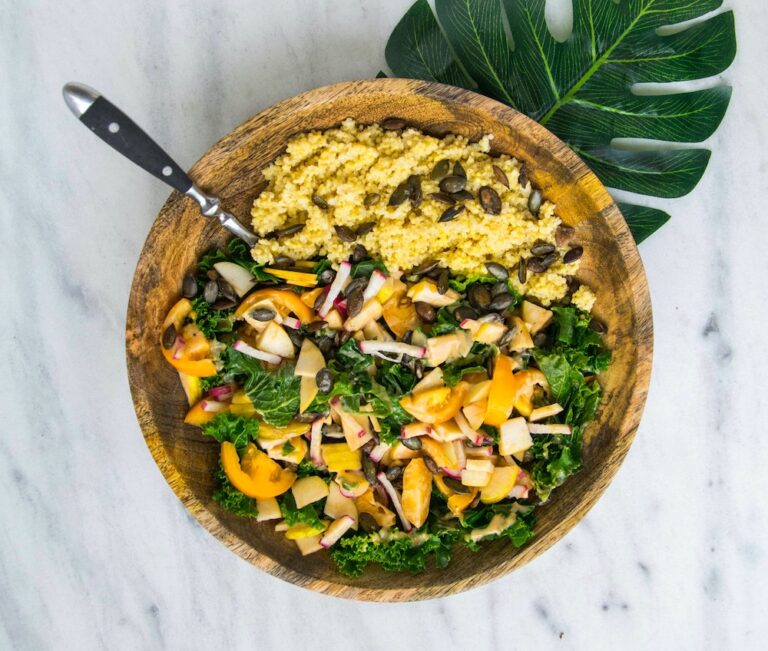
A bowl of couscous, tomatoes, greens and other delicious veggies sits on a marble background
› Back to top