« back
03.20.24 | Sage Advice®

Photography as a Mindful Hobby: Capturing Moments with Intention

In the vibrant tapestry of hobbies that enrich our lives, photography emerges as a uniquely compelling practice, blending art, technology, and mindfulness. At Sage Collective, where we cherish activities that enhance our well-being and connect us to the world in meaningful ways, photography holds a special place. It’s a powerful tool for capturing the beauty of the present, and a medium for expressing our unique perspectives.

The Mindful Art of Photography

Photography, at its essence, is an act of observation and appreciation. It encourages us to slow down, to see the world through a lens of curiosity and wonder. Each time we frame a shot, we’re not just capturing a moment in time; we’re engaging deeply with our surroundings, noticing details we might otherwise overlook. This attentive observation is a disciplined practice, fostering a state of presence and awareness that can be both calming and exhilarating.

Seeing the World with Fresh Eyes

One of the most remarkable aspects of photography is its ability to transform the ordinary into the extraordinary. Through the camera’s lens, mundane objects and everyday scenes can become subjects of beauty and intrigue. This shift in perspective encourages us to look at our world with fresh eyes, finding joy and interest in the familiar. It’s a reminder that beauty and wonder are all around us, waiting to be noticed and appreciated.

this-still-life-composition-features-a-single-piece-of-fruit-on-a-white-surface
Photo: Ralph, pixexid

Expressing Creativity and Emotion

Photography also offers a powerful outlet for creativity and emotional expression. Whether it’s capturing the nuanced play of light and shadow, the vibrant colors of a sunset, or the candid emotions of a street scene, photography allows us to convey feelings and stories without words. It’s a form of visual poetry, where each image reflects a piece of our inner world, our joys, sorrows, and everything in between.

Connecting with Others

Beyond its personal benefits, photography is a medium that fosters connection. Sharing our photographs can spark conversations, evoke empathy, and build bridges between diverse experiences and viewpoints. In community settings, photography projects can bring people together, creating shared experiences and mutual understanding. It’s a way to communicate deeply felt experiences in a universal language that transcends cultural and linguistic barriers.

Embarking on Your Photographic Journey

Starting with photography as a mindful hobby doesn’t require expensive equipment or technical expertise. It begins with a willingness to explore and observe. Here are a few tips to get started:

  • Start Simple: Use whatever camera you have, even if it’s just your smartphone. The best camera is the one you have with you.
  • Pay Attention to Light: Notice how different lighting conditions affect your surroundings and experiment with capturing them.
  • Focus on Composition: Practice framing your shots, playing with angles and perspectives to find interesting compositions.
  • Be Present: Allow yourself to fully engage with the process, focusing on the act of taking the photograph as much as the outcome.

As we explore photography as a mindful hobby, we discover that it’s not just about the images we create but the heightened sense of presence and connection we experience. Photography invites us to celebrate the moment, to express ourselves creatively, and to share our view of the world with others. At Sage Collective, we encourage you to embrace photography as a pathway to mindfulness, a practice that enriches our lives and reminds us of the beauty in the everyday.


tyler-sakil-594r7Dd88FU-unsplash1
Credit: Tyler Sakil on Unsplash
› Back to top
« back
03.13.24 | Spirituality & Religion

Interfaith Dialogues: Understanding and Celebrating Religious Diversity

In a world that is as beautifully diverse as it is interconnected, Sage Collective recognizes and celebrates the myriad ways in which individuals express their spirituality and faith. One of the most enriching avenues for promoting understanding, peace, and unity among this diversity is through interfaith dialogues. These conversations are not just about exploring the beliefs and practices of different religions; they are about weaving a tapestry of shared human experience that transcends individual faiths.

The Essence of Interfaith Dialogues

Interfaith dialogues are conversations that aim to bring people of different religious beliefs and backgrounds together to discuss their faiths, beliefs, and practices in an atmosphere of respect and understanding. These dialogues are pivotal in breaking down barriers, dispelling myths, and fostering a mutual respect that is crucial in today’s globalized society. They remind us that beneath the surface of our diverse expressions of faith lies a common quest for meaning, purpose, and community.

Why Engage in Interfaith Dialogues?

Promotes Understanding: At their core, interfaith dialogues are about understanding. They provide a platform for individuals to share their beliefs, listen to others, and learn from each other’s experiences. This understanding is the first step towards building a more cohesive and harmonious community.

Fosters Respect: Through open and honest conversations, interfaith dialogues cultivate a culture of respect. When we take the time to learn about the beliefs of others, we are more likely to respect those beliefs, even if they differ from our own.

Encourages Unity: By focusing on common values and shared experiences, interfaith dialogues can highlight the unity that exists amidst diversity. They remind us that, despite our different paths, we are all part of the larger human family.

Supports Peace-building: In a world often divided by religious conflicts, interfaith dialogues serve as a powerful tool for peace-building. They help in mitigating misunderstandings and tensions by promoting a message of peace and coexistence.

Creating Meaningful Interfaith Dialogues

Creating a space for meaningful interfaith dialogues starts with an open heart and an open mind. It requires participants to listen actively, speak respectfully, and approach each conversation with empathy and curiosity. Here are some ways to foster these dialogues:

Educate Yourself and Others: Begin with a willingness to learn about other faiths, and share knowledge about your own in a way that is informative and inclusive.

Participate in Interfaith Events: Join interfaith councils, forums, or celebrations in your community to experience the richness of diverse religious traditions.

Encourage Inclusivity: Advocate for inclusivity in your own religious or spiritual communities, encouraging leaders and members to engage in interfaith initiatives.

At Sage Collective, we believe that interfaith dialogues are essential for nurturing a society that values diversity, practices inclusion, and seeks unity in the beautiful mosaic of human spirituality. As we embark on these conversations, let us do so with the intention of not just coexisting, but thriving together in mutual respect and understanding. In celebrating our differences, we find our greatest strength — our shared humanity.

Sage Collective Interfaith Dialogues
› Back to top
« back
03.06.24 | Sage Advice®

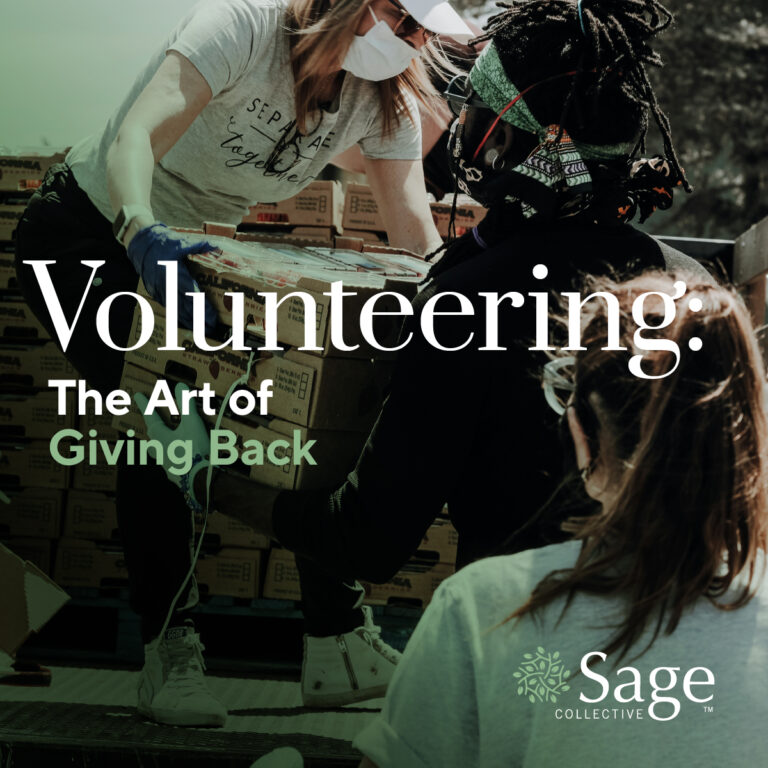
Volunteering: The Art of Giving Back

In the heart of every community, there lies a powerful force of growth and transformation — volunteering. We touched on the subject of volunteering in a post on January 27, 2022, but today we’re returning to the subject to take a closer look. Because at Sage Collective, we recognize volunteering as an act of service and as an art form that enriches both the giver and the receiver. It’s a manifestation of our core belief in vibrant living, an embodiment of compassion, and a testament to the strength that lies in community.

The Essence of Volunteering

Volunteering is the selfless offering of time, energy, and skills to make a positive impact on the lives of others and the world around us. It’s a practice deeply rooted in the understanding that every individual has the power to effect change. In this giving, we find a profound connection to the wider community, creating ripples of kindness that can transform society.

Why Volunteer?

The benefits of volunteering extend far beyond the tangible outcomes of the tasks at hand. For older adults, especially, volunteering offers a myriad of rewards:

Community Connection: Volunteering places us in the heart of our communities, allowing us to forge new relationships and strengthen existing ones. It’s a pathway to understanding the diverse tapestry of experiences that shape our world.

Mental and Physical Well-being: Engaging in volunteer work has been shown to boost both mental and physical health. It can lower stress, combat depression, and provide a sense of purpose. Physically, staying active through volunteering can enhance mobility and overall health.

Lifelong Learning: The act of volunteering offers endless opportunities for learning and growth. Whether it’s acquiring a new skill, understanding a different perspective, or discovering more about a cause close to our hearts, every volunteering experience is a chance to expand our horizons.

Legacy Building: Volunteering allows us to leave a legacy of kindness, compassion, and active citizenship. It’s a way to pass on values of community service and social responsibility to future generations.

With so many avenues for volunteering, finding the right fit can be a journey in itself. Consider your passions, skills, and the causes you care about. Whether it’s mentoring the youth, participating in environmental clean-ups, or offering your expertise to non-profit organizations, there’s a niche for everyone.

The Art of Giving Back

Volunteering is indeed an art form — a delicate balance of giving and receiving, teaching and learning, speaking and listening. It’s about approaching each opportunity with an open heart and mind, ready to contribute but also to grow from the experience.

At Sage Collective, we encourage everyone to explore the art of volunteering. It’s a key component of vibrant living, offering a fulfilling way to engage with the world. As we give our time and talents, we receive immeasurable gifts in return: joy, fulfillment, and the knowledge that we’ve played a part in making the world a little brighter.

As we embrace the art of giving back, let’s remember that every act of volunteering, no matter how small, contributes to a larger tapestry of community and compassion. We invite you to join us in this journey of service, to explore the many ways you can contribute, and to experience the profound rewards that come from volunteering. Together, let’s continue to weave a vibrant tapestry of connectedness, one volunteer moment at a time.

Volunteering-and-the-art-of-giving-back
› Back to top
« back
02.29.24 | Health & Wellness

Family Fitness Fun: Activities for All Generations

At Sage Collective, we emphasize the importance of wellness and community in our journey towards a full, happy and high-quality life, as seen across our 9 Ways of Vibrant Living. An engaging way to combine these elements is through family fitness activities. Participating in physical activities as a family promotes health while strengthening bonds across generations, creating cherished memories and shared experiences.

The Benefits of Family Fitness

Family fitness activities offer a multitude of benefits. They provide an opportunity for quality time, foster healthy habits, and can be tailored to accommodate the abilities and interests of all family members, from the youngest to the oldest. Physical activity is essential at every age, and doing it together can make it more enjoyable and sustainable.

Here are some of our favorite intergenerational fitness ideas:

Nature Walks and Hikes: Exploring local parks or nature trails as a family is an excellent way to enjoy the outdoors and get moving. These walks can be leisurely or more challenging, depending on the family’s fitness levels.

Gardening Together: Gardening is a wonderful way to be active, enjoy the outdoors, and teach children about nature and nutrition. It can be a relaxing and rewarding activity for older adults as well.

Dance Parties: Organize a family dance party in your living room or backyard. Dancing is a fun way to get everyone moving, regardless of their age or skill level.

Yoga Sessions: Hosting a family yoga session can be a calming and bonding experience. There are various yoga practices suitable for all ages and abilities.

Biking: A family bike ride is a great way to explore your neighborhood or local bike paths while getting a good workout.

Team Sports: Engaging in team sports like soccer, basketball, or even simple games like tag can be fun for the whole family and foster a sense of teamwork and cooperation.

Tips for Successful Family Fitness

For successful family fitness, it’s essential to embrace inclusivity by selecting activities that cater to various ages and fitness levels, ensuring everyone can participate. Establishing a regular routine for these activities can help in building a lasting habit that becomes a cherished part of your family’s life. The key is to keep these fitness sessions enjoyable and light-hearted; the primary goal is to have fun and enjoy being active together. Additionally, safety should always be a priority, particularly when activities involve children or older family members. By considering these factors, family fitness becomes not only a means of staying healthy but also a source of joy and bonding for the entire family.

Incorporating fitness into family life is more than just an exercise; it’s an investment in your family’s health and relationships. Finding activities that everyone can enjoy is crucial, and it creates a foundation of healthy habits and precious moments together. Choose activities that can be modified to suit different ages and fitness levels, establish regular family fitness times to build a habit, and most importantly, keep the atmosphere light and playful. Always prioritize safety, especially when involving children or older family members.

As we embrace family fitness, we’re not just moving our bodies; we’re strengthening bonds and creating joyous memories. It’s about enjoying the journey together, one step, stretch, or pedal at a time, and fostering a lifestyle that values health and togetherness. Let’s make family fitness a delightful and essential part of our vibrant living journey.

SageCollective_FamilyFitnessFun
› Back to top
« back
02.22.24 | Health & Wellness

What is Wisdom in Aging? Exploring the Sage Collective Perspective

As we journey through life, the concept of aging gracefully isn’t just about the physical aspect; it’s profoundly intertwined with the accumulation of wisdom. At Sage Collective, we cherish the process of aging as a unique opportunity for growth, learning, and sharing the wealth of knowledge and experience that comes with it. But what exactly is wisdom in aging, and how does it manifest in our lives?

Wisdom isn’t merely a collection of knowledge, but a deeper understanding and application of that knowledge in ways that are thoughtful, compassionate, and beneficial to ourselves and others. It involves insight, judgment, and the ability to see beneath the surface of things. In the context of aging, wisdom becomes a guiding light, a beacon that illuminates the path for ourselves and others that is informed by:

Empathy and Compassion: With age comes an enhanced capacity for empathy and compassion. Wisdom involves understanding others’ feelings and experiences, fostering connections that transcend superficial differences.

Emotional Regulation: Wisdom in aging is characterized by the ability to navigate emotions with grace. It means not being swayed by every gust of feeling but understanding and managing emotions for greater harmony and peace.

Reflection and Insight: The reflective quality of wisdom allows us to look back on our experiences, learn from them, and gain insights that guide our future actions. This introspection is a hallmark of true wisdom.

Acceptance: Wisdom brings with it the acceptance of life’s impermanence and the serenity to embrace change. It’s about understanding what we can control and letting go of what we cannot.

Sharing Knowledge: Perhaps one of the most beautiful aspects of wisdom is the desire to share it. This generational transmission of knowledge enriches our communities and strengthens our collective understanding.

Cultivating wisdom is an intentional act. It involves mindfulness, continued learning, and staying engaged with the world around us. It means seeking out new experiences, listening more than we speak, and opening our hearts to the lessons life offers us. At Sage Collective, we also believe that community plays a crucial role in fostering wisdom. Through shared experiences, dialogue, and support, we can nurture a wisdom that is not only personal but collective. Our community becomes a repository of shared wisdom, a resource that enriches every member.

As we embrace aging, let us also embrace the wisdom that comes with it. Wisdom in aging is not just about what we have learned from the past; it’s about how we apply that knowledge in the present and how we share it for the future. It’s a gift, one that enriches our lives and the lives of those around us, making the journey of aging not just a passage of time but a passage of growth, understanding, and profound connection.

In celebrating wisdom, we remind ourselves that every moment, every experience, and every lesson is a step toward a deeper understanding of what it means to live fully and richly at every age.

Sage_Collective_Wisdom_in_Aging
› Back to top
« back
02.14.24 | Arts & Culture

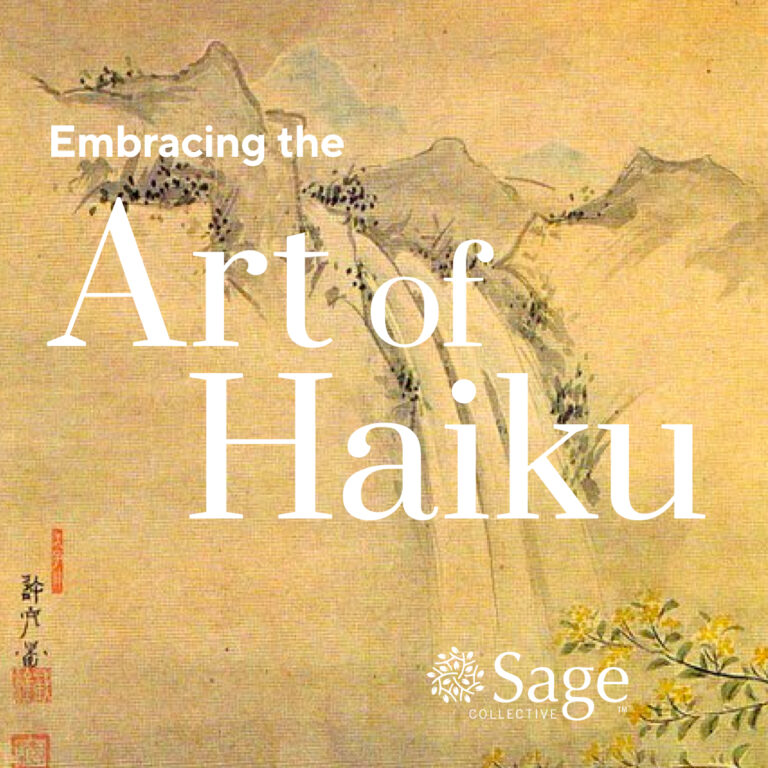
Embracing the Art of Haiku: A Window into Mindfulness and Creativity

At Sage Collective, we appreciate the power of expression in its many forms, and one of the most enchanting and accessible forms of poetic expression is haiku. Originating in Japan in the 17th century, haiku is a brief, structured form of poetry that offers a window into the world of mindfulness, simplicity, and the beauty of the present moment.

The Essence of Haiku

Traditional haiku is a three-line poem with a 5-7-5 syllable structure, often focusing on images from nature and emphasizing clarity, intensity, and directness of expression. This poetic form is more than just a set of rules; it’s an invitation to pause and observe the world around us, to capture a fleeting moment in a few simple words.

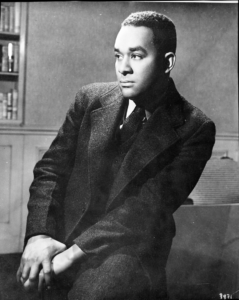
Richard Wright
Farm Security Administration – Office of War Information Photograph Collection (Library of Congress)

Contemporary haiku, while still rooted in the traditional form and essence of Japanese haiku, often explores a broader range of themes beyond the natural world, including urban life, human emotions, and social commentary. In fact, one of the greatest practitioners of contemporary haiku was the legendary novelist and short story writer, Richard Wright. In the last two years of his life, Wright, best known for seminal works like Native Son (1940) and his autobiography, Black Boy (1945), turned his artistic expression to the haiku form, writing nearly 4,000 poems. A magnificent collection of 817 of Wright’s haiku was published in 1998 entitled, Haiku: The Other World.

These contemporary haikus reflect the evolution of the form, embracing a wide array of subjects and emotions while maintaining the essence of haiku — capturing a moment, feeling, or thought with depth and clarity. Wright’s works honor the tradition by conveying powerful images and insights in just a few words, demonstrating the enduring appeal and adaptability of haiku poetry.

Haiku as a Mindful, Creative Exercise

For us, especially as we embrace the golden years, writing haiku can be a meditative and insightful practice. It encourages us to slow down and notice the small details of our environment — the dew on a leaf, the play of light and shadow, or the quiet stillness of the early morning. In focusing on these details, we engage in mindfulness, which can enhance our mental clarity and emotional balance.

Despite its apparent simplicity, crafting a haiku can be a delightful creative challenge. It pushes us to distill our thoughts and feelings into their purest form, to find the essence of an experience or emotion in just a few words. This creative process can be incredibly rewarding, offering a sense of accomplishment and joy in our ability to capture the beauty of the ordinary.

Sharing and Connecting Through Haiku

Haiku writing can also be a means of connecting with others. Sharing our haiku with friends, family, or within a community group can spark conversations, forge bonds, and offer insights into each other’s perspectives. It’s a way to communicate deeply felt experiences in a concise and poignant manner.

Embarking on the journey of writing haiku is simple:

  • Start by observing your surroundings or reflecting on a recent experience.
  • Focus on sensory details and the emotions they evoke.
  • Experiment with the 5-7-5 syllable structure, but don’t feel bound by it. The essence of haiku lies in capturing a moment or feeling.

Embracing the Art of Haiku

In the art of writing haiku, we find a blend of mindfulness, creativity, and connection. As a form of expression accessible to everyone, it holds a special place in the world of poetry. We encourage you to try your hand at this beautiful, contemplative practice and discover the joy and tranquility it can bring into your life.

Embracing the Art of Hailu
› Back to top
« back
02.08.24 | Arts & Culture

The Art of Storytelling: Langston Hughes

In our continuing series on “The Art of Storytelling,” we’ve journeyed through the narratives of luminaries who’ve masterfully woven the fabric of their experiences, cultures, and imaginations into storytelling. It’s an honor to now delve into the legacy of Langston Hughes, a pivotal figure whose poetic voice became a cornerstone of the Harlem Renaissance and a beacon for the African American experience.

Langston Hughes: A Storyteller’s Storyteller
Langston Hughes was a towering figure in American literature, known for his prolific output and for the depth and breadth of his influence. He rose in prominence during the period known as the Harlem Renaissance — the emergence of black intellectual, literary, and artistic life that took place in the 1920s across urban America, particularly in Harlem. He focused on lived experience as the basis for his unique storytelling, resulting in a vibrant tapestry of jazz rhythms, social commentary, and a profound exploration of the human condition. Hughes had the unique ability to distill complex emotions and societal truths into accessible poetry, stories, and plays, making him a true artisan of the narrative form.

Embracing the Human Experience
Hughes’s storytelling was deeply rooted in the African American experience, capturing its joys, sorrows, and resilient spirit. He celebrated black culture in his work, took a defiant stance against racial injustice, and shared a heartfelt portrayal of the everyday lives of black Americans. Through his famous jazz poetry, Hughes incorporated the rhythms and improvisations of jazz music, creating a dynamic and immersive narrative style that resonated with a wide audience.

The Power of Simplicity
Hughes used simple, yet profound language when he wrote, which became one of the hallmarks of his storytelling style. He believed that the power of clarity and accessibility would enable his stories and poems to speak directly to the heart. This simplicity was one of his greatest strengths, allowing him to convey deep emotions and complex societal critiques in a way that was both relatable and moving.

His approach to message, language, and cadence are powerfully rendered in the poem entitled, “I, Too,” which was published in Hughes’ first volume of poetry, The Weary Blues in 1926. To read this poem, and other examples of Hughes’ work, visit the Poetry Foundation.

Legacy and Inspiration
Langston Hughes’s legacy is a testament to the enduring power of storytelling to effect change, build community, and celebrate culture. His work continues to inspire new generations of storytellers, poets, and artists who see in Hughes a model for using narrative as a tool for social commentary, cultural affirmation, and personal expression.

For us at Sage Collective, Hughes’s storytelling is a reminder of the profound impact that stories can have on our understanding of ourselves and each other. His life and work encourage us to explore our own narratives, to find beauty in our experiences, and to share our stories with the world.

Inr Langston Hughes’ work, we are reminded of the transformative power of storytelling. His ability to capture the essence of the human spirit, to challenge societal norms, and to celebrate the richness of the African American experience is a beacon for all who believe in the power of words to shape our world.

Let us take inspiration from Hughes’s example, weaving our own stories with honesty, empathy, and a deep appreciation for the diverse tapestry of human life.

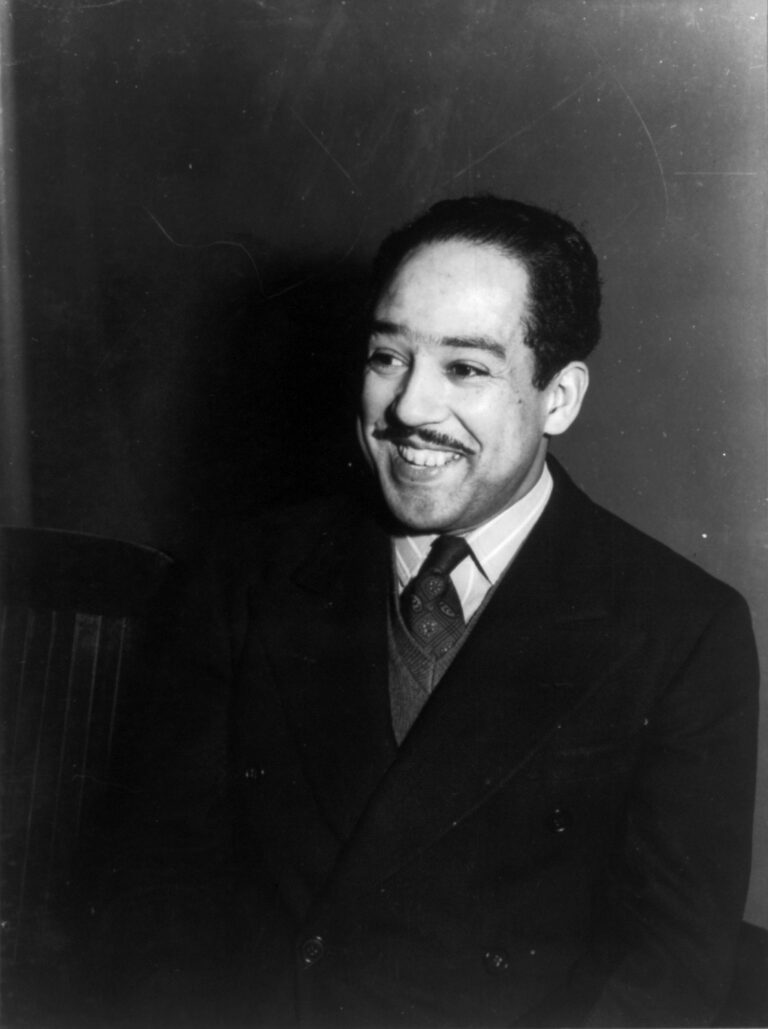
Langston Hughes by Jack Delano, 1942
Portrait of Langston Hughes by Jack Delano, 1942. Library of Congress, Prints and Photographs Collections.
› Back to top
« back
01.31.24 | Sage Advice®

Celebrating African American Artistry: ASALH’s 2024 Black History Month Theme “African Americans and the Arts”

At Sage Collective, we share a deep appreciation for the cultural traditions that have shaped African American life. So, as we step into Black History Month this year, the Association for the Study of African American Life and History (ASALH) has aptly chosen the theme “African Americans and the Arts.” This theme offers us a profound opportunity to delve into the rich tapestry of African American artistic contributions, encompassing an virtually-endless array of cultural expressions.

African American art, as highlighted by ASALH, is a vibrant fusion of African, Caribbean, and Black American experiences. This artistry is evident across various domains including visual and performing arts, literature, fashion, folklore, language, film, music, architecture, and culinary arts. Significantly, African American artists have consistently utilized their craft to preserve history, community memory, and empower themselves and others.

The journey of African American art has been shaped by various artistic and cultural movements like the New Negro, Black Arts, Black Renaissance, hip-hop, and Afrofuturism. These movements, predominantly led by people of African descent, have not only shaped popular trends globally but have also set a standard in the artistic world.

Historically, Western intellectuals often overlooked or minimized African contributions to the arts. However, the resilience and continuity of Black art production remain evident, stretching from ancient Egypt across Africa and Europe to the New World. The sweetgrass baskets made by enslaved Africans in the Lowcountry, for example, demonstrate a 300-year tradition of visual artistry through craft.


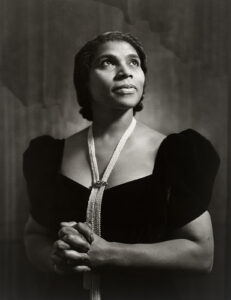
Photo-of-Marian-Anderson
Photo of Marian Anderson, 1945. Gelatin silver print. National Portrait Gallery, Smithsonian Institution; gift of Estrellita Karsh in memory of Yousuf Karsh. © Estate of Yousuf Karsh.
 

Music has been a significant avenue of expression, with the spirituals born from the suffering of bondage marking America’s first contribution to this art form. Blues musicians like Robert Johnson, McKinley ‘Muddy Waters’ Morganfield, and Riley “BB” King laid the foundation for many evolving music genres. Literature also boasts significant contributions from African Americans, with works from poets like Phillis Wheatley and novelists such as David Walker and Maria Stewart.

The 1920s and 30s saw the rise of the Black Renaissance and New Negro Movement, bringing Black Arts to an international audience. Figures such as James Reese Europe, Langston Hughes, Josephine Baker, and Lois Mailou Jones played pivotal roles in introducing Black culture and aesthetics to the world. This period recognized the contributions of Black artists in cities like Harlem, Los Angeles, Chicago, and New Orleans.

The 1960s’ Black Arts Movement continued this legacy, addressing issues like heritage pride and establishing platforms for Black artists through galleries, museum exhibitions, and publications. This era saw artists like Alvin Ailey, Judith Jamison, Amiri Baraka, Nikki Giovanni, and Sonia Sanchez come to the forefront.

In 1973, hip-hop emerged in the Bronx as a new genre of music, defined by its five foundational elements. Artists like DJ Kool Herc and Coke La Rock used technology to create a style that has since been a critical voice in political, social, and cultural discourses.


Mind-of-My-Mind-by-Olivia-Butler-Cover-Art
Photo of book cover, Mind of My Mind, by Octavia Butler. Originally published 1977. Credit: Wikipedia

Afrofuturism, a term coined about 30 years ago, represents cultural and artistic productions that envision a future for Black people free from oppression, blending Black history with science and technology. This movement includes artists like Sun Ra, Rashan Roland Kirk, Janelle Monáe, and Jimi Hendrix, writers like Octavia Butler, and films like Marvel’s Black Panther.

ASALH’s dedication of the 2024 theme to “African Americans and the Arts” invites us to celebrate the entirety of African American history in the arts. This commemoration not only honors the past and present contributions but also anticipates the continued impact and evolution of African American artistry in the 21st century and beyond.

Carmen-de-Lavallade-Bruce-Langhorne-Alvin-Ailey-_-Brother-John-Sellers-in-Alvin-Ailey-s-Roots-of-the-Blues
Credit: Carmen de Lavallade, Bruce Langhome, Alvin Ailey, and Brother John Sellers in Alvin Ailey’s Roots of the Blues. Photo by Jack Mitchell. ©Alvin Ailey Dance Foundation Inc. and Smithsonian Institution.
› Back to top
« back
01.17.24 | Arts & Culture

Celebrating National Hobby Month: Rediscovering Passion and Purpose

As we settle into National Hobby Month, it’s a wonderful time for us at Sage Collective to reflect on the joys and benefits that hobbies bring into our lives, particularly in our later years. Hobbies, whether old passions revisited or new interests explored, are not just leisure activities; they are vital components of vibrant living.

Many of us have hobbies that we once cherished but set aside due to the demands of career or family. National Hobby Month offers the perfect opportunity to reignite those past passions. It could be picking up a paintbrush after years, strumming a guitar, or dusting off a collection. These activities are more than just nostalgic; they reconnect us with parts of ourselves that we may have forgotten and provide a deep sense of fulfillment.

Exploring new hobbies is equally exciting. It’s about stepping out of our comfort zones and embracing the thrill of learning. Consider diving into activities like birdwatching or joyspotting, which connects us with nature, or photography, capturing moments and scenes that speak to us. These hobbies aren’t just pastimes; they’re gateways to new experiences and knowledge.

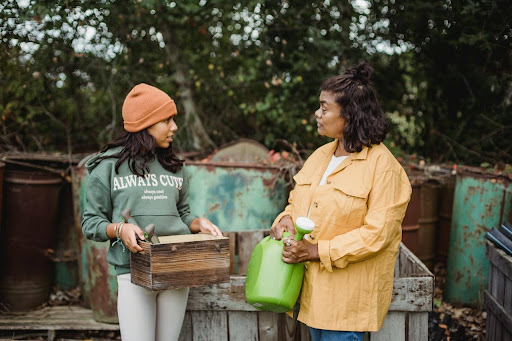
The link between hobbies and wellness is undeniable. Activities like gardening offer both physical exercise and the satisfaction of nurturing life. Creative pursuits like knitting or quilting can be meditative and relaxing. Engaging in such hobbies helps maintain mental agility and emotional balance, key aspects of our overall health.

Hobbies have the power to bring people together. Joining a book club, a walking group, or a cooking class opens avenues for socialization and community building.These shared interests foster connections, combat loneliness, and enrich our social lives. They remind us that at any stage of life, we can find kindred spirits and form meaningful relationships.

One of the beautiful aspects of hobbies is their role in lifelong learning. Whether it’s mastering a new recipe, learning to play a musical instrument, or speaking a new language, each hobby challenges our minds and keeps us intellectually engaged. This continual learning process is a cornerstone of vibrant living, keeping our minds sharp and spirits high.

As we celebrate National Hobby Month, let’s embrace the various ways in which hobbies enrich our lives. They are not just activities to pass time; they are pathways to joy, wellness, and deeper connections. This month, we encourage you to revisit an old hobby or embark on a new journey of discovery. Remember, each hobby you engage in is a testament to your ever-evolving story and a celebration of your zest for life.

Credit to Pexels
› Back to top
« back
01.11.24 | Sage Advice®

Embracing Rest: The Health Benefits of Taking Naps

In our continuous journey toward vibrant living at Sage Collective, we often discuss various facets of health and wellness. Today, let’s explore an often overlooked but essential aspect of well-being: the power of napping. While it might seem like a small part of our daily routine, taking naps can have a surprisingly significant impact on our overall health.

Napping: More Than Just a Pause
Napping isn’t just about catching a few moments of sleep; it’s a form of rest that can rejuvenate the mind and body. In our fast-paced world, taking the time to nap can be a deliberate act of self-care.

Endless Benefits
One of the most immediate benefits of napping is the boost it gives to our cognitive functions. A short nap can enhance alertness, improve memory, and increase creativity. For us in the older adult community, this can be particularly beneficial, as it helps keep our minds sharp and agile. In fact, in a study published in the Journal of the American Geriatrics Society, researchers examined data from nearly 3,000 people in China aged 65 and older. Within that sampling, nearly 60% reported napping after lunch for about an hour. The research team found that those who napped for 30 to 90 minutes had better word recall and were also better at figure drawing than those who didn’t nap or who napped for longer than 90 minutes.

Napping has also been linked to improved heart health. Studies have shown that a regular, short nap can reduce stress and decrease the risk of heart disease. By allowing our body to rest, we reduce the strain on our heart and lower stress hormones.

A quick nap can do wonders for our mood. It’s a natural way to lift our spirits and combat feelings of tiredness or fatigue. Napping provides a mental and emotional reset, offering a break from daily stresses and recharging our energy.

Besides mental and emotional benefits, napping can contribute to our physical health. It can help in regulating blood pressure, boosting the immune system, and even aiding in weight management. Sleep, even in the form of a nap, plays a crucial role in maintaining our physical health.

Tips for Effective Napping
To reap the full benefits of napping, it’s important to nap effectively:

  • Keep naps short (around 20-30 minutes) to avoid feeling groggy afterward.
  • Nap earlier in the afternoon to not disrupt nighttime sleep.
  • Create a restful environment, quiet and comfortable, conducive to sleep.

As we continue to embrace the principles of vibrant living, incorporating short naps into our daily routine can be a transformative step towards enhanced mental, emotional, and physical well-being. So, let’s give ourselves permission to pause, rest, and rejuvenate, one nap at a time.

woman-napping-in-hammock
Credit: kali9
› Back to top