« back
12.30.20 | Sage Advice®

2020: A Year in Review

2020 has been a tumultuous year for the world to say the least. But amidst everything, we’ve been hard at work bringing our vision for Sage Collective to life. This year has been one full of successes and exciting milestones for our organization. So today, we’re taking a look back at the year and sharing our proudest moments:

Launched our website and blog

Sage Collective officially came out to the world with the launch of our brand new website in May. Through the website, we share with our audience who we are, what our story is and what we’re here to do. We’ll also be providing timely updates on Sage Collective programming and residences as each initiative progresses. 

The Sage Collective website is also home to our blog, Sage Advice, where we share engaging and enriching original content. Blog topics run the gamut from health + wellness advice to cultural insights for living a more vibrant life. We’ve also interviewed many members from our excellent team, who dispel industry-expert insights into topic s such as advice for older adult caretakers and ways to overcome the challenges of COVID-19.

Kicked off social media

To more directly engage with our community, Sage Collective kicked off its social media identity in the fall. Through our profiles on LinkedIn, Facebook, Twitter and Instagram, we post twice a week to share insights from the Sage Advice blog alongside other updates on our organization’s projects. There, we’re continuing to build online relationships with other industry leaders, health + wellness institutions, cultural organizations and community stakeholders + members in order to create real, collective impact. 

Acquired our first properties

In the beginning of the year, we were thrilled to purchase our first two properties: 4108 South King Drive and 4112 South King Drive in the Bronzeville neighborhood of Chicago. These beautiful and historic side-by-side buildings  will become the first manifestation of our vision for vibrant and affordable housing for older adults. Construction on these projects is slated to begin in early 2021; stay tuned for more updates coming soon.

Continued strengthening our team + vision

We wouldn’t be where we are today without our amazing team. The Sage Collective Board of Directors and Leadership Team regularly convened throughout 2020 to further align our vision and upcoming project plans. Together, we bring a collective wealth of knowledge about older adults, senior housing, health + wellness and more to create forward-thinking, innovative strategies for older adult programming, residences and lifestyles. 

The successes of this year are just the beginning. We can’t wait to continue learning, growing and doing in 2021 and beyond — and sharing the journey with you.
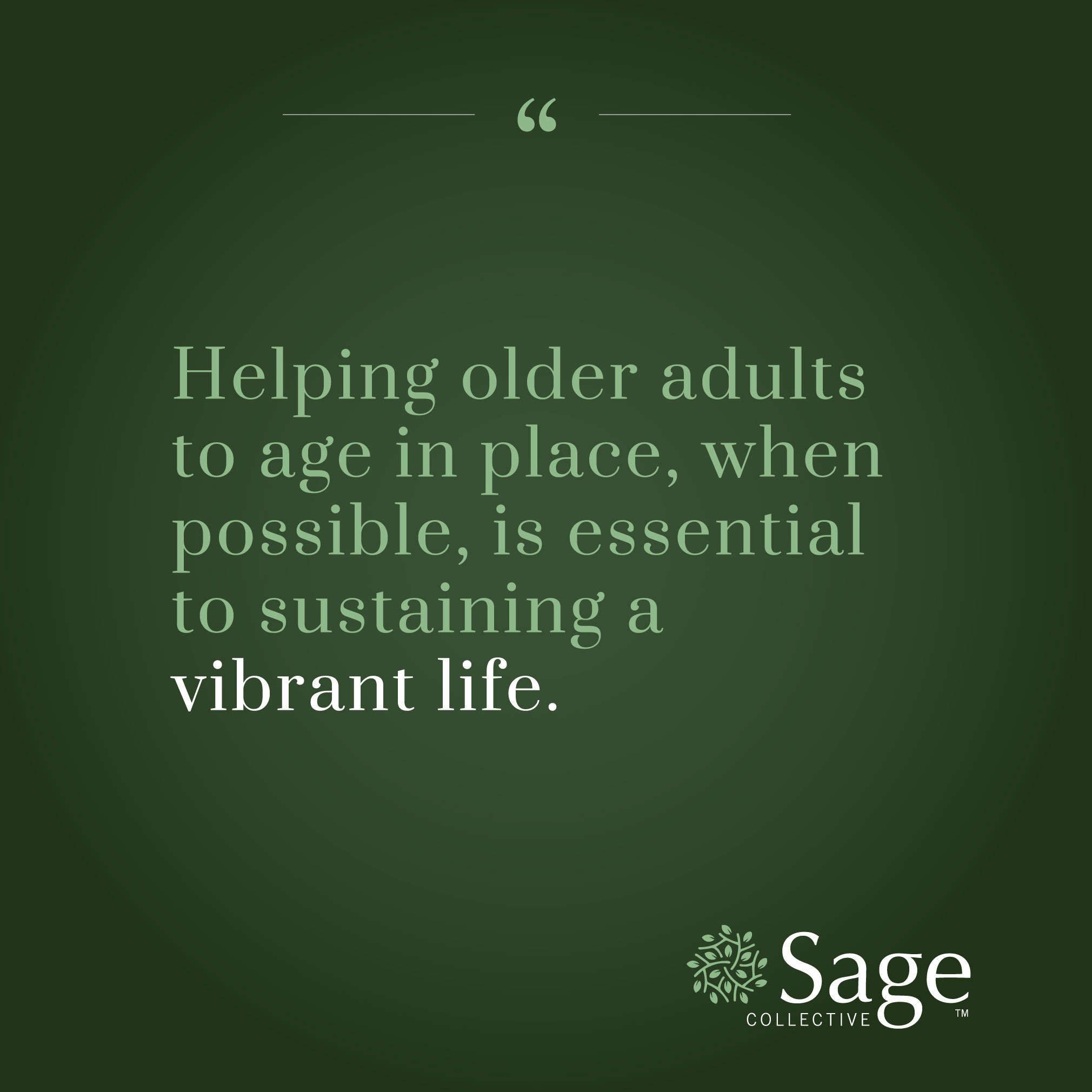
Image is a background photo of presents with text overlaid reading: 2020: Year in Review
› Back to top
« back
12.17.20 | Lifestyle

A Vibrant Living Guide to Aging in Place

How does vibrant living play into aging in place? “Aging in place” describes the process of growing older at home. It’s a process rooted in independence and comfort; a way for older adults to maintain normalcy and their sense of community.

We recently spoke with Angela Higginbotham about her expertise on aging in place, learned from assisting her 93-year-old mother at her mother’s home. Higginbotham is a CPS educator, Lead Speech Pathologist and a member of the Sage Collective Board of Directors.

Maintaining Independence 

“First off, I feel grateful to have the opportunity to care for my mom,” reflects Higginbotham. “I saw the sacrifices she made for my family growing up and I’m happy it’s my turn to do that now. As for how our caretaking occurs: it’s a family affair where my mother is directly involved in the decision-making process. My brother, sister, mother and I all sit down and have a conversation about how she’s feeling, what her needs are and how we can support her as long as we can in an independent setting.” 

Though aging in place isn’t a viable option for everyone, it’s important for older adults with the mental and physical capacity to maintain that level of independence. “As long as people are able to take care of themselves, they’ll be able to take care of themselves longer,” explains Higginbotham. “So helping older adults to age in place, when possible, is essential to sustaining a vibrant life. Because I believe that once people stop maintaining their independence, it affects them psychologically and emotionally.” 

Text over a green background, with quotation marks at the top and the Sage Collective logo at the bottom. Text reads: Helping older adults to age in place, when possible, is essential to sustaining a vibrant life.

Staying Engaged Through Community

“My mom still has her driver’s license — she’s smart about it and only drives between 10-2, when everyone else is at work and when it’s safest — but she still goes to church and out to see friends,” says Higginbotham. For older adults, social isolation and loneliness are often big hurdles to overcome. Staying engaged with family, friends and community members, then, plays a vital role in supporting a more vibrant lifestyle.

Higginbotham goes on to say: “My mom also personally knows many of my friends. From time to time, they’ll give her a phone call or even go and visit, which is something I so appreciate. It means she’s connecting with people and that’s so important.” Though maintaining independence is a large part of aging in place, it is these moments of human connection and care that help the experience feel even more comfortable and warm.

Staying Engaged Through Culture

Social engagement is one thing — but finding things to do for oneself is vital, too. We’ve emphasized before the importance of older adults discovering activities they love. Higginbotham reinforces this perspective, sharing: “One of my mom’s favorite hobbies is quilting. In the spring, we’ll also go to the nursery and pick out plants for both her place and my place together. I’ll keep her company at her house while she plants hers and then she’ll come over while I do mine. We also — pre-COVID times, of course — loved to go to the theater. We’d get lunch or dinner and see different plays across the city. It gave my mom something to talk about, too, because she’d go back and tell her girlfriend all about it.” 

Higginbotham reflects on this, saying, “It’s important for people to get out and see what’s going on in the world. As people age, their ability to transport themselves to new places is limited, and they know about, what they know about. But, if there are people around who can expose them to new experiences, it enriches their lives.” 

Aging in place is just one way to live a more vibrant life. But, whether at a personal home or a care facility, both experiences share a commonality: community and cultural experiences have the ability to engage older adults and enrich them, leading to more vibrant living for all.

Angela Higginbotham
› Back to top
« back
12.03.20 | Sage Advice®

Vibrant Living Breakdown: Stress Reduction

At Sage Collective, we have adopted, and vigorously promote, 9 Ways of Vibrant Living, as a model that champions high-quality living, and is the backbone of our philosophy. Today, we’re unpacking the third of our nine components: stress reduction. We believe that stress is a natural component of life for all of us, and our focus is not to totally eliminate stress, but rather learn to manage, to control and to minimize it.

The famous serenity prayer goes: “God, grant me the serenity to accept the things I cannot change, courage to change the things I can, and wisdom to know the difference.” In that vein, Mayo Clinic provides 4 A’s that should be a part of every person’s stress management toolkit: Avoid, Alter, Accept and Adapt. 

Oftentimes, the majority of stressors in our lives are things we can simply Avoid. Avoidance requires us to first acknowledge what triggers stress for us: is it traffic on the way to running errands, or a rude neighbor? Taking the time to plan strategically to avoid these stressors is well worth the effort. Stress also comes from feeling overextended in our responsibilities. Time management and prioritizing what is most important to you is one way to treat this, and even includes saying no to favors you aren’t in a position to take on.

For those things you can’t avoid: Alter. Perhaps you’d like to begin rectifying your relationship with that rude neighbor. Communicating your feelings and, when necessary, setting important boundaries goes a long way when treating your own stress. 

For those things you cannot change or alter? It’s time to Accept. Holding onto anger, frustration or regret not only adds to your stress, but it’s also exhausting. Try talking with a loved one or trained professional to express your feelings through a healthy outlet. Strike a balance between productive venting and then practicing forgiveness, of both yourself and others.

And when all else fails, it’s time to Adapt. We can’t always change the things that cause us stress, but we have the ability to change how we respond. Rather than becoming overwhelmed with negative feelings, take some time to talk yourself down and recenter. Once you’re feeling calm and collected, try reframing the issue and looking for the bright side: is there something to be learned? Is it an opportunity to grow?

Dealing with stress is never fun, but when we develop the right techniques, successful stress reduction is another step towards a life lived more vibrantly. 

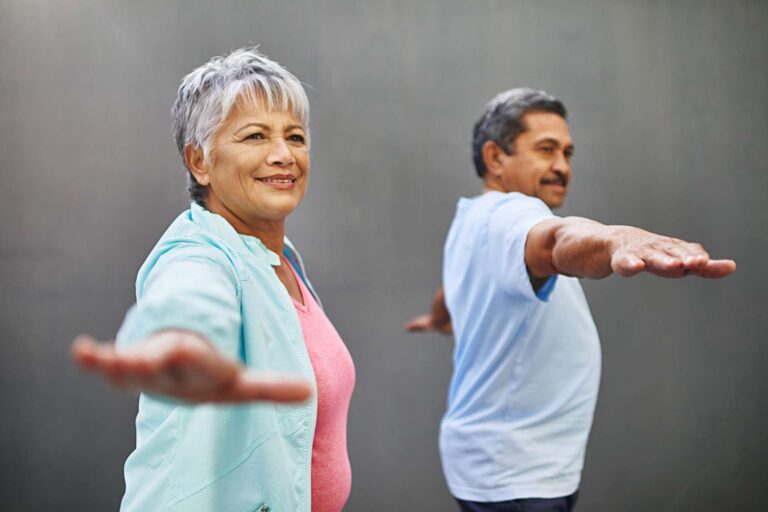
Two older adults stand in a balance form during yoga
› Back to top
« back
11.23.20 | Community

How Do You Rank Happiness?

What makes us happy? The World Happiness Report seeks to answer that question. The report is an annual publication that surveys people worldwide to discover how satisfied they are by ranking happiness on a scale from 1-10. The results (and the questions that uncover them) have much to teach us.

Developing the Report

The World Happiness Report (WHR) was established by the Sustainable Development Solutions Network (SDSN) in 2012, following a series of United Nations council meetings where members sought to use happiness to help inform public policy decisions. The SDSN includes scientists, engineers, business and civil society leaders and development practitioners, and promotes solutions initiatives that demonstrate the potential of technical and business innovation to support sustainable development.

The World Happiness Report surveys global happiness by ranking 156 countries based on how happy their citizens’ perceive themselves to be, and digs more deeply into how the social, urban and natural environments combine to affect our happiness. WHR partners with Gallup, utilizing data from the American advisory firm’s World Poll. Countries’ overall happiness ratings are determined by the Cantril ladder, which asks people to envision a ladder with ten rungs, the top (10) being a person at their most happy. 2,000-3,000 randomly selected citizens from 156 countries are surveyed to find results. 

What We Stand to Learn

Happiness, according to the report, can be attributed to six main criteria: (1) GDP per capita; (2) healthy years of life expectancy; (3) social support (e.g., having someone to count on in times of trouble); (4) trust (as in absence of corruption in government and business); (5) perceived freedom to make life decisions; and (6) generosity (e.g., donations to charity). From those six factors, social support ranks the highest in importance — carrying 6.3 times more heft than wealth when it comes to building happiness. The second largest driver of happiness is freedom to choose — which is 3.6 times more important than wealth.

Ironically, the 2020 World Happiness Report was released on March 20 (International Day of Happiness) at the onset of the global COVID-19 pandemic. Just as the report shows, our recent experiences have reinforced, too, the vital importance of human connection. Happiness, at its core, will come from building meaning not just in your own life, but by building meaningful relationships in your community. 

At Sage Collective, we believe in vibrant living — our own secrets to finding a life that’s not only more vibrant, but also more meaningful, and hopefully more joyful. From one philosophical rank and file to the next, we hope you find the things that make you happy, and embrace them each and every day. 

World Happiness Report 2020 cover image
› Back to top
« back
11.12.20 | Sage Advice®

Vibrant Living Breakdown: Life Purpose

We don’t believe in living a passive life; we believe we should be active participants in our own health, wellness and happiness. That’s why Sage Collective created 9 Ways of Vibrant Living, a model that champions high-quality living, and the backbone of our philosophy. Today, we’re unpacking the second of our nine components: life purpose.

At Sage Collective, we see life purpose as what we give back to our families and communities, or the implementation of efforts to better ourselves through our personal growth of knowledge, skills and abilities. 

True to the notion that we should each be active participants in our lives, having a life purpose puts us in the driver’s seat, and provides us with guidance, clarity and intention to help navigate each day we live and the decisions we make. Rather than allowing things to merely happen to us, living life with purpose means we challenge ourselves to pursue growth, change and meaningful experiences that fulfill us. 

It provides a measure of success, based on what’s most important to us. And in the pursuit of that success, we become more driven, more passionate people. This focus also provides added layers of gratification, knowing that we’re living with integrity and staying true to our own values. Having life purpose, therefore, leads to us living happier, more fulfilled lives.

And when we personally experience purpose and joy, we then have the opportunity to share that with others. Having life purpose doesn’t only transform your own experience, but it transforms the experience of those around you, creating an impact that is long lasting and felt widely. 

Senior woman holding a tablet
› Back to top
« back
10.29.20 | Sage Advice®

Vibrant Living Breakdown: Moderate, Regular Physical Activity

We don’t believe in living a passive life; we believe we should be active participants in our own health, wellness and happiness. That’s why Sage Collective created 9 Ways of Vibrant Living, a model that champions high-quality living, and the backbone of our philosophy. Today, we’re unpacking the first of our nine components: moderate, regular physical activity. 

In a recent blog post, we broke down the surprising health benefits of going for a brisk-paced thirty-minute walk each day — and even discovered that going for a walk can have parallel health benefits to going for a run. This goes to show that physical activity doesn’t all have to be intensive, but rather, incorporating moderate, regular activity can prove highly beneficial on its own.

The World Health Organization (WHO) recommends older adults partake in at least 150 minutes of moderate physical activity each week. This activity can include leisurely behaviors such as walking, dancing, gardening, hiking or swimming, or even occupational behaviors such as performing household chores or participating in family and community activities. 

According to Mayo Clinic, the benefits of fulfilling this weekly recommendation include controlling your weight; combatting health conditions and diseases such as stroke, high blood pressure, diabetes and anxiety; as well as improving mood and boosting energy levels, promoting better sleep, and even increasing your chances of living longer. 

And the bottom line underscoring it all: incorporating moderate, regular physical activity into your daily life can be fun and enjoyable, especially in social settings. That’s why Sage Collective incorporates physical activity as part of our vision for our residential campus. We know that taking the first step isn’t always easy, and that’s why we’re pursuing more vibrant ways of living together. Together, we can hold one another accountable, encourage healthy behaviors and embark on a collaborative, joyful journey to more vibrant ways of living. 

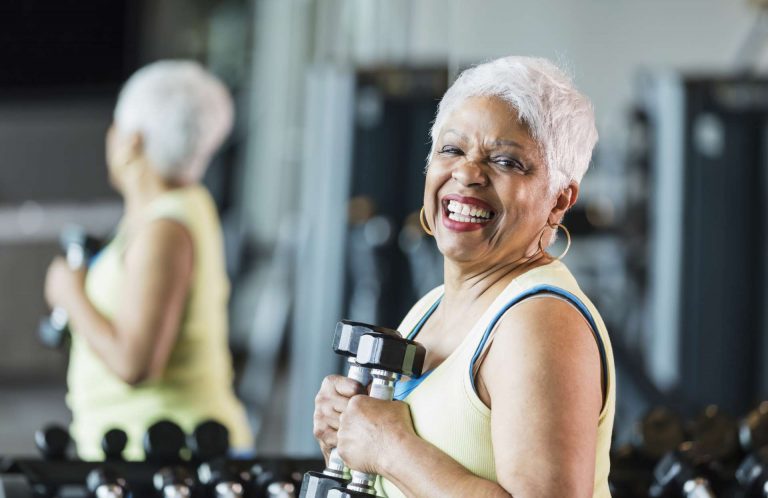
Senior woman holding gym weights
› Back to top
« back
10.27.20 | Sage Advice®

The Danish Philosophy of Hygge

With cold weather upon us, we all love the feeling of a steaming mug of hot cocoa nestled between our hands, or the comfort of a good pair of slippers on a chilly Sunday morning. But nobody knows this love better than the Danish — who have actually coined their own term to help describe it: hygge. And since then, the Danish philosophy of hygge has taken the world by storm.

What’s that?

Hygge is described as “a quality of cosiness and comfortable conviviality that engenders a feeling of contentment or well-being.” Pronounced “hoo-guh,” the modern day philosophy is derived from the Sixteenth-century Norwegian term hugga, to comfort or to console. But the word has far transcended its origins to become deeply embedded in Denmark’s national behavior and disposition, inspiring others globally to follow suit.

Meik Wiking, the CEO of the Happiness Research Institute in Copenhagen, goes so far as to say hygge is “a defining feature of our cultural identity and an integral part of the national DNA. In other words, what freedom is to Americans. . . hygge is to Danes.”

Hygge has been part of Danish culture since the early 1880s. The contagious philosophy has since spread to the UK in 2016, when several books were published on the topic, making it such a buzzword that it even appeared in the Collins Words of the Year for 2016. From there, hygge made its way to popular US culture, infiltrating the Pinterest-verse and becoming an integral aesthetic to home design (think roaring fireplaces, big knit blankets). 

How to live a hygge life

Hygge, like all things fun and enjoyable, doesn’t have a ton of rules. The word itself can be an adjective or a noun — hyggebukser is a pair of pants you wouldn’t dare wear in public, but adore at home, and hyggekrog describes a cozy seat, such as your favorite recliner or a good reading nook. To introduce hygge into your own life, you simply have to embrace moments of comfort and joy. 

There are lots ofl ways to do this, like surrounding yourself with candles and throw blankets. There are also deliciously indulgent ways to do this, like baking homemade bread, cakes or pies, binging on comfort food and enjoying a hot, buttered rum.  As proponents of vibrant, engaged living, we at Sage Collective believe the best way to embrace the hygge philosophy is amongst good company. Whether it’s a morning jaunt around the neighborhood with a good friend, or a board game played in the living room with loved ones, hygge can be found in the simplest and most pleasurable of moments, if only we learn to look.

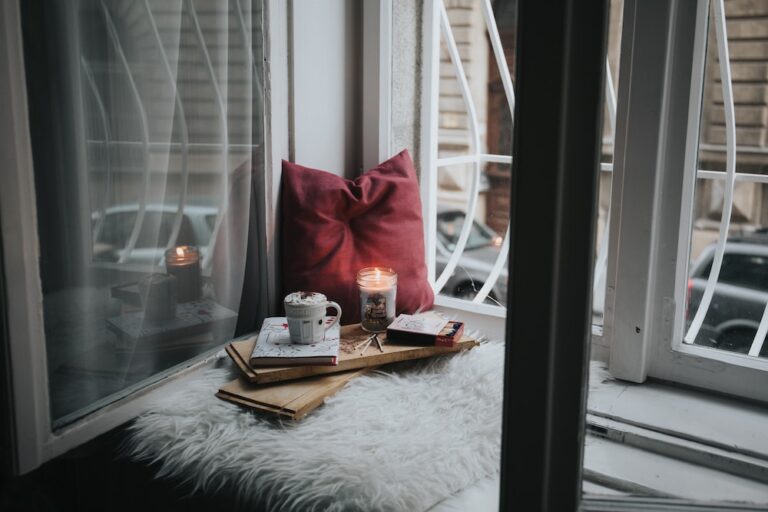
A hygge setup of a red pillow, a lit candle, a mug of hot cocoa and a fuzzy blanket nestled in a window seat
› Back to top
« back
10.20.20 | Health & Wellness

The Surprising Health Benefits of Walking

Walking is a great way to spend reflective time alone, to enjoy your neighborhood with a loved one and even to accomplish a workout. But how often do you say “let’s go for a walk around the block”? While walking is just a normal part of most of our lives, the act of going for a 30-minute walk each day actually brings with it a surprising array of health benefits. 

Walking Improves Physical Health

According to health and fitness experts, walking is far more than simply an ordinary way to get moving. Going for a walk at a moderate to brisk pace can even have health benefits parallel to that of running. According to one study conducted over six years, both the practice of going for a moderate walk and vigorous run result in reductions in risk for high blood pressure, high cholesterol, diabetes and heart disease.

That’s because walking increases cardiovascular and pulmonary (heart and lung) fitness. It can also benefit your bone health; aiding in joint or bone stiffness and in the establishment of stronger, healthier bones. Other physical health benefits include improved balance, increased muscle strength and endurance, boosted immune function and — for those of us who may be watching our figures — decreased body fat. 

It Also Boosts Mental Health

Your physical health won’t be the only thing improved by developing a regular walking habit. Immediate impacts can be seen in increased energy levels and elevated moods — one study even suggested that going for a morning walk is more invigorating than a cup of coffee. That’s because walking improves oxygen flow throughout the body, sparking increased production of cortisol, epinephrine and norepinephrine, hormones that help elevate energy levels.

And when it comes to your mood: walking has been demonstrated to help combat depression and anxiety, reduce symptoms of social withdrawal and even help to boost self image. Walking also encourages creative thinking — up to 60%, according to a study conducted by Stanford University. 

Maintaining this low-stress fitness regimen is also proven to slow down mental decline, improve memory and lower Alzheimer’s risk. Even further, research suggests that going for a daily walk can extend your life by reducing the risk of overall death up to 24%. 

At Sage Collective, we believe in the power of vibrant living. As a way to boost your body and mind, we see walking as an integral part of that practice, and encourage our residents to develop their own 30-minute a day habit. 

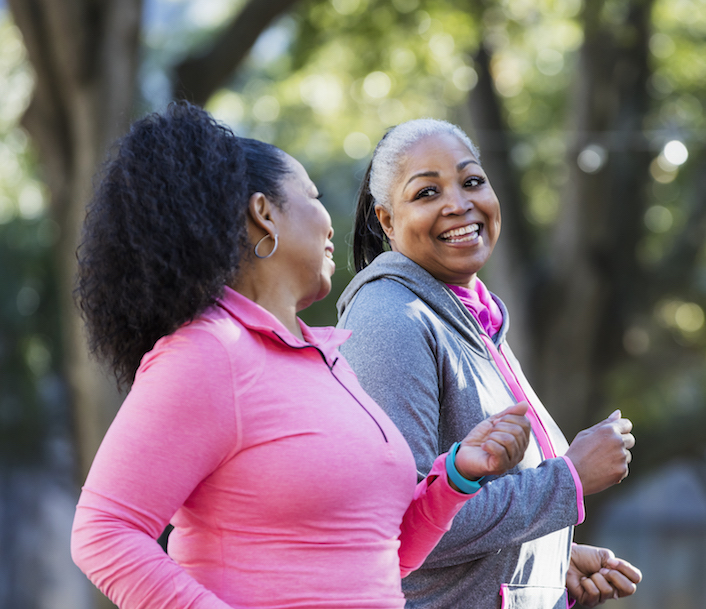
Two African-American women exercising together in the city, jogging or power walking, laughing and conversing. Buildings and trees are out of focus in the background. The one in pink is in her 60s and her friend is in her 50s.
› Back to top