« back
07.06.23 | Arts & Culture

Digital Essentials: Navigating The Larger Web

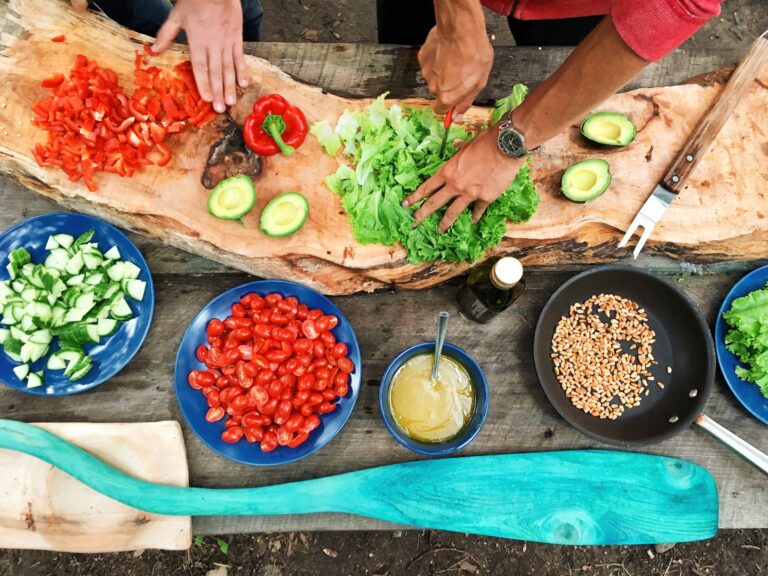
For many older adults, engaging with digital technology is a journey of discovery and empowerment. It’s like learning to cook a new dish – it can be daunting at first, but with the right ingredients and recipe, it’s a joy to create something wonderful. Just as we advocate for a proactive approach to vibrant living, taking an active role in understanding and using digital tools can help older adults stay connected, continue learning, and contribute meaningfully in today’s digital age.

Digital Navigation: Walking Through the Web

Walking is fundamental to our daily lives. It’s how we get from one place to another. Similarly, browsing the internet is a form of digital walking. We navigate from one website to another, finding information, connecting with loved ones, shopping, or learning new things. Search engines like Google are the shoes that protect our feet, guiding us to where we want to go. However, remember to tread wisely and stay on safe paths, using websites that are secure (often marked with a small padlock icon near the URL) and avoiding clicking on suspicious links, just like you would avoid walking on a slippery surface.

Online Learning: Dressing Your Mind

Just as we dress ourselves in different clothes for different occasions, we dress our minds with knowledge for various scenarios. Digital tools offer older adults myriad ways to continue learning. Educational platforms such as Coursera, Khan Academy, or even YouTube provide a wealth of knowledge at our fingertips, on topics ranging from history to cooking, to learning a new language. Donning this digital attire can enhance one’s sense of purpose, encouraging continuous learning and curiosity.

Digital Communication: The Nutritious Social Meal

Eating is essential for physical health, and social communication is food for our emotional well-being. In a digital context, tools like Facebook, Skype, or Zoom are akin to nourishing meals. They provide essential social interaction, enabling engagement with family, friends, and social groups from the comfort of home. Digital communication can also reduce stress, offering an easy way to stay connected and engaged, even when physical distance might make it challenging.

Setting Intentions: A Digital Agenda

In the same vein as setting life goals, having a digital agenda can help guide your online activities. This could be as simple as deciding to spend ten minutes each day learning a new skill on YouTube, or setting aside time each week to video call with family. Your digital intentions should serve your broader life goals and promote vibrant living.

Taking Control: Understanding and Mastering Digital Tools

Mastering the digital world might seem overwhelming, just as learning new daily tasks can be. But remember, it’s okay to take it one step at a time. Start with basic tasks, like sending an email or making a video call, and gradually add more complex activities, such as online shopping or digital banking. You are in control of your digital journey, just as you are in your daily life.

At Sage Collective, we believe that understanding and using digital tools can significantly enhance our model of vibrant living. It offers endless possibilities for learning, connection, and engagement. Just as we actively participate in our daily lives, we can also take an active role in navigating the larger network of the web, leading to a more enriched and vibrant life. It’s never too late to embark on this digital journey.


› Back to top
« back
06.29.23 | Arts & Culture

The Healing Power of Nature: Embracing Botanical Gardens

Life sometimes feels like it’s zipping by, doesn’t it? We often get so caught up in the rush that we forget to pause and simply be. But the beauty of vibrant living is in those pauses. That’s where we step in at Sage Collective – to invite you to stop, breathe, and immerse yourself in the vibrant living that nature offers. With its rich colors, textures, and diverse life forms, Mother Nature brings an oasis of tranquility and peace into our lives.

Our relationship with nature isn’t just a primal instinct. It’s a two-way street – nature nurtures us and in return, we protect and preserve it. Just think about how a simple walk in a park can melt away your stress and energize your spirit. That’s the healing power of nature, promoting not just our physical well-being but also boosting our mental health.

Think of botanical gardens and conservatories as front-row seats to the spectacle of vibrant living. They’re not just clusters of plants but treasure troves of biodiversity, acting as sanctuaries for plant conservation and research. At the same time, they give us a chance to explore, appreciate, and understand nature’s beauty and the significance of biodiversity.

Imagine strolling through these green havens. It’s more than just a pleasant walk. It’s an education, a stress-buster, and a celebration of global biodiversity all rolled into one. Plus, it’s good for your heart health too!

The best thing is you don’t need to step into a botanical garden to connect with nature. You can experience vibrant living right in your backyard or even on your balcony. A simple walk in your local park or some quiet time spent gardening can be your quick escape to nature. And don’t forget to engage your senses in these moments – feel the breeze, listen to the bird songs, or simply admire the greenery around you. These simple acts of mindfulness can bring an immensely calming effect to your day.

Vibrant living is all about embracing the healing power of nature. Whether it’s through visiting a botanical garden or finding moments of connection in your everyday life, it’s essential to let nature soothe your soul. Amidst the fast-paced chaos of our modern lives, let’s take a moment to step back, breathe, and find our peace in nature. Because when we connect with nature, we connect with ourselves, and ultimately, each other. So let’s celebrate our symbiotic relationship with nature and continue on this journey of vibrant living.

› Back to top
« back
06.22.23 | Arts & Culture

Juneteenth: Honoring the Past, Embracing the Present, Envisioning a Vibrant Future

In the spirit of learning and understanding that fuels the Sage Collective, we’re delving into a significant moment in our shared American history, a moment that anchors us to our past as it guides us towards a more inclusive future – Juneteenth.

The essence of Juneteenth is one of freedom and liberation, dating back to 1863 when the Emancipation Proclamation declared enslaved African Americans free. The truth of this newfound freedom, however, took two years to permeate every state, with Texas being the last to hear the news. Hence, Juneteenth was born, officially recognized by President Joe Biden on June 17, 2021.

The celebration of Juneteenth, while filled with joy and reverence for the resilience of freedmen and freedwomen, was not devoid of strife. However, the spirit of determination and unity endured. By pooling resources, formerly enslaved people bought land in 1950, creating Emancipation Park in Houston, Texas, a testament to their collective resilience and a place for future Juneteenth celebrations.

The Juneteenth flag, designed by Ms. L.J. Graff, embodies this shared history and vision. Its colors echo the American flag, asserting the rightful place of freed people and their descendants as American citizens. The central star pays homage to Texas, while the bursting new star symbolizes a new dawn and new freedom.

As we honor Juneteenth, we also acknowledge the complex emotions that accompany this day of celebration. The weight of history can bring feelings of anxiety and stress, emotions we at Sage Collective encourage our members to acknowledge and discuss. We are committed to creating a safe space for these dialogues, believing that understanding our past is a crucial step toward shaping a vibrant and inclusive future.

Juneteenth, much like our mission at Sage Collective, is about embracing freedom and fostering vibrant living for all. It reminds us that freedom is also about the liberation of the mind and spirit. It’s about the courage to acknowledge the pain of our past, the determination to celebrate the progress of our present, and the vision to foster a future of justice, inclusivity, and vibrant living for everyone.

Join us as we commemorate Juneteenth this month and every month, and let its history and values inspire us as we continue to work towards a future where everyone can live vibrantly.

› Back to top
« back
06.15.23 | Community

The Importance of Mental Health for Men: Breaking Down Barriers and Stigmas

As we embrace Men’s Health Month this June, we at Sage Collective aim to draw attention to an often-ignored aspect of men’s wellbeing – mental health. The stigmas and misconceptions surrounding this topic can often sideline it, but we believe it’s essential for everyone to pay attention to mental health just as much as physical health.

Traditional societal norms might suggest men should suppress their emotions and maintain an exterior of strength, thereby inadvertently neglecting their mental health. However, mental health issues do not discriminate between genders and can affect anyone. Acknowledging and addressing these issues is crucial for overall health and wellbeing.

The concept that men should endure their mental health struggles silently continues to prevail. These outdated notions not only undermine the severity of mental health issues but also discourage men from seeking the help they need. This is a narrative we, as a society, must strive to change.

Promoting a culture where mental health is openly discussed, where men are encouraged to express their feelings and seek assistance when needed, is vital. The first step in doing this is to encourage dialogue. The act of sharing personal experiences and listening to others can go a long way in fostering understanding and empathy.

In addition to fostering open dialogue, we also need to focus on educating ourselves and others about mental health. Knowledge about the various mental health issues, their symptoms, and how to seek help is an essential tool for early intervention and recovery.

It’s also important to dismantle the misconception that mental health care is a sign of weakness. On the contrary, it’s a demonstration of strength and self-awareness. It takes courage to acknowledge personal struggles and seek help.

Recognizing the importance of men’s mental health should not be confined to Men’s Health Month alone, but it’s a good place to start. It’s an opportunity to bring men’s mental health into focus, challenge the existing stigmas, and advocate for mental health as an integral part of overall health.

At Sage Collective, we’re dedicated to this mission. Join us this Men’s Health Month as we strive to spread awareness and create a society where mental health, for both men and women, is prioritized and discussed openly without prejudice.

› Back to top
« back
06.08.23 | Sage Advice®

Adapting to The Internet Highway: A User-Friendly Guide for Older Adults to Embrace the Digital World

We often refer to the internet as a modern highway. Imagine jumping onto the freeway of knowledge and connections, taking exits to destinations of choice, and disembarking when you’ve reached your desired location. The concept may seem daunting, especially for those of us who didn’t grow up in this digital age, but fear not! Just like learning to navigate any new terrain, once you understand the rules of the road, the journey becomes more manageable. 

However, the internet highway, much like any journey, comes with its share of challenges and potential roadblocks. But we firmly believe that it is never too late to embrace this digital world, and doing so can unlock new realms of communication, knowledge, and convenience. Here are some tips to ensure a smooth ride.

Learn the Basic Tools:

Your digital journey begins with understanding the basic tools. Computers, smartphones, and tablets are your vehicles on the Internet highway. Start by familiarizing yourself with their functionalities, like turning them on/off, charging, and installing applications. 

Understanding the Online Map:

Search engines like Google are the maps of the digital world. They help you locate the information or services you’re looking for. Entering words related to your topic of interest (keywords) will lead you to numerous websites, images, news, and more. On your journey, these tools within the online map will be useful resources in helping you better understand all of the directions you can travel. 

Safety First:

As on any journey, safety is paramount. Beware of digital road hazards like phishing (fraudulent attempts to obtain sensitive information) and cyberbullying. Always ensure you’re visiting secure websites (look for ‘https’ in the URL), avoid sharing sensitive personal information online, and maintain strong, unique passwords for all your accounts. 

Social Media as Scenic Routes:

Social media platforms like Facebook, Instagram, and Twitter are excellent places to connect with loved ones, meet new friends, or join groups of interest. However, always be mindful of the information you share publicly. 

Embrace Online Learning:

Many institutions offer free or inexpensive courses online, from learning new languages to picking up cooking tips. Websites like Khan Academy, Coursera, or TED Talks are wonderful resources to broaden your horizons right from the comfort of your home. 

Tech Support is Your Roadside Assistance:

Finally, remember that there’s always help available. From the tech-savvy grandchild to the friendly helpline of your device manufacturer, don’t hesitate to ask for help if you find yourself lost on the digital highway.

Embracing the internet highway isn’t about leaving the past behind but about enriching our lives with the tools and resources of the present. Remember, the journey is just as important as the destination. Happy traveling!

› Back to top
« back
06.01.23 | Arts & Culture

Travel Trips and Destinations for Summer Adventurers

Get ready to embrace the magic of summer! It’s the perfect season to awaken your inner explorer, savor the thrill of freedom, and make every moment count. Remember, travel isn’t just about moving from point A to point B; it’s about learning continuously and sprinkling your life with unforgettable memories. But, as we all know, every adventure carries its share of surprises. Don’t fret, though – we’ve got you covered. Dive into our expertly-curated travel tips and discover three destinations that will inevitably satisfy your spirit of adventure this summer:

Starved Rock State Park, Illinois

First on our list is a day trip to Starved Rock State Park, about two hours west of Chicago. The park boasts some of the finest natural attractions in the Midwest, with an impressive 18 canyons, scenic waterfalls, and a wide variety of wildlife. Take a guided tour or embark on a self-guided adventure, it’s the perfect place to commune with nature and appreciate the beauty of the Illinois Valley.

Lake Geneva, Wisconsin

If a serene lakeside excursion suits your fancy, consider visiting Lake Geneva in Wisconsin. Only a short hour and a half drive from Chicago, it’s a haven of relaxation and natural beauty. Here, you’ll find opportunities to indulge in boating, fishing, or simply a picnic by the waterside. For a real treat, take a historical tour on the lake’s mail boat, a century-old tradition that offers a unique perspective of the stunning lakeside homes.

Michigan City, Indiana

Finally, a day trip to Michigan City in Indiana offers a blend of city attractions and natural beauty, only an hour away from Chicago. Enjoy the vibrant arts scene at the Lubeznik Center for the Arts, explore the beautiful Washington Park Zoo nestled on a sand dune overlooking Lake Michigan, or stroll the colorful boutiques and antique shops of the Uptown Arts District. 

When embarking on these adventures, remember to consider your comfort and health. Carry water, snacks, and any required medication. Dress for the weather, and wear comfortable footwear suitable for the activity you’re planning. Whether you’re journeying solo or with loved ones, each trip offers a unique opportunity for exploration, learning, and a touch of adventure. 

So, here’s our Sage Advice: take the summer its hands and step out into the world. There’s a lot to see, much to learn, and countless experiences waiting just for you. Exploration is not just about discovering new places, but also about discovering ourselves. After all, age is just a number, and the world is our timeless playground. Embrace your independence, pursue vibrant living, and make the most of the educational experiences that these journeys offer.

› Back to top
« back
05.25.23 | Sage Advice®

Staying Agile: Flexibility and Balance Exercises to Help You Maintain Independence

As we navigate through life’s different stages, physical changes often accompany us. At times, these can impact our strength, agility, and sense of independence. However, at Sage Collective, we are firm believers in the body’s innate capacity to adapt. Today, we’re exploring how to stay agile with flexibility and balance exercises. 

Flexibility and balance are the pillars of maintaining independence as we age. They are crucial in our daily tasks, from simple movements like bending to tie our shoes, to complex actions like reaching for an item on a high shelf or navigating stairs. Regular flexibility and balance exercises can enhance muscle tone, improve coordination, reduce risk of falls, and promote independence. Let’s delve into some exercises that can help.

Gentle Yoga 

Yoga is an exceptional choice for promoting flexibility and balance. The slow and deliberate movements of yoga poses, such as the “tree pose” and “warrior pose”, can dramatically improve balance. For increased flexibility, try poses like “downward dog” and “cobra pose”. These poses work on various muscle groups, enhancing flexibility in the legs, spine, and shoulders. Starting with guided sessions by a trained instructor can ensure proper technique and safety. 

Stretching Exercises 

Regular stretching exercises are integral to maintaining and improving flexibility, and in turn, your range of movement. Basic stretches, such as the calf stretch, hamstring stretch, and gentle neck rotation, can be highly effective. Aim to hold each stretch for about 30 seconds, ensuring you feel a gentle pull, not pain. Over time, you’ll notice improved flexibility, which can make everyday tasks easier and more comfortable. 

Balance Training 

Simple balance exercises can significantly improve stability. Start with exercises like standing on one leg, shifting weight from one foot to the other, or walking heel-to-toe in a straight line. Initially, use the support of a chair or railing until you gain confidence and can perform these exercises without aid. Consistent practice can lead to noticeable improvements in your balance, coordination, and confidence in daily movements. 

Staying agile involves more than physical flexibility and balance; it requires mental adaptability too. Incorporating these exercises into your daily routine sets you up to tackle life’s challenges with grace and resilience. Growing older doesn’t mean surrendering your independence. It’s about thriving, adapting, and embracing life’s ever-changing landscape. By dedicating time to activities like these, you’re investing in your independence, enhancing your quality of life, and paving the way to healthier aging. Let’s stay agile together, every step of the way.

› Back to top
« back
05.18.23 | Sage Advice®

The Benefits of Lifelong Learning: Ways You Can Stay Curious and Keep Learning at Any Age

In today’s world, learning is not just confined to the classroom. Nor is it a phase that fades after our school years. Learning is an exhilarating journey of discovery that can and should continue throughout our entire lives. At Sage Collective, we believe in the power of lifelong learning to nourish the mind, invigorate the spirit, and ultimately, facilitate a vibrant and high-quality living experience. 

Embrace the Ever-Curious Mind 

Being curious is about wanting to know more. It’s about asking questions and finding answers, about anything that interests you. This could be about the latest gadget or an old piece of history. Following your curiosity can lead to exciting discoveries and new knowledge. Remember, no matter how old you are, there’s always something new to learn.

The Benefits of Lifelong Learning

Throughout our programming, we’ve observed firsthand the transformative power of lifelong learning. It fosters a sense of purpose, promotes mental agility, and bolsters self-confidence. Lifelong learning can also help combat loneliness by providing opportunities to meet like-minded peers, thus forming enriching relationships. Moreover, being actively engaged in learning contributes to your overall wellbeing. Research suggests that stimulating your mind can help slow cognitive decline and improve memory function. It keeps the brain agile and the spirit youthful. 

Ways to Keep Learning 

So, how do you maintain a lifelong commitment to learning? The key is to integrate learning into your daily routine. Here are a few suggestions: 

  1. Reading: Books, newspapers, magazines or even online articles can take you on a journey of discovery. Reading not only expands your knowledge, but also stimulates your imagination and enhances your understanding of the world. 
  2. Online Courses: With advancements in technology, you can learn almost anything from the comfort of your home. Websites like Coursera or Khan Academy offer courses on a variety of subjects. There’s also TED Talks, which offers thought-provoking presentations on countless topics. 
  3. Local Community Events: Many communities host educational workshops, lectures, and events. These gatherings provide a great opportunity to learn something new, meet people with similar interests, and actively engage in your community. 
  4. Hobbies: Hobbies like painting, gardening or playing a musical instrument are not just enjoyable, but also educational. They can help develop new skills, stimulate creativity, and provide a sense of accomplishment. 
  5. Travel: If circumstances allow, traveling can be a great way to learn. Experiencing new cultures, tasting different foods, and learning new languages can provide a firsthand education that’s impossible to get in any other way. 

Remember, lifelong learning doesn’t mean becoming an expert in every subject. It’s about maintaining an open mind, staying curious, and enjoying the process of discovery. The joy lies in the journey, not just the destination. 

At Sage Collective, we encourage and celebrate a culture of continuous learning, believing it to be an essential component of vibrant living. We strive to create opportunities for our residents to explore, grow, and flourish. By choosing to stay curious and keep learning, you are not just passing time; you are creating a meaningful, engaged future. Here’s to celebrating the sage in all of us!

Sage Collective's Vibrant Living Program at Chicago Commons
› Back to top
« back
05.04.23 | Arts & Culture

Five Engaging Hobbies You Can Pick up to Keep Your Mind Active

Growing older doesn’t have to mean slowing down! In fact, our golden years can be an excellent time to embrace new hobbies that challenge our minds and help us live life to the fullest. Engaging in activities that stimulate the mind can help you stay sharp, enhance cognitive function, and add a touch of zest to everyday life. Today, we’re diving into five engaging hobbies that anyone can explore to keep their minds active and their lives vibrant:

Family History Research

Unearthing your family’s past can be a thrilling and rewarding journey. As you dive into genealogy, you’ll develop research skills, learn about history, and discover fascinating stories about your family’s heritage. It’s a wonderful way to connect with distant relatives and preserve family history for future generations. Online resources like Ancestry.com and FamilySearch make it easy to get started, and don’t forget to check out local libraries and historical societies for additional support. 

Photography

Capture the beauty around you with photography! This creative hobby can be enjoyed both indoors and outdoors, giving you the freedom to express yourself artistically. With the increasing accessibility of digital tools and platforms, anyone can explore various photography styles – from stunning landscapes to captivating portraits. Share your work in online photography forums or join a local photography club to meet new friends and learn from fellow enthusiasts. 

Learning a New Language

Say ‘bonjour’ or ‘hola’ to a new language! Picking up a new language can be a delightful challenge, keeping your mind sharp and opening the door to new cultural experiences. Learning a new language not only improves memory and critical thinking skills but can also provide a sense of accomplishment. Online platforms like Duolingo, Rosetta Stone, and Babbel make it easy to get started, and you can also join local language classes or conversation groups for a more interactive experience. 

Experimental Cooking 

Spice up your life by venturing into the world of experimental cooking. This delicious hobby allows you to nurture your creativity while tantalizing your taste buds. Develop your culinary skills by exploring new recipes, ingredients, and cooking techniques. Travel the world through your kitchen by trying out international cuisines or challenge yourself with unique cooking methods. Who knows, you might just discover your next signature dish! 

Bonsai Artistry

Enter the tranquil world of bonsai, where the cultivation and maintenance of miniature trees transform into living art. This unique and captivating hobby requires attention to detail, an appreciation for the natural world, and a touch of mindfulness. As you nurture your bonsai creations, you’ll find a sense of relaxation and accomplishment. Resources like books, online tutorials, and local bonsai clubs can help you embark on this beautiful journey.

Whether you’re exploring your family’s past, capturing the world through photography, learning a new language, whipping up culinary delights, or nurturing miniature trees, there’s a hobby for everyone to enjoy. So go ahead, embrace these activities and add a touch of vibrancy to your golden years!

› Back to top
« back
04.27.23 | Sage Advice®

The Power of Saying “No!” Set Your Boundaries, Find Your Balance

At Sage, we recognize that achieving a balanced and gratifying life is essential for the well-being and happiness of older adults. One crucial life skill that often goes unnoticed is the ability to say “no.” In today’s blog post, we’ll delve into the significance of setting boundaries by learning when and how to say “no,” and how doing so can contribute to a more harmonious and enriching life experience.

Saying “no” is a critical aspect of establishing healthy boundaries and maintaining control over our lives and when we inversely say “yes” to everything, we can become overwhelmed, stressed, and ultimately worn out. But, by learning to say “no” when necessary, we can prioritize our well-being, concentrate on what genuinely matters, and create a more balanced, satisfying life. Time is our most precious resource on Earth, and as we age, it becomes even more valuable. By saying “no” to activities, events, or obligations that don’t align with our priorities, we can safeguard our time and energy for the things that truly matter to us such as our passions, relationships, and personal growth.

Our emotional well-being can be just as crucial as our physical health, and setting boundaries by saying “no” can play a vital role in maintaining emotional equilibrium. When we take on too much or agree to things that don’t resonate with our values, we can feel resentful, stressed, and emotionally overstimulated. By asserting ourselves and declining requests that don’t align with our needs, we can protect our emotional well-being and create a more harmonious life.

Saying “no” can also contribute to healthier, more balanced relationships. When we set clear boundaries and communicate our needs effectively, we create an environment of mutual respect and understanding. This can lead to more meaningful connections and help prevent feelings of resentment or being taken for granted. It can also be an essential part of personal growth. When we set boundaries and prioritize our own needs, we can develop a stronger sense of self-worth and confidence. 

Through a comprehensive approach to wellness, we’re dedicated to helping older adults achieve a balanced and gratifying life. Our programs and services focus on fostering personal growth, emotional well-being, and strong social connections by providing a supportive and nurturing environment that precisely empowers our residents to develop the skills and confidence needed to set healthy boundaries and lead a more balanced, rewarding life.

› Back to top