« back
10.23.25 | Arts & Culture

Growing Into What You Love: How Interests Evolve at Every Age

At Sage Collective®, we often say that vibrant living isn’t about staying busy—it’s about staying engaged. The difference lies in depth. True engagement grows when curiosity meets purpose, when we give time and attention to what sparks our minds and hearts. This idea aligns beautifully with what psychologists call the growth theory of interests—the belief that our passions aren’t simply discovered; they’re developed over time.

From “finding” to “cultivating”
For many years, people were encouraged to “find their passion,” as if it were a treasure waiting to be unearthed. But research led by Stanford psychologist Carol Dweck and her colleagues shows that interests are not fixed traits—they grow through experience. The growth theory of interests suggests that we develop enthusiasm for activities by exploring them, practicing them, and allowing ourselves to be challenged.

This shift in mindset is liberating—especially for older adults. It reminds us that our interests don’t have an expiration date. We can fall in love with new ideas, art forms, technologies, and communities at any stage of life. In fact, later life often offers the freedom and perspective to explore them more deeply than ever before.

The courage to begin again
Vibrant living, at its core, is about embracing growth—physically, mentally, emotionally, and creatively. The growth theory of interests gives us permission to begin again, to approach new hobbies or learning experiences not with pressure to “be good” right away, but with openness to become. Whether it’s learning a new language, picking up watercolor painting, joining a local choir, or experimenting with virtual reality travel, the key is to start small and stay curious.

That first step might feel uncertain—but that’s exactly where growth begins. Each moment of discovery strengthens the neural pathways that make us feel alive and connected to the world around us.

Interest as a lifelong practice
Developing new interests also nurtures well-being in ways that align closely with Sage Collective®’s vision of vibrant living. Research shows that engaging in personally meaningful activities can improve mood, sharpen cognition, and increase longevity. Interests bring structure to our days, connection to our communities, and energy to our spirits.

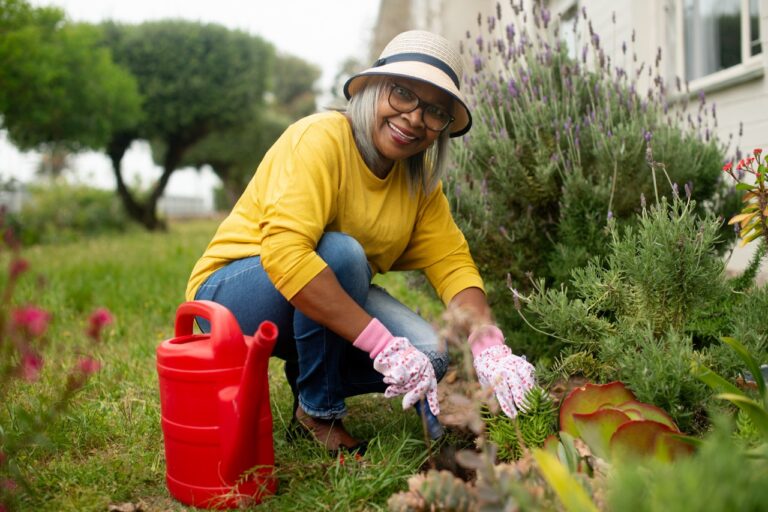
Consider this: an interest in gardening can become a meditation on patience and renewal. A fascination with local history can blossom into volunteering at a museum. Curiosity about health and movement might evolve into a shared yoga practice. Each interest, no matter how modest at first, holds the potential to expand our sense of meaning and belonging.

A vibrant future of our own making
The growth theory of interests reminds us that becoming ourselves is a lifelong project. Passion is not something we outgrow—it’s something we continue to grow into. At Sage Collective®, we believe that each new curiosity is an invitation to vitality.

So instead of asking, “What am I passionate about?” try asking, “What am I willing to explore?”

› Back to top
« back
10.16.25 | Community

Embracing Wabi-Sabi: Lessons in Vibrant Living

In a world that often celebrates perfection, speed, and constant growth, the Japanese tradition of wabi-sabi offers a refreshing alternative. Rooted in Zen philosophy, wabi-sabi is the art of finding beauty in imperfection, transience, and simplicity. It’s a way of seeing the world that celebrates authenticity over polish, and presence over perfection.

At Sage Collective®, we see wabi-sabi as deeply aligned with our vision of vibrant living. By embracing its principles, we invite more acceptance, mindfulness, and joy into daily life—qualities that enrich our experience as we grow older.

What is Wabi-Sabi?
Wabi-sabi can be understood as both an aesthetic and a philosophy. It finds beauty in the natural cycle of growth and decay, in weathered wood, uneven pottery, or the golden repair lines of kintsugi ceramics. More than just a visual style, it’s an attitude of humility and appreciation, reminding us that life is always in motion, always changing.

Lessons for Vibrant Living

  • Embrace Imperfection. Wabi-sabi teaches us that flaws don’t detract from beauty—they add depth and character. The same is true in our lives. Our wrinkles, our stories, and even our missteps are part of what makes us whole. Accepting imperfection allows us to release unrealistic standards and embrace self-compassion.
  • Honor Transience. Autumn leaves falling, flowers wilting, daylight fading—wabi-sabi reminds us to appreciate the fleeting nature of life. For older adults, this perspective can be liberating, encouraging us to live in the present moment and savor its richness without clinging to permanence.
  • Find Joy in Simplicity. Wabi-sabi encourages us to pare back to what matters most. Simplicity is not about lack, but about clarity—making space for meaningful relationships, mindful practices, and daily rituals that nourish us.
  • See Beauty in the Everyday. From a crack in a well-loved teacup to the quiet of a morning walk, wabi-sabi teaches us that beauty doesn’t have to be grand or flawless. It’s often found in the ordinary, waiting for us to notice.

A Wabi-Sabi Practice
Cultivating wabi-sabi in daily life doesn’t require drastic changes. Instead, it’s about small shifts in perception and practice:

  • Pause to notice: Take a few minutes each day to appreciate something simple—a breeze, a stone, a handwritten note.
  • Practice gratitude: Write down imperfections you’re thankful for—quirks, scars, or even challenges that shaped you.
  • Simplify your space: Surround yourself with items that bring meaning, even if they’re weathered or worn.
  • Celebrate change: Create seasonal rituals that honor life’s natural cycles.

Living Vibrantly, the Wabi-Sabi Way
At its heart, wabi-sabi invites us to live more gently—with ourselves, with others, and with the world around us. By embracing imperfection, honoring transience, and finding beauty in the everyday, we open ourselves to a fuller, more vibrant life.

This perspective resonates with Sage Collective®’s belief in living deeply and joyfully at every age. For when we learn to see through the lens of wabi-sabi, we discover that life’s cracks and changes are not shortcomings, but the very places where beauty—and wisdom—shine through.


› Back to top
« back
10.08.25 | Lifestyle

Everyday Awe: Finding Wonder in Autumn

As the season shifts, autumn brings with it a sense of transformation—crisp mornings, golden light, and leaves that burst into fiery hues before falling softly to the earth. For many of us, these subtle but profound changes spark something deeper: a feeling of awe. And in embracing awe, we invite ourselves into a more mindful, joyful way of living.

At Sage Collective®, we believe that awe isn’t reserved for rare, extraordinary experiences. It can be found in everyday moments, waiting quietly for us to notice. This perspective aligns with our vision of vibrant living, where wonder, creativity, and reflection are woven into the fabric of daily life.

The Science of Awe
Research has shown that experiencing awe—even in small, everyday doses—can improve mood, lower stress, and even enhance physical health. Psychologists describe awe as a state that expands our sense of perspective, helping us feel more connected to the world around us. For older adults, awe is more than a fleeting emotion—it’s a tool for cultivating resilience, gratitude, and vitality.

Everyday Invitations to Awe
Autumn offers countless ways to experience awe without having to travel far:

  • Nature’s Palette: Watch the leaves shift from green to amber to crimson, and notice the textures and patterns in their details.
  • Crisp Air: Step outside on a brisk morning, take a deep breath, and feel the vitality of the season.
  • Harvest Season: From farmer’s markets to your own kitchen, celebrate the abundance of apples, squash, and spices that mark fall’s arrival.
  • Golden Hour Walks: Wander at dusk, when the light is warm and fleeting, and notice how the world transforms around you.

Each of these experiences invites us to pause, slow down, and reconnect—with ourselves, with others, and with the beauty of the natural world.

Awe as a Daily Practice
Awe doesn’t have to be accidental. It can be cultivated intentionally through simple habits:

  • Keep an Awe Journal: Jot down one moment of wonder each day.
  • Practice Mindful Observation: Choose one thing—a tree, a sunset, even a teacup—and look at it closely, as if for the first time.
    Share Awe with Others: Call a friend or family member to tell them about something that amazed you. In sharing, the wonder grows.

Living Vibrantly with Awe
At Sage Collective®, we recognize that vibrant living comes from engaging fully with the present moment and finding joy in life’s transitions. Autumn is a reminder that change itself can be beautiful—and awe is the lens through which we see that beauty more clearly.

So this fall, let us challenge ourselves to seek awe not just in grand moments, but in the everyday: the leaf that drifts across your path, the laughter of a neighbor, the warmth of a cup of tea on a cool morning. Because when we live with awe, we live more deeply, more gratefully, and more vibrantly.

Photo by Al Imran on Unsplash
› Back to top
« back
09.18.25 | Health & Wellness

Q&A with Olivia Matongo, Alzheimer’s Association® on Brain Health, Equity, and Community

Sage Collective® and the Alzheimer’s Association® share a powerful common ground: helping older adults live vibrantly with knowledge, connection, and care. Ahead of our Facebook Live conversation with Olivia Matongo, Vice President of the Alzheimer’s Association® Illinois Chapter on September 23, 2025 at 7:00PM CT, we sat down with Olivia about a number of subjects, including how to make brain-healthy living more accessible, equitable, and actionable for our community.

In your role, what does a “good day” look like—and who benefits most from your work?
My team leads community outreach and engagement—we’re the ones executing the mission in the field. That means raising awareness about the disease and about our resources, building relationships with community leaders and organizations, and making sure people who are struggling can access care and support.

How did the relationship with Sage Collective® come to be?
We met at a community meeting and started talking about ways to partner. After follow-up conversations, we landed on doing a session focused on brain health—sharing who we are, what we do, and how we can support Sage Collective®’s community.

Many people ask how to distinguish normal, age-related memory lapses from early warning signs of Alzheimer’s. How do you explain the difference?
Normal aging isn’t disruptive—you might occasionally forget something and then remember it later. Dementia involves memory loss that interferes with daily life, like getting lost on a familiar route or struggling with tasks you used to manage easily. It affects the individual and those around them as loved ones notice changes and step in with more support.

We’re hearing more about new blood tests entering the diagnostic toolkit. What should families know?
Diagnosis is never one single test—clinicians use a number of tools in the diagnostic process, including cognitive and behavioral assessments. Blood-based tools are emerging to help detect biomarkers associated with Alzheimer’s, which can make the path to answers less invasive and help families plan and prepare sooner in consultation with their clinicians.

What daily habits do you encourage for better brain health?
At the Alzheimer’s Association®, our public health team recently launched “10 Healthy Habits for Your Brain” grounded in research. Highlights include moving your body, not smoking, managing blood pressure and diabetes, getting enough sleep, keeping your brain learning new things, and following the MIND diet (leafy greens, berries, nuts, lean proteins, and less butter, cheese, and red meat). Doing several of these together can meaningfully reduce risk over time.

Sage Collective®’s “9 Ways of Vibrant Living” align closely with your recommendations.
Exactly. Engagement and purpose are powerful. When partners like Sage Collective®help us reach people with practical, everyday ways to take care of brain and body, the impact multiplies.

How is the Alzheimer’s Association® building trust and access in communities that have been underserved?
We’ve invested for years in focused DEI efforts—partnering with organizations already rooted in Black, Brown, and rural communities. In Chicago, for example, we co-create annual conferences with community planning committees—one on the South Side centered on African American communities and one on the West Side centered on Hispanic communities—so that education, resources, and support truly reflect community needs.

What does a strong partnership with Sage Collective® look like to you?
Access and trust. Being invited in to educate and support your community is huge—and it’s reciprocal. We also ask, “How can we serve Sage Collective®’s goals?” As our organizations continue talking, the partnership can evolve in ways that make sense for both missions.

Join us live
Don’t miss our Facebook Live with the Sage Collective® team and Olivia Matongo from the Alzheimer’s Association®, taking place on Tuesday, September 23rd at 7 PM CT/8 PM ET. We’ll dig deeper into early signs, new diagnostic tools, everyday prevention, and community resources. Bring your questions—and invite a friend or care partner. Go to the Sage Collective® website to reserve your spot!


› Back to top
« back
08.07.25 | Fitness & Activity

Joyspan: Measuring Life in Moments, Not Years

At Sage Collective®, we believe that vibrant living isn’t measured solely by how many years we have—but by how fully we live in those years. Just as we talk about lifespan and healthspan, there’s another equally essential, if less frequently named, concept: joyspan.

Joyspan is the measure of how much joy we experience and sustain throughout our lives. It’s not about momentary happiness or fleeting pleasures. It’s about the deep, sustaining joy that comes from meaningful connections, a sense of purpose, curiosity, and the freedom to be our full selves—especially as we age.

Beyond Lifespan and Healthspan
Modern medicine and lifestyle changes have helped extend our lifespan—the number of years we live—and increasingly, our healthspan—the number of those years we live in good health. But neither of those measures captures the richness of human experience. That’s where joyspan comes in.

Joyspan is qualitative, not quantitative. It invites us to ask, Am I making space for joy in my life? What fills me up? What lifts my spirit?

 Joy Matters—Especially As We Age
We live in a world that often underestimates the emotional and creative lives of older adults. There’s a quiet but damaging narrative that says joy belongs to the young. But we know from experience—and from the beautiful lives of those in our communities—that joy can flourish at any age. In fact, many people report a renewed sense of joy in their later years, when priorities shift, distractions fall away, and we’re finally able to savor what matters most.

Joy isn’t frivolous—it’s foundational. Research shows that joy supports mental health, bolsters our immune system, and helps build resilience. It improves relationships, sharpens cognitive function, and even enhances longevity. But beyond the science, joy connects us to our humanity. It allows us to experience gratitude, wonder, and awe.

Cultivating Joyspan: Daily Practices
Unlike lifespan, which is out of our control, joyspan is something we can grow—intentionally and continuously. Here are a few practices we encourage at Sage Collective®:

  • Savor small pleasures: A cup of tea, the bloom of a flower, a warm sunbeam on your shoulder. Joy is often tucked into the ordinary.
  • Stay curious: Explore new interests, revisit old passions, take a class, or start a creative project. Curiosity opens the door to joy.
  • Connect deeply: Spend time with people who see you, love you, and make you laugh. Whether it’s family, friends, or community, joy grows in connection.
  • Practice gratitude: Take a moment each day to reflect on what brings you peace or pleasure. Gratitude enhances awareness of joy.
  • Move your body: Gentle movement, walking, dancing—these are not just physical exercises but expressions of life and aliveness.

A Joyspan Philosophy
At Sage Collective®, we are reimagining aging by prioritizing wellness, creativity, and community. Embracing joyspan means honoring the emotional dimension of wellness. It invites us to be present, to celebrate beauty in the everyday, and to believe that joy doesn’t have to fade—it can deepen.

Our joyspan is not determined by the absence of hardship, but by how often we can return to joy, even amidst challenge. As we age, joy becomes not just a possibility, but a practice. And in that practice, we find hope.

So we invite you to ask yourself—not how many years you’ve lived, or even how many healthy ones—but how much joy you’ve let in. Because joy is not the icing on life—it’s the nourishment that makes life worth living.

› Back to top
« back
06.25.25 | Fitness & Activity

It’s Never Too Late to Dance

At Sage Collective®, we believe that aging is not about slowing down, but about embracing the sources that bring meaning, joy, and vitality to our lives. Among those sources, few are as universally joyful as dance. Whether it’s a graceful sway with a loved one to a soulful tune or an eccentric twirl in the bathroom, dance is a celebration of the present moment. And yet, too often, society tells us that with age comes a limitation of what kind of movement our bodies can enjoy. We wholeheartedly disagree. This is your invitation to reclaim the dance floor to rediscover the freedom that comes when you let your body move in harmony with your creative, open self. Because the truth is simple and powerful: you’re never too old to dance.

Dance Is for Everyone
Dance belongs to all of us; we celebrate dance as a personal expression available to anyone—at any age, in any body, and at any pace. Whether it’s ballet or line dancing, chair-based movement or hip hop in your living room, there is no right way to appreciate the creative bones in your body. The beauty of dance is that all you need is your own body and a delight for the act.

There is no need to be a classically trained dancer who is extremely young to produce the art form that is dance. While many focus on the technique of the movement, there is a love and passion that is imperative to have in order to not only do the art form, but enjoy it as well.

Physical and Mental Benefits of Dancing as You Age
At Sage Collective®, we know that movement is one of the most powerful ways we honor our bodies and its story. Dancing, in particular, is a joyful form of movement that nurtures body, mind, and psyche. As we age, regular dance can support balance, flexibility, and coordination—helping us move with greater confidence and stability. It strengthens the heart, encourages better posture, and promotes circulation. And perhaps just as importantly, it’s fun. So often, exercise feels like something we should do while dance is something we want to do.

But the benefits of dance go far beyond the physical. When we dance, we stimulate the brain by learning new steps and challenging our memory, responding to rhythm by carefully listening to the music accompanying our steps, making split-second decisions about where and how to move, and even taking risks by presenting ourselves in a new but vulnerable position. This keeps our minds sharp, engaged, and confident. Dancing also uplifts our emotional well-being by reducing stress, easing feelings of loneliness, and reconnecting us with a sense of youthful play. It can connect us to a community or connect us back to ourselves, it can be social and it can be deeply personal. The simple act of moving to music can remind us: we are still growing, still vibrant, still alive with endless potential.

Real-Life Inspirations
Take Ida Keeling, she was known to break records in sprinting by running a 100-meter dash in 1 minute and 17.33 seconds in the women’s ages 100-104. Part of her training and warm ups for these impressive athletic triumphs were dancing exercises. She quickly became known for her joyful dancing that was a symbol for resilience.

Then there is Dawn Hampton. She had a full career as a jazz musician and then delved into the world of dance. She became reacquainted with her love of dancing in her 60s and 70s, becoming a swing teacher and dancer, performing all over the world.

Getting Started
Whether you’re returning to dance after many years or trying it for the very first time, remember: there is no right way to begin, only your way.

Here are a few simple ways to get started:

  • Start with music you love. Put on a favorite song and allow your body to respond naturally. Even a head nod or toe tap counts, whatever is enjoyable and expressive for you.
  • Dance in the privacy of your home. If stepping into a public space feels too big right now, start in your living room, kitchen, or in front of the mirror.
  • Try chair dancing. Start swaying and moving your arms to start a gentle movement. It is a beautiful way to connect with rhythm and is perfect for those with limited mobility.
  • Set a small goal. Whether it’s dancing for one song a day or attending a weekly class, consistency matters more than intensity.
  • Be proud of yourself. It is not easy starting something new, especially when society is telling you it’s impossible. Appreciate your ability to continue your growth process.

No matter our age or ability, we are all capable of letting loose and dancing to our favorite song. In these spaces, there are no wrong steps, only authentic ones.

› Back to top
« back
06.18.25 | Uncategorized

Juneteenth 2025: Freedom to Flourish

At Sage Collective®, we believe that Juneteenth is not only a historical milestone—it is a living practice. As we prepare to honor Juneteenth 2025 on Thursday, June 19, we’re holding space for remembrance, reflection, and renewal. This year, we invite our community to consider five powerful themes that speak to the enduring legacy of this day and the vibrant futures we continue to shape.

Freedom Is a Practice, Not Just a Past
On June 19, 1865—more than two years after the Emancipation Proclamation—news of freedom finally reached the enslaved people of Galveston, Texas. But freedom did not arrive all at once, and it still hasn’t fully arrived for many. That’s why we say: freedom is not a moment; it’s a movement. It’s a practice. It lives in the choices we make every day—how we care for ourselves, how we show up in community, and how we demand dignity at every age. For older adults, practicing freedom can mean living life on your terms, unlearning limiting beliefs, or embracing joy and self-expression in bold new ways.

Inheritance of Hope: What We Carry, What We Pass Down
Juneteenth reminds us that we are the living legacy of those who dreamed before us. The stories, values, and hard-earned wisdom of older generations carry the weight of history—and the promise of healing. At Sage Collective®, we see our elders not just as keepers of memory, but as visionaries shaping the future. Whether it’s sharing family history, mentoring a young neighbor, or leading with quiet strength, every act of intergenerational connection is an act of liberation.

Joy as Liberation
Freedom doesn’t only live in laws or headlines—it lives in laughter, music, movement, and love. This Juneteenth, we celebrate Black joy as a form of resistance and resilience. For those of us who have seen decades of change, choosing joy—especially in a world that often asks us to shrink—is revolutionary. Throw on that bright outfit. Dance in your kitchen. Sing with your grandkids. Joy is not frivolous; it’s a declaration: I am here. I am whole. I deserve delight.

The Future We Deserve: Aging Boldly, Living Freely
While Juneteenth honors the past, it also challenges us to imagine a future where every person—especially older African Americans—can age with safety, creativity, and care. At Sage Collective®, that future includes access to emerging wellness tools, like virtual reality to support cognitive health. It means equitable healthcare, culturally relevant housing, and opportunities for lifelong learning. Liberation is not just about breaking chains—it’s about building a world where we are free to thrive at every stage of life.

We Are the Storytellers
Who better to preserve the spirit of Juneteenth than those who’ve lived through its echoes? Our elders are our griots—our living archives. When you share your story, you don’t just remember—you teach, you inspire, you light the path forward. Whether it’s through a Zoom call with family, a community oral history project, or a quiet conversation on the porch, we encourage you to speak your truth and honor your voice.

This Juneteenth, Let’s Celebrate the Ongoing Journey
We are not just looking back—we’re moving forward. With each story, song, protest, and prayer, we continue the work of making freedom real. At Sage Collective®, we believe that it’s never too late to live boldly, love deeply, and lead with wisdom. Juneteenth is a reminder that freedom is a flame passed from one generation to the next. May we continue to carry it forward—together.

› Back to top
« back
06.12.25 | Health & Wellness

It’s Never Too Late to Explore Love

At Sage Collective®, we believe in the possibility of living a life full of love, something that happens at any age. Whether it’s a budding romance, a deepening of existing bonds, or simply enjoying an emotional connection, love is not reserved for the young—it’s a lifelong journey. Yet, for many, the idea of finding or exploring love later in life is often stained by outdated narratives that say romance exclusively exists at a specific time in your life. We’re here to challenge that, exploring why love is always within reach, how to embrace it at any stage, and why it’s never too late to open your heart.

Myths About Age and Romance
Often there is the stereotype that love is only for the youth and once you age you lose any notion of romance. The myth goes that people stop kissing, hugging, going on dates and exploring their sensuality with their partners once they reach a certain age. That is simply not true.

Love does not fade with time, it evolves. It deepens, matures, and takes on new meaning. As we grow older, we gain the wisdom, confidence, and emotional clarity to experience love in its purest forms. It can be argued that the greatest form of love is not the one where you meet in your youth but the one you maintain in your later years. This love exists after a life of experiences making it less about petty issues and more about who you are as people and how you can love each other and yourselves simultaneously. If you can maintain a love at this stage in your life, then it is anything but irrelevant.

Real-Life Stories of Later-in-Life Love
First, there is Yvette Nicole Brown and Anthony Davis who married at 53 years old. The couple first met in their 20s but lost touch for several years. It was after Davis had sent his condolences to Brown in the wake of losing her mother that the couple reconnected and found a match.

Then there is Jeanne Gustaven and Stephen Watts who dated when they were in college but eventually broke up because Gustaven’s family was against their interracial relationship. After 42 years separated, Jeanne Gustaven set out to find Stepehen Watts as she viewed him as the one true love in her life. After a long search, she found him in a nursing home. They rekindled their love immediately and made the decision to move in together at 62 years old to live out the rest of their lives together, making up for lost time.

Tips for Exploring Love at Any Age
There is no time like the present to explore the many facets that love has to offer.  If you need a starting point, use these steps:

  • Start with self-love: Be proud of who you are and how far you have come in your life. Credit yourself for all of your life experiences.
  • Let go of societal pressure: There is no need to follow a traditional timeline. Either you found the love of your life at 25 or at 65, either way both stories are constantly evolving.
  • Communicate clearly and honestly: Be clear about your values, needs and any sort of changes you are feeling/needing. It does not matter how long you have known someone, there is always room for more communication.
  • Stay curious and adventurous: Dating and love is about exploration of the person and yourself, be open to new things by letting go of control and expectations.
  • Be patient and kind to yourself: It’s okay to take things slow or to take breaks, remember love does not have a time limit.

Aging is not a reason to give up on love, it is a sign to explore the new depths of it.

At  Sage Collective® we believe it is never too late to explore your feelings and relationships. We know that vibrant living means staying open to growth and to love. Whether it’s a new romance, a deepened friendship, or a renewed sense of self-appreciation, love can take many forms. You are not defined by your age, but by your ability and boldness to constantly be open to exploration.

› Back to top
« back
05.08.25 | Health & Wellness

Soulful Sustenance: Anti-Inflammatory, Plant-Based, and Culturally Rooted Nutrition for Aging Well

At Sage Collective®, we believe vibrant living is nurtured from the inside out. As we age, what we choose to nourish our bodies with becomes more than a matter of taste—it’s a key ingredient in longevity, mobility, and joy. That’s why we’re embracing a conversation around anti-inflammatory, plant-based nutrition that not only supports health but also honors the rich culinary traditions of African American culture.

Why Focus on Inflammation?
Chronic inflammation has been linked to a number of age-related conditions, including arthritis, heart disease, diabetes, and cognitive decline. For older African Americans—who are statistically more likely to face these chronic conditions—anti-inflammatory nutrition can serve as both prevention and healing.

The good news? You don’t need expensive supplements or hard-to-find foods. Many of the anti-inflammatory superfoods are familiar ingredients from your own kitchen or garden—and they often show up in the meals your grandparents made with love and intuition.

Plant-Based Eating: A Pathway to Wellness
Plant-based eating doesn’t mean you need to give up meat completely. It simply means placing more emphasis on fruits, vegetables, legumes, grains, nuts, and seeds—all foods that are rich in fiber, antioxidants, and phytonutrients that help fight inflammation and support overall vitality.

Start by thinking of your plate as a palette. Colorful vegetables like collard greens, sweet potatoes, okra, tomatoes, bell peppers, and squash are deeply rooted in African American foodways and loaded with nutrients. Whole grains like millet, sorghum, and brown rice offer slow-burning energy and support digestive health. And beans—such as black-eyed peas, lentils, and butter beans—are affordable powerhouses of protein and fiber.

Honoring Tradition Through a Healing Lens
Food is more than fuel—it’s memory, connection, and culture. At Sage Collective®, we celebrate the flavors and foodways that have nourished generations. But we also encourage evolving our plates in ways that serve our long-term health.

For example, traditional dishes like red beans and rice or stewed greens can be made even more anti-inflammatory by cutting back on processed meats and seasoning instead with herbs, garlic, onions, and a splash of vinegar. Swap frying for roasting or sautéing with olive oil—a heart-healthy fat that supports brain function and reduces inflammation.

And don’t forget the herbs and spices passed down through our traditions—turmeric, ginger, cayenne, thyme, and cinnamon all have natural anti-inflammatory properties.

Easy Changes with Big Impact
You don’t need to overhaul everything overnight. Small, steady shifts can make a big difference:

  • Add one plant-based meal per day.
  • Drink more water and herbal teas like hibiscus or green tea.
  • Snack on walnuts or berries instead of processed chips or cookies.
  • Use whole grains instead of refined flour when you can.

Over time, these habits can reduce inflammation, lower blood pressure, and even ease joint pain.

Food as Self-Care, Food as Legacy
At its core, anti-inflammatory, plant-based eating is about choosing foods that love us back. It’s about reclaiming the healing power of the kitchen and embracing the wisdom of our ancestors who grew, cooked, and healed with the earth in mind.

For older African Americans, this isn’t just a health movement—it’s a form of self-care, self-respect, and cultural preservation. As we pass recipes down, let’s also pass down the knowledge that vibrant aging is possible—and that food is both our heritage and our medicine.

At Sage Collective®, we’re here to walk that path with you. Whether you’re trying Meatless Mondays, revamping family recipes, or learning to shop the produce aisle with fresh eyes, every choice matters. Let’s celebrate the power of plants, tradition, and intention—on every plate, every day.

Credit: Creative Commons Public Domain image from rawpixel.com
› Back to top
« back
04.24.25 | Uncategorized

Flexing the Mind and Spirit: Tina Lifford on the Art of Inner Fitness

In a recent episode of the Sage Advice® podcast, actress and wellness advocate Tina Lifford introduced listeners to her transformative concept of “Inner Fitness.” Drawing from her personal experiences and professional journey, Lifford emphasizes the importance of nurturing our inner selves to achieve resilience, self-awareness, and holistic well-being.​

Understanding Inner Fitness
Lifford defines Inner Fitness as the practice of strengthening our inner selves—our thoughts, emotions, and beliefs—to navigate life’s challenges with grace and confidence. Just as physical fitness requires regular exercise and care, Inner Fitness involves consistent attention to our mental and emotional health. This approach encourages individuals to confront and heal from past traumas, develop self-compassion, and cultivate a mindset that supports personal growth and fulfillment.​

The Importance of Inner Fitness
Throughout the podcast, Lifford shares insights into how Inner Fitness can lead to a more empowered and authentic life. She discusses the significance of acknowledging and processing emotions, setting healthy boundaries, and embracing vulnerability as a strength. By prioritizing Inner Fitness, individuals can break free from limiting beliefs and patterns, leading to improved relationships, decision-making, and overall quality of life.​

Practical Steps to Cultivate Inner Fitness
Lifford offers practical advice for those seeking to enhance their Inner Fitness:

  • Self-Reflection: Regularly assess your thoughts and feelings to understand underlying patterns and triggers.​
  • Mindfulness Practices: Engage in activities like meditation, journaling, or deep breathing to stay present and centered.
  • Seek Support: Connect with therapists, support groups, or trusted individuals to share experiences and gain perspective.​
  • Set Intentions: Define clear personal goals and values to guide your actions and decisions.​
  • Celebrate Progress: Acknowledge and honor your growth, no matter how small, to build confidence and motivation.​

Embracing Inner Fitness for a Vibrant Life
By adopting the principles of Inner Fitness, individuals can foster a deeper connection with themselves and others. This inner strength serves as a foundation for navigating life’s complexities with resilience and purpose. Lifford’s message is clear: investing in our inner well-being is not only beneficial but essential for leading a vibrant and fulfilling life.​

To delve deeper into Tina Lifford’s insights on Inner Fitness, listen to the full podcast episode here:​

🎧 How to Thrive as You Age: A Conversation with Actress Tina Lifford

› Back to top