« back
05.27.21 | Community

Four Ways to Help Maintain Healthy Bones

As we age, bone health becomes increasingly important. Older adults often experience bone loss (low bone density that makes the bones weaker), which leads to increased risk of fractures. Luckily, to help combat this risk, there are habits and behaviors you can adopt to help protect your bone health. Here’s four ways for older adults to help maintain healthy bones:

Include physical activity in your daily routine

Those that are physically inactive are at higher risk of osteoporosis (a condition in which the bones become weak and brittle) compared to those that are more physically active. To help promote new bone growth and maintain existing bone density, doctors recommend physical activities, such as strength training and weight bearing exercises. For older adults, this translates to incorporating walking (whether leisurely or at a brisk pace) and using light dumbbells if possible.

Eat high-calcium foods throughout the day

Calcium is the main mineral in your bones, and the most important mineral for bone health. A diet low in calcium contributes to diminished bone density, early bone loss and an increased risk of fractures. Therefore, it’s important to eat high-calcium foods throughout the day. For men ages 51-70, the Recommended Dietary Allowance (RDA) is 1,000 milligrams (mg) of calcium a day. That recommendation increases to 1,200 mg a day for women age 51 and older and for men age 71 and older.

Maintain a stable, healthy weight

People who are underweight have a higher risk of developing bone disease, while excess body weight places added stress on a person’s bones. Dieting — and regularly gaining or losing weight — also places undue stress on your bone health. Additionally, low body weight is the main contributing factor for reduced bone density and bone loss in postmenopausal women, due to the loss of the bone-protecting effects of estrogen. This is why the best way to maintain healthy bones is to maintain a stable, healthy weight for your body.

Get plenty of Vitamin D and Vitamin K

Vitamin D and Vitamin K are both important when it comes to building strong bones. Vitamin D helps the body absorb calcium, while Vitamin K-2 aids in reducing calcium loss and helping minerals bind to the bone. You can get Vitamin D with plenty of sunlight exposure, as well as through a diet full of oily fish, mushrooms, eggs and fortified foods, such as milk and cereal. You can get Vitamin K-2 from foods such as dairy products (especially hard cheeses), fermented foods such as sauerkraut, natto (a Japanese soybean product), egg yolks, and chicken. You can also consult your doctor about taking vitamin supplements. 

With the right adjustments to your regular routine, you can help maintain healthy bones and enjoy the perks of a healthier fitness and food regimen. 

A dinner plate with salmon and a vibrant assortment of toppings and seasonings
› Back to top
« back
05.20.21 | Mental Wellbeing

Can faking a smile really make you happier?

Throughout our lifetime, we’ve all heard the old sayings like “turn that frown upside down” and “fake it till you make it.” But does the simple act of smiling really provide a mood boost? Science says yes.

Facial Feedback Hypothesis

Over two centuries ago, Charles Darwin was the first to suggest that the facial expressions you make have an impact on your overall disposition. This theory, dubbed “facial feedback hypothesis” by scientists, states that the contraction of facial muscles not only communicates what a person is feeling to those around them, but also communicates what that person is feeling to themself, too. Ergo: by contracting your facial muscles into a smile, this physical act will communicate to your brain not just that it should feel happy, but that it is.

As the Studies Suggest

In an early study, published in 1988, testing the facial feedback hypothesis, participants were made to hold a pen between their teeth (thus mocking the muscle contractions of smiling without being told what they were doing was indeed smiling in order to remove cognitive bias). From those whose pen helped them to mock smiling, to those whose pen helped them to mock scowling, the results demonstrated that those smiling did indeed report more pleasant emotions.

Other studies conducted since then have replicated these findings. A recent study, published in 2020, also asked participants to hold a pen between their teeth (once again mocking the musculature of smiling) and yielded similar results — those that smiled were indeed happier. In fact, one study published in 2009 even suggested that botox users — due to their inability to frown — were happier than those without fillers, who naturally have more facial elasticity.

The Health Benefits of Smiling

Scientists have also suggested that, in addition to lifting your mood, smiling can also lower stress, boost your immune system and possibly even prolong your life. That’s because when you smile, your brain releases neuropeptides, which help fight off stress, and neurotransmitters, such as dopamine, serotonin and endorphins, all of which play a critical role in emotional regulation.

And while smiling no doubt has a positive impact on your own disposition, it also has the added benefit of positively impacting those around you. Afterall, smiling is contagious. American spiritual teacher, Peace Pilgrim, famously said: “Life is like a mirror: Smile at it and it smiles back at you.”

There’s an old myth that while it takes 43 muscles to frown, it only takes 17 to smile. So next time you’re feeling down in the dumps, give these scientific hypotheses a try — if we see you around, we’ll be sure to smile right back!

An African American woman smiling in a leopard print dress and black jacket smiles while holding up her cell phone to take a picture; she's contrasted against the red wall behind her.
› Back to top
« back
05.13.21 | Sage Advice®

Formulating an Innovation Lab with Kathy Watkins-Richardson

“Getting things off the ground” is often a nonlinear process. As Sage Collective continues to expand its service offerings to include virtual and in-person programming, we’re learning, reflecting, and adapting as we go along. This ability to remain agile and constantly innovate is how we operate — and what will ultimately set us apart as a “Model for Social Innovation.”

In this installment of our Interview with an Expert series, we talk to Sage Collective’s latest team member, Program Coordinator Kathy Watkins-Richardson. We are thrilled to have Kathy Watkins-Richardson as part of our team, and to celebrate her pivotal role in making this progress happen. Let’s dive in:


With your extensive background in marketing and strategic planning, what aspects of your experience and skills do you anticipate bringing to your work with Sage Collective? 

KWR: I have always leaned toward challenges in every aspect of my life. Sage Collective presented itself to me more than a year ago, when I operated as a facilitator for an annual meeting. I was at the time, and still am, working on my PhD in conflict resolution studies, which really lends itself to the whole mission for Sage. I recall being so impressed with the leadership present at that weekend workshop, and I was greatly inspired by what Sage (Tabernacle) has done and aspires to do.

Donna Gaines and I continued to stay in touch and late in 2020, she asked me to come on board as a contractor to assist with multiple projects. Having been in this role for several months, I am now finding great use for that marketing and strategic planning background, as well as aspects of conflict resolution that relate to issues of equity in underserved communities. In combining my skills, 27+ years’ experience, and interests, I find I am driven by the challenge and desire to help Sage achieve its goals.

We are carving out new paths that require an eye toward identifying the appropriate goals and building execution plans that will get us there. Conflict skills and relevant theories deepen my perspective—and inform strategy, as well. My marketing comes in handy in that we write a good amount of material, so I must use creative words to convey our meaning and to inspire or persuade the given audience. So, I guess you might say this is a great fit.


You were a pivotal player in planning and executing Sage Collective’s latest live, virtual roundtable discussion on COVID-19. What was that process like — from initial concepting, to executing the event, to the follow-up with event attendees? What lessons have you learned from the process, and how do you plan to apply these new insights to future programming at Sage Collective?

KWR: To operate in Sage’s entrepreneurial environment, one must be flexible. From the initial idea of launching a COVID campaign, to having two experts discuss vaccination perceptions and issues relevant to our audience, to the day of the event, things were evolving rather fast in the national arena.

President Biden was in major gear to accelerate vaccination. We had secured our moderator, Monique Caradine, and panelists, Dr. James Galloway, and Dr. Joseph West, early. Working with our speakers, we designed content to portray a story “from virus to vaccine.” Questions were crafted for their expert response. But as the planning proceeded, national issues of vaccine access and how to sign up to get vaccinated changed to “vaccine hesitancy.”

It may seem difficult to understand, but that was a major shift of the narrative, so as we plan future webinars and events we want to make sure that we are in a position to stay on top of the changing landscape, and that we are delivering on the promise of representing the needs of our community with the most credible sources of information.

I can say, too, that I have gone back to an old marketing adage: let’s build one customer at a time, so we will slowly cultivate our audience. That is, while we are delivering great virtual discussions, we also must get known, so people will come. This requires the follow-through you mentioned—the thanking of our attendees—and much multitasking as we continue to develop programming.


How do you see the arc of that experience — implementing a program, learning as you go, and coming away more experienced and informed than before — as being reflective of Sage Collection’s larger “Model for Social Innovation”? In that same vein, can you give us a brief overview of what it means for Sage Collective to be an “innovation lab”?

When the idea arose of comparing Sage Collective to an innovation lab, I must tell you that it took me back to the time I worked in the aerospace field. Major manufacturers were designing innovation labs and think tanks in the 1980s to foster high technology competition—spaceships, unmanned aerial vehicles, supersonic jet engines.

However, I did my research and found that a “social innovation lab” is something unique, and something with which academia is quite familiar. Thinking of Sage as this kind of entity requires a visionary mindset that enables experimentation, ability to move quickly, and perception of failure as a way forward. Success isn’t bad either, don’t get me wrong!

Further, a social innovation lab is not necessarily going to produce tangible objects (like rocket engines), but holistic concepts intended to evolve (in our case) into housing as health, social enterprises, social movements, and eventual policy impact. We are shaping Sage into a model for social innovation that has the potential to create change.

The lab mindset emphasizes the need to strive for ways to get better, to value timing and learning, and to enable the organization freedom and responsibility for choice between feasible options. So we shall conduct intentional experimentation, as we’ve come to call it, that requires ideation, evaluation, and validation. The word Collective in our name is key to our effort, as it portrays Sage’s invitation to a host of organizations to participate in the challenge with us—thus manifesting a certain culture for innovation and change that can have greater impact.

Headshot of Kathy Watkins-Richardson
› Back to top
« back
05.11.21 | Community

Announcing Sage Collective’s Vibrant Living Manifesto

Sage Collective is thrilled to unveil our Vibrant Living Manifesto. This manifesto lays clear our approach to vibrant living, and invites all those who think and do similarly to join us. Read the full manifesto below: 

Aging isn’t just a biological process — it’s also a cultural process. Our cultural perceptions of aging have a profound impact on the experience of growing older.

We rebuke the traditional American model of valuing novelty and youth above age, experience and wisdom. We instead call upon other exemplary models for inspiration: Native Americans herald their elders as the keepers of tradition and storytelling, and in many Eastern civilizations, filial piety (to be good to one’s parents) is deemed an essential duty. 

At Sage Collective, we believe that humanity is at its very best when we connect and engage with one another. We believe that elders have boundless knowledge to share with youth, and vice versa — because we believe that life is a constant, collaborative journey for all ages. 

So we’re here to disrupt the status quo, to catalyze change in the way people understand the role of older adults in society. We’re here to create an innovation lab — to test new ideas, processes and products and expand our ways of thinking and doing — as a way of establishing a radical new framework where older adults are valued and engaged, where they experience a life lived vibrantly.

Freedom, flexibility and joy… access to high-quality, affordable and vibrant living… We believe these are rights, not privileges. That’s why Sage Collective is providing residences, programming and ancillary services to manifest our vision. 

As with any vision, ours is nothing without the support that translates ideas into action. We need residents and participants who share our commitment to vibrant living and want to be a part of it. If you’re a collaborator, a disruptor, a changemaker, a change-seeker… we invite you to do better, for ourselves and others, to live more vibrantly, to be a part of the collective.

Graphic reads: Sage Collective Vibrant Living Manifesto. Aging isn't just a biological process — it's also a cultural process — and our cultural perceptions of aging have a profound impact on the experience of growing older.
› Back to top
« back
05.04.21 | Community

The Health Benefits of Gardening

At Sage Collective, our philosophy of vibrant living encompasses everything from engaging in moderate, regular physical activity to eating a primarily plant-based diet and having an active social life. Interestingly enough, gardening touches on all three of these facets of vibrant living at once. Adopting gardening as a hobby brings a wide array of health benefits and beyond — let’s take a look:

Physical Health Benefits

Naturally, spending time outdoors gardening leads to higher levels of Vitamin D exposure. Adequate Vitamin D exposure is particularly important for older adults, as it increases calcium levels, therefore improving bone health and providing a boost to your immune system. The act of gardening is also an accessible, aerobic form of exercise that aids in increased flexibility, strength and stamina. Additionally, if you’re growing a vegetable, fruit or herb garden, all that fresh food is great for your diet! 

Mental Health Benefits

Growing and nurturing a living garden brings with it a deep sense of accomplishment, pride and self confidence. Just look at what you can do with your own two hands! Gardening is also believed to help reduce symptoms of anxiety and depression. In fact, one scientific study even posits that inhaling M. vaccae, a healthy bacteria that lives in the soil, can increase levels of serotonin – the key hormone that stabilizes our mood, feeling of well-being, and overall happiness.

Social and Cultural Benefits

While it can be a solo activity, gardening is also a great way to spend time with family, friends or neighbors. Community gardens in particular help many older adults to combat loneliness, all while contributing to the greater good of their neighborhood. Gardening has long been a way for communities to come together, to nurture each other, and to practice healing, sovereignty and even resistance

At Sage Collective, we advocate for older adults to adopt gardening as part of their lifestyles for all these reasons and more. In support of this belief, we will continue to promote the adoption of community gardens in the residential environments in which we engage older adults (including our own residents currently in development in Bronzeville), as well as bringing farmers’ markets to such communities. Stay tuned for more!

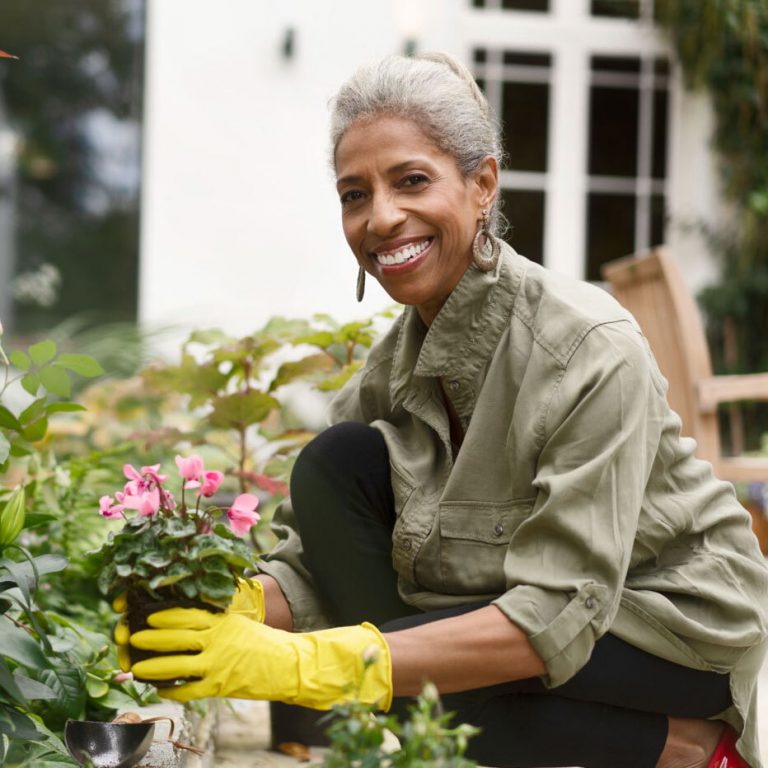
An older African American woman smiling while holding flowers she is about to plant in her garden
› Back to top
« back
03.09.21 | Sage Advice®

Vibrant Living Breakdown: Engagement in Family Life

Nine Ways of Vibrant Living is Sage Collective’s innovative model that champions more meaningful, engaged lives for older adults, and that serves as the backbone of our philosophy. We celebrate and uplift components of vibrant living that span from health and wellness, to arts and culture, to spiritual enrichment — but tying it all together is an underlying feeling of connectedness, care and love. That’s why our eighth component is engagement in family life.

We believe in the deeply transformative power of being part of a community. At Sage Collective, we are committed to providing a genuine sense of community for everyone involved with us, from program participants to building residents to our partners and beyond. Family doesn’t just refer to the bloodlines you’re born into; it also incorporates the loving connections you make throughout a lifetime and the people that you choose to surround yourself with. 

When it comes to our plan for programming and housing, we want to take an active role in developing meaningful friendships and embracing existing family ties. To do so, we intend to provide opportunities such by creating camaraderie-generating participant activities, offering family support activities and policies for our residents as well as the incorporating intergenerational teaching, learning and cultural activities.

The latter piece of this, intergenerational teaching, is particularly important to us when we think about engagement in family and community life. Older adults have a wealth of wisdom and experience to pass onto younger generations — but in the other direction, so too do the youth have much to teach their elders. We believe that honoring and encouraging relationships across generations is the key to creating more unified, meaningful lives for all.

From interpersonal family dynamics, to a more expansive view of community, we’re excited to begin fostering these relationships with and for our participants.

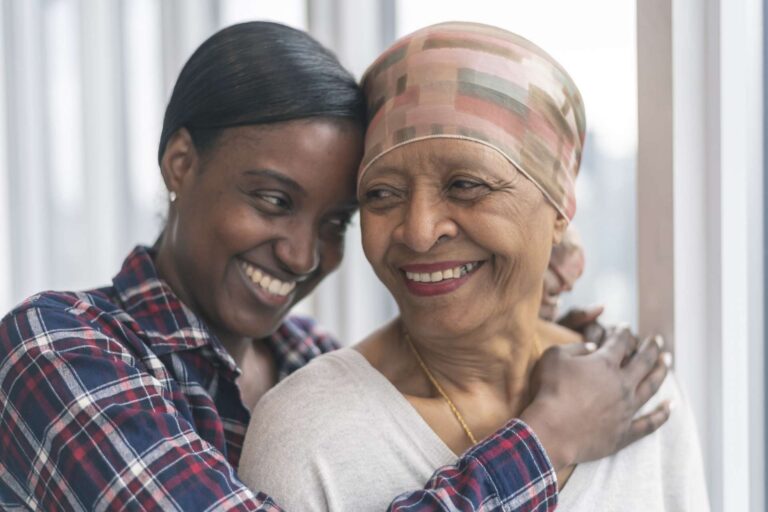
A young African American woman embraces an older African American woman who wears a silk headscarf
› Back to top
« back
03.04.21 | Mental Wellbeing

Vibrant Living Breakdown: Engagement in Spirituality or Religion

At Sage Collective, we believe in meaningful and engaged lives for older adults. Nine Ways of Vibrant Living is our innovative model that champions just that. Our model incorporates everything from health and wellness to cultural immersion to spiritual enrichment — and today, we’re diving deep into the last of those three key elements. Take a closer look at our seventh component of vibrant living, engagement in spirituality or religion:

Religious Roots

Religion is part of our history. You can read our full story here, but before we were Sage Collective, we were Tabernacle Senior Citizens Project (TSCP). TSCP was started in 1978 by Reverend Louis Rawls, founder and pastor of Tabernacle Missionary Baptist Church on Chicago’s South Side. Rev. Rawls founded both Willa Rawls Manor (a high-quality housing development for older adults) and TSCP in an effort to better support the aging members of his congregation. Today, we carry on his legacy and tradition by continuing to build upon his concern and care for the community. 

The Impact of Engagement

As Rev. Rawls demonstrated, the church is the center of many African American communities. It’s not just a place to practice worship; it’s also a vital hub for civic engagement, for participating in and finding community and for discovering meaningful connections with one another.

Engagement in spirituality or religion touches on all parts of vibrant living. It brings with it life purpose, inner peace and a greater sense of connection to both the people and the world around you. In fact, studies have shown that those who engage in spiritual or religious activities live longer — some claiming even up to four years longer.

For all these reasons and more, we’ve included engagement in spirituality or religion in our Nine Ways of Vibrant Living. We support and encourage participation in spiritual and religious experiences for followers of all faiths residing in Sage facilities, or involved in Sage programs. 

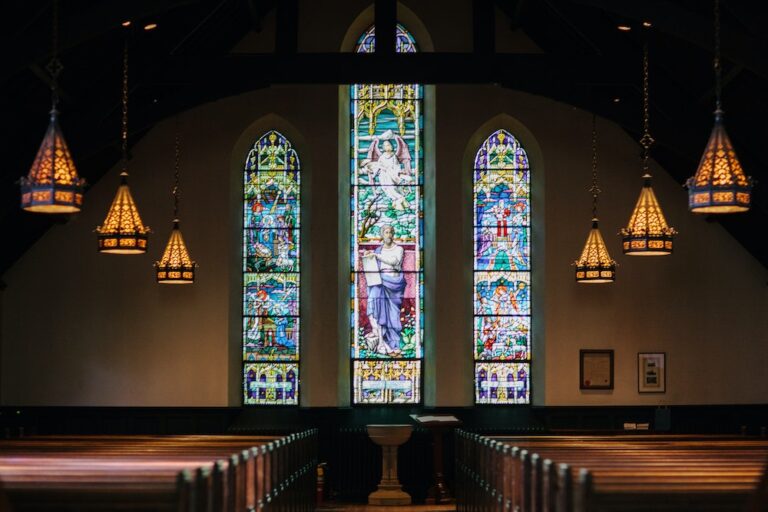
The inside of a church, with rows of pews before large stained glass windows
› Back to top
« back
02.19.21 | Community

Resilience is a Skill You Can Build — Here’s How

Throughout a lifetime, everyone experiences trauma, grief, failures, challenges and setbacks. Resilience is the essential skill needed to help us overcome these experiences. Some people have a better grip on the skill than others, but luckily resilience is something we’re all capable of building — today, we’ll take a look at how:

Understanding Resilience

At Sage Collective, we recognize that everyone faces adversity in life, and that stress is a natural component of the human experience. Rather than the complete elimination of stress (which would be unrealistic), we take a more pragmatic approach, advocating for stress reduction as part of our 9 Ways of Vibrant Living. Resilience is an essential tool for stress reduction. 

According to the American Psychological Association, psychologists define resilience as “the process of adapting well in the face of adversity, trauma, tragedy, threats, or significant sources of stress—such as family and relationship problems, serious health problems, or workplace and financial stressors.” Resilience isn’t just about getting through a challenge, but about emerging on the other side feeling more confident and empowered in your ability to cope and overcome adversity. 

Building Your Resilience

There are four core components that build resilience. 

The first component is easy enough to tackle: take care of your physical wellness. Often, when we take care of our body, our mind will follow suit. Taking care of your physical wellness includes maintaining a healthy diet, participating in moderate, regular physical activity and getting a good night’s sleep. If you incorporate these physical wellness habits into your daily lifestyle, you’ll begin experiencing elevated energy levels and improved moods, both of which will help you become more resilient.

The second component that follows suit is: take care of your mental wellness too. When building resilience, it’s important to both get in touch with your emotions and to learn how to control them. Mindfulness practices such as meditation, yoga and breathing exercises can help with this. Practicing gratitude, developing a self-care routine and engaging in activities you love are all great ways to restore balance and wellbeing to your mind.

The third component that will help you build resilience: seek out connection. You don’t have to go through trials and tribulations alone. Rather than isolating yourself, instead build a network of trusted friends, family and community members that you rely on to validate the troubles you’re going through and to help uplift you when needed. You can also find a sense of connection and support in more structured environments such as support groups, civic groups or faith-based organizations.

And finally, the fourth component: find meaning. Going through a traumatic experience often overwhelms us with negative feelings like despair and hopelessness. Combatting these feelings with a sense of life purpose helps us maintain our groundedness and to hold onto hope and optimism. Whether you’re driven by a desire to help others or to pursue opportunities for self-discovery and improvement, finding meaning through your life purpose — and taking the steps needed to reach your goals and objectives — helps us maintain the problem-solving, motivation and drive that’s key to resilience.

Challenges will continue to come our way. With these tools to help build resilience, we hope you’re left feeling more prepared for the next time adversity comes your way.

Two hands reach out from a bright yellow field of flowers
› Back to top
« back
02.02.21 | Sage Advice®

What We Mean When We Say “Older Adults”

You’ve probably noticed that at Sage Collective, we use the term older adults to describe our audience. But if you’ve ever wondered why exactly we use the term older adults, today we’ll take a closer look at the language and what it means to us.

Contentious debate surrounds the usage of alternative phrases like seniors, senior citizens, elders and elderly. For example, what do you think when you hear the word elderly? For most, it conjures images of someone frail and dependent. While one older adult could have health that renders them bedridden, another older adult could just as easily be ready to run a marathon. Weighted terms like elderly render such distinctions meaningless. 

Overall, the term elderly is outdated and ageist. The word has created a stereotype around aging that negatively influences the way older adults are perceived and therefore treated in our society. Consider too, the implications of words like seniors and senior citizens — we don’t call the younger generation juniors or junior citizens, right? 

Older adults aptly captures that this is indeed a population that is older — but without the hard underscore of the word old. Categorically, the phrase also leaves room for the many nuances of older adults’ varied experiences. There is no implication or preconceived notions of health, disposition, etc., attached; it’s simply a way of classifying an age group overall.

We also use the term older adults to celebrate the next chapter in aging adults’ lives. We believe that like any stage in life, older adulthood brings with it exciting and unique opportunities to learn, grow and thrive. The phrase brings with it a liberty and freedom for older adults to divine their own fate and lifestyle — and to embrace a life of vibrant living (if they should so choose). 

We want to hear from you too — what do you think of the term older adults? What does it mean to you? Let us know over at Sage Collective’s profiles on Facebook, Twitter, Instagram and LinkedIn.

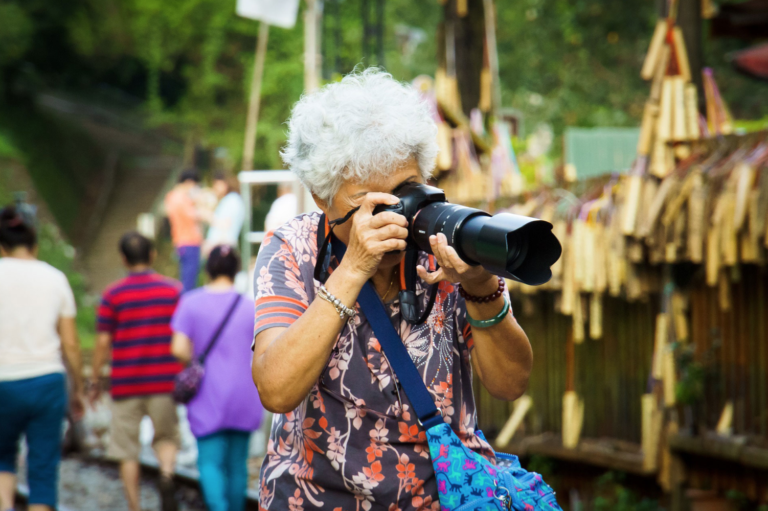
An older adult woman holds a DSLR camera with a hooded zoom lens up to her face, in the act of taking a photo
› Back to top
« back
12.10.20 | Arts & Culture

Discover Your New Winter Hobby for Seniors

Cultivating hobbies in older adulthood is a vital part of staying enriched and engaged. We’ve spent our entire lives making others happy, from partners to kids to bosses to friends. Now is the perfect time to indulge in activities for personal happiness and enjoyment, too. That’s why today, we’re talking about the benefits of finding a hobby that suits you — and sharing a few ideas to help get you started.

Fitness Hobbies

As we’ve discussed before, it’s vital that older adults partake in regular, moderate physical activity. Hobbies such as yoga, tai chi, swimming and even gardening are great ways to get those minutes in while also enjoying the task. Choosing these forms of exercise will help transform the experience of working out from a chore to a treat. 

Social Activities

Loneliness and social isolation are major challenges older adults face. Incorporating social activities into your life is a great way to meet new people and learn new things at the same time. Consider joining a choir, a local senior bowling (or other leisurely sport) league, taking a dancing class or even getting together for a game of cards every once and awhile.

Mental Engagements

One major benefit of hobbies is the opportunity to stimulate and engage your mind. For those that love a good challenge, or like to be whisked away in a story, try picking up a good novel from your library or grappling with a puzzle in the newspaper. Mentally engaging hobbies and activities are even proven to help keep your memory sharp.

Artistic Pursuits

For those seeking to express their artistic side, there are many artist hobbies available. For those that are good with their hands, knitting, crocheting or quilting are all exciting pursuits. Painting, drawing and scrapbooking are great ways to get creative and to create keepsakes, too. And for the wordsmiths among us, writing counts as an artform too!

There’s a hobby out there for everyone. Keep looking and trying new things until you find one that’s the right fit for you!

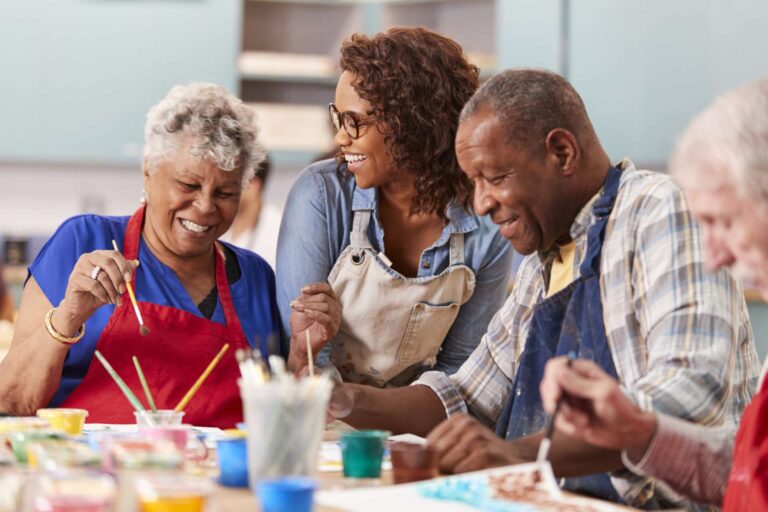
Three African American older adults smile together, wearing aprons at a painting class
› Back to top