« back
03.23.23 | Sage Advice®

The Role of Self-Empowerment in Overcoming Ageism

As we age, society often places unfair limitations and stereotypes on older adults. These assumptions can lead to a loss of confidence and a sense of hopelessness, while taking a heavy toll on our overall well-being. At Sage, we recognize that ageism doesn’t have to define our lives. By embracing self-empowerment, we can break through these negative beliefs and live life fully. Let’s explore some practical tips for empowering yourself and redefining aging, from crushing negative self-talk to staying active and cultivating a positive mindset!

Crushing Negative Self-Talk and Limiting Beliefs

Negative self-talk related to ageism can quietly take over and put a damper on fully embracing life and all it has to offer. If you find yourself slipping into a frame of mind that feels limiting, take a moment to challenge yourself to adopt positive, self-empowering affirmations such as, “I am capable of trying new things at any age” or “My best years are ahead of me.” Remember that you have the power to redefine aging and to live life vibrantly

Staying Active and Healthy

Staying active and healthy is also key to self-empowerment and living a vibrant life. Time and again, it has been scientifically proven that physical activity is key to improving physical health, mental health, and overall quality of life for older adults. And there’s no shortage of physical activities to choose from — walking, swimming, yoga, strength training, and did someone say pilates? It’s important to choose activities that you enjoy and that fit your individual abilities, all the while setting realistic goals and tracking your progress to stay motivated and celebrate your successes.

Cultivating Positivity

Beyond thinking positively, It’s equally important to act positively — through practicing gratitude, seeking enriching experiences, focusing on solutions, and surrounding yourself with people who are upbeat and optimistic. You can practice gratitude daily by reflecting on things you are thankful for each day. By focusing on solutions, you may come to find that opportunities lie within routine challenges. And when taking the time to commune with positive people, you soon realize that those around us deeply influence the way we think and feel. 

Ultimately, self-empowerment is about taking control of your life and shaping it in a way that aligns with your values, goals, and aspirations. At Sage, we believe that with intentional actions and determination, we can nurture a more vibrant and inclusive world for all ages.
› Back to top
« back
03.16.23 | Sage Advice®

The Benefits of Music When Aging

Typically those who seek to firm up their body, and become stronger typically head to the gym. If you want to exercise your mind, listen to music. There are few things that stimulate the brain like music does and this is why it’s so great throughout the aging process. Research has shown that listening to music can reduce anxiety, pain, blood pressure, as well as improve sleep quality, mood, mental alertness, and memory. So how is all of this possible? Simply put, vibrations.

A Brain Rattling Connection

Experts are still trying to understand how exactly our brains turn sound into music. Their current consensus — a stereo system puts out vibrations that travel through the air and reach the ear canal. Those vibrations tickle the eardrum and are transmitted into an electrical signal that travels through the auditory nerve to the brain stem. Assembled. Then transformed into what we know as — music.

Music is actually very mathematically structured, some may even say architectural in how a song is constructed, it’s built from the relationship between one note to the next and although you aren’t aware of it, it takes a lot of brain work to process it.

Musical Benefits

Interesting research aside, listening to your favorite song provides some very intriguing brain benefits you should be aware of and that will keep you feeling youthful. 

Music can form part of the treatment for conditions such as Alzheimer’s disease and other forms of dementia. It has also been scientifically proven to lower cortisol, the stress hormone. And increase dopamine, the reward hormone, which can help to elevate your mood. The part of the brain called the amygdala is responsible for processing the sounds we hear, along with our mood and emotions.

Listen to what your grandchildren are listening to, experts suggest. We know it can be intimidating when we tend to stick to our usual music library built in our 20s. But new music challenges the brain in a way that old music doesn’t. It might not feel pleasurable at first, but that unfamiliarity forces the brain to understand the new sound, creating neuron connections in the brain that are both new and revitalized!

Lastly, pay attention to how your body reacts to different forms of music. What helps one person concentrate might be distracting to someone else. And what helps one person unwind might make another person jumpy. Music is ultimately meant to be enjoyed alone or with others, to make us feel every emotion there is, and to help live a more youthful vibrant life!

Music
› Back to top
« back
03.02.23 | Community

The Healing Properties and Benefits of Crocheting

Let’s be real, arts and crafts are more than just a fun pastime. They are truly healing and restorative acts and in many cases, therapeutic. In fact, the health benefits from crocheting (and knitting) are numerous! These health benefits range from simply calming you down and easing your stress — to potentially relieving depression and reducing the risk of Alzheimer’s disease. Crocheting doesn’t just help you if you’re the one who’s sick. It helps those around you, your friends and family that help you, love you, and support you. 

Helps With Insomnia

Believe it or not, crocheting helps with insomnia. By focusing on something that’s soothing, you can calm your mind and body enough to help you fall asleep. So the next time you’re tossing and turning in the middle of the night, don’t get frustrated, just pick up your sticks and get to work!

Stress Relief

It should come as no surprise that picking up your crochet hooks and some yarn are a step towards relaxation. By focusing on something other than our thoughts, the repetitive motions you make along with the individual stitches you create leaves you feeling stress free and fulfilled. Especially knowing that you’ve created something special for a family member, significant other, or friend.

Helping Ease Depression

According to this article by Healthline, it’s been scientifically proven that doing the things we enjoy releases dopamine, a chemical responsible for “feel good” or “happy” emotions. This in-turn functions much like an antidepressant. Crafts like crocheting can stimulate that dopamine release to allow us to feel happier and better about ourselves.

Taking Control of Your Life

Lastly, the act of crocheting helps you take control of your life. Whether you feel helpless as a caregiver watching someone struggle or you’re the one struggling with your own illness or problems. Crocheting is a way to put the control back into your own hands – literally. By choosing to craft, you are in full control of everything. From the type of project you’ll be making, the color and type of yarn, all the way down to the type of crochet hooks you work with. And that’s what makes the difference in feeling like you have a say again. 


› Back to top
« back
02.02.23 | Sage Advice®

National Self-Check Month: Checking Yourself Out

Oftentimes, we hear the stories behind what it feels like to lose someone, the whirlwind of emotions like pain, guilt, even the anger we associate with that loss. But what if the person lying on the table were you? Would you have second thoughts? Would you ask yourself, “What could ‘I’ have done better?” If so, then it may be time to start taking care of yourself more, and we’ll show you how.

Checking

Today we generally hear a lot about “self love” and taking the time to commit a piece of our lives to “self care.” What we don’t often hear about is the practice of Self-Checking. This is considered the umbrella term for self love and self care, just with more emphasis on physical awareness and wellbeing. 

Yourself

This means finding some time today to ask yourself important questions like, “Is there pain anywhere on my body?”, “How do I feel currently?”, and “Is there anything out of place?” (Hopefully it’s not an arm or a leg of course) Make sure to examine your body on a regular basis to ensure that you are healthy. Find your personal “normal” and if it at all looks different than the day before, you might need to make a visit to your personal physician. 

Your age, sex, family history, and lifestyle all have an impact on the self-checks you should be performing. Early detection of most cancers, heart problems, diabetes, and weight issues tend to be simpler to address and have better long-term outcomes when detected early. Many people don’t perform self checks because they think they don’t want to know if they’re sick, or believe that they are not at risk for disease. However, the earlier an issue is detected, the more likely a person is to get the treatment that can save their life.

Out

Consider the basic healthy lifestyle habits like, eating well, and getting regular exercise that will contribute immensely to your mind, body and soul. The 9 Vibrant Ways of Living will give you an outline to build these healthy habits.

Most people are familiar with the self-check for breast cancer, but self-checks don’t always mean a physical self-evaluation. Understanding your personal risks and knowing the warning signs that indicate you are not completely healthy are important. There are various cancers that you can be aware of to check for, as well as keeping an eye out for heart disease, diabetes, obesity, and other health issues that may run more deeply in your family than others. If you need help going through the self-check process, Selfchec is a great step-by-step guide to checking yourself out

› Back to top
« back
01.19.23 | Arts & Culture

aRT Without the Capital “A”

Believe it or not, the little stick figure you managed to draw as a kid on is considered a masterpiece. Okay, maybe not a “masterpiece” per se, but definitely a piece of work you should be proud of, because that same stick figure is doing more than you might think.


Flexing That Creative Muscle

Everyone is capable of creative expression. Regardless of skill level, age, or disability, the benefits of creating art are nigh infinite. Whether you draw, paint, do woodwork, or draw stick figures, making art is good for the mind, body, and soul.

The act of creation has been linked to a reduction in anxiety and stress. It even improves your sense of agency when it comes to imagining solutions to problems you may face on a regular basis. 

Making “aRT”

Painting

Start with what you enjoy — maybe something you’ve done before, maybe something you loved as a kid. But keep an open mind in this process.

Anything that engages the creative mind — reformatting the ability to make and establish connections between unrelated things through visual communication — is good for you.

Here’s a few to get you going: finger painting, cooking, baking, collaging, oil painting, weaving, knitting, crocheting, writing screenplays, scrapbooking — lose yourself in the process and let go of expectations.

Do what lets you express yourself fully in the world of art making. You do not need to complete a project or like what you’re making to feel the various health benefits.

“aRT” Like You Exercise, Like You Eat

Just as you make time to eat, exercise and hang out with family and friends, you should make time for your new found joy for artistic expression. Creativity in and of itself is important for remaining healthy — remaining connected to yourself and remaining connected to the world.

Chicago Methodist Senior Services offer a few more resources for healthy art making, enjoy!

Art therapy
› Back to top
« back
11.23.22 | Sage Advice®

The Marvelous Benefits of Joining a Book Club

Whether you like spending your evenings escaping into your favorite novel or you only get to read a book a few times a year, there’s no question that reading is good for you. Regardless if you’re a devotee of reading or not, one of the best ways to elevate your experience – and keep yourself accountable – is by joining a book club. That’s why today, we’re exploring the benefits that come with book clubs and how you can join your own. 

There are plenty of reasons you should join a book club, but one of the most alluring is the opportunity to make new friends or engage with old ones. If you’re looking to meet others throughout your community, joining a book club is a great way to do so. Beyond engaging with a new crowd, book clubs provide safe spaces to observe and understand new perspectives from the books you read and those around you. 

Not only are you able to engage with others, but book clubs promote brain health! If you’re the type who rushes through books, this will help challenge you to engage deeper with the content and digest what you’re reading better. And by doing so, you and your group will encourage each other to practice critical thinking skills in the discussion!

Book clubs can be great for anyone who loves reading but isn’t the best at making time for it. By joining a book club, you’re automatically committing to reading a book within a specific time limit, and you’ll have a whole team of people to keep you accountable. And hopefully, throughout the process, you’ll be able to foster a continuing love of literature. 

If you’re interested in joining a book club but not sure where to find one, ask friends, search local Facebook Groups, head to your local library or bookshop, or start one yourself! 

› Back to top
« back
11.10.22 | Fitness & Activity

Health Benefits of Yoga

For those who love to get their daily exercise outside in the fresh air, the cool weather that comes with the winter can make that difficult. Thankfully though, there are plenty of ways you can complete your fitness goals from the comfort and warmth of your home, including yoga! Yoga is a low-impact activity perfect for anyone who wants to get their heart rate up while practicing mindfulness, and of course, it comes with a wide array of health benefits. Here are just a couple: 

Increases Strength

Yoga has been found to improve strength, balance and flexibility. Going through the slow, gentle movements and deep breathing exercises increases blood flow and warms up your muscles. Holding poses helps you develop better core strength and, in turn, improves your posture! And as you stretch your muscles with each pose, you also increase your range of motion and flexibility. Overall, the impact of this exercise leads to increased body awareness as well.

Aids in Pain Relief

For those going through an illness, recovering from surgery or living with a chronic condition, yoga is highly recommended. That’s because the practice has the potential to aid in pain relief — specifically, back pain. Stretching your lower back through various poses is believed to help relieve pain and improve flexibility overall during the healing process. And for those with arthritis: gentle yoga has been shown to ease some discomfort when it comes to those tender, swollen joints. 

Boosts Energy and Mood

As a practice grounded in body-mind-spirit connection, yoga naturally has an impact on your mental health as well as your physical health. Yoga has been demonstrated to aid in stress relief and even lead to a better night’s sleep. It also provides a boost to your overall energy and mood levels, producing better alertness and enthusiasm in its wake.

So, whether you’re looking for a low-impact fitness regimen or seeking a sense of groundedness, yoga is a great and healthy option for everyone. 

› Back to top
« back
11.03.22 | Community

Pause, Reflect, and Celebrate Your Wins

Life can often feel as if it’s moving at uncomfortable speeds. From working and errands to relationships you have to take care of, rushing through life can be a lot on your wellbeing. And, if you’re not careful, it’s easy to get misplaced and lose track of your goals, which is why it’s important to remember to pause and reflect every so often before journeying ahead. 

Because lives are more of a marathon than a sprint, pacing yourself to what you feel comfortable with rather than rushing ahead is crucial. Pausing is a great way to take a constructive break on your journey, and it gives you the time to thoughtfully evaluate your accomplishments. Take a look at your goals and purposes and ask yourself if you’re still on track, if you need to speed things up or slow things down and if you have the resources to continue. 

Too often in life, because of busyness and day-to-day, it’s paramount to celebrate your victories, and thankfully, pausing leaves the perfect opportunity to do so. It’s crucial to remember that no matter how big or small they may be, you should be proud of every accomplishment and victory you achieve. Take a moment to celebrate each one and reward yourself for your efforts!

While it’s essential to evaluate achievements and celebrate victories, it’s also important to acknowledge your mistakes so you can learn from them in the future. While some mistakes are obvious, others are hidden by bias, but in all cases, you should look at every mistake as an opportunity for learning, not a failure. Besides, learning about your previous mistakes ensures a lesser chance of repeating them in the future!

Taking a moment to pause and reflect gives you a chance to ensure that you’re still on the track for success, no matter your goals. So, as much as you may want to rush to your dreams, it doesn’t hurt to take a break – it helps!

› Back to top
« back
09.29.22 | Sage Advice®

Travel the World From The Comfort of Your Home

Traveling is one of the best ways to experience new cultures and hear from other walks of life. However, because of the global pandemic, many of us haven’t had the opportunity to continue checking off bucket list locations in a few years. And although there’s nothing like stepping into a new place, new travel-like opportunities are beginning to emerge, including armchair travel.

What is Armchair Travel?

Have you ever wanted to visit a different country from the comfort of your home? Well, now you can! Armchair travel provides a sensory experience to those looking to learn about a location without going through the hassle of actually traveling. The virtual activity invokes everything from local sights and smells to mindsets and cultural conventions. 

We’ve had the pleasure of embracing the value behind armchair traveling in our Vibrant Learning Program at Chicago Commons. With the help of DeShunn Bray, our Manager of Programming and Community Engagement, participants in our Vibrant Learning Program have had the opportunity to experience everything from an African safari to a trip to Germany and Columbia. 

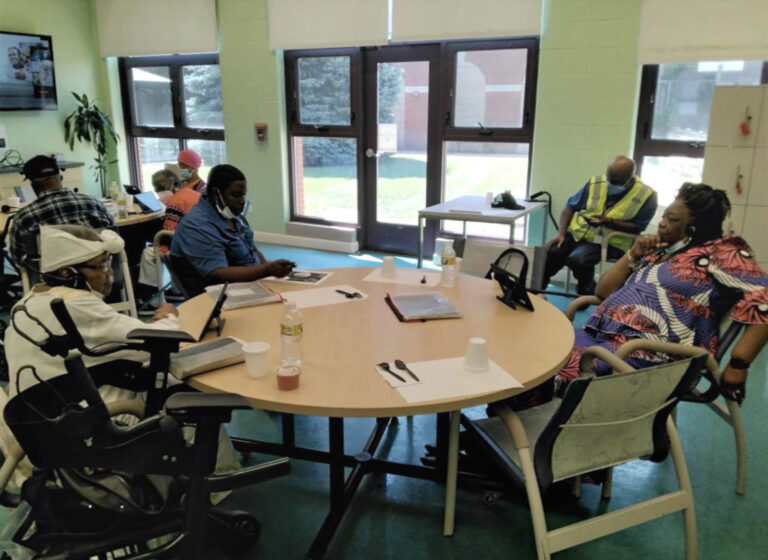
Participants of our Vibrant Learning Program at Chicago Commons participating in armchair travel

How to Participate 

Becoming an armchair traveler is easier than it sounds, thanks to the do-it-yourself element of the activity. Start by considering if you’d rather travel alone or gather a group of family or friends to accompany you on your journey; traveling with a group tends to spark more engaging conversations and perspectives after the activity. 

Once you’ve decided who you’re traveling with, make a list of general themes and ideas for your travels. These can include everything, from national parks and landmarks to the location of famous events or your favorite movie. Once you’ve created your list, search for resources to assist you in your travels. If you’re tech-savvy, head to YouTube or take a stroll to your local library to find even more free films and videos. Once you’ve found a video accompaniment, pair your trip with a craft activity and serve a local delicacy to complete the experience! 

So, what are you waiting for? Start planning your armchair trip now!

› Back to top
« back
07.28.22 | Community

How to Combat Senioritis As An Adult

It’s not just teenagers who can feel senioritis adults can too. We’ve all experienced it at some point; laziness, disinterest, having no motivation, not caring about the outcomes of our life. But just because these symptoms of checking out are universally experienced doesn’t make them okay to ignore. Today, we’re investigating adult senioritis, how checking out can affect your wellbeing and tools you can use to combat it:

What Senioritis Looks Like As An Adult

You might know senioritis as the affliction many seniors in high school experience as they enter their final year when their motivation declines and their drive to succeed diminishes. Though this phenomenon isn’t just found in young adults, anyone can experience senioritis. 

Typically, senioritis begins when there is a sign of a major transformation occurring in life, like graduating high school or even starting a new job. It begins with a fear of the future and feeling like you may not have control over a situation. As we age, many of the small tasks we enjoy earlier in life become tiresome and lose value to us, which can lead to checking out. 

However, it’s important to remember that checking out looks different to every person. The key is to recognize the signs and signals once you see them and begin taking action to snap out of the senioritis. 

How You Can Combat It

After acknowledging that you may be checking out, don’t start by setting unattainable goals for yourself – start small. Give yourself a to-do list of a handful of goals to reach every day, whether that’s going to the grocery store to run errands or making sure you respond to all of your emails. 

Once you’ve given yourself a list of small goals to aim for, the next step is to pair an incentive to it! Use motivations that connect back to why you might be checking out in the first place; if you’re starting a job, go shopping for new work clothes. Whatever your incentive is, use that to help drive you to complete your goals. 

As you tackle senioritis and become an active participant in your life again, remember to take it one step at a time. It might not always feel like you’ll be able to step out of it, but you will. 

› Back to top