« back
12.09.21 | Arts & Culture

The Power of Music

There are many ways older adults can keep their minds sharp as they age, including scrapbooking, mentoring or even owning a pet. However, one of the most significant ways to actively exercise the brain is simply by listening to music. Many of us will play our favorite song or put background music on without any thought, but the melodic sounds have the power to stimulate our brains unlike anything else. 

Music and The Brain

If you’re seeking to retain your brain’s powerhouse abilities with age, John Hopkins Medicine affirms that listening to or playing music is an extremely powerful tool in doing so. What many don’t understand is that when we listen to music, mathematical puzzles are simultaneously being performed in our heads. With each note that passes through our ears, our brain toils to compute how it connects to each previous sound.

The unique tool can help assist in gathering memories that have felt lost in time. Sometimes a specific song will have the power to transport you to a specific moment in history; that’s because studies have discovered that music has the power to attract itself to memories, and with that, improve cognitive skills, and recognition and working memory. 

Engaging with music frequently has the ability to retrieve forgotten memories for older adults living with diseases contributing to memory loss and reduce anxiety, depression and pain in those who are battling other disabilities, like PTSD. 

The Intersection of Music and Medicine

Experts are continuously trying to understand where music fits in with medical treatment. Robert Gupta, violinist and social justice activist, has been a chameleon in both the music and medical industry nearly his whole life. Now, after realizing he can be involved in both of his passions, Gupta is finally understanding the sheer power music has in succeeding in areas where traditional western medicine isn’t able to reach, especially for vulnerable communities. Explore more in Gupta’s TED Talk here: 


Instilling Music in Your Life

Although the easiest way to integrate music into your life is by simply pressing play on your favorite album, there are numerous other ways you can reap its benefits at home and within your community. Attending concerts and musicals, in person or through a virtual environment like your television, are perfect ways to stimulate your brain while entertaining everyone in the room. 

While listening to music is just one of the ways you can engage with the effective tool, playing an instrument and singing produces even more marvel responses. Music groups are excellent ways to enjoy the sounds of music while also engaging with those around you in meaningful ways. They can be found anywhere from community-organized troops to the choir at your local church.

› Back to top
« back
11.18.21 | Community

How to Tackle the Winter Blues

Winter’s frigid months, when sunshine is scarce and snow piles accumulate, can be daunting, leaving many — particularly older adults — feeling as though stepping outside is a chore. At Sage Collective, we recognize the hardships that come with the long winter days and believe that with preparation, anyone can traverse the burdens of winter with relative ease. So, even as winter takes over in the upcoming months, you can meet the blues it might spawn, head-on. 

The simplest way to get through the seemingly never-ending winter months is by centering your focus on your wellbeing, introducing various self-care principles into your life and staying mindful of what makes you happy. 

Secure Nutrients

Nutrients are critical to thriving during winter, and while bleak, the outdoors produces several essential benefits. Natural light provides significant benefits to our bodies that we lack during winter, including vitamin D, which reduces the risk of heart disease and prevents bone loss, and produces mood boosters like serotonin and endorphins. While natural light can be easily accessible from windows, it’s even more beneficial to immerse yourself in the outdoors, and embrace the fresh air.

While you’re outside, a walk around your block or to the grocery store is also a great way to combat the winter blues. Frequent physical activity helps create a routine, and as your body moves, the hormones released by your body and vitamins you receive from the sun help stabilize emotions and build spirits. 

Because the outdoors can be such a brisk environment, having options to be active in indoor environments is a necessity. Programs like SilverSneakers make it easy for qualified older adults to go to gyms and participate in online or in person fitness classes at no cost. Around Bronzeville, gyms participating with SilverSneakers include La Fitness and Planet Fitness. Local YMCA’s are another great option for anyone searching to keep their fitness routine active in the winter.

Feed Your Soul

Nurturing your body certainly helps get through some aspects of winter, but your soul’s wellbeing is equally important. It’s essential to find bliss through activities and hobbies you’re passionate about during winter. Sit next to a warm fire and immerse yourself in a new book; tune into a podcast and explore new topics; put pen to paper and share your feelings in a journal, or document cherished memories in a scrapbook.

If you can, take a trip. Midwesterners know best that venturing to a different climate or part of the country can give you a real boost during the winter months. Whether you make it a road trip to Florida or take a plane to Cancún, vibrant sunlight and cloudless skies never disappoint. Weekend and day trips are another great way to feed the soul, especially considering Chicago’s perfect location for getaways that take you in virtually any direction. 

Most importantly, don’t shy away from spending some extra time with your family and friends during winter. Loved ones are the perfect remedy for the winter blues and often can kick us out of mental slumps. 

As the winter season approaches, start preparing for what lies ahead and armed with a good attitude and a toolkit for beating the winter blues, consider placing a spotlight on your wellbeing.

› Back to top
« back
11.09.21 | Sage Advice®

How to Age Gracefully

Aging is a unique experience that has no set rules or guidelines. Previously, we’ve explored how to embrace the process of aging and talked to Sage Collective Board Members about aging in place.

Contrary to what many presume, aging gracefully isn’t about transforming into your best physical self; instead, the transformation is focused on feeling and acting as your best self. Similar to our 9 Ways of Vibrant Living, aging gracefully pulls from numerous principles that champion a joyful and enduring life. Here is Sage Collective’s advice for how to age gracefully and establish essential support as you become older:

Be Mindful

Mindfulness is a critical skill required to carry through life, as it helps you become more focused on the present and less on the future or the past. With time and practice, mindful thinking reduces stress, improves memory and heightens emotional responses. Meditation is one favored technique many use to train themselves in mindfulness. 

Get Involved in Things You Love

As we age, discovering a meaningful hobby helps maintain a sense of purpose and encourages engagement in life. Whether you find passion in participating in politics, mentoring others or engaging in faith-based services, evidence shows that people who engage in something they love experience greater happiness and a longer life. 

Connect With Others

Fostering a sense of connection with those by whom you are surrounded  helps enrich the process of aging. Families, friends and communities can serve as powerful resources with varying types of assistance. Genuine support systems have dramatic effects on your connection to your physical environment, which considerably affects the quality of your personal experience with aging.

Take Care of Your Body

One of the most crucial ways to age gracefully is by supporting your body’s health through actions such as nutritious eating, plentiful sleep and routine exercise. Actively caring for your body lowers the risk of numerous diseases and greatly improves balance and mobility.  

Don’t Forget About Your Mind

In addition to taking care of your body, tending to your mind and mental health can dramatically shift the aging process. Surrounding yourself with things and people you love boosts positive moods and fuels feelings of  prosperity. And while aging is a complex process, it can be a beautiful thing when embraced and celebrated.

Though inevitable, aging doesn’t have to be strenuous. Taking the time to learn how to age gracefully and successfully incorporating these tips into your life can have wonderful effects on your future.

Cropped shot of a senior woman holding a cane in a retirement home
› Back to top
« back
11.02.21 | Sage Advice®

Why You Should Start Journaling if You Aren’t Already

As part of our 9 Ways of Vibrant Living at Sage Collective, we are proponents of any activity that reduces stress and increases overall wellbeing. Burnout and stress are familiar to many of us, and it’s imperative to find someone or something to help manage, control and minimize these feelings. Journaling is one delightful distraction that diminishes those anxieties and comes with a handful of other benefits, particularly for older adults.

 Along with functioning as a means to escape the world around you, journaling is an enjoyable way to pass the time and alleviate any stressors that come with life. It’s difficult to separate the positive and negative experiences that happen to us daily. Conveying thoughts by putting pen to paper is one way to help release emotions while granting your mind and body relaxation from the tension you may have been feeling.

Many people who journal will often follow guides and roadmaps that help steer their process, but the brilliant thing about journaling is that the quality and subject of your writing are less important than the actual act. Having the opportunity to write about anything from daily stressors and positive affirmations to poetry increases creativity, along with numerous other cognitive benefits.

For many older adults, cultivating a routine can combat negative sleeping habits and feelings of isolation. Like any new habit, we recommend journaling at the same time each day to help create a routine, whether you start your day with a few morning pages or reflect before going to bed.

Along with improving sleep and reducing loneliness, jotting down experiences, emotions and everything in between helps older adults preserve their memories and sharpen their minds. Journaling acts as a memory aid and, with time, can generate more effective recollections for older adults.

Whether you prefer to write in a notebook or favor typing on your phone, journaling is a fantastic way to reduce the stressors of your daily life and sharpen your memory and mind. If you want to learn more about how to begin journaling or need a boost of creativity to start the process, check out the video below.

› Back to top
« back
10.19.21 | News

How Museums Might Reduce Your COVID-19 Stress

One of the largest challenges in modern-day life is finding a treatment for the frequent burnout that most of us feel daily. At Sage Collective, one of our most cherished beliefs is that wellness, health and empowerment should be made priorities in every community. That’s why today, we’re exploring how museums might be the perfect answer to your post-pandemic stress and burnout. 

Many individuals, especially older adults, have faced higher stress levels over the past year and a half than ever before. Feelings of uncertainty and unpredictability due to COVID-19 have also led to many feeling alone, anxious and burnt out, with little reprieve. However, there is growing research that offers tangible steps toward alleviating these negative feelings. 

Often in the present day, many feel like time is limited, and burnout is constant. However, solace can be found in the relaxing and revitalizing spaces of a museum. For many, the knowledge that curated spaces of art and history can provide a wealth of benefits for mental and physical health is new.

Recently, doctors in Belgium received permission to prescribe museum visits to combat the mental health crisis in their country, and similar actions have been implemented in Canada. Patients who get the prescriptions can go anywhere from an intimate art gallery to a fashion exhibition at a history museum. 

The goal behind the three-month-long trial is to promote an engaging learning experience and shift people away from the stress of their daily routines in hopes of having a positive impact on mental and physical health. The museums and exhibitions act as safe and welcoming places for patients to unwind from their day-to-day responsibilities and explore new ideas and areas of interest. Not only does the time off allow patients to catch their breath and spend time with loved ones, but it also acts as a moment of respite from the harsh realities of the pandemic. 

Instead of relying on drug therapies, this mode of enrichment has the possibility to be expanded to other areas of mental health beyond pandemic-related stress and anxiety to alleviating symptoms of depression, psychiatric disorders, anxiety and more. 

Numerous museums, galleries and art centers around Bronzeville present the perfect opportunity for anyone looking to combat stress and relax — in person or virtually. The South Side Community Arts Center, Gallery Guichard, Smart Museum of Art, DuSable Museum of African American History, and Chicago’s Museum of Science and Industry are all wonderful choices to spend an afternoon enhancing your wellbeing and expanding your mind. 

Furniture and a crowd of people fill a bright museum interior.
› Back to top
« back
10.14.21 | Arts & Culture

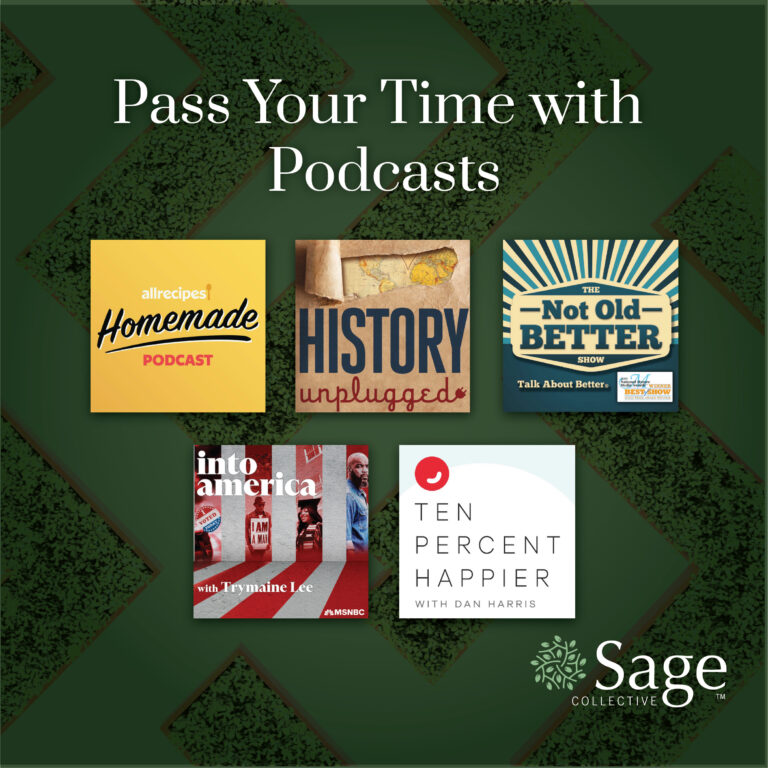
Pass Your Time With Podcasts: What You Should Be Listening to Right Now

While autumn is a favorite time for many to pick up new books and revisit forgotten ones, podcasts also serve as a great choice for those looking for a mix of entertainment, education and reflection. Podcasts are usually free to listeners and extend knowledge on everything from how to cook healthier meals to entertaining history facts to current government and public policy news. Here are the top five podcasts Sage Collective believes you should be listening to right now: 

Ten Percent Happier

Hosted by Dan Harris, a famed journalist who suffered a panic attack live on national television, Ten Percent Happier explores how keeping your spirits up is imperative to aging well. After his traumatic on-air experience, Harris discovered meditation and now invites experts on the subject, scientists and celebrities to share their own epiphanies and experiences of success. Topics on the show vary from What to do About Eco-Anxiety to Joy Vs. Happiness. Anyone interested in hearing motivational stories about coming back from what seems like life’s lowest points will enjoy this outstanding selection. 

Into America

Into America is a podcast that sheds light on what it’s like to be Black in America. Trymain Lee, Pulitzer Prize and Emmy Winning journalist hosts the enlightening show. The MSNBC-produced podcast explores how public policy and government action, and the lack thereof, affects Black Americans’ lives. Previous topics include The Vaccine Gap, Justice for Black Farmers and The Black Firefighters of 9/11. Into America produces an in-depth look into the continued injustice that Black Americans endure and what it means to hold the country to its obligations.

History Unplugged

A show that celebrates obscure historical facts and events, History Unplugged uncovers and revisits lost stories that changed the world. History buffs and amateurs alike will enjoy the unique narratives, expert interviews and call-ins that make up the podcast. Previous episodes of the show include The Japanese-Americans Who Fought Nazis in Europe, Electric City: Ford and Edison’s Vision of Creating a Steampunk Utopia and An Alternate History of the Lincoln Assassination Plot. Chocked full of amusement, myth-busting and a range of wisdom, almost everyone is guaranteed to relish over History Unplugged.

Not Old – Better

Award-winning journalist Paul Vogelzang hosts the fascinating, high-energy podcast, Not Old – Better. The inspiring show reminds its audience weekly that it is never too late to pursue your passion and purpose in life. Vogelzang invites a mix of well-known entertainers, intriguing role models and ordinary people to discuss aging and how to overcome the stereotypes and stigma that come with it. Previous guests have included actress Octavia Spencer, Dr. Anthony Fauci and activist Khary Lazarre-White. Listeners and critics alike have praised the podcast as a perfect choice for middle-aged and older adults.

Homemade

Homemade is the paramount podcast for anyone looking to explore the food world. Foodies and amateur cooks alike will enjoy the entertainment show hosted by industry insider Sabrina Medora and author Martie Duncan. Each week the hosts invite celebrated cooks from all walks of life to discuss and share their memories behind their favorite recipes. Past topics on the show include growing ingredients at home, delicious vegan options, repurposing leftovers and rethinking prep time. Get your cooking gear ready, put on your apron and prepare to join the fun with Homemade

Whether you need something to listen to on your way to work or while doing chores around the house, don’t hesitate to press PLAY on any of these wonderful podcasts. You can listen to each of the podcasts on their websites, Spotify, Apple Music, Amazon Music or Google Podcasts. 

› Back to top
« back
10.07.21 | Sage Advice®

October is Eat Better, Eat Together Month

October is National Eat Better, Eat Together Month, an annual tradition that celebrates a basic human need that many of us don’t think twice about — eating. While the history behind this special day is elusive, its aim is noble, and encourages us throughout the month to share meals with family and friends, and to promote healthier eating habits. 

When was the last time you ate a meal with your family? Today, it isn’t uncommon for families to take meals separately due to busy schedules and increasing commitments. However, making the time to share a meal with family and friends is something we should all make more of an effort to do. Breaking bread with others has long been associated with improved social skills and allows you to reconnect with the people you care about. Since engaging in social life and family life are part of our 9 Ways of Vibrant Living, we encourage you to make it a priority to carve time out of your month to plan a thoughtful meal (or two) with family, friends or for your community.

Dining together is also linked to better eating habits and reduced stress levels. Preparing meals with a number of food options encourages people to fill their plates with a mixture of nutritious eats. Previously, we explored a number of “superfoods” that can easily be incorporated into any meal, which you can read about here. For those concerned about time constraints, planning preparation for multiple meals is a perfect way to produce sizable servings of healthy meals without the added pressure of making them last minute. To discover more healthy eating tips to implement this month and throughout the future, explore one of our former blogs here

This month, Sage Collective encourages you to dedicate a few nights a week to eating better and eating together. Make a meal with your family, organize a community dinner or simply clean your cupboards of unhealthy snacks and replace them with smarter alternatives.

A family sits around a dinner table serving food to one another.
› Back to top
« back
10.05.21 | Community

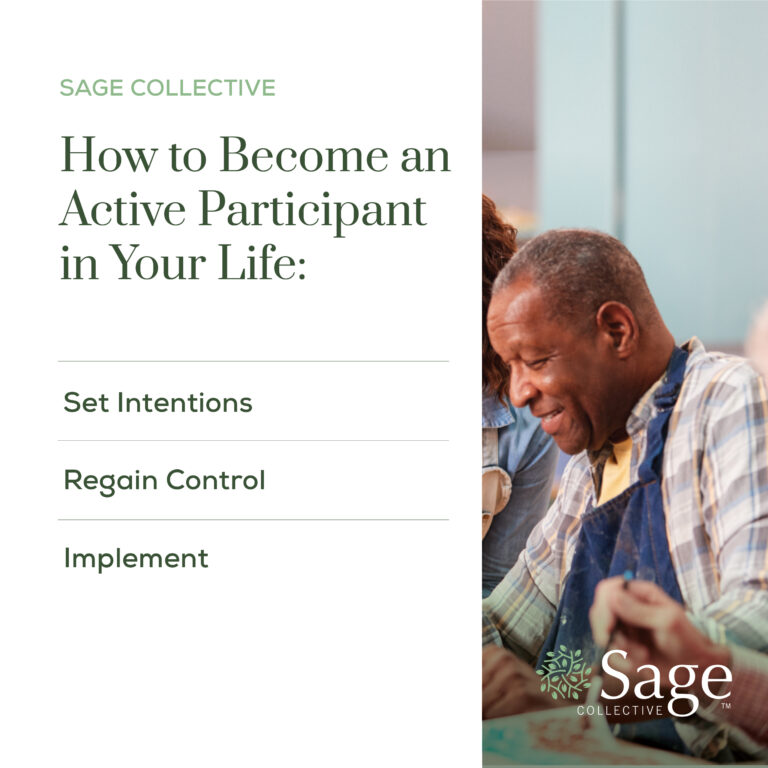
How to Become an Active Participant in Your Life

For many older adults, feeling like they’re losing control of their lives is all too common. While this can be a normal reaction to aging, it can also leave people feeling overwhelmed when confronted with the stigma of getting older. Actively participating in your life is a powerful way to combat these feelings and stigmas, leading to a more vibrant life. So, how can you learn to become an active participant in your life? Let’s take a look. 

Set Intentions

First, set goals to transition from a passive participant to an active participant in life. It can be challenging to reflect on what aspects of life might be obstructing your progress, but it’s imperative for regaining control. Your intentions and goals act as a foundation for the rest of the process for becoming active participants. So, honesty with yourself is essential.

To keep yourself motivated and engaged, write down each of your intentions and keep them in a place you will regularly see. Remember, each person’s intentions are unique to their own personal experience and goals. 

Regain Control

Adjusting your thought process to become less passive can be challenging, but the more you do it, the easier it becomes. By believing in yourself and your words, you regain control and take power away from negative thoughts.

Again, writing down your thoughts is an effective resource for change. Make a list of words that come to mind that diminish your power, confidence or ability. Once you have a few written down, modify the language to become active and uplifting. The next time you feel control shrinking, revisit the list and remind yourself that you have the power to enact change in any way.

Implement

It’s easier to enact change once you set intentions and understand that you can control involuntary thoughts. If wanting to go back to school is on your list, enroll in your first class. If eating more nutritious meals is your goal, start researching recipes with healthier foods. At first, taking steps to live actively may feel uncomfortable and daunting, but remember that years of passive living are being dismantled. 

While being an active participant in life is the ultimate goal, it’s important to be kind to yourself on the journey. Even if your path changes, the experiences and tools you learned along the way are something of which you can  be proud.

At Sage Collective, we believe actively participating in your life is an aspect of vibrant living that helps find purpose, shepherd confidence, and inspires goals for older adults. It’s never too late to become active participants in our lives.

› Back to top
« back
09.07.21 | Sage Advice®

The Cognitive Benefits of Scrapbooking

What might seem like an old-fashioned and outdated mode of documenting the past, scrapbooking is a pastime that can celebrate and relive memories while getting one’s creative juices flowing — especially for older adults. It is also a great way to curate family heirlooms for all to appreciate. Today, we’re sharing how immensely beneficial scrapbooking can be for improving cognitive function and reinforcing relationships. 

Scrapbooking provides a wealth of mental, emotional and physical benefits for older adults. Research has shown that the process of scrapbooking helps expand new neural pathways in the brain, a process called neuroplasticity. The hobby is a fantastic way for those suffering from dementia or memory loss to train their brains to be grounded in the present while still reflecting on the past. 

Scrapbooking is also a creative outlet, allowing participants to express emotions they might usually refrain from expressing. It permits people to revisit their past experiences, relieving their  negative emotions and regaining a sense of purpose. Scrapbooking also offers advantages for relieving stress as cognitive abilities deteriorate. 

Scrapbooking can also be fun to do with others. As a social experience, it fosters communication, lightening the effects of loneliness and creating the opportunity to explore common interests with others. Scrapbooking is also a marvelous way to bring families together and engage in an intergenerational activity that strengthens bonds. By helping older adults sort through the memorabilia of the past — photos, letters, drawings, etc. — to build scrapbooks from their own documented memories, younger generations also have the opportunity to establish their own connections to their family histories that will last long after the scrapbook is finished. 

When looking for engaging, emotionally-rich and creative activities to keep your mind active and revel in the past, put scrapbooking at the top of the list!

If you want to learn more about how to scrapbook, check out the video below.


A table is laid out with material used for scrapbooking.
› Back to top
« back
09.02.21 | Sage Advice®

6 “superfoods” you can incorporate to boost your health

As we continue to change with age, eating healthy can be a vital step in caring for your future self. Taking inspiration from our 9 Ways of Vibrant Living, which you can read more about here, we compiled a list of our favorite “superfoods” you can easily introduce into your diet. These highly nutritious items can be added to a larger meal or snack to boost your health and help to achieve a balanced diet.

Tea

Not only is tea low in calories, it is also a refreshing alternative to coffee, soda and other beverages. Notably high in antioxidants, tea can be a tool for weight management and has anti-inflammatory and anti-carcinogenic (cancer-suppressing) benefits. One study suggested that the regular consumption of white and green teas resulted in a vast reduction of stress for most participants.

Avocados

Avocados are much more than the brunch staple or spread for toast that they’ve become over the last decade. As a great addition to a salad, guacamole or being eaten simply with a pinch of salt and pepper, avocados provide numerous health benefits. Rich in fiber and and healthy fats, avocados can be a great substitute for eggs, mayonnaise, sour cream and even butter.. 

Mushrooms

Mushrooms have been used in Eastern medicine and culture for millennia. They are known to increase the health of the immune system through their many therapeutic properties. After much scientific research, we are learning more about the dramatic positive effects mushrooms can have on preventing cancer, lowering blood pressure and overall increasing well-being. You can incorporate mushrooms into your diet by cooking them along with other vegetables, adding them to salads and pasta or simply frying them with healthy oil. Some of the most popular mushrooms you should look out for at the farmer’s market or grocery store are Portabella, Shiitake, Buttons, Oyster, Enoki and Lion’s Mane. 

Dark Leafy Greens & Cruciferous Vegetables

There is a wide consensus among nutritionists that vibrant green vegetables and those in the cabbage family offer some of the best nutrients and vitamins. These include arugula, kale, collard greens, kohlrabi, radishes and turnips. Most of these are full of zinc, calcium, iron, magnesium, vitamin C, fiber, and what seems like a never-ending list of enriching minerals that can reduce the chances of heart disease and diabetes while lowering blood pressure and preventing some cancers. 

Salmon

Salmon is both tasty and full of healthy protein, B vitamins, potassium and omega-3 fatty acids. Because of its abundance of rich nutrients, salmon has more health benefits compared to other animal products and is known to help prevent heart disease and diabetes. One way you can enjoy this hearty fish is by baking it with lemons, herbs and a healthy (oil, avocado or sesame).  

Garlic

Garlic packs a punch in flavor and delivers huge nutritional benefits, too. Each clove of garlic contains magnesium, vitamin C and fiber, which are all essential to a balanced diet. Research indicates its effectiveness to support the immune system while reducing cholesterol and blood pressure. One study even found that garlic provides antibacterial and antiviral characteristics. 

However you incorporate these superfoods into your meal planning and cooking regimen, they offer delicious and easy ways to boost your overall health and well-being.

A dinner plate contains salmon, mushrooms, tomatoes, broccoli, and a mix of other vegetables and sauce.
› Back to top