« back
02.23.23 | Arts & Culture

Habit Making: Finding Fun

Not all things are ‘fun and games’…Or are they? Well, it depends on who you ask. One person might enjoy mountain biking down steep slopes, while another might find falling to their impending doom — i.e. bungee cord jumping — fun because of the risk involved. That isn’t to say that all fun warrants some kind of risk, because that would be further from the truth. So when we strip away the performative act involved with the idiom of ‘having fun,’ how do we instead — find it?

True fun begins with having your basic needs met. It then becomes a choice when we give ourselves permission to stop judging ourselves — giving us the ability to walk away with energy that will buoy us up long after the music has stopped, the book is finished, and the movie credits have started to roll. Finding fun doesn’t have to mean searching for it on a vacation, or within things and other people. It can be summed up as the embodiment of three things: playfulness, connection, and flow.

Playfulness

Playfulness isn’t about the act of playing as much as it is about the act of embracing freedom and lightheartedness. It means letting go of the idea that the moment has to be right or that you have to achieve something for you to play and find fun. 

Connection

Finding fun involves having a connection with the activity you’re doing. Perhaps it’s a physical activity that involves other people such as swimming, basketball, or tennis. It could even be a mental activity such as reading, or writing that you do by yourself. If the connection is clear, so is your journey to establishing what fun means to you.

Flow

Flow is the last piece to finding fun, it’s the feeling you have when you’re totally immersed in your activity. Sometimes you may even lose track of time doing it. All things are fun and games depending on the framing of an individual’s own fun. In order to establish a life purpose, and to engage more with yourself and live a fulfilling life you must be willing to embrace freedom, make your connections clear, and allow yourself to flow effortlessly from one fun activity to another!


Old Couple
› Back to top
« back
02.16.23 | Community

Overstimulation: How to Shut Out the Noise

Think back to a time when your heart was racing, and your senses were in disarray. Where your mind, body, and spirit were being swallowed by a dark torrent that refused to let go. You probably asked yourself, “what’s happening to me?” The peace you carried as you were running errands, working out, or simply walking was no longer present and neither — were you. That’s what overstimulation — in other words, sensory overload feels like, and we’re going to show you how to shut out the noise.

Sensory overload is when one or many of your senses become overstimulated. This overstimulation happens because of stressful external stimuli in your environment. Think of it as your brain trying to juggle everything all at once. Two results can happen: your brain can keep juggling until it no longer feels the need to hold onto the extra mumbo-jumbo of the day. Or it can inevitably drop everything forcefully — leaving you exhausted. 

Seek Help

One of the first things to do is to seek help from a professional. Many qualified psychologists and occupational therapists have experience treating overstimulation. Techniques like behavioral therapy, and sensory integration help patients engage with the world around them, learning healthy long-term coping mechanisms. 

Self Care

Self-care is another extremely important facet of our daily lives when it comes to managing stress. It’s ingrained into much of what we do here at Sage Collective and is vital to our Vibrant Living model. Give yourself permission, and time to rest and recharge. This means setting boundaries, putting down the phone, remote, or laptop and finding something else to redirect your time and attention towards. 

Mindful Breathing

Practice mindful breathing, scientific studies have shown that mindful breathing techniques can reduce stress and promote physical and mental well-being. Breathing essentially acts as an anchor that will keep you rooted in place against the aforementioned torrent. Finding the time to stop and take a few breaths has also been proven to release endorphins from the brain to promote a sense of relaxation and calm, give us more energy, release muscle tension and decrease pain.

We urge you to continue to find coping mechanisms and ways to restore balance in this fast-paced world, ones that you’re most comfortable with and can maintain for the long-term. Your inner peace is vital to leading a healthy and vibrant life, one that is full of purpose, and engagement.  

At peace
› Back to top
« back
02.02.23 | Sage Advice®

National Self-Check Month: Checking Yourself Out

Oftentimes, we hear the stories behind what it feels like to lose someone, the whirlwind of emotions like pain, guilt, even the anger we associate with that loss. But what if the person lying on the table were you? Would you have second thoughts? Would you ask yourself, “What could ‘I’ have done better?” If so, then it may be time to start taking care of yourself more, and we’ll show you how.

Checking

Today we generally hear a lot about “self love” and taking the time to commit a piece of our lives to “self care.” What we don’t often hear about is the practice of Self-Checking. This is considered the umbrella term for self love and self care, just with more emphasis on physical awareness and wellbeing. 

Yourself

This means finding some time today to ask yourself important questions like, “Is there pain anywhere on my body?”, “How do I feel currently?”, and “Is there anything out of place?” (Hopefully it’s not an arm or a leg of course) Make sure to examine your body on a regular basis to ensure that you are healthy. Find your personal “normal” and if it at all looks different than the day before, you might need to make a visit to your personal physician. 

Your age, sex, family history, and lifestyle all have an impact on the self-checks you should be performing. Early detection of most cancers, heart problems, diabetes, and weight issues tend to be simpler to address and have better long-term outcomes when detected early. Many people don’t perform self checks because they think they don’t want to know if they’re sick, or believe that they are not at risk for disease. However, the earlier an issue is detected, the more likely a person is to get the treatment that can save their life.

Out

Consider the basic healthy lifestyle habits like, eating well, and getting regular exercise that will contribute immensely to your mind, body and soul. The 9 Vibrant Ways of Living will give you an outline to build these healthy habits.

Most people are familiar with the self-check for breast cancer, but self-checks don’t always mean a physical self-evaluation. Understanding your personal risks and knowing the warning signs that indicate you are not completely healthy are important. There are various cancers that you can be aware of to check for, as well as keeping an eye out for heart disease, diabetes, obesity, and other health issues that may run more deeply in your family than others. If you need help going through the self-check process, Selfchec is a great step-by-step guide to checking yourself out

› Back to top
« back
01.26.23 | Health & Wellness

Control How You Maneuver Your Day With Ultradian Rhythms

Everyone feels the ups and downs of a day. There are typically moments when we’re energized and excited, but we also all have times when we feel stressed and fatigued. Because this is a regular occurrence for many of us, we don’t usually think about the cycle behind those emotions. Today, we’re spotlighting the science of ultradian rhythms and how you can use your body’s natural cycle to reduce burnout and boost productivity. 

What are ultradian rhythms?

While the term ultradian rhythm sounds complicated, the concept is quite simple! An ultradian rhythm, at its core, is a recurrent cycle that dictates how our bodies function daily. The word ultradian means “cycles in a day”, and rhythms apply to the up and down waves the cycles follow. And, like any other pattern or cycle our bodies follow, ultradian rhythms have a powerful effect on our body’s health and wellbeing, and when disrupted, they can affect more than we think. 

What a day might look like

Throughout the day, ultradian rhythm waves naturally move up and down, affecting performance, mood and everything in between. So, when your body tells you that you’re tired and distracted before noon, it’s doing the right thing! At this point, your ultradian rhythm is experiencing a trough and is telling you that you need to take a break. You may also experience an ultradian performance peak during the day, where your energy is the highest it will be throughout the day. 

Many of us learn that a day starts when we wake up, we go go go, and then the day ends, but in reality, the human body can’t function properly with that lifestyle. What we aren’t taught is that once we wake up, our bodies go through the same natural cycles every day, affecting everything we do. 

Start listening to your ultradian rhythm and learn that even when you’re feeling down or low-energy, it’s natural to take a break. So, whether you close your eyes and meditate or walk around the block, the less you ignore your body and the more you learn to understand it, the more vibrant your life will be.

› Back to top
« back
01.19.23 | Community

aRT Without the Capital “A”

Believe it or not, the little stick figure you managed to draw as a kid on is considered a masterpiece. Okay, maybe not a “masterpiece” per se, but definitely a piece of work you should be proud of, because that same stick figure is doing more than you might think.


Flexing That Creative Muscle

Everyone is capable of creative expression. Regardless of skill level, age, or disability, the benefits of creating art are nigh infinite. Whether you draw, paint, do woodwork, or draw stick figures, making art is good for the mind, body, and soul.

The act of creation has been linked to a reduction in anxiety and stress. It even improves your sense of agency when it comes to imagining solutions to problems you may face on a regular basis. 

Making “aRT”

Painting

Start with what you enjoy — maybe something you’ve done before, maybe something you loved as a kid. But keep an open mind in this process.

Anything that engages the creative mind — reformatting the ability to make and establish connections between unrelated things through visual communication — is good for you.

Here’s a few to get you going: finger painting, cooking, baking, collaging, oil painting, weaving, knitting, crocheting, writing screenplays, scrapbooking — lose yourself in the process and let go of expectations.

Do what lets you express yourself fully in the world of art making. You do not need to complete a project or like what you’re making to feel the various health benefits.

“aRT” Like You Exercise, Like You Eat

Just as you make time to eat, exercise and hang out with family and friends, you should make time for your new found joy for artistic expression. Creativity in and of itself is important for remaining healthy — remaining connected to yourself and remaining connected to the world.

Chicago Methodist Senior Services offer a few more resources for healthy art making, enjoy!

Art therapy
› Back to top
« back
01.05.23 | Sage Advice®

Goal-Making: How to Set Yourself Up for the New Year


Say this affirmation out loud:


“I will live within my purpose and make smarter decisions that lead to my own vibrant living!


Setting goals doesn’t have to be rocket science, just well thought out. They should be designed to be SMART. Here are 5 ways toward smarter goal making that will set you up for the rest of the year:


Specific


Measurable


Attainable


Relevant


Timed


Specific Goal Making

First, any goal you have should be clear and defined. You need them to show you the way. Make it as easy as you can by defining precisely where you want to end up.


Measurable Goal Making

In addition to your specific goal, try using precise statements that measure your success. Instead of saying, “Maybe I’ll go to the gym sometime this month,” say to yourself, “I will go to the gym starting today!”  Without a way to measure your success you miss out on the celebration that comes with having achieved something.


Attainable Goal Making

Above all, it is crucial that you set goals that are attainable with reasonable resistance. By setting realistic yet challenging ones, you hit the balance needed for your own personal development.


Relevant Goal Making

Now for a little perspective, where do you want to be 3 months, 5 months from now? Goals should be relevant to the direction you want your life and career to take. Keeping this in mind, you develop the focus needed to get ahead of the curve and stay motivated!


Timed Goal Making

One word, deadline. Despite whether you love them or hate them, deadlines work to increase sense of urgency and achievement will only come that much quicker when you set one in stone. 


In the end, by de-mystifying goal setting it no longer feels like rocket science. And you begin to make smarter and more informed decisions about your life and wellbeing.


Meditating on New Years Resolutions
› Back to top
« back
12.15.22 | Mental Wellbeing

The Benefits of Befriending Your Neighbors

At Sage Collective, we strive to foster feelings of value and community. And, with engagement in social life as one of the pillars in our 9 Ways of Vibrant Living, it should come as no surprise that we believe in the impact and importance of neighborliness within communities. That’s why today, we’re highlighting the significance behind knowing your neighbor.

Drawing data from a Pew Research Center study conducted in 2019, research shows that a majority of Americans don’t know most of their neighbors — and they barely talk to the ones they do know. Over the last several decades, our connections with our neighbors have been fraying. Because we’re leaving our homes with screens in our hands, and since the pandemic made us even less likely than we were before to stop and chat with new folks, most of the people living around us are strangers.

Befriending neighbors ensures a helping hand in times of need, provides new friends to explore your larger neighborhood and builds strong communities, which leads to healthier, happier and longer lives. Whether you know everything about your neighbor or they’re a stranger to you, here are a few actions you can take to ensure an enriching relationship in your community: 

The simplest way to start a friendship is by sharing a smile. Because smiling is a mood-enhancing action, not only will you feel better and less stressed, but those around you will perceive you as a welcoming person. The easy effort is the best way to start an introduction or continue a conversation where it left off. 

Small talk is something we all love to hate, but embracing the awkwardness of not knowing someone helps a ton with getting to know them! Don’t shy to chit-chat about everything from food and drinks to the latest movies and television shows to find shared interests. 

The bottom line is there’s no downside to knowing your neighbor. Befriending your neighbor only comes with a wealth of benefits. So step outside and start a conversation today!

› Back to top
« back
12.01.22 | Sage Advice®

The Importance of Normalizing Grief

Pain and grief are a natural part of our lives and aren’t just things we see or feel at the end of life. In reality, these feelings surround us daily whether we know it or not, and while they’re typically associated with sadness, they don’t always have to be. And while grief is often seen as taboo, it’s important to alter the conversation around the subject to create a safe and supportive community for all.

It’s critical to know that there is no perfect answer to everything with grief; everyone has to find what works best for them, and this may look different depending on the person. So, try to be patient with yourself, and take every day one step at a time. 

One of the best ways to normalize the process of grieving is simply by acknowledging what you’re going through. Let yourself feel everything, and allow yourself space to feel comfortable sharing those feelings, even if that means you need a break here or there. Ensure that you also have a way to do something with your feelings, which can be anything from talking to friends or family to writing or painting. 

While looking for support from others can sometimes feel selfish, it’s not. Lean on as many people as possible and remember to look for the good in the situation. By being vulnerable, you allow the opportunity to build trust, relationships and support.  

Grief is something we all experience. It’s not something we can hide from, so why not face it head-on and create a safe and supportive experience not only for yourself, but for the world? 

› Back to top
« back
11.23.22 | Arts & Culture

The Marvelous Benefits of Joining a Book Club

Whether you like spending your evenings escaping into your favorite novel or you only get to read a book a few times a year, there’s no question that reading is good for you. Regardless if you’re a devotee of reading or not, one of the best ways to elevate your experience – and keep yourself accountable – is by joining a book club. That’s why today, we’re exploring the benefits that come with book clubs and how you can join your own. 

There are plenty of reasons you should join a book club, but one of the most alluring is the opportunity to make new friends or engage with old ones. If you’re looking to meet others throughout your community, joining a book club is a great way to do so. Beyond engaging with a new crowd, book clubs provide safe spaces to observe and understand new perspectives from the books you read and those around you. 

Not only are you able to engage with others, but book clubs promote brain health! If you’re the type who rushes through books, this will help challenge you to engage deeper with the content and digest what you’re reading better. And by doing so, you and your group will encourage each other to practice critical thinking skills in the discussion!

Book clubs can be great for anyone who loves reading but isn’t the best at making time for it. By joining a book club, you’re automatically committing to reading a book within a specific time limit, and you’ll have a whole team of people to keep you accountable. And hopefully, throughout the process, you’ll be able to foster a continuing love of literature. 

If you’re interested in joining a book club but not sure where to find one, ask friends, search local Facebook Groups, head to your local library or bookshop, or start one yourself! 

› Back to top
« back
11.10.22 | Sage Advice®

Health Benefits of Yoga

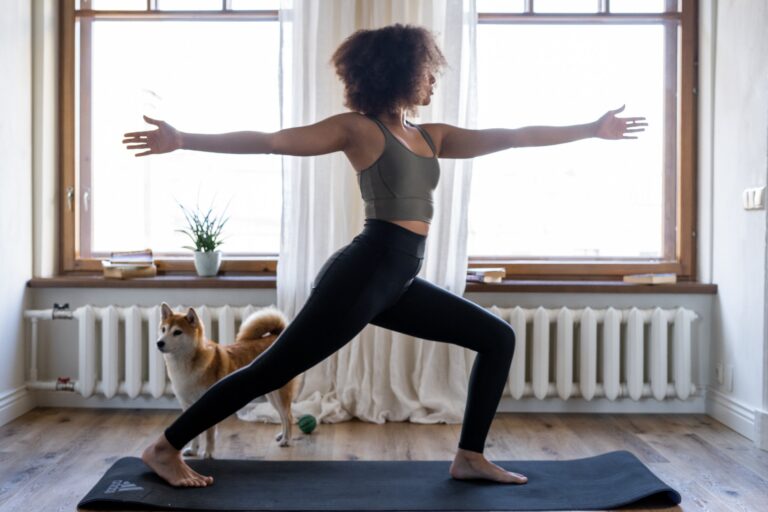
For those who love to get their daily exercise outside in the fresh air, the cool weather that comes with the winter can make that difficult. Thankfully though, there are plenty of ways you can complete your fitness goals from the comfort and warmth of your home, including yoga! Yoga is a low-impact activity perfect for anyone who wants to get their heart rate up while practicing mindfulness, and of course, it comes with a wide array of health benefits. Here are just a couple: 

Increases Strength

Yoga has been found to improve strength, balance and flexibility. Going through the slow, gentle movements and deep breathing exercises increases blood flow and warms up your muscles. Holding poses helps you develop better core strength and, in turn, improves your posture! And as you stretch your muscles with each pose, you also increase your range of motion and flexibility. Overall, the impact of this exercise leads to increased body awareness as well.

Aids in Pain Relief

For those going through an illness, recovering from surgery or living with a chronic condition, yoga is highly recommended. That’s because the practice has the potential to aid in pain relief — specifically, back pain. Stretching your lower back through various poses is believed to help relieve pain and improve flexibility overall during the healing process. And for those with arthritis: gentle yoga has been shown to ease some discomfort when it comes to those tender, swollen joints. 

Boosts Energy and Mood

As a practice grounded in body-mind-spirit connection, yoga naturally has an impact on your mental health as well as your physical health. Yoga has been demonstrated to aid in stress relief and even lead to a better night’s sleep. It also provides a boost to your overall energy and mood levels, producing better alertness and enthusiasm in its wake.

So, whether you’re looking for a low-impact fitness regimen or seeking a sense of groundedness, yoga is a great and healthy option for everyone. 

› Back to top