« back
07.06.21 | Community

What we mean when we say “vibrant, high-quality, affordable housing”

There’s a lot of language we use at Sage Collective that’s uncommon for the world of senior living. For example, we prefer to use the phrase “older adults” rather than “seniors” – more on that in this blog post here. When discussing our vision for Sage Collective’s residences, we also use the phrase “vibrant, high-quality, affordable housing.” But just what exactly does that mean?

Everything we do at Sage Collective – from the partners we choose, the programming we design, to the residences we develop – is built upon our foundational philosophy: 9 Ways of Vibrant Living. Read more about this philosophy and how we intend to bring it to older adults in our Vibrant Living Manifesto here. Ultimately, we believe that older adulthood is just another in a series of life’s chapters, and that seniors deserve to live just as joyfully, vibrantly, and fully as their intergenerational counterparts.

Too often, senior housing lacks the passion and joy of this belief we hold so dear. Based on limited resources, and often bogged down by limited imagination, affordable senior housing is all too commonly not the enjoyable experience that it should be. We’re here to rewrite that narrative.

At Sage Collective, we encourage our residents and neighbors to experience the freedom and joy of choice by providing them with wellness support, cultural exploration, and spiritual enrichment. We’re in a privileged position to deliver on this promise based on the legacy we come from – more on that in this blog post here. From our past experience, we’ve learned the powerful impact that a strong vision and an even stronger culture has on the services and housing products we’re able to provide.

We can’t wait to share this vision with you. Our first residences, 4108 and 4112 South King Drive in the Bronzeville community on Chicago’s Southside, will bring affordable and market competitive housing units to our community, and will be set apart by our vibrant living philosophy and attention to detail and quality. Stay tuned for more details to come.
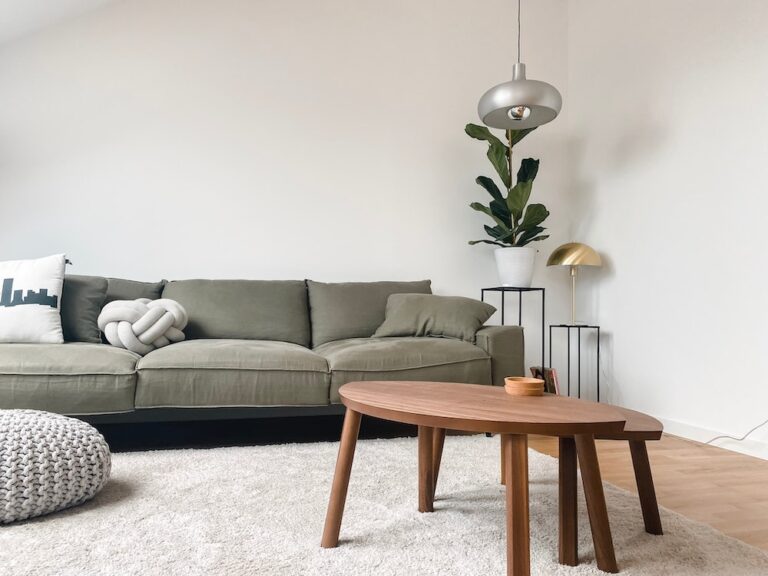
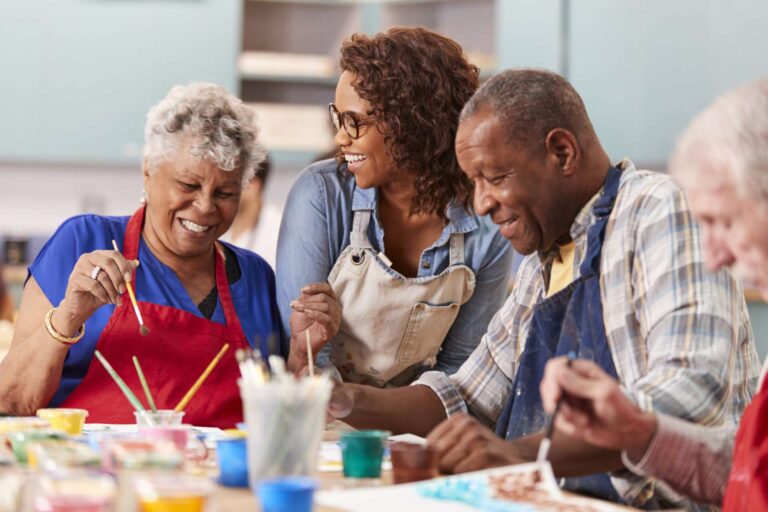
 

Photo of contemporary residential interior
› Back to top
« back
07.01.21 | Community

Vibrant Living Breakdown: Engagement in Social Life

Nine Ways of Vibrant Living is Sage Collective’s innovative model that champions more meaningful, engaged lives for older adults, and that serves as the backbone of our philosophy. We celebrate and uplift components of vibrant living that span from health and wellness, to arts and culture, to spiritual enrichment — but what makes all these life experiences truly shine is our ability to share them with others. That’s why our ninth component is engagement in social life.

Older adults in particular are a population at high risk of experiencing social isolation. The flip side of that risk – and the negative impacts it has on one’s physical and mental well being – means that older adults who are more socially connected often report a better quality of life all around.

The benefits of healthy social connection for older adults are all encompassing and include disease prevention, fewer physical health problems, longevity/length of life, improved cognitive function, better self-esteem, sense of belonging, and maintained purpose of life.

Therefore, at Sage Collective, we strive to provide daily opportunities for social connection and community engagement, whether that’s through our programming or residences. We intend to partner with a host of community organizations, including but not limited to: churches, schools, businesses, and cultural institutions, to provide co-teaching, educational, entrepreneurial and employment opportunities that both enrich and empower our residents.


Stay tuned for all these opportunities and more, and in the meantime, you can stay connected with us and our community online through our social media via Facebook, Instagram, Twitter, and LinkedIn.

Friends gathering to socialize and paint
› Back to top
« back
06.15.21 | Community

Two Initiatives Celebrating the Historic Legacy of Bronzeville Today

Sage Collective has begun the process of renovating our first two new acquisitions, 4108 S King Drive and 4112 S King Drive, side-by-side buildings in Chicago’s historic Bronzeville neighborhood. We envision this development as providing tangible benefits to this community by providing high quality, affordable housing programmed to ensure safe, comfortable living there, as well as celebrating and uplifting Bronzeville’s dynamic history, current-day culture and residents alike – and we’re not alone in this effort.

Bronzeville has a long and storied history as the heart and soul of African American culture and vibrancy in Chicago. Contemporaneously, many organizations are doing incredible work on the ground to continue that legacy today. Here are two such initiatives:

The Forum in Bronzeville

Restoration of The Forum

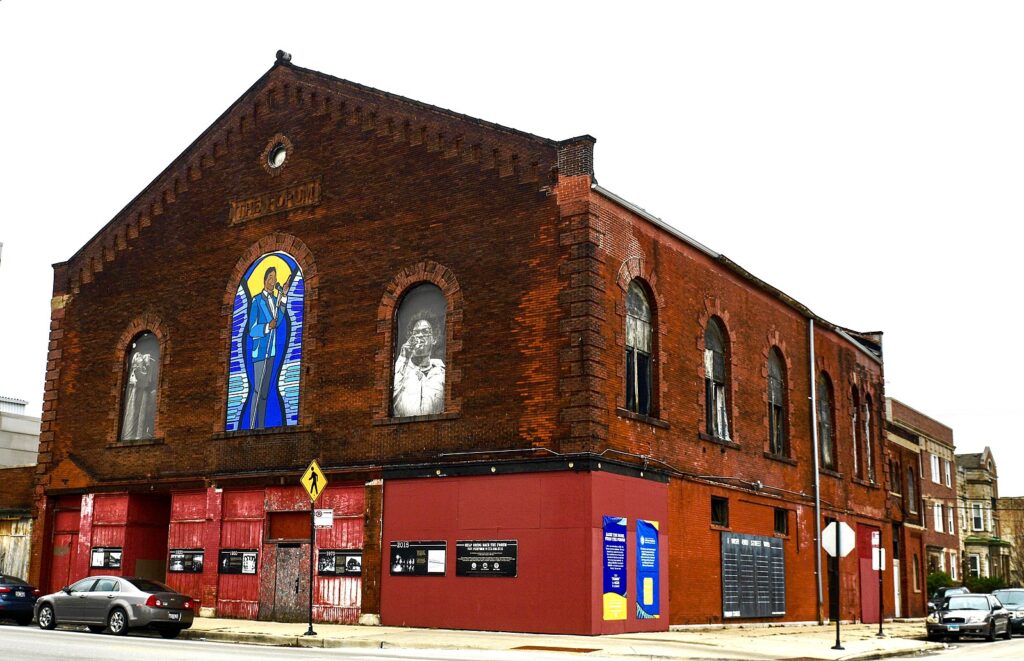
The Forum is a historical South Side building that was once the epicenter of Bronzeville nightlife, dating all the way back to the 19th century. Built in 1897 in the heart of the city’s blues district, the venue has hosted everything from concerts by names like Nat King Cole and Muddy Waters, to movement meetings in the 1970s.

The building, located at the corner of 43rd and Calumet in Bronzeville at 318 E. 43rd St, was previously zoned for residential use. Now, as part of recent renovation efforts, investors are rallying to rezone the project for commercial use. At the head of the initiative is Bernard Loyd, an entrepreneur and the founder of Urban Juncture, which focuses on community development work in Bronzeville.

Lloyd bought The Forum in 2011 days before the city planned to demolish it. Now, his vision is to restore the space as an “incubator space for Black creatives” and an overall cultural destination.

Archives of the Bronzeville Historical Society

The Bronzeville Historical Society has been preserving the stories, history and heritage of African American history and culture in Chicago since its founding in 1999. Led by South Side historian Sherry Williams, the Bronzeville Historical Society originally began with just Williams, her mother, and her daughter on task. 

They first set their sights on highlighting notable Bronzeville residents, publishing the book “100 Notable People and Places in Bronzeville – (Black Chicago)” in that same year. In the two decades since, the society’s archival work has expanded exponentially, despite challenges over the years.

Their collection includes records of 180,000 Chicago resident burials from the Jackson Funeral Home, gifted by the state of Illinois. From those records, volunteers from the African American Genealogy and Historical Society helped to reconfigure each person’s history, including their hometowns, church, and club affiliations. Bronzeville Historical Society also holds hundreds of photographs of Chicago from 1930-2000, documenting the architecture, landscape, and neighborhoods over the years. 

Sage Collective is proud to be part of the Bronzeville community and to live, work, and play side-by-side with so many other organizations doing the great work of preserving and celebrating our neighborhood’s great cultural legacy.

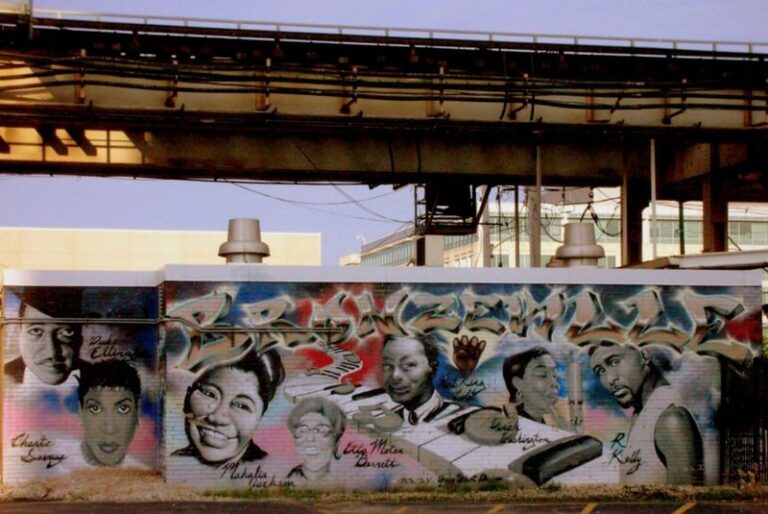
A mural in Bronzeville Chicago showcasing famous figures throughout history
› Back to top
« back
06.08.21 | Community

Where to go for scenic walks on Chicago’s South Side

We’ve previously shared how incorporating a 30-minute walk into your daily routine brings with it a surprising array of health benefits. While you enjoy those healthful benefits on your walk, why not enjoy a good view too? Some days it’ll be easier to take a walk around the block, but for those days where you want to elevate “taking a walk” into a special occasion: here is Sage Collective’s guide to the best scenic walks on Chicago’s South Side.

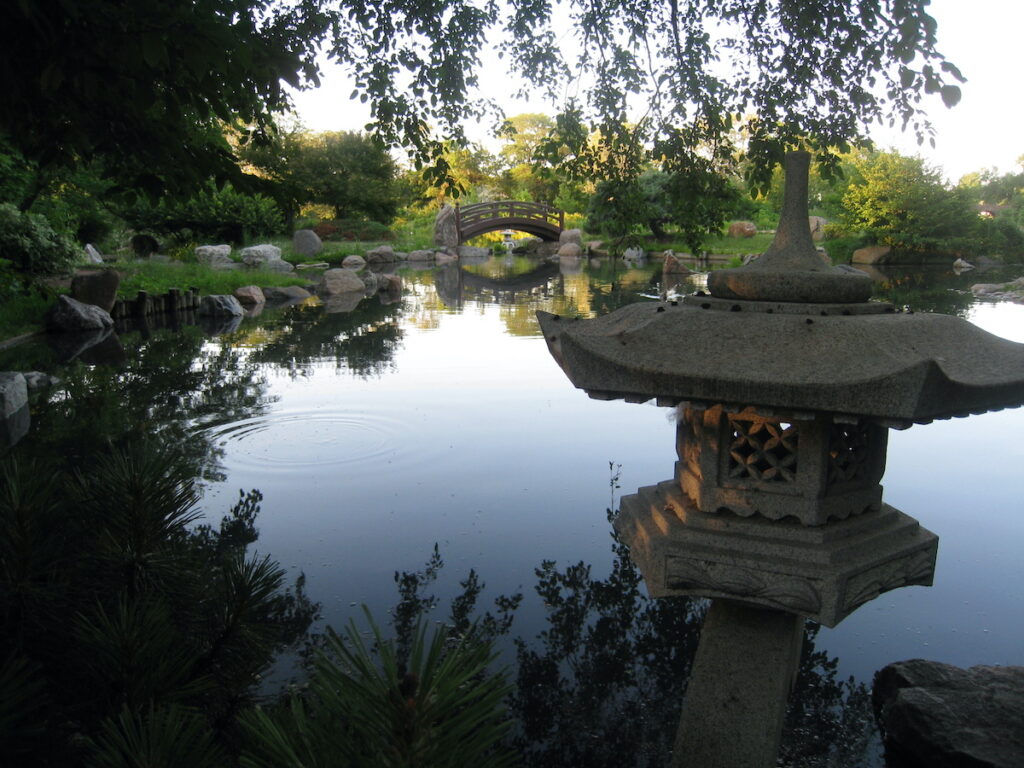
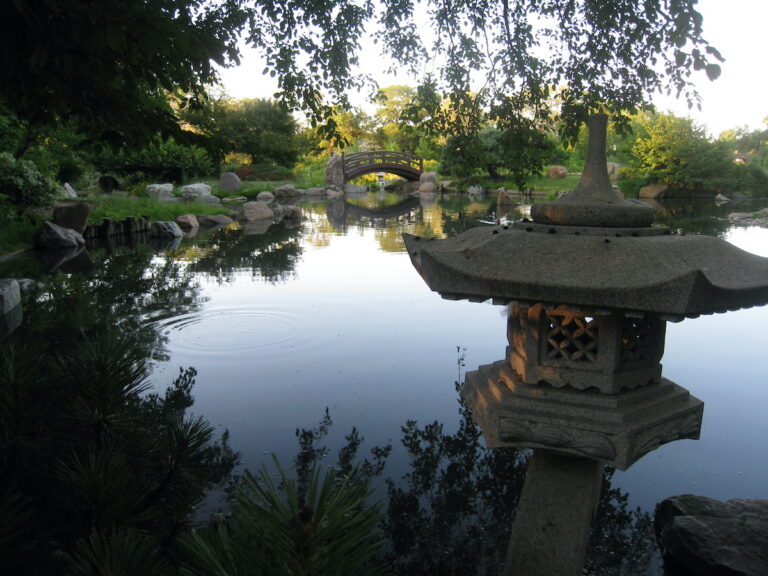
Japanese Garden, part of Jackson Park in Woodlawn, Chicago.

Jackson Park – Woodlawn

Jackson Park is a sprawling 551-acre park on Chicago’s South Side with an impressive history. Designed by the same names behind New York’s Central Park, and once home to the World’s Columbian Exposition, Jackson Park continues to bring exciting seasonal events and features to the Woodlawn community. Just this spring, the park’s 160-tree grove of cherry blossoms bloomed for the first time ever, attracting locals and tourists alike to see the beautiful display. 

The park is the perfect place for a short jaunt or longer “hike,” with landmarks like the lushly landscaped Japanese Garden and winding Bobolink Meadows lagoon-side trail serving as your backdrop.

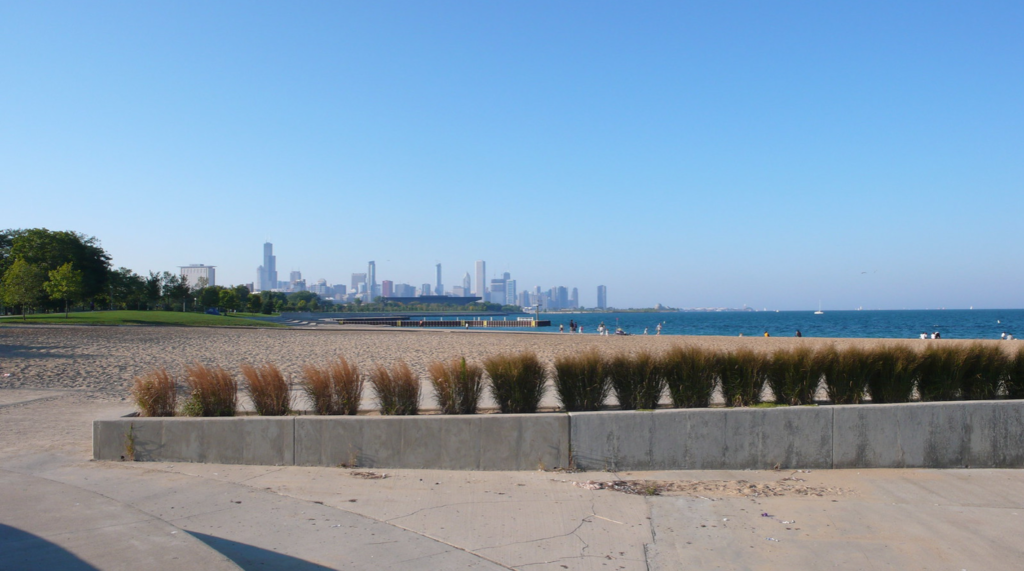
View of the Chicago skyline from 31st Street Beach in Bronzeville, Chicago. Photo via Flickr.

31st Street Beach – Bronzeville

While most people know it as 31st Street Beach, the beach’s formal name became Margaret T. Burroughs Beach in 2015. Named for the accomplished artist, arts advocate, poet, teacher, civic leader, historian, and founder of the DuSable Museum of African American History, the beach’s official name serves as an homage to the history and vibrancy of both Burroughs herself, and the Bronzeville neighborhood overall.

The beach, which is nestled next to 31st Street Harbor, boasts sweeping views of Chicago’s city skyline, and invites swimmers, joggers and walkers alike to enjoy the beautiful scenery.  

When it comes time to plan your next weekend excursion, we hope these parks provide some inspiration and an exciting backdrop. After all, nothing makes a regular, leisurely workout more vibrant like a little bit of good scenery. 

Burnham Nature Sanctuary. Photo courtesy of Chicago Park District
Burnham Nature Sanctuary. Photo courtesy of Chicago Park District.

Burnham Nature Sanctuary – Kenwood

Located at 1600 E 47th Street, Burnham Nature Sanctuary is just one serene pocket of a larger stretch known as the Burnham Wildlife Corridor. The corridor is a 100-acre ribbon of urban wilderness running through Burnham Park.

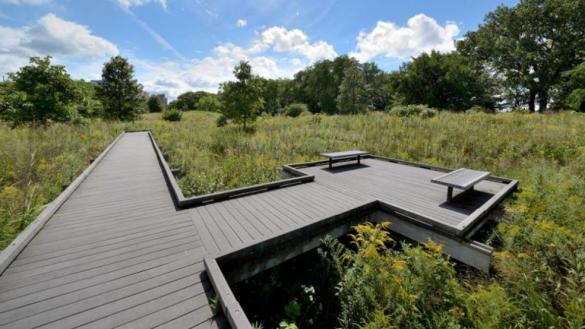
The sanctuary itself is the perfect location for novice and expert birdwatchers alike as they meander through the woodlands. These woodlands, full of native plants, attract many forms of wildlife for visitors to enjoy, from birds, to caterpillars, to butterflies. Beyond the woodland path, there’s also a boardwalk that winds through a hill and swale grassland. Overall, Burnham Nature Sanctuary is the perfect way to reconvene with nature all while remaining in the close confines of the city. 

Japanese Garden, part of Jackson Park in Woodlawn, Chicago.
› Back to top
« back
04.22.21 | Health & Wellness

Chicago COVID-19 Vaccination: Where We’re At Now

As part of Sage Collective’s ongoing campaign to provide vital information regarding the COVID-19 virus, variants and vaccine to our community, we’re taking a closer look COVID-19 vaccination in Chicago, and where things stand today.

Open Eligibility

After a presidential decree stating that all U.S. adults should be eligible to receive the COVID-19 vaccine on April 19th, Chicago made it happen. This past Monday, Chicago joined the rest of Illinois (and the nation), opening vaccination appointments to all residents 16+ years of age. 

This move came just a week after Governor Pritzker announced that all Chicagoans were welcome to travel out to the suburbs to receive a vaccination dose, starting on Monday, April 12th, if they weren’t yet eligible in the city. 

Finding Your Shot

Now, Chicagoans are in a position where they can turn to local city vaccination sites to receive their shot — or they have the option to travel out to a nearby suburb if appointments in the city are hard to come by. 

To find a vaccine appointment in Chicago, you can use the city’s vaccine finder here. For those that are less inclined to use online technology, you also have the option of calling the city’s COVID-19 Help Line at 312-746-4835. Vaccine appointments can also be made at Costco Pharmacies, CVS, Jewel Osco, Mariano’s, and Walgreens. 

To find a vaccine appointment in Illinois, you can use the state’s vaccine finder here. You can also call the Illinois Department of Health Hotline at 833-621-1284 for assistance booking your appointment.

A Quick Word on Johnson & Johnson

With distrust of the vaccine already widespread, many were alarmed when distribution of the Johnson & Johnson vaccine was temporarily halted by the CDC and FDA. However, the number of those that experience side effects is slim, and the CDC and FDA continue to closely monitor the situation out of an abundance of caution. The City of Chicago’s official statement reads: 

“As of April 12, more than 6.8 million doses of the Johnson & Johnson (J&J) vaccine have been administered in the U.S. CDC and FDA are reviewing 6 cases of a rare and severe type of blood clot in individuals after receiving the J&J vaccine. We are monitoring the situation and in communication with federal partners. As we wait to learn more, we are not administering or scheduling the J&J appointments. We will continue to update as more information is available.” 

Where We’re At Now

Nearly 40% of Chicago residents 18 and older have received at least one dose. Meanwhile, that statistic falls to just 25% of all Black Chicagoans. As COVID-19 cases continue to spike in Chicago, the dangerous and disproportionate impact of COVID-19 on the Black community persists — while the city’s test positivity rate sat at 5.5% as of Tuesday, that number rises to 7.9% among Black Chicagoans.

As city and state officials continue to urge all residents to receive their vaccine, it becomes necessary for those officials to make a concerted effort to provide information and resources to communities of color, and to remain cognizant of the justifiable mistrust our nation’s history of public health inequity has sowed. 

At Sage Collective, we remain committed to keeping our community up-to-date with the latest information and insights. Stay tuned for more.

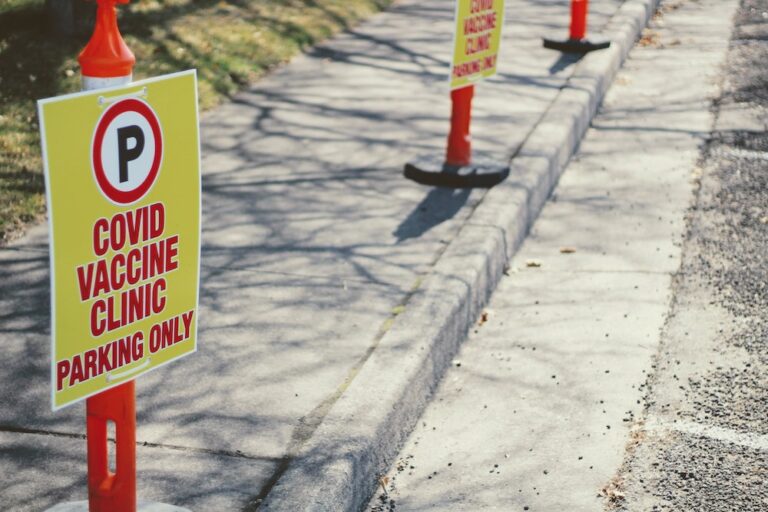
Orange traffic cones line a curb, with signs tied to them reading "Covid vaccine clinic parking only."
› Back to top
« back
03.02.21 | Sage Advice®

Chicago COVID-19 Vaccination: Where We’re At Now

Earlier this year, we shared a blog post on what to know about the COVID-19 vaccine. Now that vaccine rollouts have been occurring nationwide, one of the biggest hurdles outside of deployment is ensuring that we, the people, feel informed and equipped with the necessary tools and knowledge to make decisions about our own vaccination. In support of that, today we’re providing an update on COVID-19 vaccination in Chicago, and where things stand now:

Understanding the State’s Phased Rollout

Illinois is administering vaccinations in a phased rollout plan — you can read the state’s  comprehensive coverage of its vaccine distribution phases here. As of January 25th, Illinois entered Phase 1B: Frontline Essential. This phase made the vaccine available to all non-healthcare residential settings and Chicagoans age 65 and older.

According to Chicago, all non-healthcare residential settings includes homeless shelters, women’s shelters, adult day care programs, correctional settings (jail officers, juvenile facility staff, workers providing in-person support, detainees), and other non-health care residential settings that have experienced outbreaks (e.g. convents). 

But as of February 25th, Illinois progressed further into Phase 1B Plus. This extended phase includes people (16 years of age and older) with certain underlying conditions and comorbidities. The list of conditions includes cancer, COPD (Chronic Obstructive Pulmonary Disease), diabetes, heart condition, immunocompromised state from a solid organ transplant, obesity, pregnancy, pulmonary disease and sickle cell disease. 

However, it is important to note that Chicago will NOT be joining the rest of Illinois in progressing to Phase 1B Plus at this time. Due to the city’s population density, more than 95,000 Chicago residents would become eligible if we were to expand under the state’s guidelines. Therefore, the city has decided to hold off on progressing to this next stage until it is able to more fully serve those who fall into the initial Phase 1B.

Looking at Current and Future Benchmarks

According to the Illinois COVID-19 vaccine tracker, as of Wednesday, February 24th: 28,626 additional people have been fully vaccinated for a total of 619,480 — 4.86% of the state’s population.

As of that same date, 5% of all White Illinoisians have been fully vaccinated, 2% of all Hispanic Illinoisians have been fully vaccinated and 2% of all Black Illinoisians have been fully vaccinated. Chicago is seeing similar disparities: as of that same date, 6% of all White Chicagoans have been fully vaccinated, 2% of all Hispanic Illinoisians have been fully vaccinated and 3% of all Black Chicagoans have been fully vaccinated.

You can stay up-to-date on the state’s vaccination rates here.

Looking ahead: according to Governor J.B. Pritzker, Illinois expects to begin administering an average of 100,000 doses of the COVID-19 per day by mid-March.

Stay tuned for more COVID-19 vaccination updates and insights from Sage Collective.

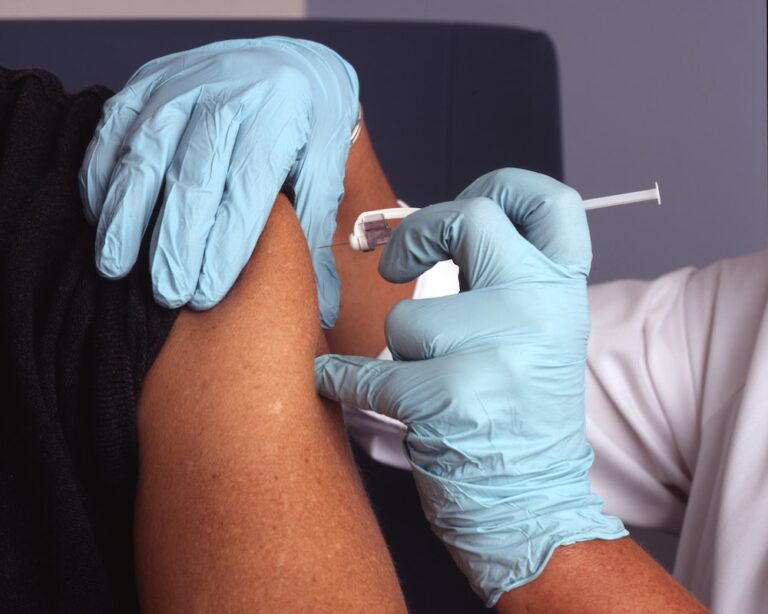
A vaccine shot being inserted into a Black patient's arm
› Back to top
« back
02.09.21 | Sage Advice®

A Brief History of Bronzeville

Sage Collective has begun the process of renovating the first two properties we acquired, since selling Willa Rawls Manor, a 123-unit property we owned and operated for more than 40 years. The two properties are located at  4108 S King Drive and 4112 S King Drive. With the buildings located side-by-side in Chicago’s historic Bronzeville neighborhood, it will provide a tangible benefit to the community by celebrating and uplifting Bronzeville’s dynamic history, current-day culture and residents alike. In honor of this effort and of Black History Month, today we take a moment to look at a brief history of Bronzeville.

Becoming Bronzeville

With the Great Migration beginning in 1916, African Americans fled lynchings and oppression in the rural South for brighter opportunities in cities in the North. Though segregation was outlawed after the Civil War, racist practices in hiring and housing practices remained steadfast. Many African Americans in Chicago landed in what became the Bronzeville area, there facing higher rent prices and population density (at its highest reaching 300,000 residents strong). 

Despite this, true to the African principle of ujamaa, Bronzeville residents created a tight-knit community that boasted a network of black-owned institutions and a cultural vivacity that, in its prime from the 1920s-1950s, even rivaled Harlem.

The community had been growing, but the name Bronzeville only entered the scene in the 1930s, suggested by theater editor for the Chicago Bee (an African American-led daily newspaper with national reach), James Gentry. Gentry posited that African American skin was closer to bronze than black, and selected the name as an empowering alternative to racist nicknames for the neighborhood that had emerged.

Center of Culture

Though the official boundaries of Bronzeville are often contested as spanning anywhere from 18th and 67th Street north-south to the Dan Ryan and Lake Michigan west-east, the pulsing heart of Bronzeville landed somewhere in the middle.

Dining, shopping, dance halls and nightclubs abounded. Jazz, blues and gospel were the sounds of Bronzeville, and when the Regal Theater opened in the 1920s, it attracted the country’s most glamorous and talented Black entertainers. Bronzeville also boasts being the home of renowned African American artists and intellectuals like journalist and social activist Ida B. Wells, jazz musician Louis Armstrong, poet Gwendolyn Brooks, women’s aviation pioneer Bessie Coleman, sociologist Horace Clayton and dancer Katherine Dunham.

WTTW put it best when they said businesses and community institutions like Provident Hospital (where Daniel Hale Williams, an African American, pioneered open-heart surgery), the Wabash YMCA (which established the first Black History Month), the George Cleveland Hall Library, Parkway Community House, Binga Bank (Chicago’s first Black-owned life insurance, realty, and financial institution), and more, “were more than alternatives to racially restricted establishments downtown”. They were pillars of the community which helped to instill pride and contribute to the upward mobility of African Americans.”

Through our vision for vibrant, high-quality and affordable housing for older adults, Sage Collective is proud to contribute to the legacy of African American culture, community and success that is the heart and soul of Bronzeville. 

Mural under the “El” tracks in Bronzeville
› Back to top