« back
11.12.20 | Community

Vibrant Living Breakdown: Life Purpose

We don’t believe in living a passive life; we believe we should be active participants in our own health, wellness and happiness. That’s why Sage Collective created 9 Ways of Vibrant Living, a model that champions high-quality living, and the backbone of our philosophy. Today, we’re unpacking the second of our nine components: life purpose.

At Sage Collective, we see life purpose as what we give back to our families and communities, or the implementation of efforts to better ourselves through our personal growth of knowledge, skills and abilities. 

True to the notion that we should each be active participants in our lives, having a life purpose puts us in the driver’s seat, and provides us with guidance, clarity and intention to help navigate each day we live and the decisions we make. Rather than allowing things to merely happen to us, living life with purpose means we challenge ourselves to pursue growth, change and meaningful experiences that fulfill us. 

It provides a measure of success, based on what’s most important to us. And in the pursuit of that success, we become more driven, more passionate people. This focus also provides added layers of gratification, knowing that we’re living with integrity and staying true to our own values. Having life purpose, therefore, leads to us living happier, more fulfilled lives.

And when we personally experience purpose and joy, we then have the opportunity to share that with others. Having life purpose doesn’t only transform your own experience, but it transforms the experience of those around you, creating an impact that is long lasting and felt widely. 

Senior woman holding a tablet
› Back to top
« back
11.10.20 | Community

Advice for Caretakers Caring for Loved Ones with Dementia

Caring for a loved one is no easy task, and no one should feel alone — whether caretaker or a loved one receiving care. In honor of National Family Caregiver Month, we spoke with Loren Faith Buford to discuss her expert insights and advice for caretakers caring for loved ones with dementia.

Buford is a Licensed Clinical Social Worker and the clinical program Supervisor of Senior Services at Metropolitan Family Services in DuPage County, as well as a member of the Board of Directors at Sage Collective. Beyond her extensive professional expertise, Buford and her sisters are taking care of their beloved 90-year old mother who is experiencing dementia.

Assessing You and Your Loved One’s Unique Situation

Sometimes the hardest part of caring for a loved one with dementia is admitting there’s a need. But that acknowledgement, and planning accordingly, can be vital. “The first thing you can do when grappling with caring for a loved one with dementia is to recognize the symptoms, and recognize that there’s a need,” confirms Buford. “Too often, those struggling with dementia are able to fool the people around them for a long time. You won’t know they need help, because they’re proud and want to maintain their dignity. But the truth is that everyone needs help, especially in cases of dementia, and it isn’t a shameful thing,” she says.

“Developing your awareness, and understanding when there’s a need to seek a medical diagnosis for your loved one takes attentive care,” says Buford. “If your loved one lives alone, for example, I recommend going to their house often: look in their refrigerator, see whether the mail is piling up, and to see whether they’re losing strength and struggling with daily tasks like cleaning or cooking. Those are the first signs. There will be behavioral signs too, like if they get upset more easily or begin repeating information.”

“Once you acknowledge the need for care is there, then you have to figure out how you can balance your life with helping them take best care of themselves,” shares Buford. “Specifically, how can you balance your self care with their care? That’s also why it’s so important to catch dementia early on: the sooner you acknowledge that need, the easier it will be to gather the necessary resources, people and services that are out there, and that can help make the task of caretaking easier on you.” 

Just as caretakers must help their loved one accept help, we too must help caretakers accept the help they themselves need to carry on this essential work.

Creating Solutions That Work: Balancing Communication and Care

Whether caretakers live with or apart from their loved one, establishing a routine of care that feels natural and comfortable for both parties is vital. Buford runs through the gamut of challenges: “When do they eat? How do they get exercise? How do I make sure they’re getting a rounded out day? And most of all — how do I ensure these things without upsetting my loved one and having them feel like all I ask about is medication?” And her answer: “You have to make these things a part of their life, and make it feel natural.”

Even when caretaking feels like a strenuous task, it’s important to remind oneself of the love driving the work. “You have to find ways to provide care and not be a martyr about it,” reflects Buford. “It’s essential that your loved one knows this is what you want to do — and that you’re a team. If they’re feeling it’s not genuine and you’re not comfortable, they’ll feel like a burden and they’ll fight and resist receiving care, and worst of all they won’t communicate, or feel comfortable sharing what they need. But when you’re a team, your loved one will feel like an active part of their own treatment plan, and together you can find solutions they take part in, agree and want.”

So how can caretakers build healthy trust and communication? “Make caretaking a good time and make those memories count. If your loved one starts singing a song, join in. If they’re laughing, laugh with them. When you join them in their world, you find that it’s fun for you, too. It creates a whole different dynamic between the two of you, one that’s productive, and also full of joy,” says Buford. 

And most important of all: “As your loved one’s dementia progresses,” advises Buford, “it’s absolutely vital to remind yourself that the core of that person is still there. Whether they’re having an irritable day, or maybe you’re having a bad day yourself, remind yourself to see them for what they were and continue to be: the person you love.”

LOREN BUFORD
› Back to top
« back
11.06.20 | Health & Wellness

Self Care for Seniors: What Is It, and How to Take Part

Have you heard of the latest millennial craze, self care? Young people all over are encouraging each other to get off of social media for a day, or to order in for the night and binge their favorite TV show, all things they’ve dubbed as acts of self care. 

While these acts may seem frivolous on the surface, they’re actually helping people to take a break from the media cycle, or to celebrate moments of rest. Self care, by definition, encourages people to consciously tend to their own well-being. But most surprisingly of all, this “new trend” isn’t new at all — in fact, it has deep roots and history in the medical field.

A Brief History

Self care began as a treatment course in the 1950s for patients who were mentally ill or elderly and struggled with autonomy. It included acts that helped preserve physical independence, such as simple exercising or personal grooming. This independence opened up the gateway for feeling better in many ways — physically, because patients were able to care for themselves, but also mentally, because independence was rewarding and satisfying.

From the mid 1960s to early 1970s, academics continued to pursue the idea further and how it might pertain to those in high risk professions, such as EMTs and social workers. The idea was that, in order to tend to your responsibilities to others, you need to first take care of yourself and replenish regularly through acts of self care. As Sage Collective’s own Rear Admiral (ret.) James M. Galloway said, “Taking care of yourself ensures you can take your best care of others.”

In the civil rights and feminist movements that followed this time, self care also become a revolutionary and radical act against varied forms of injustice, medical and otherwise. 

Self Care for Seniors Today

So how can seniors reclaim self care, and share in the joy that millennials have found? Our best advice: find what replenishes you, whether it’s physically, mentally or both.

When it comes to your physical health, incorporating moderate, regular physical activity will help replenish not just your body, but your spirit and your energy. Physical acts also include making conscious decisions to eat healthier, to get ample rest each night and to take time to relax. 

As for mental health, experts recommend spending more time in nature to breathe in the fresh air and enjoy natural sunlight. You can also reconnect with a new hobby, or even discover a new one. Dedicating time to activities that you enjoy and find satisfaction in is a great way to embrace the practice, too. And of course: spending time with those you love will always provide a much needed mental boost. 

So don’t be afraid of the trend — self care is for everyone. 

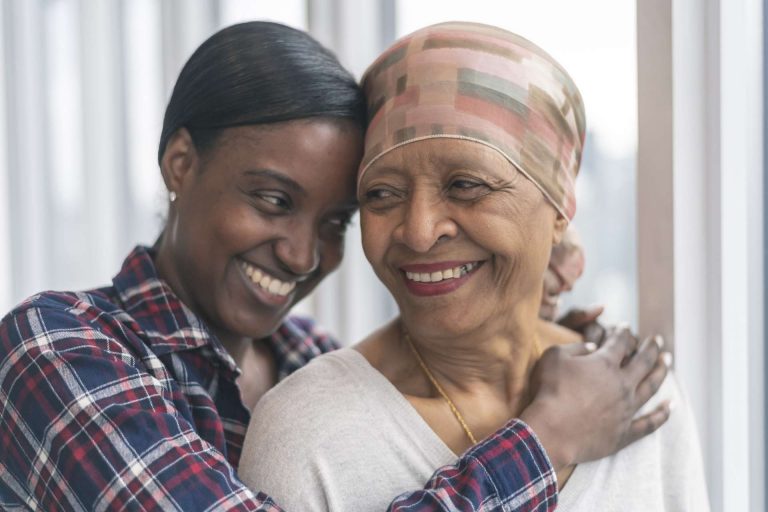
Self care expressed through love, with an older African American man and woman embracing and smiling
› Back to top
« back
11.02.20 | Health & Wellness

November is National Family Caregiver Month

November is National Family Caregiver Month — or NFC Month, for short. In support of those who take on the role of family caregiver, the month is meant to raise awareness for issues they face, to celebrate their tireless work and rally support for them and to educate caregivers themselves about self-identification.

The tradition began as National Family Caregivers Week in the mid 1990s. For years, American presidents have celebrated the week, and have given speeches in its honor. But it wasn’t until President Barack Obama’s NFC Month Proclamation in 2012 that the week became extended to an entire month. 

During the 2012 proclamation, President Obama stated: 

“Across America, daughters and sons balance the work of caring for aging parents with the demands of their careers and raising their own children. Spouses and partners become caregivers to the ones they love even as they navigate their own health challenges… All of them give selflessly to bring comfort, social engagement, and stability to those they love. National Family Caregivers Month is a time to reflect on the compassion and dedication that family caregivers embody every day. As we offer our appreciation and admiration for their difficult work, let us also extend our own offers of support to them and their loved ones.”

Each year, Caregivers Action Network (CAN) chooses a specific theme for National Family Caregivers Month. This year, the theme is Caregiving in Crisis. The COVID-19 pandemic has escalated our concern for health and safety, and in turn, has placed greater stress on family caregivers as they navigate this challenging time. 

You can learn more about National Family Caregivers Month from AARP, here.

You can also read advice for older adult caretakers during the pandemic from Sage Collective’s own Rear Admiral (ret) James M. Galloway, here

Girl hugging an elder family member
› Back to top
« back
10.29.20 | Sage Advice®

Vibrant Living Breakdown: Moderate, Regular Physical Activity

We don’t believe in living a passive life; we believe we should be active participants in our own health, wellness and happiness. That’s why Sage Collective created 9 Ways of Vibrant Living, a model that champions high-quality living, and the backbone of our philosophy. Today, we’re unpacking the first of our nine components: moderate, regular physical activity. 

In a recent blog post, we broke down the surprising health benefits of going for a brisk-paced thirty-minute walk each day — and even discovered that going for a walk can have parallel health benefits to going for a run. This goes to show that physical activity doesn’t all have to be intensive, but rather, incorporating moderate, regular activity can prove highly beneficial on its own.

The World Health Organization (WHO) recommends older adults partake in at least 150 minutes of moderate physical activity each week. This activity can include leisurely behaviors such as walking, dancing, gardening, hiking or swimming, or even occupational behaviors such as performing household chores or participating in family and community activities. 

According to Mayo Clinic, the benefits of fulfilling this weekly recommendation include controlling your weight; combatting health conditions and diseases such as stroke, high blood pressure, diabetes and anxiety; as well as improving mood and boosting energy levels, promoting better sleep, and even increasing your chances of living longer. 

And the bottom line underscoring it all: incorporating moderate, regular physical activity into your daily life can be fun and enjoyable, especially in social settings. That’s why Sage Collective incorporates physical activity as part of our vision for our residential campus. We know that taking the first step isn’t always easy, and that’s why we’re pursuing more vibrant ways of living together. Together, we can hold one another accountable, encourage healthy behaviors and embark on a collaborative, joyful journey to more vibrant ways of living. 

Senior woman holding gym weights
› Back to top
« back
10.27.20 | Sage Advice®

The Danish Philosophy of Hygge

With cold weather upon us, we all love the feeling of a steaming mug of hot cocoa nestled between our hands, or the comfort of a good pair of slippers on a chilly Sunday morning. But nobody knows this love better than the Danish — who have actually coined their own term to help describe it: hygge. And since then, the Danish philosophy of hygge has taken the world by storm.

What’s that?

Hygge is described as “a quality of cosiness and comfortable conviviality that engenders a feeling of contentment or well-being.” Pronounced “hoo-guh,” the modern day philosophy is derived from the Sixteenth-century Norwegian term hugga, to comfort or to console. But the word has far transcended its origins to become deeply embedded in Denmark’s national behavior and disposition, inspiring others globally to follow suit.

Meik Wiking, the CEO of the Happiness Research Institute in Copenhagen, goes so far as to say hygge is “a defining feature of our cultural identity and an integral part of the national DNA. In other words, what freedom is to Americans. . . hygge is to Danes.”

Hygge has been part of Danish culture since the early 1880s. The contagious philosophy has since spread to the UK in 2016, when several books were published on the topic, making it such a buzzword that it even appeared in the Collins Words of the Year for 2016. From there, hygge made its way to popular US culture, infiltrating the Pinterest-verse and becoming an integral aesthetic to home design (think roaring fireplaces, big knit blankets). 

How to live a hygge life

Hygge, like all things fun and enjoyable, doesn’t have a ton of rules. The word itself can be an adjective or a noun — hyggebukser is a pair of pants you wouldn’t dare wear in public, but adore at home, and hyggekrog describes a cozy seat, such as your favorite recliner or a good reading nook. To introduce hygge into your own life, you simply have to embrace moments of comfort and joy. 

There are lots ofl ways to do this, like surrounding yourself with candles and throw blankets. There are also deliciously indulgent ways to do this, like baking homemade bread, cakes or pies, binging on comfort food and enjoying a hot, buttered rum.  As proponents of vibrant, engaged living, we at Sage Collective believe the best way to embrace the hygge philosophy is amongst good company. Whether it’s a morning jaunt around the neighborhood with a good friend, or a board game played in the living room with loved ones, hygge can be found in the simplest and most pleasurable of moments, if only we learn to look.

A hygge setup of a red pillow, a lit candle, a mug of hot cocoa and a fuzzy blanket nestled in a window seat
› Back to top
« back
10.22.20 | Community

The Sage Collective Story: From TSCP to Now

Sage Collective emerged in 2019 with the intention of pursuing affordable, vibrant and high-quality living for older adults. But before we were Sage Collective, we were Tabernacle Senior Citizens Project (TSCP) — and we wouldn’t be where we are today without the history that precedes us. To unpack the TSCP legacy, we spoke with Donna Gaines and Dwain J. Kyles, founding members of the Sage Collective Board of Directors.

TSCP: Faith Leads the Way

Tabernacle Senior Citizens Project began in 1978 as the brainchild of Reverend Louis Rawls, founder and pastor of Tabernacle Missionary Baptist Church on Chicago’s South Side. “Rev. Rawls was a prolific pastor and entrepreneur,” says Dwain J. Kyles. “In his efforts to address the needs of his congregation and the broader community, he established everything from hospitals to hotels to funeral homes. As Rev. Rawls grew older, his focus turned to elderly members of the congregation; and it was then that he decided to create a housing development that would offer safe, affordable and high-quality living for seniors.” Named after his wife, Dr. Rawls built Willa Rawls Manor, a 123-unit housing development adjacent to the Church.

“To say I was connected to Rev. Rawls would be an understatement,” says Kyles. “In the mid- 1950s, my father was the first youth pastor at Tabernacle Missionary Baptist Church, and Rev. Rawls and his wife Willa were my godparents! My mother later moved to Willa Rawls Manor in her golden years.” Deeply invested in the work and its caring intentions, Kyles was quick to jump into action when he realized Rev. Rawls was becoming overwhelmed by the enormity of work required to manage all of the church’s projects in the community.. 

“Willa Rawls Manor became my passion project,” explains Kyles. “I was working pro-bono, looking to reinvest the time, energy and resources necessary to reinvigorate a building that was falling behind. Luckily, I was dating this amazing woman at the time… Donna had been President of the Board and provided operational oversight for a co-op of considerable size on the South Side, and was a person perfectly equipped to help lead the project, not just with experience, but more importantly, with a strong sense of passion and integrity.”

Willa Rawls Manor: Developing Culture

In inheriting Willa Rawls Manor, Dwain Kyles and Donna Gaines also inherited a building that was in disrepair and a team that was struggling to keep pace with inadequate resources. “I knew we could fix the building’s physical infrastructure,” says Gaines, “but it didn’t mean we could immediately fix how people felt about themselves or how they were living. With my background in social work, and being certified in change management, I knew true changemaking begins and ends with culture. And so that’s where we had to start.” 

“We worked tirelessly to get our staff invested in the work they were doing, and to get our residents engaged in the activities and efforts aimed at improving the conditions where they were living. We wanted everyone to have a voice, to feel they were contributing to a broader vision and to invest themselves in that experience. So as we made proactive investments to improve building maintenance and care, we also began to cultivate a culture of staff and residents that really believed in what we did,” tells Gaines.

The impact was tangible: “When we eventually sold Willa Rawls Manor after several decades, what remained was a new culture, one rooted in genuine mutual respect and love,” reflects Gaines. “When we had Christmas parties, rather than hightailing it out of there at five, the maintenance staff would stick around and dance with the older women. It was just pure joy. And when we built a rec room and added a flatscreen TV and nice recliners, we saw the pride residents took in having that space, and caring for it. The culture began at the top with our phenomenal Board Members, but it trickled down and permeated every part of the building — and affected every person.”

Sage Collective: An Evolved Vision

“We made the decision to sell Willa Rawls Manor because we saw a greater need. Working within the operational parameters of the Department of Housing and Urban Development limited how far our innovation could go,” explains Gaines. “We had been good stewards of TSCP’s funds and had built up a solid replacement reserve, and there was now appreciable equity in the building. We saw an opportunity to utilize these existing assets, to take the vision of Rev. Rawls to the next level and, with the money acquired from selling Willa Rawls, to design and develop the kind of housing and ancillary programming we know residents need. Having ample finances to do so gave us a greater degree of freedom to be truly expansive in our thinking, and to unleash our vision creatively, passionately and fully.” 

Thus, Sage Collective was born. Building on the legacy of TSCP and Rev. Rawls’ vision for safe, affordable, high-quality housing for older adults, Sage Collective seeks to enhance the older adult experience by introducing more vibrant ways of living and experiencing culture, while inviting intergenerational involvement for all to thrive together. 

“The intergenerational component is vital to us,” says Gaines, “because just as we continue to carry the torch for Rev. Rawls, we hope to share our gained knowledge and experience with those who follow. Legacy is important to us; people and culture are important to us; and we hope to develop a movement with Sage Collective — a movement that brings like-minded people together as a collective, and a movement that people everywhere can share in and benefit from.”

Quote reads: Legacy is important to us; people and culture are important to us; and we hope to develop a movement with Sage Collective."
› Back to top
« back
10.20.20 | Sage Advice®

The Surprising Health Benefits of Walking

Walking is a great way to spend reflective time alone, to enjoy your neighborhood with a loved one and even to accomplish a workout. But how often do you say “let’s go for a walk around the block”? While walking is just a normal part of most of our lives, the act of going for a 30-minute walk each day actually brings with it a surprising array of health benefits. 

Walking Improves Physical Health

According to health and fitness experts, walking is far more than simply an ordinary way to get moving. Going for a walk at a moderate to brisk pace can even have health benefits parallel to that of running. According to one study conducted over six years, both the practice of going for a moderate walk and vigorous run result in reductions in risk for high blood pressure, high cholesterol, diabetes and heart disease.

That’s because walking increases cardiovascular and pulmonary (heart and lung) fitness. It can also benefit your bone health; aiding in joint or bone stiffness and in the establishment of stronger, healthier bones. Other physical health benefits include improved balance, increased muscle strength and endurance, boosted immune function and — for those of us who may be watching our figures — decreased body fat. 

It Also Boosts Mental Health

Your physical health won’t be the only thing improved by developing a regular walking habit. Immediate impacts can be seen in increased energy levels and elevated moods — one study even suggested that going for a morning walk is more invigorating than a cup of coffee. That’s because walking improves oxygen flow throughout the body, sparking increased production of cortisol, epinephrine and norepinephrine, hormones that help elevate energy levels.

And when it comes to your mood: walking has been demonstrated to help combat depression and anxiety, reduce symptoms of social withdrawal and even help to boost self image. Walking also encourages creative thinking — up to 60%, according to a study conducted by Stanford University. 

Maintaining this low-stress fitness regimen is also proven to slow down mental decline, improve memory and lower Alzheimer’s risk. Even further, research suggests that going for a daily walk can extend your life by reducing the risk of overall death up to 24%. 

At Sage Collective, we believe in the power of vibrant living. As a way to boost your body and mind, we see walking as an integral part of that practice, and encourage our residents to develop their own 30-minute a day habit. 

Two African-American women exercising together in the city, jogging or power walking, laughing and conversing. Buildings and trees are out of focus in the background. The one in pink is in her 60s and her friend is in her 50s.
› Back to top
« back
10.15.20 | Sage Advice®

Understanding Telehealth, and The Challenges That Come With It

Though intended to streamline the doctor-patient interaction, telehealth can prove particularly challenging to a vulnerable population it otherwise has potential to serve: older adults. To unpack the topic of telehealth, and to address the challenges that come with it, we sat down with Dr. Joseph K. West. Dr. West is an epidemiologist, population health and data analytics leader with over 15 years of experience in healthcare, research, and enterprise consulting, as well as a member of the Sage Collective leadership team.

What Is Telehealth?

Telehealth (also called telemedicine) is the provision of healthcare through electronic communications. Dr. West describes in greater detail: “Telehealth is the opportunity to use technology (such as a tablet, mobile device or desktop computer) to connect any recipient, older adult or otherwise, to their care provider whether that’s a nurse, RN, physician or specialist.”

“This online connection allows healthcare providers and patients to do a couple things remotely: to conduct initial screenings, to ask and answer questions related to physical or mental health and to conduct medication adherence followup. And because telehealth appointments are conducted over video conferencing technology, it gives healthcare providers the ability to actually see the patient and assess how they’re doing more intimately,” explains Dr. West. 

Overall, Dr. West says, “telehealth is really an opportunity to expedite the physician patient interaction, which is of particular benefit when access to transportation may be an issue, or when patients have other safety concerns about physically going to their healthcare provider.” 

Particularly during the time of COVID-19, the ability to connect online rather than in-person has proved beneficial for many. But telehealth isn’t always an accessible option for all.

Challenges Related to Telehealth

Like any technology, telehealth is intended to streamline an oft complicated process, but the experience is only as seamless as one’s access to infrastructure and understanding of the technology. And access can be a barrier for some, says Dr. West: “For some areas, like high-concentration urban centers with strong Internet access, telehealth can be great. But we have to remember the extent of telehealth’s capability is built upon whether or not you have the right infrastructure, and in rural areas oftentimes where telehealth can be most necessary the infrastructure isn’t always there, and therefore, neither is access.”

Another hurdle to overcome, particularly for older adults, is building understanding and trust of the devices used in telehealth. “There’s a number of wearable devices, which can track anything from blood pressure to gait, that can further streamline telehealth communication between provider and patient. But for a generation that’s already weary of technology, many older adults see these devices as intrusive. And addressing those concerns can be tricky,” explains Dr. West.

And building trust is a challenge now more than ever. “Throughout the COVID-19 pandemic, we’re finding that people are more and more distrustful of their providers and of information. They’re trying to decipher what’s accurate and what’s in their best interest, and there are so many conflicting sources,” says Dr. West.

As telehealth’s popularity rises, many older adults have been receiving free tablets in the mail (or similar offers), from invested parties that see the device as an opportunity to hook business down the line, Dr. West tells us. For seniors, this becomes an increasing source of confusion, because they don’t know whether the third party truly has their best interest in mind. With so many players in the field, and so many different agendas, the subsequently bred mistrust flourishes amongst older adults, who feel they have no advocate to help them navigate a confusing new arena.

“When we think about finding solutions to these challenges, in telehealth and beyond,” reflects Dr. West, “the core issue is ensuring older adults have ample access to care and ample access to information. We have to build trust not just in providers, but in healthcare itself, and demonstrate that those in charge are invested in providing care that’s in older adults’ best interest. What older adults truly need are more people on their side, and more people advocating for them. Otherwise, we’re not providing the right kind of support for one of our most vulnerable populations.”

JOSEPH WEST
› Back to top
« back
10.13.20 | Sage Advice®

Advice for Older Adult Caretakers During the Pandemic

Caretakers shoulder a heavy responsibility; afterall, the health, wellbeing and happiness of another person is in their hands. Even on an ordinary day, caretaking can be an intense task — add a global pandemic on top of that, and many caretakers are feeling the weighty responsibility more than ever. We spoke with Rear Admiral (ret) James M. Galloway, MD, FACP, FACC, to compile advice (and helpful insights) to guide older adult caretakers through the COVID-19 pandemic. Dr. Galloway is a medical doctor and Public Health physician, as well as a member of the Sage Collective leadership team.

Starting with the Basics: Health and Safety

When working with vulnerable populations, like older adults, it’s more vital than ever to follow health and safety guidelines. “There are basic personal prevention practices that everyone should follow,” explains Dr. Galloway. “These include practicing social distancing, wearing masks at all times, isolating or quarantining when necessary and regularly cleaning your environment.” These are steps that many are familiar with, and the most up-to-date basic health and safety guidelines can always be found on the CDC website

However, many caretakers serve clients living in high-risk environments such as independent living facilities and retirement communities, and with increased risk, feel the need for increased precaution. Dr. Galloway provides a few additional tips and tricks: “Limiting the number of nonessential visitors is important. As we all know, the more people you interact with, the more at risk you are of encountering and contracting COVID-19. Beyond that, if you wear a reusable cloth mask, washing that mask regularly is vital. Another good practice is to increase indoor air circulation whenever possible by opening windows — but this of course can be a safety risk depending on your client.”

All in all, Dr. Galloway recognizes that each circumstance is unique. We’re all familiar with the risk COVID-19 poses and know the easiest way to prevent spread of the virus is total isolation. But of course, humans have other needs that conflict with basic health and safety — like our need to socialize with others and engage with the world to stay mentally well. “What we’ve outlined here are general guidelines,” Dr. Galloway explains, “but ultimately every decision we make is going to weigh the balance between risk and benefit, and that’s an individual decision.”

Balancing Emotional Wellbeing for Both Client and Caretaker

As addressed above, emotional wellbeing is a crucial component to a person’s overall health during the pandemic. For caretakers, ensuring their client remains engaged and connected has taken on new significance and importance. “It has become important for caretakers to take more time with their clients,” says Dr. Galloway, “to make a point to engage them in conversation and to help them stay connected with their loved ones. Caretakers have begun assisting clients in making regular phone calls or facilitating the use of FaceTime.” 

But for as much attention as caregivers put into ensuring the physical and emotional wellbeing of their client, it’s more important than ever to give that same attention to themselves. “Taking care of yourself ensures you can take your best care of others,” says Dr. Galloway. “Caring for a client or loved one can place stress on even the most resilient of people. So how can you take time to replenish your own wellbeing?”

Image of one person's hands holding another's, with text on top that reads Taking care of yourself ensures you can take your best care of others

In response to this question, Dr. Galloway has several pieces of advice. “First and most important: know the signs of unmanageable stress and know when to ask for help. Think about ways people you trust can help you, such as getting groceries for you during a long shift. Secondly, focus on what you’re able to provide. Nobody is perfect, even caregivers, so it’s important to acknowledge you’re doing the best you can. In that same vein: my third piece of advice is to set realistic goals. Creating a list of tasks allows you to check items off as you go, so you know you’re accomplishing things — and also, say no to tasks that are draining, like hosting Thanksgiving dinner!” 

There are many ways to self-manage stress, but Dr. Galloway also provides one other invaluable tip: “Get connected. Join a support group for caregivers! Many people see joining a support group as a weakness, but really it’s a strength. It’s an opportunity to gain new friends, and to develop your own strength and resiliency as you move forward. It’s so important to know you’re not alone in this struggle.”

Additional Resources:

JAMES GALLOWAY
› Back to top