« back
06.15.23 | Community

The Importance of Mental Health for Men: Breaking Down Barriers and Stigmas

As we embrace Men’s Health Month this June, we at Sage Collective aim to draw attention to an often-ignored aspect of men’s wellbeing – mental health. The stigmas and misconceptions surrounding this topic can often sideline it, but we believe it’s essential for everyone to pay attention to mental health just as much as physical health.

Traditional societal norms might suggest men should suppress their emotions and maintain an exterior of strength, thereby inadvertently neglecting their mental health. However, mental health issues do not discriminate between genders and can affect anyone. Acknowledging and addressing these issues is crucial for overall health and wellbeing.

The concept that men should endure their mental health struggles silently continues to prevail. These outdated notions not only undermine the severity of mental health issues but also discourage men from seeking the help they need. This is a narrative we, as a society, must strive to change.

Promoting a culture where mental health is openly discussed, where men are encouraged to express their feelings and seek assistance when needed, is vital. The first step in doing this is to encourage dialogue. The act of sharing personal experiences and listening to others can go a long way in fostering understanding and empathy.

In addition to fostering open dialogue, we also need to focus on educating ourselves and others about mental health. Knowledge about the various mental health issues, their symptoms, and how to seek help is an essential tool for early intervention and recovery.

It’s also important to dismantle the misconception that mental health care is a sign of weakness. On the contrary, it’s a demonstration of strength and self-awareness. It takes courage to acknowledge personal struggles and seek help.

Recognizing the importance of men’s mental health should not be confined to Men’s Health Month alone, but it’s a good place to start. It’s an opportunity to bring men’s mental health into focus, challenge the existing stigmas, and advocate for mental health as an integral part of overall health.

At Sage Collective, we’re dedicated to this mission. Join us this Men’s Health Month as we strive to spread awareness and create a society where mental health, for both men and women, is prioritized and discussed openly without prejudice.

› Back to top
« back
05.11.23 | Sage Advice®

Mindful Movement: Exploring Tai Chi, Yoga and Qigong as Spiritual Practices

As we age, the importance of mindfulness becomes increasingly evident in fostering a vibrant and fulfilling life. By engaging in mindful movement practices like Tai Chi, Yoga, and Qigong, older adults can unlock numerous physical, mental, and emotional benefits. These spiritual practices not only empower individuals to lead healthier and more connected lives but also serve as valuable resources for personal growth and self-discovery. Join us as we delve into the world of Tai Chi, Yoga, and Qigong to explore how these practices promote a life of wellness, empowerment, and personal growth for anyone practicing them: 

Tai Chi

Often referred to as “meditation in motion,” Tai Chi is a Chinese martial art that combines slow, deliberate movements with deep, focused breathing. This practice is an excellent option for older adults seeking a vibrant lifestyle, as it promotes flexibility, balance, and strength while reducing stress and anxiety. By engaging in Tai Chi, individuals can improve their overall well-being and connect with others in a supportive, communal environment. Furthermore, the emphasis on mindful movement and inner tranquility makes Tai Chi a powerful spiritual practice, fostering a deeper understanding of oneself and the world.

Yoga

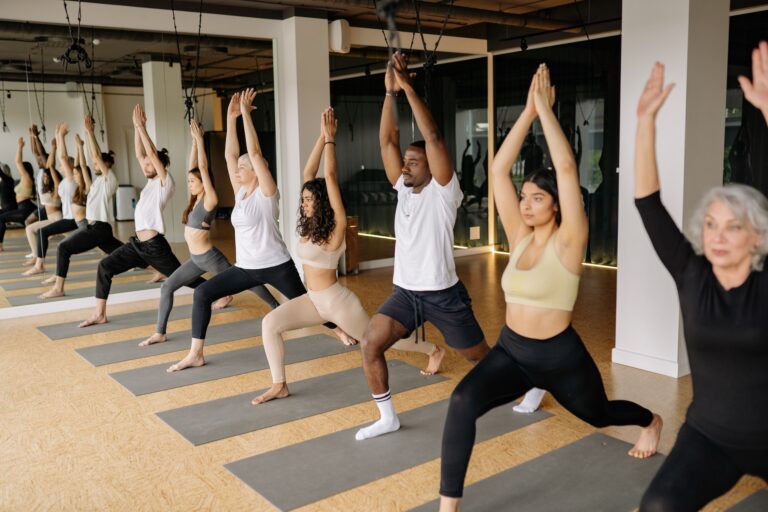
Yoga is an ancient Indian practice that harmonizes the mind, body, and spirit through a combination of physical postures, breath control, and meditation. For older adults looking to enhance their vibrant living experience, yoga offers numerous benefits, including increased flexibility, strength, balance, and relaxation. Yoga also fosters mental and emotional well-being by promoting mindfulness and stress reduction. By offering various styles and modifications, individuals can tailor their yoga practice to their needs and abilities, empowering them to explore their personal growth journey. Through this exploration, Yoga becomes not just a physical exercise, but a spiritual practice that allows older adults to connect with their inner selves and the world around them.

Qigong

Qigong is a Chinese healing art that integrates physical postures, breathing techniques, and focused intention to cultivate and balance the body’s vital energy, or “qi.” This gentle practice can greatly benefit older adults by enhancing overall health, reducing stress, and improving balance and coordination, all of which contribute to a more vibrant lifestyle. Additionally, Qigong promotes mental clarity and emotional stability, providing a sense of harmony and interconnectedness with the self and the world. As a spiritual practice, Qigong offers a holistic approach to wellness, empowering older adults to lead more fulfilling and purposeful lives.

Local community centers, gyms, and studios often provide tailored classes for older adults to learn and practice mindful movement disciplines. For those who prefer learning at home, numerous online resources, such as instructional videos and virtual classes, are available on platforms like YouTube and Google. Public libraries and bookstores also offer books and DVDs for various skill levels and abilities. By exploring these resources, older adults can seamlessly incorporate mindful movement into their vibrant daily lives.

Embracing mindful movement practices like Tai Chi, Yoga, and Qigong offers older adults a wealth of physical, mental, and emotional benefits, contributing to a vibrant and fulfilling life. With numerous resources available, there’s no better time to explore these spiritual practices and enhance wellness, empowerment, and personal growth. 

› Back to top
« back
04.27.23 | Sage Advice®

The Power of Saying “No!” Set Your Boundaries, Find Your Balance

At Sage, we recognize that achieving a balanced and gratifying life is essential for the well-being and happiness of older adults. One crucial life skill that often goes unnoticed is the ability to say “no.” In today’s blog post, we’ll delve into the significance of setting boundaries by learning when and how to say “no,” and how doing so can contribute to a more harmonious and enriching life experience.

Saying “no” is a critical aspect of establishing healthy boundaries and maintaining control over our lives and when we inversely say “yes” to everything, we can become overwhelmed, stressed, and ultimately worn out. But, by learning to say “no” when necessary, we can prioritize our well-being, concentrate on what genuinely matters, and create a more balanced, satisfying life. Time is our most precious resource on Earth, and as we age, it becomes even more valuable. By saying “no” to activities, events, or obligations that don’t align with our priorities, we can safeguard our time and energy for the things that truly matter to us such as our passions, relationships, and personal growth.

Our emotional well-being can be just as crucial as our physical health, and setting boundaries by saying “no” can play a vital role in maintaining emotional equilibrium. When we take on too much or agree to things that don’t resonate with our values, we can feel resentful, stressed, and emotionally overstimulated. By asserting ourselves and declining requests that don’t align with our needs, we can protect our emotional well-being and create a more harmonious life.

Saying “no” can also contribute to healthier, more balanced relationships. When we set clear boundaries and communicate our needs effectively, we create an environment of mutual respect and understanding. This can lead to more meaningful connections and help prevent feelings of resentment or being taken for granted. It can also be an essential part of personal growth. When we set boundaries and prioritize our own needs, we can develop a stronger sense of self-worth and confidence. 

Through a comprehensive approach to wellness, we’re dedicated to helping older adults achieve a balanced and gratifying life. Our programs and services focus on fostering personal growth, emotional well-being, and strong social connections by providing a supportive and nurturing environment that precisely empowers our residents to develop the skills and confidence needed to set healthy boundaries and lead a more balanced, rewarding life.

› Back to top
« back
03.30.23 | Sage Advice®

The Importance of Caring for Each Other

In today’s fast-paced, highly connected world, it’s easy to get caught up in our own lives and forget about the well-being of others around us. At Sage, taking the time to care for each other is not only a moral obligation; it’s also essential for our own well-being and the health of our communities. Together, we’ll explore why we should all care for each other and how doing so can lead to a happier, more fulfilling life.

The Science Behind Caring

Research has shown that caring for others can have a positive impact on our mental and physical health. Studies have demonstrated that those who engage in acts of kindness and support for others experience lower levels of stress, increased happiness, and even a boost in their immune system. This phenomenon, otherwise known as “helper’s high,” has been linked to the release of feel-good hormones like oxytocin and endorphins. When we care for others, we also nurture our sense of belonging and strengthen social connections. Strong relationships contribute to better mental health and a longer life expectancy, as they provide support during difficult times and create a sense of security.

Empathy: A Powerful Tool for Connection

Empathy is the ability to understand and share the feelings of others. It’s a powerful tool that helps us connect with those around us and allows us to see things from their perspective. Empathy not only helps in forming deeper connections but also fosters a more compassionate and caring society. 

One way to cultivate empathy is to become a better listener. By actively listening to others, we can better understand their needs, emotions, and experiences. To improve your listening skills, check out this guide on How to Become a Better Listener.

Small Acts with Big Impact

Caring for each other doesn’t always require grand gestures. Small acts of kindness, like offering a helping hand, listening to someone’s concerns, or simply smiling at a stranger, can have a profound impact on others. Whenever someone you know is going through tough times it’s important that you reach out. By “paying it forward” through simple gestures of kindness, we can brighten someone’s day, help them feel less alone, and build spaces where people feel heard. 

Self-Care: The Foundation of Caring for Others

In order to effectively care for others, we must first take care of ourselves. Practicing self-care ensures that we have the energy, mental clarity, and emotional resilience required to support those around us. Taking care of yourself involves prioritizing your physical health by eating well, exercising, and getting enough sleep. It also involves giving yourself permission to take a break when needed, cultivating a support network of friends and loved ones, and setting boundaries when necessary to maintain a healthy balance between personal and professional life .

The Power of Caring for Each Other

Caring for each other has the potential to transform our lives, our relationships, and our communities. By practicing empathy, engaging in acts of kindness, and prioritizing self-care, we can create a world in which everyone feels supported, valued, and connected. Ultimately, when we care for one another, we not only improve our own well-being but also contribute to the greater good. So, let’s embrace the power of caring for each other and make it a priority in our daily lives. By doing so, we can foster a more vibrant, understanding, and united world, where everyone can thrive.


Caring For Each Other
› Back to top
« back
03.16.23 | Community

The Benefits of Music When Aging

Typically those who seek to firm up their body, and become stronger typically head to the gym. If you want to exercise your mind, listen to music. There are few things that stimulate the brain like music does and this is why it’s so great throughout the aging process. Research has shown that listening to music can reduce anxiety, pain, blood pressure, as well as improve sleep quality, mood, mental alertness, and memory. So how is all of this possible? Simply put, vibrations.

A Brain Rattling Connection

Experts are still trying to understand how exactly our brains turn sound into music. Their current consensus — a stereo system puts out vibrations that travel through the air and reach the ear canal. Those vibrations tickle the eardrum and are transmitted into an electrical signal that travels through the auditory nerve to the brain stem. Assembled. Then transformed into what we know as — music.

Music is actually very mathematically structured, some may even say architectural in how a song is constructed, it’s built from the relationship between one note to the next and although you aren’t aware of it, it takes a lot of brain work to process it.

Musical Benefits

Interesting research aside, listening to your favorite song provides some very intriguing brain benefits you should be aware of and that will keep you feeling youthful. 

Music can form part of the treatment for conditions such as Alzheimer’s disease and other forms of dementia. It has also been scientifically proven to lower cortisol, the stress hormone. And increase dopamine, the reward hormone, which can help to elevate your mood. The part of the brain called the amygdala is responsible for processing the sounds we hear, along with our mood and emotions.

Listen to what your grandchildren are listening to, experts suggest. We know it can be intimidating when we tend to stick to our usual music library built in our 20s. But new music challenges the brain in a way that old music doesn’t. It might not feel pleasurable at first, but that unfamiliarity forces the brain to understand the new sound, creating neuron connections in the brain that are both new and revitalized!

Lastly, pay attention to how your body reacts to different forms of music. What helps one person concentrate might be distracting to someone else. And what helps one person unwind might make another person jumpy. Music is ultimately meant to be enjoyed alone or with others, to make us feel every emotion there is, and to help live a more youthful vibrant life!

Music
› Back to top
« back
03.02.23 | Sage Advice®

The Healing Properties and Benefits of Crocheting

Let’s be real, arts and crafts are more than just a fun pastime. They are truly healing and restorative acts and in many cases, therapeutic. In fact, the health benefits from crocheting (and knitting) are numerous! These health benefits range from simply calming you down and easing your stress — to potentially relieving depression and reducing the risk of Alzheimer’s disease. Crocheting doesn’t just help you if you’re the one who’s sick. It helps those around you, your friends and family that help you, love you, and support you. 

Helps With Insomnia

Believe it or not, crocheting helps with insomnia. By focusing on something that’s soothing, you can calm your mind and body enough to help you fall asleep. So the next time you’re tossing and turning in the middle of the night, don’t get frustrated, just pick up your sticks and get to work!

Stress Relief

It should come as no surprise that picking up your crochet hooks and some yarn are a step towards relaxation. By focusing on something other than our thoughts, the repetitive motions you make along with the individual stitches you create leaves you feeling stress free and fulfilled. Especially knowing that you’ve created something special for a family member, significant other, or friend.

Helping Ease Depression

According to this article by Healthline, it’s been scientifically proven that doing the things we enjoy releases dopamine, a chemical responsible for “feel good” or “happy” emotions. This in-turn functions much like an antidepressant. Crafts like crocheting can stimulate that dopamine release to allow us to feel happier and better about ourselves.

Taking Control of Your Life

Lastly, the act of crocheting helps you take control of your life. Whether you feel helpless as a caregiver watching someone struggle or you’re the one struggling with your own illness or problems. Crocheting is a way to put the control back into your own hands – literally. By choosing to craft, you are in full control of everything. From the type of project you’ll be making, the color and type of yarn, all the way down to the type of crochet hooks you work with. And that’s what makes the difference in feeling like you have a say again. 


› Back to top
« back
02.23.23 | Health & Wellness

Habit Making: Finding Fun

Not all things are ‘fun and games’…Or are they? Well, it depends on who you ask. One person might enjoy mountain biking down steep slopes, while another might find falling to their impending doom — i.e. bungee cord jumping — fun because of the risk involved. That isn’t to say that all fun warrants some kind of risk, because that would be further from the truth. So when we strip away the performative act involved with the idiom of ‘having fun,’ how do we instead — find it?

True fun begins with having your basic needs met. It then becomes a choice when we give ourselves permission to stop judging ourselves — giving us the ability to walk away with energy that will buoy us up long after the music has stopped, the book is finished, and the movie credits have started to roll. Finding fun doesn’t have to mean searching for it on a vacation, or within things and other people. It can be summed up as the embodiment of three things: playfulness, connection, and flow.

Playfulness

Playfulness isn’t about the act of playing as much as it is about the act of embracing freedom and lightheartedness. It means letting go of the idea that the moment has to be right or that you have to achieve something for you to play and find fun. 

Connection

Finding fun involves having a connection with the activity you’re doing. Perhaps it’s a physical activity that involves other people such as swimming, basketball, or tennis. It could even be a mental activity such as reading, or writing that you do by yourself. If the connection is clear, so is your journey to establishing what fun means to you.

Flow

Flow is the last piece to finding fun, it’s the feeling you have when you’re totally immersed in your activity. Sometimes you may even lose track of time doing it. All things are fun and games depending on the framing of an individual’s own fun. In order to establish a life purpose, and to engage more with yourself and live a fulfilling life you must be willing to embrace freedom, make your connections clear, and allow yourself to flow effortlessly from one fun activity to another!

Old Couple
› Back to top
« back
02.16.23 | Health & Wellness

Overstimulation: How to Shut Out the Noise

Think back to a time when your heart was racing, and your senses were in disarray. Where your mind, body, and spirit were being swallowed by a dark torrent that refused to let go. You probably asked yourself, “what’s happening to me?” The peace you carried as you were running errands, working out, or simply walking was no longer present and neither — were you. That’s what overstimulation — in other words, sensory overload feels like, and we’re going to show you how to shut out the noise.

Sensory overload is when one or many of your senses become overstimulated. This overstimulation happens because of stressful external stimuli in your environment. Think of it as your brain trying to juggle everything all at once. Two results can happen: your brain can keep juggling until it no longer feels the need to hold onto the extra mumbo-jumbo of the day. Or it can inevitably drop everything forcefully — leaving you exhausted. 

Seek Help

One of the first things to do is to seek help from a professional. Many qualified psychologists and occupational therapists have experience treating overstimulation. Techniques like behavioral therapy, and sensory integration help patients engage with the world around them, learning healthy long-term coping mechanisms. 

Self Care

Self-care is another extremely important facet of our daily lives when it comes to managing stress. It’s ingrained into much of what we do here at Sage Collective and is vital to our Vibrant Living model. Give yourself permission, and time to rest and recharge. This means setting boundaries, putting down the phone, remote, or laptop and finding something else to redirect your time and attention towards. 

Mindful Breathing

Practice mindful breathing, scientific studies have shown that mindful breathing techniques can reduce stress and promote physical and mental well-being. Breathing essentially acts as an anchor that will keep you rooted in place against the aforementioned torrent. Finding the time to stop and take a few breaths has also been proven to release endorphins from the brain to promote a sense of relaxation and calm, give us more energy, release muscle tension and decrease pain.

We urge you to continue to find coping mechanisms and ways to restore balance in this fast-paced world, ones that you’re most comfortable with and can maintain for the long-term. Your inner peace is vital to leading a healthy and vibrant life, one that is full of purpose, and engagement.  

At peace
› Back to top
« back
02.02.23 | Mental Wellbeing

National Self-Check Month: Checking Yourself Out

Oftentimes, we hear the stories behind what it feels like to lose someone, the whirlwind of emotions like pain, guilt, even the anger we associate with that loss. But what if the person lying on the table were you? Would you have second thoughts? Would you ask yourself, “What could ‘I’ have done better?” If so, then it may be time to start taking care of yourself more, and we’ll show you how.

Checking

Today we generally hear a lot about “self love” and taking the time to commit a piece of our lives to “self care.” What we don’t often hear about is the practice of Self-Checking. This is considered the umbrella term for self love and self care, just with more emphasis on physical awareness and wellbeing. 

Yourself

This means finding some time today to ask yourself important questions like, “Is there pain anywhere on my body?”, “How do I feel currently?”, and “Is there anything out of place?” (Hopefully it’s not an arm or a leg of course) Make sure to examine your body on a regular basis to ensure that you are healthy. Find your personal “normal” and if it at all looks different than the day before, you might need to make a visit to your personal physician. 

Your age, sex, family history, and lifestyle all have an impact on the self-checks you should be performing. Early detection of most cancers, heart problems, diabetes, and weight issues tend to be simpler to address and have better long-term outcomes when detected early. Many people don’t perform self checks because they think they don’t want to know if they’re sick, or believe that they are not at risk for disease. However, the earlier an issue is detected, the more likely a person is to get the treatment that can save their life.

Out

Consider the basic healthy lifestyle habits like, eating well, and getting regular exercise that will contribute immensely to your mind, body and soul. The 9 Vibrant Ways of Living will give you an outline to build these healthy habits.

Most people are familiar with the self-check for breast cancer, but self-checks don’t always mean a physical self-evaluation. Understanding your personal risks and knowing the warning signs that indicate you are not completely healthy are important. There are various cancers that you can be aware of to check for, as well as keeping an eye out for heart disease, diabetes, obesity, and other health issues that may run more deeply in your family than others. If you need help going through the self-check process, Selfchec is a great step-by-step guide to checking yourself out

› Back to top
« back
01.26.23 | Community

Control How You Maneuver Your Day With Ultradian Rhythms

Everyone feels the ups and downs of a day. There are typically moments when we’re energized and excited, but we also all have times when we feel stressed and fatigued. Because this is a regular occurrence for many of us, we don’t usually think about the cycle behind those emotions. Today, we’re spotlighting the science of ultradian rhythms and how you can use your body’s natural cycle to reduce burnout and boost productivity. 

What are ultradian rhythms?

While the term ultradian rhythm sounds complicated, the concept is quite simple! An ultradian rhythm, at its core, is a recurrent cycle that dictates how our bodies function daily. The word ultradian means “cycles in a day”, and rhythms apply to the up and down waves the cycles follow. And, like any other pattern or cycle our bodies follow, ultradian rhythms have a powerful effect on our body’s health and wellbeing, and when disrupted, they can affect more than we think. 

What a day might look like

Throughout the day, ultradian rhythm waves naturally move up and down, affecting performance, mood and everything in between. So, when your body tells you that you’re tired and distracted before noon, it’s doing the right thing! At this point, your ultradian rhythm is experiencing a trough and is telling you that you need to take a break. You may also experience an ultradian performance peak during the day, where your energy is the highest it will be throughout the day. 

Many of us learn that a day starts when we wake up, we go go go, and then the day ends, but in reality, the human body can’t function properly with that lifestyle. What we aren’t taught is that once we wake up, our bodies go through the same natural cycles every day, affecting everything we do. 

Start listening to your ultradian rhythm and learn that even when you’re feeling down or low-energy, it’s natural to take a break. So, whether you close your eyes and meditate or walk around the block, the less you ignore your body and the more you learn to understand it, the more vibrant your life will be.

› Back to top