« back
06.16.22 | Sage Advice®

Simple Ways You Can Expel Stress This Summer

As one of the pillars for our model of 9 Ways of Vibrant Living at Sage Collective, we believe stress reduction is crucial to living a vibrant life. And while stress is a normal component of life, our focus isn’t to eliminate it but rather to learn how to manage, control and minimize it. Today, we’re spotlighting four tools everyone can utilize this summer and throughout the year to reduce stress:

Get Outside

Spending time outdoors is one of the easiest ways to relieve stress throughout the summer. While sunshine is accessible year-round, summertime is when you can benefit the most from the vitamin D it supplies! Vitamin gain leads to stronger and healthier bones and boosts immune systems. Research has even found that exposing yourself to fresh air and natural light for as little as 15 minutes a day helps to decrease emotional distress. 

Spend Time With Friends and Family

Time outdoors isn’t the only thing you should be adding to your daily routine in the summer. Another way to assure less stress and anxiety is by spending more time with your friends and family. As the proverb goes, “it takes a village.” Community and safe spaces are extremely significant to our wellbeing, especially when going through a stressful time. So, setting aside time to spend with family and friends is a sure way to help you stay stress-free! 

Reflect on Your Day

Whether it’s prayer, meditation, or simply practicing gratitude, taking time to reflect on your day is another way you can expel stress. As little as ten minutes of any of those activities can leave a profound impact on how you view your days, even when you may be facing stress. Along with reflecting on your own, taking opportunities to practice acts of service is another powerful way to relieve stress while engaging with your community and building relationships!

Take a Nap

Naps aren’t reserved for just little kids and are much better for our health than many people realize. Along with being a great way to break up your day and provide a much-needed break, naps have been found to lower the risk of heart disease, increase the body’s energy and lower stress! Naps don’t have to be long either; studies show that the most beneficial nap length for our bodies is only 10 to 15 minutes.

Living with stress isn’t enjoyable for anyone, but once we utilize the correct techniques and tools, controlling and minimizing stress is much easier than it sounds.

› Back to top
« back
05.12.22 | Sage Advice®

Moderation is Key to a Healthier Life

Moderation is key. We’re sure you’ve heard that phrase at least a couple of times throughout your life. And although it may be bothersome at the moment, some truth exists behind the famous saying. Finding the middle ground between excess and frugality is difficult, but once found, living in moderation welcomes a healthy balance into life.  

The exercise of moderation looks different for everyone. One person may practice moderation within their life completely differently than someone else. It’s the way that you perceive moderation that is most important. 

Moderation is often immediately associated with following strict diets, losing weight, etc., but it involves much more than what many believe. The key to moderation is learning from your experience and applying that knowledge to your lifestyle. Sure, changing your diet to plant-based foods and being active daily is outstanding for your health and wellbeing, but that doesn’t necessarily mean you’re learning how to live in moderation on your own. 

In order to live a vibrant life, including those aspects of healthy living, is essential, but doing so with moderation in mind, so deprivation doesn’t occur, is critical. Just because you’re living a healthier lifestyle does not mean that you have to cut aspects of your life that might not traditionally be seen as ‘healthy’. Have a cookie and drink wine, but do so in moderation. 

Staying true to yourself and keeping mental health in mind is imperative when practicing moderation. Moderation is key, but not necessarily in the traditional way it’s viewed. Address your bad habits, uphold your good ones, and find the perfect balance between the two to be a better and healthier you!

› Back to top
« back
05.05.22 | Community

May is National Mental Health Awareness Month

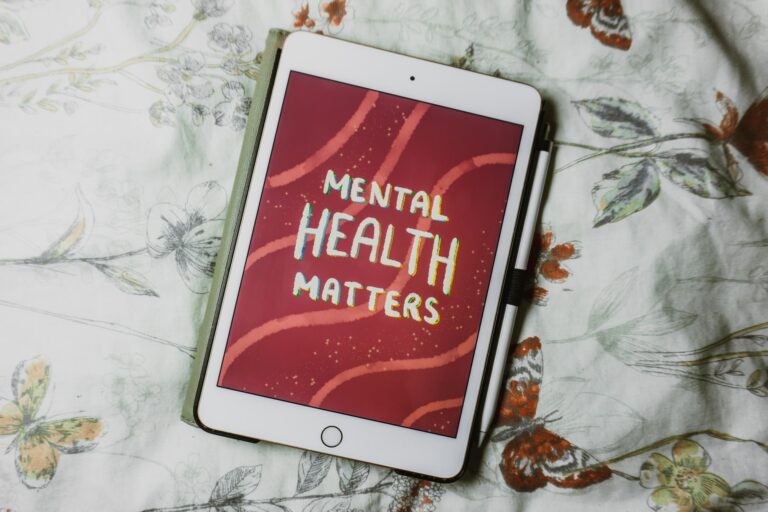
Every year, millions of people deal with the daily struggle of living with a mental illness. One in five adults in the United States live with a mental illness, and because they are so prevalent today, the spotlight is beginning to shift to explore just how society collectively can work together to setback the concerning numbers. 

Throughout May, we will be celebrating National Mental Health Awareness Month. First celebrated in 1949, Mental Health Awareness Month remains as significant as ever for a myriad of reasons. Mental illness often goes ignored unless tragedy strikes. This month-long observation helps shed a spotlight on the importance of caring for mental health and the weight of taking it just as seriously as any other disease. 

Not only is it critical to care for your own mental well-being, but also those around you. Regularly checking in on family, friends, and even neighbors can leave a profound impact on each of their lives. However, maintaining good mental health includes everything from your food choices and physical activity to your sleep schedule and stress management

By taking the initiative to care for yourself and your loved ones and being open to discussing mental health with others, the more normalized it will become, creating a healthier, more vibrant world. Although the stigma around mental health treatment still exists, thanks to celebrations like National Mental Health Awareness Month, more and more people are beginning to learn to be more open about their mental well-being. 

Because mental health is even less commonly discussed in adult communities, we encourage you to celebrate Mental Health Awareness Month and help pilot the movement for a healthier, more vibrant world where mental well-being is at our forefront.

› Back to top
« back
04.21.22 | Community

Creative vs. Critical Thinking

At Sage Collective, we champion our inspired model of 9 Ways of Vibrant living, and encourage everyone to discover new methods to help better their wellbeing. Today, we’re taking you back to Psych 101 to talk about the key differences between critical and creative thinking, why they’re both important, and ways you can practice both in your life to help you live more vibrantly: 

What Are Creative and Critical Thinking?

Understanding the difference between critical and creative thinking can be broken down simply this way: creative thinking is approaching problems or situations in new ways and with a new perspective, whereas critical thinking is using logic to analyze a situation in order to make an informed decision. Essentially, creative thinking is more subjective (influenced by feelings) whereas critical thinking is more objective (influenced by logic). Both are important when decision-making, so let’s explore some of the reasons why. 

Why Are They Important?

As we’ve discussed in previous blogs, creativity – particularly for adults – can lead to a happier, healthier lifestyle. The same rings true for thinking creatively! Brainstorming new solutions and exploring new ideas are imperative for older adults because it helps provide a sense of self that is innovative and capable. The goal with creative thinking is to have an open mind and to approach situations with diverse perspectives. As for critical thinking, it’s equally important to approach situations constructively and logically, but it is the synergy of both thinking patterns working together that makes us great problem solvers. 

How to Improve Creative and Critical Thinking Skills:

To improve critical thinking skills, when you’re problem-solving, make a list of facts and then cause and effects. This will help you logically analyze outcomes, and come to a decision that way. To think more creatively, try asking yourself: what other considerations are there in this situation? What perspective could I be missing? An easy way to practice this is by brainstorming with another person– hearing a different perspective may inspire you to think of others as well, and is great practice for when you’re alone.

› Back to top
« back
02.10.22 | Arts & Culture

5 Podcasts to Help You Start the Year off Great

With the new year comes a plethora of rich podcasts for audiences to dive into. As our Vibrant Learning Program with Chicago Commons continues to explore the affordances of modern technology, we wanted to share a few tips of our own. Last autumn, we spotlighted five of our favorite podcasts at the time, and today, we’re spotlighting five more that are sure to bring you joy and an excess of knowledge throughout the year:

Hidden Brain

Hidden Brains

Hidden Brains prides itself on being “a conversation about life’s unseen patterns”. Each week, the stimulating show explores deep questions that lay at the heart of the changing world to help listenings not only better understand their surroundings but also themselves. Episodes range from discussions on the psychology of self-doubt, working from home, difficulties of apologizing and everything in between. Archived episodes of the beloved podcast can be found on NPR, and new episodes can be found on Spotify, Apple Podcasts and more. 

Reply All 

For some of us, the internet is an unexplored world and for others, it’s a comforting tool. And while those audiences seem distant, Reply All provides a perfect place for everyone – novice or expert – to listen and learn. The tech podcast does an amazing job of exploring stories involving complex technologies in accessible ways, explaining what they are talking about as they go. Previous episodes have included investigating online scams to the best accounts you should follow on various social media platforms. You can listen to Reply All on Spotify, Apple Podcasts and more.  

Grief Cast

While a podcast all about the process of grief might not sound fun, Grief Cast explores themes hard to find anywhere else in the podcast world. Cariad Lloyd, the podcast’s host, brings a new comedian guest to the show each week, which helps transform the discussion into a dark comedy at times. Wandering through discussions of grief, loss, and the “weirdness that happens when someone passes”, Grief Cast is a perfect podcast for anyone looking to feel a little better during a hard time. You can listen to the podcast on Spotify, Apple Podcasts and more. 

How to Fail With Elizabeth Day

With so many podcasts filled with stories of success, it’s sometimes just nice to hear how some people’s failures led to a larger impact than their largest success. How to Fail With Elizabeth Day provides just that; Day shares her platform to interview a variety of guests on how their failures have shaped who they have become today. The inspiring, comforting and relatable podcast showcases just how when we think we’ve hit rock bottom, there is always a way up. You can find the podcast on Spotify, Apple Podcasts and more. 

The Daily

Known as one of the most popular podcasts around, The Daily covers all you need to know about world news in less than 20 minutes. The New York Times produced podcast covers one in-depth news story each weekday. Michael Barbaro, journalist and the host of the show, provides listeners with the top story of the day paired with guests that include Maggie Haberman and Glenn Thrush, other acclaimed journalists. The archived episodes are easy to explore for listeners, and there are many ways to listen, including on Apple Podcasts, Amazon Echo or simply from The New York Time’s Website.  

While podcasts may be an unknown area for many, the audio stories afford amazing resources, tools and manners of entertainment for both newcomers and natives alike. You can listen to each of the podcasts on their websites, Spotify, Apple Music, Amazon Music or Google Podcasts. 

› Back to top
« back
01.27.22 | Sage Advice®

How Volunteering Can Combat Loneliness and Other Health Issues

Loneliness is a complex topic we’ve only discussed loosely at Sage Collective. Now more than ever, due to various negative circumstances, everyone is feeling the effects of being lonely. With various precautions and protocols limiting interaction still prevalent throughout the nation, many are searching for new opportunities that will fulfill a vital need for communication and synergy. Today, we’re exploring how volunteering and simple acts of kindness towards others can reverse loneliness. 

Beyond the obvious fact that you may find yourself interacting with more individuals in person or virtually through volunteer work, the act of being kind towards others has the power to improve our health in various ways. 

Surrounding yourself with individuals who also care about helping others, especially through turbulent times, helps broaden social networks and even has the ability to broaden world views and inspire purpose, especially in adults. In a recent study conducted in Britain, more than two-thirds of volunteer participants found that they felt less isolated and lonesome.

Along with increasing sociability and spirits, assisting others helps improve physical and mental well-being. A more native study conducted in Detroit found that even while still encountering the stressful events that many of us confront every day, those who spent time helping others through activities like running errands, performing housework or childcare experienced a positive buffer against everyday stressors and ultimately lived longer. 

There are endless ways you can spend time volunteering on both the local and national levels. At a local level, civic groups, service clubs and faith organizations are the perfect place to start your search for lending a hand. Conversely, websites like VolunteerMatch and Engage offer visitors a variety of options to volunteer around them based on their interests and experience.

Next time you’re feeling isolated or in need of socialization, explore different ways in which you can aid your community or look bigger and discover an organization in need of volunteers. Who knows, along with gaining a few new friends, you might learn something new about yourself you didn’t before.

› Back to top
« back
01.06.22 | Mental Wellbeing

Health Benefits of Natural Light

For many of us, winter can be tough on our bodies, so the cold weather encourages us to shelter indoors. You’ll often hear from doctors and medical professionals the importance of Vitamin D in our lives throughout this season especially. Today, we’re highlighting the importance natural light plays in our lives and the significant benefits it can provide to us, especially during the winter: 

Improves Physical Health

There are a slew of health benefits you receive from catching some sunny rays. Spending time in natural light ups your Vitamin D level, also known as the sunshine vitamin. Appropriate levels of Vitamin D support your immune system as well as promote muscle and bone growth, as well as can help prevent depression, heart disease, and even some cancers!

Improves Productivity and Mindset

The more time you spend in the sun, the more you may notice your productivity going up. Studies have shown that there are strong links between natural light and daily productivity. Also, as mentioned earlier, natural light works to keep your mood lighter, actively working to prevent mental illnesses like Seasonal Affective Disorder and depression. All in all, natural light can truly help improve all aspects of life – whether it be mental or physical, natural light improves your general wellbeing! 

Ways to Find More Natural Light

Of course, the best way to improve your intake of natural light is by going outdoors. However, there are some adjustments you can make in your home to give yourself that sunny, natural feel. Mirrors and reflective metals can be your best friends! Things like reflective tiles, silver picture frames and glass chandeliers are going to reflect light in your home beautifully. Pair these things with a light color scheme–like white tones and light colors–in your home to maximize the amount of natural light you receive. 

At Sage Collective, we believe in the power of vibrant living. One of the best ways you can live vibrantly and boost your health this winter season is by providing yourself with as much natural light as possible.

A woman with headphones touches a green plant outdoors.
› Back to top
« back
12.09.21 | Health & Wellness

The Power of Music

There are many ways older adults can keep their minds sharp as they age, including scrapbooking, mentoring or even owning a pet. However, one of the most significant ways to actively exercise the brain is simply by listening to music. Many of us will play our favorite song or put background music on without any thought, but the melodic sounds have the power to stimulate our brains unlike anything else. 

Music and The Brain

If you’re seeking to retain your brain’s powerhouse abilities with age, John Hopkins Medicine affirms that listening to or playing music is an extremely powerful tool in doing so. What many don’t understand is that when we listen to music, mathematical puzzles are simultaneously being performed in our heads. With each note that passes through our ears, our brain toils to compute how it connects to each previous sound.

The unique tool can help assist in gathering memories that have felt lost in time. Sometimes a specific song will have the power to transport you to a specific moment in history; that’s because studies have discovered that music has the power to attract itself to memories, and with that, improve cognitive skills, and recognition and working memory. 

Engaging with music frequently has the ability to retrieve forgotten memories for older adults living with diseases contributing to memory loss and reduce anxiety, depression and pain in those who are battling other disabilities, like PTSD. 

The Intersection of Music and Medicine

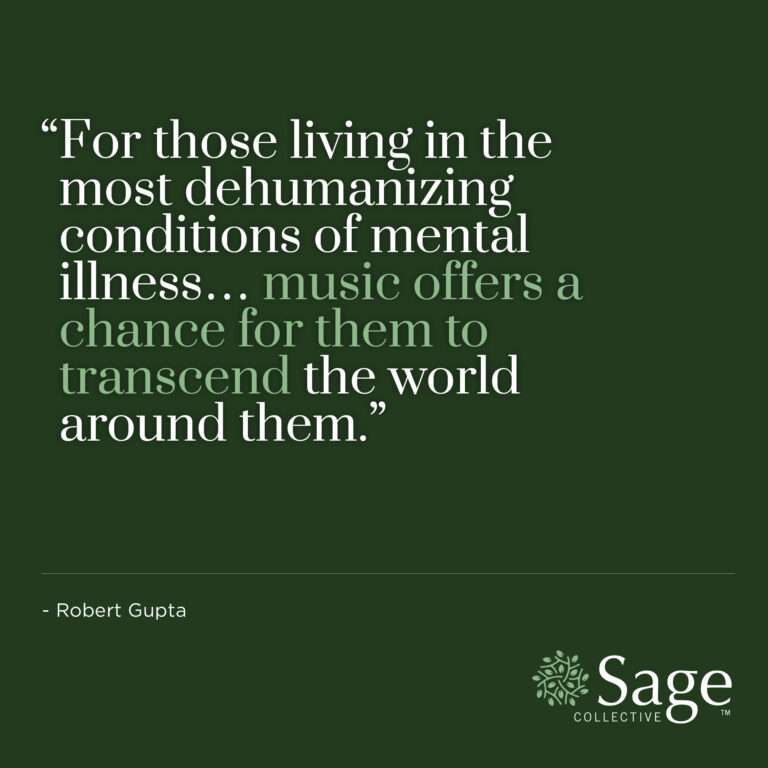
Experts are continuously trying to understand where music fits in with medical treatment. Robert Gupta, violinist and social justice activist, has been a chameleon in both the music and medical industry nearly his whole life. Now, after realizing he can be involved in both of his passions, Gupta is finally understanding the sheer power music has in succeeding in areas where traditional western medicine isn’t able to reach, especially for vulnerable communities. Explore more in Gupta’s TED Talk here: 


Instilling Music in Your Life

Although the easiest way to integrate music into your life is by simply pressing play on your favorite album, there are numerous other ways you can reap its benefits at home and within your community. Attending concerts and musicals, in person or through a virtual environment like your television, are perfect ways to stimulate your brain while entertaining everyone in the room. 

While listening to music is just one of the ways you can engage with the effective tool, playing an instrument and singing produces even more marvel responses. Music groups are excellent ways to enjoy the sounds of music while also engaging with those around you in meaningful ways. They can be found anywhere from community-organized troops to the choir at your local church.

› Back to top
« back
11.30.21 | Sage Advice®

How Spirituality and Religious Involvement Can Help You Age Better

With aging comes many difficulties and moments of emotional turbulence, leaving some to believe they are alone on their journey. However, the aging process also introduces many people to new hobbies, fulfilling purposes and other approaches to life that they had never experienced before. Vibrant living is always at the forefront of our vision at Sage Collective, and one chief aspect of our inspired model is engagement in spirituality and religion. Today, we’re the significant impact that spiritual and religious involvement can have on the aging process.

Sometimes as you age, a sense of community and support is all you need. Churches, and other places of worship, are hubs for mutual respect and are the perfect places to discover connections, engage in thoughtful discussion and participate in meaningful action. 

Despite the anxieties that come with aging, like increased loneliness and isolation, religious attendance has been found to establish a stronger feeling of community support. A recent study published by Geriatrics Journal found that religion and spirituality played a variety of roles in the lives of older adults who participated in them, including strengthening emotional connections and enhancing feelings of comfort and hope during hard times. 

Because religious and spiritual institutions often encourage connecting with those around you, they are one of the best ways for older adults to immerse themselves in a supportive social network and embrace vibrant living. Many religious institutions practice a “door’s always open” policy and will gladly welcome anyone who walks through their entrance. 

Because of these uplifting benefits and more, we encourage you to explore your community and discover a faith of your own if you haven’t already. And no matter the religion, we’re sure that a vibrant community full of love will welcome you with open arms and help produce essential support that will lead to better aging. 

› Back to top
« back
11.18.21 | Sage Advice®

How to Tackle the Winter Blues

Winter’s frigid months, when sunshine is scarce and snow piles accumulate, can be daunting, leaving many — particularly older adults — feeling as though stepping outside is a chore. At Sage Collective, we recognize the hardships that come with the long winter days and believe that with preparation, anyone can traverse the burdens of winter with relative ease. So, even as winter takes over in the upcoming months, you can meet the blues it might spawn, head-on. 

The simplest way to get through the seemingly never-ending winter months is by centering your focus on your wellbeing, introducing various self-care principles into your life and staying mindful of what makes you happy. 

Secure Nutrients

Nutrients are critical to thriving during winter, and while bleak, the outdoors produces several essential benefits. Natural light provides significant benefits to our bodies that we lack during winter, including vitamin D, which reduces the risk of heart disease and prevents bone loss, and produces mood boosters like serotonin and endorphins. While natural light can be easily accessible from windows, it’s even more beneficial to immerse yourself in the outdoors, and embrace the fresh air.

While you’re outside, a walk around your block or to the grocery store is also a great way to combat the winter blues. Frequent physical activity helps create a routine, and as your body moves, the hormones released by your body and vitamins you receive from the sun help stabilize emotions and build spirits. 

Because the outdoors can be such a brisk environment, having options to be active in indoor environments is a necessity. Programs like SilverSneakers make it easy for qualified older adults to go to gyms and participate in online or in person fitness classes at no cost. Around Bronzeville, gyms participating with SilverSneakers include La Fitness and Planet Fitness. Local YMCA’s are another great option for anyone searching to keep their fitness routine active in the winter.

Feed Your Soul

Nurturing your body certainly helps get through some aspects of winter, but your soul’s wellbeing is equally important. It’s essential to find bliss through activities and hobbies you’re passionate about during winter. Sit next to a warm fire and immerse yourself in a new book; tune into a podcast and explore new topics; put pen to paper and share your feelings in a journal, or document cherished memories in a scrapbook.

If you can, take a trip. Midwesterners know best that venturing to a different climate or part of the country can give you a real boost during the winter months. Whether you make it a road trip to Florida or take a plane to Cancún, vibrant sunlight and cloudless skies never disappoint. Weekend and day trips are another great way to feed the soul, especially considering Chicago’s perfect location for getaways that take you in virtually any direction. 

Most importantly, don’t shy away from spending some extra time with your family and friends during winter. Loved ones are the perfect remedy for the winter blues and often can kick us out of mental slumps. 

As the winter season approaches, start preparing for what lies ahead and armed with a good attitude and a toolkit for beating the winter blues, consider placing a spotlight on your wellbeing.

› Back to top