« back
12.25.24 | Health & Wellness

Looking Back and Moving Forward: Sage Collective® in 2025

At Sage Collective®, 2024 has been a year of growth, preparation, and refining our approach to fostering vibrant living among older African Americans and their families. Over the past year, our team has worked diligently to develop impactful programming, build meaningful partnerships, and craft strategies to address the challenges faced by our community. From expanding content for the Sage Advice® blog to engaging with instructors and creating engaging YouTube videos, every step has brought us closer to achieving our mission.

As we reflect on the year and look forward, we recognize the importance that flexibility and strategic planning continue to play in our work, as we prepare to launch our Caregiver Support Program in January 2025 to align with the expansion of our Vibrant Learning Program. This unified approach maximizes our marketing resources while strengthening our outreach efforts to faith-based organizations — a cornerstone of our engagement strategy. Together, these programs address the needs of older African Americans and their caregivers, fostering intergenerational support, education, and empowerment.

Let’s dive deeper.

The Vibrant Learning Program is a technology-based initiative aimed at combating social isolation among older adults. Through weekly virtual classes, participants are equipped with tools to stay connected, engaged, and empowered. Whether it’s learning new skills, engaging in wellness activities, or participating in interactive discussions, these sessions are designed to enhance both mental and social well-being.

The Caregiver Support Program provides critical resources, knowledge, and emotional support to caregivers, who often balance the needs of older loved ones with other responsibilities. Through monthly workshops, a robust online resource library, and support networks, the program empowers caregivers to navigate the complexities of caregiving while prioritizing their own health and well-being.

Strengthening Community Connections
Building on the success of our collaboration with Chicago Commons and other Adult Day Services (ADS) programs, Sage Collective is deepening its reach within underserved communities. By integrating ADS clients and their caregivers into our programming, we aim to create a more cohesive and supportive environment that benefits both groups.

Faith-based organizations continue to play a vital role in our outreach strategy. Starting in January 2025, we will engage African American churches with strong senior ministries, inviting their members to join our programs. These efforts will be supported by in-person visits, bulletins, social media promotions, and a centralized registration process on the Sage Collective website.

Additionally, our Caregiver Support page is now live, offering a centralized hub for workshops, events, and resources. This page will be continuously updated with links to reliable articles, tools, and a monthly newsletter to keep participants engaged and informed between workshops.

A Clear Vision for 2025
As we step into 2025, Sage Collective is committed to fostering environments where older African Americans and their caregivers can thrive. By uniting our Vibrant Learning and Caregiver Support programs, we aim to address the holistic needs of families, from combating social isolation to providing essential caregiving resources.

Through strategic partnerships, innovative programming, and a steadfast focus on community engagement, Sage Collective will continue to build a future rooted in vibrant living, intergenerational support, and meaningful connections. We invite you to join us on this journey as we expand our impact and embrace the opportunities that lie ahead. Together, we can create a brighter, healthier future for our community.

Credit: epSos.de on Wikimedia Commons, licensed under the Creative Commons Attribution 2.0 Generic license.
› Back to top
« back
12.19.24 | Spirituality & Religion

A Guide to Enjoying the Holiday Season for Older African Americans

The holiday season is a time of connection, gratitude, and celebration, yet it can also bring its share of stress, especially for older adults navigating changes in family dynamics or personal circumstances. For older African Americans, this time of year offers a unique opportunity to reflect on cultural traditions, create new memories, and nurture well-being. At Sage Collective®, we believe the holidays should be a time to embrace joy, community, and vibrant living. Here’s how to make the most of the upcoming season.

Celebrate Cultural and Family Traditions
The holiday season is an ideal time to honor and celebrate cultural traditions that have been passed down through generations. Whether it’s preparing a favorite family dish, singing spirituals, or gathering for storytelling, these practices create a deep sense of connection and belonging. For African American families, this could mean incorporating elements of Kwanzaa, which emphasizes principles like unity, creativity, and collective work. Sharing these traditions with younger generations ensures that cultural heritage remains alive and thriving.

Consider hosting a family gathering where everyone brings a story, photograph, or recipe to share. These moments not only strengthen bonds but also remind everyone of the rich history and resilience within the African American community.

Stay Connected with Loved Ones
The holidays are a wonderful time to nurture relationships, but they can also feel lonely for those who are isolated or far from family. Make an effort to stay connected through phone calls, video chats, or even holiday cards. Organizing small gatherings with friends, church members, or neighbors can also bring joy and companionship.

For those with mobility challenges or living alone, participating in community events, such as local holiday concerts or senior center activities, is a great way to engage with others. Sage Collective encourages older adults to seek out opportunities for intergenerational interaction, which brings energy and a sense of purpose to the holiday season.

Prioritize Health and Well-Being
The hustle and bustle of the holidays can sometimes lead to neglecting physical and emotional health. Maintain a balanced diet, even amidst tempting holiday treats, by enjoying favorite foods in moderation and incorporating nutritious dishes into celebrations. For instance, roasted vegetables, lean proteins, and whole-grain sides can complement traditional favorites.

Regular physical activity is also important. A winter walk, a gentle stretching session, or even dancing to holiday music can help maintain energy and reduce stress. Don’t forget to prioritize mental health by practicing mindfulness, prayer, or meditation during this busy season. These moments of reflection can bring clarity and peace.

Practice Gratitude and Generosity
The holidays are a time for giving, and acts of generosity can be deeply fulfilling. Volunteering at a local food pantry, donating to a community organization, or mentoring younger generations are meaningful ways to give back. At Sage Collective, we emphasize the importance of gratitude, which not only enhances emotional well-being but also deepens our connections with others.

Consider starting a gratitude journal this season, jotting down small moments of joy or things you’re thankful for each day. Sharing these reflections with loved ones can create a ripple effect of positivity.

Simplify and Focus on What Matters
For many older adults, the pressure to meet holiday expectations can feel overwhelming. It’s important to simplify where possible, focusing on what truly brings joy. This might mean scaling back on gift-giving, opting for homemade or thoughtful alternatives, or delegating tasks like cooking or decorating to younger family members.

Remember, the heart of the holiday season lies in connection and meaning, not in material possessions. By letting go of perfectionism and embracing simplicity, you can fully enjoy the season without unnecessary stress.

Create New Traditions
As families evolve, creating new traditions can be a source of joy and excitement. This could be as simple as hosting an annual movie night, baking together, or volunteering as a family. These fresh traditions honor the past while adapting to the present, making the holidays special for everyone.

At Sage Collective®, we believe that the holiday season is a time to nurture the mind, body, and spirit. By embracing cultural traditions, fostering connections, prioritizing well-being, and practicing gratitude, older African Americans can experience a holiday season filled with joy, purpose, and vibrant living. Here’s to a season of warmth, celebration, and the creation of beautiful memories that last a lifetime.


Photo by Wout Vanacker on Unsplash
› Back to top
« back
12.05.24 | Community

Bird Watching: A Joyful Hobby

Bird watching, or “birding,” is an enriching and accessible hobby that allows individuals to connect with nature, engage their senses, and enjoy moments of reflection. For older African Americans, bird watching offers not only the chance to explore the outdoors but also opportunities for physical activity, mental stimulation, and social engagement.

At Sage Collective®, we emphasize vibrant living for older adults, encouraging activities that promote well-being on multiple levels. Bird watching, in its simplicity, encompasses many of these principles. Whether it’s a peaceful afternoon spent in the backyard, a trip to a local park, or a larger birding adventure, this hobby is suitable for individuals of all mobility levels, making it inclusive and adaptable.

Physical and Mental Benefits of Bird Watching
While bird watching is often seen as a relaxing and serene activity, it also encourages physical movement. Older adults who engage in birding may find themselves walking along nature trails, climbing gentle slopes, or simply standing and observing the environment. These small, low-impact movements contribute to better overall health, including cardiovascular fitness, balance, and flexibility—all essential for aging well.

Mentally, bird watching sharpens focus and heightens observation skills. Identifying different species, remembering bird calls, and noting migration patterns engage memory and cognitive functions. Studies show that engaging in activities that challenge the mind can help maintain cognitive health and even delay age-related cognitive decline. For older adults, bird watching offers an enjoyable way to exercise both body and mind.

Connecting with Nature and Culture
Bird watching also offers an opportunity to connect deeply with nature. For many older African Americans, particularly those who may live in urban environments, birding can be a way to reconnect with outdoor spaces, fostering peace and reflection. Nature is a powerful healer, and time spent observing birds in their natural habitat has been linked to reduced stress, enhanced mood, and a sense of calm. These moments of mindfulness can have profound effects on mental well-being.

Additionally, bird watching offers cultural significance, as African American environmentalists and naturalists have made impactful contributions to the field. Iconic figures like John James Audubon, though known for his artistic representations of birds, inspire many to celebrate their connection to nature. Birding can serve as a meaningful way to embrace these traditions and pass them down through generations.

Social Engagement and Community Building
Bird watching can be an individual activity, but it also fosters community. Many bird enthusiasts join local birding clubs or groups, attend bird-watching events, or travel together to explore new locations. These experiences provide opportunities for older African Americans to connect with like-minded individuals, fostering a sense of belonging and friendship.

For those new to bird watching, getting started is easy. All it takes is a simple pair of binoculars, a field guide, and a desire to observe the world around you. Birding apps and online communities also make it simple to identify birds, track sightings, and share experiences with others.

Bird Watching for Vibrant Living
At Sage Collective®, we advocate for vibrant living through activities that nourish the mind, body, and spirit. Bird watching offers a beautiful way for older African Americans to engage in a hobby that is inclusive, enriching, and deeply connected to nature. As a hobby, it promotes physical health, sharpens the mind, and builds social connections, all while allowing individuals to slow down and appreciate the simple beauty of the world around them.

So why not grab a pair of binoculars and take in the sights and sounds of the birds near you? It’s a simple, fulfilling way to explore vibrant living while connecting to the beauty and serenity of the natural world.

Public Domain image from Rawpixel, Creative Commons CC0 1.0 Universal Deed.
› Back to top
« back
11.14.24 | Health & Wellness

Honoring the Unsung Heroes: National Family Caregivers Month

Every November, National Family Caregivers Month shines a well-deserved spotlight on the millions of family members who selflessly devote their time, energy, and love to care for aging loved ones. Often balancing multiple roles, caregivers provide essential support to their family members, navigating complex healthcare systems, managing medications, and tending to the emotional well-being of their loved ones. For older African Americans, who may face unique cultural, social, and financial challenges in caregiving, this month serves as an important reminder of the resilience and dedication within the community—and the support caregivers need to sustain their efforts.

Family caregivers are the backbone of long-term care in the United States, providing an estimated $470 billion in unpaid services each year. For many, caregiving is not a choice but a duty born from love and family loyalty. However, the physical, emotional, and financial toll it takes can be overwhelming. As caregivers prioritize the health and happiness of their loved ones, they often neglect their own well-being. National Family Caregiver’s Month is an opportunity to acknowledge their sacrifices and advocate for resources and support that empower caregivers to thrive alongside those they care for.

The journey of caregiving comes with unique challenges, particularly for African American families, who are statistically more likely to provide care for extended family members. According to the National Alliance for Caregiving, African American caregivers often have fewer resources and face additional barriers, such as limited access to culturally competent healthcare and support services. In addition, these caregivers may be managing their own health concerns or financial stressors while caring for loved ones, making the need for community support and reliable resources all the more critical.

At Sage Collective®, we understand the importance of culturally relevant and accessible support for African American caregivers. For National Family Caregivers Month this year, we recognize the importance of resources that address specific community needs, such as culturally competent care, financial planning, and emotional wellness programs. Caregiving can feel isolating, but when caregivers have access to supportive networks and resources, they can manage their responsibilities with greater resilience and balance. Programs such as counseling, respite care, and caregiver support groups offer not only practical guidance but also a sense of community—an essential element for caregivers to feel seen, valued, and supported.

Beyond resources, raising awareness about the experiences of caregivers during this month helps foster empathy and understanding among the wider public. Caregiving is a journey often carried out behind closed doors, unseen by many. National Family Caregivers Month allows society to take a moment to recognize the vital role caregivers play, creating an opportunity to advocate for policies that support them. For example, workplace accommodations for caregivers, financial assistance programs, and expanded healthcare services can make a significant difference in alleviating some of the burdens they face.

National Family Caregivers Month also emphasizes the importance of self-care for caregivers. The long hours and emotional labor involved in caregiving can lead to burnout if caregivers are not given the time or tools to care for themselves. Self-care isn’t a luxury but a necessity. Caregivers who prioritize their health and well-being are better equipped to care for their loved ones over the long term. Sage Collective encourages caregivers to explore self-care practices such as regular breaks, mindfulness, and accessing mental health support to sustain their energy and compassion.

As we honor family caregivers this November, let’s remember that they, too, deserve compassion, support, and recognition. National Family Caregivers Month is a time for all of us to step up, advocating for the well-being of caregivers and offering our gratitude for their vital, often unseen work. At Sage Collective, we are dedicated to supporting these everyday heroes through resources, community engagement, and a commitment to vibrant, healthy living for both caregivers and their loved ones. Through collective efforts, we can ensure that caregivers feel valued and empowered, not just in November, but every day of the year.


Photo by Kampus Production: https://www.pexels.com/
› Back to top
« back
10.24.24 | Community

Exploring the Latest Trends in Blue Zones: A Guide to Longevity

The latest trends from Blue Zones emphasize the benefits of plant-based diets, accessible daily movement, stress management, and community support. At Sage Collective®, we see immense potential in these practices to transform the aging experience. For instance, fostering social bonds through community events, offering spaces for relaxation and reflection, and promoting culturally relevant dietary and wellness practices align with our mission of creating environments where older adults can thrive physically, mentally, and spiritually.

The concept of “Blue Zones” refers to regions of the world where people consistently live longer, healthier lives. These areas, identified by Dan Buettner in his research, include places like Okinawa (Japan), Sardinia (Italy), Nicoya Peninsula (Costa Rica), Ikaria (Greece), and Loma Linda (California). Inhabitants of these areas often reach ages of 100 or older while enjoying remarkable vitality, a phenomenon attributed to their lifestyles. Recently, new trends have emerged from ongoing studies of these regions, offering insights that can inspire older adults worldwide, including the African American senior community, to live longer, healthier lives.

Plant-Based Diets and Traditional Eating Habits
One of the standout features of Blue Zone communities is their dietary habits. In these regions, meals are typically centered around plants, with a focus on beans, legumes, whole grains, fruits, and vegetables. Meat is consumed sparingly, often only on special occasions. The growing trend is to embrace plant-based diets, which not only improve physical health but also support environmental sustainability. Older adults, especially in African American communities, can benefit from returning to ancestral food traditions that prioritize whole foods, much like the diets in Blue Zones.

Daily Physical Activity Without a Gym
Residents of Blue Zones don’t follow strict exercise regimens; instead, they naturally incorporate physical activity into their daily lives. Whether it’s through walking, gardening, or manual labor, movement is a part of their routine. The latest trend for longevity is to move away from sedentary lifestyles by incorporating light, regular movement into daily routines. This idea is especially relevant for seniors who may feel overwhelmed by gym-based workouts. Simple activities like walking, dancing, or stretching can help maintain mobility and enhance well-being.

Strong Social Connections
In Blue Zones, people prioritize social connections. They live in tight-knit communities where family, friends, and neighbors provide a strong sense of belonging. New trends emphasize the importance of intergenerational connections and building community bonds for seniors. This is crucial for older African Americans, as studies show that strong social ties can reduce the risk of depression, improve mental health, and even increase life expectancy. Participating in family activities, community gatherings, or volunteer opportunities can foster a sense of purpose and belonging.

Purposeful Living: “Ikigai” and “Plan de Vida”
Another trend from Blue Zones is the concept of “ikigai” in Japan and “plan de vida” in Costa Rica, which translate to “reason for living.” These philosophies highlight the importance of having a sense of purpose, which contributes to longevity. For older adults, pursuing passions, hobbies, or roles within their communities can foster this sense of purpose. Whether it’s mentoring younger generations, engaging in activism, or volunteering, having a purpose provides motivation and emotional resilience as people age.

Stress Reduction and Mindful Living
Chronic stress is a well-known factor in age-related diseases. In Blue Zones, people have found ways to slow down and prioritize relaxation. Whether through daily prayers, naps, or spending time in nature, stress reduction is a key factor in their longevity. This trend has translated into practices like mindfulness and meditation, which can benefit older adults in managing stress. Practicing yoga, tai chi, or simply taking time to reflect and relax can contribute to both mental and physical well-being.

Community-Based Support Systems
In Blue Zones, the elderly are not marginalized but revered and supported by their communities. The latest trend focuses on creating supportive environments for aging in place, where older adults can continue to live independently within their communities. At Sage Collective®, we champion this trend by fostering a sense of community that supports vibrant living for older adults. Creating accessible spaces, providing educational opportunities, and encouraging community engagement helps ensure that older African Americans can thrive well into their golden years.

As we continue to draw inspiration from Blue Zone principles, Sage Collective® remains committed to integrating the latest trends from Blue Zones into our programs. We believe that through strong community ties, a purposeful life, and a holistic approach to health, older African Americans can not only enhance their longevity but also enjoy a vibrant, fulfilling aging journey. By building supportive, resilient environments rooted in these values, we’re shaping a future where older adults can thrive well into their golden years.

Credit: Kindel Media: https://www.pexels.com/photo/eyes-reflection-portrait-emotion-8173263/
› Back to top
« back
09.26.24 | Lifestyle

Superaging: What It Means and Why It Matters for Older Adults

At Sage Collective®, we encourage older adults to engage in activities that challenge the brain and promote well-being, whether through mental exercises, physical fitness, or meaningful social connections. With our focus on aging well, it’s no surprise that we have taken a deep dive into superaging — a fascinating group of older adults who defy the typical cognitive decline associated with aging. These individuals, known as superagers, retain remarkable memory and cognitive function, comparable to people decades younger. Recent studies, including those highlighted by Medical News Today, provide new insights into the brain’s resilience in superagers, focusing on a crucial component: white matter.

White matter is the brain’s communication highway, responsible for transmitting signals between different brain regions. It plays a pivotal role in maintaining cognitive functions like memory, attention, and problem-solving. As people age, white matter tends to deteriorate, contributing to cognitive decline. However, research shows that in superagers, this decline happens at a much slower rate, particularly in regions of the brain associated with memory and executive function. This preservation of white matter might be one of the key reasons superagers can maintain their mental sharpness well into their later years.

According to the study reported by Medical News Today, researchers examined superagers’ brains and discovered that the white matter in certain areas, such as the cingulum bundle—critical for memory processing—was less affected by aging. This finding highlights a possible structural advantage that enables superagers to maintain high cognitive performance.

Illustration of a superager’s brain, highlighting their resilience and enhanced neural connectivity.

But what sets superagers apart from their peers? While the specific mechanisms are still being explored, certain lifestyle factors may contribute to superaging. Many superagers engage in regular mental and physical activities, which are known to promote brain health. Social engagement, a positive attitude, and an active lifestyle also play a role in maintaining cognitive function. In fact, previous studies have indicated that superagers often display high levels of perseverance, motivation, and emotional resilience—qualities that may support overall brain health.

Understanding superaging and the role of white matter could have significant implications for preventing or delaying cognitive decline in the broader aging population. If researchers can pinpoint the factors that protect white matter in superagers, these findings could inform strategies to enhance cognitive health for older adults, potentially delaying or mitigating the effects of conditions like Alzheimer’s disease.

Another intriguing aspect of superaging is the relationship between white matter and brain connectivity. White matter integrity supports communication between different brain regions, meaning superagers’ brains are likely more efficient at transmitting information. This enhanced connectivity might explain why superagers can continue to excel in tasks requiring memory and attention, outperforming their peers.

Research into superaging is still in its early stages, but it holds great promise. By better understanding how certain individuals manage to avoid the cognitive decline associated with aging, scientists may unlock new approaches to maintaining brain health throughout the lifespan. For older adults, this research offers hope: cognitive decline is not an inevitable part of aging, and adopting a lifestyle that supports brain health—such as staying mentally and physically active—could help more people enjoy the benefits of superaging.

Superaging research underscores the importance of a holistic approach to aging, one that values cognitive resilience, emotional well-being, and community engagement. By staying active and engaged, older adults can take steps toward preserving their cognitive function and enjoying vibrant, fulfilling lives.

For more information on superaging and related research, check out the full article from Medical News Today here.

Credit: rawpixel.com
› Back to top
« back
09.19.24 | Health & Wellness

Latest Trends in Longevity and How They Impact Older Adults

As life expectancy continues to rise, older adults are living longer, more vibrant lives than ever before. Advances in health and wellness, technology, and community-based initiatives are helping people redefine what it means to age. At Sage Collective®, we believe in supporting older adults through a holistic approach to aging, one that emphasizes mental, emotional, and physical well-being. By exploring the latest trends in longevity, we can better understand how to enhance quality of life for older adults and promote vibrant living in the years to come.

Advances in Healthcare and Precision Medicine
One of the most significant trends in longevity is the rise of precision medicine. This approach tailors medical treatment to individual characteristics, such as genetic makeup, lifestyle, and environment. By focusing on personalized healthcare, doctors can better predict, prevent, and treat diseases that often impact older adults, such as cardiovascular disease, diabetes, and dementia.

Advances in genomics and wearable technology are also contributing to this trend. Wearable devices that monitor vital signs, physical activity, and sleep patterns provide real-time data that can be used to track health metrics and make personalized adjustments to lifestyle or medical care. For older adults, this means better disease prevention, earlier intervention, and more effective management of chronic conditions.

Emphasis on Mental Health and Cognitive Resilience
Maintaining cognitive function and mental health has become a priority as people live longer. Recent research has shown that activities such as meditation, mindfulness, and brain training exercises can help older adults preserve cognitive abilities and stave off age-related decline.

Social interaction, learning new skills, and staying mentally active are all critical components of maintaining brain health. As a result, programs that encourage older adults to engage in these activities—whether through community centers, online learning, or intergenerational initiatives—are becoming more popular. At Sage Collective, we emphasize lifelong learning and creativity as ways to enhance mental well-being and contribute to vibrant living.

Technology and Social Connectivity
Technology is rapidly transforming the aging experience, particularly through social connectivity and engagement. Older adults are using technology to stay connected with family and friends, access healthcare services, and participate in virtual communities. Social media platforms, video calls, and online forums provide older adults with new ways to maintain relationships and combat social isolation.

Telemedicine has also become more widespread, allowing older adults to consult with healthcare providers from the comfort of their own homes. This technology is especially beneficial for those with limited mobility or those living in rural areas where healthcare access may be more challenging.

In addition, technology is helping older adults stay physically active. Virtual fitness programs, wearable fitness trackers, and even virtual reality (VR) experiences are making exercise more accessible and enjoyable, promoting both physical and mental well-being.

Focus on Preventative Health and Well-Being
In recent years, there has been a shift toward preventative health measures that help people maintain vitality as they age. Nutrition, regular physical activity, and stress management are key components of this trend, with a growing emphasis on holistic and integrative approaches to health.

Older adults are increasingly adopting plant-based diets, engaging in activities like yoga and tai chi, and participating in mindfulness practices to manage stress and improve mental well-being. Preventative health is also supported by access to wellness resources such as nutrition counseling, fitness programs, and community support groups. These approaches not only enhance longevity but also improve the quality of life in older adults, promoting vibrant living in every stage of life.

A Shift Toward Purposeful Living
Living with purpose is a vital aspect of healthy aging. Older adults are seeking meaningful ways to contribute to their communities, whether through volunteer work, mentoring, or engaging in creative pursuits. Studies have shown that individuals who feel a sense of purpose tend to live longer, healthier lives.

At Sage Collective, we believe that older adults thrive when they are empowered to use their skills and experiences in ways that benefit others. This shift toward purposeful living is helping older adults stay engaged, motivated, and fulfilled as they age.

As trends in longevity continue to evolve, older adults have more opportunities than ever to live long, healthy, and fulfilling lives. From advances in healthcare and technology to the growing emphasis on mental health, preventative wellness, and purposeful living, the landscape of aging is being redefined in exciting ways. At Sage Collective, we are committed to helping older adults embrace these trends and lead vibrant, meaningful lives well into their golden years.


Illustration by: Kirillkrap, 2021. Wikimedia Commons, licensed under the Creative Commons Attribution-Share Alike 4.0 International license.
› Back to top
« back
08.15.24 | Sage Advice®

The Wisdom of Traditional Healing Practices

In the fast-paced, technology-driven world we live in today, it can be easy to overlook the ancient wisdom embedded in traditional healing practices. These practices, rooted in centuries-old knowledge and cultural heritage, offer a holistic approach to health and well-being that remains relevant and beneficial, especially for older adults. At Sage Collective, we believe in the importance of embracing diverse health practices that promote vibrant living. Let’s explore the wisdom of traditional healing practices and their enduring relevance.

A Holistic Approach to Health
Traditional healing practices often take a holistic approach to health, emphasizing the connection between the mind, body, and spirit. Unlike modern medicine, which often focuses on treating specific symptoms or illnesses, traditional healing seeks to address the root causes of health issues and promote overall well-being. This approach can be particularly beneficial for older adults, as it encourages a balanced lifestyle that supports physical, mental, and emotional health.

Ayurveda: The Science of Life
Ayurveda, a traditional healing system from India, is one of the oldest known medical systems, dating back over 5,000 years. Ayurveda emphasizes balance in the body through diet, herbal treatments, and yogic breathing. For older adults, Ayurveda offers personalized health recommendations based on individual constitution, known as “doshas,” which help maintain balance and prevent disease.

Ayurvedic practices such as gentle yoga, meditation, and specific dietary guidelines can improve flexibility, reduce stress, and enhance digestive health. Herbal treatments, like ashwagandha for vitality and turmeric for inflammation, provide natural ways to support health and well-being.

Traditional Chinese Medicine: Harmony and Balance
Traditional Chinese Medicine (TCM) is another ancient healing practice that has been used for thousands of years. TCM includes various practices such as acupuncture, herbal medicine, tai chi, and qigong. The central principle of TCM is the concept of balance and harmony within the body, achieved by regulating the flow of “qi” or life energy.

For older adults, TCM offers several benefits. Acupuncture can help manage pain and improve sleep quality, while tai chi and qigong are excellent low-impact exercises that enhance balance, flexibility, and mental clarity. Herbal remedies, such as ginseng for energy and ginkgo biloba for cognitive support, provide additional natural options for maintaining health.

Native American Healing: Connection with Nature
Native American healing practices are deeply rooted in a connection with nature and the belief in the interconnectedness of all life. These practices often involve the use of medicinal plants, spiritual ceremonies, and the guidance of healers or medicine people.

For older adults, incorporating elements of Native American healing can foster a sense of peace and connection with the natural world. Practices such as smudging with sage or sweetgrass to cleanse the environment, using herbal teas like echinacea for immune support, and participating in spiritual rituals or drumming circles can enhance emotional well-being and create a deeper sense of community.

Benefits of Traditional Healing Practices

Holistic Health: Traditional healing practices address the whole person, promoting balance and well-being across physical, mental, and spiritual dimensions.

Personalized Care: Many traditional healing systems offer personalized health recommendations based on individual needs, which can be particularly beneficial for older adults.

Natural Remedies: Herbal treatments and natural therapies provide alternatives to pharmaceuticals, with fewer side effects and a focus on preventive care.

Cultural Connection: Embracing traditional healing practices can foster a deeper connection with one’s cultural heritage and promote a sense of identity and belonging.

Community and Support: Many traditional practices emphasize community involvement and support, offering social benefits that are crucial for mental and emotional health.

Embracing Ancient Wisdom
The wisdom of traditional healing practices offers a wealth of benefits that remain relevant in our modern world. At Sage Collective, we celebrate the diversity of health practices that contribute to vibrant living. By embracing the holistic, personalized, and natural approaches of traditional healing, older adults can enhance their well-being and connect with ancient wisdom that has stood the test of time.

Incorporating these practices into daily life can provide a balanced, enriched, and meaningful approach to health. Whether through Ayurveda, Traditional Chinese Medicine, Native American healing, or other cultural practices, the journey towards wellness is deeply enriched by the wisdom of the past.


Ayurvedic Mulethi (licorice root stick) used in ayurvedic medicine. Credit: https://www.vecteezy.com/free-photos/ayurveda-medicine
› Back to top
« back
07.11.24 | Health & Wellness

Dive Into Wellness: The Benefits of Swimming for Older Adults

Staying active and healthy is fundamental to self-empowerment and living a vibrant life. Time and again, it has been scientifically proven that physical activity is key to improving physical health, mental health, and overall quality of life for older adults.

Swimming is often celebrated as a perfect exercise for people of all ages, but it holds particular benefits for older adults. At Sage Collective, we emphasize the importance of physical activity as a key component of vibrant living. Swimming offers a unique blend of cardiovascular, strength, and flexibility training, making it an ideal exercise for older adults looking to maintain their health and well-being.

Here’s a closer look at why swimming is a fantastic choice for older adults.

Low-Impact Exercise: One of the primary benefits of swimming is that it is a low-impact exercise. The buoyancy of the water supports the body, reducing stress on joints and minimizing the risk of injury. This makes swimming an excellent option for older adults, particularly those with arthritis or joint pain. Unlike high-impact activities such as running, swimming allows individuals to work out vigorously without putting undue strain on their bodies.

Cardiovascular Health: Swimming is a great cardiovascular workout. It helps to improve heart health by increasing circulation and boosting lung capacity. Regular swimming can lower blood pressure, reduce cholesterol levels, and improve overall cardiovascular fitness. For older adults, maintaining a healthy heart is crucial, and swimming offers an enjoyable way to achieve this.

Improving Strength and Flexibility: Swimming engages multiple muscle groups, helping to build strength and endurance. The resistance of the water provides a natural form of strength training, which is essential for maintaining muscle mass as we age. Additionally, swimming promotes flexibility. The wide range of motions involved in swimming strokes, such as reaching, twisting, and kicking, helps to keep joints flexible and muscles supple.

Mental Health Benefits: The benefits of swimming extend beyond physical health. Swimming has been shown to reduce stress and promote relaxation. The rhythmic nature of swimming, combined with the soothing properties of water, can have a calming effect on the mind. For older adults, who may experience stress or anxiety related to aging or health concerns, swimming can be a therapeutic activity that promotes mental well-being.

Social Interaction: Swimming can also be a social activity. Many communities offer swimming classes, water aerobics, and senior swim times, providing opportunities for older adults to socialize and build connections. Engaging in group activities can combat feelings of loneliness and isolation, fostering a sense of community and support.

Enhancing Balance and Coordination: Swimming helps to improve balance and coordination, which are critical for preventing falls—a common concern for older adults. The stability required to move through the water engages the core muscles and improves overall body awareness. These benefits can translate to better balance and coordination on land, reducing the risk of falls and associated injuries.

Accessibility: Swimming is an accessible form of exercise for many older adults. Most communities have public pools, and many fitness centers offer senior-friendly swimming programs. Additionally, swimming can be tailored to individual fitness levels, making it an inclusive activity for those with varying degrees of mobility and fitness.

Tips for Getting Started
If you’re new to swimming or it’s been a while since you’ve been in the pool, here are a few tips to help you get started:

Consult Your Doctor: Before starting any new exercise program, it’s important to consult with your healthcare provider, especially if you have any preexisting health conditions.

Start Slow: Begin with shorter sessions and gradually increase the duration and intensity of your swims as your fitness improves.

Join a Class: Consider joining a water aerobics class or a swim group for older adults. This can provide structure, motivation, and social interaction.

Use Proper Gear: Invest in a good pair of swim goggles, a comfortable swimsuit, and, if necessary, flotation devices or water weights.

Stay Hydrated: Even though you’re in the water, it’s important to stay hydrated. Drink plenty of water before and after your swim.

At Sage Collective, we believe in fostering vibrant living through activities that nourish both the body and the mind. Dive into the world of swimming and experience the transformative benefits it can bring to your health and happiness.

Credit: FG Trade
› Back to top
« back
02.29.24 | Health & Wellness

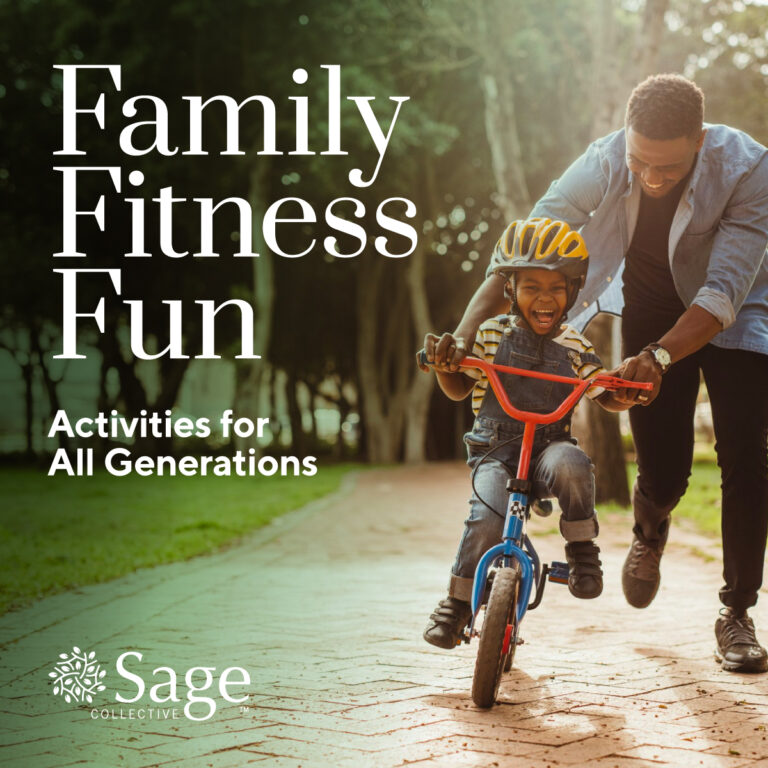
Family Fitness Fun: Activities for All Generations

At Sage Collective, we emphasize the importance of wellness and community in our journey towards a full, happy and high-quality life, as seen across our 9 Ways of Vibrant Living. An engaging way to combine these elements is through family fitness activities. Participating in physical activities as a family promotes health while strengthening bonds across generations, creating cherished memories and shared experiences.

The Benefits of Family Fitness

Family fitness activities offer a multitude of benefits. They provide an opportunity for quality time, foster healthy habits, and can be tailored to accommodate the abilities and interests of all family members, from the youngest to the oldest. Physical activity is essential at every age, and doing it together can make it more enjoyable and sustainable.

Here are some of our favorite intergenerational fitness ideas:

Nature Walks and Hikes: Exploring local parks or nature trails as a family is an excellent way to enjoy the outdoors and get moving. These walks can be leisurely or more challenging, depending on the family’s fitness levels.

Gardening Together: Gardening is a wonderful way to be active, enjoy the outdoors, and teach children about nature and nutrition. It can be a relaxing and rewarding activity for older adults as well.

Dance Parties: Organize a family dance party in your living room or backyard. Dancing is a fun way to get everyone moving, regardless of their age or skill level.

Yoga Sessions: Hosting a family yoga session can be a calming and bonding experience. There are various yoga practices suitable for all ages and abilities.

Biking: A family bike ride is a great way to explore your neighborhood or local bike paths while getting a good workout.

Team Sports: Engaging in team sports like soccer, basketball, or even simple games like tag can be fun for the whole family and foster a sense of teamwork and cooperation.

Tips for Successful Family Fitness

For successful family fitness, it’s essential to embrace inclusivity by selecting activities that cater to various ages and fitness levels, ensuring everyone can participate. Establishing a regular routine for these activities can help in building a lasting habit that becomes a cherished part of your family’s life. The key is to keep these fitness sessions enjoyable and light-hearted; the primary goal is to have fun and enjoy being active together. Additionally, safety should always be a priority, particularly when activities involve children or older family members. By considering these factors, family fitness becomes not only a means of staying healthy but also a source of joy and bonding for the entire family.

Incorporating fitness into family life is more than just an exercise; it’s an investment in your family’s health and relationships. Finding activities that everyone can enjoy is crucial, and it creates a foundation of healthy habits and precious moments together. Choose activities that can be modified to suit different ages and fitness levels, establish regular family fitness times to build a habit, and most importantly, keep the atmosphere light and playful. Always prioritize safety, especially when involving children or older family members.

As we embrace family fitness, we’re not just moving our bodies; we’re strengthening bonds and creating joyous memories. It’s about enjoying the journey together, one step, stretch, or pedal at a time, and fostering a lifestyle that values health and togetherness. Let’s make family fitness a delightful and essential part of our vibrant living journey.

SageCollective_FamilyFitnessFun
› Back to top