« back
12.17.25 | Arts & Culture

The Sound of Memory: How Singing and Reading Aloud Support Brain Health in Older Adults

At Sage Collective®, we believe vibrant living isn’t just about adding years to life—it’s about filling those years with connection, joy, and continual growth. And increasingly, research affirms something that communities have known for generations: the simple acts of singing and reading aloud can profoundly support cognitive resilience, emotional well-being, and even help protect against dementia.

These practices may appear modest on the surface, but beneath them is a symphony of neurological engagement—rhythm, language, breath, memory, emotion—that stimulates the brain in ways both restorative and preventive.

A Workout for the Brain
Singing and reading aloud are, quite literally, workouts for the brain. They engage multiple regions simultaneously: those responsible for speech and language, those that process rhythm and sound, and those that regulate memory and emotion. Neuroscientists often refer to this as “cross-training” for the brain—activities that stimulate layered pathways rather than single functions.

For older adults, keeping these networks active is essential. Studies suggest that regular engagement with language and music can strengthen cognitive reserves—the brain’s ability to adapt, compensate, and maintain function as we age. This reserve is one of the strongest protective factors against the onset or progression of dementia.

Memory’s Hidden Pathways
One of the extraordinary things about music is the way it threads through memory. Even when other pathways falter, musical memory often remains intact. Many caregivers of people with dementia have witnessed this miracle: a person who struggles with everyday conversation may still remember an old hymn, a favorite jazz standard, or the songs of their childhood.

This is because singing activates procedural and emotional memory—types of memory stored in areas of the brain that are often more resilient to decline. When older adults sing regularly, especially songs they know, they strengthen these pathways and reinforce connections to personal history, identity, and community.

Reading aloud has similar effects. Unlike silent reading, which is largely internal, reading aloud requires the brain to convert written symbols into spoken language, engage the breath and vocal cords, and sustain attention in the present moment. That combination enhances executive function and verbal fluency—two areas often affected early in cognitive decline.

Emotional Lift, Social Connection
The benefits of singing and reading aloud extend beyond cognitive health. They nurture emotional well-being, boost confidence, and encourage social connection—all protective factors against dementia.

Singing in a group—whether a choir, a casual gathering, or a weekly sing-along—creates a sense of belonging. Voices align, breath synchronizes, and participants often experience an uplifting release of endorphins. These positive emotions help counter stress and loneliness, both of which are linked to cognitive decline.

Reading aloud can do the same. Whether sharing a poem, telling a story, or participating in a reading circle, the practice builds community and encourages conversation. It becomes a shared ritual: a way of being present together, of listening and being heard.

A Practice That Sparks Joy
At Sage Collective®, we champion activities that nourish the whole person—mind, body, and spirit. Singing and reading aloud require no special equipment, no large commitment of time, no prior training. They are accessible, joyful, and deeply human.

For older adults looking to strengthen cognitive vitality, these practices offer a gentle and powerful daily ritual: a way to stay mentally agile, emotionally connected, and rooted in the pleasure of expression. And perhaps most importantly, they remind us that the tools for vibrant living have been within us all along—our voices, our stories, and the songs that help us remember who we are.

› Back to top
« back
11.27.25 | Sage Advice®

Giving Tuesday 2025: The Gift of Connection, The Promise of Community

Every year, after we gather in gratitude with loved ones, Giving Tuesday invites us into a different kind of celebration—one rooted in generosity, shared purpose, and the belief that our collective actions can transform lives. Since its founding in 2012, the movement has reminded us to shift our focus from what we acquire to what we contribute. And at Sage Collective®, this message resonates deeply.

Giving Tuesday has always aligned with our mission to foster vibrant, connected communities for older African Americans. Many of the systemic challenges faced by older adults—social isolation, technological barriers, limited access to wellness resources—are not just individual circumstances but community-wide inequities. When we give, we don’t simply fund programs; we expand opportunity, dignity, and joy.

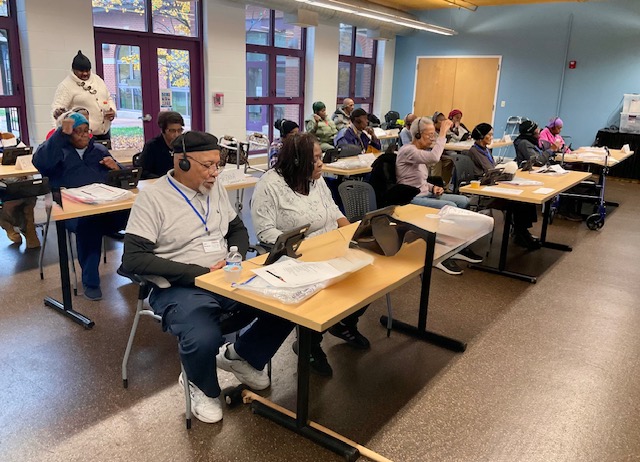
This year, we turn our focus to one of the most essential building blocks of connection: access to technology. As our Vibrant Living Program grows, so does the demand from older adults across the Chicagoland area who want to participate. We are currently at capacity, and many individuals are waiting for the tools they need to join us—tablets, training support, and, increasingly, VR headsets that will enable us to share immersive learning experiences, including at our national conference in April.

On Giving Tuesday 2025, we invite you to help us meet that need by supporting our Vibrant Living Kit Drive. Because connection shouldn’t be a privilege. It should be a pathway all older adults can walk with confidence.

The Gift of Connection: Vibrant Living Technology Toolkits
Connection is a gift that lasts beyond the season.

A Vibrant Living Technology Toolkit (tablet + case + charger + onboarding support) offers an older adult far more than a device. It opens the door to discovery, creativity, community, and conversations that nourish the spirit. For someone who may feel disconnected or unseen, it can be a lifeline.

And for us, this initiative is about more than technology. It’s about equity. It’s about ensuring older African Americans—so often excluded from digital innovation—have full access to life-enhancing tools that support health, wellness, and joyful engagement.

Because underserved does not mean undeserving.

Your Giving Tuesday Impact
Every contribution brings someone new into our community:

  • $100 —    Provides program materials and tech support for one person annually
  • $150 —     Sponsors a tablet and a case
  • $250 —    Funds a Vibrant Living Technology Kit that includes a tablet, case, program materials, and tech support
  • $500 —    Provides a Virtual Reality headset for one older adult
  • $1,000 — Supports a small-group tech workshop

Your generosity today helps ensure that when we gather this spring to share the power of VR and digital learning on a national stage, every participant who wants to be part of that moment can be.

Giving doesn’t just enrich the receiver—it uplifts the giver, too. Research shows that generosity fosters purpose, connection, and well-being. On Giving Tuesday, all of us—regardless of age—are invited into that exchange of mutual care.

A Future Rooted in Generosity
As December 2 approaches, we invite you to reflect on the enduring impact of giving: how one tablet can bridge generations, how one workshop can spark confidence, how one act of generosity can ripple outward into a more equitable future for older African Americans.

Your support ensures that vibrant living isn’t just an aspiration—it becomes a reality, shared across our community and carried forward into the year ahead.

This Giving Tuesday, help us turn connection into possibility. Join us in placing Vibrant Living Technology Toolkits  into the hands of those who are ready to learn, thrive, and belong. Click the link here to donate.

› Back to top
« back
04.24.25 | Uncategorized

Flexing the Mind and Spirit: Tina Lifford on the Art of Inner Fitness

In a recent episode of the Sage Advice® podcast, actress and wellness advocate Tina Lifford introduced listeners to her transformative concept of “Inner Fitness.” Drawing from her personal experiences and professional journey, Lifford emphasizes the importance of nurturing our inner selves to achieve resilience, self-awareness, and holistic well-being.​

Understanding Inner Fitness
Lifford defines Inner Fitness as the practice of strengthening our inner selves—our thoughts, emotions, and beliefs—to navigate life’s challenges with grace and confidence. Just as physical fitness requires regular exercise and care, Inner Fitness involves consistent attention to our mental and emotional health. This approach encourages individuals to confront and heal from past traumas, develop self-compassion, and cultivate a mindset that supports personal growth and fulfillment.​

The Importance of Inner Fitness
Throughout the podcast, Lifford shares insights into how Inner Fitness can lead to a more empowered and authentic life. She discusses the significance of acknowledging and processing emotions, setting healthy boundaries, and embracing vulnerability as a strength. By prioritizing Inner Fitness, individuals can break free from limiting beliefs and patterns, leading to improved relationships, decision-making, and overall quality of life.​

Practical Steps to Cultivate Inner Fitness
Lifford offers practical advice for those seeking to enhance their Inner Fitness:

  • Self-Reflection: Regularly assess your thoughts and feelings to understand underlying patterns and triggers.​
  • Mindfulness Practices: Engage in activities like meditation, journaling, or deep breathing to stay present and centered.
  • Seek Support: Connect with therapists, support groups, or trusted individuals to share experiences and gain perspective.​
  • Set Intentions: Define clear personal goals and values to guide your actions and decisions.​
  • Celebrate Progress: Acknowledge and honor your growth, no matter how small, to build confidence and motivation.​

Embracing Inner Fitness for a Vibrant Life
By adopting the principles of Inner Fitness, individuals can foster a deeper connection with themselves and others. This inner strength serves as a foundation for navigating life’s complexities with resilience and purpose. Lifford’s message is clear: investing in our inner well-being is not only beneficial but essential for leading a vibrant and fulfilling life.​

To delve deeper into Tina Lifford’s insights on Inner Fitness, listen to the full podcast episode here:​

🎧 How to Thrive as You Age: A Conversation with Actress Tina Lifford

› Back to top
« back
03.06.25 | Sage Advice®

Mastering Video Creation with Your Smartphone: An Interview with Demetri Williams

At Sage Collective®, we believe that technology should be accessible, engaging, and empowering—especially for older adults looking to stay connected with their families and communities. That’s why we’re excited to feature Demetri Williams, a seasoned video producer and editor, as part of our Vibrant Learning Series. With over a decade of experience in video storytelling, Demetri is on a mission to help older adults capture, edit, and share their stories through smartphone video creation.

Demetri shares his journey into video production, the transformative power of storytelling, and how learning video recording, editing, and sharing can open new creative doors for older adults.

What first sparked your interest in video storytelling?
“I first discovered my passion for videography when my father introduced me to my first digital camcorder. He was always capturing moments—taking photos and recording family memories—and that fascinated me. But it wasn’t until I studied broadcast at Winthrop University that I truly grasped the impact of video. One defining moment was my first video editing project, where I created a music video featuring a few friends. That project earned the highest grade in class and became an example for future students. That’s when I knew I had a special talent for video production.”

You spent a decade creating corporate video content. How has that shaped your approach to storytelling?
Working in corporate video production taught me that every experience holds a compelling story—even in structured business settings. I learned to approach storytelling from different angles and to always consider how a video can inspire, educate, or make an impact. Whether you’re filming a corporate message or capturing a personal moment, storytelling is key.”

What do you love most about video production and editing?
“The editing process is what excites me the most. There’s something almost magical about watching an idea come to life on screen. Taking raw footage and transforming it into a powerful visual story is incredibly rewarding.”

What inspired you to teach these video skills as part of Sage Collective’s Vibrant Learning program?
Video creation is an invaluable skill, and I believe older adults should have access to it. We live in a world where technology is rapidly evolving, and knowing how to record, edit, and share videos allows people to stay connected and preserve their memories and legacy. My goal is to help seniors embrace technology and use it as a creative tool.

Your first class taught participants how to use their smartphone as a personal recording tool. Why is this such a valuable skill?
“Most people own a smartphone, but few maximize its camera features. Learning how to frame shots, adjust lighting, and use smartphone settings can elevate video quality dramatically. With the right skills, participants can document family memories, record life stories, and even create mini-documentaries.”

Do you have favorite apps or tools that make mobile video recording easier?
“Absolutely! The basic camera app on a smartphone is great, but apps like Instagram and Snapchat allow you to experiment with filters and effects. I also recommend using a small, portable tripod for stabilizing shots—it makes a huge difference in video quality.”

Editing can seem intimidating. How do you make it feel approachable?
I start with the basics—trimming clips, rearranging sequences, and adjusting audio. Once you shape the story, you can explore transitions, effects, and sound enhancements.

Tips for beginners:
✔ Familiarize yourself with basic editing tools like cutting and trimming.
✔ Organize your footage and focus on key moments.
✔ Experiment with music and sound effects to enhance your story.”

Once someone has created a video, what’s the best way to share it?
“It depends on your audience. If you want to share with family and friends, Facebook is a great choice. If you’re promoting a creative project or small business, Instagram is ideal. The key is to choose a platform that aligns with your goals.”

What privacy or security settings should people be aware of when sharing videos online?
“Be mindful of personal information—avoid sharing home addresses, license plates, or school locations. Once something is posted online, it can stay there indefinitely, so it’s important to control what you share and with whom.”

Many older adults may not see themselves as “content creators.” What advice do you have for them?
“You don’t have to be a professional to create meaningful videos. Video is a way to document family history, preserve cultural traditions, and share wisdom with future generations. Your stories matter, and video allows you to keep them alive.”

What excites you most about teaching these classes?
“I love seeing people unlock their creativity and gain confidence in using technology. It’s incredibly rewarding to help participants connect with their families and communities in new ways.”

What do you hope participants take away from your classes?
“I hope they embrace their creativity and curiosity. Learning is lifelong, and video production is an exciting way to explore storytelling, preserve memories, and engage with the digital world. My message to participants is simple: Don’t be afraid to create. Your stories deserve to be told.”


› Back to top
« back
01.16.25 | Community

Learning to Draw: A Creative Journey for Older Adults

As we celebrate National Hobby Month, it’s a great time to shine a light on learning to draw. It’s a skill that welcomes everyone, regardless of age or experience. It offers more than just the joy of creating art—it’s a pathway to mental relaxation, self-expression, and even connection with others. For older adults, learning to draw can be a rewarding activity that combines creativity with vibrant living. And as we’re learning from Asha Gaines-Smith’s Vibrant Learning Series “Art With Asha,” here are some tips to help you get started on your artistic journey.

Start Simple: Embrace the Basics
Drawing is a skill that builds over time, starting with the basics. Don’t worry about creating a masterpiece right away—begin by exploring simple techniques like drawing lines, shapes, and patterns. Focus on:

  • Lines: Practice drawing straight, curved, or wavy lines to get comfortable with controlling your pencil.
  • Shapes: Try sketching basic shapes like circles, squares, and triangles, which serve as the foundation for more complex drawings.
  • Values and Shading: Experiment with shading to bring depth to your sketches. Practice making light and dark tones with your pencil.

Remember, these initial steps are not about perfection but about developing confidence and familiarity with your tools.

Gather Your Tools and Materials
You don’t need fancy supplies to start drawing—simple materials will do:

  • A set of pencils with varying hardness (e.g., 2B, 4B, 6B) for different line weights and shading.
  • A sketchpad or a simple notebook for practice.
  • An eraser and sharpener to refine your work.

If you’re ready to explore further, consider investing in graphite sticks, blending tools, or colored pencils. The right tools can make your drawing experience more enjoyable.

Practice Mindful Observation
One of the most valuable skills in drawing is learning to observe the world around you. Spend time studying details like the curves of a flower petal, the shadows on a chair, or the texture of a tree bark. Pay attention to how light and shadow interact with objects, as these details will help you create more realistic drawings. Observation is as much a part of drawing as the act itself.

 Break Down Complex Subjects
When drawing something more intricate, break it down into smaller, manageable components. For example:

  • Sketch the overall outline of an object first.
  • Add details layer by layer, focusing on one part at a time. This approach reduces overwhelm and helps you focus on each element individually.

Draw Regularly, Even for Short Periods
Like any skill, drawing improves with practice. Dedicate a few minutes each day to sketching something simple, such as a cup, a fruit, or even patterns. Consistency is more important than the amount of time spent, so a short daily practice will gradually build your skills.

Celebrate Your Unique Style
Every artist has their own style, and yours is no exception. Don’t compare your progress to others—instead, embrace what makes your art unique. Drawing is a personal journey, and each mark you make on paper is a reflection of your creativity.

Seek Guidance and Community
Joining a class, like “Art With Asha,” is a great way to enhance your skills while connecting with others who share your interest. You’ll not only learn the mechanics of drawing but also discover the joy of creative exploration.

Enjoy the Process
Above all, remember that drawing is as much about the journey as it is about the final piece. Let it be a source of relaxation and joy, where you can lose yourself in the creative process.

At Sage Collective®, we believe that learning is a lifelong journey and that creativity plays a key role in vibrant living. Whether you’re picking up a pencil for the first time or rekindling a childhood passion, drawing can open the door to new experiences and perspectives.

Credit: CC0 Public Domain
› Back to top
« back
01.09.25 | Arts & Culture

Exploring Creativity Through Drawing: A Conversation with Asha Gaines-Smith

As we gear up for another inspiring session of Sage Collective®’s Vibrant Learning Series, we’re thrilled to highlight Asha Gaines-Smith, a talented visual artist and instructor leading the upcoming class, Art with Asha. Asha brings her artistic expertise and passion for storytelling to the Sage Collective® community, encouraging older adults to embrace creativity as a means of expression and connection. We sat down with Asha to dive into her artistic journey, teaching philosophy, and belief in the transformative power of drawing.

A Journey Rooted in Passion and Exploration
Asha’s love for drawing started in her early childhood, when she would eagerly anticipate art classes and lose herself in the world of storytelling and illustration. Reflecting on her earliest inspirations, Asha recalls the powerful influence of Kadir Nelson, an illustrator whose work in children’s books captivated her imagination.

While Asha grew up in Cleveland, her time at Howard University’s Chadwick A. Boseman College of Fine Arts deeply shaped her artistic confidence and perspective. Surrounded by supportive peers and mentors, she learned to experiment with her creativity and showcase her work with pride. “Howard gave me the confidence to try new things and share my art more openly,” she shares.

Asha credits one of her professors, Akili Ron Anderson, with teaching her the importance of self-confidence and the ability to market herself as an artist. These lessons have carried her forward, fueling her mission to inspire others to tap into their own creative potential.

Creating a Space for Growth and Expression
When asked about her approach to teaching, Asha emphasizes the importance of creating a relaxed and encouraging environment, particularly for beginners. “Art can smell fear,” she jokes, noting how self-doubt can often hold people back. Her advice to participants? “Relax, trust in your innate ability, and remember that art doesn’t have to be hyper-realistic to be meaningful or beautiful.”

Asha’s class in the Vibrant Learning Series focuses on foundational techniques such as shading, line work, and sketching—skills she believes are the building blocks of creative confidence. “I hope participants gain an avenue of expression and peace of mind through this class,” she says, adding that drawing can be a powerful way to communicate feelings that words cannot.

Beyond technical skills, Asha’s ultimate goal is to help her students discover their own artistic voice. She encourages participants to let go of their attachment to “perfect realism” and embrace the unique beauty of their creations. “Your art doesn’t have to look like anyone else’s to be valid and impactful,” she reminds them.

The Power of Creativity in Vibrant Living
Asha firmly believes that creativity plays a vital role in promoting vibrant living, particularly as we age. “Creativity allows us to tell our stories and reflect on the many beautiful parts of our lives,” she explains. For older adults, drawing offers a way to connect with memories, express emotions, and find joy in the present moment.

Programs like Sage Collective’s Vibrant Learning Series are instrumental in fostering a love for the arts and creating lasting connections within the community. By encouraging participants to explore their creativity, these programs help individuals build confidence, share their unique perspectives, and connect with others through the universal language of art.

Looking ahead, Asha is excited to bring her passion for storytelling and visual art to her students. She’s also working on creating new comics, inspired by her love of illustration and the encouragement of friends.

Join Us on This Creative Journey
Asha Gaines-Smith’s class, “Art with Asha,” offers more than just an introduction to pencil drawing—it’s an invitation to explore the power of creativity and self-expression. Whether you’re picking up a pencil for the first time or rediscovering a childhood passion, this class promises to inspire and empower you to create with confidence.

At Sage Collective, we believe in the transformative power of creativity to promote vibrant living. Join us for this enriching session and discover how drawing can unlock new ways to connect, express, and thrive. Let’s make art together!

Interested in attending? The class will be offered free of charge on Facebook Live on Tuesday, January 14th and again on Tuesday, January 21st at 7:00pm CST. Register now!

› Back to top
« back
03.10.22 | Community

Most Beneficial Mobile Apps for Adults & Seniors

As we continue our Vibrant Living Programming, we also want to resume sharing rich content that compliments our spirited training, and this month’s theme is discovery. Because the online world is so vast, no matter how experienced your knowledge is, there’s always more to uncover. Today, we’re exploring some of the most beneficial mobile apps that every adult should consider discovering for themself. Learn more about them here:

ShopWell

One of the best ways to curate a vibrant lifestyle is by following a healthy diet that includes moderate caloric intake and plant-based eating. The ShopWell app is a great way to assist you on your journey and help you match foods to your dietary needs. After creating a profile the app will help you create a nutritious shopping list full of everything your body needs, making anyone more confident with their cooking. ShopWell is available to download for free on all IOS and Android devices. 

NPR

Along with producing one of our favorite podcasts in 2022, NPR provides instant access to all of their breaking news through their NPR and NPR One apps. The NPR application allows users to read the latest stories and listen to public radio stations from the convenience of their phones. For those who prefer audio stories, NPR’s partner app, NPR One, offers the organization’s best podcasts and shows. NPR’s mobile apps are available to download on all devices.

Lumosity

For those searching for a unique form of entertainment that can still stimulate your brain, look no further than Lumosity. This brain training app is a great way to exercise your mind with various exciting, interactive games that focus on memory, speed, flexibility and problem-solving. The app is free to download, but also comes with a paid option for anyone wanting to look for an even more challenging and rewarding experience. 

Pocket Yoga

Another beneficial way anyone can live more vibrantly is by regularly being active and reducing stress, and thankfully, practicing yoga is an excellent activity to cover both. Yoga is an extremely valuable exercise for anyone searching to improve muscle strength, balance, mobility and flexibility. My Pocket Yoga is an amazing resource for yoga lovers, providing graphics for over 200 poses and videos led by certified yoga instructors. The app is downloadable on any IOS or Android device. 

Zoom

As much as many of us love to admit we are tired of Zoom, the application has provided an accessible way for everyone, from coworkers to family members, to connect throughout the pandemic. Zoom’s mobile application is nearly identical to its computer version, so anyone familiar with its companion should have no problem feeling comfortable maneuvering through its mobile version. 

The application still remains extremely relevant today, connecting loved ones across the world. In addition to audio and video calls, Zoom conveniently also allows users to share their screens and record conversations. Zoom is free to download on all IOS and Android devices.

› Back to top