« back
02.22.24 | Sage Advice®

What is Wisdom in Aging? Exploring the Sage Collective Perspective

As we journey through life, the concept of aging gracefully isn’t just about the physical aspect; it’s profoundly intertwined with the accumulation of wisdom. At Sage Collective, we cherish the process of aging as a unique opportunity for growth, learning, and sharing the wealth of knowledge and experience that comes with it. But what exactly is wisdom in aging, and how does it manifest in our lives?

Wisdom isn’t merely a collection of knowledge, but a deeper understanding and application of that knowledge in ways that are thoughtful, compassionate, and beneficial to ourselves and others. It involves insight, judgment, and the ability to see beneath the surface of things. In the context of aging, wisdom becomes a guiding light, a beacon that illuminates the path for ourselves and others that is informed by:

Empathy and Compassion: With age comes an enhanced capacity for empathy and compassion. Wisdom involves understanding others’ feelings and experiences, fostering connections that transcend superficial differences.

Emotional Regulation: Wisdom in aging is characterized by the ability to navigate emotions with grace. It means not being swayed by every gust of feeling but understanding and managing emotions for greater harmony and peace.

Reflection and Insight: The reflective quality of wisdom allows us to look back on our experiences, learn from them, and gain insights that guide our future actions. This introspection is a hallmark of true wisdom.

Acceptance: Wisdom brings with it the acceptance of life’s impermanence and the serenity to embrace change. It’s about understanding what we can control and letting go of what we cannot.

Sharing Knowledge: Perhaps one of the most beautiful aspects of wisdom is the desire to share it. This generational transmission of knowledge enriches our communities and strengthens our collective understanding.

Cultivating wisdom is an intentional act. It involves mindfulness, continued learning, and staying engaged with the world around us. It means seeking out new experiences, listening more than we speak, and opening our hearts to the lessons life offers us. At Sage Collective, we also believe that community plays a crucial role in fostering wisdom. Through shared experiences, dialogue, and support, we can nurture a wisdom that is not only personal but collective. Our community becomes a repository of shared wisdom, a resource that enriches every member.

As we embrace aging, let us also embrace the wisdom that comes with it. Wisdom in aging is not just about what we have learned from the past; it’s about how we apply that knowledge in the present and how we share it for the future. It’s a gift, one that enriches our lives and the lives of those around us, making the journey of aging not just a passage of time but a passage of growth, understanding, and profound connection.

In celebrating wisdom, we remind ourselves that every moment, every experience, and every lesson is a step toward a deeper understanding of what it means to live fully and richly at every age.

Sage_Collective_Wisdom_in_Aging
› Back to top
« back
02.14.24 | Sage Advice®

Embracing the Art of Haiku: A Window into Mindfulness and Creativity

At Sage Collective, we appreciate the power of expression in its many forms, and one of the most enchanting and accessible forms of poetic expression is haiku. Originating in Japan in the 17th century, haiku is a brief, structured form of poetry that offers a window into the world of mindfulness, simplicity, and the beauty of the present moment.

The Essence of Haiku

Traditional haiku is a three-line poem with a 5-7-5 syllable structure, often focusing on images from nature and emphasizing clarity, intensity, and directness of expression. This poetic form is more than just a set of rules; it’s an invitation to pause and observe the world around us, to capture a fleeting moment in a few simple words.

Richard Wright
Farm Security Administration – Office of War Information Photograph Collection (Library of Congress)

Contemporary haiku, while still rooted in the traditional form and essence of Japanese haiku, often explores a broader range of themes beyond the natural world, including urban life, human emotions, and social commentary. In fact, one of the greatest practitioners of contemporary haiku was the legendary novelist and short story writer, Richard Wright. In the last two years of his life, Wright, best known for seminal works like Native Son (1940) and his autobiography, Black Boy (1945), turned his artistic expression to the haiku form, writing nearly 4,000 poems. A magnificent collection of 817 of Wright’s haiku was published in 1998 entitled, Haiku: The Other World.

These contemporary haikus reflect the evolution of the form, embracing a wide array of subjects and emotions while maintaining the essence of haiku — capturing a moment, feeling, or thought with depth and clarity. Wright’s works honor the tradition by conveying powerful images and insights in just a few words, demonstrating the enduring appeal and adaptability of haiku poetry.

Haiku as a Mindful, Creative Exercise

For us, especially as we embrace the golden years, writing haiku can be a meditative and insightful practice. It encourages us to slow down and notice the small details of our environment — the dew on a leaf, the play of light and shadow, or the quiet stillness of the early morning. In focusing on these details, we engage in mindfulness, which can enhance our mental clarity and emotional balance.

Despite its apparent simplicity, crafting a haiku can be a delightful creative challenge. It pushes us to distill our thoughts and feelings into their purest form, to find the essence of an experience or emotion in just a few words. This creative process can be incredibly rewarding, offering a sense of accomplishment and joy in our ability to capture the beauty of the ordinary.

Sharing and Connecting Through Haiku

Haiku writing can also be a means of connecting with others. Sharing our haiku with friends, family, or within a community group can spark conversations, forge bonds, and offer insights into each other’s perspectives. It’s a way to communicate deeply felt experiences in a concise and poignant manner.

Embarking on the journey of writing haiku is simple:

  • Start by observing your surroundings or reflecting on a recent experience.
  • Focus on sensory details and the emotions they evoke.
  • Experiment with the 5-7-5 syllable structure, but don’t feel bound by it. The essence of haiku lies in capturing a moment or feeling.

Embracing the Art of Haiku

In the art of writing haiku, we find a blend of mindfulness, creativity, and connection. As a form of expression accessible to everyone, it holds a special place in the world of poetry. We encourage you to try your hand at this beautiful, contemplative practice and discover the joy and tranquility it can bring into your life.

Embracing the Art of Hailu
› Back to top
« back
02.08.24 | Arts & Culture

The Art of Storytelling: Langston Hughes

In our continuing series on “The Art of Storytelling,” we’ve journeyed through the narratives of luminaries who’ve masterfully woven the fabric of their experiences, cultures, and imaginations into storytelling. It’s an honor to now delve into the legacy of Langston Hughes, a pivotal figure whose poetic voice became a cornerstone of the Harlem Renaissance and a beacon for the African American experience.

Langston Hughes: A Storyteller’s Storyteller
Langston Hughes was a towering figure in American literature, known for his prolific output and for the depth and breadth of his influence. He rose in prominence during the period known as the Harlem Renaissance — the emergence of black intellectual, literary, and artistic life that took place in the 1920s across urban America, particularly in Harlem. He focused on lived experience as the basis for his unique storytelling, resulting in a vibrant tapestry of jazz rhythms, social commentary, and a profound exploration of the human condition. Hughes had the unique ability to distill complex emotions and societal truths into accessible poetry, stories, and plays, making him a true artisan of the narrative form.

Embracing the Human Experience
Hughes’s storytelling was deeply rooted in the African American experience, capturing its joys, sorrows, and resilient spirit. He celebrated black culture in his work, took a defiant stance against racial injustice, and shared a heartfelt portrayal of the everyday lives of black Americans. Through his famous jazz poetry, Hughes incorporated the rhythms and improvisations of jazz music, creating a dynamic and immersive narrative style that resonated with a wide audience.

The Power of Simplicity
Hughes used simple, yet profound language when he wrote, which became one of the hallmarks of his storytelling style. He believed that the power of clarity and accessibility would enable his stories and poems to speak directly to the heart. This simplicity was one of his greatest strengths, allowing him to convey deep emotions and complex societal critiques in a way that was both relatable and moving.

His approach to message, language, and cadence are powerfully rendered in the poem entitled, “I, Too,” which was published in Hughes’ first volume of poetry, The Weary Blues in 1926. To read this poem, and other examples of Hughes’ work, visit the Poetry Foundation.

Legacy and Inspiration
Langston Hughes’s legacy is a testament to the enduring power of storytelling to effect change, build community, and celebrate culture. His work continues to inspire new generations of storytellers, poets, and artists who see in Hughes a model for using narrative as a tool for social commentary, cultural affirmation, and personal expression.

For us at Sage Collective, Hughes’s storytelling is a reminder of the profound impact that stories can have on our understanding of ourselves and each other. His life and work encourage us to explore our own narratives, to find beauty in our experiences, and to share our stories with the world.

Inr Langston Hughes’ work, we are reminded of the transformative power of storytelling. His ability to capture the essence of the human spirit, to challenge societal norms, and to celebrate the richness of the African American experience is a beacon for all who believe in the power of words to shape our world.

Let us take inspiration from Hughes’s example, weaving our own stories with honesty, empathy, and a deep appreciation for the diverse tapestry of human life.

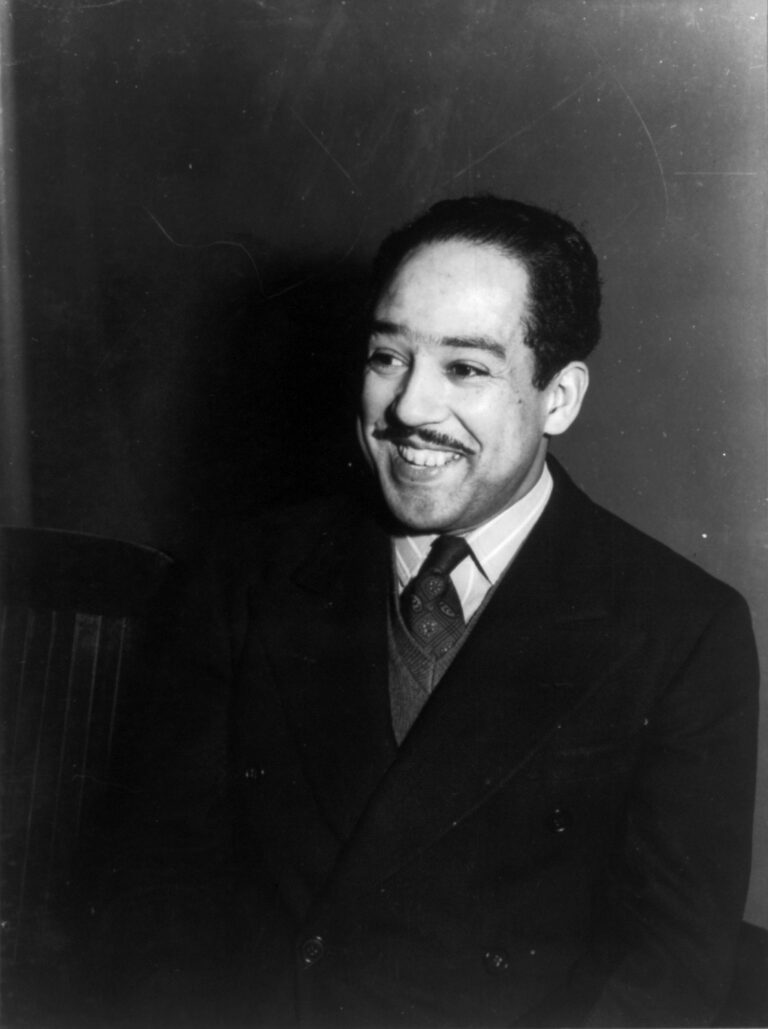
Langston Hughes by Jack Delano, 1942
Portrait of Langston Hughes by Jack Delano, 1942. Library of Congress, Prints and Photographs Collections.
› Back to top
« back
01.11.24 | Health & Wellness

Embracing Rest: The Health Benefits of Taking Naps

In our continuous journey toward vibrant living at Sage Collective, we often discuss various facets of health and wellness. Today, let’s explore an often overlooked but essential aspect of well-being: the power of napping. While it might seem like a small part of our daily routine, taking naps can have a surprisingly significant impact on our overall health.

Napping: More Than Just a Pause
Napping isn’t just about catching a few moments of sleep; it’s a form of rest that can rejuvenate the mind and body. In our fast-paced world, taking the time to nap can be a deliberate act of self-care.

Endless Benefits
One of the most immediate benefits of napping is the boost it gives to our cognitive functions. A short nap can enhance alertness, improve memory, and increase creativity. For us in the older adult community, this can be particularly beneficial, as it helps keep our minds sharp and agile. In fact, in a study published in the Journal of the American Geriatrics Society, researchers examined data from nearly 3,000 people in China aged 65 and older. Within that sampling, nearly 60% reported napping after lunch for about an hour. The research team found that those who napped for 30 to 90 minutes had better word recall and were also better at figure drawing than those who didn’t nap or who napped for longer than 90 minutes.

Napping has also been linked to improved heart health. Studies have shown that a regular, short nap can reduce stress and decrease the risk of heart disease. By allowing our body to rest, we reduce the strain on our heart and lower stress hormones.

A quick nap can do wonders for our mood. It’s a natural way to lift our spirits and combat feelings of tiredness or fatigue. Napping provides a mental and emotional reset, offering a break from daily stresses and recharging our energy.

Besides mental and emotional benefits, napping can contribute to our physical health. It can help in regulating blood pressure, boosting the immune system, and even aiding in weight management. Sleep, even in the form of a nap, plays a crucial role in maintaining our physical health.

Tips for Effective Napping
To reap the full benefits of napping, it’s important to nap effectively:

  • Keep naps short (around 20-30 minutes) to avoid feeling groggy afterward.
  • Nap earlier in the afternoon to not disrupt nighttime sleep.
  • Create a restful environment, quiet and comfortable, conducive to sleep.

As we continue to embrace the principles of vibrant living, incorporating short naps into our daily routine can be a transformative step towards enhanced mental, emotional, and physical well-being. So, let’s give ourselves permission to pause, rest, and rejuvenate, one nap at a time.

woman-napping-in-hammock
Credit: kali9
› Back to top
« back
01.04.24 | Community

The Importance of Setting Resolutions in the New Year

Now that 2024 is upon us, it brings an opportunity for reflection and renewal. At Sage Collective, we understand the importance of this time as an opportunity to set resolutions – not just as a tradition, but as a meaningful practice in our journey towards vibrant living.

The Power of Resolutions
Resolutions are more than just yearly promises we make to ourselves; they are declarations of intent and pathways to personal growth. They provide us with a chance to pause, assess our lives, and decide what changes we wish to make. For us in the older adult community, this is particularly powerful, as it aligns with our ongoing pursuit of vibrant living at every stage of life.

Setting Achievable Goals
The key to successful resolutions lies in their realism and attainability. It’s about setting goals that are challenging yet achievable, and that contribute to our overall well-being. Whether it’s adopting a new fitness regimen, learning a new skill, or dedicating more time to a beloved hobby, each resolution should be a stepping stone towards a fuller, richer life experience.

The Importance of Health and Wellness
Many resolutions revolve around health and wellness, and for good reason. As we age, taking care of our physical and mental health becomes increasingly important. Resolutions can serve as commitments to ourselves to nurture our bodies and minds, whether through healthier eating, regular exercise, or mindfulness practices.

Staying Connected and Engaged
Resolutions can also foster social engagement and community involvement – key components of vibrant living. This might mean resolving to spend more time with family and friends, participating in community events, or engaging in volunteer work.

Lifelong Learning and Growth
The new year is also a perfect time to commit to lifelong learning. This could be through reading more, enrolling in a class, or even traveling to new places. Each of these resolutions enriches our lives, keeps our minds active, and supports our overall sense of joy and fulfillment.

As we stand on the threshold of a new year, let’s embrace the tradition of setting resolutions with optimism and enthusiasm. Let these resolutions be reflections of our aspirations and values, guiding us towards a year filled with health, happiness, and vibrant living.

Remember, the journey is as important as the destination. Let’s approach our resolutions with flexibility and kindness towards ourselves, understanding that each step forward, no matter how small, is a victory in its own right.

View of the sky looking up through a stand of trees
Credit: Ken Lane (Attribution-NonCommercial-ShareAlike License)
› Back to top
« back
12.28.23 | Sage Advice®

2023: A Year in Review

As we bid farewell to another remarkable year, we at Sage Collective are thrilled to share the highlights of 2023, a year marked by innovation, growth, and deeper connections within our community.

Continued Success of the Vibrant Learning Program

Our journey with the Vibrant Learning Program, in collaboration with Chicago Commons, has flourished throughout 2023. This year, we’ve deepened our relationship with the community, witnessing firsthand the transformative power of learning and engagement. From exploring the intricacies of new technologies to delving into diverse cultures, our program participants have embarked on an enriching journey.

Themes of tradition, storytelling, family connection, and freedom have remained at the heart of our curriculum. Our activities, including armchair travel and digital painting, have not only been educational but also immensely enjoyable, fostering a sense of joy and wonder among all participants.

Expanding Our Horizons

2023 was a milestone year for Sage Collective as we embraced innovative ways to connect with our audience. One of our most exciting initiatives was the integration of Facebook Live into our communication strategy. This platform allowed us to reach new digital audiences and strengthen ties with our existing community.

Our Facebook Live sessions, focusing on updates about Sage Collective’s activities, healthy eating discussions, and more, garnered significant engagement. The enthusiastic response from our audience has been truly inspiring, and we eagerly anticipate continuing these interactive sessions in the coming year.

Looking Ahead: The Vibrant Living Podcast

In our constant effort to innovate and inspire, we are excited to announce the upcoming launch of our ‘Vibrant Living Podcast’ in the new year. Building on the themes explored in our Sage Advice blog, this podcast will dive deeper into the power of storytelling. We believe that stories have the ability to connect, heal, and empower, and our podcast will be a testament to this belief. Stay tuned for this exciting new venture!

As we reflect on the year gone by, we feel immense gratitude for the continued support and enthusiasm of our community. The journey of Sage Collective is one of continuous learning and growth, and we can’t wait to see what the new year brings. Here’s to a vibrant and fulfilling 2024!

› Back to top
« back
11.02.23 | Community

November is National Family Caregivers Month

November is often associated with Thanksgiving, a time to express gratitude and come together as families. But the month also holds a special significance for family caregivers. Welcome to National Family Caregivers Month – a period dedicated to acknowledging the silent heroes among us who dedicate their lives to caring for loved ones.

What started as National Family Caregivers Week in the mid-1990s has since evolved, thanks to President Barack Obama’s proclamation in 2012, into a month-long tribute. This expansion wasn’t just a mere extension of time but rather a recognition of the year-round efforts these caregivers undertake. 

While showing appreciation is a crucial aspect of this month, its scope goes beyond acknowledgment. The aim is to rally support for caregivers, raise awareness about the challenges they face, and provide them with vital resources. The Caregivers Action Network (CAN), for instance, introduces a theme each year. This year’s theme is #CaregiversConnect, which spotlights the importance of connections as a way to educate and support others. 

By shining a light on the hardships and trials caregivers endure, we pave the way for better policies, resources, and societal understanding. Whether it’s lobbying for better workplace support, highlighting the emotional strain, or emphasizing the financial toll of caregiving, the advocacy element of this month is pivotal.

As individuals, there’s much we can do. From offering to babysit, assisting with chores, or merely lending an empathetic ear, every bit helps. Community groups and local initiatives can also play a role, perhaps by setting up support forums or offering respite care services. The strength of a community lies in its unity, and together, we can ensure our caregivers feel seen, supported, and valued.

As you move through November, take a moment to think about the caregivers in your life. They might be neighbors, friends, or even family members. While their sacrifices often go unnoticed, this month serves as a reminder of the immeasurable value they bring to our communities and lives. 

› Back to top
« back
10.26.23 | Sage Advice®

5 More Books You Have to Read This Fall

With autumn back again, there’s no better time to dive back into the art of reading. Last year, we recommended 5 books to enhance your fall reading, and this time around, we’re back with five more. Our selection this season includes captivating memoirs, enthralling collections of stories, and thought-provoking manifestos. These literary treasures are your passport to new worlds, fresh perspectives, and endless inspiration. So, let’s dive into this season’s must-reads:

How to Say Babylon, Safiya Sinclair

How to Say Babylon, Safiya Sinclair

Found on nearly everyone’s fall book list, How to Say Babylon is a story that resonates deeply with our values at Sage Collective. Sinclair’s memoir illustrates a powerful story of a young Jamaican girl, who, even through a life of strict abuse, discovers her voice and the power of sharing her story. For anyone who loves a tale of liberation and one rich in moving storytelling, this is the book for you.

Everything I Learned, I Learned in a Chinese Restaurant, Curtis Chin

Everything I Learned, I Learned in a Chinese Restaurant, Curtis Chin

In another recently acclaimed memoir, Curtis Chin shares his experience growing up as a gay Chinese American in 1980’s Detroit. The memoir is filled with laughs, heartfelt moments and vivid memories of Chin’s past. For anyone who holds an appreciation to the community around them and belief in its power to shape us throughout life, this should be at the top of your list. 

Our Strangers: Stories, Lydia Davis

Our Strangers: Stories, Lydia Davis

Author Lydia Davis’ latest collection of short fiction stories poetically explores a variety of topics from marriage to what we put in our coffee. Anyone who loves the ability to revisit the same story a handful of times and with each time, coming out with a new perspective will appreciate Our Strangers: Stories. And in a move to support small businesses, the book is only available to purchase form online independent retailers and bookstores. 

To Free The Captives, Tracy K. Smith

To Free The Captives, Tracy K. Smith

Smith bluntly shares her views on where the state of the Nation is in her latest novel. Exploring every topic from the pandemic and Black Lives Matter movement in 2020 to her own experience as a Black woman, mother and educator in the 21st century, she presents a manifesto on how our country could come to a new, shared perspective of recent history. 

Wednesday’s Child, Yiyun Li

Wednesday’s Child, Yiyun Li

Award winning Author, Yiyun Li explores the unexplainable feelings of aging, alienation and grief in her latest collection of stories. Each piece, previously published as singular works by The New Yorker, Zoetrope and other publications over a span of a decade, shares a different perspective on the cost of living. 

Whether you prefer reading alone, with a companion or in a book club, don’t hesitate to pick one or two of these books up for yourself this fall. You can find them at your neighborhood libraries, local bookstore or online. And as with all good reads, spread the word to friends and family when you finish a book you really love!

› Back to top
« back
09.07.23 | Community

Positive Relationships Can Boost Your Immune System, Seriously.

In today’s fast-paced world, it’s easy to overlook the profound impact of human connections. From a heartfelt conversation with a close friend to the silent understanding exchanged between life partners, our relationships play an integral role in shaping our lives. But did you know that these positive connections can also have tangible health benefits improving your wellbeing and vibrant living? Research suggests that nurturing positive relationships can give your immune system a serious boost!

More than Just Emotional Support

Undoubtedly, having a solid support system provides emotional stability. When life throws curveballs, friends and family often serve as our anchor, offering solace, advice, or just a listening ear. But there’s more going on beneath the surface. The emotional comfort these relationships provide is linked with physiological responses in our body.

When we feel loved, understood, and supported, our body reacts by reducing the production of stress hormones like cortisol. Chronically high levels of cortisol have been associated with a host of health issues, including a weakened immune system. On the other hand, reduced stress levels allow our immune system to function optimally, fighting off illnesses more effectively.

The Science Behind the Connection

Several studies have delved into the relationship between social connections and immune function. One notable study found that individuals with strong social ties were less susceptible to the common cold. Another research piece indicated that students with positive social networks had better immune responses to certain vaccines.

The exact mechanisms remain a topic of ongoing research. Still, many experts believe that positive social interactions increase the production of beneficial chemicals in the brain. These chemicals can enhance the body’s defense mechanisms. Additionally, positive relationships often encourage healthy behaviors – like maintaining a balanced diet, exercising, or getting adequate sleep – all of which contribute to a robust immune system.

In an era dominated by digital interactions, it’s crucial to remember the significance of genuine, positive relationships. They not only enrich our lives emotionally but also fortify our physical health. So, the next time you share a laugh with a friend or enjoy a heart-to-heart with a family member, remember – you’re doing your immune system the biggest favor!

Family hugging
› Back to top
« back
06.08.23 | Sage Advice®

Adapting to The Internet Highway: A User-Friendly Guide for Older Adults to Embrace the Digital World

We often refer to the internet as a modern highway. Imagine jumping onto the freeway of knowledge and connections, taking exits to destinations of choice, and disembarking when you’ve reached your desired location. The concept may seem daunting, especially for those of us who didn’t grow up in this digital age, but fear not! Just like learning to navigate any new terrain, once you understand the rules of the road, the journey becomes more manageable. 

However, the internet highway, much like any journey, comes with its share of challenges and potential roadblocks. But we firmly believe that it is never too late to embrace this digital world, and doing so can unlock new realms of communication, knowledge, and convenience. Here are some tips to ensure a smooth ride.

Learn the Basic Tools:

Your digital journey begins with understanding the basic tools. Computers, smartphones, and tablets are your vehicles on the Internet highway. Start by familiarizing yourself with their functionalities, like turning them on/off, charging, and installing applications. 

Understanding the Online Map:

Search engines like Google are the maps of the digital world. They help you locate the information or services you’re looking for. Entering words related to your topic of interest (keywords) will lead you to numerous websites, images, news, and more. On your journey, these tools within the online map will be useful resources in helping you better understand all of the directions you can travel. 

Safety First:

As on any journey, safety is paramount. Beware of digital road hazards like phishing (fraudulent attempts to obtain sensitive information) and cyberbullying. Always ensure you’re visiting secure websites (look for ‘https’ in the URL), avoid sharing sensitive personal information online, and maintain strong, unique passwords for all your accounts. 

Social Media as Scenic Routes:

Social media platforms like Facebook, Instagram, and Twitter are excellent places to connect with loved ones, meet new friends, or join groups of interest. However, always be mindful of the information you share publicly. 

Embrace Online Learning:

Many institutions offer free or inexpensive courses online, from learning new languages to picking up cooking tips. Websites like Khan Academy, Coursera, or TED Talks are wonderful resources to broaden your horizons right from the comfort of your home. 

Tech Support is Your Roadside Assistance:

Finally, remember that there’s always help available. From the tech-savvy grandchild to the friendly helpline of your device manufacturer, don’t hesitate to ask for help if you find yourself lost on the digital highway.

Embracing the internet highway isn’t about leaving the past behind but about enriching our lives with the tools and resources of the present. Remember, the journey is just as important as the destination. Happy traveling!

› Back to top