« back
11.02.23 | Community

November is National Family Caregivers Month

November is often associated with Thanksgiving, a time to express gratitude and come together as families. But the month also holds a special significance for family caregivers. Welcome to National Family Caregivers Month – a period dedicated to acknowledging the silent heroes among us who dedicate their lives to caring for loved ones.

What started as National Family Caregivers Week in the mid-1990s has since evolved, thanks to President Barack Obama’s proclamation in 2012, into a month-long tribute. This expansion wasn’t just a mere extension of time but rather a recognition of the year-round efforts these caregivers undertake. 

While showing appreciation is a crucial aspect of this month, its scope goes beyond acknowledgment. The aim is to rally support for caregivers, raise awareness about the challenges they face, and provide them with vital resources. The Caregivers Action Network (CAN), for instance, introduces a theme each year. This year’s theme is #CaregiversConnect, which spotlights the importance of connections as a way to educate and support others. 

By shining a light on the hardships and trials caregivers endure, we pave the way for better policies, resources, and societal understanding. Whether it’s lobbying for better workplace support, highlighting the emotional strain, or emphasizing the financial toll of caregiving, the advocacy element of this month is pivotal.

As individuals, there’s much we can do. From offering to babysit, assisting with chores, or merely lending an empathetic ear, every bit helps. Community groups and local initiatives can also play a role, perhaps by setting up support forums or offering respite care services. The strength of a community lies in its unity, and together, we can ensure our caregivers feel seen, supported, and valued.

As you move through November, take a moment to think about the caregivers in your life. They might be neighbors, friends, or even family members. While their sacrifices often go unnoticed, this month serves as a reminder of the immeasurable value they bring to our communities and lives. 

› Back to top
« back
10.19.23 | Sage Advice®

The Importance of Screen-free Time

There’s an undeniable charm in reminiscing about the times when activities like flipping the pages of a book, taking in the sounds and sights of nature, or engaging in heart-to-heart conversations didn’t involve any digital devices. Today, as we sit in the digital age, screens have seamlessly positioned themselves into the fabric of our daily lives. They connect us to distant loved ones, open doors to vast troves of information, and offer unprecedented convenience.

Yet, as much as we might appreciate the joys of instant connectivity, it’s essential to remember that there’s such a thing as too much of a good thing. The pull of the screen, while captivating, often comes at the cost of neglecting the world around us.

Consistent exposure to screens has its downsides. Physically, there’s the all-too-familiar sensation of eye strain after a long day of scrolling. Our posture might hunch, and the blue light from screens can disrupt our precious sleep cycles. Mentally and emotionally, the constant barrage of information, notifications, and digital engagements can leave us feeling overwhelmed. There’s also the small shift in our social interactions, with virtual chats often replacing genuine face-to-face connections.

But stepping back from screens allows us to rediscover various joys that lie just beyond their glow. It’s similar to joyspotting, where the world reveals delightful treasures waiting to be noticed. There’s the tactile joy of sketching on paper, the rustle of leaves during a morning walk, the enriching depth of a live conversation, and the simple act of being present in the moment.

To strike a balance between the digital and the real, consider implementing some conscious changes. Set designated tech-free hours during the day, allowing yourself to disconnect and recharge. Dive into hobbies that don’t require a screen—be it gardening, painting, reading, or even just daydreaming. Encourage face-to-face interactions, whether it’s through a friendly game night, a shared meal, or a leisurely stroll.

In our fast-paced world, where screens continually beckon us, it’s a radical act of self-care to pause, put down the device, and immerse ourselves in the tangible experiences surrounding us. It’s not about dismissing the advantages of technology but about cherishing the moments that make life vibrant and genuine. So, while we continue to navigate and appreciate the digital realm, let’s also remember to frequently take a step back, breathe, and savor the world beyond the glow of screens.

› Back to top
« back
10.05.23 | Arts & Culture

Understanding the Tradition of Walking Moai

We’ve all felt it: the comforting presence of a friend beside us, turning a regular walk into something special. That burst of laughter, that shared secret, or that debate over the best coffee shop in town. Now, imagine multiplying that by a few more friends, all walking together, with a shared sense of purpose. That’s the magic of a Walking Moai.

Originating from Okinawa, Japan, the term “moai” translates to a heartwarming “meeting for a common purpose”. It’s more than just hanging out – it’s about belonging to a tribe, each step echoing with shared dreams and aspirations. And when it comes to walking, this sense of unity turns every journey into a festival of memories.

And it’s not just about the fun moments. When we walk with our pals, we’re not just burning calories, we’re sparking joy. A study from 2020 whispered a sweet secret: walking with friends makes you healthier, happier, and more motivated. It’s as if our bodies and minds instinctively know: life’s better when we’re together.

In today’s world, where loneliness sometimes sneaks up on us, Walking Moais are like a warm hug. They’re more than just a group – they’re a family. A circle where shared stories replace solitude and laughter keeps away the blues.

What’s even more magical is the transformation that happens when we walk, talk, and dream together. Those in the known “blue zones” have shown us the way. Walking isn’t just about movement; it’s about connecting, feeling, and living. A quick stroll can chase away stress, and brainstorming on the go? That’s where the best ideas are born!

So next time you’re lacing up your shoes, consider inviting a friend or two. Walk, chat, dream, and discover the world through the wonderful rhythm of shared footsteps. Whether you’re chasing health goals, seeking heartfelt conversations, or simply wanting a break from the daily grind – your tribe, your Walking Moai, awaits.

› Back to top
« back
09.21.23 | Community

Understanding the Japanese Philosophy of Nagomi

Words have the power to evoke profound feelings, emotions and connections. Much like the warmth captured by Hygge, or the humanistic beliefs shared in Ubuntu, there are countless philosophies from across the globe that make life more vibrant for all. Today, we’re diving into an ancient philosophy that embodies everything calm – Nagomi. 

What it means
Nagomi, pronounced “na-go-mi”, is derived from the Japanese verb “nagomu”, which means to calm down or to be comforted. At its heart, Nagomi is all about finding a sense of calm, peace, and tranquility within oneself, and by extension, with the world around. It signifies a harmonious balance between the inner self and the outer environment.

This philosophy emphasizes the importance of feelings over thoughts, promoting the idea that our emotions often harbor deeper truths about our well-being than our minds. For the Japanese, Nagomi is not just a fleeting feeling but an art of living that involves deeply respecting oneself and others and finding serenity even in the presence of chaos.

How you can practice Nagomi
Much like Hygge’s invitation to enjoy the cozy and comfortable, Nagomi encourages us to cultivate moments of introspection and inner calm in our lives. Here’s a few ways you can incorporate Nagomi into your daily routine:

  • Nature Walks: Japan has always held a deep reverence for nature. Take a quiet walk in nature, in a garden, forest or along the beach. Breathe in the fresh air, observe the colors and textures and let nature’s symphony soothe your soul.
  • Mindful Breathing: Spend a few minutes each day focusing on your breath. Deep, conscious breathing can instantly bring a feeling of calmness and clarity. 
  • Traditional Arts: Engage in traditional Japanese arts like flower arranging or tea ceremonies. These activities require patience and concentration, allowing you to be fully present in the moment. 
  • Minimalist Living: Embrace simplicity in life. Declutter your living spaces and keep only what is truly essential. The external calm will reflect internally. 
  • Connection: Like Ubuntu’s focus on human connection, Nagomi also values the serenity that comes from harmonious relationships. Regularly engage in meaningful conversations and activities with loved ones, cultivating a space of mutual respect and understanding. 

At Sage Collective®, we believe that life’s beauty lies in its intricacies. From the vibrant moments of togetherness that Hygge brings to the profound interconnection embodied by Ubuntu, and now, the tranquil harmony of Nagomi, there’s a world of philosophies awaiting to enrich our lives. Embrace them, and find your own path to a vibrant life.

› Back to top
« back
08.24.23 | Community

Forgiving Oneself and Others

Forgiveness is a cornerstone of one’s personal growth journey, and its importance can’t be overstated. At the very core, forgiving yourself starts as a choice, a conscious decision to release the weight of past regrets and to make peace with your actions and decisions, and with that choice comes the foundational elements of empathy, understanding, compassion, and kindness.

Empathy plays a crucial role in this journey. By putting oneself in another’s shoes, we not only gain perspective but also allow for healing to commence. It helps us to see beyond our narrow viewpoint and understand the broader picture. It reminds us that everyone, including ourselves, is fighting a battle that we may know nothing about.

Alongside empathy, understanding is pivotal. This means recognizing our mistakes, learning from them, and accepting that everyone has their journey filled with both ups and downs. Acceptance doesn’t mean we forget or condone mistakes, but rather that we recognize them as part of our growth.

When we look at our past with love and understanding, rather than judgment, we begin to heal. And once we show compassion towards others, even when it feels undeserved, we often find that we’re lightening our own burdens. It’s a mutual process of healing – for ourselves and for others.

Kindness is the thread that stitches together the fabric of forgiveness. It could be in small, daily acts or larger gestures. Whether it’s being gentle with oneself on a tough day or showing kindness to someone who might not have treated us well, these actions have a ripple effect. Kindness not only fosters an environment where forgiveness can thrive but also nurtures our own soul.

Despite understanding these foundational elements, we must remember that the act of forgiveness is fundamentally a choice. It’s a decision we make, transitioning from denial or resentment to a state of acceptance. This choice isn’t always easy; barriers often stand in our way. Yet, with determination, these barriers can be overcome.

Even after choosing forgiveness, the journey isn’t over. It’s essential to realize that forgiveness isn’t a one-time act or a destination but an ongoing process. Making peace with past mistakes, allowing ourselves the grace to move forward, and embracing the future with resilience are all parts of this continuous journey.

While the path of forgiving oneself and others can be strewn with challenges, it is a necessary step towards achieving inner peace and profound personal growth for your own Vibrant Living. So, as you move forward, reflect upon your journey, choose forgiveness, and embrace the healing that it brings!

› Back to top
« back
08.17.23 | Community

National Relaxation Day: Your Sacred Space Matters

In the rush of everyday life, moments of tranquility can seem elusive. But what if you had a sanctuary within your home? A place where the cacophony of life takes a backseat, and you reconnect with your inner self? With National Relaxation Day around the corner, it’s time to delve deep into the art of creating personal spaces that epitomize peace, reflection, and Vibrant Living.

Crafting Your Personal Oasis

Creating a sacred space isn’t about grandeur or opulence. It’s about resonating with an environment that feels intrinsically ‘you’. A place where every item, scent, and texture evokes a sense of serenity.

Curate with Intention: Begin with what you love. Do certain artifacts, photographs, or mementos evoke peace or cherished memories? These items, when arranged thoughtfully, can form the cornerstone of your sanctuary.

Embrace Nature: Whether it’s a potted plant, a vase of fresh flowers, or the gentle sound of a water fountain, elements of nature can bring an unmatched serenity to your space. Natural light, too, can be a rejuvenating force, so position your space near a window if possible.

Digital Detoxing: In this era of constant connectivity, our devices often feel like extensions of ourselves. They keep us updated, informed, and entertained. But with the incessant pings and notifications, they also intrude upon our quiet moments, pulling us away from true relaxation.

This National Relaxation Day, consider adding a ‘digital detox’ component to your sacred space. Turning off our phones, or at least silencing them, is a powerful gesture of self-care. In the hush that ensues, we give ourselves permission to be present, to listen to our thoughts, and to engage deeply with our surroundings.

A Journey to Self-Reflection

Your sacred space is more than just a physical entity. It’s a reflection of your inner world, a tangible extension of your quest for Vibrant Living. As you sit within your created sanctuary, let the boundaries between the external and internal blur. This National Relaxation Day, may your sacred space be a conduit for self-reflection, tranquility, and a deeper connection with the essence of who you are.

In the heart of our homes, amidst the familiar and cherished, we can find a space that is uniquely ours. A space that reminds us of the simple joys of relaxation and the profound journey of self-reflection. So, as the world celebrates relaxation, take a moment to step into your sanctuary, breathe deeply, and embrace the tranquility it offers.

› Back to top
« back
08.10.23 | Arts & Culture

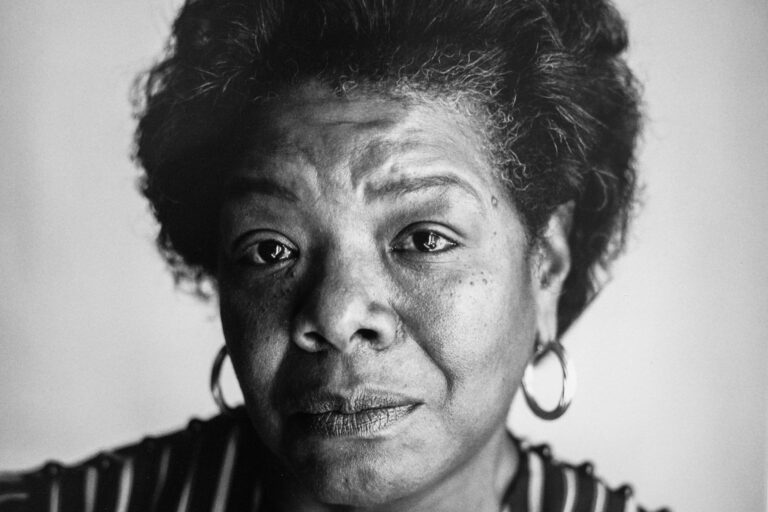
The Art of Storytelling: Maya Angelou

At Sage Collective, we hold dear the voices that share tales of human spirit, challenges, and victories. Among these, Maya Angelou stands tall, with her stories resonating through time, offering glimpses of her life and the wider journey. Through Angelou, we gain a fresh perspective on the art of storytelling.

Bearing Witness to Life’s Highs and Lows

Like Gorman, the power of Angelou’s tales comes from her genuine honesty. “I Know Why the Caged Bird Sings,” tells of the difficulties she faced, from facing prejudice to personal pain. Yet, she chose to openly share, lighting the way for countless silent stories. By sharing her struggles, she magnifies her successes, showing us that every part of our journey matters. Every story, whether personal or broad, has a universal echo. Through Angelou, we connect with emotions and experiences that touch hearts worldwide.

A Dance of Words and Rhythm

Angelou’s writing draws us in, but her poetry is where her words truly dance. Poems like “Still I Rise” and “Phenomenal Woman” enchant with their rhythmic flow and uplifting messages. When shaping your story, let Angelou inspire you. Fill your narrative with rhythm and emotion, creating an experience rather than just a tale.

Driving Forward With Purpose

A defining trait of Angelou’s work is its clear intent. She didn’t just share life moments; she shared lessons. “Still I Rise” isn’t just her journey—it’s a rallying cry for the oppressed. She shows that stories can do more than entertain; they can ignite change. When you write, know that your words have the power to move hearts and minds.

Lessons from Angelou on Storytelling

Angelou’s storytelling imparts wisdom beyond the narrative. She teaches us the importance of authenticity—stories need to come from a place of truth. She reminds us to embrace both pain and joy, as both are essential parts of the human experience. Moreover, her work emphasizes the need for stories to have a purpose, a message that drives them forward.

In wrapping up, exploring storytelling through Angelou’s eyes reveals tales that mirror shared hopes, challenges, and dreams. Taking a leaf from her book, let’s believe that our stories, grounded in truth and purpose, can touch and change lives.

› Back to top
« back
08.03.23 | Community

The Benefits of Chair Dancing for Older Adults: Fitness, Fun, and Flexibility

In our pursuit of vibrant living, physical activity plays an increasingly crucial role. At Sage Collective, we’re dedicated to promoting fun, engaging, and accessible ways to keep moving. One such practice that has been gaining popularity among older adults is chair dancing. Today, we’re explore the fascinating world of chair dancing and how this fun fitness routine can enhance physical health, mental clarity, and overall well-being.

What is Chair Dancing?

Chair dancing is a dynamic and enjoyable form of exercise that integrates the rhythms and movements of dance into a seated routine. This low-impact activity is designed to accommodate all ages and fitness levels, making it a superb choice for older adults. Using a chair for support, individuals can savor the joys of dancing without concerns about balance or mobility. It allows everyone, regardless of physical ability, to engage in an energetic activity that promotes cardiovascular health, strength, flexibility, and coordination.

Health Benefits of Chair Dancing

Chair dancing provides a comprehensive workout that engages various muscle groups, enhancing cardiovascular health, increasing muscle tone, and promoting better coordination and balance. This low-impact activity also promotes joint mobility and flexibility, critical elements in maintaining a vibrant and active lifestyle.

Beyond its physical benefits, chair dancing can significantly improve mental well-being. The invigorating music and engaging movements stimulate cognitive activity, encouraging memory recall and enhancing focus. By naturally lifting your mood and reducing stress, chair dancing helps foster a happier, more positive mindset.

Chair dancing also has social benefits. Participating in a group setting can create a sense of community and connection. Joining a chair dancing class offers a fun, social way to stay active, contributing to an overall sense of well-being and joy as part of a vibrant lifestyle.

Getting Started with Chair Dancing

Starting your chair dancing routine requires some planning and gradual progression. Ensure you have a sturdy chair and enough space to move your arms and legs freely. Wearing comfortable clothing that facilitates easy movement is also essential. You can customize chair dancing to match your fitness level. If you’re new to the practice, start with slower, gentler routines and progressively build up to faster, more robust dances.

Community centers or gyms often offer chair dancing classes. If you prefer the comfort of your home, there are numerous online resources, including tutorials on YouTube and other platforms, catering to various skill levels. Most importantly, chair dancing should be fun and enjoyable. Use this time to express yourself, embrace the rhythm of the music, and immerse yourself in the joy of movement.

Chair dancing offers a host of physical, mental, and social benefits for older adults, contributing to a vibrant, fulfilling life. With such a fun and accessible form of exercise, it’s an excellent time to get moving and embrace an active lifestyle. At Sage Collective, we’re committed to nurturing a balanced, vibrant lifestyle that combines physical activity, mindfulness, and joy. With chair dancing, older adults can integrate all these elements, enhancing their well-being, and fostering a positive, active lifestyle.

› Back to top
« back
07.20.23 | Community

Plant-Based Picnics: Delicious and Sustainable Recipes for Outdoor Dining

Just as we appreciate the evolving nature of foods in their flavor, color, and shape, we at Sage Collective similarly believe in the potential for personal growth and evolution, especially when it comes to our dietary choices. So today, we’re shifting our spotlight to the realm of plant-based picnics – a delightful fusion of health, sustainability, and flavor.

Have you ever been on a picnic, basket in hand, blanket over your shoulder, and felt the simple joy of dining in the great outdoors? Picnics have a certain magic about them, blending the nourishment of food with the rejuvenation of nature. We’re here to enrich this experience even further by introducing a plant-based approach.

Why Plant-Based?

A plant-based diet, rich in fruits, vegetables, grains, and legumes, is a powerful way to enhance your health and vitality while reducing environmental impact. As with the curious and colorful heirloom foods, diving into the variety of plant-based foods can be an exciting exploration of new flavors and nutrients. Plus, who says nutrition can’t be delicious?

Plant-based picnics provide a unique opportunity to share this exploration with loved ones. Whether you’re a seasoned plant-based eater or just beginning to dip your toes into this lifestyle, a picnic is a relaxed, enjoyable setting to experience and share these vibrant foods.

Ideas for Your Plant-Based Picnic:

  1. Colorful Veggie Wraps: Pack some whole-grain tortillas with a rainbow of fresh vegetables, hummus, and a sprinkle of herbs. They’re easy to make, easy to carry, and a delightful blend of flavors and textures.
  2. Quinoa Salad: High in protein and filled with fresh vegetables, a quinoa salad is a satisfying and versatile picnic choice.
  3. Fruit Skewers: Thread some fresh seasonal fruits onto skewers for a light, sweet treat. They’re refreshing, fun to eat, and packed with healthful vitamins.

So, why not plan your next outdoor feast around plant-based foods? You’ll be treating yourself, your loved ones, and our planet to a meal that truly nourishes. Remember, vibrant living is not a destination but a journey, filled with exploration, creativity, and open-mindedness. Embracing a plant-based picnic is one delicious step on this journey.

We invite you to share your favorite plant-based recipes with friends, family, and our Sage Collective community. Who knows, your favorite dish might just become someone else’s too. After all, part of vibrant living is sharing what brings us joy and wellness. Happy picnicking!

› Back to top
« back
07.13.23 | Sage Advice®

What Amanda Gorman Teaches Us About Storytelling

At Sage Collective, we’re all about those personal journeys and the stories they create. And when someone like Amanda Gorman uses her talent to share those journeys, it’s impossible not to sit up and take notice. Gorman, with her poignant words and masterful storytelling, has offered us some great lessons on expression.

Telling Your Truth with Boldness

Gorman’s work brings forth an essential aspect of storytelling: raw, unfiltered honesty. A great example of this is her inaugural poem, “The Hill We Climb,” where she candidly paints the picture of a nation divided, and uses this as a canvas to craft a vision of unity and resilience. It’s more than a reflection on America’s political scene—it’s an intensely personal story of hope and unwavering determination. This courageous sharing of her perspective is a reminder for us all: the bumpy roads on our journey deserve as much recognition as our triumphs.

One thing that sets Gorman’s storytelling apart is her knack for weaving her personal stories into universal narratives. Despite being rooted in specific experiences, her stories strike a chord worldwide— a testament to the shared human experience we all are a part of.

So, when you’re sharing your story, remember, your unique journey is part of the much larger, grand tapestry of human life. Seek those threads that tie your personal experiences to the bigger narratives.

Harnessing the Power of Poetry

Gorman’s “The Hill We Climb” also highlights the compelling allure of poetry in storytelling. The rhythmic cadence, vivid imagery, and intricate metaphors all come together to create a concise, yet deeply moving expression of her experiences and emotions.

When sharing your story, don’t hesitate to employ a touch of the poetic. It’s not about composing verses, but more about using language in an artful way to add layers and richness to your narrative.

Inspiring Change Through Storytelling

What truly makes Gorman’s work stand out is how it transcends the beauty of language; each poem, each story, is a call to action. “The Hill We Climb” is more than just a reflection of the present—it’s a clarion call for a better tomorrow. In this, Gorman teaches us that our stories aren’t just relics of the past, but catalysts for inspiring change. By sharing your experiences, you too can foster empathy, understanding, and even trigger action. Your story holds the power to inspire others and spark transformation.

› Back to top