« back
04.24.24 | Arts & Culture

Tea Traditions from Around the World: A Journey in Mindfulness and Wellness

In cultures around the globe, tea is much more than a mere beverage — it’s a ritual, a tradition, and a way of life. At Sage Collective, where we champion wellness and mindfulness, exploring the diverse tea traditions from around the world offers us a unique lens through which to understand different cultures, as well as to appreciate the profound ways in which this ancient drink promotes health, community, and peace of mind.

The Art of Tea in Japan: Chanoyu
The Japanese tea ceremony, or Chanoyu, is a revered art form that embodies the principles of harmony, respect, purity, and tranquility. This intricate ritual of preparing and serving matcha (powdered green tea) is a meditative practice, inviting participants to be fully present in the moment. The ceremony is not just about drinking tea, but about appreciating the beauty in simplicity, the changing seasons, and the craftsmanship of the tea utensils. Chanoyu encapsulates the essence of mindfulness, encouraging a deep connection with oneself and with others.

China: The Birthplace of Tea
China, where tea was first discovered, boasts a rich and diverse tea culture. From the ceremonial Gongfu tea ceremony, which emphasizes the skill and precision of brewing tea, to the casual enjoyment of Yum Cha, or “drinking tea” in Cantonese, accompanied by dim sum in the morning or afternoon. Each region has its own preferred type of tea, from the delicate green teas of the east to the robust pu-erh teas of Yunnan. Tea in China is more than a drink; it’s a bridge to conversation, friendship, and philosophical reflection.

Moroccan Mint Tea: Hospitality in a Glass
In Morocco, serving mint tea is an act of hospitality, friendship, and tradition. Prepared with green tea, fresh mint, and a generous amount of sugar, this sweet and refreshing beverage is served throughout the day, especially to welcome guests. The pouring of the tea from a height creates a frothy top, a skillful display that adds to the enjoyment. Moroccan mint tea is not just a drink; it’s an invitation to sit, chat, and enjoy the company of others.

India: Chai, A Spiced Brew of Unity
In India, chai is more than just a tea — it’s a way of life. This spiced tea, made with black tea, milk, sugar, and a blend of spices such as cardamom, ginger, cloves, and cinnamon, is enjoyed by millions across the country. Chai is ubiquitous, from bustling city streets to quiet rural villages, and its preparation and consumption are a time for pause and connection. The act of sharing chai fosters a sense of community and belonging, making it a potent symbol of unity in diversity.

British Afternoon Tea: Elegance and Etiquette
The British tradition of afternoon tea is a quintessential ritual that speaks to the elegance and etiquette of tea drinking. Introduced in the 1840s, this mid-afternoon break was meant to bridge the long gap between meals. Today, it’s an elaborate affair often accompanied by scones, sandwiches, and cakes. Afternoon tea is a celebration of social interaction, an opportunity to gather and converse in a relaxed setting.

Peru: The Healing Mate de Coca
In Peru, the traditional tea known as Mate de Coca is made from the leaves of the coca plant, revered for its healing properties. This herbal tea has been a staple in Andean culture for centuries, used both in daily life and sacred rituals. It is believed to alleviate altitude sickness, a common ailment in the high altitudes of the Andes, making it a vital part of Peruvian hospitality towards visitors. Mate de Coca symbolizes the deep relationship between the Andean people and their environment, showcasing how tea can be a bridge between health, culture, and the natural world.

Mexico: The Aromatic Tisanes
Mexico’s rich herbal tea tradition, or “tisanes,” involves brewing a variety of local herbs and flowers known for their medicinal properties. Among the most beloved is Manzanilla (chamomile), often consumed for its soothing and digestive benefits. Another popular choice is Flor de Jamaica (hibiscus tea), celebrated for its vibrant color, tart flavor, and healthful qualities. These herbal teas reflect Mexico’s biodiverse landscape and the indigenous knowledge of natural remedies, offering a comforting and healthful embrace in every cup.

Nepal: The High Mountain Teas
Nepal, with its sprawling tea gardens in the foothills of the Himalayas, is renowned for producing some of the world’s finest teas. Nepali tea traditions blend the cultivation practices of China with the processing methods of India, resulting in unique flavors and aromas. Drinking tea in Nepal is a daily ritual that signifies hospitality and friendship, often accompanied by light snacks. The practice of sharing tea, whether it’s the robust black teas or the delicate green and white teas, is integral to Nepali culture, symbolizing a moment of rest, reflection, and connection amidst the majesty of the mountains.

Tea as a Universal Language of Wellness
Across these diverse traditions, we are reminded of tea’s remarkable ability to bring people together, offering solace, health, and a profound sense of belonging. Each cup offers a moment of reflection, a pause in our busy lives, and an opportunity to connect with others. At Sage Collective, we encourage you to explore these tea traditions as a pathway to understanding different cultures and embracing our journey towards vibrant living.

Photo: koko rahmadie, Pexels
› Back to top
« back
04.18.24 | Health & Wellness

Introducing Sage Vibrant Living —The Podcast: A New Chapter in Storytelling

In an ever-evolving world where connection and engagement stand as pillars of humanity, Sage Collective proudly announces the launch of an exciting endeavor: Sage Vibrant Living — The Podcast. This innovative series is more than just an addition to our platform, Sage Advice®; it is a bold step towards redefining the narrative around aging and celebrating the vibrancy of life at every stage.

Why podcasting?
At Sage, we believe in challenging the status quo and embracing innovative ideas that enrich the lives of older adults and the community at large. Podcasting offers a radical new framework where older adults are valued and engaged…where they experience a life lived vibrantly. It is a medium that transcends traditional boundaries, allowing us to connect, engage, and explore humanity’s boundless knowledge collaboratively. From how-to discussions and cultural perceptions of aging to dynamic storytelling and housing as health insights, Sage Vibrant Living — The Podcast covers a broad spectrum of topics that resonates with our mission: to promote a better quality of life for older adults and those who support them, to extend the reach of Sage, and to foster a sense of community and belonging.

Listening to inspirational voices|
Our inaugural series boasts a lineup of interviews that promises to captivate, educate, and inspire our listeners. Each guest brings a unique perspective to the table, sharing their journey, wisdom, and insights into living a life full of purpose, health, and joy.

Episode 1: Barbara Bates | Fashion and Philanthropy: Join us as we dive into the world of fashion with Barbara Bates, exploring how she weaves philanthropy into her work and remains a relevant force in the industry.

Episode 2: Alfred Edmond Jr. | Money & Muscle: Alfred Edmond Jr. reveals his secrets to building wealth and health post-60, offering listeners a blueprint for financial and physical wellness.

Episode 3: Cheryl Woodson, MD | A Journey Towards Joy: Dr. Cheryl Woodson shares her expert insights on navigating the challenges of aging and finding pathways to joy and fulfillment.

Episode 4: Dwain Kyles & Emilie McKendall | Speak Up!: This empowering conversation with Dwain Kyles and Emilie McKendall underscores the importance of self-advocacy and standing up for others.

Episode 5: Dr. Geneva Williams | How to Make Your “Dash” Mean Something: Dr. Geneva Williams discusses the significance of the ‘dash’—the time between our birth and death—and how to make every moment count.

Episode 6: Don Jones | The Power of Storytelling: In this compelling episode, Don Jones delves into the transformative power of storytelling, highlighting its role in preserving history, fostering connections, and inspiring change.

As we embark on this journey, we invite you to join us. Whether you’re a listener, a storyteller, or a supporter, your involvement is crucial to the success of Sage Vibrant Living—The Podcast. Together, we can change the experience of growing older and celebrate a life lived vibrantly, one story at a time.

To access all the podcast episodes, simply click on the link here.

Sage Vibrant Living Podcast
› Back to top
« back
04.10.24 | Arts & Culture

The Healing Power of Melody and Rhythm

Music transcends mere entertainment, serving as a universal language that speaks to the soul. Its profound impact on human emotions and cognitive functions has been recognized for centuries, leading to the development of music therapy as a powerful tool for healing and wellness. At Sage Collective, we explore the intricate ways in which music therapy harnesses melody and rhythm to foster health, offering valuable insights for audiences seeking to understand its benefits, particularly for older adults.

The Essence of Music Therapy

Music therapy is a clinical and evidence-based practice that uses music interventions to accomplish individualized goals within a therapeutic relationship. It addresses physical, emotional, cognitive, and social needs, providing a holistic approach to wellness. For older adults, music therapy offers a versatile means of improving quality of life, whether it’s through reminiscence, movement, relaxation, or cognitive exercises.

Emotional and Psychological Benefits

One of the most immediate effects of music therapy is its capacity to enhance mood and alleviate symptoms of depression and anxiety. Familiar tunes can evoke memories, transporting individuals to moments of joy and comfort from their past. This connection not only combats loneliness but also strengthens identity and personal history. Moreover, active participation in music-making can empower individuals, providing a sense of achievement and boosting self-esteem.

Cognitive and Memory Support
Music therapy plays a significant role in cognitive health, particularly for those experiencing memory loss due to conditions like dementia and Alzheimer’s. The rhythm and repetition inherent in music aid in memory recall, helping patients remember lyrics and melodies long after other memories have faded. Furthermore, music therapy can stimulate cognitive function, encouraging focus and engagement through listening, singing, or playing instruments.

Physical Health and Rehabilitation
The benefits of music therapy extend to physical health, aiding in the rehabilitation of individuals recovering from strokes or other conditions that affect motor skills. The rhythm of music can facilitate movement and coordination, improving gait and hand-eye coordination. Additionally, the soothing properties of melody can lower blood pressure, reduce heart rate, and alleviate pain, contributing to overall physical well-being.

Social Connection and Intergenerational Bonding
Music therapy also fosters social connections, bridging gaps between generations and promoting shared experiences. In group settings, music serves as a communal activity that encourages interaction and cooperation. For older adults, these connections are vital, enhancing a sense of belonging and community. Intergenerational music therapy sessions can further enrich this experience, allowing older adults to connect with younger participants through a shared love of music.

Incorporating Music Therapy into Everyday Life
While professional music therapists offer tailored interventions, the principles of music therapy can be applied in everyday life to enhance well-being. Creating personalized playlists of favorite or meaningful songs can serve as a simple form of self-care. Engaging in communal music activities, whether it’s attending concerts, singing in a choir, or participating in drum circles, can provide both the therapeutic benefits of music and the joy of social engagement.

Conclusion: A Symphony of Wellness
Music therapy stands as a testament to the healing power of melody and rhythm, and makes it an invaluable tool for enhancing the quality of life, especially among older adults. As we continue to explore innovative ways to support wellness at Sage Collective, the harmony of music therapy resonates as a clear, melodious call to soothe, inspire, and heal.

music_heals
Illustration credit: Creative Commons CC BY-ND 4.0 Deed
› Back to top
« back
04.03.24 | Arts & Culture

Ta-Nehisi Coates: Mastering the Art of Storytelling Through Reflection and Reality

In the rich landscape of contemporary storytelling, few voices are as compelling and influential as that of Ta-Nehisi Coates. As part of our ongoing exploration into the art of storytelling, Sage Collective is delighted to spotlight Coates, a writer who masterfully weaves together narratives of race, identity, and the American experience with both grace and unflinching honesty. Coates’ work not only captivates readers but also invites profound reflection on the society we inhabit and the changes we aspire to see.

A Voice for Our Times
Ta-Nehisi Coates emerged as a powerful voice in American literature and journalism through his thought-provoking essays and books. His ability to articulate complex issues related to race and society has made him a pivotal figure in national conversations about racism, democracy, and historical memory. Coates’s writing is characterized by its depth of insight, lyrical quality, and the personal perspective he brings to bear on topics of public concern.

The Beautiful Struggle: A Personal Odyssey
In The Beautiful Struggle, Coates offers a vivid glimpse into his formative years in Baltimore, navigating the complexities of boyhood within the broader context of racial and economic strife. This memoir is not only a tale of personal growth and familial bonds but also a reflection on the broader struggle for Black identity and liberation. Coates’ relationship with his father, a figure steeped in the legacy of the Black Panther movement, serves as a powerful narrative thread, illustrating the impact of history and activism on individual lives.

Between the World and Me: An Intimate Letter
Between the World and Me expands Coates’ exploration of America’s racial history through a deeply personal lens, structured as a letter to his teenage son. This work captures the fears, hopes, and realities of being Black in America, weaving personal narrative with historical analysis. Coates’ use of the epistolary form creates an intimate conversation on race, identity, and the quest for understanding in a country marked by systemic injustice.

The Water Dancer: Merging Fiction with History
Coates’ foray into fiction with his debut novel, The Water Dancer, further cements his status as a versatile and imaginative storyteller. The novel combines historical elements with magical realism to tell a captivating story of slavery and resistance in the antebellum South. Through the eyes of his protagonist, Hiram Walker, Coates explores themes of memory, freedom, and the unbreakable bonds of family. The Water Dancer showcases Coates’ skill in creating rich, immersive worlds that illuminate the struggles and resilience of the human spirit.

We Were Eight Years in Power: Reflecting on an Era
In We Were Eight Years in Power, Coates assembles a collection of essays that chronicle the Obama presidency’s significance against the backdrop of America’s racial landscape. The title, echoing a lament from the Reconstruction era, frames the book as a meditation on the cyclical nature of racial progress and backlash in American history. Through essays that examine the cultural and political implications of Obama’s presidency and the subsequent rise of Donald Trump, Coates offers a critical analysis of the forces that shape American society and the ongoing struggle for racial justice.

Across his works, Coates’ storytelling artistry lies in his ability to blend the deeply personal with the sweepingly historical. His narratives invite readers into a space of reflection, challenging them to consider the intricate tapestry of American identity and the indelible impact of race on the nation’s conscience. Through his incisive analysis, lyrical prose, and unflinching honesty, Coates has crafted a body of work that is essential reading for anyone seeking to understand the complexities of contemporary America.

As we celebrate Ta-Nehisi Coates’ contributions to the art of storytelling, we are reminded of the power of literature to illuminate the darkest corners of society, to heal, and to inspire change. His voice is a clarion call for awareness, empathy, and action — a testament to the enduring strength of the written word to move hearts and minds.

TA-NEHISI_COATES
Ta-Nehisi Coates at The Anthology of Rap, 92YTribeca. Photo: 92YTribeca, Flickr Creative Commons, CC BY-NC 2.0 Deed
› Back to top
« back
03.27.24 | Sage Advice®

Rediscovering Local Libraries: A Gateway to Lifelong Learning

In an era where the digital world dominates our sources of information and entertainment, the timeless charm and invaluable resources of local libraries stand as beacons for communities everywhere. At Sage Collective, we deeply value lifelong learning as a key component of vibrant living. It’s in this spirit that we explore the local library not just as a building with books, but as a vibrant gateway to endless learning opportunities, cultural enrichment, and community connection.

The Local Library: More Than Just Books
Local libraries have evolved significantly over the years, transforming into dynamic community centers that offer a wide range of resources and services. Beyond the shelves of books lies a treasure trove of digital resources, educational programs, and cultural events designed to engage and enrich community members of all ages.

A Hub for Lifelong Learning
One of the most compelling aspects of local libraries is their commitment to fostering lifelong learning. Whether it’s through free access to books, e-books, online courses, or workshops, libraries provide invaluable resources for personal and professional development. For older adults, particularly, libraries offer programs tailored to their interests and needs, making learning accessible and enjoyable.

Cultural and Social Enrichment
Libraries serve as cultural hubs, hosting an array of events such as author readings, discussion groups, art exhibitions, and film screenings. These events not only enrich our cultural understanding but also provide opportunities for social interaction, helping to build a sense of community and belonging. Engaging with these offerings allows us to expand our horizons, encounter new ideas, and connect with fellow community members.

Access to Technology and Digital Literacy
In today’s digital age, libraries play a crucial role in bridging the digital divide. They offer free access to computers and the internet, along with classes on digital literacy, helping individuals navigate the complexities of the digital world. For many in our community, especially seniors who may feel left behind by rapid technological changes, this access is invaluable in staying connected and informed.

Volunteer and Engagement Opportunities
Libraries also offer numerous opportunities for community members to get involved, whether through volunteer programs, friends of the library groups, or advisory boards. Participating in these activities can be a rewarding way to give back, share your skills and experience, and further strengthen community ties.

Rediscovering Your Local Library
Rediscovering your local library is as simple as walking through its doors or visiting its website. Explore the catalog, inquire about upcoming events, or ask the librarians about resources and services available. You might be surprised at the wealth of opportunities waiting to be discovered.

As we advocate for the enriching practice of lifelong learning at Sage Collective, we recognize local libraries as our vital partners, providing gateways to new experiences, avenues for personal growth, and the joys of community engagement. Not familiar with your local library? It’s easy to find! Use this handy website — libraryfinder.org/ — to enter your address and get information on locations, hours, and reviews from others.

Library books on shelves
› Back to top
« back
03.13.24 | Spirituality & Religion

Interfaith Dialogues: Understanding and Celebrating Religious Diversity

In a world that is as beautifully diverse as it is interconnected, Sage Collective recognizes and celebrates the myriad ways in which individuals express their spirituality and faith. One of the most enriching avenues for promoting understanding, peace, and unity among this diversity is through interfaith dialogues. These conversations are not just about exploring the beliefs and practices of different religions; they are about weaving a tapestry of shared human experience that transcends individual faiths.

The Essence of Interfaith Dialogues

Interfaith dialogues are conversations that aim to bring people of different religious beliefs and backgrounds together to discuss their faiths, beliefs, and practices in an atmosphere of respect and understanding. These dialogues are pivotal in breaking down barriers, dispelling myths, and fostering a mutual respect that is crucial in today’s globalized society. They remind us that beneath the surface of our diverse expressions of faith lies a common quest for meaning, purpose, and community.

Why Engage in Interfaith Dialogues?

Promotes Understanding: At their core, interfaith dialogues are about understanding. They provide a platform for individuals to share their beliefs, listen to others, and learn from each other’s experiences. This understanding is the first step towards building a more cohesive and harmonious community.

Fosters Respect: Through open and honest conversations, interfaith dialogues cultivate a culture of respect. When we take the time to learn about the beliefs of others, we are more likely to respect those beliefs, even if they differ from our own.

Encourages Unity: By focusing on common values and shared experiences, interfaith dialogues can highlight the unity that exists amidst diversity. They remind us that, despite our different paths, we are all part of the larger human family.

Supports Peace-building: In a world often divided by religious conflicts, interfaith dialogues serve as a powerful tool for peace-building. They help in mitigating misunderstandings and tensions by promoting a message of peace and coexistence.

Creating Meaningful Interfaith Dialogues

Creating a space for meaningful interfaith dialogues starts with an open heart and an open mind. It requires participants to listen actively, speak respectfully, and approach each conversation with empathy and curiosity. Here are some ways to foster these dialogues:

Educate Yourself and Others: Begin with a willingness to learn about other faiths, and share knowledge about your own in a way that is informative and inclusive.

Participate in Interfaith Events: Join interfaith councils, forums, or celebrations in your community to experience the richness of diverse religious traditions.

Encourage Inclusivity: Advocate for inclusivity in your own religious or spiritual communities, encouraging leaders and members to engage in interfaith initiatives.

At Sage Collective, we believe that interfaith dialogues are essential for nurturing a society that values diversity, practices inclusion, and seeks unity in the beautiful mosaic of human spirituality. As we embark on these conversations, let us do so with the intention of not just coexisting, but thriving together in mutual respect and understanding. In celebrating our differences, we find our greatest strength — our shared humanity.

Sage Collective Interfaith Dialogues
› Back to top
« back
02.22.24 | Sage Advice®

What is Wisdom in Aging? Exploring the Sage Collective Perspective

As we journey through life, the concept of aging gracefully isn’t just about the physical aspect; it’s profoundly intertwined with the accumulation of wisdom. At Sage Collective, we cherish the process of aging as a unique opportunity for growth, learning, and sharing the wealth of knowledge and experience that comes with it. But what exactly is wisdom in aging, and how does it manifest in our lives?

Wisdom isn’t merely a collection of knowledge, but a deeper understanding and application of that knowledge in ways that are thoughtful, compassionate, and beneficial to ourselves and others. It involves insight, judgment, and the ability to see beneath the surface of things. In the context of aging, wisdom becomes a guiding light, a beacon that illuminates the path for ourselves and others that is informed by:

Empathy and Compassion: With age comes an enhanced capacity for empathy and compassion. Wisdom involves understanding others’ feelings and experiences, fostering connections that transcend superficial differences.

Emotional Regulation: Wisdom in aging is characterized by the ability to navigate emotions with grace. It means not being swayed by every gust of feeling but understanding and managing emotions for greater harmony and peace.

Reflection and Insight: The reflective quality of wisdom allows us to look back on our experiences, learn from them, and gain insights that guide our future actions. This introspection is a hallmark of true wisdom.

Acceptance: Wisdom brings with it the acceptance of life’s impermanence and the serenity to embrace change. It’s about understanding what we can control and letting go of what we cannot.

Sharing Knowledge: Perhaps one of the most beautiful aspects of wisdom is the desire to share it. This generational transmission of knowledge enriches our communities and strengthens our collective understanding.

Cultivating wisdom is an intentional act. It involves mindfulness, continued learning, and staying engaged with the world around us. It means seeking out new experiences, listening more than we speak, and opening our hearts to the lessons life offers us. At Sage Collective, we also believe that community plays a crucial role in fostering wisdom. Through shared experiences, dialogue, and support, we can nurture a wisdom that is not only personal but collective. Our community becomes a repository of shared wisdom, a resource that enriches every member.

As we embrace aging, let us also embrace the wisdom that comes with it. Wisdom in aging is not just about what we have learned from the past; it’s about how we apply that knowledge in the present and how we share it for the future. It’s a gift, one that enriches our lives and the lives of those around us, making the journey of aging not just a passage of time but a passage of growth, understanding, and profound connection.

In celebrating wisdom, we remind ourselves that every moment, every experience, and every lesson is a step toward a deeper understanding of what it means to live fully and richly at every age.

Sage_Collective_Wisdom_in_Aging
› Back to top
« back
02.08.24 | Arts & Culture

The Art of Storytelling: Langston Hughes

In our continuing series on “The Art of Storytelling,” we’ve journeyed through the narratives of luminaries who’ve masterfully woven the fabric of their experiences, cultures, and imaginations into storytelling. It’s an honor to now delve into the legacy of Langston Hughes, a pivotal figure whose poetic voice became a cornerstone of the Harlem Renaissance and a beacon for the African American experience.

Langston Hughes: A Storyteller’s Storyteller
Langston Hughes was a towering figure in American literature, known for his prolific output and for the depth and breadth of his influence. He rose in prominence during the period known as the Harlem Renaissance — the emergence of black intellectual, literary, and artistic life that took place in the 1920s across urban America, particularly in Harlem. He focused on lived experience as the basis for his unique storytelling, resulting in a vibrant tapestry of jazz rhythms, social commentary, and a profound exploration of the human condition. Hughes had the unique ability to distill complex emotions and societal truths into accessible poetry, stories, and plays, making him a true artisan of the narrative form.

Embracing the Human Experience
Hughes’s storytelling was deeply rooted in the African American experience, capturing its joys, sorrows, and resilient spirit. He celebrated black culture in his work, took a defiant stance against racial injustice, and shared a heartfelt portrayal of the everyday lives of black Americans. Through his famous jazz poetry, Hughes incorporated the rhythms and improvisations of jazz music, creating a dynamic and immersive narrative style that resonated with a wide audience.

The Power of Simplicity
Hughes used simple, yet profound language when he wrote, which became one of the hallmarks of his storytelling style. He believed that the power of clarity and accessibility would enable his stories and poems to speak directly to the heart. This simplicity was one of his greatest strengths, allowing him to convey deep emotions and complex societal critiques in a way that was both relatable and moving.

His approach to message, language, and cadence are powerfully rendered in the poem entitled, “I, Too,” which was published in Hughes’ first volume of poetry, The Weary Blues in 1926. To read this poem, and other examples of Hughes’ work, visit the Poetry Foundation.

Legacy and Inspiration
Langston Hughes’s legacy is a testament to the enduring power of storytelling to effect change, build community, and celebrate culture. His work continues to inspire new generations of storytellers, poets, and artists who see in Hughes a model for using narrative as a tool for social commentary, cultural affirmation, and personal expression.

For us at Sage Collective, Hughes’s storytelling is a reminder of the profound impact that stories can have on our understanding of ourselves and each other. His life and work encourage us to explore our own narratives, to find beauty in our experiences, and to share our stories with the world.

Inr Langston Hughes’ work, we are reminded of the transformative power of storytelling. His ability to capture the essence of the human spirit, to challenge societal norms, and to celebrate the richness of the African American experience is a beacon for all who believe in the power of words to shape our world.

Let us take inspiration from Hughes’s example, weaving our own stories with honesty, empathy, and a deep appreciation for the diverse tapestry of human life.

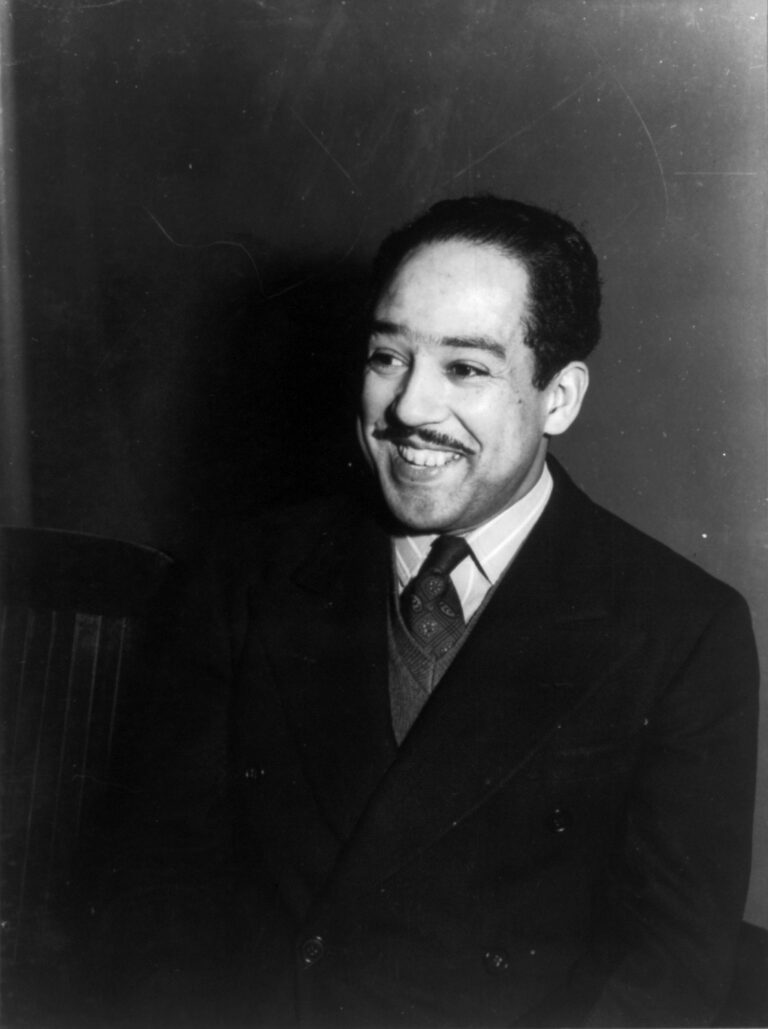
Langston Hughes by Jack Delano, 1942
Portrait of Langston Hughes by Jack Delano, 1942. Library of Congress, Prints and Photographs Collections.
› Back to top
« back
01.04.24 | Community

The Importance of Setting Resolutions in the New Year

Now that 2024 is upon us, it brings an opportunity for reflection and renewal. At Sage Collective, we understand the importance of this time as an opportunity to set resolutions – not just as a tradition, but as a meaningful practice in our journey towards vibrant living.

The Power of Resolutions
Resolutions are more than just yearly promises we make to ourselves; they are declarations of intent and pathways to personal growth. They provide us with a chance to pause, assess our lives, and decide what changes we wish to make. For us in the older adult community, this is particularly powerful, as it aligns with our ongoing pursuit of vibrant living at every stage of life.

Setting Achievable Goals
The key to successful resolutions lies in their realism and attainability. It’s about setting goals that are challenging yet achievable, and that contribute to our overall well-being. Whether it’s adopting a new fitness regimen, learning a new skill, or dedicating more time to a beloved hobby, each resolution should be a stepping stone towards a fuller, richer life experience.

The Importance of Health and Wellness
Many resolutions revolve around health and wellness, and for good reason. As we age, taking care of our physical and mental health becomes increasingly important. Resolutions can serve as commitments to ourselves to nurture our bodies and minds, whether through healthier eating, regular exercise, or mindfulness practices.

Staying Connected and Engaged
Resolutions can also foster social engagement and community involvement – key components of vibrant living. This might mean resolving to spend more time with family and friends, participating in community events, or engaging in volunteer work.

Lifelong Learning and Growth
The new year is also a perfect time to commit to lifelong learning. This could be through reading more, enrolling in a class, or even traveling to new places. Each of these resolutions enriches our lives, keeps our minds active, and supports our overall sense of joy and fulfillment.

As we stand on the threshold of a new year, let’s embrace the tradition of setting resolutions with optimism and enthusiasm. Let these resolutions be reflections of our aspirations and values, guiding us towards a year filled with health, happiness, and vibrant living.

Remember, the journey is as important as the destination. Let’s approach our resolutions with flexibility and kindness towards ourselves, understanding that each step forward, no matter how small, is a victory in its own right.

View of the sky looking up through a stand of trees
Credit: Ken Lane (Attribution-NonCommercial-ShareAlike License)
› Back to top
« back
12.21.23 | Sage Advice®

The Art of Storytelling: Ava DuVernay

In our celebration of the art of storytelling, it’s impossible to overlook the profound impact of Ava DuVernay, a filmmaker who has redefined the landscape of American cinema. At Sage Collective, we not only appreciate storytelling in its traditional forms but also how it transcends into different mediums, like film, to evoke emotion, inspire change, and challenge perspectives.

Ava DuVernay, an American filmmaker, and director, has become a household name, known for her powerful storytelling that often centers on social issues, particularly those affecting the Black community. Her work is a testament to the power of film as a medium for storytelling, shedding light on pivotal but often overlooked aspects of history and contemporary society.

DuVernay’s journey in the film industry is one of resilience and perseverance. Initially working as a publicist, DuVernay transitioned into writing, producing, and directing. Her early works set the stage for what would become a career marked by impactful storytelling. It was her second feature film, “Middle of Nowhere,” that won her the Best Director Prize at the Sundance Film Festival in 2012, making her the first Black woman to win this award.

One of DuVernay’s most notable works is “Selma” (2014), a historical drama about the 1965 Selma to Montgomery voting rights marches led by Martin Luther King Jr. and other prominent figures. The film was not just a retelling of history; it was a resonant, powerful piece that connected past struggles to contemporary social issues.

Another significant work is the documentary “13th” (2016), which explored the intersection of race, justice, and mass incarceration in the United States. Through this documentary, DuVernay brought to light how inequality and racial injustice have been systematically embedded into the fabric of American society.

DuVernay’s work extends beyond the screen. She has been instrumental in advocating for diversity and inclusion in Hollywood, both in front of and behind the camera. Her commitment to these causes is evident in her work with ARRAY, a film collective dedicated to amplifying the voices of people of color and women filmmakers.

Ava DuVernay’s approach to storytelling aligns with the core values we hold dear at Sage Collective. Her work reminds us that stories have the power to effect change, connect us, and deepen our understanding of the human experience. DuVernay’s artistry in film inspires us to look at stories not just as a form of entertainment, but as a vehicle for enlightenment, empathy, and empowerment.

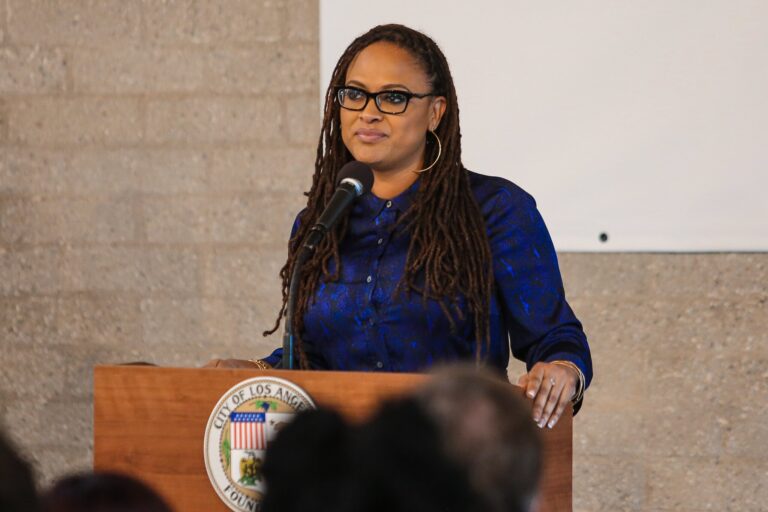
Ava DuVernay
Ava DuVernay
› Back to top