« back
05.08.25 | Health & Wellness

Soulful Sustenance: Anti-Inflammatory, Plant-Based, and Culturally Rooted Nutrition for Aging Well

At Sage Collective®, we believe vibrant living is nurtured from the inside out. As we age, what we choose to nourish our bodies with becomes more than a matter of taste—it’s a key ingredient in longevity, mobility, and joy. That’s why we’re embracing a conversation around anti-inflammatory, plant-based nutrition that not only supports health but also honors the rich culinary traditions of African American culture.

Why Focus on Inflammation?
Chronic inflammation has been linked to a number of age-related conditions, including arthritis, heart disease, diabetes, and cognitive decline. For older African Americans—who are statistically more likely to face these chronic conditions—anti-inflammatory nutrition can serve as both prevention and healing.

The good news? You don’t need expensive supplements or hard-to-find foods. Many of the anti-inflammatory superfoods are familiar ingredients from your own kitchen or garden—and they often show up in the meals your grandparents made with love and intuition.

Plant-Based Eating: A Pathway to Wellness
Plant-based eating doesn’t mean you need to give up meat completely. It simply means placing more emphasis on fruits, vegetables, legumes, grains, nuts, and seeds—all foods that are rich in fiber, antioxidants, and phytonutrients that help fight inflammation and support overall vitality.

Start by thinking of your plate as a palette. Colorful vegetables like collard greens, sweet potatoes, okra, tomatoes, bell peppers, and squash are deeply rooted in African American foodways and loaded with nutrients. Whole grains like millet, sorghum, and brown rice offer slow-burning energy and support digestive health. And beans—such as black-eyed peas, lentils, and butter beans—are affordable powerhouses of protein and fiber.

Honoring Tradition Through a Healing Lens
Food is more than fuel—it’s memory, connection, and culture. At Sage Collective®, we celebrate the flavors and foodways that have nourished generations. But we also encourage evolving our plates in ways that serve our long-term health.

For example, traditional dishes like red beans and rice or stewed greens can be made even more anti-inflammatory by cutting back on processed meats and seasoning instead with herbs, garlic, onions, and a splash of vinegar. Swap frying for roasting or sautéing with olive oil—a heart-healthy fat that supports brain function and reduces inflammation.

And don’t forget the herbs and spices passed down through our traditions—turmeric, ginger, cayenne, thyme, and cinnamon all have natural anti-inflammatory properties.

Easy Changes with Big Impact
You don’t need to overhaul everything overnight. Small, steady shifts can make a big difference:

  • Add one plant-based meal per day.
  • Drink more water and herbal teas like hibiscus or green tea.
  • Snack on walnuts or berries instead of processed chips or cookies.
  • Use whole grains instead of refined flour when you can.

Over time, these habits can reduce inflammation, lower blood pressure, and even ease joint pain.

Food as Self-Care, Food as Legacy
At its core, anti-inflammatory, plant-based eating is about choosing foods that love us back. It’s about reclaiming the healing power of the kitchen and embracing the wisdom of our ancestors who grew, cooked, and healed with the earth in mind.

For older African Americans, this isn’t just a health movement—it’s a form of self-care, self-respect, and cultural preservation. As we pass recipes down, let’s also pass down the knowledge that vibrant aging is possible—and that food is both our heritage and our medicine.

At Sage Collective®, we’re here to walk that path with you. Whether you’re trying Meatless Mondays, revamping family recipes, or learning to shop the produce aisle with fresh eyes, every choice matters. Let’s celebrate the power of plants, tradition, and intention—on every plate, every day.

Credit: Creative Commons Public Domain image from rawpixel.com
› Back to top
« back
07.20.23 | Community

Plant-Based Picnics: Delicious and Sustainable Recipes for Outdoor Dining

Just as we appreciate the evolving nature of foods in their flavor, color, and shape, we at Sage Collective similarly believe in the potential for personal growth and evolution, especially when it comes to our dietary choices. So today, we’re shifting our spotlight to the realm of plant-based picnics – a delightful fusion of health, sustainability, and flavor.

Have you ever been on a picnic, basket in hand, blanket over your shoulder, and felt the simple joy of dining in the great outdoors? Picnics have a certain magic about them, blending the nourishment of food with the rejuvenation of nature. We’re here to enrich this experience even further by introducing a plant-based approach.

Why Plant-Based?

A plant-based diet, rich in fruits, vegetables, grains, and legumes, is a powerful way to enhance your health and vitality while reducing environmental impact. As with the curious and colorful heirloom foods, diving into the variety of plant-based foods can be an exciting exploration of new flavors and nutrients. Plus, who says nutrition can’t be delicious?

Plant-based picnics provide a unique opportunity to share this exploration with loved ones. Whether you’re a seasoned plant-based eater or just beginning to dip your toes into this lifestyle, a picnic is a relaxed, enjoyable setting to experience and share these vibrant foods.

Ideas for Your Plant-Based Picnic:

  1. Colorful Veggie Wraps: Pack some whole-grain tortillas with a rainbow of fresh vegetables, hummus, and a sprinkle of herbs. They’re easy to make, easy to carry, and a delightful blend of flavors and textures.
  2. Quinoa Salad: High in protein and filled with fresh vegetables, a quinoa salad is a satisfying and versatile picnic choice.
  3. Fruit Skewers: Thread some fresh seasonal fruits onto skewers for a light, sweet treat. They’re refreshing, fun to eat, and packed with healthful vitamins.

So, why not plan your next outdoor feast around plant-based foods? You’ll be treating yourself, your loved ones, and our planet to a meal that truly nourishes. Remember, vibrant living is not a destination but a journey, filled with exploration, creativity, and open-mindedness. Embracing a plant-based picnic is one delicious step on this journey.

We invite you to share your favorite plant-based recipes with friends, family, and our Sage Collective community. Who knows, your favorite dish might just become someone else’s too. After all, part of vibrant living is sharing what brings us joy and wellness. Happy picnicking!

› Back to top
« back
02.09.23 | Sage Advice®

Less Sugar, Less Salt, Less Fat: Foiling The American Diet With Indigenous Ingredients


You will find that among the sheer vastness of our world’s culinary palette — America ranks very low. We face an affliction of fast food restaurants seemingly on every corner and processed foods on every grocery store shelf. That isn’t to say any of these places don’t have tasty foods, because admittedly, some do. But finding healthy food choices can seem like an impossible feat in a Western diet full of excess sodium, saturated fat, refined grains, and calories from solid fats and added sugars. In the past we’ve talked about our 9 Ways of Vibrant Living and how one of the ways we can live more vibrantly is through the use of plant-based dieting. What if many of these healthy options could be found right outside our back door? Today, we introduce you to the indigenous diet.

The Indigenous Diet

Picture this, sweet corn roasting over a fire. Poached eggs lapped over a bed of soft cornmeal within a hearty bowl of black bean soup. None of these dishes are intrinsically difficult to make. Yet every ingredient can be found outside our back door. Poor dietary choices can contribute to many chronic conditions and can put a strain on our body and healthcare system. Indigenous diets serve the purpose of being hyperlocal, ultra seasonal, and ridiculously healthy. They contain no processed food, excess sugar, no wheat (or gluten), no dairy, and no-high cholesterol animal products. It’s naturally low glycemic, high protein, low salt, plant based with lots of grains, seeds, and nuts. Did we mention that it’s utterly delicious? (eat your heart out fast-food!)

It’s easy to miss many of the foods that lie in our backgrounds such as; dandelions, purslane, plantain, and lamb’s ear. These are typically ripped out of the ground as weeds and then thrown away. Most people probably have never taken the time to think of how delicious, interesting, and nutritious they are. So next time, instead of dismissing them, try tossing them into salads, soups or stews. The very acorns we crush beneath the wheels of our vehicles can even be turned into a gluten-free flour. There’s wealth to be discovered on the roads we drive on too — wild hazelnuts, raspberries, strawberries, chokecherries and herbs like sage, juniper, and mustard can all be found along the highway.

Implementing indigenous ingredients into your own plant-based meals can seem daunting. But once your pantry and wares are fully stocked, we can assure you that improvising meals and creating your own recipes will come easily. Through this act of exploring indigenous plants and vegetables that grow in our own backyards, we discover what it truly means to nurture ourselves from mother nature herself.

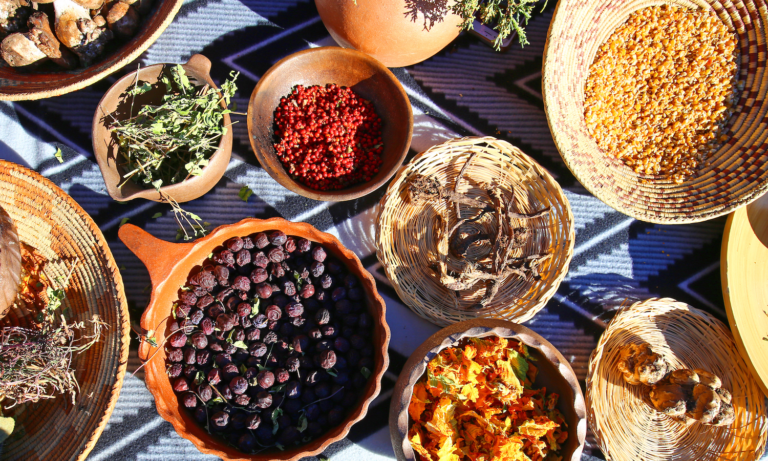
Indigenous Ingredients
› Back to top
« back
05.26.22 | Sage Advice®

Elevate Your Meal By Boosting Flavor And Benefits

At Sage Collective, our 9 Ways of Vibrant Living at Sage Collective serves as the backbone of our philosophy and a realistic tool for everyone to utilize for living well. And while we believe each pillar is necessary to create a vibrant lifestyle, many are traced back to what we put in our bodies. Today, we’re exploring how you can implement a plant-based diet and moderate calorie intake into your life and still elevate your meal with flavor and countless health benefits. 

One of the easiest ways anyone can elevate their cooking is to stop thinking of food as “healthy”. Although it may seem difficult, changing how you think of food can also affect how you eat it. Instead of telling yourself that you have to eat healthy foods or diet, use the words fresh, healing, nourishing or even gourmet. 

Buy Fresh

Purchasing your produce fresh and locally is a sure way that you will find more flavor and benefits in your meals. Fresh produce is packed with countless vitamins and minerals that you can find little elsewhere. The nutrients stored within them have been found to reduce the risk for high blood pressure and heart disease and even help the body produce more energy. And not only will eating fresh make you feel better, but it also heightens the flavor of your meals! So, next time you find yourself at your local farmer’s market, make sure to stock up on some of your favorite goods.

When In Doubt, Add Lemon Juice

If you aren’t the world’s best cook but still want to put a little more effort into whipping up your fresh meal from home, you’re going to appreciate this tip – add lemon juice! Not only is lemon juice usually easily accessible, but it’s also very easy for cooking beginners to use. Alongside the acidity it can add to a meal, lemons and lemon juice also come with a high concentration of vitamin C, a significant aid to the body’s healing process and can aid in digestive and heart health. 

Cook With Wine

Like eating plant-based and moderate calorie intake, another pillar to vibrant living includes, moderate alcohol intake, especially wine. Cooking with wine helps give your food an extra layer of complex, delicious flavors, and it also retains the same benefits you would get from drinking it! The trick with cooking with wine is to use the same wines that you would drink. Some nourishing recipes include steamed mussels and pan-roasted halibut

To live a vibrant lifestyle, you must know what you’re putting in your body. And while eating ‘healthy’ might scare some, fresh food can always be elevated, packing both extra flavor and benefits.

› Back to top
« back
01.26.21 | Health & Wellness

Vibrant Living Breakdown: Plant-Based Diet

9 Ways of Vibrant Living is Sage Collective’s guidebook to a full, happy and high-quality life. Building off our fourth component, moderate caloric intake, the fifth component of vibrant living is a plant-based diet. Notice we didn’t use the word “vegetarian.” That’s because the key to a plant-based diet is practicing moderation. We’ll discuss more below.

As we discussed in Healthy Eating Tips for Seniors, older adults require fewer calories, but the same, if not more, nutrients to maintain wellbeing. That’s why a nutrient-dense diet is more important than ever for those 55+. Foods like fresh fruit, vegetables and legumes constitute the basis of a healthy diet. 

While meat is a good source of protein, iron and vitamin B12, red meat in particular is often guilty of being high in saturated fat. Consuming saturated fat contributes to higher blood pressure and increased risk of heart disease. Meat products, therefore, are a double-edged sword. Depending on the cut of meat one chooses and the methods of cooking, that daily source of protein has the potential to do more harm than help. 

Meanwhile, plant-based alternatives to meat, such as beans, lentils, nuts, seeds and soy provide fiber and prebiotics (good for gut health) in addition to containing sustainable carbohydrates and healthy fats. The latter helps to balance blood sugars and lower the risk of heart and cardiovascular disease. While the old plant-based classics, such as tofu, tempeh, beans and lentil are all good choices, recent innovations in the plant-based meat industry have introduced options like plant-based burgers that “bleed”. With the right recipes and supplies, plant-based eating can be delicious and nutritious.

At Sage Collective, in addition to our programmatic focus on health and wellness, we aim to develop and curate culinary programs (such as nutrition education, cooking experiences and group dining experiences at our facility) that focus on fresh, healthy, primarily plant-based diets. While meat is welcome to remain a small part of the menu, we seek to prioritize diet, portion control and alternative (and delicious) plant-based options. 

Whether for dinner or in spirit, we invite you to join us on our journey to intentional, plant-based eating. Start small, like with meatless Mondays, and we’ll go from there together.

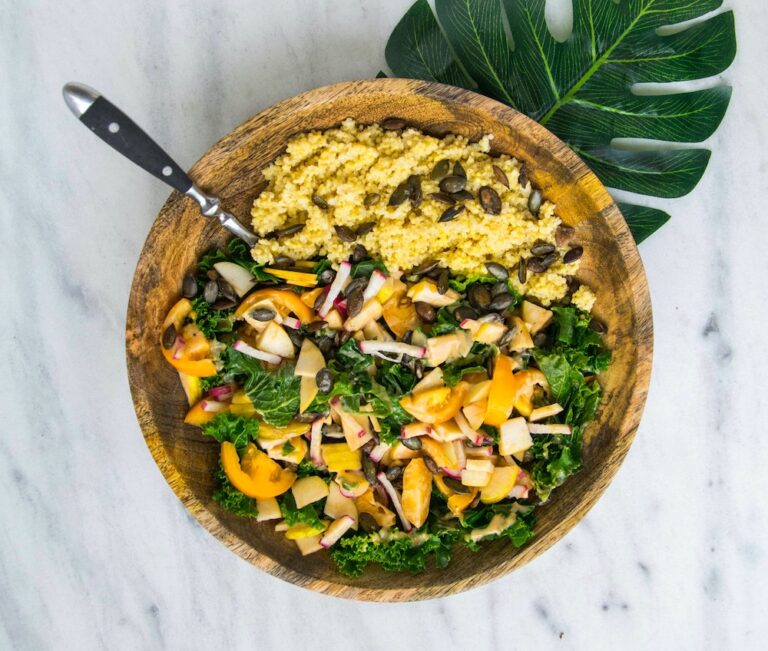
A bowl of couscous, tomatoes, greens and other delicious veggies sits on a marble background
› Back to top