« back
09.10.25 | Spirituality & Religion

Savoring the Seasons: Simple Ways to Welcome Change

At Sage Collective®, we believe vibrant living is a practice—rooted in mindfulness, cultural arts, and lifelong learning. The turning of the seasons offers a natural rhythm to support that practice. Rather than bracing against change, we can welcome it with small rituals that enrich body, mind, and community.

Notice before you name it
Begin with attention. Step outside and simply observe: the angle of light, the feel of air on your skin, the scent of rain or cut grass. Try a “five-sense scan”—name one thing you can see, hear, smell, taste, and touch. This gentle check-in is a quick way to ground yourself and build gratitude for what the season brings. Consider keeping a brief seasonal journal—three lines a day tracking the sky, your energy, and one thing that made you smile.

Move with the weather
Let each season suggest how you move. In cooler months, think steady, warming motion—indoor walking circuits, light strength work, or chair yoga by a sunny window. In warmer months, try early-morning strolls, gentle cycling, or stretching on a shaded porch. The aim isn’t intensity; it’s consistency. Pair movement with a cue you already do—after brewing tea, take a ten-minute walk, or after lunch, do a few standing balance exercises. Your future self will thank you for the routine.

Eat what the season offers
Seasonal foods are flavorful, budget-friendly, and nourishing. Build bright salads in spring, juicy berries and tomatoes in summer, roasted squash and soups in fall, and citrus and hearty greens in winter. Turn mealtime into a mini adventure: explore a farmers market, swap recipes with a neighbor, or host a simple “taste of the season” potluck. Cooking in community supports social connection and keeps experimentation fun and low-pressure.

Refresh routines and spaces
As the light shifts, refresh your daily rhythm. Rotate a new stack of library books, queue up a seasonal playlist, or set a small creative goal—a watercolor postcard, a poem, or a family history vignette. At home, make tiny changes with outsized impact: a softer throw for late-autumn evenings, a vase of spring branches, a bowl of lemons on the table. Clear a surface or two; a little open space helps your mind breathe, too.

Share the moment
Seasons are meant to be shared. Plan low-effort, high-delight outings: a neighborhood leaf walk, a matinee concert, a museum afternoon, or a cozy film night with friends. If mobility or weather complicate plans, bring the season to you—invite a grandchild to teach you a new app, host a tea tasting, or start a phone tree to swap “today’s small joys.” Belonging grows when we make room for others to belong with us

Be gentle with shifting needs
Changing weather can change how we feel. Dress in layers, hydrate, and check footwear for good traction. If shorter days affect your mood, sit near a bright window in the morning, schedule a friendly call, or plan something pleasant to anticipate each week. Ask for help when you need it—wisdom includes knowing you don’t have to do everything alone.

At its heart, enjoying the change of seasons isn’t about doing more—it’s about noticing more. It’s choosing a pace that suits your energy, savoring what’s fresh and available, and staying connected to people who make life richer. That’s vibrant living, the Sage Collective® way: mindful, creative, curious, and grounded in community—no matter what the calendar says.
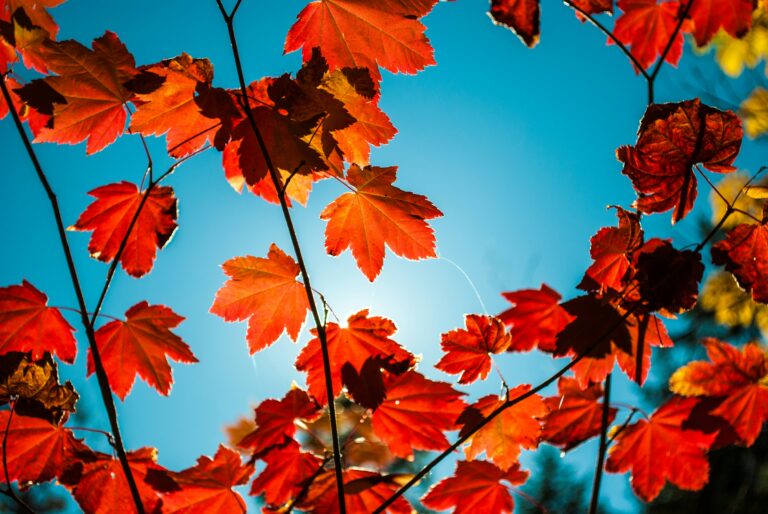

Photo by Justin Cron on Unsplash
› Back to top
« back
01.19.23 | Sage Advice®

aRT Without the Capital “A”

Believe it or not, the little stick figure you managed to draw as a kid on is considered a masterpiece. Okay, maybe not a “masterpiece” per se, but definitely a piece of work you should be proud of, because that same stick figure is doing more than you might think.


Flexing That Creative Muscle

Everyone is capable of creative expression. Regardless of skill level, age, or disability, the benefits of creating art are nigh infinite. Whether you draw, paint, do woodwork, or draw stick figures, making art is good for the mind, body, and soul.

The act of creation has been linked to a reduction in anxiety and stress. It even improves your sense of agency when it comes to imagining solutions to problems you may face on a regular basis. 

Making “aRT”

Painting

Start with what you enjoy — maybe something you’ve done before, maybe something you loved as a kid. But keep an open mind in this process.

Anything that engages the creative mind — reformatting the ability to make and establish connections between unrelated things through visual communication — is good for you.

Here’s a few to get you going: finger painting, cooking, baking, collaging, oil painting, weaving, knitting, crocheting, writing screenplays, scrapbooking — lose yourself in the process and let go of expectations.

Do what lets you express yourself fully in the world of art making. You do not need to complete a project or like what you’re making to feel the various health benefits.

“aRT” Like You Exercise, Like You Eat

Just as you make time to eat, exercise and hang out with family and friends, you should make time for your new found joy for artistic expression. Creativity in and of itself is important for remaining healthy — remaining connected to yourself and remaining connected to the world.

Chicago Methodist Senior Services offer a few more resources for healthy art making, enjoy!

Art therapy
› Back to top
« back
12.10.20 | Sage Advice®

Discover Your New Winter Hobby for Seniors

Cultivating hobbies in older adulthood is a vital part of staying enriched and engaged. We’ve spent our entire lives making others happy, from partners to kids to bosses to friends. Now is the perfect time to indulge in activities for personal happiness and enjoyment, too. That’s why today, we’re talking about the benefits of finding a hobby that suits you — and sharing a few ideas to help get you started.

Fitness Hobbies

As we’ve discussed before, it’s vital that older adults partake in regular, moderate physical activity. Hobbies such as yoga, tai chi, swimming and even gardening are great ways to get those minutes in while also enjoying the task. Choosing these forms of exercise will help transform the experience of working out from a chore to a treat. 

Social Activities

Loneliness and social isolation are major challenges older adults face. Incorporating social activities into your life is a great way to meet new people and learn new things at the same time. Consider joining a choir, a local senior bowling (or other leisurely sport) league, taking a dancing class or even getting together for a game of cards every once and awhile.

Mental Engagements

One major benefit of hobbies is the opportunity to stimulate and engage your mind. For those that love a good challenge, or like to be whisked away in a story, try picking up a good novel from your library or grappling with a puzzle in the newspaper. Mentally engaging hobbies and activities are even proven to help keep your memory sharp.

Artistic Pursuits

For those seeking to express their artistic side, there are many artist hobbies available. For those that are good with their hands, knitting, crocheting or quilting are all exciting pursuits. Painting, drawing and scrapbooking are great ways to get creative and to create keepsakes, too. And for the wordsmiths among us, writing counts as an artform too!

There’s a hobby out there for everyone. Keep looking and trying new things until you find one that’s the right fit for you!

Three African American older adults smile together, wearing aprons at a painting class
› Back to top