« back
07.13.21 | Community

How to become a “joyspotting” expert

Similar to taking an awe walk, joyspotting is the intentional act of going out into the world to look for things that spark joy in you. While the word may sound unusual, it’s actually amassed quite a cult following – with entire online groups dedicated to sharing in joyspotting (and their subsequent findings) together. Even if you’re not ready to join an online group just yet, find out how to become a joyspotting expert using our tips below.

The Origins of Joyspotting

Joyspotting is a term first coined by Ingrid Fetell Lee. As a designer, Lee began to notice the relationship between one’s surroundings and their mental health. For example: living in a home filled with bright prints and patterns provides an immediate mood booster. Lee knew this was a counterintuitive principle. So often, society tells us not to derive joy from the things that surround us, but from what’s within us.

In contradiction to this view, Lee sheds light on the relationship between our environment and our emotions, and shares inspiration and resources for living a more joyful life through design in her book, The Aesthetics of Joy. She has also created a website dedicated to this viewpoint, that shares the same name. There is also an online Facebook group that we referenced above, The Joyspotters’ Society.

As Lee became more and more tuned into what caused her joy from her surroundings, she began to develop the habit of intentionally seeking out – or looking to consciously observe – these causes of joy. And hence, joyspotting was born. As she says, “The world seemed to be teeming with tiny, joyful surprises. All I had to do was look for them… It was like I had a pair of rose-colored glasses, and now that I knew what to look for, I was seeing it everywhere. It was like these little moments of joy were hidden in plain sight.” Instead of seeing the world around us as beset with distractors, joyspotting is a way of creating a reservoir of positivity.

Twelve Ways of Joyspotting

To become an avid joyspotter is simple. Look around you and determine something that causes you joy. It could be a pair of colorful, patterned socks worn by the man next to you on the train, or the unexpected sidewalk chalk drawings on a walk around the block. But just in case you need a little bit of help getting started, Lee put together The Joyspotter’s Guide, which outlines her twelve tips for joyspotting. Below, we offer a brief description of those tips.

Look up. Joy often comes from things that float or fly in the sky, whether that’s shapes you find in the clouds, or a stray red balloon. Look down. Maybe you discover a rainbow in a puddle, or a vibrant pair of shoes on a passing pair of feet. Keep an eye out for color. What flashes of blue catch your eye? How does an abundance of green transform the environment? Follow the curve. Life is full of hardness, so where do things get soft around the edges?

Go where the wild things are. There’s always joy to be found in nature, whether it’s enjoying the smell of a rosebush, or listening to birdsong. Seek out symmetry. Where there are mirror patterns, there’s often a surprising sensation of randomness or harmony. Search for signs of abundance. Where do things feel lush and full? It could be a fruit bowl on a family member’s kitchen counter, or a few too many Christmas lights at the neighbor’s house. Joy has a way of spilling over. Watch for weirdness. Where are things out of place, or just out of the ordinary? It’s those standout details that often feel most special.

Zoom in. Focus your attention on the tiniest of details. Notice the invisible. What joy surrounds you that can be felt or heard, but not seen? These sightless observations hold a magic of their own. Similarly, use all your senses! And finally, take the scenic route. The paths you wouldn’t normally take often hold the most surprises, and within those, there’s much joy to discover.

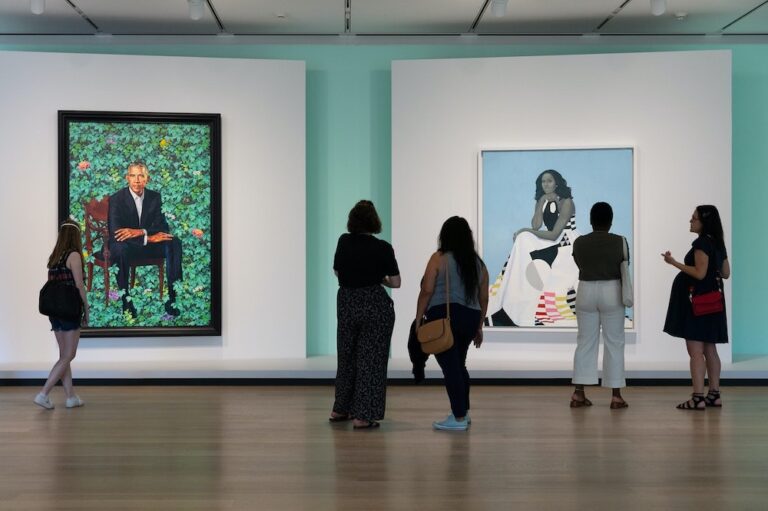
 

Photo of man looking through a spotting scope
› Back to top
« back
07.08.21 | Arts & Culture

Visiting the Obama Portraits at the Art Institute of Chicago

This summer, the beautiful and inspiring Obama portraits – depicting 44th president of the United States, Barack Obama, and first lady, Michelle Obama – will be gracing the walls of the Art Institute of Chicago for just eight brief weeks. With such a limited viewing period, below we’re outlining how to plan your visit to see these seminal works of art ASAP!

Visiting the Portraits

Access to viewing The Obama Portraits is included in General Admission for all Art Institute visitors. However, the exhibition does have a capacity-limit, and entry is first-come, first-served.

Tickets must be reserved in advance online, and entry to the exhibit on the day of your visit will be managed via virtual lines. General Admission tickets are being released in limited, timed batches, as outlined below:

  • Tickets for July 1–15 will be available on June 24.
  • Tickets for July 16–31 will be available on July 8.
  • Tickets for August 1–8 will be available on July 22.
  • Tickets for August 9–15 will be available on August 2.

A limited quantity of tickets will also be available onsite for qualifying groups. Learn more about free admission guidelines at the Art Institute of Chicago here.

Remarkable Works

While many other Presidential Portraits in the Smithsonian National Portrait Gallery have been traditional, head-and-shoulders portraits painted in classical styles, President Barack Obama took a notably different approach.

Barack Obama commissioned Kehinde Wiley to create his portrait. Wiley is an American portrait artist known for his placement of contemporary (typically African American) figures in the guise of powerful historical figures. Meanwhile, Michelle Obama commissioned Amy Sherald to create her portrait. Sherald is an American artist known for her arresting, otherworldly portraits that document the contemporary African-American experience.

Wiley and Sherald are the first African Americans to be commissioned by the National Portrait Gallery to create official portraits of a president or first lady. The resulting works are remarkably contemporary.

In the larger-than-life, head-to-toe portrait created by Wiley, a seated Obama is set against a backdrop of lush greenery. Each plant in the background holds a special significance, including chrysanthemums, the official flower of Chicago. The portrait of Michelle Obama, created by Sherald, was based on a posed photograph and is intentional down to every last detail, from the grey-scaling of Michelle’s skin to the intensity of her direct gaze.

You can visit the Obama Portraits at the Art Institute of Chicago now through August 15, 2021; tickets are available for purchase here.

And for those interested in a fascinating, rich conversation between Michelle Obama and Amy Sherald, hosted by The Studio Museum of Harlem Director + Chief Curator Thelma Golden, you’ll find it here.


Photo of Obama Portraits
(L) Kehinde Wiley. Barack Obama, 2018. Oil on canvas. (R) Amy Sherald. Michelle LaVaughn Robinson Obama (detail), 2018. Oil on linen. Photo courtesy of the Art Institute of Chicago.
› Back to top
« back
07.06.21 | Sage Advice®

What we mean when we say “vibrant, high-quality, affordable housing”

There’s a lot of language we use at Sage Collective that’s uncommon for the world of senior living. For example, we prefer to use the phrase “older adults” rather than “seniors” – more on that in this blog post here. When discussing our vision for Sage Collective’s residences, we also use the phrase “vibrant, high-quality, affordable housing.” But just what exactly does that mean?

Everything we do at Sage Collective – from the partners we choose, the programming we design, to the residences we develop – is built upon our foundational philosophy: 9 Ways of Vibrant Living. Read more about this philosophy and how we intend to bring it to older adults in our Vibrant Living Manifesto here. Ultimately, we believe that older adulthood is just another in a series of life’s chapters, and that seniors deserve to live just as joyfully, vibrantly, and fully as their intergenerational counterparts.

Too often, senior housing lacks the passion and joy of this belief we hold so dear. Based on limited resources, and often bogged down by limited imagination, affordable senior housing is all too commonly not the enjoyable experience that it should be. We’re here to rewrite that narrative.

At Sage Collective, we encourage our residents and neighbors to experience the freedom and joy of choice by providing them with wellness support, cultural exploration, and spiritual enrichment. We’re in a privileged position to deliver on this promise based on the legacy we come from – more on that in this blog post here. From our past experience, we’ve learned the powerful impact that a strong vision and an even stronger culture has on the services and housing products we’re able to provide.

We can’t wait to share this vision with you. Our first residences, 4108 and 4112 South King Drive in the Bronzeville community on Chicago’s Southside, will bring affordable and market competitive housing units to our community, and will be set apart by our vibrant living philosophy and attention to detail and quality. Stay tuned for more details to come.


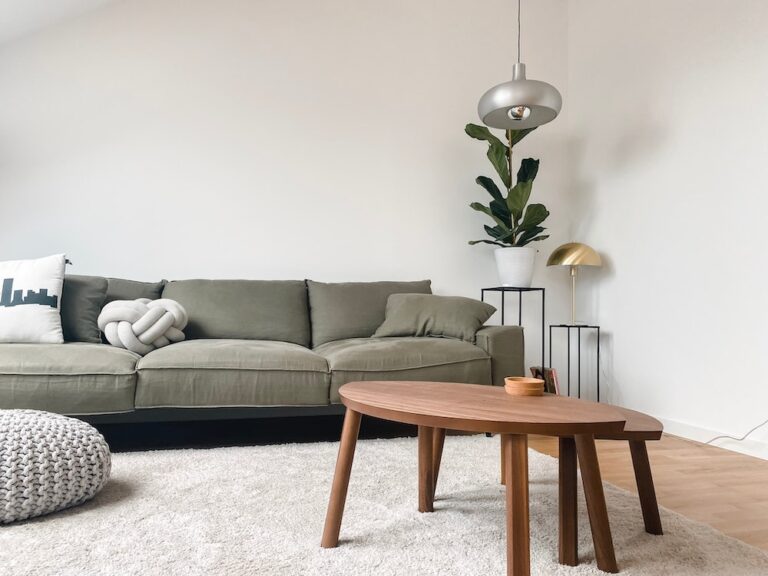
Photo of contemporary residential interior
› Back to top
« back
07.01.21 | Community

Vibrant Living Breakdown: Engagement in Social Life

Nine Ways of Vibrant Living is Sage Collective’s innovative model that champions more meaningful, engaged lives for older adults, and that serves as the backbone of our philosophy. We celebrate and uplift components of vibrant living that span from health and wellness, to arts and culture, to spiritual enrichment — but what makes all these life experiences truly shine is our ability to share them with others. That’s why our ninth component is engagement in social life.

Older adults in particular are a population at high risk of experiencing social isolation. The flip side of that risk – and the negative impacts it has on one’s physical and mental well being – means that older adults who are more socially connected often report a better quality of life all around.

The benefits of healthy social connection for older adults are all encompassing and include disease prevention, fewer physical health problems, longevity/length of life, improved cognitive function, better self-esteem, sense of belonging, and maintained purpose of life.

Therefore, at Sage Collective, we strive to provide daily opportunities for social connection and community engagement, whether that’s through our programming or residences. We intend to partner with a host of community organizations, including but not limited to: churches, schools, businesses, and cultural institutions, to provide co-teaching, educational, entrepreneurial and employment opportunities that both enrich and empower our residents.


Stay tuned for all these opportunities and more, and in the meantime, you can stay connected with us and our community online through our social media via Facebook, Instagram, Twitter, and LinkedIn.

Friends gathering to socialize and paint
› Back to top
« back
06.29.21 | Community

Harness the power of awe by taking “awe walks”

Vibrant life encompasses a variety of experiences, from healthy eating to regular fitness to engaging with the world around us. One particularly effective – and unusual – way to pursue vibrant living is to take “awe walks.” The end-goal of these walks is simple:  to simply inspire awe in those who participate. Let’s dig in.

How to take awe walks

“Awe walks” are a more intentional way to approach something as simple as a stroll around the block. The idea is to go for a walk and seek to experience awe along the way. How the walker chooses to experience awe is entirely up to them. Awe can be found in even the smallest of everyday moments, such as appreciating the flight path of a v of migrating geese above, or marveling at the many colors that make up fall foliage.

The study of awe – how it’s inspired, and the impact it has on a person’s wellbeing – has been a primary area of focus for psychologists since the early 2000s. Just recently, a 2020 study was published in the journal Emotion examining the impact of awe walks on a population of older adults.

In the study, sixty older adults took 15-minute awe walks for a period of eight weeks. Perhaps the most exciting finding of the study was the increasing feelings of compassion and gratitude in the control group that took such awe walks. Compared to the normal-walk-talking counterparts, the awe walkers were much more focused on observing the world around them.

“One of the key features of awe is that it promotes what we call ‘small self,’ a healthy sense of proportion between your own self and the bigger picture of the world around you,” explained Dr. Virginia Sturm, lead investigator and associate professor of neurology and psychiatry and behavioral sciences at the University of California at San Francisco.

You can trust the science – or you can just as easily try it out for yourself and see what awe you uncover.

View from above of people taking a walk
› Back to top
« back
02.25.21 | Sage Advice®

The Health Benefits of Tai Chi

Tai chi is an internal Chinese martial art, practiced for defense training, health benefits and meditation. As one of the most gentle martial art forms, tai chi is a great exercise option for older adults across the health and mobility spectrum — bringing with it a slew of benefits, healthful and otherwise. Let’s take a closer look:

Tai chi

Tai chi, short for T’ai chi ch’üan or Tàijí quán (太極拳), is an ancient Chinese martial arts practice, rooted in a deep history and philosophy. (You can read more about that on CultureTrip, here.) According to MayoClinic, tai chi “is a noncompetitive, self-paced system of gentle physical exercise and stretching. Each posture flows into the next without pause, ensuring that your body is in constant motion.” The movements emphasize deep breathing, encouraging participants to slow down and get in touch with their body and feelings.

Because tai chi is low-impact, slow-motion and emphasizes the mind-body connection, it’s become a popular practice globally, attracting a broad spectrum of participants. And thanks to its wide array of health benefits, it’s since been adopted as a common practice at hospitals, community centers, older adult facilities and the like.

Health Benefits

Tai chi is often described as “meditation in motion,” but because its health benefits are so great, Harvard Women’s Health Watch jokingly calls it medication in motion.”

The low-impact exercise boasts physical health benefits such as improved lower- and upper-body strength, improved flexibility, improved balance (and possibly even decreased risk of falling), improved joint pain, enhanced immune system, enhanced quality of sleep, lowered blood pressure and healthy aerobic conditioning (where heart and lungs are trained to pump blood more efficiently, allowing more oxygen to be delivered to muscles and organs). All of the listed benefits are crucial to older adults seeking to maintain or better their health. 

In addition to its physical health benefits, the meditative aspect of tai chi brings with it an array of mental health benefits. These benefits include decreased stress, anxiety and depression; improved mood, energy and stamina and a general boost to wellness overall. 

Part of the appeal is that tai chi can be practiced independently or within a group setting, and it doesn’t require any equipment. If a low-impact, slow-motion and mindful form of exercise sounds like a good fit for you, then tai chi might just become part of your next fitness regimen routine.

Two people practice tai chi, silhouetted against a night sky and the moon
› Back to top
« back
02.16.21 | Sage Advice®

Your Daily Cup of Coffee: Helping Your Health or Harming?

Coffee is an indelible part of most people’s morning routines. If you don’t feel human before you’ve had your first cup of coffee, you’re not alone. A study conducted by the National Coffee Association found that 64% of Americans drink coffee, and a New England Journal of Medicine article “Coffee, Caffeine and Health” called coffee the most widely consumed psychoactive agent in the world. But is getting your coffee fix helping or harming your health? Let’s take a look.

Helpful Benefits of Coffee

First things first: what is “the right” amount of coffee to consume? Lucky for us die-hard coffee lovers, Harvard Health Publishing describes moderate coffee consumption as three to four cups per day. As is our unofficial motto at Sage Collective, everything is best consumed and enjoyed in moderation. 

Diane Vizthum, M.S., R.D., research nutritionist for Johns Hopkins University School of Medicine also comments: “Caffeine is the first thing that comes to mind when you think about coffee. But coffee also contains antioxidants and other active substances that may reduce internal inflammation and protect against disease.”

In fact, according to Heathline, one cup of coffee includes the following amounts of daily recommended dosages for vitamins: 11% of riboflavin (vitamin B2), 6% of pantothenic acid (vitamin B5), 3% of manganese and potassium and 2% of magnesium and niacin (vitamin B3). So if you’re a moderate coffee drinker (3-4) cups, you do the math… it’s like taking gummy vitamin supplements, right?

Coffee is also believed to lower risk of Type 2 diabetes, lower risk of Parkinson’s and Alzheimer’s disease, lower risk for certain types of cancer (such as liver and colon), lower risk of stroke, help fight off gallstones and even help you live longer. 

Harmful Health Effects of Coffee

Now here’s where we talk about the other side of moderate consumption: overconsumption of coffee. Whether you exceed your daily limit of 4-5 cups, or whether you’re a novice coffee drinker who hasn’t built up a caffeine tolerance, coffee drinking could produce negative effects.

Negative effects of coffee overconsumption include increased blood pressure, headaches, nervousness, restlessness and anxiety, dizziness, heartburn, muscle tremors, pounding heart, dehydration, frequent trips to the bathroom and insomnia. Noticing a pattern? Most, if not all, of these negative side effects are directly induced by too much caffeine. 

The solution? Trade your next cup of coffee for a glass of water, or try decaf for a while. We’ve said it before and we’ll say it again: coffee consumption is great, but only in moderation. So drink away, all ye lovers of that good morning cuppa joe, but remember when to stop.

A clear mug of black coffee sits on a plain white surface, with coffee beans scattered around it
› Back to top
« back
02.11.21 | Health & Wellness

Vibrant Living Breakdown: Moderate Alcohol Intake

Nine ways of vibrant living is Sage Collective’s innovative model championing happier, healthier more engaged lives for older adults. The model incorporates everything from physical and mental health and wellness to engaging in one’s surrounding community. Today, we’re taking a closer look at the sixth component: moderate alcohol intake.

Alcohol is a double-edged sword in our society. It’s the foundation of many social interactions: we meet friends, family and old connections over a drink at the bar, while also using it as a fundamental element of many family and other gatherings. But just as easily, it can also be a source of addiction and harm, thanks to peer pressure and overconsumption. The polar nature of these two realities means many people have a strong reaction to alcohol: they’re either in favor of it or against it. 

At Sage Collective, we will never flatly discourage the use of alcohol in our activities, or in our forthcoming facilities. Our approach to alcohol consumption is this: like all things, it’s okay to partake in moderation. For as many negative impacts as binge drinking may have (including, but not limited to, liver damage, stomach distress and impaired judgment) there are benefits to drinking spirits such as red wine in moderation. 

Because red wine is rich in antioxidants, some healthcare professionals recommend the occasional glass with dinner. One study even demonstrated that forty adults drinking 13.5 mL of red wine daily over a period of two weeks experienced increased antioxidant levels — a result which is linked to decreased risk of diseases like Alzheimer’s, Parkinson’s and even heart disease. Having high levels of antioxidants also assists in reduced risk of high blood pressure and high cholesterol. 

Ultimately, it’s up to each individual to determine the level of alcohol intake that feels right for them. But a good rule of thumb is always practice moderation, keep your health top of mind and only drink when you want to, not because you feel pressured to.

Red wine is poured from a bottle into a stemmed wine glass
› Back to top
« back
02.09.21 | Sage Advice®

A Brief History of Bronzeville

Sage Collective has begun the process of renovating the first two properties we acquired, since selling Willa Rawls Manor, a 123-unit property we owned and operated for more than 40 years. The two properties are located at  4108 S King Drive and 4112 S King Drive. With the buildings located side-by-side in Chicago’s historic Bronzeville neighborhood, it will provide a tangible benefit to the community by celebrating and uplifting Bronzeville’s dynamic history, current-day culture and residents alike. In honor of this effort and of Black History Month, today we take a moment to look at a brief history of Bronzeville.

Becoming Bronzeville

With the Great Migration beginning in 1916, African Americans fled lynchings and oppression in the rural South for brighter opportunities in cities in the North. Though segregation was outlawed after the Civil War, racist practices in hiring and housing practices remained steadfast. Many African Americans in Chicago landed in what became the Bronzeville area, there facing higher rent prices and population density (at its highest reaching 300,000 residents strong). 

Despite this, true to the African principle of ujamaa, Bronzeville residents created a tight-knit community that boasted a network of black-owned institutions and a cultural vivacity that, in its prime from the 1920s-1950s, even rivaled Harlem.

The community had been growing, but the name Bronzeville only entered the scene in the 1930s, suggested by theater editor for the Chicago Bee (an African American-led daily newspaper with national reach), James Gentry. Gentry posited that African American skin was closer to bronze than black, and selected the name as an empowering alternative to racist nicknames for the neighborhood that had emerged.

Center of Culture

Though the official boundaries of Bronzeville are often contested as spanning anywhere from 18th and 67th Street north-south to the Dan Ryan and Lake Michigan west-east, the pulsing heart of Bronzeville landed somewhere in the middle.

Dining, shopping, dance halls and nightclubs abounded. Jazz, blues and gospel were the sounds of Bronzeville, and when the Regal Theater opened in the 1920s, it attracted the country’s most glamorous and talented Black entertainers. Bronzeville also boasts being the home of renowned African American artists and intellectuals like journalist and social activist Ida B. Wells, jazz musician Louis Armstrong, poet Gwendolyn Brooks, women’s aviation pioneer Bessie Coleman, sociologist Horace Clayton and dancer Katherine Dunham.

WTTW put it best when they said businesses and community institutions like Provident Hospital (where Daniel Hale Williams, an African American, pioneered open-heart surgery), the Wabash YMCA (which established the first Black History Month), the George Cleveland Hall Library, Parkway Community House, Binga Bank (Chicago’s first Black-owned life insurance, realty, and financial institution), and more, “were more than alternatives to racially restricted establishments downtown”. They were pillars of the community which helped to instill pride and contribute to the upward mobility of African Americans.”

Through our vision for vibrant, high-quality and affordable housing for older adults, Sage Collective is proud to contribute to the legacy of African American culture, community and success that is the heart and soul of Bronzeville. 

Mural under the “El” tracks in Bronzeville
› Back to top
« back
02.04.21 | Sage Advice®

How Better Self-Control Leads to Life Longevity

What does good behavior have to do with life expectancy? More than you might think.

U.S. News recently reported on a study conducted on 1,000 New Zealanders, from newborns to 45 years old, tracking the correlation between self control and health in middle age. The study tracked self-control through behaviors related to goal-orientation and restraint in thoughts, behavior and emotion. The study’s analysis of health in middle age took into account both body and brain.

Overall, the study concluded that those who practiced better self control “aged more slowly,” resulting in better health outcomes during their middle-aged years. So why exactly does this correlation occur? Self-control is also directly related to self-regulation. The study considered the impact of a person’s ability to delay gratification. For example, were participants able to forego short-term indulgences in favor of long-term rewards? (i.e., would they give up the immediate gratification of a ‘smoke break’ in order to have better lung health later on in life?) 

Most importantly, while self-control and self-regulation may also be influenced by DNA makeup and unique life circumstances, individuals do have the capability to learn better self-regulation skills. Knowing the long term effects of such behavior on one’s body and brain health, the development and cultivation of these skills throughout life becomes critical.

You can read more about the study and its findings in the U.S. News article here.

A doctor's stethoscope
› Back to top