« back
09.04.25 | Community

Play Is Serious Business: How Games Keep Minds Sharp and Hearts Connected

For older adults, “play” isn’t a luxury—it’s a wellness strategy. With vibrant living as the north star for our Sage Collective®community, games light up memory and attention, spark laughter, and create regular reasons to gather. They turn ordinary afternoons into moments of joy and connection, while quietly strengthening cognitive skills we use every day. Games also align beautifully with our values of mindfulness, cultural arts, and lifelong learning—inviting curiosity, creativity, and community into the weekly routine.

Why games work
Games ask our brains to plan, recall, focus, and adapt—all in a low-stakes, high-fun setting. Shuffling strategies in spades or solving a puzzle nudges working memory. Learning a new rule set challenges flexibility. Even light competition boosts alertness and motivation. Add conversation across the table, and you’ve got a powerful recipe for reducing isolation and lifting mood—key ingredients of a vibrant life.

What to play (and why)

  • Card classics: Spades, bid whist, bridge, gin rummy, and UNO encourage tactics, teamwork, and table talk.
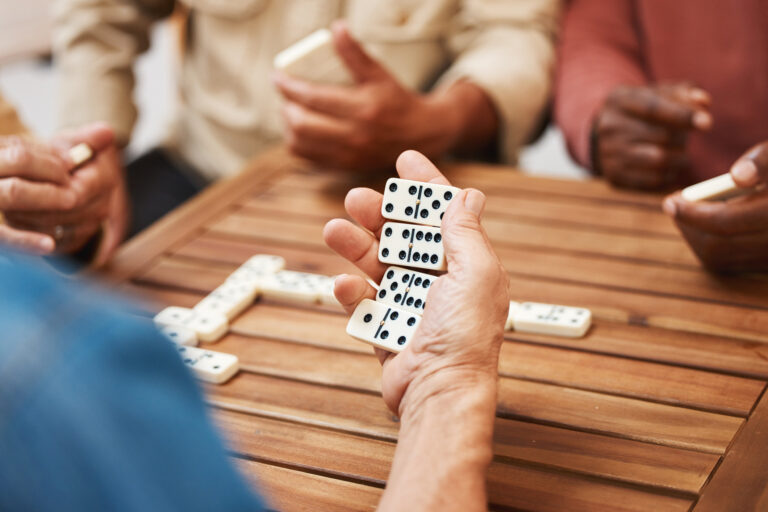
  • Tiles and numbers: Dominoes, mahjong, and Rummikub build pattern recognition and quick mental math.
    Word lovers’ picks: Scrabble, Bananagrams, and Quiddler exercise vocabulary and recall.
    Strategy—gentle to grand: Qwirkle and Ticket to Ride are approachable; chess offers deeper study with clubs and online lessons.
  • Cooperative options: Try Pandemic or Forbidden Island where players team up—ideal for mixed skill levels.
  • Puzzles and trivia: Jigsaws, crosswords, and trivia nights are perfect for drop-in participation.
  • Digital delights: Tablet apps (solitaire, crosswords, word games) or online platforms like Trickster Cards or Board Game Arena let you play with friends across town—or grandkids across the country.

Make it social on purpose
Treat games as appointments with joy. Rotate hosts, pair play with tea or a simple potluck, and keep the vibe welcoming with “table rules” like time limits and quick demos for newcomers. Intergenerational play is especially rich: invite teens to teach a new title, or ask elders to pass down dominoes strategy. The exchange of skills becomes its own conversation—mindful, mutual, and alive.

Start your own game circle
Where: Libraries, community and senior centers, faith communities, or building common rooms.
When: Pick a consistent time (e.g., Wednesdays at 2 PM) so participation becomes habit.
How: Begin with 2–3 easy-to-learn games, set up a sign-in sheet, and assign light roles—host, rules coach, scorekeeper.
Grow: Add theme days (word games, tile games), small tournaments, or “teach-and-play” sessions. Consider a “bring a friend” month to welcome new faces.

Access for every body and brain

  • See it clearly: Use large-print cards, high-contrast boards, and good lighting.
  • Hear it well: Choose quieter rooms; add soft surfaces to absorb sound.
  • Stay comfortable: Chairs with arms, tables at the right height, and scheduled stretch breaks.
  • Pace matters: Keep rounds short, celebrate participation over points, and offer cooperative games to lower pressure.
  • Inclusive rules: House-rule tricky mechanics; allow note cards for memory aids.

Keep the momentum
Create a group chat or simple email list to share schedules and easy tutorials. Snap photos (with permission) to celebrate wins and welcome newcomers. For remote friends, set up a monthly online game hour—camera on, snacks encouraged.

In the spirit of Sage Collective®—where vibrant living means engaging mind, body, and spirit—games are a practical pathway to sharper minds, steadier moods, and stronger community. Whether you’re shuffling a well-worn deck or learning a brand-new strategy, you’re investing in your health and your sense of belonging. Pick one game this week, call a friend, and deal yourself into connection.

› Back to top
« back
07.10.25 | Mental Wellbeing

The Power of Porch Sitting: Mindfulness, Memory, and Connection in the Summertime

At Sage Collective®, we believe in the beauty of everyday rituals—those simple acts that slow us down, bring us joy, and connect us more deeply to ourselves and our communities. One of summer’s most beloved, and often overlooked, rituals is porch sitting.

For older African Americans especially, porch sitting is more than a seasonal pastime—it’s a cultural tradition, a space of wisdom-sharing, and a quiet act of resistance in a world that moves too fast. In this season of sunshine and stillness, we invite you to revisit this powerful practice and reflect on what it offers us today.

Porch Sitting as a Form of Mindfulness
Mindfulness doesn’t always have to look like meditation. Sometimes, it looks like a rocking chair, a warm breeze, and the hum of cicadas in the distance. It looks like watching the light change on the sidewalk, or simply sitting with no agenda.

Porch sitting slows time. It allows us to be present—noticing the color of the sky, the rustle of leaves, the smell of jasmine on the wind. This sensory engagement grounds us in our bodies and our breath, fostering a kind of meditative clarity. In a world that often glorifies productivity, porch sitting is an intentional choice to savor stillness. And that, in itself, is healing.

A Cultural Touchstone of Community and Wisdom
In many Black communities, the front porch has long been a stage for storytelling, music, debate, and neighborly connection. It’s where kids learned how to play spades, where grown folks talked politics, and where elders passed down history and advice. The porch has always been a place of belonging.

For older adults, it can continue to serve as a sacred gathering place—whether that means reconnecting with neighbors, hosting grandchildren, or simply waving to passersby. These everyday interactions build trust, keep us socially engaged, and offer moments of lightness that nourish emotional well-being.

At Sage Collective®, we celebrate the importance of such intergenerational spaces. They are places where the past, present, and future meet—where wisdom is not just shared, but lived out loud.

Porch Sitting as Self-Care
Too often, we think of self-care as something extravagant or out of reach. But true self-care is simple. It’s allowing yourself to pause. To rest your body. To ease your thoughts. To sit without the pressure of fixing or doing or solving.

Porch sitting reminds us that peace is available to us in the quiet moments. A cool drink in hand. A favorite song playing low. A conversation that doesn’t need to go anywhere. This kind of intentional rest helps regulate our nervous systems, reduces stress, and fosters gratitude. Especially in older age, these practices are vital to vibrant living.

Creating Your Summer Sanctuary
Whether you have a traditional porch, a balcony, a stoop, or even a windowsill, you can create your own summer sanctuary. Add a comfortable chair, a potted plant, a wind chime or candle—anything that brings you ease. Make it a place you return to each day, even if just for 10 minutes. Bring a journal, a book of poetry, or simply your presence. Let this be a season of pausing. Of listening to the world around you—and to yourself.

At Sage Collective®, we know that vibrant living isn’t about doing more—it’s about living well. Porch sitting reminds us that joy and wellness don’t always require movement. Sometimes, they require stillness. And presence. And the courage to simply be.

So, this summer, we invite you to step outside. To sit. To breathe. And to let the power of porch sitting reconnect you with what matters most.

Untitled Photo by Dorothea Lange, 1939 July. http://hdl.loc.gov/loc.pnp/fsa.8b33923
› Back to top
« back
05.01.25 | Health & Wellness

Flipping the Script on Aging: Celebrating Older Americans Month 2025​

At Sage Collective®, we believe that aging is not an endpoint but a vibrant, evolving journey filled with wisdom, opportunity, and continued growth. Each May, Older Americans Month offers a national opportunity to celebrate these truths. In 2025, the Administration for Community Living (ACL) has selected a particularly powerful theme: “Flip the Script on Aging.” This year’s theme challenges outdated stereotypes and invites all of us to reshape the way we view aging — not as a period of decline, but as a dynamic, enriching phase of life.

Challenging Age-Related Stereotypes
For too long, societal perceptions of aging have been framed by limitation and loss. Older adults are often portrayed as fragile or disconnected, rather than as the vibrant, experienced, and resilient individuals they are. “Flipping the script” means pushing back against those narrow images and showcasing the full, diverse range of experiences older adults embody—from lifelong learning and professional achievements to leadership in community activism, artistic expression, and innovation.

At Sage Collective®, we see older African Americans especially as cultural stewards, historians, advocates, and everyday heroes whose wisdom and contributions continue to shape our communities. This month, we celebrate the truth: aging is not a story of endings, but of new beginnings and endless possibilities.

Embracing Intergenerational Connections
An important part of flipping the script involves fostering stronger intergenerational relationships. A recent episode of The Atlantic’s podcast, “How to Age Up Together,” explored how communities benefit when older and younger generations collaborate and connect. These relationships not only combat isolation among older adults but also offer younger people valuable mentorship, perspective, and emotional support.

Simple acts — like attending community events together, storytelling across generations, or partnering on volunteer projects — strengthen the social fabric. By encouraging these connections, we can break down age-based silos and build richer, more compassionate communities.

Celebrating Contributions and Promoting Engagement
Throughout May, communities nationwide will honor the accomplishments of older Americans through a variety of creative initiatives: art shows featuring older artists, storytelling festivals where seniors share their life journeys, and wellness fairs focused on active aging.

At Sage Collective®, we encourage older adults to see themselves as lifelong contributors — and to seek out opportunities for engagement that fuel passion and purpose. Whether it’s mentoring a young entrepreneur, joining a new class through our Vibrant Learning Series, or participating in civic leadership, there is no limit to what older adults can achieve and inspire.

How You Can Flip the Script
Everyone has a role to play in shifting the narrative around aging. Here are a few ways you can get involved:

  • Engage in Intergenerational Activities: Organize or join programs that connect people of different ages. Book clubs, dance classes, or mentorship programs are great ways to bridge generational gaps.
  • Highlight Positive Aging Stories: Use social media, community newsletters, or neighborhood events to spotlight older adults living vibrant, impactful lives.
  • Promote Lifelong Learning: Encourage friends and loved ones to explore new hobbies, pursue further education, or share their skills and wisdom with others.
  • Advocate for Inclusion: Support policies and initiatives that make communities more inclusive and accessible for older adults, ensuring they remain connected and empowered.

Moving Forward Together
At Sage Collective®, we are proud to stand at the forefront of a movement that celebrates aging as a source of strength and wisdom. This Older Americans Month, and every day, we reaffirm our commitment to uplifting older African Americans by amplifying their voices, supporting their dreams, and honoring their legacies.

Together, we can “flip the script” — and in doing so, inspire a new, more vibrant vision of what it means to grow older.

For more information and resources on Older Americans Month 2025, visit the ACL’s official page.

› Back to top
« back
02.27.25 | Mental Wellbeing

Embracing Kaizen for a More Vibrant Life

At times, we all suffer from fatigue, fear of failure, or not knowing where to begin. The Japanese philosophy of Kaizen offers a refreshing approach to overcoming stagnation, one that is particularly valuable for older African Americans seeking to live vibrantly. Rooted in continuous improvement, Kaizen teaches that small, consistent steps lead to lasting change, making it a powerful tool for enhancing health, relationships, and overall well-being. At Sage Collective®, we believe that vibrant living is an ongoing journey, and Kaizen provides a simple, accessible roadmap for achieving personal growth at any age.

What is Kaizen?
Kaizen (meaning “change for the better”) is a philosophy that emphasizes gradual improvement through small, manageable steps. It originated in post-war Japan as a business strategy but has since evolved into a universal mindset for self-improvement. Unlike drastic resolutions that can feel overwhelming, Kaizen encourages people to start small—whether it’s improving health, staying socially engaged, or learning something new.

For older African Americans, who may face unique challenges such as health disparities, caregiving responsibilities, or societal ageism, Kaizen offers an empowering framework to make positive changes without pressure or burnout.

Applying Kaizen to a Vibrant Lifestyle: The Basics
Start with Tiny Steps.The most effective way to combat inertia is to take small actions. If regular exercise seems overwhelming, begin with five minutes of stretching in the morning. If healthier eating is the goal, swap out one processed snack for a piece of fruit. By focusing on small wins, motivation builds naturally, leading to sustainable habits.
Try this: If you want to read more but struggle to start, commit to just one paragraph a day. Over time, this small habit will become a fulfilling daily ritual.

Make Adjustments, Not Excuses. Life’s challenges can make change feel difficult, but Kaizen teaches us to adjust rather than quit. If a 30-minute walk isn’t possible due to mobility issues, opt for chair exercises or a shorter stroll. If cooking a full meal feels exhausting, focus on preparing simple, nutritious ingredients. The key is to keep moving forward in any way that feels manageable.
Try this: If attending large social events feels intimidating, start with one phone call to a friend. Small social connections lead to greater confidence in re-engaging with community activities.

Stay Curious and Keep Learning. A vibrant life is one filled with curiosity and growth. Kaizen encourages continuous learning, whether it’s trying a new hobby, embracing technology, or engaging in lifelong education. Learning stimulates the brain, reduces cognitive decline, and fosters a sense of purpose.
Try this: Explore a new interest through an online class, like the Sage Collective® Vibrant Learning series. Engaging in creative or intellectual activities can reignite a sense of excitement about life.

Celebrate Progress, No Matter How Small. One of the core principles of Kaizen is acknowledging and appreciating even the smallest improvements. Recognizing progress, rather than perfection, fosters motivation and self-confidence.
Try this: Keep a simple journal to track daily victories—whether it’s drinking more water, getting fresh air, or reconnecting with an old friend. Looking back on these small successes can be incredibly encouraging.

Prioritize Community and Connection. Laziness can sometimes be a symptom of loneliness or lack of motivation. Being part of a community helps provide accountability, inspiration, and purpose. African American traditions have long emphasized collective well-being, and staying connected through faith groups, senior centers, or intergenerational activities can reinforce a vibrant lifestyle.
Try this: Join a local or virtual group that aligns with your interests—whether it’s a book club, wellness program, or volunteer initiative. Surrounding yourself with like-minded individuals can energize your daily routine.

Kaizen as a Tool for Vibrant Aging
At Sage Collective®, we believe that aging is an opportunity for reinvention, joy, and fulfillment. By applying Kaizen, older African Americans can overcome inertia and step into a life of continuous growth, connection, and well-being. Rather than feeling overwhelmed by change, embrace the power of small steps. Whether it’s moving more, eating better, learning something new, or deepening relationships, gradual progress leads to lasting transformation. As the saying goes, “The journey of a thousand miles begins with a single step.”

Let Kaizen be your guide to a more vibrant, fulfilling life—one small step at a time. 🌿✨

Credit: https://stockcake.com/i/seniors-enjoying-technology_962132_115553?signup=true
› Back to top
« back
02.29.24 | Health & Wellness

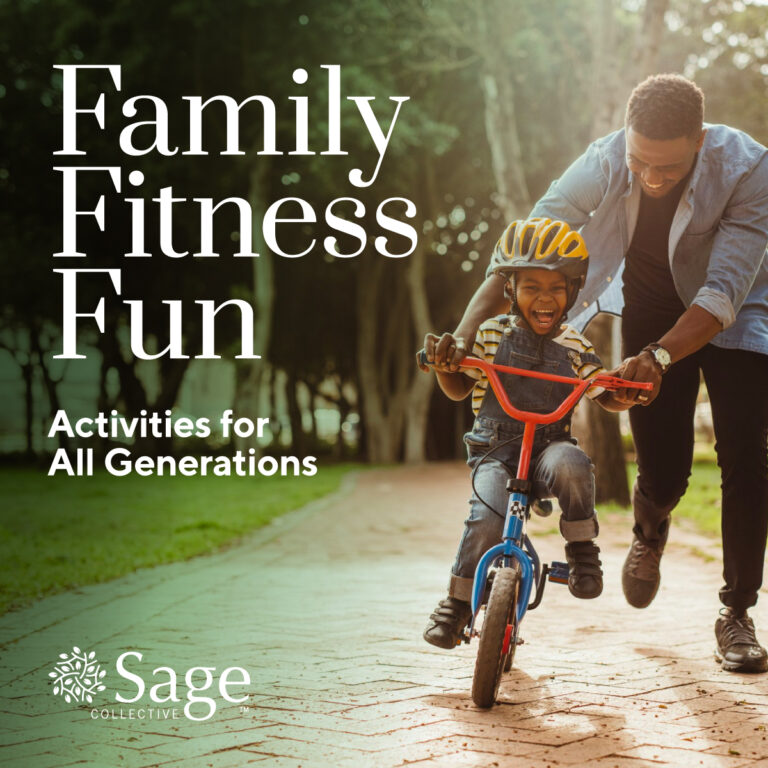
Family Fitness Fun: Activities for All Generations

At Sage Collective, we emphasize the importance of wellness and community in our journey towards a full, happy and high-quality life, as seen across our 9 Ways of Vibrant Living. An engaging way to combine these elements is through family fitness activities. Participating in physical activities as a family promotes health while strengthening bonds across generations, creating cherished memories and shared experiences.

The Benefits of Family Fitness

Family fitness activities offer a multitude of benefits. They provide an opportunity for quality time, foster healthy habits, and can be tailored to accommodate the abilities and interests of all family members, from the youngest to the oldest. Physical activity is essential at every age, and doing it together can make it more enjoyable and sustainable.

Here are some of our favorite intergenerational fitness ideas:

Nature Walks and Hikes: Exploring local parks or nature trails as a family is an excellent way to enjoy the outdoors and get moving. These walks can be leisurely or more challenging, depending on the family’s fitness levels.

Gardening Together: Gardening is a wonderful way to be active, enjoy the outdoors, and teach children about nature and nutrition. It can be a relaxing and rewarding activity for older adults as well.

Dance Parties: Organize a family dance party in your living room or backyard. Dancing is a fun way to get everyone moving, regardless of their age or skill level.

Yoga Sessions: Hosting a family yoga session can be a calming and bonding experience. There are various yoga practices suitable for all ages and abilities.

Biking: A family bike ride is a great way to explore your neighborhood or local bike paths while getting a good workout.

Team Sports: Engaging in team sports like soccer, basketball, or even simple games like tag can be fun for the whole family and foster a sense of teamwork and cooperation.

Tips for Successful Family Fitness

For successful family fitness, it’s essential to embrace inclusivity by selecting activities that cater to various ages and fitness levels, ensuring everyone can participate. Establishing a regular routine for these activities can help in building a lasting habit that becomes a cherished part of your family’s life. The key is to keep these fitness sessions enjoyable and light-hearted; the primary goal is to have fun and enjoy being active together. Additionally, safety should always be a priority, particularly when activities involve children or older family members. By considering these factors, family fitness becomes not only a means of staying healthy but also a source of joy and bonding for the entire family.

Incorporating fitness into family life is more than just an exercise; it’s an investment in your family’s health and relationships. Finding activities that everyone can enjoy is crucial, and it creates a foundation of healthy habits and precious moments together. Choose activities that can be modified to suit different ages and fitness levels, establish regular family fitness times to build a habit, and most importantly, keep the atmosphere light and playful. Always prioritize safety, especially when involving children or older family members.

As we embrace family fitness, we’re not just moving our bodies; we’re strengthening bonds and creating joyous memories. It’s about enjoying the journey together, one step, stretch, or pedal at a time, and fostering a lifestyle that values health and togetherness. Let’s make family fitness a delightful and essential part of our vibrant living journey.

SageCollective_FamilyFitnessFun
› Back to top
« back
06.03.22 | Sage Advice®

Introducing Our Newest Board Member: Camille Love

With a passion for the empowerment and health of her community, Camille Love always knew that she would thrive in the healthcare field. And today, with more than 16 years of experience under her belt, she continues to search for opportunities where she can lend her expertise in community healthcare. The transition of long-time member Angela Higginbotham from our Board recently created such an opportunity for Camille Love and added to the related expertise of Sage Collective as it pursues ways of encouraging the adoption of healthier lifestyle choices among older adults in underserved communities. We couldn’t be more thrilled to announce Camille Love as the newest addition to the Sage Collective Board of Directors. Get to know Camille in her introduction below: 

Can you talk a bit about your professional background and how it has added to your expertise in your field?

I originally started my nursing career when I was very young, around 16, when I decided to become a certified nursing assistant. I’ve never been in any other field besides nursing. From starting as a CNA, to becoming a registered nurse and now a nurse practitioner, I recognize that I have been completely focused for nearly two decades in work that is meaningful and fulfilling every day.

I transitioned into being a nurse practitioner when I felt that I wanted to broaden my scope of work. And now, I’m at a point in my career where I’m ready to take on leadership roles where I can empower and mentor other nurses and healthcare providers.  

What should those outside of the healthcare ecosystem know about the community caregiving experience?

Overall, I feel that there are two factors that everyone should keep in mind. On one side, I see the need for more compassion, which I say because we often see people now who have compassion fatigue. In general, we all need to show more sympathy and compassion to one another because you never know what others are going through at that moment. They might be a very fatigued healthcare provider, or if they aren’t a healthcare provider, they may be completely isolated. 

The second point is to practice safe behaviors. It’s easy to brush little things off of your shoulder when they might not affect you, but try to keep in mind that your actions could, in turn, affect someone else. If you’re possibly exposed to something like COVID-19, be considerate and make the smart decision to stay home and wear a mask so you don’t accidentally expose anyone else. 

Sage Collective believes that a sense of ‘care for the collective’ is essential for not only individual health but the health of a community. How does this belief translate through your own work and past experiences?

My experience has taught me that the health literacy of those outside of healthcare is very low, and I feel  that if we did a better job of communicating within our communities, that simple act of just talking to one another lessens the burden of providers and relieves some anxiety for community members. For example, parents need to understand that if their child has a temperature and a runny nose, it’s not something out of the ordinary and often doesn’t require attention from us in the hospital. 

If someone in that parent’s family had told them that this level of illness is normal, that would help create literacy in the community. So, in turn, they wouldn’t be burdening the providers to address a set of symptoms, which, in their eyes, is a simple matter. 

I also deal with older adults who have chronic illnesses like diabetes. In the African American community, we traditionally go heavy on salt, which leads to high blood pressure and other conditions. In the Latinx community, we have patients whose diets rely on tortillas, beans and other high-carb foods. Communication within these communities is essential when talking about wellness, since it completely changes the game when it comes to the knowledge and decisions people make about their diet. So, if you have a simple conversation amongst family, friends or community members, you could change a whole community’s health based on word of mouth and education. So, the healthcare-focused component of my work completely aligns with the community component that Sage provides.

What other unique values held by Sage Collective have drawn you to join the Board?

I’m currently working for an organization that is a federally-qualified health center, so our objective is to provide excellent quality healthcare to underserved communities. This has always been my mission in healthcare since that population is, well, underserved in nearly every aspect of life. So, working with Sage Collective, I can help populations that are both underserved and overlooked. 

Within the Sage ecosystem, you have people of color, and you have the elderly, and then you have people who face financial hardships, so these circumstances are not affording them luxuries that other persons would normally get. My fuel is to always target and give the best to underserved communities, so I was immediately drawn to Sage Collective because of our parallels. 

What is the significance of having intergenerational relationships in the healthcare world? Specifically in community health?

Intergenerational relationships are integral to the success of communities. They offer the opportunity to bring together the tried-and-true conventions that exist within the healthcare field with the energy, innovations and new perspectives of younger generations. 

What are you most looking forward to as a new member of Sage Collective’s board? 

I’m very excited to be working with the other leaders on the Sage Collective Board, and to have the opportunity to learn from them, pick their brains, and of course, contribute to the organization itself. I’m also eager to serve and have the opportunity to continue the work that has inspired me for so long, but in a different capacity, through housing and programming.

› Back to top