« back
07.01.26 | Arts & Culture

America at 250: The Freedom to Live Vibrantly

On July 4, 2026, the United States celebrates its 250th birthday. It is a remarkable milestone: two and a half centuries since the adoption of the Declaration of Independence and its bold assertion that people possess fundamental rights to life, liberty, and the pursuit of happiness.

At 250, America can look back on extraordinary imagination, achievement, courage, creativity, and change. But a milestone of this magnitude asks for more than fireworks and ceremony. It asks us to consider the distance between the ideals the nation declared and the lives its people have been able to live. It asks us to honor those who expanded the meaning of freedom when its promises did not yet include them. And it asks what each generation owes the one that follows.

At Sage Collective®, these questions connect deeply to our understanding of vibrant living.

A Birthday Belonging to Every Generation
A nation’s history is not held only in monuments, archives, and official documents. It is also carried in people.

Older adults are living witnesses to chapters of American history that younger generations know only through books. They remember neighborhoods before highways divided them, schools before and after desegregation, the struggle for civil rights, changing roles for women, new waves of migration, transformative cultural movements, and remarkable advances in health, technology, and communication.

Older African Americans, in particular, carry memories shaped by both the country’s promises and its contradictions. Their lives reflect the endurance required to pursue opportunity in the face of exclusion, as well as the creativity, faith, leadership, and community care through which Black Americans have continuously helped build the nation.

To celebrate America at 250 without honoring these lives would be to tell an incomplete story.

This anniversary belongs not only to those who founded the country, but also to those who insisted it could become more faithful to its own ideals. It belongs to the people who organized, taught, cared, created, served, voted, protested, mentored, raised families, built institutions, and made room for others to flourish.

Freedom as a Living Practice
The Declaration of Independence gave Americans a lasting vocabulary of freedom. But freedom is more than a founding phrase. It must be expressed in the conditions of daily life.

Freedom means having the opportunity to live with dignity. It means access to safe housing, nourishing food, health care, education, culture, meaningful relationships, and the ability to participate in community life. It means being able to make choices about one’s future and to remain visible, valued, and heard at every age.

For older adults, freedom also means the ability to age with agency.

It is the freedom to remain in a familiar community when possible. To receive support without surrendering autonomy. To continue learning and creating. To form new relationships. To contribute wisdom and experience. To experience beauty, joy, purpose, and belonging. These aren’t secondary concerns. They are part of what the pursuit of happiness looks like across a long life.

Vibrant Living as an American Ideal
At Sage Collective®, vibrant living begins with the belief that every person deserves the opportunity to thrive—not merely to survive. It includes physical well-being, but it extends beyond health alone. It is sustained by purpose, culture, creativity, movement, reflection, social connection, and continued growth. It recognizes older adults not as people whose most meaningful contributions are behind them, but as active participants in the present and essential partners in shaping the future. Seen this way, vibrant living is both a personal aspiration and a civic one.

A strong society creates the conditions in which people can live fully throughout the lifespan. It values care as well as achievement. It recognizes interdependence as a form of strength. It understands that wisdom is a public resource and that communities are strengthened when generations remain connected. As America looks toward its next 250 years, this vision feels both hopeful and necessary.

What We Carry Forward
Anniversaries often lead us to ask what should be preserved. Traditions, institutions, stories, and achievements all deserve consideration. But we should also ask what must continue to grow.

Can we expand the meaning of belonging? Can we create communities in which older adults are not isolated or overlooked? Can we protect dignity while encouraging independence? Can we listen more closely to people whose experiences complicate the stories we tell about ourselves? Can we make freedom more tangible in the everyday lives of more Americans?

The country’s history shows that its ideals have never advanced on their own. Progress has depended on people willing to imagine more, demand more, and care for one another along the way. This work continues.

A Celebration With Purpose
America’s 250th birthday is a moment for music, gathering, food, remembrance, and joy. It is an opportunity to celebrate the cultures, communities, and people who have made the country what it is. It is also an invitation to listen to elders, preserve family histories, share memories across generations, and consider the future we are creating together.

At Sage Collective®, we celebrate this anniversary with gratitude for those who came before us and hope for those who will follow. We honor the freedom already won, the possibilities still unfolding, and the responsibility to help more people experience the promise of a vibrant life.

Two hundred and fifty years after the Declaration of Independence, the pursuit continues. May the next chapter be defined by greater dignity, deeper belonging, shared purpose, and the freedom for every generation to live fully.

American flag for 4th of July, Independence Day, Celebration Concept.
› Back to top
« back
06.24.26 | Fitness & Activity

AI, Aging & the Human Touch

At Sage Collective®, we believe vibrant living is rooted in connection, purpose, creativity, and care. As technology continues to reshape nearly every part of daily life, one of the most important questions we can ask is not simply what artificial intelligence can do, but how it can support human dignity, independence, and belonging — especially as we age.

Artificial intelligence is already becoming part of the aging conversation. From smart home devices and fall detection tools to medication reminders, virtual assistants, wearable health monitors, and companion technologies, AI is being explored as a way to help older adults live more safely, independently, and confidently. The National Institute on Aging has identified AI as an important area of research for improving health and well-being across the lifespan, including through better data, infrastructure, and tools for healthy aging.

But as AI becomes more present in care, it also raises a deeply human question: Can technology help us care better without replacing the relationships that make care meaningful?

The Promise of Support
For many older adults and caregivers, the promise of AI is practical. It may help detect changes in routine, identify fall risks, simplify health information, support medication management, or make it easier to communicate with family and care teams. For people aging in place, these tools may offer an added layer of safety and reassurance.

Recent AARP research shows that adults aged 50 and older are increasingly using technology, and AI use among this group has grown significantly. Yet the same research also notes hesitation around data privacy and the need for better support designed for older consumers.

That tension matters. The goal should not be technology for technology’s sake. The goal should be technology that makes life easier, safer, more connected, and more humane.

When designed well, AI can help older adults maintain agency. It can make information more accessible. It can reduce some of the strain on family caregivers. It can support independence without requiring someone to give up privacy, choice, or dignity.

The Risk of Replacing What Matters
At the same time, AI is not a substitute for human presence. Recent reporting on AI and robotics in aged care highlights both the promise and the concern: technologies such as companion robots, virtual reality, and smart home tools may help with loneliness, safety, mood, and memory support, but experts caution that these tools should support caregivers rather than replace them.

This is especially important when we talk about loneliness. AI companions are increasingly marketed as solutions for social isolation, but the evidence is still developing. A 2025 systematic review examined AI-enabled interventions designed to reduce loneliness among older adults, reflecting growing interest in the field. Yet newer research also cautions against treating AI companions as a universal remedy, noting that people’s relationships with artificial companions can vary depending on age, attachment style, and vulnerability.

For Sage Collective®, the distinction is essential. Technology may help someone feel less alone in a moment, but it should not become society’s answer to loneliness. The deeper answer is still community. It is friendship, family, intergenerational connection, neighborliness, cultural life, purpose, and belonging.

Designing With Older Adults, Not Just For Them
Another important issue is design. Too often, technology is created for older adults without meaningfully including them in the process. That can lead to tools that are confusing, intrusive, inaccessible, or based on assumptions about what older people need.

The World Health Organization has warned that AI in health can worsen or introduce ageism if older adults are excluded from design, data, implementation, and oversight. Its policy brief emphasizes that AI can benefit older people only when ageism is addressed directly.

This point is central to vibrant living. Older adults are not passive recipients of innovation. They are thinkers, learners, creators, caregivers, leaders, and decision-makers. Their experience should shape the technologies intended to serve them.

A truly age-inclusive approach to AI would ask: Is this tool easy to understand? Does it respect privacy? Does it preserve choice? Does it support relationships? Does it reduce burden without reducing human contact? Does it help an older adult feel more capable, not more monitored?

Technology as a Bridge
The most hopeful vision of AI and aging is one where technology becomes a bridge to care, information, safety, creativity, and community.

AI might help someone manage appointments, understand health instructions, reconnect with a favorite song, translate a message, learn a new skill, or stay in touch with loved ones. It might help caregivers notice patterns earlier or communicate more clearly. It might support independence in ways that allow older adults to remain active in the lives and places they love.

But the human touch remains irreplaceable. A hand held during uncertainty. A neighbor checking in. A shared meal. A grandchild’s visit. A trusted caregiver’s kindness. A conversation that does not need to be efficient to be meaningful.

A Human-Centered Future
As AI continues to evolve, the question is not whether older adults should use technology. Many already do, and many more will. The more important question is whether technology will be shaped by values worthy of the people it serves.

At Sage Collective®, we believe those values must include dignity, access, privacy, purpose, creativity, and connection. AI can support vibrant living when it helps older adults remain engaged with life, empowered in their choices, and connected to others. It can be a useful tool when it expands possibility rather than narrowing it.

The future of aging should not be cold, automated, or impersonal. It should be deeply human — with technology used thoughtfully in service of care, not in place of it.

› Back to top
« back
07.09.25 | Lifestyle

Beyond Fireworks: What the Fourth of July Can Still Teach Us

At Sage Collective®, we believe in embracing all of life’s complexities—holding joy and pain, celebration and struggle, side by side. As the 4th of July approaches, we invite our community to reflect on what this day promises, and also what it has yet to deliver. While many mark the occasion with picnics and fireworks, for older African Americans and others who have carried the weight of this country’s unfinished promises, the day can stir layered emotions.

Yes, the 4th of July commemorates the birth of American independence. But who has had access to that freedom—and who still struggles for it—remains an ongoing question. That’s why, each year, we take time not only to celebrate but to reflect. To ask: How do we, as a community rooted in cultural appreciation, vibrant living, and lifelong learning, make room for truth, memory, and forward movement?

Radical Hope in the Face of History
Hope, in the tradition of Black resistance, is not naïve optimism—it’s radical. It’s the kind of hope that propelled Frederick Douglass to demand accountability in 1852, when he asked, “What to the Slave is the Fourth of July?” It’s the kind of hope that allows us, even now, to hold pride in our cultural contributions while remaining critical of the structures that still need to change.

This radical hope is not passive; it’s grounded in the belief that change is possible, and that we are agents of that change, even in our later years. For the elders in our community—those who’ve marched, taught, raised generations, and kept our stories alive—this kind of hope is deeply earned.

The Right to Belong
Belonging is a powerful word. It is one thing to live in a country; it is another to feel of it. Many African Americans have wrestled with this duality for generations: loving a country that has not always loved them back. On July 4th, we reflect on what it means to both critique and claim. To declare that we are part of this nation’s fabric—not just as spectators to its history, but as authors of it.

At Sage Collective®, we believe aging deepens this sense of authorship. You’ve lived enough to know the contradictions. And you’ve lived enough to imagine something better.

Living with Complexity
Our elders teach us that holding complexity is a form of wisdom. You can grill with your family and still talk about injustice. You can sing along to a patriotic tune and still recognize its limits. You can love the idea of liberty while acknowledging that liberty has not yet been extended to all. At Sage Collective®, we hold space for all of it—the contradictions and the beauty.

Legacy and Citizenship
What does it mean to be an active citizen in your later years? It might mean voting. It might mean telling your story. It might mean mentoring, creating art, or simply refusing to be silent. We honor the idea that freedom isn’t something we receive once and for all—it’s something we continue to work for, together. Our elders’ participation in civic life is a gift that enriches communities and keeps the spirit of democracy alive.

This Fourth of July
So as we prepare to celebrate, we also remember. We honor the legacy of Frederick Douglass and so many others who demanded more of this country. We honor the legacy of our own lives—marked by resilience, creativity, and care. And we ask ourselves: What does freedom mean to me now?

At Sage Collective®, we believe it’s never too late to reflect, reimagine, and participate. This Fourth of July, let’s gather in all our truth—and step forward with radical hope.

› Back to top
« back
11.09.23 | Sage Advice®

Shining Light on Seasonal Wellness: Managing SAD

As winter approaches, the days grow shorter and the sunlight becomes scarce. This can lead to a lesser-known condition that tends to be more prevalent in our golden years: Seasonal Affective Disorder (SAD). It’s not just the winter blues; it’s a type of depression that ebbs and flows with the seasons. At Sage Collective, we believe in confronting such challenges with practical solutions and heartfelt support, fostering vibrant living year round. 

One of the first steps in managing SAD is recognizing the importance of light. Light therapy, or phototherapy, is a simple yet effective way to combat the symptoms. It involves sitting near a device called a light therapy box, which emits a bright light that mimics natural outdoor light. It’s been shown to cause a chemical change in the brain that lifts your mood and eases other symptoms of SAD. Always consult with a healthcare provider before starting light therapy, to ensure it’s the right step for you.

Supplementing with Vitamin D can also be beneficial, as our bodies naturally produce less when we’re exposed to less sunlight. Before starting any supplement, it’s wise to discuss it with a healthcare professional, who can advise on the appropriate dosage.

Exercise remains a cornerstone of vibrant living. Physical activity helps mitigate the symptoms of SAD by releasing endorphins and serotonin, mood-boosting chemicals in the brain. Whether it’s a walk in the mall, a gentle indoor exercise class, or stretching exercises at home, keeping active is key to lifting spirits during the colder months.

Staying connected with our community is equally crucial. Social engagement can provide emotional support, which is particularly important for those feeling isolated. Regular check-ins with friends, family, or participating in group activities can be a source of comfort and joy.

Lastly, let’s not underestimate the power of our surroundings. Creating a living space that maximizes light can make a substantial difference. Keep curtains open during the day, trim any outside bushes that block sunlight, and consider setting up your sitting areas near windows.

If you or someone you know is dealing with SAD, remember that it’s more than okay to seek help. Professional guidance can offer personalized strategies for managing symptoms. And here at Sage Collective, we’re always ready to listen and share insights for maintaining wellness in every season.

We’re committed to navigating the challenges of each season together, advocating for well-being with every tool at our disposal. Share your experiences or strategies for managing SAD on our platform. Let’s continue to support each other in leading a full, vibrant life, no matter the time of year.

› Back to top
« back
07.27.23 | Community

The Art of Slow Living: Embracing Mindfulness and Minimalism This Summer

As we bask in the long summer days, there’s a growing awareness of the need for slower, more intentional living. Building on our previous discussions about mindfulness, let’s explore how to harness the power of mindfulness and minimalism to experience a truly transformative summer. This season, we encourage you to embrace the ‘Art of Slow Living.’ Just as the sun takes its time to set, painting the sky, we too can bask in the moment, savoring the world around us. But how do we do this? Let’s delve into the practices of mindfulness and minimalism.

Mindfulness
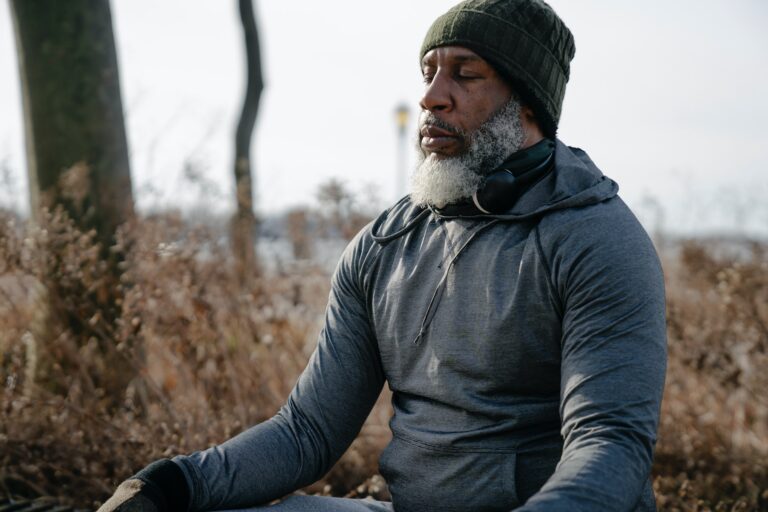
We’ve previously touched on the importance of mindful movement practices like Tai Chi, Yoga, and Qigong in fostering vibrant living. This summer, we encourage you to take this concept of mindfulness a step further. Beyond just movement, try to infuse mindfulness throughout your day. Feel the warm breeze on your skin, taste the sweet fruits of the season and listen to the sounds of the outdoors. Each moment presents an opportunity to be fully present, and there is no better time than a summer day to cultivate this habit.

Practices like Yoga and Qigong allow for a deeper connection with oneself and the world around us. These spiritual practices can be incredibly potent when taken outdoors during summer. Perhaps a gentle yoga sequence by the beach or a quiet Qigong session in a blooming park? Take this summer as an opportunity to deepen these practices, fostering a larger appreciation for the beauty that surrounds you.

Minimalism
Alongside mindfulness, we invite you to explore minimalism this summer. Contrary to popular belief, minimalism is not about denying ourselves pleasures or living a bare-bones lifestyle. It’s about making conscious choices about what we allow into our lives, focusing more on experiences and relationships than on possessions.

How can you embrace minimalism this summer? Try decluttering your home, simplifying your diet to include more fresh, local produce, or choosing experiences over material possessions. After all, a hike with loved ones or a day spent exploring a new town leaves a longer-lasting impression than the newest gadget.

By merging mindfulness and minimalism, you create space for meaningful connections – with others, with the natural world, and, most importantly, with yourself. Slow down and savor the summer in all its glory, embracing the art of living more with less. Embrace this season of warmth and growth, knowing that the journey to vibrant living is one step at a time, one mindful moment at a time. Summer is your canvas – paint it with mindfulness and minimalism, and see the masterpiece that unfolds.

› Back to top
« back
06.01.23 | Sage Advice®

Travel Trips and Destinations for Summer Adventurers

Get ready to embrace the magic of summer! It’s the perfect season to awaken your inner explorer, savor the thrill of freedom, and make every moment count. Remember, travel isn’t just about moving from point A to point B; it’s about learning continuously and sprinkling your life with unforgettable memories. But, as we all know, every adventure carries its share of surprises. Don’t fret, though – we’ve got you covered. Dive into our expertly-curated travel tips and discover three destinations that will inevitably satisfy your spirit of adventure this summer:

Starved Rock State Park, Illinois

First on our list is a day trip to Starved Rock State Park, about two hours west of Chicago. The park boasts some of the finest natural attractions in the Midwest, with an impressive 18 canyons, scenic waterfalls, and a wide variety of wildlife. Take a guided tour or embark on a self-guided adventure, it’s the perfect place to commune with nature and appreciate the beauty of the Illinois Valley.

Lake Geneva, Wisconsin

If a serene lakeside excursion suits your fancy, consider visiting Lake Geneva in Wisconsin. Only a short hour and a half drive from Chicago, it’s a haven of relaxation and natural beauty. Here, you’ll find opportunities to indulge in boating, fishing, or simply a picnic by the waterside. For a real treat, take a historical tour on the lake’s mail boat, a century-old tradition that offers a unique perspective of the stunning lakeside homes.

Michigan City, Indiana

Finally, a day trip to Michigan City in Indiana offers a blend of city attractions and natural beauty, only an hour away from Chicago. Enjoy the vibrant arts scene at the Lubeznik Center for the Arts, explore the beautiful Washington Park Zoo nestled on a sand dune overlooking Lake Michigan, or stroll the colorful boutiques and antique shops of the Uptown Arts District. 

When embarking on these adventures, remember to consider your comfort and health. Carry water, snacks, and any required medication. Dress for the weather, and wear comfortable footwear suitable for the activity you’re planning. Whether you’re journeying solo or with loved ones, each trip offers a unique opportunity for exploration, learning, and a touch of adventure. 

So, here’s our Sage Advice: take the summer its hands and step out into the world. There’s a lot to see, much to learn, and countless experiences waiting just for you. Exploration is not just about discovering new places, but also about discovering ourselves. After all, age is just a number, and the world is our timeless playground. Embrace your independence, pursue vibrant living, and make the most of the educational experiences that these journeys offer.

› Back to top
« back
05.25.23 | Health & Wellness

Staying Agile: Flexibility and Balance Exercises to Help You Maintain Independence

As we navigate through life’s different stages, physical changes often accompany us. At times, these can impact our strength, agility, and sense of independence. However, at Sage Collective, we are firm believers in the body’s innate capacity to adapt. Today, we’re exploring how to stay agile with flexibility and balance exercises. 

Flexibility and balance are the pillars of maintaining independence as we age. They are crucial in our daily tasks, from simple movements like bending to tie our shoes, to complex actions like reaching for an item on a high shelf or navigating stairs. Regular flexibility and balance exercises can enhance muscle tone, improve coordination, reduce risk of falls, and promote independence. Let’s delve into some exercises that can help.

Gentle Yoga 

Yoga is an exceptional choice for promoting flexibility and balance. The slow and deliberate movements of yoga poses, such as the “tree pose” and “warrior pose”, can dramatically improve balance. For increased flexibility, try poses like “downward dog” and “cobra pose”. These poses work on various muscle groups, enhancing flexibility in the legs, spine, and shoulders. Starting with guided sessions by a trained instructor can ensure proper technique and safety. 

Stretching Exercises 

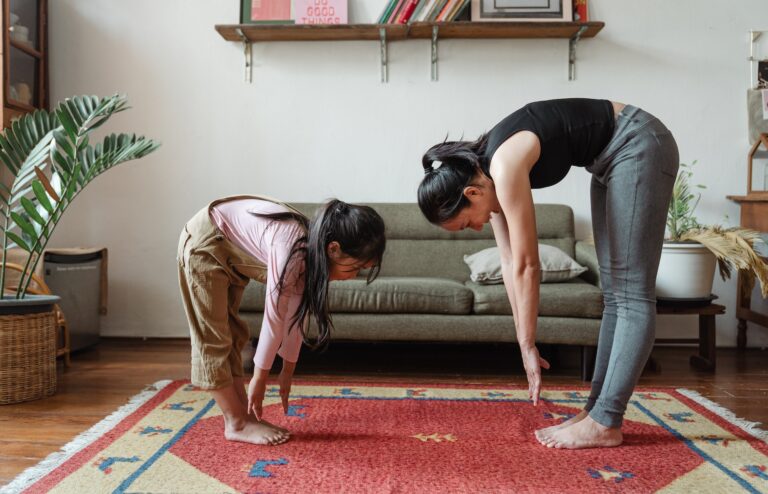
Regular stretching exercises are integral to maintaining and improving flexibility, and in turn, your range of movement. Basic stretches, such as the calf stretch, hamstring stretch, and gentle neck rotation, can be highly effective. Aim to hold each stretch for about 30 seconds, ensuring you feel a gentle pull, not pain. Over time, you’ll notice improved flexibility, which can make everyday tasks easier and more comfortable. 

Balance Training 

Simple balance exercises can significantly improve stability. Start with exercises like standing on one leg, shifting weight from one foot to the other, or walking heel-to-toe in a straight line. Initially, use the support of a chair or railing until you gain confidence and can perform these exercises without aid. Consistent practice can lead to noticeable improvements in your balance, coordination, and confidence in daily movements. 

Staying agile involves more than physical flexibility and balance; it requires mental adaptability too. Incorporating these exercises into your daily routine sets you up to tackle life’s challenges with grace and resilience. Growing older doesn’t mean surrendering your independence. It’s about thriving, adapting, and embracing life’s ever-changing landscape. By dedicating time to activities like these, you’re investing in your independence, enhancing your quality of life, and paving the way to healthier aging. Let’s stay agile together, every step of the way.

› Back to top
« back
07.21.22 | Sage Advice®

Personal Statements and Manifestos

As we continue our Vibrant Living Programming, we also want to resume sharing rich content that compliments our spirited training, and this month’s theme is freedom. Along with independence and opportunity, freedom can mean many things to many people. Today, we’re exploring how independence inspires purpose, how personal manifestos can propel that purpose even further and how you can create one of your own. 

A personal manifesto performs as a declaration of what you truly want from life, which makes it the perfect tool for engaging personal independence. Traditionally, you might know manifestos as published statements declaring the intentions or beliefs of organizations, similar to our Vibrant Living Manifesto. However, manifestos are fluid and can be similarly used by individuals to act as both a statement of ethics and a call to action and are powerful in giving life meaning and direction.

Whether you’re in search of a guiding compass, a frame, a reminder of your priorities or simply inspiration, creating a personal manifesto is sure to provide your life with a foundation of additional meaning and direction. Learn how to write your own below: 

Begin your manifesto by writing down your values, beliefs, behaviors you apply to life and other areas you want to address. If you’re having trouble thinking of what to write, it might be easier to ask yourself questions about those themes. Remember, personal manifestos are exactly how they sound, personal, so yours is likely to be unique to itself. 

After creating your list, start to transform each point of interest into active, declarative statements; use powerful language, don’t worry about the length and remember to keep it uplifting and positive. When finished, make a copy and put it somewhere you will see every day; your manifesto could be the perfect tool for vibrant living, write and live it now!

› Back to top
« back
07.07.22 | Community

The Importance of Personal Freedom and Independence

Independence and freedom are critical for everyone, but the older we get, the more significant their effects can have on us. While being independent is understood universally as having freedom, for individuals – specifically adults – the word can have a much deeper meaning and impact. Today, we’re diving into just how independence benefits us all as we continue to age. 

There’s no question that with age comes a plethora of changes to our minds, bodies and surroundings, and independence is sometimes the only thing we feel we have control over. Maintaining that control over our independence is just one aspect of ensuring you are living vibrantly and comes with its own rich benefits. 

Elevates a Sense of Purpose

Because independence is such an empowering, enriching privilege, it’s extremely powerful in granting a sense of purpose to those who have it. The opportunity to create goals, large and small, in hopes of accomplishing them is one of the most significant reasons for this characteristic. Whether you’re aiding in the lives of your family, friends or community, or working on yourself, having the freedom to set objectives provides a powerful sense of purpose. 

Encourages Relationship Development 

It isn’t easy to keep up with the newest technology and cultural developments, especially as an older adult. Building and maintaining relationships that provide access to the right resources is crucial for personal independence. Whether you have a family that helps you stay in the loop by navigating you through the latest technology or a neighbor who checks in on you every few days, community and independence go hand in hand for empowering a vibrant life. 

Enables Individuality

While a sense of purpose and relationship building is essential, independence has a significant impact on how you feel as an individual. When the divisions in your life are left out of your control, it’s not hard to feel a loss of yourself and your freedoms, which is why it’s critical to maintain a vibrant lifestyle and your sense of self, no matter what environment you find yourself.

› Back to top