« back
07.01.21 | Community

Vibrant Living Breakdown: Engagement in Social Life

Nine Ways of Vibrant Living is Sage Collective’s innovative model that champions more meaningful, engaged lives for older adults, and that serves as the backbone of our philosophy. We celebrate and uplift components of vibrant living that span from health and wellness, to arts and culture, to spiritual enrichment — but what makes all these life experiences truly shine is our ability to share them with others. That’s why our ninth component is engagement in social life.

Older adults in particular are a population at high risk of experiencing social isolation. The flip side of that risk – and the negative impacts it has on one’s physical and mental well being – means that older adults who are more socially connected often report a better quality of life all around.

The benefits of healthy social connection for older adults are all encompassing and include disease prevention, fewer physical health problems, longevity/length of life, improved cognitive function, better self-esteem, sense of belonging, and maintained purpose of life.

Therefore, at Sage Collective, we strive to provide daily opportunities for social connection and community engagement, whether that’s through our programming or residences. We intend to partner with a host of community organizations, including but not limited to: churches, schools, businesses, and cultural institutions, to provide co-teaching, educational, entrepreneurial and employment opportunities that both enrich and empower our residents.


Stay tuned for all these opportunities and more, and in the meantime, you can stay connected with us and our community online through our social media via Facebook, Instagram, Twitter, and LinkedIn.

Friends gathering to socialize and paint
› Back to top
« back
05.04.21 | Sage Advice®

The Health Benefits of Gardening

At Sage Collective, our philosophy of vibrant living encompasses everything from engaging in moderate, regular physical activity to eating a primarily plant-based diet and having an active social life. Interestingly enough, gardening touches on all three of these facets of vibrant living at once. Adopting gardening as a hobby brings a wide array of health benefits and beyond — let’s take a look:

Physical Health Benefits

Naturally, spending time outdoors gardening leads to higher levels of Vitamin D exposure. Adequate Vitamin D exposure is particularly important for older adults, as it increases calcium levels, therefore improving bone health and providing a boost to your immune system. The act of gardening is also an accessible, aerobic form of exercise that aids in increased flexibility, strength and stamina. Additionally, if you’re growing a vegetable, fruit or herb garden, all that fresh food is great for your diet! 

Mental Health Benefits

Growing and nurturing a living garden brings with it a deep sense of accomplishment, pride and self confidence. Just look at what you can do with your own two hands! Gardening is also believed to help reduce symptoms of anxiety and depression. In fact, one scientific study even posits that inhaling M. vaccae, a healthy bacteria that lives in the soil, can increase levels of serotonin – the key hormone that stabilizes our mood, feeling of well-being, and overall happiness.

Social and Cultural Benefits

While it can be a solo activity, gardening is also a great way to spend time with family, friends or neighbors. Community gardens in particular help many older adults to combat loneliness, all while contributing to the greater good of their neighborhood. Gardening has long been a way for communities to come together, to nurture each other, and to practice healing, sovereignty and even resistance

At Sage Collective, we advocate for older adults to adopt gardening as part of their lifestyles for all these reasons and more. In support of this belief, we will continue to promote the adoption of community gardens in the residential environments in which we engage older adults (including our own residents currently in development in Bronzeville), as well as bringing farmers’ markets to such communities. Stay tuned for more!

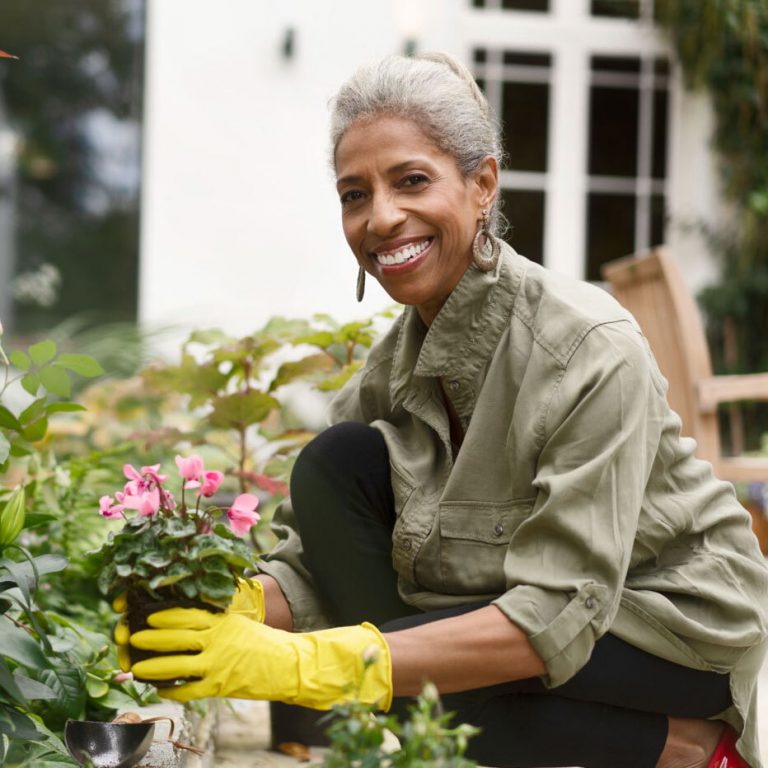
An older African American woman smiling while holding flowers she is about to plant in her garden
› Back to top
« back
12.10.20 | Sage Advice®

Discover Your New Winter Hobby for Seniors

Cultivating hobbies in older adulthood is a vital part of staying enriched and engaged. We’ve spent our entire lives making others happy, from partners to kids to bosses to friends. Now is the perfect time to indulge in activities for personal happiness and enjoyment, too. That’s why today, we’re talking about the benefits of finding a hobby that suits you — and sharing a few ideas to help get you started.

Fitness Hobbies

As we’ve discussed before, it’s vital that older adults partake in regular, moderate physical activity. Hobbies such as yoga, tai chi, swimming and even gardening are great ways to get those minutes in while also enjoying the task. Choosing these forms of exercise will help transform the experience of working out from a chore to a treat. 

Social Activities

Loneliness and social isolation are major challenges older adults face. Incorporating social activities into your life is a great way to meet new people and learn new things at the same time. Consider joining a choir, a local senior bowling (or other leisurely sport) league, taking a dancing class or even getting together for a game of cards every once and awhile.

Mental Engagements

One major benefit of hobbies is the opportunity to stimulate and engage your mind. For those that love a good challenge, or like to be whisked away in a story, try picking up a good novel from your library or grappling with a puzzle in the newspaper. Mentally engaging hobbies and activities are even proven to help keep your memory sharp.

Artistic Pursuits

For those seeking to express their artistic side, there are many artist hobbies available. For those that are good with their hands, knitting, crocheting or quilting are all exciting pursuits. Painting, drawing and scrapbooking are great ways to get creative and to create keepsakes, too. And for the wordsmiths among us, writing counts as an artform too!

There’s a hobby out there for everyone. Keep looking and trying new things until you find one that’s the right fit for you!

Three African American older adults smile together, wearing aprons at a painting class
› Back to top
« back
11.25.20 | Sage Advice®

Growing Your Green Thumb — With Indoor Houseplants

With winter quickly approaching, in many parts of the country, it’s time to bring the great outdoors… indoors. Keeping houseplants is the perfect way to incorporate nature into your everyday life, even on those days when getting outside isn’t an option. Houseplants also make for lovely additions to home design, help improve indoor air quality and even serve to boost your mood. So today, we’re talking about how you can grow your green thumb indoors by sharing some houseplant 101 tips.

Consider Sunlight

Whenever deciding to add a new houseplant to your home, you first have to consider two primary factors: where will the houseplant go, and how much sunlight will it receive? If your new leafy friend is going to live on a bookshelf by an eastern facing window, you can expect ample sunlight exposure. But if the plant is going in a room without windows that receives little sunlight, be prepared to choose a plant that can thrive in those lowlight conditions.

A good way to gauge whether your houseplant is getting the appropriate amount of light is to inspect the leaves. Yellow leaves signify either a lack of sunlight, or a lack of water. Leaves that begin to brown on the edges, as if burned, are being scorched by too much sunlight.

Watering Regularly

All plants will need regular watering. A good rule of thumb is to water your houseplants once per week, but this may change depending on sunlight and the time of year. Many store-bought houseplants will come with specific instructions.

It’s good practice to choose a specific day for watering (say a Saturday morning) in order to make it into a regular habit. You can also check if your plant needs water by sticking an index finger into the soil. Even if the top of the soil appears wet, if the soil half an inch below is dry, your plant may require more water.

Beginner-Friendly Plants

Choosing what plant will fare best in your home’s specific conditions is an important part of the process. Take the time to do your research before buying a houseplant, or ask a clerk at the store for their help and advice. Those new to keeping houseplants will do best to choose from a list of beginner-friendly options, including pothos, spider plants, snake plants, succulents and cacti. 

Whether you start with just one houseplant, or grow your collection to become an indoor jungle, indoor gardening is the perfect way to introduce vibrant living to your winter months — and beyond.

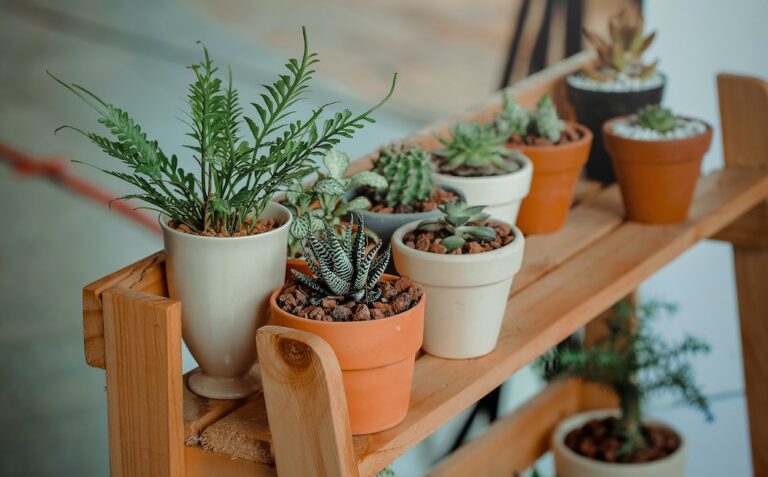
A wooden shelf is lined with pots of succulents and other potted houseplants
› Back to top