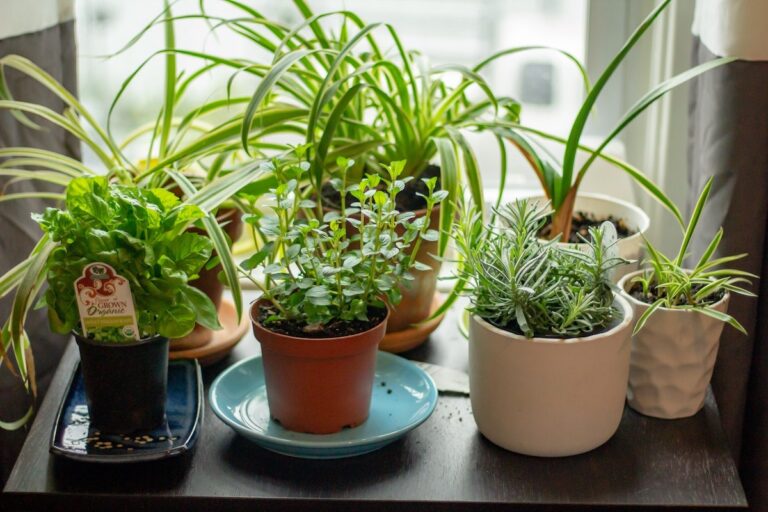
From Garden to Table: Savoring the Benefits of Your Indoor Herb Garden
At Sage Collective®, we believe that vibrant living is about embracing the cycles of nature, the power of intention, and the small daily joys that nourish the body and spirit. Last summer, we shared the basics of creating an indoor herb garden—a wonderful way to bring greenery into your home, enhance your meals, and stay connected to the rhythms of growth. This season, we invite you to take the next step: harvesting and using your herbs in ways that foster creativity, connection, and mindfulness.
A Mindful Harvest
Tending to your herb garden is certainly about the end result, but it’s also about the quiet, steady practice of care. When you harvest your herbs, do so mindfully. Snip basil leaves or sprigs of thyme in the morning, when the flavors are most concentrated, and take a moment to appreciate the scent that rises from your fingers. Ask yourself: What does this plant teach me about patience or change? What else in my life is ready to be gathered and savored?
Simple Recipes with Heart
Now that you have a bounty of fresh herbs at your fingertips, it’s time to enjoy their flavor in meals that feel both grounding and joyful. Try these easy, herb-forward ideas:
- Basil Pesto: Blend fresh basil leaves with garlic, olive oil, pine nuts (or walnuts), Parmesan, and a squeeze of lemon. Serve over pasta or spread on toast.
- Mint Tea: Steep fresh mint leaves in hot water for 5–10 minutes. Add a slice of lemon or a drizzle of honey for added comfort.
- Herbed Olive Oil: Lightly bruise rosemary, thyme, or oregano and place in a bottle with olive oil. Let sit for 1–2 weeks to infuse. Drizzle over salads, pasta, or roasted vegetables.
- Thyme-Roasted Veggies: Toss carrots, potatoes, or squash with olive oil, salt, and fresh thyme. Roast at 400°F until golden and tender.
Each recipe is an opportunity to celebrate the labor of your care, and the richness that comes from bringing something to life with your own hands.
Tea for Two (or Ten)
Herbs also offer the chance to create personalized tea blends that comfort and uplift. Consider pairing:
- Mint + lemon balm for relaxation
- Thyme + sage for respiratory support
- Lavender + chamomile for sleep and calm
You can dry your herbs by hanging them in small bunches upside down, or laying them on a mesh screen in a warm, dry spot. Once dried, store them in labeled jars and use them to prepare your own signature blends—perfect for gifting or sharing with a neighbor over conversation.
Sharing the Bounty
One of the most meaningful aspects of herb gardening is the ability to share your harvest. A small bundle of rosemary wrapped in twine, a jar of homemade herbed oil, or a few tea sachets made with love can be beautiful, heartfelt gifts. These gestures carry more than flavor—they carry the story of your care, your intention, and your willingness to nurture both plants and people.
Honoring Growth in All Its Forms
At Sage Collective®, we view these small rituals as part of a larger practice of intentional living. From the first sprout to the final harvest, your herb garden is a reflection of what’s possible when we nurture life with curiosity and compassion. It’s a daily invitation to check in, to take joy in progress, and to savor what you’ve cultivated.
As your herbs grow, so too does your capacity for reflection, creativity, and giving. Let this second season of your herb garden be one of sharing, experimenting, and staying rooted in the pleasure of what you’ve made possible.
There’s no such thing as just a windowsill garden. In the hands of someone who believes in vibrant living, it’s a testament to resilience, nourishment, and joy.