« back
05.27.26 | Community

The Growing Season: Cultivating Health, Connection, and Renewal

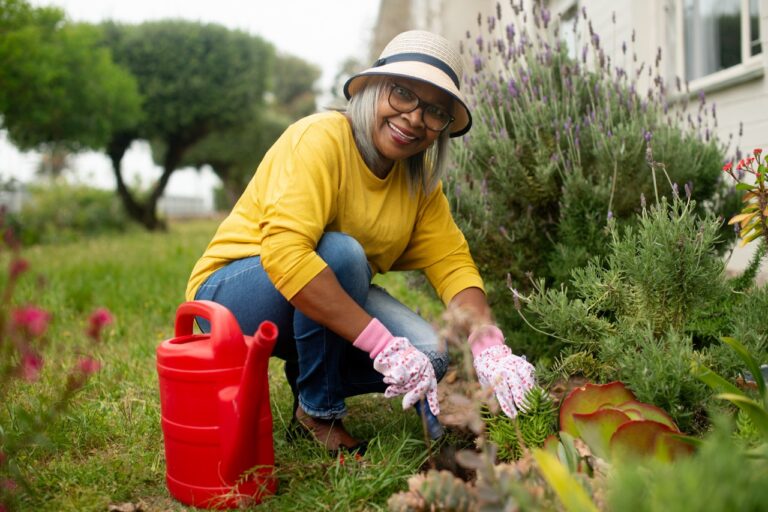
As late spring opens into early summer, the world seems to invite us outside. The days grow longer, the soil warms, and gardens begin to take shape in window boxes, raised beds, community plots, balconies, and backyards. For many people, gardening is a seasonal pleasure. But it can also be something more: a meaningful practice of vibrant living.

At Sage Collective®, we believe vibrant living is rooted in the everyday choices that help us stay engaged with our bodies, minds, communities, and sense of purpose. Gardening touches each of these dimensions. It asks us to move, observe, nurture, wait, and begin again. It connects us to the rhythms of nature while offering tangible benefits for physical, mental, and emotional well-being.

Movement with Meaning
Gardening is a form of physical activity, but it rarely feels like exercise in the traditional sense. Planting, watering, pruning, raking, digging, carrying soil, and harvesting all invite the body into gentle, purposeful movement. For older adults, these actions can help support mobility, flexibility, strength, and balance.

The Centers for Disease Control & Prevention  recommends that adults 65 and older aim for at least 150 minutes of moderate-intensity aerobic activity each week, along with muscle-strengthening and balance-supporting activities. Gardening can be one accessible way to add more movement into the week, especially because it can be adapted to a person’s energy level, mobility, and environment.

Raised beds, container gardens, kneeling benches, lightweight tools, and shaded work areas can make gardening more comfortable and accessible. Even a few minutes of tending herbs on a patio or watering flowers near a window can become part of a steady rhythm of care.

A Natural Boost for Mental Well-Being
Gardening also offers benefits for the mind. A 2017 meta-analysis found that gardening was associated with reductions in depression, anxiety, and body mass index, as well as increases in life satisfaction, quality of life, and sense of community.

Part of gardening’s power may come from the way it combines movement, fresh air, sensory engagement, and routine. The scent of basil, the feel of soil, the color of a new bloom, or the satisfaction of seeing a seedling take root can bring attention into the present moment. Gardening encourages us to slow down and notice small changes over time.

That kind of noticing can be restorative. In a world that often moves quickly, the garden reminds us that growth happens gradually. It asks for patience, care, and trust.

Purpose, Responsibility, and Joy
One of the most meaningful benefits of gardening is the sense of purpose it can provide. A review of research on home and community gardening among older adults found that gardening offered opportunities for connection with nature, productive activity, environmental care, and the responsibility of nurturing living things.

That responsibility matters. To tend a garden is to know that something depends on your attention. A plant needs watering. A tomato vine needs support. A flower bed needs weeding. These small acts create structure and meaning, especially during seasons of transition, retirement, or shifting routines.

Gardening also offers the joy of visible progress. A bare patch of soil becomes green. A small sprout becomes a meal. A forgotten corner becomes a place of beauty. These transformations can remind us that renewal remains possible at every age.

Connection in the Garden
Gardening can be deeply personal, but it can also be social. Community gardens, neighborhood planting days, shared herb pots, and informal conversations over fences all create opportunities for connection. Research on gardening and well-being has noted its relationship to social connectedness and community cohesion.

For older adults, these connections are especially valuable. A garden can become a place to exchange stories, seeds, recipes, advice, and encouragement. It can bring generations together, as grandparents teach children how to plant, harvest, and care for the natural world. In this way, gardening becomes more than a hobby. It becomes a bridge.

Growing Into Vibrant Living
The beauty of gardening is that it does not require perfection. A garden can be large or small, carefully designed or delightfully improvised. It can produce vegetables, flowers, herbs, or simply a few moments of peace. What also matters is the act of engagement it offers.

As we head into the prime months of late spring, gardening offers a gentle invitation to step outside, use the body, quiet the mind, and participate in the living world. It reminds us that care is reciprocal: we tend the garden, and in many ways, the garden tends us.

For Sage Collective®, this is the heart of vibrant living — remaining open to growth, grounded in purpose, and connected to beauty in every season of life.

› Back to top
« back
07.27.23 | Sage Advice®

The Art of Slow Living: Embracing Mindfulness and Minimalism This Summer

As we bask in the long summer days, there’s a growing awareness of the need for slower, more intentional living. Building on our previous discussions about mindfulness, let’s explore how to harness the power of mindfulness and minimalism to experience a truly transformative summer. This season, we encourage you to embrace the ‘Art of Slow Living.’ Just as the sun takes its time to set, painting the sky, we too can bask in the moment, savoring the world around us. But how do we do this? Let’s delve into the practices of mindfulness and minimalism.

Mindfulness
We’ve previously touched on the importance of mindful movement practices like Tai Chi, Yoga, and Qigong in fostering vibrant living. This summer, we encourage you to take this concept of mindfulness a step further. Beyond just movement, try to infuse mindfulness throughout your day. Feel the warm breeze on your skin, taste the sweet fruits of the season and listen to the sounds of the outdoors. Each moment presents an opportunity to be fully present, and there is no better time than a summer day to cultivate this habit.

Practices like Yoga and Qigong allow for a deeper connection with oneself and the world around us. These spiritual practices can be incredibly potent when taken outdoors during summer. Perhaps a gentle yoga sequence by the beach or a quiet Qigong session in a blooming park? Take this summer as an opportunity to deepen these practices, fostering a larger appreciation for the beauty that surrounds you.

Minimalism
Alongside mindfulness, we invite you to explore minimalism this summer. Contrary to popular belief, minimalism is not about denying ourselves pleasures or living a bare-bones lifestyle. It’s about making conscious choices about what we allow into our lives, focusing more on experiences and relationships than on possessions.

How can you embrace minimalism this summer? Try decluttering your home, simplifying your diet to include more fresh, local produce, or choosing experiences over material possessions. After all, a hike with loved ones or a day spent exploring a new town leaves a longer-lasting impression than the newest gadget.

By merging mindfulness and minimalism, you create space for meaningful connections – with others, with the natural world, and, most importantly, with yourself. Slow down and savor the summer in all its glory, embracing the art of living more with less. Embrace this season of warmth and growth, knowing that the journey to vibrant living is one step at a time, one mindful moment at a time. Summer is your canvas – paint it with mindfulness and minimalism, and see the masterpiece that unfolds.

› Back to top
« back
07.20.23 | Healthy Eating

Plant-Based Picnics: Delicious and Sustainable Recipes for Outdoor Dining

Just as we appreciate the evolving nature of foods in their flavor, color, and shape, we at Sage Collective similarly believe in the potential for personal growth and evolution, especially when it comes to our dietary choices. So today, we’re shifting our spotlight to the realm of plant-based picnics – a delightful fusion of health, sustainability, and flavor.

Have you ever been on a picnic, basket in hand, blanket over your shoulder, and felt the simple joy of dining in the great outdoors? Picnics have a certain magic about them, blending the nourishment of food with the rejuvenation of nature. We’re here to enrich this experience even further by introducing a plant-based approach.

Why Plant-Based?

A plant-based diet, rich in fruits, vegetables, grains, and legumes, is a powerful way to enhance your health and vitality while reducing environmental impact. As with the curious and colorful heirloom foods, diving into the variety of plant-based foods can be an exciting exploration of new flavors and nutrients. Plus, who says nutrition can’t be delicious?

Plant-based picnics provide a unique opportunity to share this exploration with loved ones. Whether you’re a seasoned plant-based eater or just beginning to dip your toes into this lifestyle, a picnic is a relaxed, enjoyable setting to experience and share these vibrant foods.

Ideas for Your Plant-Based Picnic:

  1. Colorful Veggie Wraps: Pack some whole-grain tortillas with a rainbow of fresh vegetables, hummus, and a sprinkle of herbs. They’re easy to make, easy to carry, and a delightful blend of flavors and textures.
  2. Quinoa Salad: High in protein and filled with fresh vegetables, a quinoa salad is a satisfying and versatile picnic choice.
  3. Fruit Skewers: Thread some fresh seasonal fruits onto skewers for a light, sweet treat. They’re refreshing, fun to eat, and packed with healthful vitamins.

So, why not plan your next outdoor feast around plant-based foods? You’ll be treating yourself, your loved ones, and our planet to a meal that truly nourishes. Remember, vibrant living is not a destination but a journey, filled with exploration, creativity, and open-mindedness. Embracing a plant-based picnic is one delicious step on this journey.

We invite you to share your favorite plant-based recipes with friends, family, and our Sage Collective community. Who knows, your favorite dish might just become someone else’s too. After all, part of vibrant living is sharing what brings us joy and wellness. Happy picnicking!

› Back to top
« back
06.23.22 | Health & Wellness

Smoothies: How You Can Pack Everything Into A Delicious Drink

Good dietary choices make for the foundation of good health. And, as we age and our bodies change, these decisions become more and more important for our wellbeing. Previously we’ve shared various healthy eating tips everyone can follow to keep you and your diet on the right track throughout the year. Today, we’re spotlighting one nutrient-packed refreshment that – thanks to the season’s ample availability of fresh fruits and vegetables – is the perfect for summer: smoothies. 

The Benefits Behind Smoothies

Eating fresh produce is critical to everyone’s health, and thanks to smoothies’ ability to condense large amounts of fresh fruits and vegetables, they make the perfect snack to fill up on nutrients and boost wellness. For those looking to increase their digestive health, smoothies provide the perfect opportunity to fuel your body with high-fiber foods like strawberries, bananas and dark leafy greens without singling each ingredient out.

Because of the large amount of water contained in many of the ingredients found in most smoothies, they make staying hydrated easy throughout the hot summer months when it’s most important. They’re also a perfect way to start your day thanks to the extra boost of vitamins and energy they provide and the fact that they usually reduce food cravings throughout the day and are surprisingly filling.

Make Your Own

Besides the seemingly endless benefits that come from smoothies, what makes them so convenient is the ability to customize them to your liking and dietary needs. Whether you want to target protein intake by using yogurts and nut butter or antioxidant-rich produce like spinach and blueberries, there’s no way to go wrong. Here are two of our favorite recipes: 


Green Smoothie: 

2 cups of spinach or preferred green

1 cup of your milk or juice of choice

1 banana cut into chunks

½ cup of pineapple chunks

½ cup of grapes

¼ cup of plain Greek yogurt

Ice as needed


Berries and Vegetable Smoothie:

1 cup of blueberries

1 banana cut into chunks

1 cup of spinach or preferred green

1 cup of milk or juice of choice

¼ cup of plain Greek yogurt

2 tablespoons of nut butter of choice

1 tablespoon of flax seeds

Ice as needed


The directions for making a smoothie are simple. Just add all of the ingredients to a blender, blend and enjoy!

› Back to top
« back
05.12.22 | Community

Moderation is Key to a Healthier Life

Moderation is key. We’re sure you’ve heard that phrase at least a couple of times throughout your life. And although it may be bothersome at the moment, some truth exists behind the famous saying. Finding the middle ground between excess and frugality is difficult, but once found, living in moderation welcomes a healthy balance into life.  

The exercise of moderation looks different for everyone. One person may practice moderation within their life completely differently than someone else. It’s the way that you perceive moderation that is most important. 

Moderation is often immediately associated with following strict diets, losing weight, etc., but it involves much more than what many believe. The key to moderation is learning from your experience and applying that knowledge to your lifestyle. Sure, changing your diet to plant-based foods and being active daily is outstanding for your health and wellbeing, but that doesn’t necessarily mean you’re learning how to live in moderation on your own. 

In order to live a vibrant life, including those aspects of healthy living, is essential, but doing so with moderation in mind, so deprivation doesn’t occur, is critical. Just because you’re living a healthier lifestyle does not mean that you have to cut aspects of your life that might not traditionally be seen as ‘healthy’. Have a cookie and drink wine, but do so in moderation. 

Staying true to yourself and keeping mental health in mind is imperative when practicing moderation. Moderation is key, but not necessarily in the traditional way it’s viewed. Address your bad habits, uphold your good ones, and find the perfect balance between the two to be a better and healthier you!

› Back to top