« back
01.19.23 | Mental Wellbeing

aRT Without the Capital “A”

Believe it or not, the little stick figure you managed to draw as a kid on is considered a masterpiece. Okay, maybe not a “masterpiece” per se, but definitely a piece of work you should be proud of, because that same stick figure is doing more than you might think.


Flexing That Creative Muscle

Everyone is capable of creative expression. Regardless of skill level, age, or disability, the benefits of creating art are nigh infinite. Whether you draw, paint, do woodwork, or draw stick figures, making art is good for the mind, body, and soul.

The act of creation has been linked to a reduction in anxiety and stress. It even improves your sense of agency when it comes to imagining solutions to problems you may face on a regular basis. 

Making “aRT”

Painting

Start with what you enjoy — maybe something you’ve done before, maybe something you loved as a kid. But keep an open mind in this process.

Anything that engages the creative mind — reformatting the ability to make and establish connections between unrelated things through visual communication — is good for you.

Here’s a few to get you going: finger painting, cooking, baking, collaging, oil painting, weaving, knitting, crocheting, writing screenplays, scrapbooking — lose yourself in the process and let go of expectations.

Do what lets you express yourself fully in the world of art making. You do not need to complete a project or like what you’re making to feel the various health benefits.

“aRT” Like You Exercise, Like You Eat

Just as you make time to eat, exercise and hang out with family and friends, you should make time for your new found joy for artistic expression. Creativity in and of itself is important for remaining healthy — remaining connected to yourself and remaining connected to the world.

Chicago Methodist Senior Services offer a few more resources for healthy art making, enjoy!

Art therapy
› Back to top
« back
01.12.23 | Sage Advice®

Walking With Desire: How Walking Can Lead to Finding Purpose

We have all been there before, stumbling about, searching for the right set of answers within a sea of uncertainty. Some of us look in places where there are no answers and often find ourselves discouraged. What if you discovered that they have been walking right beside you all along? And all you have to do is wander with intention, with a desire to see them.

Intention is the reason behind doing something. In the context of walking, we walk so we can get to work, to exercise, to try out new shoes, the list goes on. When cities lack the paths pedestrians need, people intentionally vote with their feet, creating what are called “Desire Paths.” They are shorter routes humans and animals take to get from point A to point B and are defined by a naturally-made pathway. These “desire paths” often serve as reference for walking with intention in our daily lives. 

Cadence

First, let’s talk about cadence. Walking itself is more than just a motor function of the human body, it is a restorative act of the mind and soul, as well. With every step, the force you send out is the force you get back. Imagine walking with anger…it stands to reason that your walking cadence will be more aggressive and rigid, which influences the way you mentally process what made you angry in the first place. Next time your emotions get out of control, choosing to actively slow down your gait will give you time to think through your emotions. 

Location

Where we walk matters. A casual stroll through the hustle and bustle of a loud city presents its own set of challenges. Environmental clutter and noise may scramble your thinking. So it is important to find a space where your walk is uninterrupted. A host of studies into the science of walking suggests that spending time in green spaces — parks, forests and gardens can rejuvenate the mental resources that man-made objects strip from you. 

Purpose

Walking organizes the world around us, while reflection gives us purpose. Slowing down your walking also leads to self-reflection. This is where desire comes into play. Thinking about yourself is important — it allows you to crystallize what you want out of life and the values that are important to you. Maybe you strive to provide for your family, perhaps you want to grow closer to your higher power. Whatever your purpose might be, when you transform a casual stroll into a walk of intention, you will find yourself on a desired path.

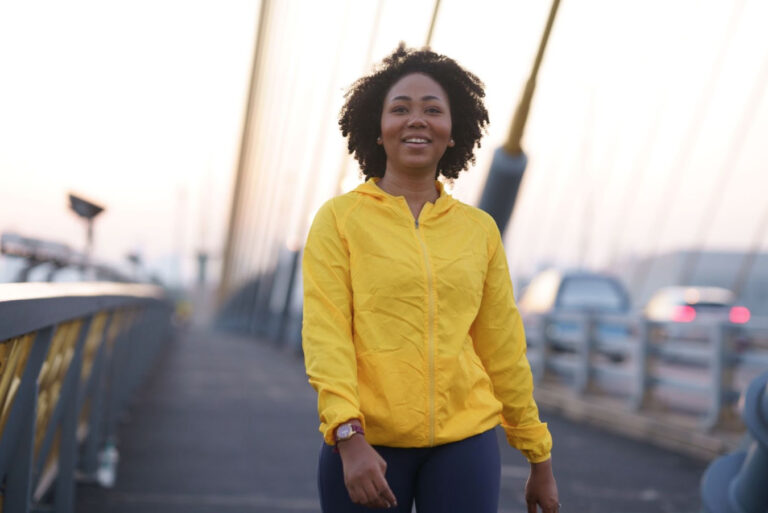
Walking with purpose
› Back to top
« back
01.05.23 | Health & Wellness

Goal-Making: How to Set Yourself Up for the New Year


Say this affirmation out loud:


“I will live within my purpose and make smarter decisions that lead to my own vibrant living!


Setting goals doesn’t have to be rocket science, just well thought out. They should be designed to be SMART. Here are 5 ways toward smarter goal making that will set you up for the rest of the year:


Specific


Measurable


Attainable


Relevant


Timed


Specific Goal Making

First, any goal you have should be clear and defined. You need them to show you the way. Make it as easy as you can by defining precisely where you want to end up.


Measurable Goal Making

In addition to your specific goal, try using precise statements that measure your success. Instead of saying, “Maybe I’ll go to the gym sometime this month,” say to yourself, “I will go to the gym starting today!”  Without a way to measure your success you miss out on the celebration that comes with having achieved something.


Attainable Goal Making

Above all, it is crucial that you set goals that are attainable with reasonable resistance. By setting realistic yet challenging ones, you hit the balance needed for your own personal development.


Relevant Goal Making

Now for a little perspective, where do you want to be 3 months, 5 months from now? Goals should be relevant to the direction you want your life and career to take. Keeping this in mind, you develop the focus needed to get ahead of the curve and stay motivated!


Timed Goal Making

One word, deadline. Despite whether you love them or hate them, deadlines work to increase sense of urgency and achievement will only come that much quicker when you set one in stone. 


In the end, by de-mystifying goal setting it no longer feels like rocket science. And you begin to make smarter and more informed decisions about your life and wellbeing.


Meditating on New Years Resolutions
› Back to top
« back
12.22.22 | Arts & Culture

The Benefits Of Reading A Book

There’s no better time to snuggle up next to a fireplace and pick up a favorite book or one that’s been on your radar for a while than winter. For many, reading a book is one of life’s greatest comforts, but it can also be an escape from the turbulence of everyday life. From loneliness and stress to relationship issues, today we’re exploring how reading impacts our mental health and well-being. 

A 2013 study conducted by the Clinical Psychology & Psychotherapy journal found that patients with mild depression saw improvements in mood, behavior and other depressive symptoms after reading. Another study published by The New School for Social Research discovered that those who read a fiction book experienced an improved Theory of Mind, which is our ability to empathize and understand others’ views and beliefs. 

Because of the wealth of benefits that comes with reading, bibliotherapy – a therapeutic approach using books and other forms of literature – is becoming progressively utilized. Dr. Paula Byrne, an author and founder of ReLit, is one of many running workshops in schools, prisons and halfway houses. 

Byrne states that bibliotherapy isn’t meant to replace medicine; instead, it’s used to complement it. Literature has the power to transport the reader to different places. It can relax, calm, excite or humor them. And while self-help books, relatable non-fiction and mood-boosting fiction books all make for amazing options, Byrnes finds that poetry does wonders for entering a different headspace. 

The bottom line is that reading contributes to a vibrant life. And the best part about it is that there’s a book for everyone. Explore our book recommendations and essential Chicago book list, or visit your local library or bookstore to discover something new today!

› Back to top
« back
12.08.22 | Community

Understanding the Swedish Philosophy of Fredagsmys

Swedes are known for their love of organizations, structure and readiness, which is one of the reasons why their culture’s work ethic is unlike any other. Because they value their work time so much, Swedes typically reserve a night a week to unwind and relax, which they call fredagsmys. While the philosophy shares similarities with other European philosophies, the Swede’s tradition is something we should all embrace to live a more vibrant life. 

What It Means

Following a hard work week, it’s a Swede tradition to spend Friday nights relaxing and unwinding. They call this fredagsmys, which means “Friday coziness” in Swedish. A typical fredagsmys will involve time spent with family and friends, playing board games, watching movies and enjoying their favorite snacks and meals.  

There’s no question that fredagsmys contribute to Sweden’s position as the happiest country in the world. Instead of staying in and watching television, Swedes spend Monday through Thursday evenings doing their favorite hobbies and activities, reserving Friday for relaxation. Fredagsmys have been a staple of Swedish households since the mid-1980s. However, today more than ever, Swedes are embracing the tradition as a perfect Friday night recharge. 

How To Embrace Fredagsmys 

There’s no correct approach to fredagsmys, which makes the philosophy easy to embrace. While you can do it alone, the most popular way to participate in fredagsmys is with others. Call up your family of friends and make a fun meal like a taco bar or a grand salad for everyone to enjoy together. 

Fredagsmys is all about going for casual and comfy. After dinner, throw on your snuggliest pajamas, grab a blanket and move to the couch for game night or a movie night with a glass of wine. However you choose to fredagsmys, what matters the most is the quality time spent with others or with yourself. 

We could all benefit from incorporating fredagsmys into our vocabulary and philosophy. At Sage Collective, we believe in the power of recharging, community and high-quality living — and we celebrate all that fredagsmys embodies.

› Back to top
« back
12.01.22 | Sage Advice®

The Importance of Normalizing Grief

Pain and grief are a natural part of our lives and aren’t just things we see or feel at the end of life. In reality, these feelings surround us daily whether we know it or not, and while they’re typically associated with sadness, they don’t always have to be. And while grief is often seen as taboo, it’s important to alter the conversation around the subject to create a safe and supportive community for all.

It’s critical to know that there is no perfect answer to everything with grief; everyone has to find what works best for them, and this may look different depending on the person. So, try to be patient with yourself, and take every day one step at a time. 

One of the best ways to normalize the process of grieving is simply by acknowledging what you’re going through. Let yourself feel everything, and allow yourself space to feel comfortable sharing those feelings, even if that means you need a break here or there. Ensure that you also have a way to do something with your feelings, which can be anything from talking to friends or family to writing or painting. 

While looking for support from others can sometimes feel selfish, it’s not. Lean on as many people as possible and remember to look for the good in the situation. By being vulnerable, you allow the opportunity to build trust, relationships and support.  

Grief is something we all experience. It’s not something we can hide from, so why not face it head-on and create a safe and supportive experience not only for yourself, but for the world? 

› Back to top
« back
11.23.22 | Sage Advice®

The Marvelous Benefits of Joining a Book Club

Whether you like spending your evenings escaping into your favorite novel or you only get to read a book a few times a year, there’s no question that reading is good for you. Regardless if you’re a devotee of reading or not, one of the best ways to elevate your experience – and keep yourself accountable – is by joining a book club. That’s why today, we’re exploring the benefits that come with book clubs and how you can join your own. 

There are plenty of reasons you should join a book club, but one of the most alluring is the opportunity to make new friends or engage with old ones. If you’re looking to meet others throughout your community, joining a book club is a great way to do so. Beyond engaging with a new crowd, book clubs provide safe spaces to observe and understand new perspectives from the books you read and those around you. 

Not only are you able to engage with others, but book clubs promote brain health! If you’re the type who rushes through books, this will help challenge you to engage deeper with the content and digest what you’re reading better. And by doing so, you and your group will encourage each other to practice critical thinking skills in the discussion!

Book clubs can be great for anyone who loves reading but isn’t the best at making time for it. By joining a book club, you’re automatically committing to reading a book within a specific time limit, and you’ll have a whole team of people to keep you accountable. And hopefully, throughout the process, you’ll be able to foster a continuing love of literature. 

If you’re interested in joining a book club but not sure where to find one, ask friends, search local Facebook Groups, head to your local library or bookshop, or start one yourself! 

› Back to top
« back
11.10.22 | Community

Health Benefits of Yoga

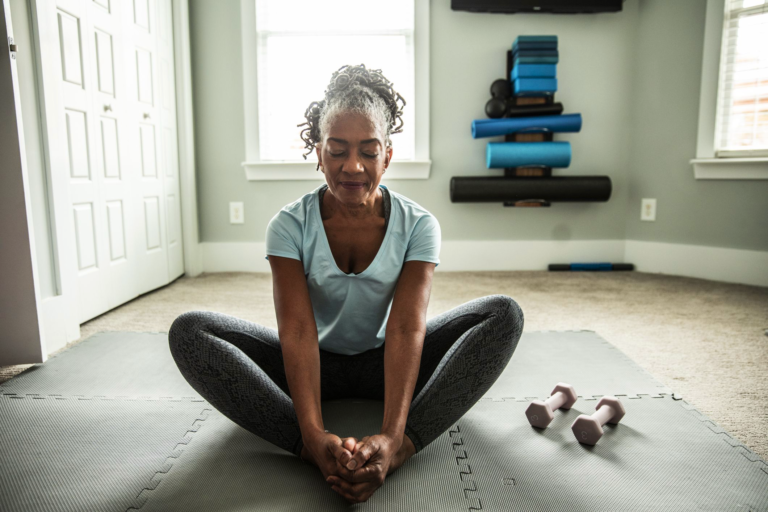
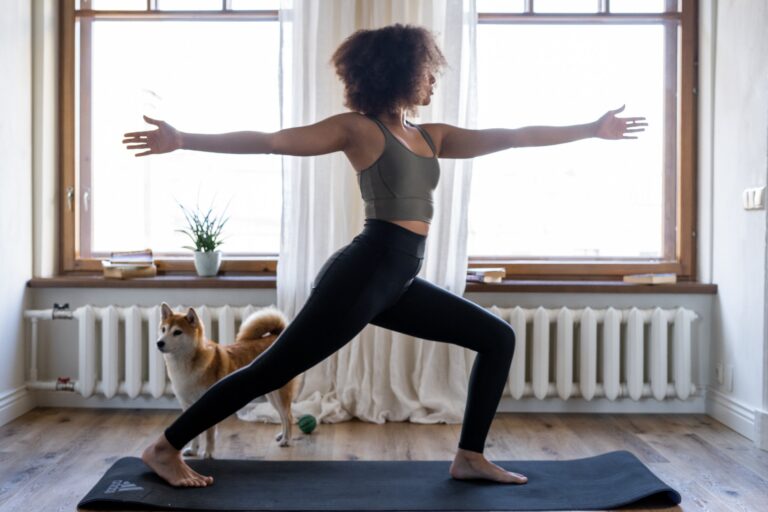
For those who love to get their daily exercise outside in the fresh air, the cool weather that comes with the winter can make that difficult. Thankfully though, there are plenty of ways you can complete your fitness goals from the comfort and warmth of your home, including yoga! Yoga is a low-impact activity perfect for anyone who wants to get their heart rate up while practicing mindfulness, and of course, it comes with a wide array of health benefits. Here are just a couple: 

Increases Strength

Yoga has been found to improve strength, balance and flexibility. Going through the slow, gentle movements and deep breathing exercises increases blood flow and warms up your muscles. Holding poses helps you develop better core strength and, in turn, improves your posture! And as you stretch your muscles with each pose, you also increase your range of motion and flexibility. Overall, the impact of this exercise leads to increased body awareness as well.

Aids in Pain Relief

For those going through an illness, recovering from surgery or living with a chronic condition, yoga is highly recommended. That’s because the practice has the potential to aid in pain relief — specifically, back pain. Stretching your lower back through various poses is believed to help relieve pain and improve flexibility overall during the healing process. And for those with arthritis: gentle yoga has been shown to ease some discomfort when it comes to those tender, swollen joints. 

Boosts Energy and Mood

As a practice grounded in body-mind-spirit connection, yoga naturally has an impact on your mental health as well as your physical health. Yoga has been demonstrated to aid in stress relief and even lead to a better night’s sleep. It also provides a boost to your overall energy and mood levels, producing better alertness and enthusiasm in its wake.

So, whether you’re looking for a low-impact fitness regimen or seeking a sense of groundedness, yoga is a great and healthy option for everyone. 

› Back to top
« back
11.03.22 | Community

Pause, Reflect, and Celebrate Your Wins

Life can often feel as if it’s moving at uncomfortable speeds. From working and errands to relationships you have to take care of, rushing through life can be a lot on your wellbeing. And, if you’re not careful, it’s easy to get misplaced and lose track of your goals, which is why it’s important to remember to pause and reflect every so often before journeying ahead. 

Because lives are more of a marathon than a sprint, pacing yourself to what you feel comfortable with rather than rushing ahead is crucial. Pausing is a great way to take a constructive break on your journey, and it gives you the time to thoughtfully evaluate your accomplishments. Take a look at your goals and purposes and ask yourself if you’re still on track, if you need to speed things up or slow things down and if you have the resources to continue. 

Too often in life, because of busyness and day-to-day, it’s paramount to celebrate your victories, and thankfully, pausing leaves the perfect opportunity to do so. It’s crucial to remember that no matter how big or small they may be, you should be proud of every accomplishment and victory you achieve. Take a moment to celebrate each one and reward yourself for your efforts!

While it’s essential to evaluate achievements and celebrate victories, it’s also important to acknowledge your mistakes so you can learn from them in the future. While some mistakes are obvious, others are hidden by bias, but in all cases, you should look at every mistake as an opportunity for learning, not a failure. Besides, learning about your previous mistakes ensures a lesser chance of repeating them in the future!

Taking a moment to pause and reflect gives you a chance to ensure that you’re still on the track for success, no matter your goals. So, as much as you may want to rush to your dreams, it doesn’t hurt to take a break – it helps!

› Back to top
« back
10.27.22 | Arts & Culture

Why You Should Be Eating a Global Palette

Cultures across the world are shaped by many things, like religion, technology, and economies, but a culture’s cuisine is often its greatest treasure. A global palette not only opens the door to learning more about a new culture, but also helps share the story of some of the world’s longest-lived and healthiest communities. And while every culture varies in diet, each exemplifies its unique take on living a vibrant life. 

In America, healthy eating is typically visualized through a Eurocentric lens, often reflecting things such as greens and smoothies. However, there’s more to healthy eating than just those popular linkages. Understanding the significance of cultural cuisine helps to explain that food for many across the world is much more than just an energy source and, instead, a representation of heritage and ancestry.

North African cuisine in Egypt, Morocco and Algeria, in particular, benefit from the influence of various cultures around the area, from the French to the Turks. Cultural dishes combine hearty ingredients like olive oil, fresh veggies and rich spices all bringing a plethora of nutrients to those who relish the delicious meals. 

In Japan, where the longest-living people on the Earth live in Okinawa, people have been following a similar cultural diet for centuries. Low sugar and dairy paired with meals consistent in rice, veggies and fish ensure that every meal is complete. And, even with limited fruit in their diet, the health throughout the culture still thrives. 

Italian culture is a perfect example of how misconceptions about healthy eating are proven wrong. Although the culture is known for its pasta and pizza, Italians are also known for their use of fresh, quality ingredients. While carbs fill many of their meals, the use of high-quality local vegetables and cheeses proves that even when you might not think you’re eating the healthiest, you still technically can be!

A quick look around the world is a great reminder of the health benefits and significance of immersing yourself in the foods of other cultures. And even if a cuisine may not read the healthiest on the outside, the thought and care put into it may be much more significant than we often realize. 

› Back to top