« back
01.19.21 | Sage Advice®

What to Know About the COVID-19 Vaccine

The Pfizer and Moderna COVID-19 vaccines have both been authorized by the FDA for emergency use — and many more pharmaceutical companies will follow suit. According to the CDC, the COVID-19 vaccination is a vital tool in helping to stop the pandemic, building protection and keeping individuals from getting COVID-19. But what should you actually expect during your appointment to receive the COVID-19 vaccine?

It Will Take Time

For starters, it will take some time for the vaccine to become available to most people. As COVID-19 vaccine doses are being doled out across the United States, Chicago has already administered upwards of 60,000 vaccine shots. These administered shots have gone to health care workers and long-term care facilities as part of Phase 1A of Chicago’s vaccine rollout plan. Once completed, the city will move onto Phase 1B: where older Chicagoans and certain frontline workers will be vaccinated. 

Understanding How It Works

Both the Pfizer and Moderna vaccines use new mRNA technology. As the CDC explains, mRNA vaccines instruct our cells to create a (harmless) “spike protein.” The spike protein is found on the surface of the virus that causes COVID-19. Once your body creates the spike protein, it recognizes the protein does not belong and begins to build an immune response and antibodies. These antibodies stick around and will help fight off COVID-19, while the spike protein is eventually eliminated by your body. 

What to Expect 

Both the Pfizer and Moderna vaccines are injected in the upper arm muscle and require two injections, 21 days and 28 days apart, respectively. After getting vaccinated, you may experience flu-like symptoms, including fever, chills, tiredness and headache, as well as slight pain and swelling at the injection site. These side effects — if you do experience them at all (and many do not) — will subside in 1-2 days. 

When the time does come for your own vaccination appointment, always remember that routine processes and procedures are in place to ensure the utmost safety throughout the experience. It’s perfectly normal to experience anxiety and nerves, but being as informed as possible about the process will help to remedy that. 
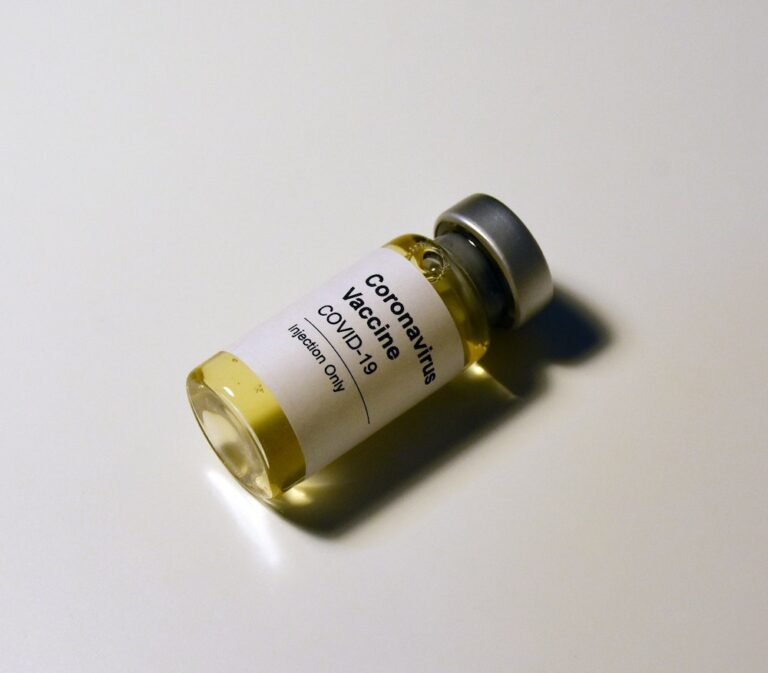
A small vial of liquid with a label reading "COVID-19 Vaccine"
› Back to top
« back
01.12.21 | Sage Advice®

Feeling Exhausted? The Science Behind Pandemic Burnout

As part of our 9 Ways of Vibrant Living, we at Sage Collective advocate for stress reduction. We recognize stress as a natural, regular occurrence and aim to help our followers learn to manage, to control and to minimize stress.

But we’ll be the first to admit that since the onset of the COVID-19 pandemic (in March of what’s officially become last year), stress levels have been higher than ever. If you’ve been feeling excessively stressed, burnt out and unable to focus — you’re not alone. Today, we’re taking a closer look at the science behind pandemic-related stress and burnout. 

There’s a reason everyone’s been referring to COVID-19 as “unprecedented.” We’ve never experienced anything quite like this in our lives. Worrying about a global pandemic, public health and safety, our personal wellbeing and the wellbeing of those we love, not to mention financial concerns, food security struggles and more — it’s an inordinate amount of stress for human beings to take on all at once. And the demand of feeling all these things at once is taking a toll on our bodies.

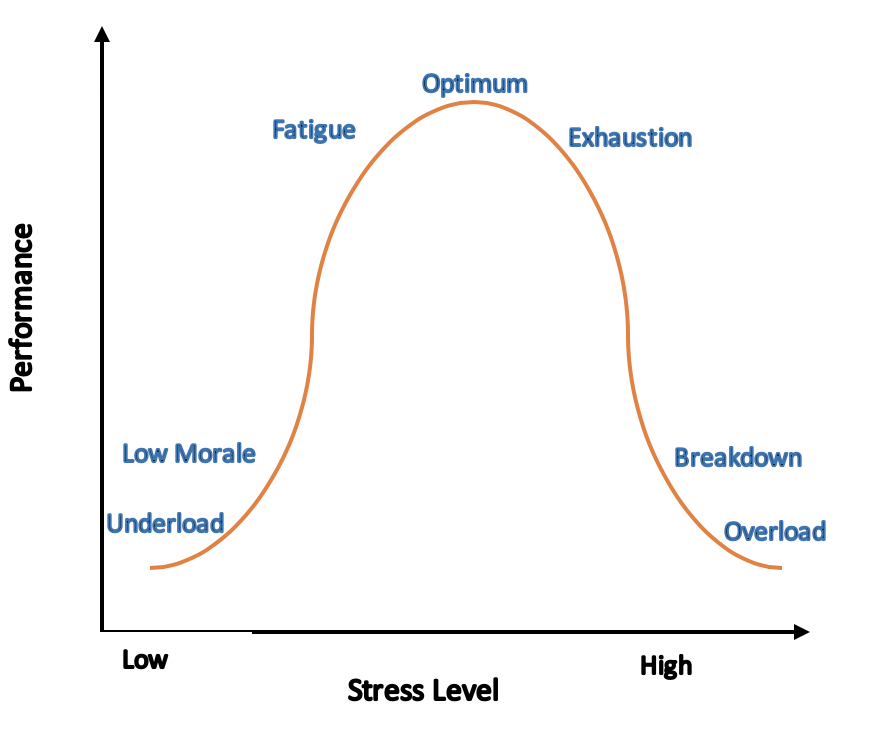
Allostatic load demonstrated visually

Allostatic load refers to the impact of cumulative wear and tear — the impact of carrying all that stress, for example. And allostatic overload refers to the point at which the demand of our stress overtakes the capability of our mind and body to keep up. As demonstrated above, we can look at our allostatic load as a bell curve. Too little stimulation from stress, we’ll be underloaded, understimulated and stagnant as  human beings. But too much stimulation from stress, and we’ll be overloaded, overstimulated and exhausted to the point of burnout.

Many of us are in the throes of allostatic overload. Our bodies have been constantly perceiving a potential threat, and therefore they’ve been producing hormones like adrenaline and cortisone, handy responses to temporary stressors.  However, in the case of a prolonged stressor such as the pandemic, our bodies continually overload themselves with these hormones, which are actually toxic to our physiological systems. 

So your feelings of stress, exhaustion and burnout — they’re only natural. But acknowledging the reality of the problem is only half the battle. How do we even begin to combat burnout and fatigue? 

First, self care is absolutely crucial. Prioritize taking care of your body through healthy habits like regular exercise, healthy diet and getting your best night’s sleep. Prioritize taking care of your mind, too, by making time to practice gratitude and indulge in doing things you love. And secondly, be mindful to take care of others, too. Finding ways to safely connect with friends, family and community will serve as a reminder that you’re not alone — we’re all in this together.

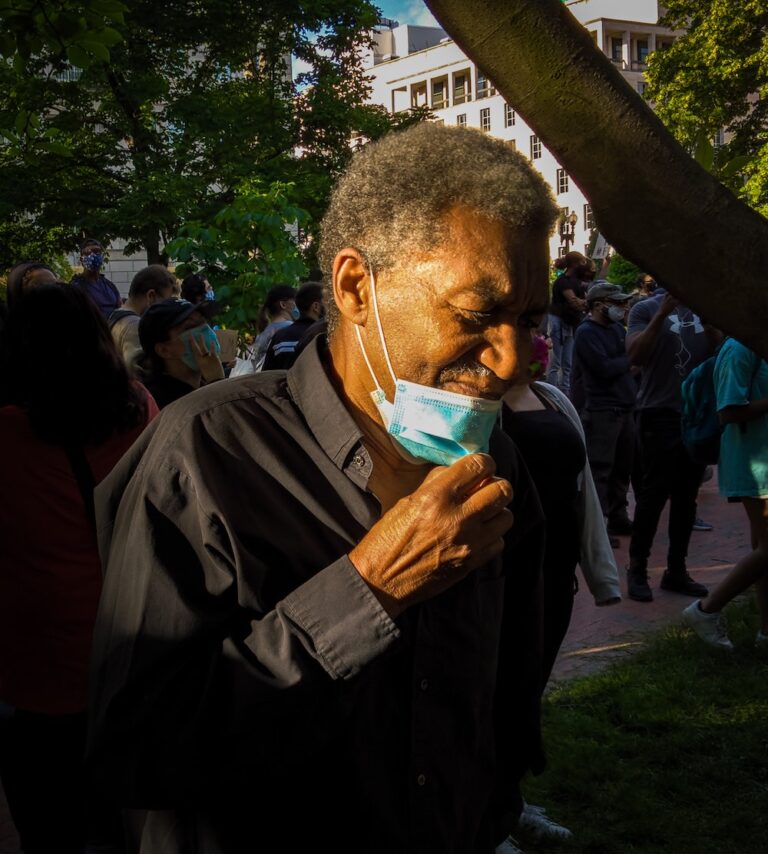
An older African American adult steps aside to take off his mask for a moment
› Back to top
« back
01.07.21 | Sage Advice®

Vibrant Living Breakdown: Moderate Caloric Intake

9 Ways of Vibrant Living is Sage Collective’s guidebook to a full, happy and high-quality life. Our fourth component of vibrant living is moderate caloric intake. Healthy eating is an integral part to ensuring both our bodies and minds are at their best. Today, we’re taking a closer look at how to embrace this component in your own life and why it’s so important.

Diet Requirements for Older Adults

According to the Estimated Energy Requirements (EER) from the Institute of Medicine Dietary Reference Intakes macronutrients report, older adults (ages 55+) require less calories than the average adult. For moderately active women 55+, the recommended amount is 1,800 calories daily, while for moderately active men 55+, the recommended amount is 2,200-2,400 calories daily. (For less active individuals, the EER recommends 1,600 calories daily for women and 2,000 calories daily for men). However, requirements can vary with respect to height, weight and other factors. 

Older adults require less calories as they age due to dropping basal metabolic rates and decreasing muscle mass. Though as we discussed before, while older adults require less calories than the average adult, they still require the same (if not more) nutrients. That’s why eating fresh, healthy meals is more important than ever as we age. 

Vibrant Living Through Fresh, Healthy Eating

At Sage Collective, we believe in helping older adults learn how to prepare and eat more fresh, healthy food in order to get ample nutrients and consume less calories. In the vision for our residential campus, we intend to incorporate trained nutritionists and nutrition aids to provide seminars and other educational activities to help our older adult residents establish these healthy eating habits.

Fresh, healthy eating and moderate caloric intake is important for older adults for numerous reasons. Naturally, health is one of them. Eating well provides your body with the necessary energy and nutrients to do its job. It also helps regulate weight and can even aid in the prevention of diseases such as osteoporosis, high blood pressure, heart disease, type 2 diabetes, and certain cancers. Eating well is also great for the mind, leading to a better night’s sleep, the mediation of moods and even the inhibition of pain. Try eating clean for just two weeks and see the impact it has! 

For those looking to practice moderate caloric intake at home, we’ve put together this guide to healthy eating for seniors. Like any goal, change to your diet doesn’t happen overnight, but making small, conscious decisions regarding what you eat daily will build up to have a great impact.

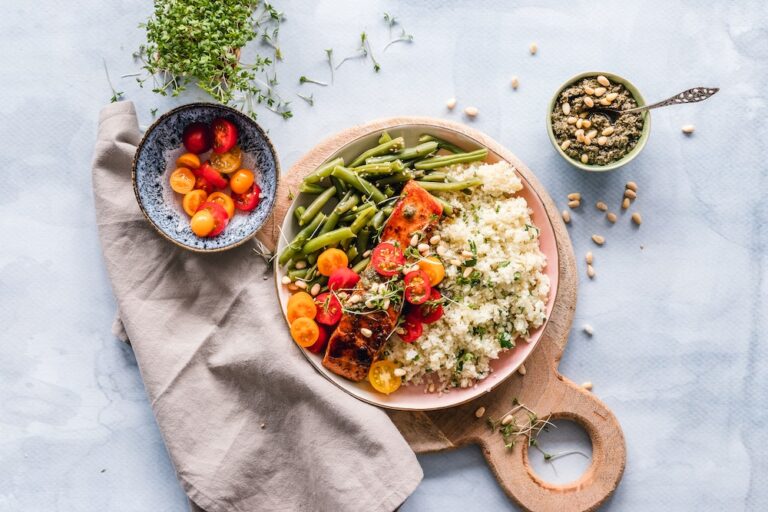
A spread of food demonstrating moderate caloric intake, including rice with tomato, green beans and fish
› Back to top
« back
12.28.20 | Sage Advice®

The Importance of Practicing Gratitude

Gratitude is both a way of thinking and a way of doing. By definition, it’s the quality of being thankful, as well as the readiness and willingness to show appreciation for and to return kindness. And by practicing gratitude, we open ourselves up to being more connected, more happy and more healthy.

Finding the Good

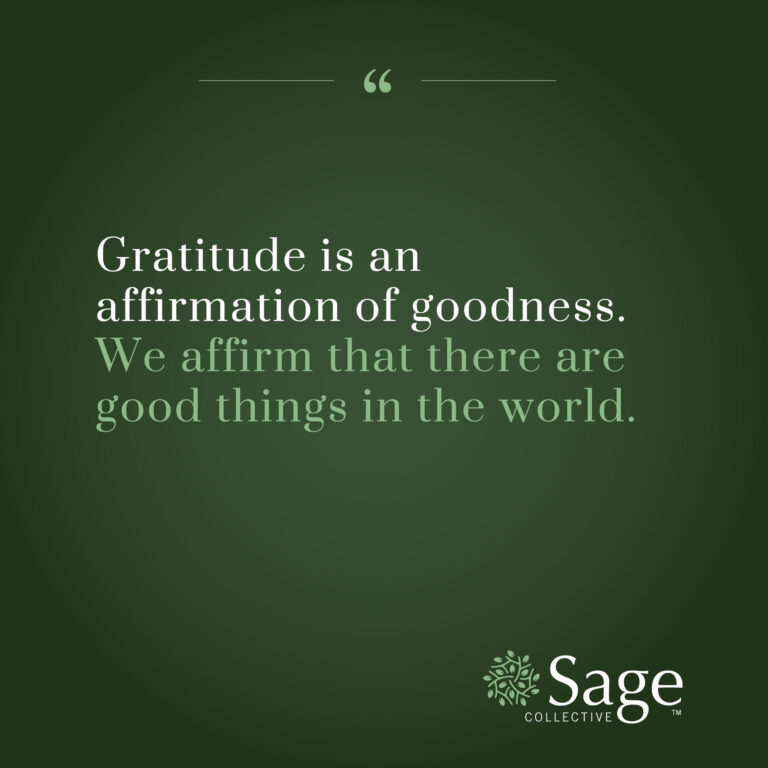
According to American psychologist Robert Emmons, there are two parts to gratitude. Firstly, it’s “an affirmation of goodness. We affirm that there are good things in the world, gifts and benefits we’ve received,” he says. While this doesn’t overwrite challenges or frustrations in our lives, it allows us to look at our lives wholly and to always find balance and goodness. Finding good in the world helps us to feel more positive emotions, relish good experiences, deal with adversity and even improve mental and physical health.

Becoming More Connected

Secondly, says Emmons, “we recognize that the sources of this goodness are outside of ourselves…. We acknowledge that other people—or even higher powers, if you’re of a spiritual mindset—gave us many gifts, big and small, to help us achieve the goodness in our lives.” In this way, Emmons describes gratitude as a “relationship-strengthening emotion, because it requires us to see how we’ve been supported and affirmed by other people.” Therefore, practicing gratitude allows us to feel more connected with our surroundings, whether that be nature, our spirituality or the people in our lives. This in turn leads to stronger, more positive relationships.

Practicing Gratitude

So how do we cultivate and strengthen our practice of gratitude?

First, we must notice our surroundings. What or who makes you feel good? This reflection can happen in-the-moment throughout your daily experiences, or later when you have a private moment to yourself for meditation. Many experts recommend keeping a gratitude journal and regularly listing things you’re grateful for.

Savor and absorb the things for which you’re grateful. Once you acknowledge the good things in your life, make sure you enjoy those experiences to the fullest and treat them with the utmost appreciation.

And finally, express your gratitude. Happiness is best when shared — and everyone likes to feel appreciated. Take the time to write a thank you note or voice your gratitude verbally. 

We all experience gratitude, but taking the time to acknowledge the feeling and become more intentional with how we engage with it and share with others will make all the difference in the world. 

White and green text over a dark green background, with quotation marks and the Sage Collective logo. Text reads: Gratitude is an affirmation of goodness. We affirm that there are good things in the world.
› Back to top
« back
12.21.20 | Sage Advice®

Healthy Sleeping Habits for Seniors

Many of us struggle with getting a good night’s sleep. Due to the natural aging process and a decrease in hormone production, older adults experience less deep sleep — one of the most refreshing parts of the sleep cycle. That’s also why older adults are prone to waking up more frequently and often wake up feeling less rested. Today, we’re exploring remedies to help older adults achieve their best nights’ sleep, and it all starts with healthy sleeping habits.

Hitting Healthy Sleep Quotas

For older adults, experts recommend getting 7-9 hours of sleep per night. Many older adults will naturally lean towards going to sleep earlier in the evening and waking up earlier in the morning, but still many will have to spend longer in bed each night to fall and stay asleep. In case a night’s sleep doesn’t get you to a full 7-9 hours, it’s okay to make up and take a nap during the day — but try to avoid napping in the late afternoon or evening to ensure your body will be ready for the next night’s sleep.

Developing a Routine

Finding a bedtime rhythm that works for you is essential to regularly getting a good night’s sleep. First and foremost, stick to the same bedtime. This allows your body to get used to a routine and to build up a strong circadian rhythm. Avoid artificial light as well, so as not to confuse your body to the time of day. Instead, make time to wind down before bed, by doing calming activities such as reading, taking a bath, meditating or practicing breathing techniques. You should also avoid alcohol before bedtime and limit liquid intake to ensure a restful night’s sleep.

Filling the Daytime

Naturally, the more energy used during the daytime, the more ready your body will be to rest at night. Getting in a day’s worth of moderate, regular physical activity contributes to better sleep — though be sure not to exercise three hours prior to bedtime. Experts also recommend engaging socially throughout the day; this uses up more of your brain’s energy as well as aids in personal fulfillment. Getting outside and enjoying the sunlight is also crucial to getting a good night’s sleep; this exposure to natural light will help regulate your body’s circadian rhythm. 

It comes as no surprise that many of the components of vibrant living contribute to healthy sleeping habits. As the saying goes — healthy mind, healthy body. 

A comfortable bed with many pillows
› Back to top
« back
12.10.20 | Sage Advice®

Discover Your New Winter Hobby for Seniors

Cultivating hobbies in older adulthood is a vital part of staying enriched and engaged. We’ve spent our entire lives making others happy, from partners to kids to bosses to friends. Now is the perfect time to indulge in activities for personal happiness and enjoyment, too. That’s why today, we’re talking about the benefits of finding a hobby that suits you — and sharing a few ideas to help get you started.

Fitness Hobbies

As we’ve discussed before, it’s vital that older adults partake in regular, moderate physical activity. Hobbies such as yoga, tai chi, swimming and even gardening are great ways to get those minutes in while also enjoying the task. Choosing these forms of exercise will help transform the experience of working out from a chore to a treat. 

Social Activities

Loneliness and social isolation are major challenges older adults face. Incorporating social activities into your life is a great way to meet new people and learn new things at the same time. Consider joining a choir, a local senior bowling (or other leisurely sport) league, taking a dancing class or even getting together for a game of cards every once and awhile.

Mental Engagements

One major benefit of hobbies is the opportunity to stimulate and engage your mind. For those that love a good challenge, or like to be whisked away in a story, try picking up a good novel from your library or grappling with a puzzle in the newspaper. Mentally engaging hobbies and activities are even proven to help keep your memory sharp.

Artistic Pursuits

For those seeking to express their artistic side, there are many artist hobbies available. For those that are good with their hands, knitting, crocheting or quilting are all exciting pursuits. Painting, drawing and scrapbooking are great ways to get creative and to create keepsakes, too. And for the wordsmiths among us, writing counts as an artform too!

There’s a hobby out there for everyone. Keep looking and trying new things until you find one that’s the right fit for you!

Three African American older adults smile together, wearing aprons at a painting class
› Back to top
« back
12.03.20 | Sage Advice®

Vibrant Living Breakdown: Stress Reduction

At Sage Collective, we have adopted, and vigorously promote, 9 Ways of Vibrant Living, as a model that champions high-quality living, and is the backbone of our philosophy. Today, we’re unpacking the third of our nine components: stress reduction. We believe that stress is a natural component of life for all of us, and our focus is not to totally eliminate stress, but rather learn to manage, to control and to minimize it.

The famous serenity prayer goes: “God, grant me the serenity to accept the things I cannot change, courage to change the things I can, and wisdom to know the difference.” In that vein, Mayo Clinic provides 4 A’s that should be a part of every person’s stress management toolkit: Avoid, Alter, Accept and Adapt. 

Oftentimes, the majority of stressors in our lives are things we can simply Avoid. Avoidance requires us to first acknowledge what triggers stress for us: is it traffic on the way to running errands, or a rude neighbor? Taking the time to plan strategically to avoid these stressors is well worth the effort. Stress also comes from feeling overextended in our responsibilities. Time management and prioritizing what is most important to you is one way to treat this, and even includes saying no to favors you aren’t in a position to take on.

For those things you can’t avoid: Alter. Perhaps you’d like to begin rectifying your relationship with that rude neighbor. Communicating your feelings and, when necessary, setting important boundaries goes a long way when treating your own stress. 

For those things you cannot change or alter? It’s time to Accept. Holding onto anger, frustration or regret not only adds to your stress, but it’s also exhausting. Try talking with a loved one or trained professional to express your feelings through a healthy outlet. Strike a balance between productive venting and then practicing forgiveness, of both yourself and others.

And when all else fails, it’s time to Adapt. We can’t always change the things that cause us stress, but we have the ability to change how we respond. Rather than becoming overwhelmed with negative feelings, take some time to talk yourself down and recenter. Once you’re feeling calm and collected, try reframing the issue and looking for the bright side: is there something to be learned? Is it an opportunity to grow?

Dealing with stress is never fun, but when we develop the right techniques, successful stress reduction is another step towards a life lived more vibrantly. 

Two older adults stand in a balance form during yoga
› Back to top
« back
11.17.20 | Health & Wellness

Healthy Eating Tips for Seniors

The old saying goes, “you are what you eat.” And it’s true — good dietary choices are the foundation of good health. Making these choices becomes even more important the older you get. Our metabolism slows down with age, meaning that older adults require less calories but the same, if not more, nutrients to maintain our wellbeing. That’s why today, we’re sharing four healthy eating tips for seniors to keep you (and your diet) on the right path.

Prioritize getting your nutrients 

The good news: nutrient-dense foods are often the lowest in calories. Avoid any empty carbs or calories, such as processed foods, and instead prioritize whole foods such as protein, produce and dairy. Pay specific attention to make sure you’re picking foods that are high in fiber and low in sodium and salt, too. 

Eat the rainbow

Because our bodies require a broad spectrum of nutrients, the best way to ensure you’re hitting all the marks is to have your plate look like a rainbow. Bright, colored foods often signify good choices. Lean proteins include meat (or meat alternatives such as tofu and seitan, if you’re interested in pursuing a more plant-based diet) lentils, chickpeas, eggs and beans (these are your red foods). Fresh produce (fruits and vegetables) are the perfect source for your vibrant oranges, purples, reds and greens. Meanwhile, whole grains such as rice and whole wheat pasta are a good way to get brown on the plate. 

Think good fats, not no fats

Fat isn’t a bad word. But bad fats, like saturated and trans fats, should be eliminated from your diet if possible. Try to focus on good fats instead, like monounsaturated and polyunsaturated fats which can help protect your body against disease and improve your mood. This includes avocado, olive oil, nuts and fish and other foods high in omega-3 fatty acids.

Drink more water

This is a simple, but important step. Staying properly hydrated can do wonders for your physical and mental health. If possible, avoid any fluids that have sugars or salts added in, and focus instead on just clean, healthy drinking water — tea and coffee are also good choices. Overall, aim to consume at least eight glasses of water a day to stay properly hydrated.

Eating healthy may seem daunting, but at the end of the day, it’s about knowing your body’s needs, and making one informed decision at a time. 

Healthy eating shown through a vibrant plate of good, balanced foods
› Back to top
« back
11.06.20 | Health & Wellness

Self Care for Seniors: What Is It, and How to Take Part

Have you heard of the latest millennial craze, self care? Young people all over are encouraging each other to get off of social media for a day, or to order in for the night and binge their favorite TV show, all things they’ve dubbed as acts of self care. 

While these acts may seem frivolous on the surface, they’re actually helping people to take a break from the media cycle, or to celebrate moments of rest. Self care, by definition, encourages people to consciously tend to their own well-being. But most surprisingly of all, this “new trend” isn’t new at all — in fact, it has deep roots and history in the medical field.

A Brief History

Self care began as a treatment course in the 1950s for patients who were mentally ill or elderly and struggled with autonomy. It included acts that helped preserve physical independence, such as simple exercising or personal grooming. This independence opened up the gateway for feeling better in many ways — physically, because patients were able to care for themselves, but also mentally, because independence was rewarding and satisfying.

From the mid 1960s to early 1970s, academics continued to pursue the idea further and how it might pertain to those in high risk professions, such as EMTs and social workers. The idea was that, in order to tend to your responsibilities to others, you need to first take care of yourself and replenish regularly through acts of self care. As Sage Collective’s own Rear Admiral (ret.) James M. Galloway said, “Taking care of yourself ensures you can take your best care of others.”

In the civil rights and feminist movements that followed this time, self care also become a revolutionary and radical act against varied forms of injustice, medical and otherwise. 

Self Care for Seniors Today

So how can seniors reclaim self care, and share in the joy that millennials have found? Our best advice: find what replenishes you, whether it’s physically, mentally or both.

When it comes to your physical health, incorporating moderate, regular physical activity will help replenish not just your body, but your spirit and your energy. Physical acts also include making conscious decisions to eat healthier, to get ample rest each night and to take time to relax. 

As for mental health, experts recommend spending more time in nature to breathe in the fresh air and enjoy natural sunlight. You can also reconnect with a new hobby, or even discover a new one. Dedicating time to activities that you enjoy and find satisfaction in is a great way to embrace the practice, too. And of course: spending time with those you love will always provide a much needed mental boost. 

So don’t be afraid of the trend — self care is for everyone. 

Self care expressed through love, with an older African American man and woman embracing and smiling
› Back to top
« back
10.29.20 | Sage Advice®

Vibrant Living Breakdown: Moderate, Regular Physical Activity

We don’t believe in living a passive life; we believe we should be active participants in our own health, wellness and happiness. That’s why Sage Collective created 9 Ways of Vibrant Living, a model that champions high-quality living, and the backbone of our philosophy. Today, we’re unpacking the first of our nine components: moderate, regular physical activity. 

In a recent blog post, we broke down the surprising health benefits of going for a brisk-paced thirty-minute walk each day — and even discovered that going for a walk can have parallel health benefits to going for a run. This goes to show that physical activity doesn’t all have to be intensive, but rather, incorporating moderate, regular activity can prove highly beneficial on its own.

The World Health Organization (WHO) recommends older adults partake in at least 150 minutes of moderate physical activity each week. This activity can include leisurely behaviors such as walking, dancing, gardening, hiking or swimming, or even occupational behaviors such as performing household chores or participating in family and community activities. 

According to Mayo Clinic, the benefits of fulfilling this weekly recommendation include controlling your weight; combatting health conditions and diseases such as stroke, high blood pressure, diabetes and anxiety; as well as improving mood and boosting energy levels, promoting better sleep, and even increasing your chances of living longer. 

And the bottom line underscoring it all: incorporating moderate, regular physical activity into your daily life can be fun and enjoyable, especially in social settings. That’s why Sage Collective incorporates physical activity as part of our vision for our residential campus. We know that taking the first step isn’t always easy, and that’s why we’re pursuing more vibrant ways of living together. Together, we can hold one another accountable, encourage healthy behaviors and embark on a collaborative, joyful journey to more vibrant ways of living. 

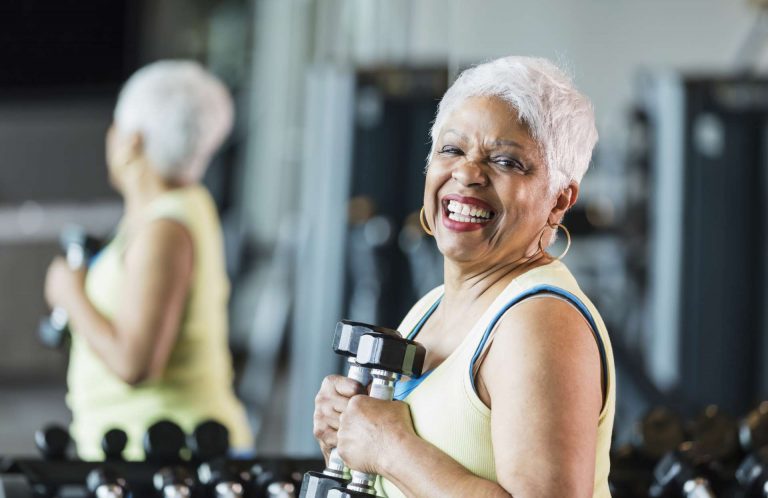
Senior woman holding gym weights
› Back to top