« back
03.04.26 | Spirituality & Religion

Belonging as Brain Protection

We often think of brain health in personal terms: diet, exercise, sleep, mental stimulation. But one of the most powerful protective factors for cognitive vitality is not found in a supplement bottle or fitness tracker. It is belonging.

At Sage Collective®, we’ve been speaking about joyspan — measuring life in moments, not just years. Yet joy rarely flourishes in isolation. It grows in relationship. And neuroscience now confirms what many older adults have always known: Connection isn’t optional.  It is neurological protection.

The Brain Is Wired for Relationship
Human beings are biologically social. Our nervous systems co-regulate with one another. When we sit with someone who listens deeply, our heart rate slows. When we laugh together, stress hormones decrease. When we feel seen and valued, the brain’s reward pathways activate.

Belonging releases oxytocin, often called the bonding hormone,  which reduces inflammation and buffers stress. It supports memory formation and emotional regulation.In contrast, chronic loneliness elevates cortisol, increases cardiovascular strain, and accelerates cognitive decline. This is why public health experts now recognize social isolation as a major health risk. In other words, belonging isn’t sentimental. It is structural.

Cognitive Protection Through Community
Research increasingly shows that social engagement helps build cognitive reserve — the brain’s ability to adapt as it ages. Regular conversation challenges memory recall. Shared storytelling stimulates language networks. Group activities demand attention, coordination, and flexibility. Even navigating social nuance exercises executive function.

In short: community is cognitive cross-training. But it’s not only about mental stimulation. It’s about emotional safety. When we feel that we matter, we are more likely to remain engaged with life. Engagement protects the brain.

The Loneliness Paradox
Many older African Americans report that their social networks shrink with age — through retirement, relocation, or the loss of peers. Yet at the same time, later life can offer deeper, more meaningful relationships when the focus is on intention, not proximity.

Belonging is built through:

  • Regular rituals of connection
  • Shared purpose
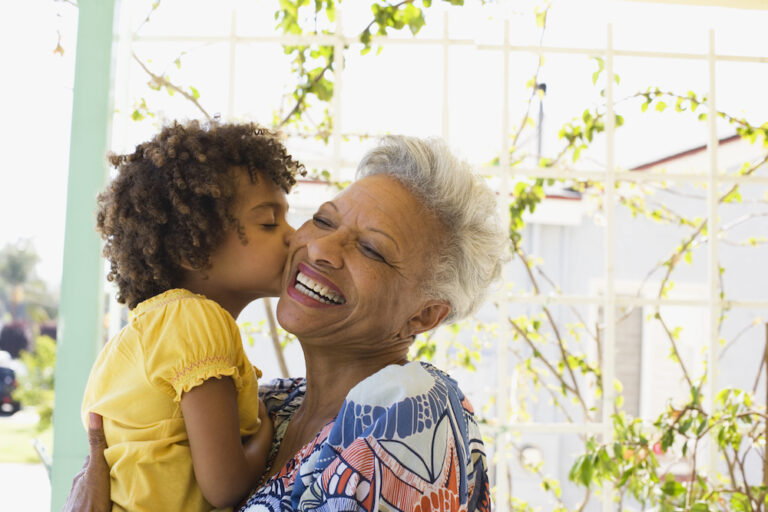
  • Intergenerational exchange
  • Cultural continuity
  • Spaces that encourage participation rather than spectatorship

Belonging thrives where people are invited not just to attend, but to contribute.

Intergenerational Relationships as Neural Bridges
One of the most powerful forms of belonging may be intergenerational connection. When older adults mentor, teach, or simply share stories with younger people, something remarkable happens. Wisdom meets curiosity. Experience meets imagination. Both brains benefit. In this way, older adults experience renewed purpose and activation of long-term memory networks. Younger individuals gain empathy and perspective.

The brain does not age out of relevance. It deepens in narrative richness because belonging bridges generations, strengthening neural pathways in both directions.

Designing for Belonging
If belonging protects the brain, then it becomes a design question. How do we design communities, programs, and daily rhythms that encourage interaction?

At Sage Collective®, vibrant living is not a solo pursuit. It is relational. Belonging happens when:

The goal becomes meaningful exchange, not busyness.

Micro-Moments That Matter
Belonging does not require a large network. It requires consistency and authenticity.

A weekly coffee with a neighbor.
A standing phone call.
A book club conversation.
A choir rehearsal.
A shared walk.

Small, repeated interactions strengthen neural pathways associated with trust and reward. The brain begins to anticipate connection, and that anticipation itself releases dopamine.

From Isolation to Invitation
Aging narratives often emphasize independence. Independence matters, of course. But interdependence may matter more. To belong is not to lose autonomy. It is to gain reinforcement. It is to know that one’s presence changes the room.

Belonging tells the brain: You are safe. You are valued. You are needed. These messages ripple through physiology.

A Protective Equation
If stress accelerates aging, and connection buffers stress, then belonging becomes a protective layer around cognitive health. Not as a luxury or as an afterthought, but as a pillar.

Lifespan gives us time. Healthspan gives us capacity. Belonging gives us resilience. And resilience sustains the brain. At Sage Collective®, we believe life expands with age. Belonging is one of the ways it expands — outward into community and inward into neural strength.

Consider, then, that the future of brain health may not lie solely in what we do alone, but in how deeply we connect.


› Back to top
« back
09.18.25 | Healthy Eating

Q&A with Olivia Matongo, Alzheimer’s Association® on Brain Health, Equity, and Community

Sage Collective® and the Alzheimer’s Association® share a powerful common ground: helping older adults live vibrantly with knowledge, connection, and care. Ahead of our Facebook Live conversation with Olivia Matongo, Vice President of the Alzheimer’s Association® Illinois Chapter on September 23, 2025 at 7:00PM CT, we sat down with Olivia about a number of subjects, including how to make brain-healthy living more accessible, equitable, and actionable for our community.

In your role, what does a “good day” look like—and who benefits most from your work?
My team leads community outreach and engagement—we’re the ones executing the mission in the field. That means raising awareness about the disease and about our resources, building relationships with community leaders and organizations, and making sure people who are struggling can access care and support.

How did the relationship with Sage Collective® come to be?
We met at a community meeting and started talking about ways to partner. After follow-up conversations, we landed on doing a session focused on brain health—sharing who we are, what we do, and how we can support Sage Collective®’s community.

Many people ask how to distinguish normal, age-related memory lapses from early warning signs of Alzheimer’s. How do you explain the difference?
Normal aging isn’t disruptive—you might occasionally forget something and then remember it later. Dementia involves memory loss that interferes with daily life, like getting lost on a familiar route or struggling with tasks you used to manage easily. It affects the individual and those around them as loved ones notice changes and step in with more support.

We’re hearing more about new blood tests entering the diagnostic toolkit. What should families know?
Diagnosis is never one single test—clinicians use a number of tools in the diagnostic process, including cognitive and behavioral assessments. Blood-based tools are emerging to help detect biomarkers associated with Alzheimer’s, which can make the path to answers less invasive and help families plan and prepare sooner in consultation with their clinicians.

What daily habits do you encourage for better brain health?
At the Alzheimer’s Association®, our public health team recently launched “10 Healthy Habits for Your Brain” grounded in research. Highlights include moving your body, not smoking, managing blood pressure and diabetes, getting enough sleep, keeping your brain learning new things, and following the MIND diet (leafy greens, berries, nuts, lean proteins, and less butter, cheese, and red meat). Doing several of these together can meaningfully reduce risk over time.

Sage Collective®’s “9 Ways of Vibrant Living” align closely with your recommendations.
Exactly. Engagement and purpose are powerful. When partners like Sage Collective®help us reach people with practical, everyday ways to take care of brain and body, the impact multiplies.

How is the Alzheimer’s Association® building trust and access in communities that have been underserved?
We’ve invested for years in focused DEI efforts—partnering with organizations already rooted in Black, Brown, and rural communities. In Chicago, for example, we co-create annual conferences with community planning committees—one on the South Side centered on African American communities and one on the West Side centered on Hispanic communities—so that education, resources, and support truly reflect community needs.

What does a strong partnership with Sage Collective® look like to you?
Access and trust. Being invited in to educate and support your community is huge—and it’s reciprocal. We also ask, “How can we serve Sage Collective®’s goals?” As our organizations continue talking, the partnership can evolve in ways that make sense for both missions.

Join us live
Don’t miss our Facebook Live with the Sage Collective® team and Olivia Matongo from the Alzheimer’s Association®, taking place on Tuesday, September 23rd at 7 PM CT/8 PM ET. We’ll dig deeper into early signs, new diagnostic tools, everyday prevention, and community resources. Bring your questions—and invite a friend or care partner. Go to the Sage Collective® website to reserve your spot!


› Back to top
« back
11.23.22 | Sage Advice®

The Marvelous Benefits of Joining a Book Club

Whether you like spending your evenings escaping into your favorite novel or you only get to read a book a few times a year, there’s no question that reading is good for you. Regardless if you’re a devotee of reading or not, one of the best ways to elevate your experience – and keep yourself accountable – is by joining a book club. That’s why today, we’re exploring the benefits that come with book clubs and how you can join your own. 

There are plenty of reasons you should join a book club, but one of the most alluring is the opportunity to make new friends or engage with old ones. If you’re looking to meet others throughout your community, joining a book club is a great way to do so. Beyond engaging with a new crowd, book clubs provide safe spaces to observe and understand new perspectives from the books you read and those around you. 

Not only are you able to engage with others, but book clubs promote brain health! If you’re the type who rushes through books, this will help challenge you to engage deeper with the content and digest what you’re reading better. And by doing so, you and your group will encourage each other to practice critical thinking skills in the discussion!

Book clubs can be great for anyone who loves reading but isn’t the best at making time for it. By joining a book club, you’re automatically committing to reading a book within a specific time limit, and you’ll have a whole team of people to keep you accountable. And hopefully, throughout the process, you’ll be able to foster a continuing love of literature. 

If you’re interested in joining a book club but not sure where to find one, ask friends, search local Facebook Groups, head to your local library or bookshop, or start one yourself! 

› Back to top
« back
12.01.20 | Sage Advice®

5 Ways to Keep Your Memory Sharp

Did you lose your car keys? (Or these days, did you misplace your mask?) Forget that item on your grocery list that you know you needed? We all suffer moments of memory loss from time to time, but by establishing certain habits, we can fight to keep our memory sharp. Today, we’re sharing five easy ways to keep your mind — and your memory — healthy!

Exercise Regularly

With a healthy body comes a healthy mind. Moderate, regular physical activity is an essential component to maintaining overall health — not just for seniors, but for every age group. Regularly exercising helps stimulate blood circulation in the whole body, including your brain, and helps aid in preventing memory loss.

Eat Healthy

Not that we should need another reason to keep a healthy diet, but here it is anyway! Feeding your body and brain with ample nutrients is a great way to keep your mind sharp. Avoiding unhealthy habits, such as drinking too much alcohol, is also an important preventative measure, as this will cloud your brain. 

Sleep Soundly

The average adult requires seven to nine hours of sound sleep each night. Hitting this mark plays an important role in maintaining memory. During the process of sleeping, our brain works to consolidate memories so we’ll recall them easier down the road. In addition to solidifying memories, sleep also aids in transferring memories from short – to long-term.

Stay Social

Social interaction is crucial to maintaining brain health, particularly for seniors that live alone. Studies show that even ten minutes of social time a day can make a difference. Spending time with friends and loved ones helps us ward off stress and depression, both of which can contribute to memory loss.

Engage Your Brain

Just as muscles become stronger with exercise, so too does the brain improve with increased mental stimulation. There are endless ways to engage your brain, such as doing a daily Crossword or Sudoku puzzle. You can satisfy brain engagement and socialization simultaneously by playing a board game with a loved one. Reading is also a good (and fun) way to stimulate your mind. Or if reading isn’t for you, try picking up another hobby, such as indoor gardening or crafting.

Not only will these five steps help improve your memory, but they’ll contribute to living a more vibrant life overall, too.

An older African American woman hugs a young kid, who kisses her cheek
› Back to top