« back
11.02.23 | Health & Wellness

November is National Family Caregivers Month

November is often associated with Thanksgiving, a time to express gratitude and come together as families. But the month also holds a special significance for family caregivers. Welcome to National Family Caregivers Month – a period dedicated to acknowledging the silent heroes among us who dedicate their lives to caring for loved ones.

What started as National Family Caregivers Week in the mid-1990s has since evolved, thanks to President Barack Obama’s proclamation in 2012, into a month-long tribute. This expansion wasn’t just a mere extension of time but rather a recognition of the year-round efforts these caregivers undertake. 

While showing appreciation is a crucial aspect of this month, its scope goes beyond acknowledgment. The aim is to rally support for caregivers, raise awareness about the challenges they face, and provide them with vital resources. The Caregivers Action Network (CAN), for instance, introduces a theme each year. This year’s theme is #CaregiversConnect, which spotlights the importance of connections as a way to educate and support others. 

By shining a light on the hardships and trials caregivers endure, we pave the way for better policies, resources, and societal understanding. Whether it’s lobbying for better workplace support, highlighting the emotional strain, or emphasizing the financial toll of caregiving, the advocacy element of this month is pivotal.

As individuals, there’s much we can do. From offering to babysit, assisting with chores, or merely lending an empathetic ear, every bit helps. Community groups and local initiatives can also play a role, perhaps by setting up support forums or offering respite care services. The strength of a community lies in its unity, and together, we can ensure our caregivers feel seen, supported, and valued.

As you move through November, take a moment to think about the caregivers in your life. They might be neighbors, friends, or even family members. While their sacrifices often go unnoticed, this month serves as a reminder of the immeasurable value they bring to our communities and lives. 

› Back to top
« back
10.26.23 | Sage Advice®

5 More Books You Have to Read This Fall

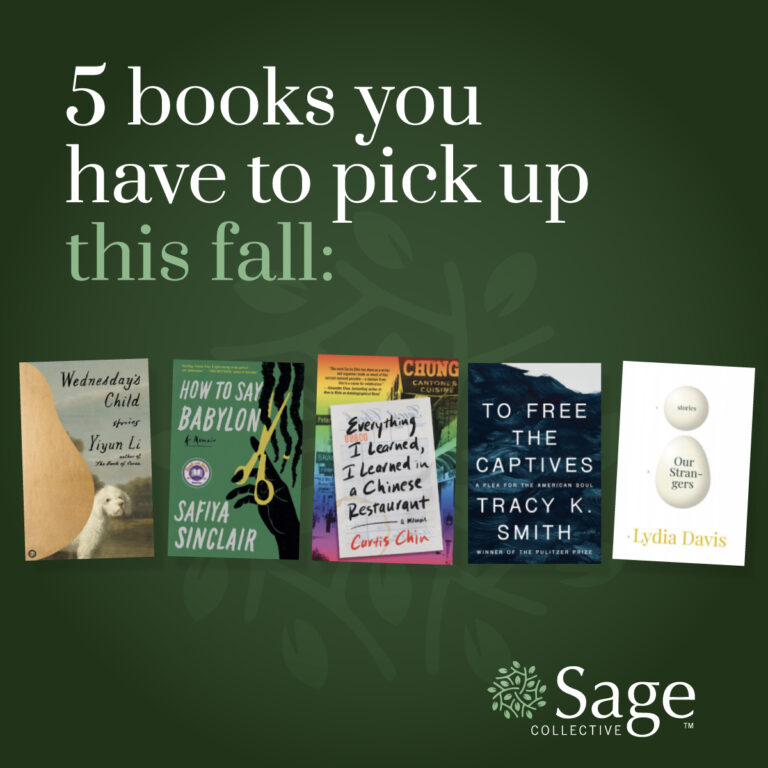
With autumn back again, there’s no better time to dive back into the art of reading. Last year, we recommended 5 books to enhance your fall reading, and this time around, we’re back with five more. Our selection this season includes captivating memoirs, enthralling collections of stories, and thought-provoking manifestos. These literary treasures are your passport to new worlds, fresh perspectives, and endless inspiration. So, let’s dive into this season’s must-reads:

How to Say Babylon, Safiya Sinclair

How to Say Babylon, Safiya Sinclair

Found on nearly everyone’s fall book list, How to Say Babylon is a story that resonates deeply with our values at Sage Collective. Sinclair’s memoir illustrates a powerful story of a young Jamaican girl, who, even through a life of strict abuse, discovers her voice and the power of sharing her story. For anyone who loves a tale of liberation and one rich in moving storytelling, this is the book for you.

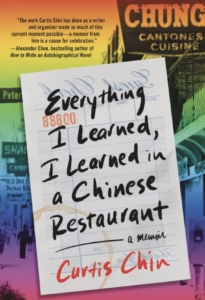
Everything I Learned, I Learned in a Chinese Restaurant, Curtis Chin

Everything I Learned, I Learned in a Chinese Restaurant, Curtis Chin

In another recently acclaimed memoir, Curtis Chin shares his experience growing up as a gay Chinese American in 1980’s Detroit. The memoir is filled with laughs, heartfelt moments and vivid memories of Chin’s past. For anyone who holds an appreciation to the community around them and belief in its power to shape us throughout life, this should be at the top of your list. 

Our Strangers: Stories, Lydia Davis

Our Strangers: Stories, Lydia Davis

Author Lydia Davis’ latest collection of short fiction stories poetically explores a variety of topics from marriage to what we put in our coffee. Anyone who loves the ability to revisit the same story a handful of times and with each time, coming out with a new perspective will appreciate Our Strangers: Stories. And in a move to support small businesses, the book is only available to purchase form online independent retailers and bookstores. 

To Free The Captives, Tracy K. Smith

To Free The Captives, Tracy K. Smith

Smith bluntly shares her views on where the state of the Nation is in her latest novel. Exploring every topic from the pandemic and Black Lives Matter movement in 2020 to her own experience as a Black woman, mother and educator in the 21st century, she presents a manifesto on how our country could come to a new, shared perspective of recent history. 

Wednesday’s Child, Yiyun Li

Wednesday’s Child, Yiyun Li

Award winning Author, Yiyun Li explores the unexplainable feelings of aging, alienation and grief in her latest collection of stories. Each piece, previously published as singular works by The New Yorker, Zoetrope and other publications over a span of a decade, shares a different perspective on the cost of living. 

Whether you prefer reading alone, with a companion or in a book club, don’t hesitate to pick one or two of these books up for yourself this fall. You can find them at your neighborhood libraries, local bookstore or online. And as with all good reads, spread the word to friends and family when you finish a book you really love!

› Back to top
« back
10.19.23 | Health & Wellness

The Importance of Screen-free Time

There’s an undeniable charm in reminiscing about the times when activities like flipping the pages of a book, taking in the sounds and sights of nature, or engaging in heart-to-heart conversations didn’t involve any digital devices. Today, as we sit in the digital age, screens have seamlessly positioned themselves into the fabric of our daily lives. They connect us to distant loved ones, open doors to vast troves of information, and offer unprecedented convenience.

Yet, as much as we might appreciate the joys of instant connectivity, it’s essential to remember that there’s such a thing as too much of a good thing. The pull of the screen, while captivating, often comes at the cost of neglecting the world around us.

Consistent exposure to screens has its downsides. Physically, there’s the all-too-familiar sensation of eye strain after a long day of scrolling. Our posture might hunch, and the blue light from screens can disrupt our precious sleep cycles. Mentally and emotionally, the constant barrage of information, notifications, and digital engagements can leave us feeling overwhelmed. There’s also the small shift in our social interactions, with virtual chats often replacing genuine face-to-face connections.

But stepping back from screens allows us to rediscover various joys that lie just beyond their glow. It’s similar to joyspotting, where the world reveals delightful treasures waiting to be noticed. There’s the tactile joy of sketching on paper, the rustle of leaves during a morning walk, the enriching depth of a live conversation, and the simple act of being present in the moment.

To strike a balance between the digital and the real, consider implementing some conscious changes. Set designated tech-free hours during the day, allowing yourself to disconnect and recharge. Dive into hobbies that don’t require a screen—be it gardening, painting, reading, or even just daydreaming. Encourage face-to-face interactions, whether it’s through a friendly game night, a shared meal, or a leisurely stroll.

In our fast-paced world, where screens continually beckon us, it’s a radical act of self-care to pause, put down the device, and immerse ourselves in the tangible experiences surrounding us. It’s not about dismissing the advantages of technology but about cherishing the moments that make life vibrant and genuine. So, while we continue to navigate and appreciate the digital realm, let’s also remember to frequently take a step back, breathe, and savor the world beyond the glow of screens.

› Back to top
« back
10.05.23 | Sage Advice®

Understanding the Tradition of Walking Moai

We’ve all felt it: the comforting presence of a friend beside us, turning a regular walk into something special. That burst of laughter, that shared secret, or that debate over the best coffee shop in town. Now, imagine multiplying that by a few more friends, all walking together, with a shared sense of purpose. That’s the magic of a Walking Moai.

Originating from Okinawa, Japan, the term “moai” translates to a heartwarming “meeting for a common purpose”. It’s more than just hanging out – it’s about belonging to a tribe, each step echoing with shared dreams and aspirations. And when it comes to walking, this sense of unity turns every journey into a festival of memories.

And it’s not just about the fun moments. When we walk with our pals, we’re not just burning calories, we’re sparking joy. A study from 2020 whispered a sweet secret: walking with friends makes you healthier, happier, and more motivated. It’s as if our bodies and minds instinctively know: life’s better when we’re together.

In today’s world, where loneliness sometimes sneaks up on us, Walking Moais are like a warm hug. They’re more than just a group – they’re a family. A circle where shared stories replace solitude and laughter keeps away the blues.

What’s even more magical is the transformation that happens when we walk, talk, and dream together. Those in the known “blue zones” have shown us the way. Walking isn’t just about movement; it’s about connecting, feeling, and living. A quick stroll can chase away stress, and brainstorming on the go? That’s where the best ideas are born!

So next time you’re lacing up your shoes, consider inviting a friend or two. Walk, chat, dream, and discover the world through the wonderful rhythm of shared footsteps. Whether you’re chasing health goals, seeking heartfelt conversations, or simply wanting a break from the daily grind – your tribe, your Walking Moai, awaits.

› Back to top
« back
09.28.23 | Health & Wellness

Who Said Playtime Is Only For Kids?

From building sandcastles to playing hopscotch, every day was an adventure as kids. But as we grew up, responsibilities piled up, and the word ‘play’ somehow took a backseat. However, diving into recent research, we’re led to a revelation: Maybe it’s high time we adults introduce play back into our daily lives for better mental health and happiness.

The Transformative Power of Play

The act of playing, it turns out, isn’t just child’s play. It’s a profound tool that can transform our well-being. Engaging in playful activities has the potential to boost creativity, alleviate stress, and elevate our mood. It’s a reminder that joyspotting doesn’t have an age limit.

Engaging in play can also aid in cognitive functions. Just as children use play to understand the world, adults can use it to sharpen their minds, enhance problem-solving skills, and even foster better relationships with others. When we laugh, play, and engage in light-hearted competition, we break barriers, build trust, and foster camaraderie.

Reclaiming Your Playful Spirit with Vibrant Living

Our Vibrant Living program at Sage Collective recognizes the essence of holistic well-being. It’s not just about maintaining our physical health; it’s about nurturing our emotional and mental well-being. Embracing play and playful activities is aligned with this ethos, promoting not just life, but a life lived to its fullest.

So, how do you reintroduce play into your life? You don’t need a playground or toys. Playing for adults could mean trying out a new hobby, dancing whenever and wherever, joining a recreational sports league, or simply engaging in light-hearted banter with friends.

In the whirlwind of responsibilities and deadlines, it’s easy to dismiss play as frivolous. But as research suggests, it might be one of the simplest yet profound ways to infuse joy into our lives. Rediscover the magic of play. In doing so, you won’t just be rejoicing in the moment, but rejuvenating your soul. After all, why should kids have all the fun?

Who Said Playtime Is Only For Kids?
› Back to top
« back
09.14.23 | Sage Advice®

The Secrets of Longevity Diets

Much like how joyspotting brings small bursts of happiness into our lives, longevity diets offer a passport to a healthier future. They’re not the latest diet fad but a treasure trove from cultures celebrated for their centenarians. These diets aren’t about restriction, but celebrating foods that have nourished generations.

The Mediterranean region, with its lush olive groves and sparkling blue waters, gives us a diet rich in healthy fats, fresh produce, and fish. Then there are the Blue Zones, regions scattered across the globe, each boasting their unique recipe for longevity. Okinawa offers sweet potatoes, while Loma Linda champions plant-based delights. As varied as they are, each region offers a culinary experience that keeps its inhabitants thriving.

Peel back the layers of these diets, and you’ll find common heroes: vibrant vegetables, whole grains, and natural ingredients, bursting with antioxidants. These foods don’t just fill our stomachs; they fortify our cells, combat oxidative stress, and can even put chronic ailments at bay. It’s like finding those hidden joys in our surroundings; these foods are tiny marvels waiting to be celebrated.

Of course, food is just one slice of the pie. The longest-living people don’t just eat well; they move, cherish community, and embrace positivity. It’s a holistic dance of diet, activity, and mental well-being. Just like the vibrant energy a pet brings into a home, longevity diets infuse life with a zest that extends well beyond our plates.

As you savor your next meal, think of it as an invitation to a life rich in both years and experiences. Whether you’re trying out Mediterranean recipes or simply adding more whole foods, remember: every bite is a step towards a future bursting with health and vitality.

› Back to top
« back
09.07.23 | Sage Advice®

Positive Relationships Can Boost Your Immune System, Seriously.

In today’s fast-paced world, it’s easy to overlook the profound impact of human connections. From a heartfelt conversation with a close friend to the silent understanding exchanged between life partners, our relationships play an integral role in shaping our lives. But did you know that these positive connections can also have tangible health benefits improving your wellbeing and vibrant living? Research suggests that nurturing positive relationships can give your immune system a serious boost!

More than Just Emotional Support

Undoubtedly, having a solid support system provides emotional stability. When life throws curveballs, friends and family often serve as our anchor, offering solace, advice, or just a listening ear. But there’s more going on beneath the surface. The emotional comfort these relationships provide is linked with physiological responses in our body.

When we feel loved, understood, and supported, our body reacts by reducing the production of stress hormones like cortisol. Chronically high levels of cortisol have been associated with a host of health issues, including a weakened immune system. On the other hand, reduced stress levels allow our immune system to function optimally, fighting off illnesses more effectively.

The Science Behind the Connection

Several studies have delved into the relationship between social connections and immune function. One notable study found that individuals with strong social ties were less susceptible to the common cold. Another research piece indicated that students with positive social networks had better immune responses to certain vaccines.

The exact mechanisms remain a topic of ongoing research. Still, many experts believe that positive social interactions increase the production of beneficial chemicals in the brain. These chemicals can enhance the body’s defense mechanisms. Additionally, positive relationships often encourage healthy behaviors – like maintaining a balanced diet, exercising, or getting adequate sleep – all of which contribute to a robust immune system.

In an era dominated by digital interactions, it’s crucial to remember the significance of genuine, positive relationships. They not only enrich our lives emotionally but also fortify our physical health. So, the next time you share a laugh with a friend or enjoy a heart-to-heart with a family member, remember – you’re doing your immune system the biggest favor!

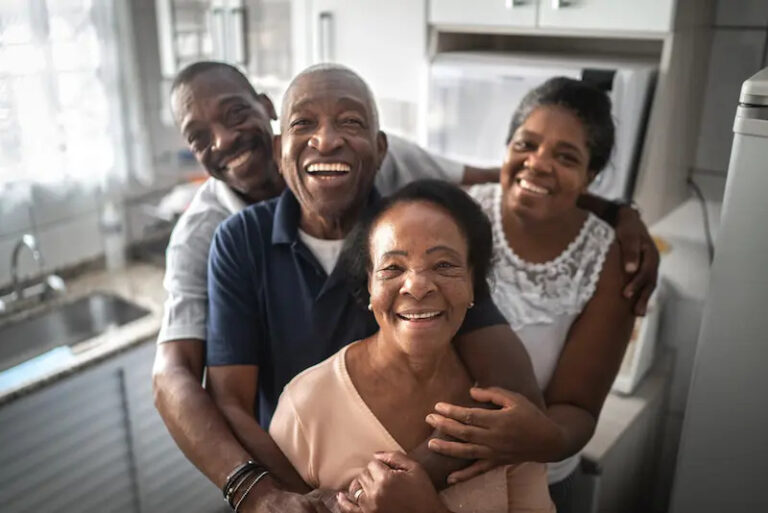
Family hugging
› Back to top
« back
08.31.23 | Community

Starting a Business or Pursuing a Passion Project as an Older Adults

In an age where personal growth is not just a youthful pursuit, older adults are embracing the adage that age is just a number. An inspiring study found that a whopping 55% of Americans aged 45 and up are actively learning new things. But why stop at learning? Today, more and more older adults are taking their newfound knowledge and using it as a springboard to start businesses or chase after passion projects.

Starting a business or pursuing a passion project in later life brings with it a unique set of advantages. Older adults possess a wealth of life experiences, years of honed skills, and often, a network of contacts built over a lifetime. This rich tapestry can become the foundation upon which new ventures thrive.

Moreover, there’s a beauty in launching an endeavor when one has reached a stage of life where societal expectations have shifted. The fear of failure, while still present, can be overshadowed by the exhilaration of following one’s dreams. After all, what better time to take risks than when you’re armed with the greatest tool of all, wisdom.

For those teetering on the edge of taking the plunge, Vibrant Living offers a beacon of inspiration. This ethos emphasizes the importance of embracing every moment, seeking out growth opportunities, and living life to its fullest, no matter one’s age. It’s never too late to reignite old passions or discover new ones, and Vibrant Living serves as a reminder of that potential.

But how does one transition from dream to reality? It begins with a single step. Whether it’s jotting down business ideas, enrolling in a workshop, seeking mentorship, or simply dedicating time each day to nurture a hobby – every action counts. Over time, these small steps coalesce into tangible results, leading to businesses blossoming or passion projects coming to fruition.

In conclusion, the later years of life are not just about reflection; they can be about action, innovation, and chasing dreams with renewed vigor. Starting a business or delving deep into a passion project is not the realm of the young alone. It’s an adventure open to anyone with courage in their heart and the enduring spirit to pursue it.

› Back to top
« back
08.24.23 | Community

Forgiving Oneself and Others

Forgiveness is a cornerstone of one’s personal growth journey, and its importance can’t be overstated. At the very core, forgiving yourself starts as a choice, a conscious decision to release the weight of past regrets and to make peace with your actions and decisions, and with that choice comes the foundational elements of empathy, understanding, compassion, and kindness.

Empathy plays a crucial role in this journey. By putting oneself in another’s shoes, we not only gain perspective but also allow for healing to commence. It helps us to see beyond our narrow viewpoint and understand the broader picture. It reminds us that everyone, including ourselves, is fighting a battle that we may know nothing about.

Alongside empathy, understanding is pivotal. This means recognizing our mistakes, learning from them, and accepting that everyone has their journey filled with both ups and downs. Acceptance doesn’t mean we forget or condone mistakes, but rather that we recognize them as part of our growth.

When we look at our past with love and understanding, rather than judgment, we begin to heal. And once we show compassion towards others, even when it feels undeserved, we often find that we’re lightening our own burdens. It’s a mutual process of healing – for ourselves and for others.

Kindness is the thread that stitches together the fabric of forgiveness. It could be in small, daily acts or larger gestures. Whether it’s being gentle with oneself on a tough day or showing kindness to someone who might not have treated us well, these actions have a ripple effect. Kindness not only fosters an environment where forgiveness can thrive but also nurtures our own soul.

Despite understanding these foundational elements, we must remember that the act of forgiveness is fundamentally a choice. It’s a decision we make, transitioning from denial or resentment to a state of acceptance. This choice isn’t always easy; barriers often stand in our way. Yet, with determination, these barriers can be overcome.

Even after choosing forgiveness, the journey isn’t over. It’s essential to realize that forgiveness isn’t a one-time act or a destination but an ongoing process. Making peace with past mistakes, allowing ourselves the grace to move forward, and embracing the future with resilience are all parts of this continuous journey.

While the path of forgiving oneself and others can be strewn with challenges, it is a necessary step towards achieving inner peace and profound personal growth for your own Vibrant Living. So, as you move forward, reflect upon your journey, choose forgiveness, and embrace the healing that it brings!

› Back to top
« back
08.17.23 | Community

National Relaxation Day: Your Sacred Space Matters

In the rush of everyday life, moments of tranquility can seem elusive. But what if you had a sanctuary within your home? A place where the cacophony of life takes a backseat, and you reconnect with your inner self? With National Relaxation Day around the corner, it’s time to delve deep into the art of creating personal spaces that epitomize peace, reflection, and Vibrant Living.

Crafting Your Personal Oasis

Creating a sacred space isn’t about grandeur or opulence. It’s about resonating with an environment that feels intrinsically ‘you’. A place where every item, scent, and texture evokes a sense of serenity.

Curate with Intention: Begin with what you love. Do certain artifacts, photographs, or mementos evoke peace or cherished memories? These items, when arranged thoughtfully, can form the cornerstone of your sanctuary.

Embrace Nature: Whether it’s a potted plant, a vase of fresh flowers, or the gentle sound of a water fountain, elements of nature can bring an unmatched serenity to your space. Natural light, too, can be a rejuvenating force, so position your space near a window if possible.

Digital Detoxing: In this era of constant connectivity, our devices often feel like extensions of ourselves. They keep us updated, informed, and entertained. But with the incessant pings and notifications, they also intrude upon our quiet moments, pulling us away from true relaxation.

This National Relaxation Day, consider adding a ‘digital detox’ component to your sacred space. Turning off our phones, or at least silencing them, is a powerful gesture of self-care. In the hush that ensues, we give ourselves permission to be present, to listen to our thoughts, and to engage deeply with our surroundings.

A Journey to Self-Reflection

Your sacred space is more than just a physical entity. It’s a reflection of your inner world, a tangible extension of your quest for Vibrant Living. As you sit within your created sanctuary, let the boundaries between the external and internal blur. This National Relaxation Day, may your sacred space be a conduit for self-reflection, tranquility, and a deeper connection with the essence of who you are.

In the heart of our homes, amidst the familiar and cherished, we can find a space that is uniquely ours. A space that reminds us of the simple joys of relaxation and the profound journey of self-reflection. So, as the world celebrates relaxation, take a moment to step into your sanctuary, breathe deeply, and embrace the tranquility it offers.

› Back to top