« back
02.11.21 | Sage Advice®

Vibrant Living Breakdown: Moderate Alcohol Intake

Nine ways of vibrant living is Sage Collective’s innovative model championing happier, healthier more engaged lives for older adults. The model incorporates everything from physical and mental health and wellness to engaging in one’s surrounding community. Today, we’re taking a closer look at the sixth component: moderate alcohol intake.

Alcohol is a double-edged sword in our society. It’s the foundation of many social interactions: we meet friends, family and old connections over a drink at the bar, while also using it as a fundamental element of many family and other gatherings. But just as easily, it can also be a source of addiction and harm, thanks to peer pressure and overconsumption. The polar nature of these two realities means many people have a strong reaction to alcohol: they’re either in favor of it or against it. 

At Sage Collective, we will never flatly discourage the use of alcohol in our activities, or in our forthcoming facilities. Our approach to alcohol consumption is this: like all things, it’s okay to partake in moderation. For as many negative impacts as binge drinking may have (including, but not limited to, liver damage, stomach distress and impaired judgment) there are benefits to drinking spirits such as red wine in moderation. 

Because red wine is rich in antioxidants, some healthcare professionals recommend the occasional glass with dinner. One study even demonstrated that forty adults drinking 13.5 mL of red wine daily over a period of two weeks experienced increased antioxidant levels — a result which is linked to decreased risk of diseases like Alzheimer’s, Parkinson’s and even heart disease. Having high levels of antioxidants also assists in reduced risk of high blood pressure and high cholesterol. 

Ultimately, it’s up to each individual to determine the level of alcohol intake that feels right for them. But a good rule of thumb is always practice moderation, keep your health top of mind and only drink when you want to, not because you feel pressured to.


Red wine is poured from a bottle into a stemmed wine glass
› Back to top
« back
01.26.21 | Sage Advice®

Vibrant Living Breakdown: Plant-Based Diet

9 Ways of Vibrant Living is Sage Collective’s guidebook to a full, happy and high-quality life. Building off our fourth component, moderate caloric intake, the fifth component of vibrant living is a plant-based diet. Notice we didn’t use the word “vegetarian.” That’s because the key to a plant-based diet is practicing moderation. We’ll discuss more below.

As we discussed in Healthy Eating Tips for Seniors, older adults require fewer calories, but the same, if not more, nutrients to maintain wellbeing. That’s why a nutrient-dense diet is more important than ever for those 55+. Foods like fresh fruit, vegetables and legumes constitute the basis of a healthy diet. 

While meat is a good source of protein, iron and vitamin B12, red meat in particular is often guilty of being high in saturated fat. Consuming saturated fat contributes to higher blood pressure and increased risk of heart disease. Meat products, therefore, are a double-edged sword. Depending on the cut of meat one chooses and the methods of cooking, that daily source of protein has the potential to do more harm than help. 

Meanwhile, plant-based alternatives to meat, such as beans, lentils, nuts, seeds and soy provide fiber and prebiotics (good for gut health) in addition to containing sustainable carbohydrates and healthy fats. The latter helps to balance blood sugars and lower the risk of heart and cardiovascular disease. While the old plant-based classics, such as tofu, tempeh, beans and lentil are all good choices, recent innovations in the plant-based meat industry have introduced options like plant-based burgers that “bleed”. With the right recipes and supplies, plant-based eating can be delicious and nutritious.

At Sage Collective, in addition to our programmatic focus on health and wellness, we aim to develop and curate culinary programs (such as nutrition education, cooking experiences and group dining experiences at our facility) that focus on fresh, healthy, primarily plant-based diets. While meat is welcome to remain a small part of the menu, we seek to prioritize diet, portion control and alternative (and delicious) plant-based options. 

Whether for dinner or in spirit, we invite you to join us on our journey to intentional, plant-based eating. Start small, like with meatless Mondays, and we’ll go from there together.

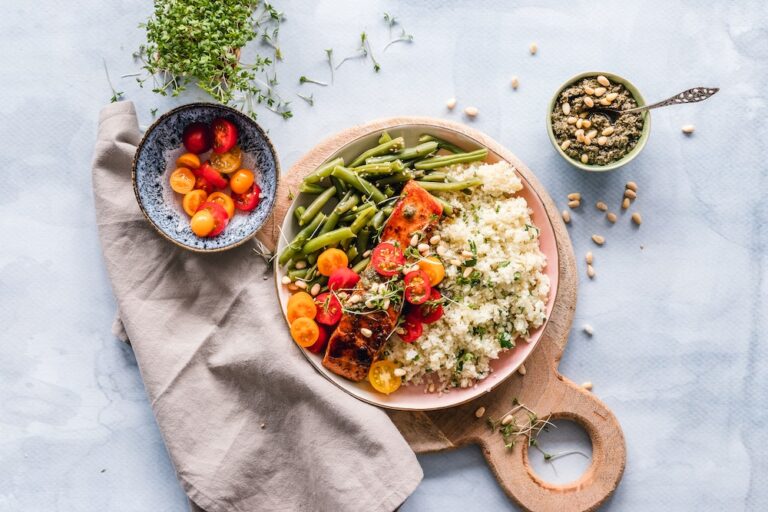
A bowl of couscous, tomatoes, greens and other delicious veggies sits on a marble background
› Back to top
« back
01.07.21 | Healthy Eating

Vibrant Living Breakdown: Moderate Caloric Intake

9 Ways of Vibrant Living is Sage Collective’s guidebook to a full, happy and high-quality life. Our fourth component of vibrant living is moderate caloric intake. Healthy eating is an integral part to ensuring both our bodies and minds are at their best. Today, we’re taking a closer look at how to embrace this component in your own life and why it’s so important.

Diet Requirements for Older Adults

According to the Estimated Energy Requirements (EER) from the Institute of Medicine Dietary Reference Intakes macronutrients report, older adults (ages 55+) require less calories than the average adult. For moderately active women 55+, the recommended amount is 1,800 calories daily, while for moderately active men 55+, the recommended amount is 2,200-2,400 calories daily. (For less active individuals, the EER recommends 1,600 calories daily for women and 2,000 calories daily for men). However, requirements can vary with respect to height, weight and other factors. 

Older adults require less calories as they age due to dropping basal metabolic rates and decreasing muscle mass. Though as we discussed before, while older adults require less calories than the average adult, they still require the same (if not more) nutrients. That’s why eating fresh, healthy meals is more important than ever as we age. 

Vibrant Living Through Fresh, Healthy Eating

At Sage Collective, we believe in helping older adults learn how to prepare and eat more fresh, healthy food in order to get ample nutrients and consume less calories. In the vision for our residential campus, we intend to incorporate trained nutritionists and nutrition aids to provide seminars and other educational activities to help our older adult residents establish these healthy eating habits.

Fresh, healthy eating and moderate caloric intake is important for older adults for numerous reasons. Naturally, health is one of them. Eating well provides your body with the necessary energy and nutrients to do its job. It also helps regulate weight and can even aid in the prevention of diseases such as osteoporosis, high blood pressure, heart disease, type 2 diabetes, and certain cancers. Eating well is also great for the mind, leading to a better night’s sleep, the mediation of moods and even the inhibition of pain. Try eating clean for just two weeks and see the impact it has! 

For those looking to practice moderate caloric intake at home, we’ve put together this guide to healthy eating for seniors. Like any goal, change to your diet doesn’t happen overnight, but making small, conscious decisions regarding what you eat daily will build up to have a great impact.

A spread of food demonstrating moderate caloric intake, including rice with tomato, green beans and fish
› Back to top
« back
12.03.20 | Sage Advice®

Vibrant Living Breakdown: Stress Reduction

At Sage Collective, we have adopted, and vigorously promote, 9 Ways of Vibrant Living, as a model that champions high-quality living, and is the backbone of our philosophy. Today, we’re unpacking the third of our nine components: stress reduction. We believe that stress is a natural component of life for all of us, and our focus is not to totally eliminate stress, but rather learn to manage, to control and to minimize it.

The famous serenity prayer goes: “God, grant me the serenity to accept the things I cannot change, courage to change the things I can, and wisdom to know the difference.” In that vein, Mayo Clinic provides 4 A’s that should be a part of every person’s stress management toolkit: Avoid, Alter, Accept and Adapt. 

Oftentimes, the majority of stressors in our lives are things we can simply Avoid. Avoidance requires us to first acknowledge what triggers stress for us: is it traffic on the way to running errands, or a rude neighbor? Taking the time to plan strategically to avoid these stressors is well worth the effort. Stress also comes from feeling overextended in our responsibilities. Time management and prioritizing what is most important to you is one way to treat this, and even includes saying no to favors you aren’t in a position to take on.

For those things you can’t avoid: Alter. Perhaps you’d like to begin rectifying your relationship with that rude neighbor. Communicating your feelings and, when necessary, setting important boundaries goes a long way when treating your own stress. 

For those things you cannot change or alter? It’s time to Accept. Holding onto anger, frustration or regret not only adds to your stress, but it’s also exhausting. Try talking with a loved one or trained professional to express your feelings through a healthy outlet. Strike a balance between productive venting and then practicing forgiveness, of both yourself and others.

And when all else fails, it’s time to Adapt. We can’t always change the things that cause us stress, but we have the ability to change how we respond. Rather than becoming overwhelmed with negative feelings, take some time to talk yourself down and recenter. Once you’re feeling calm and collected, try reframing the issue and looking for the bright side: is there something to be learned? Is it an opportunity to grow?

Dealing with stress is never fun, but when we develop the right techniques, successful stress reduction is another step towards a life lived more vibrantly. 

Two older adults stand in a balance form during yoga
› Back to top
« back
11.12.20 | Community

Vibrant Living Breakdown: Life Purpose

We don’t believe in living a passive life; we believe we should be active participants in our own health, wellness and happiness. That’s why Sage Collective created 9 Ways of Vibrant Living, a model that champions high-quality living, and the backbone of our philosophy. Today, we’re unpacking the second of our nine components: life purpose.

At Sage Collective, we see life purpose as what we give back to our families and communities, or the implementation of efforts to better ourselves through our personal growth of knowledge, skills and abilities. 

True to the notion that we should each be active participants in our lives, having a life purpose puts us in the driver’s seat, and provides us with guidance, clarity and intention to help navigate each day we live and the decisions we make. Rather than allowing things to merely happen to us, living life with purpose means we challenge ourselves to pursue growth, change and meaningful experiences that fulfill us. 

It provides a measure of success, based on what’s most important to us. And in the pursuit of that success, we become more driven, more passionate people. This focus also provides added layers of gratification, knowing that we’re living with integrity and staying true to our own values. Having life purpose, therefore, leads to us living happier, more fulfilled lives.

And when we personally experience purpose and joy, we then have the opportunity to share that with others. Having life purpose doesn’t only transform your own experience, but it transforms the experience of those around you, creating an impact that is long lasting and felt widely. 

Senior woman holding a tablet
› Back to top
« back
10.29.20 | Sage Advice®

Vibrant Living Breakdown: Moderate, Regular Physical Activity

We don’t believe in living a passive life; we believe we should be active participants in our own health, wellness and happiness. That’s why Sage Collective created 9 Ways of Vibrant Living, a model that champions high-quality living, and the backbone of our philosophy. Today, we’re unpacking the first of our nine components: moderate, regular physical activity. 

In a recent blog post, we broke down the surprising health benefits of going for a brisk-paced thirty-minute walk each day — and even discovered that going for a walk can have parallel health benefits to going for a run. This goes to show that physical activity doesn’t all have to be intensive, but rather, incorporating moderate, regular activity can prove highly beneficial on its own.

The World Health Organization (WHO) recommends older adults partake in at least 150 minutes of moderate physical activity each week. This activity can include leisurely behaviors such as walking, dancing, gardening, hiking or swimming, or even occupational behaviors such as performing household chores or participating in family and community activities. 

According to Mayo Clinic, the benefits of fulfilling this weekly recommendation include controlling your weight; combatting health conditions and diseases such as stroke, high blood pressure, diabetes and anxiety; as well as improving mood and boosting energy levels, promoting better sleep, and even increasing your chances of living longer. 

And the bottom line underscoring it all: incorporating moderate, regular physical activity into your daily life can be fun and enjoyable, especially in social settings. That’s why Sage Collective incorporates physical activity as part of our vision for our residential campus. We know that taking the first step isn’t always easy, and that’s why we’re pursuing more vibrant ways of living together. Together, we can hold one another accountable, encourage healthy behaviors and embark on a collaborative, joyful journey to more vibrant ways of living. 

Senior woman holding gym weights
› Back to top