« back
12.17.20 | Lifestyle

A Vibrant Living Guide to Aging in Place

How does vibrant living play into aging in place? “Aging in place” describes the process of growing older at home. It’s a process rooted in independence and comfort; a way for older adults to maintain normalcy and their sense of community.

We recently spoke with Angela Higginbotham about her expertise on aging in place, learned from assisting her 93-year-old mother at her mother’s home. Higginbotham is a CPS educator, Lead Speech Pathologist and a member of the Sage Collective Board of Directors.

Maintaining Independence 

“First off, I feel grateful to have the opportunity to care for my mom,” reflects Higginbotham. “I saw the sacrifices she made for my family growing up and I’m happy it’s my turn to do that now. As for how our caretaking occurs: it’s a family affair where my mother is directly involved in the decision-making process. My brother, sister, mother and I all sit down and have a conversation about how she’s feeling, what her needs are and how we can support her as long as we can in an independent setting.” 

Though aging in place isn’t a viable option for everyone, it’s important for older adults with the mental and physical capacity to maintain that level of independence. “As long as people are able to take care of themselves, they’ll be able to take care of themselves longer,” explains Higginbotham. “So helping older adults to age in place, when possible, is essential to sustaining a vibrant life. Because I believe that once people stop maintaining their independence, it affects them psychologically and emotionally.” 
Text over a green background, with quotation marks at the top and the Sage Collective logo at the bottom. Text reads: Helping older adults to age in place, when possible, is essential to sustaining a vibrant life.

Staying Engaged Through Community

“My mom still has her driver’s license — she’s smart about it and only drives between 10-2, when everyone else is at work and when it’s safest — but she still goes to church and out to see friends,” says Higginbotham. For older adults, social isolation and loneliness are often big hurdles to overcome. Staying engaged with family, friends and community members, then, plays a vital role in supporting a more vibrant lifestyle.

Higginbotham goes on to say: “My mom also personally knows many of my friends. From time to time, they’ll give her a phone call or even go and visit, which is something I so appreciate. It means she’s connecting with people and that’s so important.” Though maintaining independence is a large part of aging in place, it is these moments of human connection and care that help the experience feel even more comfortable and warm.

Staying Engaged Through Culture

Social engagement is one thing — but finding things to do for oneself is vital, too. We’ve emphasized before the importance of older adults discovering activities they love. Higginbotham reinforces this perspective, sharing: “One of my mom’s favorite hobbies is quilting. In the spring, we’ll also go to the nursery and pick out plants for both her place and my place together. I’ll keep her company at her house while she plants hers and then she’ll come over while I do mine. We also — pre-COVID times, of course — loved to go to the theater. We’d get lunch or dinner and see different plays across the city. It gave my mom something to talk about, too, because she’d go back and tell her girlfriend all about it.” 

Higginbotham reflects on this, saying, “It’s important for people to get out and see what’s going on in the world. As people age, their ability to transport themselves to new places is limited, and they know about, what they know about. But, if there are people around who can expose them to new experiences, it enriches their lives.” 

Aging in place is just one way to live a more vibrant life. But, whether at a personal home or a care facility, both experiences share a commonality: community and cultural experiences have the ability to engage older adults and enrich them, leading to more vibrant living for all.


Angela Higginbotham
› Back to top
« back
12.15.20 | Arts & Culture

Celebrating the December Holiday Season Safely

The December holiday season (like everything else this year) is looking different than usual. With COVID-19 cases spiking this winter, it’s more important than ever to practice safety: always wear a mask, maintain social distance and stay home whenever possible. Traveling and large group gatherings are highly discouraged during COVID-19 — which means many of us are glumly accepting that seeing our family in person isn’t the safest option. But like every challenge this year, there are creative ways we can overcome this obstacle. Below are a few joy-filled ideas on how to celebrate the December holiday season safely:

Get Creative (and Passionate) with Baking

Nothing better fills at-home time (and our bellies) than baking. This holiday season, revisit the family cookbooks for some inspiration and whip up a feast of delicious goods. The best thing about food — it’s meant to be shared. Try organizing a cookie swap with the neighbors on your block by asking everyone to bake their favorites and to drop it off at each other’s doorsteps. Sharing food is a great way to feel like we’re together, even when we’re apart. 

Enjoy Festive Decorations

Holiday decorations are another way we share our joy and excitement with others. Take a walk or drive around the neighborhood to see how your community’s decorative cheer is being displayed. Or join in on the festivities and hang decorations around your own home to express yourself. Going to see festive decorations can also become an exciting excursion with this TimeOut list of lights to see in Chicago.

Make and Exchange Holiday Cards

Holiday cards are an exciting occasion every year, but this year especially, there’s an extra exhilaration to sending and receiving snail mail. Whether it’s a family photo, a fun drawing or a personally written note, make an event out of creating your holiday cards this year. And when they’re done, share them with friends, family and more. Veterans, children’s hospitals and incarcerated folks are also great recipients for holiday cards!

Host a Video-Chat Party

We’re no strangers to Zoom this year. Video chatting platforms are perfect for hosting virtual holiday parties safely. There’s nothing you can’t do with a well-positioned camera — cook together virtually, have dinner together virtually or just hang out. Try spicing up your virtual holiday party with activities like holiday-theme bingo, trivia or sing-alongs. 

No matter the circumstances, people will always find a way to celebrate special moments together. From the Sage Collective team to you, have a happy and safe holiday season!

An array of holiday celebration items, including handmade cards, hot chocolate and seasonal ornaments
› Back to top
« back
12.10.20 | Arts & Culture

Discover Your New Winter Hobby for Seniors

Cultivating hobbies in older adulthood is a vital part of staying enriched and engaged. We’ve spent our entire lives making others happy, from partners to kids to bosses to friends. Now is the perfect time to indulge in activities for personal happiness and enjoyment, too. That’s why today, we’re talking about the benefits of finding a hobby that suits you — and sharing a few ideas to help get you started.

Fitness Hobbies

As we’ve discussed before, it’s vital that older adults partake in regular, moderate physical activity. Hobbies such as yoga, tai chi, swimming and even gardening are great ways to get those minutes in while also enjoying the task. Choosing these forms of exercise will help transform the experience of working out from a chore to a treat. 

Social Activities

Loneliness and social isolation are major challenges older adults face. Incorporating social activities into your life is a great way to meet new people and learn new things at the same time. Consider joining a choir, a local senior bowling (or other leisurely sport) league, taking a dancing class or even getting together for a game of cards every once and awhile.

Mental Engagements

One major benefit of hobbies is the opportunity to stimulate and engage your mind. For those that love a good challenge, or like to be whisked away in a story, try picking up a good novel from your library or grappling with a puzzle in the newspaper. Mentally engaging hobbies and activities are even proven to help keep your memory sharp.

Artistic Pursuits

For those seeking to express their artistic side, there are many artist hobbies available. For those that are good with their hands, knitting, crocheting or quilting are all exciting pursuits. Painting, drawing and scrapbooking are great ways to get creative and to create keepsakes, too. And for the wordsmiths among us, writing counts as an artform too!

There’s a hobby out there for everyone. Keep looking and trying new things until you find one that’s the right fit for you!

Three African American older adults smile together, wearing aprons at a painting class
› Back to top
« back
12.08.20 | Sage Advice®

Understanding the South African Philosophy of Ubuntu

Words from other cultures often encapsulate grand ideas that our own language simply struggles to communicate so succinctly, just like the Japanese concept of tsundoku, which describes having more books than one could ever read. Similarly, the Nguni Bantu term ubuntu is hard to even translate into English, though roughly it means “humanity.” Today, we’re exploring ubuntu and all that the word encompasses.

What It Means

The word ubuntu combines the root ntʊ̀, or “person/human being” with the abstract-noun-forming prefix ubu-, which is why the word is sometimes translated to mean “humanity” or, more extensively, “humanity towards others” and “I am because we are.” The Zulu phrase “Umuntu ngumuntu ngabantu” literally means that a person is a person through other people. Ubuntu encapsulates ideas of human kindness, mutual caring, connection, community and oneness. 

The word dates back as early as 1846 in South Africa, though first became popular during the period of decolonization in the mid 20th century. Ubuntu at that time was described as a form of African humanist philosophy, a moral compass for how we should behave towards one another. 

How Ubuntu Has Been Used

In the late 20th century, Desmond Tutu further popularized the term and brought it to Western audiences. He described it by saying, “My humanity is caught up, is inextricably bound up, in what is yours.” In truly ubuntu, or humanistic form, Tutu advocated that a democratic South Africa could reconcile from apartheid through restorative justice. Both oppressor and oppressed needed to have their humanity restored, to return to ubuntu and a more just, mutualistically caring society, together.

Nelson Mandela himself famously described ubuntu saying, “A traveller through a country would stop at a village and he didn’t have to ask for food or for water. Once he stops, the people give him food, entertain him. That is one aspect of Ubuntu but it will have various aspects.” Mandela embodied ubuntu by leading South Africa out of apartheid with compassion and understanding, rather than vengeance. 

We could all benefit from incorporating ubuntu into our vocabulary and philosophy. At Sage Collective, we believe in the power of humanity, community and kindness — and we celebrate all that ubuntu embodies.

A group of dark human figures are gathered, and their silhouettes are reflected on the ground below them
› Back to top
« back
12.03.20 | Sage Advice®

Vibrant Living Breakdown: Stress Reduction

At Sage Collective, we have adopted, and vigorously promote, 9 Ways of Vibrant Living, as a model that champions high-quality living, and is the backbone of our philosophy. Today, we’re unpacking the third of our nine components: stress reduction. We believe that stress is a natural component of life for all of us, and our focus is not to totally eliminate stress, but rather learn to manage, to control and to minimize it.

The famous serenity prayer goes: “God, grant me the serenity to accept the things I cannot change, courage to change the things I can, and wisdom to know the difference.” In that vein, Mayo Clinic provides 4 A’s that should be a part of every person’s stress management toolkit: Avoid, Alter, Accept and Adapt. 

Oftentimes, the majority of stressors in our lives are things we can simply Avoid. Avoidance requires us to first acknowledge what triggers stress for us: is it traffic on the way to running errands, or a rude neighbor? Taking the time to plan strategically to avoid these stressors is well worth the effort. Stress also comes from feeling overextended in our responsibilities. Time management and prioritizing what is most important to you is one way to treat this, and even includes saying no to favors you aren’t in a position to take on.

For those things you can’t avoid: Alter. Perhaps you’d like to begin rectifying your relationship with that rude neighbor. Communicating your feelings and, when necessary, setting important boundaries goes a long way when treating your own stress. 

For those things you cannot change or alter? It’s time to Accept. Holding onto anger, frustration or regret not only adds to your stress, but it’s also exhausting. Try talking with a loved one or trained professional to express your feelings through a healthy outlet. Strike a balance between productive venting and then practicing forgiveness, of both yourself and others.

And when all else fails, it’s time to Adapt. We can’t always change the things that cause us stress, but we have the ability to change how we respond. Rather than becoming overwhelmed with negative feelings, take some time to talk yourself down and recenter. Once you’re feeling calm and collected, try reframing the issue and looking for the bright side: is there something to be learned? Is it an opportunity to grow?

Dealing with stress is never fun, but when we develop the right techniques, successful stress reduction is another step towards a life lived more vibrantly. 

Two older adults stand in a balance form during yoga
› Back to top
« back
12.01.20 | Sage Advice®

5 Ways to Keep Your Memory Sharp

Did you lose your car keys? (Or these days, did you misplace your mask?) Forget that item on your grocery list that you know you needed? We all suffer moments of memory loss from time to time, but by establishing certain habits, we can fight to keep our memory sharp. Today, we’re sharing five easy ways to keep your mind — and your memory — healthy!

Exercise Regularly

With a healthy body comes a healthy mind. Moderate, regular physical activity is an essential component to maintaining overall health — not just for seniors, but for every age group. Regularly exercising helps stimulate blood circulation in the whole body, including your brain, and helps aid in preventing memory loss.

Eat Healthy

Not that we should need another reason to keep a healthy diet, but here it is anyway! Feeding your body and brain with ample nutrients is a great way to keep your mind sharp. Avoiding unhealthy habits, such as drinking too much alcohol, is also an important preventative measure, as this will cloud your brain. 

Sleep Soundly

The average adult requires seven to nine hours of sound sleep each night. Hitting this mark plays an important role in maintaining memory. During the process of sleeping, our brain works to consolidate memories so we’ll recall them easier down the road. In addition to solidifying memories, sleep also aids in transferring memories from short – to long-term.

Stay Social

Social interaction is crucial to maintaining brain health, particularly for seniors that live alone. Studies show that even ten minutes of social time a day can make a difference. Spending time with friends and loved ones helps us ward off stress and depression, both of which can contribute to memory loss.

Engage Your Brain

Just as muscles become stronger with exercise, so too does the brain improve with increased mental stimulation. There are endless ways to engage your brain, such as doing a daily Crossword or Sudoku puzzle. You can satisfy brain engagement and socialization simultaneously by playing a board game with a loved one. Reading is also a good (and fun) way to stimulate your mind. Or if reading isn’t for you, try picking up another hobby, such as indoor gardening or crafting.

Not only will these five steps help improve your memory, but they’ll contribute to living a more vibrant life overall, too.

An older African American woman hugs a young kid, who kisses her cheek
› Back to top
« back
11.25.20 | Sage Advice®

Growing Your Green Thumb — With Indoor Houseplants

With winter quickly approaching, in many parts of the country, it’s time to bring the great outdoors… indoors. Keeping houseplants is the perfect way to incorporate nature into your everyday life, even on those days when getting outside isn’t an option. Houseplants also make for lovely additions to home design, help improve indoor air quality and even serve to boost your mood. So today, we’re talking about how you can grow your green thumb indoors by sharing some houseplant 101 tips.

Consider Sunlight

Whenever deciding to add a new houseplant to your home, you first have to consider two primary factors: where will the houseplant go, and how much sunlight will it receive? If your new leafy friend is going to live on a bookshelf by an eastern facing window, you can expect ample sunlight exposure. But if the plant is going in a room without windows that receives little sunlight, be prepared to choose a plant that can thrive in those lowlight conditions.

A good way to gauge whether your houseplant is getting the appropriate amount of light is to inspect the leaves. Yellow leaves signify either a lack of sunlight, or a lack of water. Leaves that begin to brown on the edges, as if burned, are being scorched by too much sunlight.

Watering Regularly

All plants will need regular watering. A good rule of thumb is to water your houseplants once per week, but this may change depending on sunlight and the time of year. Many store-bought houseplants will come with specific instructions.

It’s good practice to choose a specific day for watering (say a Saturday morning) in order to make it into a regular habit. You can also check if your plant needs water by sticking an index finger into the soil. Even if the top of the soil appears wet, if the soil half an inch below is dry, your plant may require more water.

Beginner-Friendly Plants

Choosing what plant will fare best in your home’s specific conditions is an important part of the process. Take the time to do your research before buying a houseplant, or ask a clerk at the store for their help and advice. Those new to keeping houseplants will do best to choose from a list of beginner-friendly options, including pothos, spider plants, snake plants, succulents and cacti. 

Whether you start with just one houseplant, or grow your collection to become an indoor jungle, indoor gardening is the perfect way to introduce vibrant living to your winter months — and beyond.

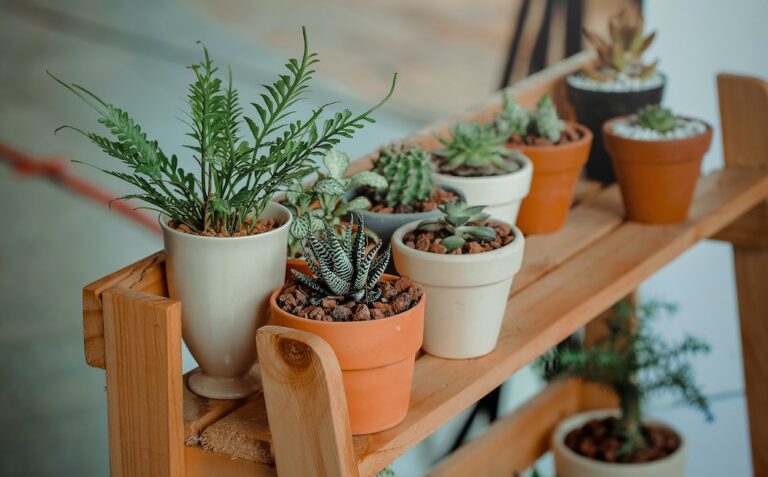
A wooden shelf is lined with pots of succulents and other potted houseplants
› Back to top
« back
11.23.20 | Sage Advice®

How Do You Rank Happiness?

What makes us happy? The World Happiness Report seeks to answer that question. The report is an annual publication that surveys people worldwide to discover how satisfied they are by ranking happiness on a scale from 1-10. The results (and the questions that uncover them) have much to teach us.

Developing the Report

The World Happiness Report (WHR) was established by the Sustainable Development Solutions Network (SDSN) in 2012, following a series of United Nations council meetings where members sought to use happiness to help inform public policy decisions. The SDSN includes scientists, engineers, business and civil society leaders and development practitioners, and promotes solutions initiatives that demonstrate the potential of technical and business innovation to support sustainable development.

The World Happiness Report surveys global happiness by ranking 156 countries based on how happy their citizens’ perceive themselves to be, and digs more deeply into how the social, urban and natural environments combine to affect our happiness. WHR partners with Gallup, utilizing data from the American advisory firm’s World Poll. Countries’ overall happiness ratings are determined by the Cantril ladder, which asks people to envision a ladder with ten rungs, the top (10) being a person at their most happy. 2,000-3,000 randomly selected citizens from 156 countries are surveyed to find results. 

What We Stand to Learn

Happiness, according to the report, can be attributed to six main criteria: (1) GDP per capita; (2) healthy years of life expectancy; (3) social support (e.g., having someone to count on in times of trouble); (4) trust (as in absence of corruption in government and business); (5) perceived freedom to make life decisions; and (6) generosity (e.g., donations to charity). From those six factors, social support ranks the highest in importance — carrying 6.3 times more heft than wealth when it comes to building happiness. The second largest driver of happiness is freedom to choose — which is 3.6 times more important than wealth.

Ironically, the 2020 World Happiness Report was released on March 20 (International Day of Happiness) at the onset of the global COVID-19 pandemic. Just as the report shows, our recent experiences have reinforced, too, the vital importance of human connection. Happiness, at its core, will come from building meaning not just in your own life, but by building meaningful relationships in your community. 

At Sage Collective, we believe in vibrant living — our own secrets to finding a life that’s not only more vibrant, but also more meaningful, and hopefully more joyful. From one philosophical rank and file to the next, we hope you find the things that make you happy, and embrace them each and every day. 

World Happiness Report 2020 cover image
› Back to top
« back
11.19.20 | Sage Advice®

An Argument for the Antilibrary

Whether you’re an avid reader or the one-novel-a-year type, being surrounded by more books than you can read is good for you and leads to a more vibrant life. The desire to stockpile a library far beyond the limits of your reading speed is in fact so universal that there’s a word for it: tsundoku

The Japanese term is defined as the “stockpiling of books that will never be consumed.” Breaking the word down into its separate components: tsunde means to stack things, oku means to leave for a while and doku means to read. Those that “suffer” from tsundoku can’t help but pick up a few extra titles at a garage sale, or to browse the bookstore if they happen to stroll past. Having a specific word for it celebrates these tendencies and points out that hoarding books is not only fun, but good for the soul.

In fact, author and statistician Nassim Nicholas Taleb takes the idea of tsundoku one step further. He advocates for building your own antilibrary, a term coined in his bestselling book The Black Swan. Before introducing the concept of antilibrary, Taleb reflects on the library of Italian writer Umberto Eco, which contained a staggering 30,000 tomes. It wasn’t Eco’s intention to ever read his entire library — in fact, he purported that the library served as a reminder of everything he didn’t (and wouldn’t ever) know. That constant reminder is what kept Eco not only humble, but also intellectually hungry and perpetually curious.

Inspired by Eco, Taleb introduces the antilibrary in The Black Swan by saying:

“A private library is not an ego-boosting appendage but a research tool. Read books are far less valuable than unread ones. The library should contain as much of what you do not know as your financial means, mortgage rates, and the currently tight real-estate market allows you to put there. You will accumulate more knowledge and more books as you grow older, and the growing number of unread books on the shelves will look at you menacingly. Indeed, the more you know, the larger the rows of unread books. Let us call this collection of unread books an antilibrary.”

Practicing a little tsundoku and building your own antilibrary serves to set a goal for yourself: to never stop seeking knowledge and growth. Like Eco, it can keep you humble, hungry and curious. So the next time you wonder whether you should buy another book that will end up just sitting on your bookshelf, the answer is yes, you should. 

A bookstore with cluttered stacks of books
› Back to top
« back
11.17.20 | Health & Wellness

Healthy Eating Tips for Seniors

The old saying goes, “you are what you eat.” And it’s true — good dietary choices are the foundation of good health. Making these choices becomes even more important the older you get. Our metabolism slows down with age, meaning that older adults require less calories but the same, if not more, nutrients to maintain our wellbeing. That’s why today, we’re sharing four healthy eating tips for seniors to keep you (and your diet) on the right path.

Prioritize getting your nutrients 

The good news: nutrient-dense foods are often the lowest in calories. Avoid any empty carbs or calories, such as processed foods, and instead prioritize whole foods such as protein, produce and dairy. Pay specific attention to make sure you’re picking foods that are high in fiber and low in sodium and salt, too. 

Eat the rainbow

Because our bodies require a broad spectrum of nutrients, the best way to ensure you’re hitting all the marks is to have your plate look like a rainbow. Bright, colored foods often signify good choices. Lean proteins include meat (or meat alternatives such as tofu and seitan, if you’re interested in pursuing a more plant-based diet) lentils, chickpeas, eggs and beans (these are your red foods). Fresh produce (fruits and vegetables) are the perfect source for your vibrant oranges, purples, reds and greens. Meanwhile, whole grains such as rice and whole wheat pasta are a good way to get brown on the plate. 

Think good fats, not no fats

Fat isn’t a bad word. But bad fats, like saturated and trans fats, should be eliminated from your diet if possible. Try to focus on good fats instead, like monounsaturated and polyunsaturated fats which can help protect your body against disease and improve your mood. This includes avocado, olive oil, nuts and fish and other foods high in omega-3 fatty acids.

Drink more water

This is a simple, but important step. Staying properly hydrated can do wonders for your physical and mental health. If possible, avoid any fluids that have sugars or salts added in, and focus instead on just clean, healthy drinking water — tea and coffee are also good choices. Overall, aim to consume at least eight glasses of water a day to stay properly hydrated.

Eating healthy may seem daunting, but at the end of the day, it’s about knowing your body’s needs, and making one informed decision at a time. 

Healthy eating shown through a vibrant plate of good, balanced foods
› Back to top