« back
02.19.21 | Mental Wellbeing

Resilience is a Skill You Can Build — Here’s How

Throughout a lifetime, everyone experiences trauma, grief, failures, challenges and setbacks. Resilience is the essential skill needed to help us overcome these experiences. Some people have a better grip on the skill than others, but luckily resilience is something we’re all capable of building — today, we’ll take a look at how:

Understanding Resilience

At Sage Collective, we recognize that everyone faces adversity in life, and that stress is a natural component of the human experience. Rather than the complete elimination of stress (which would be unrealistic), we take a more pragmatic approach, advocating for stress reduction as part of our 9 Ways of Vibrant Living. Resilience is an essential tool for stress reduction. 

According to the American Psychological Association, psychologists define resilience as “the process of adapting well in the face of adversity, trauma, tragedy, threats, or significant sources of stress—such as family and relationship problems, serious health problems, or workplace and financial stressors.” Resilience isn’t just about getting through a challenge, but about emerging on the other side feeling more confident and empowered in your ability to cope and overcome adversity. 

Building Your Resilience

There are four core components that build resilience. 

The first component is easy enough to tackle: take care of your physical wellness. Often, when we take care of our body, our mind will follow suit. Taking care of your physical wellness includes maintaining a healthy diet, participating in moderate, regular physical activity and getting a good night’s sleep. If you incorporate these physical wellness habits into your daily lifestyle, you’ll begin experiencing elevated energy levels and improved moods, both of which will help you become more resilient.

The second component that follows suit is: take care of your mental wellness too. When building resilience, it’s important to both get in touch with your emotions and to learn how to control them. Mindfulness practices such as meditation, yoga and breathing exercises can help with this. Practicing gratitude, developing a self-care routine and engaging in activities you love are all great ways to restore balance and wellbeing to your mind.

The third component that will help you build resilience: seek out connection. You don’t have to go through trials and tribulations alone. Rather than isolating yourself, instead build a network of trusted friends, family and community members that you rely on to validate the troubles you’re going through and to help uplift you when needed. You can also find a sense of connection and support in more structured environments such as support groups, civic groups or faith-based organizations.

And finally, the fourth component: find meaning. Going through a traumatic experience often overwhelms us with negative feelings like despair and hopelessness. Combatting these feelings with a sense of life purpose helps us maintain our groundedness and to hold onto hope and optimism. Whether you’re driven by a desire to help others or to pursue opportunities for self-discovery and improvement, finding meaning through your life purpose — and taking the steps needed to reach your goals and objectives — helps us maintain the problem-solving, motivation and drive that’s key to resilience.

Challenges will continue to come our way. With these tools to help build resilience, we hope you’re left feeling more prepared for the next time adversity comes your way.


Two hands reach out from a bright yellow field of flowers
› Back to top
« back
02.16.21 | Sage Advice®

Your Daily Cup of Coffee: Helping Your Health or Harming?

Coffee is an indelible part of most people’s morning routines. If you don’t feel human before you’ve had your first cup of coffee, you’re not alone. A study conducted by the National Coffee Association found that 64% of Americans drink coffee, and a New England Journal of Medicine article “Coffee, Caffeine and Health” called coffee the most widely consumed psychoactive agent in the world. But is getting your coffee fix helping or harming your health? Let’s take a look.

Helpful Benefits of Coffee

First things first: what is “the right” amount of coffee to consume? Lucky for us die-hard coffee lovers, Harvard Health Publishing describes moderate coffee consumption as three to four cups per day. As is our unofficial motto at Sage Collective, everything is best consumed and enjoyed in moderation. 

Diane Vizthum, M.S., R.D., research nutritionist for Johns Hopkins University School of Medicine also comments: “Caffeine is the first thing that comes to mind when you think about coffee. But coffee also contains antioxidants and other active substances that may reduce internal inflammation and protect against disease.”

In fact, according to Heathline, one cup of coffee includes the following amounts of daily recommended dosages for vitamins: 11% of riboflavin (vitamin B2), 6% of pantothenic acid (vitamin B5), 3% of manganese and potassium and 2% of magnesium and niacin (vitamin B3). So if you’re a moderate coffee drinker (3-4) cups, you do the math… it’s like taking gummy vitamin supplements, right?

Coffee is also believed to lower risk of Type 2 diabetes, lower risk of Parkinson’s and Alzheimer’s disease, lower risk for certain types of cancer (such as liver and colon), lower risk of stroke, help fight off gallstones and even help you live longer. 

Harmful Health Effects of Coffee

Now here’s where we talk about the other side of moderate consumption: overconsumption of coffee. Whether you exceed your daily limit of 4-5 cups, or whether you’re a novice coffee drinker who hasn’t built up a caffeine tolerance, coffee drinking could produce negative effects.

Negative effects of coffee overconsumption include increased blood pressure, headaches, nervousness, restlessness and anxiety, dizziness, heartburn, muscle tremors, pounding heart, dehydration, frequent trips to the bathroom and insomnia. Noticing a pattern? Most, if not all, of these negative side effects are directly induced by too much caffeine. 

The solution? Trade your next cup of coffee for a glass of water, or try decaf for a while. We’ve said it before and we’ll say it again: coffee consumption is great, but only in moderation. So drink away, all ye lovers of that good morning cuppa joe, but remember when to stop.

A clear mug of black coffee sits on a plain white surface, with coffee beans scattered around it
› Back to top
« back
02.11.21 | Sage Advice®

Vibrant Living Breakdown: Moderate Alcohol Intake

Nine ways of vibrant living is Sage Collective’s innovative model championing happier, healthier more engaged lives for older adults. The model incorporates everything from physical and mental health and wellness to engaging in one’s surrounding community. Today, we’re taking a closer look at the sixth component: moderate alcohol intake.

Alcohol is a double-edged sword in our society. It’s the foundation of many social interactions: we meet friends, family and old connections over a drink at the bar, while also using it as a fundamental element of many family and other gatherings. But just as easily, it can also be a source of addiction and harm, thanks to peer pressure and overconsumption. The polar nature of these two realities means many people have a strong reaction to alcohol: they’re either in favor of it or against it. 

At Sage Collective, we will never flatly discourage the use of alcohol in our activities, or in our forthcoming facilities. Our approach to alcohol consumption is this: like all things, it’s okay to partake in moderation. For as many negative impacts as binge drinking may have (including, but not limited to, liver damage, stomach distress and impaired judgment) there are benefits to drinking spirits such as red wine in moderation. 

Because red wine is rich in antioxidants, some healthcare professionals recommend the occasional glass with dinner. One study even demonstrated that forty adults drinking 13.5 mL of red wine daily over a period of two weeks experienced increased antioxidant levels — a result which is linked to decreased risk of diseases like Alzheimer’s, Parkinson’s and even heart disease. Having high levels of antioxidants also assists in reduced risk of high blood pressure and high cholesterol. 

Ultimately, it’s up to each individual to determine the level of alcohol intake that feels right for them. But a good rule of thumb is always practice moderation, keep your health top of mind and only drink when you want to, not because you feel pressured to.

Red wine is poured from a bottle into a stemmed wine glass
› Back to top
« back
02.04.21 | Sage Advice®

How Better Self-Control Leads to Life Longevity

What does good behavior have to do with life expectancy? More than you might think.

U.S. News recently reported on a study conducted on 1,000 New Zealanders, from newborns to 45 years old, tracking the correlation between self control and health in middle age. The study tracked self-control through behaviors related to goal-orientation and restraint in thoughts, behavior and emotion. The study’s analysis of health in middle age took into account both body and brain.

Overall, the study concluded that those who practiced better self control “aged more slowly,” resulting in better health outcomes during their middle-aged years. So why exactly does this correlation occur? Self-control is also directly related to self-regulation. The study considered the impact of a person’s ability to delay gratification. For example, were participants able to forego short-term indulgences in favor of long-term rewards? (i.e., would they give up the immediate gratification of a ‘smoke break’ in order to have better lung health later on in life?) 

Most importantly, while self-control and self-regulation may also be influenced by DNA makeup and unique life circumstances, individuals do have the capability to learn better self-regulation skills. Knowing the long term effects of such behavior on one’s body and brain health, the development and cultivation of these skills throughout life becomes critical.

You can read more about the study and its findings in the U.S. News article here.

A doctor's stethoscope
› Back to top
« back
01.26.21 | Healthy Eating

Vibrant Living Breakdown: Plant-Based Diet

9 Ways of Vibrant Living is Sage Collective’s guidebook to a full, happy and high-quality life. Building off our fourth component, moderate caloric intake, the fifth component of vibrant living is a plant-based diet. Notice we didn’t use the word “vegetarian.” That’s because the key to a plant-based diet is practicing moderation. We’ll discuss more below.

As we discussed in Healthy Eating Tips for Seniors, older adults require fewer calories, but the same, if not more, nutrients to maintain wellbeing. That’s why a nutrient-dense diet is more important than ever for those 55+. Foods like fresh fruit, vegetables and legumes constitute the basis of a healthy diet. 

While meat is a good source of protein, iron and vitamin B12, red meat in particular is often guilty of being high in saturated fat. Consuming saturated fat contributes to higher blood pressure and increased risk of heart disease. Meat products, therefore, are a double-edged sword. Depending on the cut of meat one chooses and the methods of cooking, that daily source of protein has the potential to do more harm than help. 

Meanwhile, plant-based alternatives to meat, such as beans, lentils, nuts, seeds and soy provide fiber and prebiotics (good for gut health) in addition to containing sustainable carbohydrates and healthy fats. The latter helps to balance blood sugars and lower the risk of heart and cardiovascular disease. While the old plant-based classics, such as tofu, tempeh, beans and lentil are all good choices, recent innovations in the plant-based meat industry have introduced options like plant-based burgers that “bleed”. With the right recipes and supplies, plant-based eating can be delicious and nutritious.

At Sage Collective, in addition to our programmatic focus on health and wellness, we aim to develop and curate culinary programs (such as nutrition education, cooking experiences and group dining experiences at our facility) that focus on fresh, healthy, primarily plant-based diets. While meat is welcome to remain a small part of the menu, we seek to prioritize diet, portion control and alternative (and delicious) plant-based options. 

Whether for dinner or in spirit, we invite you to join us on our journey to intentional, plant-based eating. Start small, like with meatless Mondays, and we’ll go from there together.

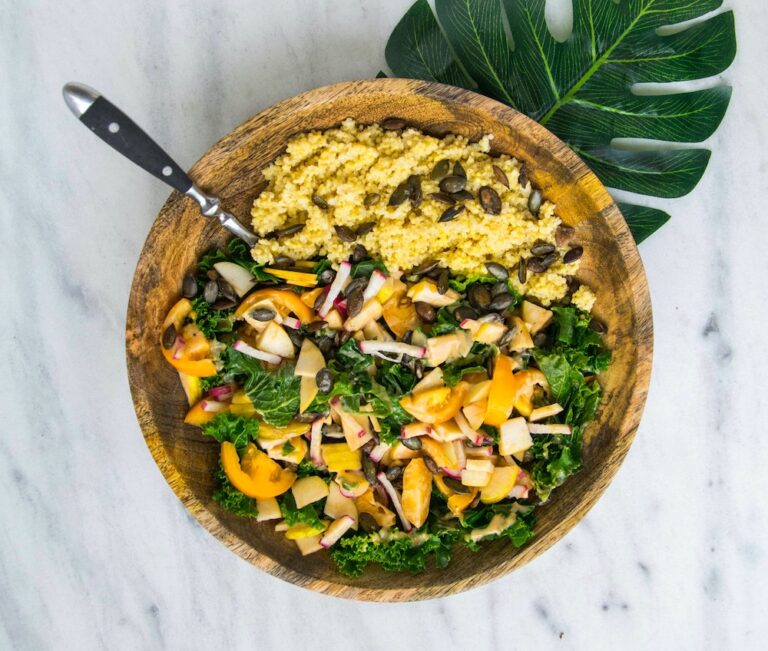
A bowl of couscous, tomatoes, greens and other delicious veggies sits on a marble background
› Back to top
« back
01.19.21 | Sage Advice®

What to Know About the COVID-19 Vaccine

The Pfizer and Moderna COVID-19 vaccines have both been authorized by the FDA for emergency use — and many more pharmaceutical companies will follow suit. According to the CDC, the COVID-19 vaccination is a vital tool in helping to stop the pandemic, building protection and keeping individuals from getting COVID-19. But what should you actually expect during your appointment to receive the COVID-19 vaccine?

It Will Take Time

For starters, it will take some time for the vaccine to become available to most people. As COVID-19 vaccine doses are being doled out across the United States, Chicago has already administered upwards of 60,000 vaccine shots. These administered shots have gone to health care workers and long-term care facilities as part of Phase 1A of Chicago’s vaccine rollout plan. Once completed, the city will move onto Phase 1B: where older Chicagoans and certain frontline workers will be vaccinated. 

Understanding How It Works

Both the Pfizer and Moderna vaccines use new mRNA technology. As the CDC explains, mRNA vaccines instruct our cells to create a (harmless) “spike protein.” The spike protein is found on the surface of the virus that causes COVID-19. Once your body creates the spike protein, it recognizes the protein does not belong and begins to build an immune response and antibodies. These antibodies stick around and will help fight off COVID-19, while the spike protein is eventually eliminated by your body. 

What to Expect 

Both the Pfizer and Moderna vaccines are injected in the upper arm muscle and require two injections, 21 days and 28 days apart, respectively. After getting vaccinated, you may experience flu-like symptoms, including fever, chills, tiredness and headache, as well as slight pain and swelling at the injection site. These side effects — if you do experience them at all (and many do not) — will subside in 1-2 days. 

When the time does come for your own vaccination appointment, always remember that routine processes and procedures are in place to ensure the utmost safety throughout the experience. It’s perfectly normal to experience anxiety and nerves, but being as informed as possible about the process will help to remedy that. 

A small vial of liquid with a label reading "COVID-19 Vaccine"
› Back to top
« back
01.12.21 | Sage Advice®

Feeling Exhausted? The Science Behind Pandemic Burnout

As part of our 9 Ways of Vibrant Living, we at Sage Collective advocate for stress reduction. We recognize stress as a natural, regular occurrence and aim to help our followers learn to manage, to control and to minimize stress.

But we’ll be the first to admit that since the onset of the COVID-19 pandemic (in March of what’s officially become last year), stress levels have been higher than ever. If you’ve been feeling excessively stressed, burnt out and unable to focus — you’re not alone. Today, we’re taking a closer look at the science behind pandemic-related stress and burnout. 

There’s a reason everyone’s been referring to COVID-19 as “unprecedented.” We’ve never experienced anything quite like this in our lives. Worrying about a global pandemic, public health and safety, our personal wellbeing and the wellbeing of those we love, not to mention financial concerns, food security struggles and more — it’s an inordinate amount of stress for human beings to take on all at once. And the demand of feeling all these things at once is taking a toll on our bodies.

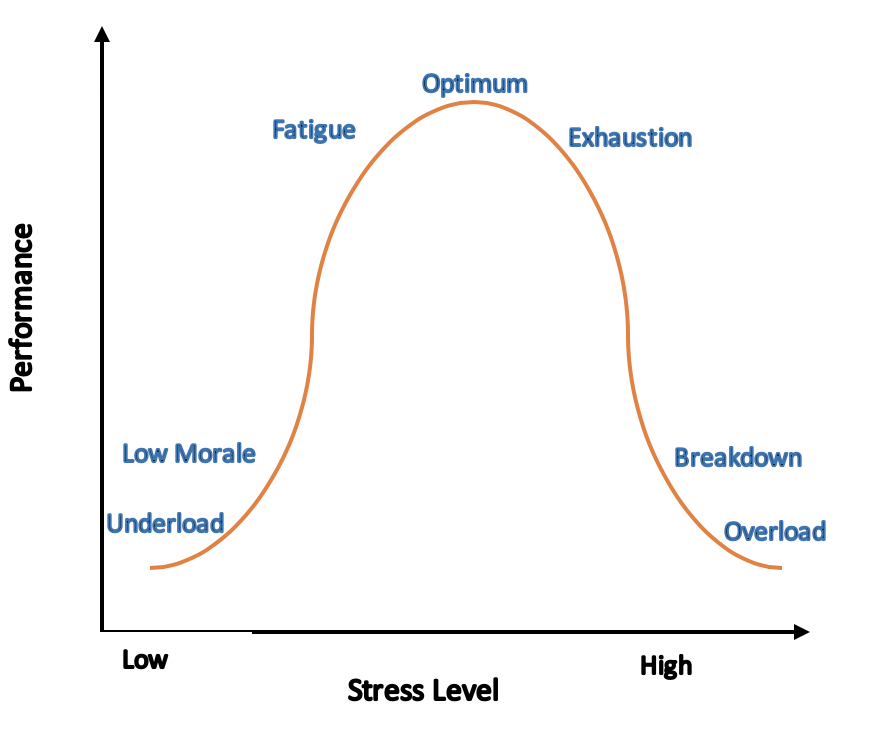
Allostatic load demonstrated visually

Allostatic load refers to the impact of cumulative wear and tear — the impact of carrying all that stress, for example. And allostatic overload refers to the point at which the demand of our stress overtakes the capability of our mind and body to keep up. As demonstrated above, we can look at our allostatic load as a bell curve. Too little stimulation from stress, we’ll be underloaded, understimulated and stagnant as  human beings. But too much stimulation from stress, and we’ll be overloaded, overstimulated and exhausted to the point of burnout.

Many of us are in the throes of allostatic overload. Our bodies have been constantly perceiving a potential threat, and therefore they’ve been producing hormones like adrenaline and cortisone, handy responses to temporary stressors.  However, in the case of a prolonged stressor such as the pandemic, our bodies continually overload themselves with these hormones, which are actually toxic to our physiological systems. 

So your feelings of stress, exhaustion and burnout — they’re only natural. But acknowledging the reality of the problem is only half the battle. How do we even begin to combat burnout and fatigue? 

First, self care is absolutely crucial. Prioritize taking care of your body through healthy habits like regular exercise, healthy diet and getting your best night’s sleep. Prioritize taking care of your mind, too, by making time to practice gratitude and indulge in doing things you love. And secondly, be mindful to take care of others, too. Finding ways to safely connect with friends, family and community will serve as a reminder that you’re not alone — we’re all in this together.

An older African American adult steps aside to take off his mask for a moment
› Back to top
« back
01.07.21 | Healthy Eating

Vibrant Living Breakdown: Moderate Caloric Intake

9 Ways of Vibrant Living is Sage Collective’s guidebook to a full, happy and high-quality life. Our fourth component of vibrant living is moderate caloric intake. Healthy eating is an integral part to ensuring both our bodies and minds are at their best. Today, we’re taking a closer look at how to embrace this component in your own life and why it’s so important.

Diet Requirements for Older Adults

According to the Estimated Energy Requirements (EER) from the Institute of Medicine Dietary Reference Intakes macronutrients report, older adults (ages 55+) require less calories than the average adult. For moderately active women 55+, the recommended amount is 1,800 calories daily, while for moderately active men 55+, the recommended amount is 2,200-2,400 calories daily. (For less active individuals, the EER recommends 1,600 calories daily for women and 2,000 calories daily for men). However, requirements can vary with respect to height, weight and other factors. 

Older adults require less calories as they age due to dropping basal metabolic rates and decreasing muscle mass. Though as we discussed before, while older adults require less calories than the average adult, they still require the same (if not more) nutrients. That’s why eating fresh, healthy meals is more important than ever as we age. 

Vibrant Living Through Fresh, Healthy Eating

At Sage Collective, we believe in helping older adults learn how to prepare and eat more fresh, healthy food in order to get ample nutrients and consume less calories. In the vision for our residential campus, we intend to incorporate trained nutritionists and nutrition aids to provide seminars and other educational activities to help our older adult residents establish these healthy eating habits.

Fresh, healthy eating and moderate caloric intake is important for older adults for numerous reasons. Naturally, health is one of them. Eating well provides your body with the necessary energy and nutrients to do its job. It also helps regulate weight and can even aid in the prevention of diseases such as osteoporosis, high blood pressure, heart disease, type 2 diabetes, and certain cancers. Eating well is also great for the mind, leading to a better night’s sleep, the mediation of moods and even the inhibition of pain. Try eating clean for just two weeks and see the impact it has! 

For those looking to practice moderate caloric intake at home, we’ve put together this guide to healthy eating for seniors. Like any goal, change to your diet doesn’t happen overnight, but making small, conscious decisions regarding what you eat daily will build up to have a great impact.

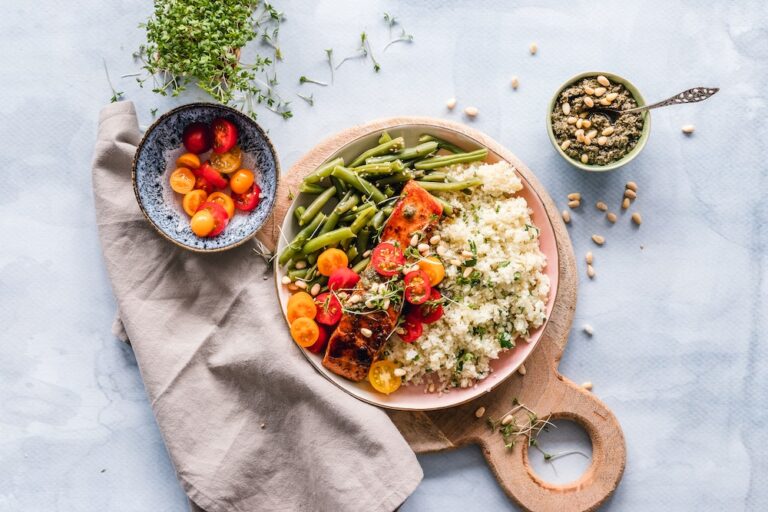
A spread of food demonstrating moderate caloric intake, including rice with tomato, green beans and fish
› Back to top
« back
12.21.20 | Sage Advice®

Healthy Sleeping Habits for Seniors

Many of us struggle with getting a good night’s sleep. Due to the natural aging process and a decrease in hormone production, older adults experience less deep sleep — one of the most refreshing parts of the sleep cycle. That’s also why older adults are prone to waking up more frequently and often wake up feeling less rested. Today, we’re exploring remedies to help older adults achieve their best nights’ sleep, and it all starts with healthy sleeping habits.

Hitting Healthy Sleep Quotas

For older adults, experts recommend getting 7-9 hours of sleep per night. Many older adults will naturally lean towards going to sleep earlier in the evening and waking up earlier in the morning, but still many will have to spend longer in bed each night to fall and stay asleep. In case a night’s sleep doesn’t get you to a full 7-9 hours, it’s okay to make up and take a nap during the day — but try to avoid napping in the late afternoon or evening to ensure your body will be ready for the next night’s sleep.

Developing a Routine

Finding a bedtime rhythm that works for you is essential to regularly getting a good night’s sleep. First and foremost, stick to the same bedtime. This allows your body to get used to a routine and to build up a strong circadian rhythm. Avoid artificial light as well, so as not to confuse your body to the time of day. Instead, make time to wind down before bed, by doing calming activities such as reading, taking a bath, meditating or practicing breathing techniques. You should also avoid alcohol before bedtime and limit liquid intake to ensure a restful night’s sleep.

Filling the Daytime

Naturally, the more energy used during the daytime, the more ready your body will be to rest at night. Getting in a day’s worth of moderate, regular physical activity contributes to better sleep — though be sure not to exercise three hours prior to bedtime. Experts also recommend engaging socially throughout the day; this uses up more of your brain’s energy as well as aids in personal fulfillment. Getting outside and enjoying the sunlight is also crucial to getting a good night’s sleep; this exposure to natural light will help regulate your body’s circadian rhythm. 

It comes as no surprise that many of the components of vibrant living contribute to healthy sleeping habits. As the saying goes — healthy mind, healthy body. 

A comfortable bed with many pillows
› Back to top
« back
12.17.20 | Community

A Vibrant Living Guide to Aging in Place

How does vibrant living play into aging in place? “Aging in place” describes the process of growing older at home. It’s a process rooted in independence and comfort; a way for older adults to maintain normalcy and their sense of community.

We recently spoke with Angela Higginbotham about her expertise on aging in place, learned from assisting her 93-year-old mother at her mother’s home. Higginbotham is a CPS educator, Lead Speech Pathologist and a member of the Sage Collective Board of Directors.

Maintaining Independence 

“First off, I feel grateful to have the opportunity to care for my mom,” reflects Higginbotham. “I saw the sacrifices she made for my family growing up and I’m happy it’s my turn to do that now. As for how our caretaking occurs: it’s a family affair where my mother is directly involved in the decision-making process. My brother, sister, mother and I all sit down and have a conversation about how she’s feeling, what her needs are and how we can support her as long as we can in an independent setting.” 

Though aging in place isn’t a viable option for everyone, it’s important for older adults with the mental and physical capacity to maintain that level of independence. “As long as people are able to take care of themselves, they’ll be able to take care of themselves longer,” explains Higginbotham. “So helping older adults to age in place, when possible, is essential to sustaining a vibrant life. Because I believe that once people stop maintaining their independence, it affects them psychologically and emotionally.” 

Text over a green background, with quotation marks at the top and the Sage Collective logo at the bottom. Text reads: Helping older adults to age in place, when possible, is essential to sustaining a vibrant life.

Staying Engaged Through Community

“My mom still has her driver’s license — she’s smart about it and only drives between 10-2, when everyone else is at work and when it’s safest — but she still goes to church and out to see friends,” says Higginbotham. For older adults, social isolation and loneliness are often big hurdles to overcome. Staying engaged with family, friends and community members, then, plays a vital role in supporting a more vibrant lifestyle.

Higginbotham goes on to say: “My mom also personally knows many of my friends. From time to time, they’ll give her a phone call or even go and visit, which is something I so appreciate. It means she’s connecting with people and that’s so important.” Though maintaining independence is a large part of aging in place, it is these moments of human connection and care that help the experience feel even more comfortable and warm.

Staying Engaged Through Culture

Social engagement is one thing — but finding things to do for oneself is vital, too. We’ve emphasized before the importance of older adults discovering activities they love. Higginbotham reinforces this perspective, sharing: “One of my mom’s favorite hobbies is quilting. In the spring, we’ll also go to the nursery and pick out plants for both her place and my place together. I’ll keep her company at her house while she plants hers and then she’ll come over while I do mine. We also — pre-COVID times, of course — loved to go to the theater. We’d get lunch or dinner and see different plays across the city. It gave my mom something to talk about, too, because she’d go back and tell her girlfriend all about it.” 

Higginbotham reflects on this, saying, “It’s important for people to get out and see what’s going on in the world. As people age, their ability to transport themselves to new places is limited, and they know about, what they know about. But, if there are people around who can expose them to new experiences, it enriches their lives.” 

Aging in place is just one way to live a more vibrant life. But, whether at a personal home or a care facility, both experiences share a commonality: community and cultural experiences have the ability to engage older adults and enrich them, leading to more vibrant living for all.

Angela Higginbotham
› Back to top