« back
05.27.21 | Community

Four Ways to Help Maintain Healthy Bones

As we age, bone health becomes increasingly important. Older adults often experience bone loss (low bone density that makes the bones weaker), which leads to increased risk of fractures. Luckily, to help combat this risk, there are habits and behaviors you can adopt to help protect your bone health. Here’s four ways for older adults to help maintain healthy bones:

Include physical activity in your daily routine

Those that are physically inactive are at higher risk of osteoporosis (a condition in which the bones become weak and brittle) compared to those that are more physically active. To help promote new bone growth and maintain existing bone density, doctors recommend physical activities, such as strength training and weight bearing exercises. For older adults, this translates to incorporating walking (whether leisurely or at a brisk pace) and using light dumbbells if possible.

Eat high-calcium foods throughout the day

Calcium is the main mineral in your bones, and the most important mineral for bone health. A diet low in calcium contributes to diminished bone density, early bone loss and an increased risk of fractures. Therefore, it’s important to eat high-calcium foods throughout the day. For men ages 51-70, the Recommended Dietary Allowance (RDA) is 1,000 milligrams (mg) of calcium a day. That recommendation increases to 1,200 mg a day for women age 51 and older and for men age 71 and older.

Maintain a stable, healthy weight

People who are underweight have a higher risk of developing bone disease, while excess body weight places added stress on a person’s bones. Dieting — and regularly gaining or losing weight — also places undue stress on your bone health. Additionally, low body weight is the main contributing factor for reduced bone density and bone loss in postmenopausal women, due to the loss of the bone-protecting effects of estrogen. This is why the best way to maintain healthy bones is to maintain a stable, healthy weight for your body.

Get plenty of Vitamin D and Vitamin K

Vitamin D and Vitamin K are both important when it comes to building strong bones. Vitamin D helps the body absorb calcium, while Vitamin K-2 aids in reducing calcium loss and helping minerals bind to the bone. You can get Vitamin D with plenty of sunlight exposure, as well as through a diet full of oily fish, mushrooms, eggs and fortified foods, such as milk and cereal. You can get Vitamin K-2 from foods such as dairy products (especially hard cheeses), fermented foods such as sauerkraut, natto (a Japanese soybean product), egg yolks, and chicken. You can also consult your doctor about taking vitamin supplements. 

With the right adjustments to your regular routine, you can help maintain healthy bones and enjoy the perks of a healthier fitness and food regimen. 
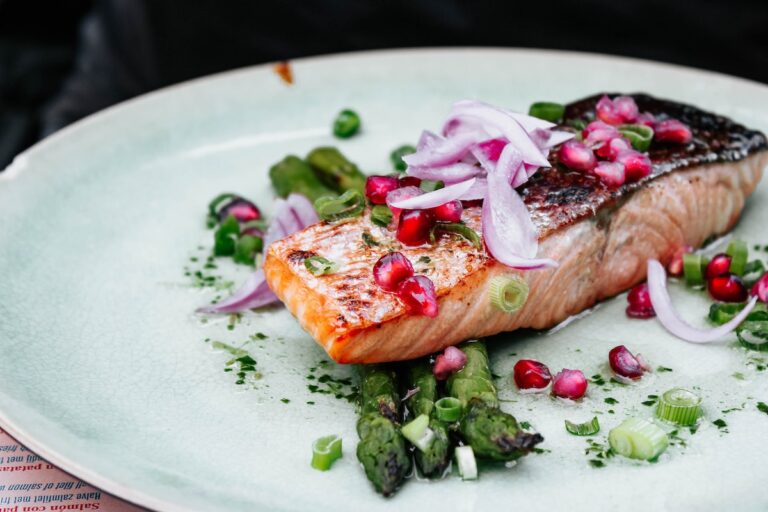
A dinner plate with salmon and a vibrant assortment of toppings and seasonings
› Back to top
« back
02.16.21 | Healthy Eating

Your Daily Cup of Coffee: Helping Your Health or Harming?

Coffee is an indelible part of most people’s morning routines. If you don’t feel human before you’ve had your first cup of coffee, you’re not alone. A study conducted by the National Coffee Association found that 64% of Americans drink coffee, and a New England Journal of Medicine article “Coffee, Caffeine and Health” called coffee the most widely consumed psychoactive agent in the world. But is getting your coffee fix helping or harming your health? Let’s take a look.

Helpful Benefits of Coffee

First things first: what is “the right” amount of coffee to consume? Lucky for us die-hard coffee lovers, Harvard Health Publishing describes moderate coffee consumption as three to four cups per day. As is our unofficial motto at Sage Collective, everything is best consumed and enjoyed in moderation. 

Diane Vizthum, M.S., R.D., research nutritionist for Johns Hopkins University School of Medicine also comments: “Caffeine is the first thing that comes to mind when you think about coffee. But coffee also contains antioxidants and other active substances that may reduce internal inflammation and protect against disease.”

In fact, according to Heathline, one cup of coffee includes the following amounts of daily recommended dosages for vitamins: 11% of riboflavin (vitamin B2), 6% of pantothenic acid (vitamin B5), 3% of manganese and potassium and 2% of magnesium and niacin (vitamin B3). So if you’re a moderate coffee drinker (3-4) cups, you do the math… it’s like taking gummy vitamin supplements, right?

Coffee is also believed to lower risk of Type 2 diabetes, lower risk of Parkinson’s and Alzheimer’s disease, lower risk for certain types of cancer (such as liver and colon), lower risk of stroke, help fight off gallstones and even help you live longer. 

Harmful Health Effects of Coffee

Now here’s where we talk about the other side of moderate consumption: overconsumption of coffee. Whether you exceed your daily limit of 4-5 cups, or whether you’re a novice coffee drinker who hasn’t built up a caffeine tolerance, coffee drinking could produce negative effects.

Negative effects of coffee overconsumption include increased blood pressure, headaches, nervousness, restlessness and anxiety, dizziness, heartburn, muscle tremors, pounding heart, dehydration, frequent trips to the bathroom and insomnia. Noticing a pattern? Most, if not all, of these negative side effects are directly induced by too much caffeine. 

The solution? Trade your next cup of coffee for a glass of water, or try decaf for a while. We’ve said it before and we’ll say it again: coffee consumption is great, but only in moderation. So drink away, all ye lovers of that good morning cuppa joe, but remember when to stop.

A clear mug of black coffee sits on a plain white surface, with coffee beans scattered around it
› Back to top
« back
02.11.21 | Sage Advice®

Vibrant Living Breakdown: Moderate Alcohol Intake

Nine ways of vibrant living is Sage Collective’s innovative model championing happier, healthier more engaged lives for older adults. The model incorporates everything from physical and mental health and wellness to engaging in one’s surrounding community. Today, we’re taking a closer look at the sixth component: moderate alcohol intake.

Alcohol is a double-edged sword in our society. It’s the foundation of many social interactions: we meet friends, family and old connections over a drink at the bar, while also using it as a fundamental element of many family and other gatherings. But just as easily, it can also be a source of addiction and harm, thanks to peer pressure and overconsumption. The polar nature of these two realities means many people have a strong reaction to alcohol: they’re either in favor of it or against it. 

At Sage Collective, we will never flatly discourage the use of alcohol in our activities, or in our forthcoming facilities. Our approach to alcohol consumption is this: like all things, it’s okay to partake in moderation. For as many negative impacts as binge drinking may have (including, but not limited to, liver damage, stomach distress and impaired judgment) there are benefits to drinking spirits such as red wine in moderation. 

Because red wine is rich in antioxidants, some healthcare professionals recommend the occasional glass with dinner. One study even demonstrated that forty adults drinking 13.5 mL of red wine daily over a period of two weeks experienced increased antioxidant levels — a result which is linked to decreased risk of diseases like Alzheimer’s, Parkinson’s and even heart disease. Having high levels of antioxidants also assists in reduced risk of high blood pressure and high cholesterol. 

Ultimately, it’s up to each individual to determine the level of alcohol intake that feels right for them. But a good rule of thumb is always practice moderation, keep your health top of mind and only drink when you want to, not because you feel pressured to.

Red wine is poured from a bottle into a stemmed wine glass
› Back to top
« back
01.26.21 | Sage Advice®

Vibrant Living Breakdown: Plant-Based Diet

9 Ways of Vibrant Living is Sage Collective’s guidebook to a full, happy and high-quality life. Building off our fourth component, moderate caloric intake, the fifth component of vibrant living is a plant-based diet. Notice we didn’t use the word “vegetarian.” That’s because the key to a plant-based diet is practicing moderation. We’ll discuss more below.

As we discussed in Healthy Eating Tips for Seniors, older adults require fewer calories, but the same, if not more, nutrients to maintain wellbeing. That’s why a nutrient-dense diet is more important than ever for those 55+. Foods like fresh fruit, vegetables and legumes constitute the basis of a healthy diet. 

While meat is a good source of protein, iron and vitamin B12, red meat in particular is often guilty of being high in saturated fat. Consuming saturated fat contributes to higher blood pressure and increased risk of heart disease. Meat products, therefore, are a double-edged sword. Depending on the cut of meat one chooses and the methods of cooking, that daily source of protein has the potential to do more harm than help. 

Meanwhile, plant-based alternatives to meat, such as beans, lentils, nuts, seeds and soy provide fiber and prebiotics (good for gut health) in addition to containing sustainable carbohydrates and healthy fats. The latter helps to balance blood sugars and lower the risk of heart and cardiovascular disease. While the old plant-based classics, such as tofu, tempeh, beans and lentil are all good choices, recent innovations in the plant-based meat industry have introduced options like plant-based burgers that “bleed”. With the right recipes and supplies, plant-based eating can be delicious and nutritious.

At Sage Collective, in addition to our programmatic focus on health and wellness, we aim to develop and curate culinary programs (such as nutrition education, cooking experiences and group dining experiences at our facility) that focus on fresh, healthy, primarily plant-based diets. While meat is welcome to remain a small part of the menu, we seek to prioritize diet, portion control and alternative (and delicious) plant-based options. 

Whether for dinner or in spirit, we invite you to join us on our journey to intentional, plant-based eating. Start small, like with meatless Mondays, and we’ll go from there together.

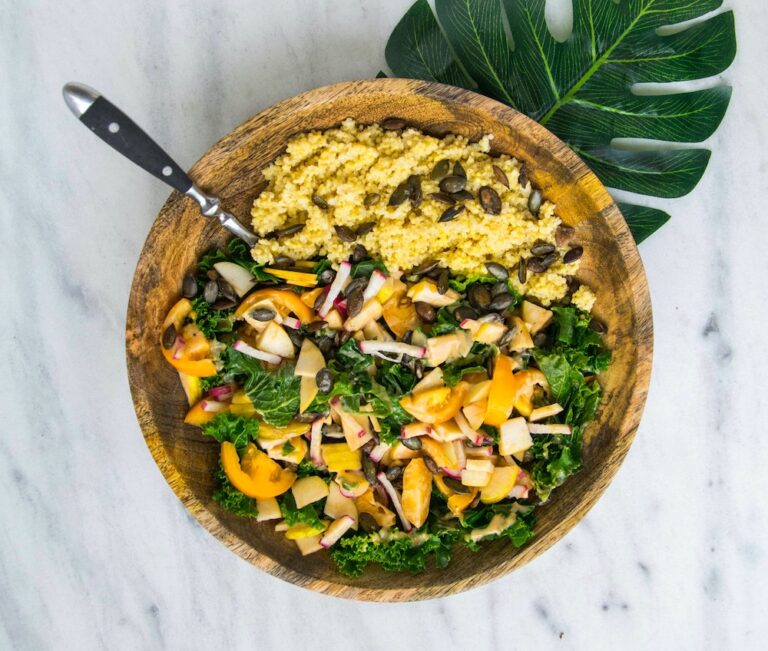
A bowl of couscous, tomatoes, greens and other delicious veggies sits on a marble background
› Back to top
« back
01.07.21 | Health & Wellness

Vibrant Living Breakdown: Moderate Caloric Intake

9 Ways of Vibrant Living is Sage Collective’s guidebook to a full, happy and high-quality life. Our fourth component of vibrant living is moderate caloric intake. Healthy eating is an integral part to ensuring both our bodies and minds are at their best. Today, we’re taking a closer look at how to embrace this component in your own life and why it’s so important.

Diet Requirements for Older Adults

According to the Estimated Energy Requirements (EER) from the Institute of Medicine Dietary Reference Intakes macronutrients report, older adults (ages 55+) require less calories than the average adult. For moderately active women 55+, the recommended amount is 1,800 calories daily, while for moderately active men 55+, the recommended amount is 2,200-2,400 calories daily. (For less active individuals, the EER recommends 1,600 calories daily for women and 2,000 calories daily for men). However, requirements can vary with respect to height, weight and other factors. 

Older adults require less calories as they age due to dropping basal metabolic rates and decreasing muscle mass. Though as we discussed before, while older adults require less calories than the average adult, they still require the same (if not more) nutrients. That’s why eating fresh, healthy meals is more important than ever as we age. 

Vibrant Living Through Fresh, Healthy Eating

At Sage Collective, we believe in helping older adults learn how to prepare and eat more fresh, healthy food in order to get ample nutrients and consume less calories. In the vision for our residential campus, we intend to incorporate trained nutritionists and nutrition aids to provide seminars and other educational activities to help our older adult residents establish these healthy eating habits.

Fresh, healthy eating and moderate caloric intake is important for older adults for numerous reasons. Naturally, health is one of them. Eating well provides your body with the necessary energy and nutrients to do its job. It also helps regulate weight and can even aid in the prevention of diseases such as osteoporosis, high blood pressure, heart disease, type 2 diabetes, and certain cancers. Eating well is also great for the mind, leading to a better night’s sleep, the mediation of moods and even the inhibition of pain. Try eating clean for just two weeks and see the impact it has! 

For those looking to practice moderate caloric intake at home, we’ve put together this guide to healthy eating for seniors. Like any goal, change to your diet doesn’t happen overnight, but making small, conscious decisions regarding what you eat daily will build up to have a great impact.

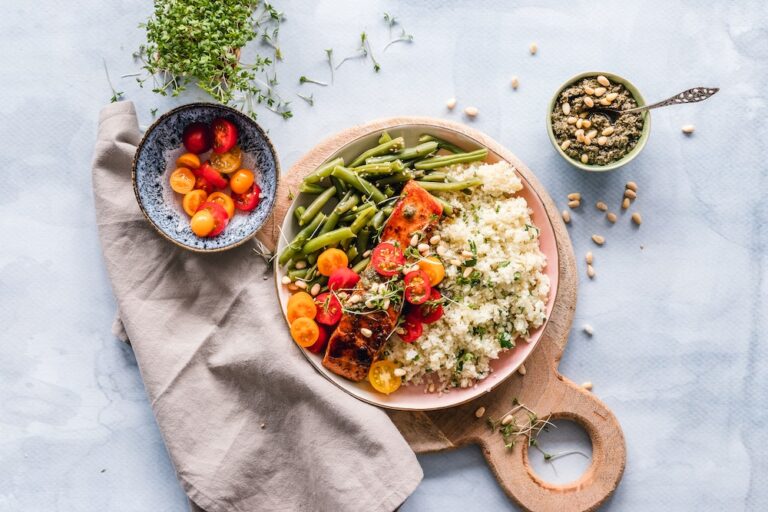
A spread of food demonstrating moderate caloric intake, including rice with tomato, green beans and fish
› Back to top
« back
11.17.20 | Health & Wellness

Healthy Eating Tips for Seniors

The old saying goes, “you are what you eat.” And it’s true — good dietary choices are the foundation of good health. Making these choices becomes even more important the older you get. Our metabolism slows down with age, meaning that older adults require less calories but the same, if not more, nutrients to maintain our wellbeing. That’s why today, we’re sharing four healthy eating tips for seniors to keep you (and your diet) on the right path.

Prioritize getting your nutrients 

The good news: nutrient-dense foods are often the lowest in calories. Avoid any empty carbs or calories, such as processed foods, and instead prioritize whole foods such as protein, produce and dairy. Pay specific attention to make sure you’re picking foods that are high in fiber and low in sodium and salt, too. 

Eat the rainbow

Because our bodies require a broad spectrum of nutrients, the best way to ensure you’re hitting all the marks is to have your plate look like a rainbow. Bright, colored foods often signify good choices. Lean proteins include meat (or meat alternatives such as tofu and seitan, if you’re interested in pursuing a more plant-based diet) lentils, chickpeas, eggs and beans (these are your red foods). Fresh produce (fruits and vegetables) are the perfect source for your vibrant oranges, purples, reds and greens. Meanwhile, whole grains such as rice and whole wheat pasta are a good way to get brown on the plate. 

Think good fats, not no fats

Fat isn’t a bad word. But bad fats, like saturated and trans fats, should be eliminated from your diet if possible. Try to focus on good fats instead, like monounsaturated and polyunsaturated fats which can help protect your body against disease and improve your mood. This includes avocado, olive oil, nuts and fish and other foods high in omega-3 fatty acids.

Drink more water

This is a simple, but important step. Staying properly hydrated can do wonders for your physical and mental health. If possible, avoid any fluids that have sugars or salts added in, and focus instead on just clean, healthy drinking water — tea and coffee are also good choices. Overall, aim to consume at least eight glasses of water a day to stay properly hydrated.

Eating healthy may seem daunting, but at the end of the day, it’s about knowing your body’s needs, and making one informed decision at a time. 

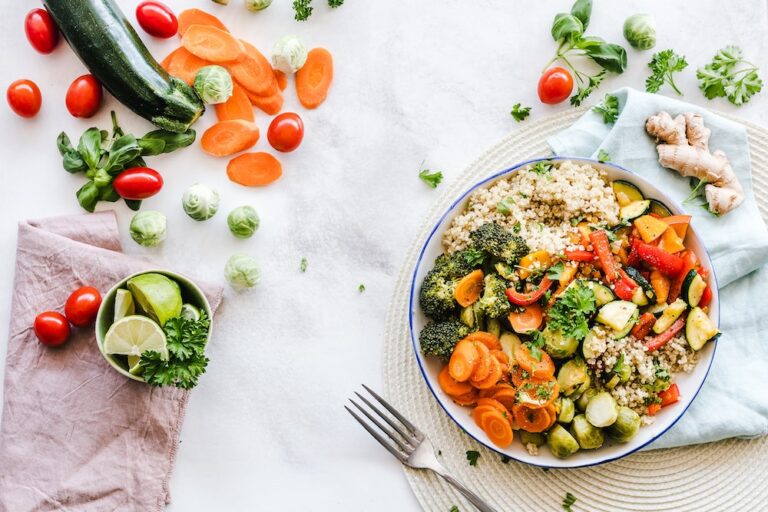
Healthy eating shown through a vibrant plate of good, balanced foods
› Back to top