« back
08.18.22 | Community

The Enigma of Heirloom Foods

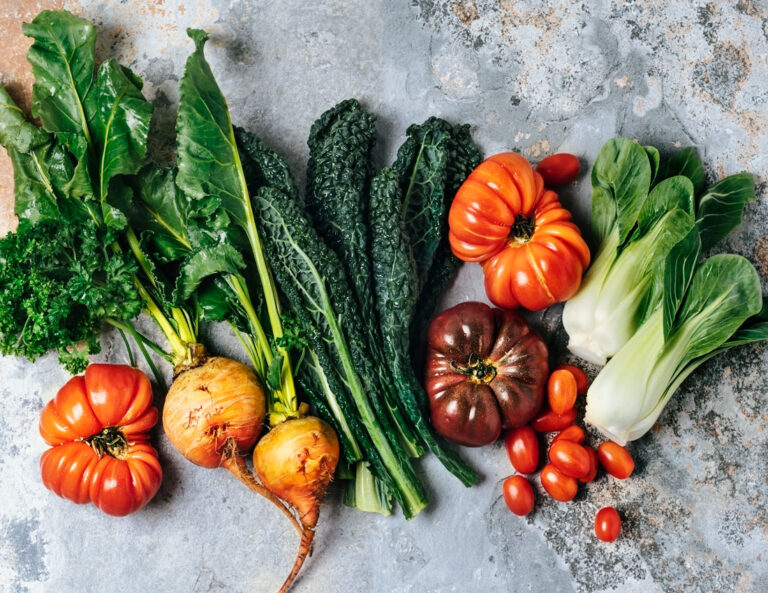
Like everything, foods evolve with time, changing in flavor, color and even shape. And yes, while we’re cautious to eat any of those weird looking foods, they’re often filled with a plethora of flavor and nutrients. Today, we’re exploring heirloom foods and why you shouldn’t let their appearance hold you back from trying them.

What are heirloom foods?

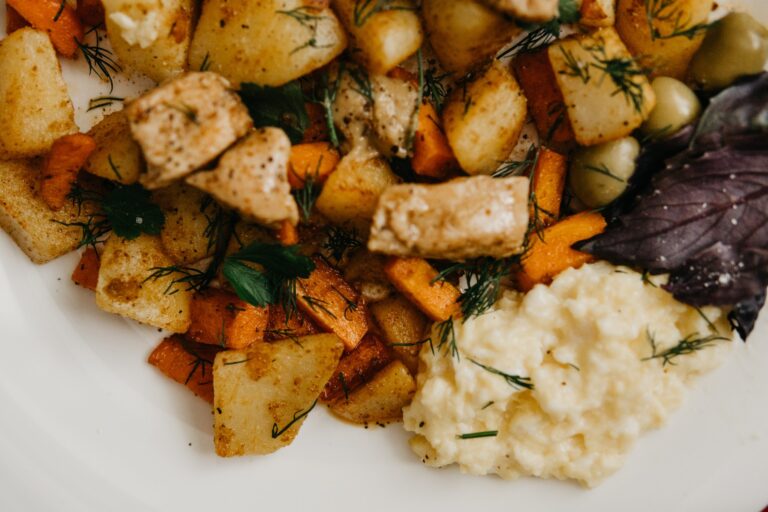
Have you ever noticed that weird-shaped carrot or the odd-colored tomato at your grocery store? Those are heirloom foods! Like all other aspects of life, as time passes, agricultural products and systems change, progressing the popularity of some foods and lessening the use of others. This leads to the emergence of heirloom foods – foods that may have been commonly eaten throughout previous generations but are less so today. 

Why you should add them to your diet

Heirlooms don’t only come with unique looks, but they also provide many nutritious benefits other foods don’t have. The genetics within the plants also typically provide them with pest, disease and weather resistance. 

Whether you’re snacking on an heirloom vegetable, fruit, or egg, each food is also sure to be filled with flavors you haven’t experienced before. The taste is what draws many to the established foods. Beyond their flavor, buying heirloom foods is also a great way to support local farms in your area that may grow them instead of buying usual produce from large-scale farms. 

Don’t hesitate to grab those colorful potatoes or weirdly shaped tomatoes next time you spot them out, you could be missing out on a flavor-filled heirloom treat!

› Back to top
« back
06.23.22 | Community

Smoothies: How You Can Pack Everything Into A Delicious Drink

Good dietary choices make for the foundation of good health. And, as we age and our bodies change, these decisions become more and more important for our wellbeing. Previously we’ve shared various healthy eating tips everyone can follow to keep you and your diet on the right track throughout the year. Today, we’re spotlighting one nutrient-packed refreshment that – thanks to the season’s ample availability of fresh fruits and vegetables – is the perfect for summer: smoothies. 

The Benefits Behind Smoothies

Eating fresh produce is critical to everyone’s health, and thanks to smoothies’ ability to condense large amounts of fresh fruits and vegetables, they make the perfect snack to fill up on nutrients and boost wellness. For those looking to increase their digestive health, smoothies provide the perfect opportunity to fuel your body with high-fiber foods like strawberries, bananas and dark leafy greens without singling each ingredient out.

Because of the large amount of water contained in many of the ingredients found in most smoothies, they make staying hydrated easy throughout the hot summer months when it’s most important. They’re also a perfect way to start your day thanks to the extra boost of vitamins and energy they provide and the fact that they usually reduce food cravings throughout the day and are surprisingly filling.

Make Your Own

Besides the seemingly endless benefits that come from smoothies, what makes them so convenient is the ability to customize them to your liking and dietary needs. Whether you want to target protein intake by using yogurts and nut butter or antioxidant-rich produce like spinach and blueberries, there’s no way to go wrong. Here are two of our favorite recipes: 


Green Smoothie: 

2 cups of spinach or preferred green

1 cup of your milk or juice of choice

1 banana cut into chunks

½ cup of pineapple chunks

½ cup of grapes

¼ cup of plain Greek yogurt

Ice as needed


Berries and Vegetable Smoothie:

1 cup of blueberries

1 banana cut into chunks

1 cup of spinach or preferred green

1 cup of milk or juice of choice

¼ cup of plain Greek yogurt

2 tablespoons of nut butter of choice

1 tablespoon of flax seeds

Ice as needed


The directions for making a smoothie are simple. Just add all of the ingredients to a blender, blend and enjoy!

› Back to top
« back
05.26.22 | Community

Elevate Your Meal By Boosting Flavor And Benefits

At Sage Collective, our 9 Ways of Vibrant Living at Sage Collective serves as the backbone of our philosophy and a realistic tool for everyone to utilize for living well. And while we believe each pillar is necessary to create a vibrant lifestyle, many are traced back to what we put in our bodies. Today, we’re exploring how you can implement a plant-based diet and moderate calorie intake into your life and still elevate your meal with flavor and countless health benefits. 

One of the easiest ways anyone can elevate their cooking is to stop thinking of food as “healthy”. Although it may seem difficult, changing how you think of food can also affect how you eat it. Instead of telling yourself that you have to eat healthy foods or diet, use the words fresh, healing, nourishing or even gourmet. 

Buy Fresh

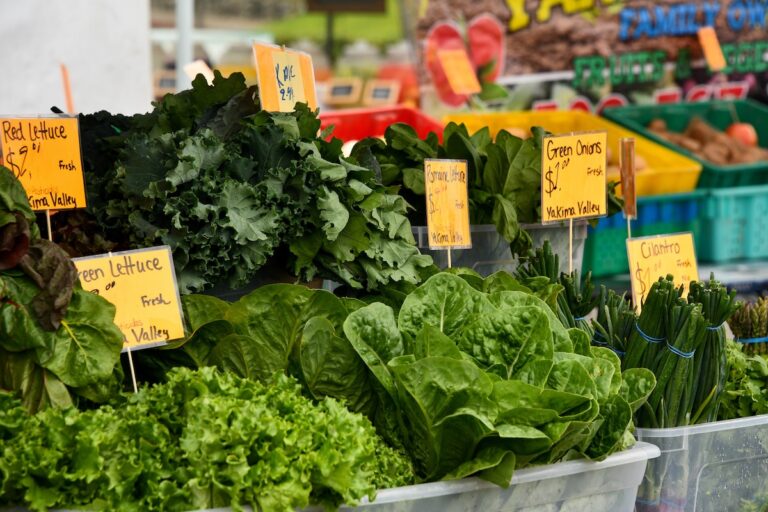
Purchasing your produce fresh and locally is a sure way that you will find more flavor and benefits in your meals. Fresh produce is packed with countless vitamins and minerals that you can find little elsewhere. The nutrients stored within them have been found to reduce the risk for high blood pressure and heart disease and even help the body produce more energy. And not only will eating fresh make you feel better, but it also heightens the flavor of your meals! So, next time you find yourself at your local farmer’s market, make sure to stock up on some of your favorite goods.

When In Doubt, Add Lemon Juice

If you aren’t the world’s best cook but still want to put a little more effort into whipping up your fresh meal from home, you’re going to appreciate this tip – add lemon juice! Not only is lemon juice usually easily accessible, but it’s also very easy for cooking beginners to use. Alongside the acidity it can add to a meal, lemons and lemon juice also come with a high concentration of vitamin C, a significant aid to the body’s healing process and can aid in digestive and heart health. 

Cook With Wine

Like eating plant-based and moderate calorie intake, another pillar to vibrant living includes, moderate alcohol intake, especially wine. Cooking with wine helps give your food an extra layer of complex, delicious flavors, and it also retains the same benefits you would get from drinking it! The trick with cooking with wine is to use the same wines that you would drink. Some nourishing recipes include steamed mussels and pan-roasted halibut

To live a vibrant lifestyle, you must know what you’re putting in your body. And while eating ‘healthy’ might scare some, fresh food can always be elevated, packing both extra flavor and benefits.

› Back to top
« back
12.14.21 | Sage Advice®

Deliciously Healthy Winter Dishes For Any Gatherings

When winter comes around, no matter where you end up, it’s not difficult to find the sweet treats and savory meals that are traditionally associated with the season. However, for those inspired to maintain or start conscious eating habits, the winter can be a difficult time filled with temptation. Today, inspired by our vibrant living principles, we’re sharing a few deliciously healthy winter dishes that anyone can enjoy this winter. 

Sweet Potatoes

A favorite during this time of year, sweet potatoes are hard not to enjoy. While most people enjoy sweet potatoes even sweeter, baked with brown sugar and marshmallows, there are various methods to cook the vegetables that are just as enjoyable but much healthier. Like a standard potato, sweet potatoes can be served in a variety of ways. Baking them whole, mashing them, and even dicing them in a salad proves how versatile the vegetables can be. No matter how you cook them, we promise they won’t lose the sweetness that makes them so delectable in the first place. 

Winter Crudités

Who doesn’t love a mix of fresh vegetables? Crudités make the perfect winter dish for that reason. Not only can the appetizer appeal to virtually anyone, but it comes with a plethora of highly vitamin-packed vegetables that you can personally pick and choose. If you want to put a twist on the classic appetizer, make your own tasty dip to pair with the refreshing produce. 

Festive Fruit Salad

While it might seem out of season, a festive and healthy fruit salad is sure to excite taste buds in the winter. Similar to the crudités, not only is this dish healthy, but you can bring it and eat it anywhere and anytime. The nourishing food makes a perfect option for a morning snack or a late-night dessert. Along with the fruit, don’t be afraid to add in extra ingredients that bring even more flavor to the salad like mint, basil, lavender or even cayenne pepper for a little heat. 

Seasonal Squash

Another versatile food, squash is the perfect vegetable to substitute in and out of almost every traditional meal. Typically harvested in the fall, the nutrient-packed acorn squash, sugar pumpkins, spaghetti squash and butternut squash are available for cooking your favorite dishes year-round. Some seasonal favorites include butternut squash mac and cheese, soup and casserole, stuffed acorn squash and roasted spaghetti squash with kale

Even with the sweet temptations that surround us throughout the holiday season, healthy options are never too far out of reach. Whether you’re serving food at home for yourself or preparing a dish to bring to a gathering, there are various methods we can each take to continue practicing conscious eating habits and living vibrantly.

› Back to top
« back
10.14.21 | Healthy Eating

Pass Your Time With Podcasts: What You Should Be Listening to Right Now

While autumn is a favorite time for many to pick up new books and revisit forgotten ones, podcasts also serve as a great choice for those looking for a mix of entertainment, education and reflection. Podcasts are usually free to listeners and extend knowledge on everything from how to cook healthier meals to entertaining history facts to current government and public policy news. Here are the top five podcasts Sage Collective believes you should be listening to right now: 

Ten Percent Happier

Hosted by Dan Harris, a famed journalist who suffered a panic attack live on national television, Ten Percent Happier explores how keeping your spirits up is imperative to aging well. After his traumatic on-air experience, Harris discovered meditation and now invites experts on the subject, scientists and celebrities to share their own epiphanies and experiences of success. Topics on the show vary from What to do About Eco-Anxiety to Joy Vs. Happiness. Anyone interested in hearing motivational stories about coming back from what seems like life’s lowest points will enjoy this outstanding selection. 

Into America

Into America is a podcast that sheds light on what it’s like to be Black in America. Trymain Lee, Pulitzer Prize and Emmy Winning journalist hosts the enlightening show. The MSNBC-produced podcast explores how public policy and government action, and the lack thereof, affects Black Americans’ lives. Previous topics include The Vaccine Gap, Justice for Black Farmers and The Black Firefighters of 9/11. Into America produces an in-depth look into the continued injustice that Black Americans endure and what it means to hold the country to its obligations.

History Unplugged

A show that celebrates obscure historical facts and events, History Unplugged uncovers and revisits lost stories that changed the world. History buffs and amateurs alike will enjoy the unique narratives, expert interviews and call-ins that make up the podcast. Previous episodes of the show include The Japanese-Americans Who Fought Nazis in Europe, Electric City: Ford and Edison’s Vision of Creating a Steampunk Utopia and An Alternate History of the Lincoln Assassination Plot. Chocked full of amusement, myth-busting and a range of wisdom, almost everyone is guaranteed to relish over History Unplugged.

Not Old – Better

Award-winning journalist Paul Vogelzang hosts the fascinating, high-energy podcast, Not Old – Better. The inspiring show reminds its audience weekly that it is never too late to pursue your passion and purpose in life. Vogelzang invites a mix of well-known entertainers, intriguing role models and ordinary people to discuss aging and how to overcome the stereotypes and stigma that come with it. Previous guests have included actress Octavia Spencer, Dr. Anthony Fauci and activist Khary Lazarre-White. Listeners and critics alike have praised the podcast as a perfect choice for middle-aged and older adults.

Homemade

Homemade is the paramount podcast for anyone looking to explore the food world. Foodies and amateur cooks alike will enjoy the entertainment show hosted by industry insider Sabrina Medora and author Martie Duncan. Each week the hosts invite celebrated cooks from all walks of life to discuss and share their memories behind their favorite recipes. Past topics on the show include growing ingredients at home, delicious vegan options, repurposing leftovers and rethinking prep time. Get your cooking gear ready, put on your apron and prepare to join the fun with Homemade

Whether you need something to listen to on your way to work or while doing chores around the house, don’t hesitate to press PLAY on any of these wonderful podcasts. You can listen to each of the podcasts on their websites, Spotify, Apple Music, Amazon Music or Google Podcasts. 

› Back to top
« back
10.07.21 | Sage Advice®

October is Eat Better, Eat Together Month

October is National Eat Better, Eat Together Month, an annual tradition that celebrates a basic human need that many of us don’t think twice about — eating. While the history behind this special day is elusive, its aim is noble, and encourages us throughout the month to share meals with family and friends, and to promote healthier eating habits. 

When was the last time you ate a meal with your family? Today, it isn’t uncommon for families to take meals separately due to busy schedules and increasing commitments. However, making the time to share a meal with family and friends is something we should all make more of an effort to do. Breaking bread with others has long been associated with improved social skills and allows you to reconnect with the people you care about. Since engaging in social life and family life are part of our 9 Ways of Vibrant Living, we encourage you to make it a priority to carve time out of your month to plan a thoughtful meal (or two) with family, friends or for your community.

Dining together is also linked to better eating habits and reduced stress levels. Preparing meals with a number of food options encourages people to fill their plates with a mixture of nutritious eats. Previously, we explored a number of “superfoods” that can easily be incorporated into any meal, which you can read about here. For those concerned about time constraints, planning preparation for multiple meals is a perfect way to produce sizable servings of healthy meals without the added pressure of making them last minute. To discover more healthy eating tips to implement this month and throughout the future, explore one of our former blogs here

This month, Sage Collective encourages you to dedicate a few nights a week to eating better and eating together. Make a meal with your family, organize a community dinner or simply clean your cupboards of unhealthy snacks and replace them with smarter alternatives.

A family sits around a dinner table serving food to one another.
› Back to top
« back
09.02.21 | Healthy Eating

6 “superfoods” you can incorporate to boost your health

As we continue to change with age, eating healthy can be a vital step in caring for your future self. Taking inspiration from our 9 Ways of Vibrant Living, which you can read more about here, we compiled a list of our favorite “superfoods” you can easily introduce into your diet. These highly nutritious items can be added to a larger meal or snack to boost your health and help to achieve a balanced diet.

Tea

Not only is tea low in calories, it is also a refreshing alternative to coffee, soda and other beverages. Notably high in antioxidants, tea can be a tool for weight management and has anti-inflammatory and anti-carcinogenic (cancer-suppressing) benefits. One study suggested that the regular consumption of white and green teas resulted in a vast reduction of stress for most participants.

Avocados

Avocados are much more than the brunch staple or spread for toast that they’ve become over the last decade. As a great addition to a salad, guacamole or being eaten simply with a pinch of salt and pepper, avocados provide numerous health benefits. Rich in fiber and and healthy fats, avocados can be a great substitute for eggs, mayonnaise, sour cream and even butter.. 

Mushrooms

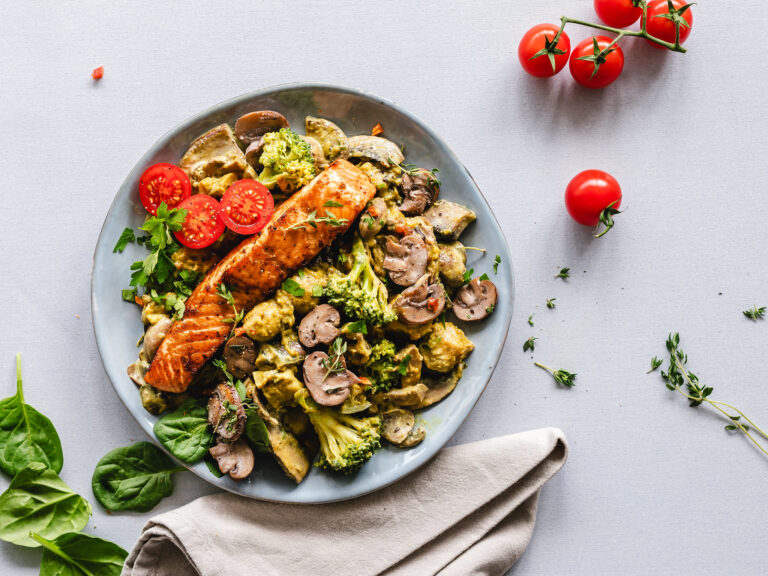
Mushrooms have been used in Eastern medicine and culture for millennia. They are known to increase the health of the immune system through their many therapeutic properties. After much scientific research, we are learning more about the dramatic positive effects mushrooms can have on preventing cancer, lowering blood pressure and overall increasing well-being. You can incorporate mushrooms into your diet by cooking them along with other vegetables, adding them to salads and pasta or simply frying them with healthy oil. Some of the most popular mushrooms you should look out for at the farmer’s market or grocery store are Portabella, Shiitake, Buttons, Oyster, Enoki and Lion’s Mane. 

Dark Leafy Greens & Cruciferous Vegetables

There is a wide consensus among nutritionists that vibrant green vegetables and those in the cabbage family offer some of the best nutrients and vitamins. These include arugula, kale, collard greens, kohlrabi, radishes and turnips. Most of these are full of zinc, calcium, iron, magnesium, vitamin C, fiber, and what seems like a never-ending list of enriching minerals that can reduce the chances of heart disease and diabetes while lowering blood pressure and preventing some cancers. 

Salmon

Salmon is both tasty and full of healthy protein, B vitamins, potassium and omega-3 fatty acids. Because of its abundance of rich nutrients, salmon has more health benefits compared to other animal products and is known to help prevent heart disease and diabetes. One way you can enjoy this hearty fish is by baking it with lemons, herbs and a healthy (oil, avocado or sesame).  

Garlic

Garlic packs a punch in flavor and delivers huge nutritional benefits, too. Each clove of garlic contains magnesium, vitamin C and fiber, which are all essential to a balanced diet. Research indicates its effectiveness to support the immune system while reducing cholesterol and blood pressure. One study even found that garlic provides antibacterial and antiviral characteristics. 

However you incorporate these superfoods into your meal planning and cooking regimen, they offer delicious and easy ways to boost your overall health and well-being.

A dinner plate contains salmon, mushrooms, tomatoes, broccoli, and a mix of other vegetables and sauce.
› Back to top
« back
08.12.21 | Community

Strengthening Communities Through Community Gardens

With summer slowly fading and the harsh months of winter in the distance, the magnetic appeal of growing one’s own vegetables and herbs is more important than ever for many of us. Previously, we’ve talked about the health benefits of gardening and how to raise indoor houseplants, but one hobby we haven’t mentioned is community gardening. 

Community gardens begin as collective spaces managed as a collaborative effort that leverage the expertise, time and energy of fellow gardeners who come together to provide fruits, vegetables and all varieties of fresh produce for anyone in the neighborhood to enjoy. And by their very nature, community gardens also add green space and vibrant beauty to city blocks that may be defined by asphalt and concrete.

With people working closely — literally and figuratively — community gardens improve personal well-being through social connections and have even been found to decrease violence in some neighborhoods. 

Zoe Hansen-DiBello, program manager and visionary at Grow Education, helps promote healthy food access in neighborhoods by implementing community gardens. At TedxNewBedford, Hansen-DiBello explains the all-around engagement and respect that community gardens helped to encourage in a neighborhood close to her. Watch Hansen-DiBello’s talk below. 

Gardens galore in Bronzeville

The popularity of urban farming and the adoption of community gardens can be seen throughout neighborhoods in large cities across the country — including our very own Bronzeville. 

Situated at 4148-4156 S. Calumet Avenue, the Bronzeville Neighborhood Farm connects those living in the neighborhood with the use of green spaces and gardens. Managed by the Bronzeville Alliance and protected by NeighborSpace, the garden is a hub for community members to forge meaningful relationships built on the experience of working together towards a common purpose — tending the gardens and sharing the rich yield of fresh fruits and vegetables with each other and with the community writ large.

The neighborhood is also home to the Bronzeville Community Garden, located at 343 E. 51st Street. Supported by Build Bronzeville, the garden hosts many community events throughout the year including Volunteer Days and Crochet & Conversation meetups. Along with urban farming, the Garden is home to public art projects that enhance the outdoor spaces and provide additional reasons for neighbors to stop.

Starting your own garden

Thinking about starting your own community garden? One of the best places to start, The American Community Gardening Association provides a comprehensive education and resource platform for starting a garden of your own, along with a map of community gardens located across the country. 

A person sits next to a foot stool in a large lot filled with community garden plots. Out of each plot sticks a brightly colored stakes that are numbered. Above the person appears a concrete bridge either for walking or driving.
› Back to top
« back
06.03.21 | Sage Advice®

Farmers Markets In and Around Bronzeville, Chicago

At Sage Collective, we advocate for a primarily plant-based diet as part of our 9 Ways of Vibrant Living. There’s no better way to shop fresh – and support local – than to become a patron of your nearby farmer’s markets. With our first in-development residences underway on King Drive in Chicago’s Bronzeville neighborhood, today, we’re spotlighting farmers markets in and around the area for our future residents and community members to enjoy:

Bronzeville City Market

Bronzeville City Market kicks off the summer season a bit later than its local counterparts. This year, the market runs from July 11th to September 26th, every Sunday from 10 AM to 2 PM, located at South King Drive and East 26th Street (4700 South King Drive to be more specific). In addition to cash and card payments (depending on the vendor), the Bronzeville City Market also accepts Link. 

Vegan Paradise Farmers Market

In contrast, the Vegan Paradise Farmers Market kicks off its season early in the spring. This year, the market runs from April 4th to October 31st, every Sunday from 11 AM to 3 PM, located at Plant Chicago (1400 West 46th Street). Vegan Paradise boasts being the only vegan farmers market in Chicago. Hosted by Chicago Vegan Test Kitchen and Bubbly Dynamics, they feature a rotating list of weekly vendors – plus, don’t forget to RSVP and save your spot before you go.

Plant Chicago Farmers Market

While Plant Chicago is the home of the Vegan Paradise Farmers Market, they also host their very own farmers market – Plant Chicago Farmers Market. This year, the market runs from June 5th to October 30th, every Saturday from 11 AM to 3 PM. Enjoy being on the grounds of Plant Chicago’s innovative, closed-loop, open-source facility, and choose from their amazing list of vendors. Other benefits of the market include their local food box program, link matching, and online farmer’s market options.

Star Farm/Back of the Yards Farmers Market

Nonprofit urban farm, Star Farm, is the host of the Back of the Yards Farmers Market for their neighborhood. This market runs from June 9th to October 13th, every Wednesday from 3 PM to 7 PM, at 5256 S. Ashland Ave. This market is unlike any other in the city however. Started by Star Farm founder Stephanie Dunn, the market is housed in a brick-and-mortar food co-op renovated by Dunn herself, thanks to a grant from the Neighborhood Opportunity Fund. While the building is still under renovation, the market will be hosted in its side yard for now. As part of the vision to create an oasis in a food desert, Dunn has invited community members to gather at the site, and other South Side farmers to house their offices there, too.

Whether you try one or try them all, these farmers markets are sure to add fresh food to your regular routine – and shopping at them will serve as an occasion to enjoy, too.

A row of fresh greens displayed at an outdoor farmers market
› Back to top
« back
06.01.21 | Community

Starting an indoor herb garden is easy — here’s how

It’s easiest to eat healthy when you cook delicious, fresh, and flavorful food — and incorporating fresh herbs into your home cooking is a great way to add that extra burst of flavor. Lucky for us, you don’t need an advanced green thumb or even a backyard to grow these fresh, delicious herbs yourself, right from the comfort of your own kitchen – here’s how.

Picking Your Plants

There’s a wide array of herbs that will grow and thrive indoors all year round. These plants include basil, chives, lemon balm, marjoram, mint, oregano, parsley, rosemary, sage, and thyme. Decide which flavors are your favorite to incorporate in your cooking, and start off with 3-4 different plants. Each plant’s needs will vary slightly, so be sure to plant each herb in its own separate pot so you can adjust your care routine accordingly. 

You’ll often find herb plants, such as basil, available to you in your local grocery store’s produce department. Alternatively, visit your local garden center (Home Depot, Lowes, and Menards are all great resources for this) for a wider array of herb plants to choose from.

The Right Conditions

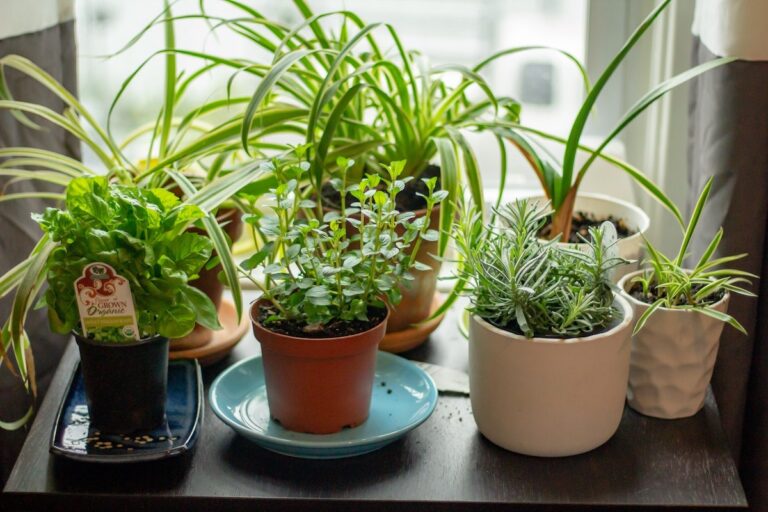
There are several things that any plant needs to thrive. Before you begin the process of purchasing and planting your fresh herbs, you should determine where in your household the herbs will live. Herbs prefer a lot of sunlight — six hours of full sunlight each day is ideal. Therefore, you should choose the sunniest spot in your home as the location of your herb garden, prioritizing locations that are close to the window, rather than the center of the room. For example: window sills are the perfect spot for an indoor herb garden! Once that’s settled, you can move onto actually planting your herbs.

First you’ll need the right pot. For indoor herbs, be sure to choose a container with ample drainage. You can tell which pots have appropriate drainage by checking for holes in the bottom of the container; these holes will allow water to escape the soil as needed.

Second, it’s important to choose the right soil for your herb. Most herbs do best with a standard indoor potting mix, and will be even happier if that mix is one that advertises good drainage. 

As we mentioned above, be sure to plant all your herbs in separate, individual containers. This ensures that when it comes time to water, you can check the soil of each pot and only water the plants that are in need of added moisture at that time. Because most herbs live in loose, fast-draining soil, you should check your plant’s soil every day (or every other day) to see how much moisture it has retained. Herb plants do best when their soil is slightly moist, but not soggy. Too much watering, and you’ll drown your plant.

When it comes time to harvest and enjoy your fresh herbs, always take in moderation. Regular pruning is good for your plants, but too much at once, and your plant won’t be happy. 

Overall, the more time you spend caring for your herb garden, the better you’ll learn to understand your plants needs. And as you care for your plants, they’ll care for you too, by providing healthy and fresh flavor to all your meals!

A window sill herb garden
› Back to top