« back
10.08.25 | Community

Everyday Awe: Finding Wonder in Autumn

As the season shifts, autumn brings with it a sense of transformation—crisp mornings, golden light, and leaves that burst into fiery hues before falling softly to the earth. For many of us, these subtle but profound changes spark something deeper: a feeling of awe. And in embracing awe, we invite ourselves into a more mindful, joyful way of living.

At Sage Collective®, we believe that awe isn’t reserved for rare, extraordinary experiences. It can be found in everyday moments, waiting quietly for us to notice. This perspective aligns with our vision of vibrant living, where wonder, creativity, and reflection are woven into the fabric of daily life.

The Science of Awe
Research has shown that experiencing awe—even in small, everyday doses—can improve mood, lower stress, and even enhance physical health. Psychologists describe awe as a state that expands our sense of perspective, helping us feel more connected to the world around us. For older adults, awe is more than a fleeting emotion—it’s a tool for cultivating resilience, gratitude, and vitality.

Everyday Invitations to Awe
Autumn offers countless ways to experience awe without having to travel far:

  • Nature’s Palette: Watch the leaves shift from green to amber to crimson, and notice the textures and patterns in their details.
  • Crisp Air: Step outside on a brisk morning, take a deep breath, and feel the vitality of the season.
  • Harvest Season: From farmer’s markets to your own kitchen, celebrate the abundance of apples, squash, and spices that mark fall’s arrival.
  • Golden Hour Walks: Wander at dusk, when the light is warm and fleeting, and notice how the world transforms around you.

Each of these experiences invites us to pause, slow down, and reconnect—with ourselves, with others, and with the beauty of the natural world.

Awe as a Daily Practice
Awe doesn’t have to be accidental. It can be cultivated intentionally through simple habits:

  • Keep an Awe Journal: Jot down one moment of wonder each day.
  • Practice Mindful Observation: Choose one thing—a tree, a sunset, even a teacup—and look at it closely, as if for the first time.
    Share Awe with Others: Call a friend or family member to tell them about something that amazed you. In sharing, the wonder grows.

Living Vibrantly with Awe
At Sage Collective®, we recognize that vibrant living comes from engaging fully with the present moment and finding joy in life’s transitions. Autumn is a reminder that change itself can be beautiful—and awe is the lens through which we see that beauty more clearly.

So this fall, let us challenge ourselves to seek awe not just in grand moments, but in the everyday: the leaf that drifts across your path, the laughter of a neighbor, the warmth of a cup of tea on a cool morning. Because when we live with awe, we live more deeply, more gratefully, and more vibrantly.
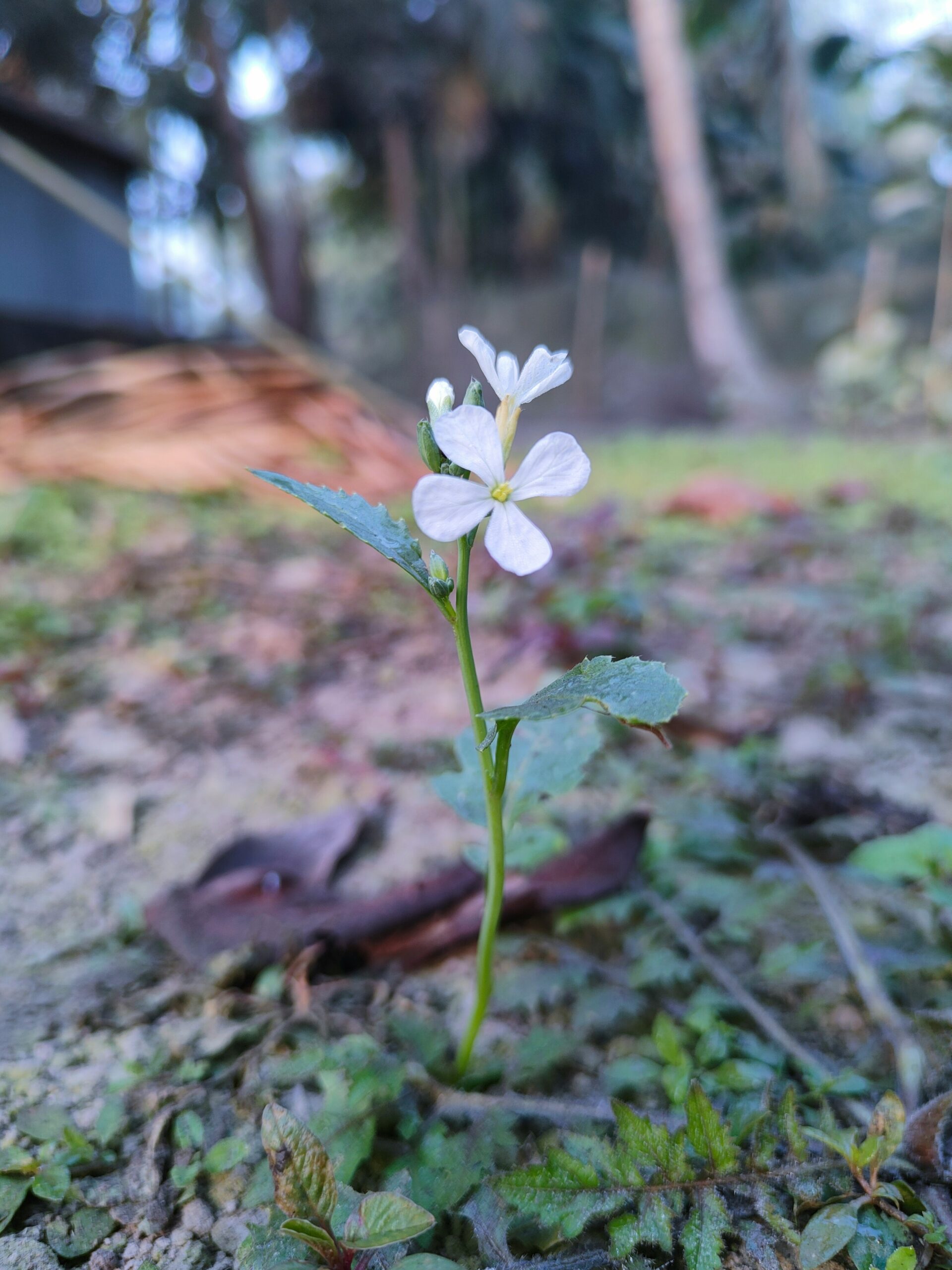
Photo by Al Imran on Unsplash
› Back to top
« back
09.25.25 | Mental Wellbeing

Older AND Wiser

There’s a particular kind of light that comes with time. It’s not the flash of a first or the dazzle of a debut. It’s steadier, warmer—a glow made of miles traveled, questions asked, lessons learned, and love given freely. At Sage Collective®, we honor that light and the people who carry it. We call the result vibrant living.

Being older doesn’t mean shrinking your life to fit a smaller box. It means right-sizing your days to fit your truest self. In the Sage Collective® community, that looks like choosing practices that nourish body, mind, and spirit—because well-being is holistic and joy is a daily habit. We edit our priorities, clarify our values, and discover that happiness multiplies when we say yes to what matters—and no to what doesn’t. That discernment is freedom.

We know the difference between urgency and importance. We’ve learned that a slow morning with coffee and a good book can be a radical act of happiness. We understand that listening—really listening—often changes more than speaking. And we’ve seen how a thoughtful pause can turn conflict into connection, and a setback into a new path.

Mindfulness is one of our favorite tools for that freedom. A quiet moment with breath and gratitude can reframe the whole day. Mindfulness slows the world just enough for us to notice the good that’s already here: the warmth of a mug, the way light lands on a plant, the voice on the other end of a phone call. With presence, we listen more than we speak, respond rather than react, and turn conflict into connection. Wisdom thrives in that space between stimulus and response.

We also believe in lifelong learning—curiosity that never retires. Accumulated wisdom makes us better learners, not just better teachers. We ask sharper questions, mix curiosity with compassion, and bring context to every conversation. Pick up a new language, take a workshop, explore a museum, try a tech tool, or enroll in a community class. Every new skill is a vote for your future self. And when we learn together, we strengthen belonging—the heartbeat of vibrant living.

Art and culture are fuel, too. Creative expression—whether journaling, watercolor, choral singing, or the elegant focus of calligraphy—offers healing and delight. It’s not about mastery; it’s about meaning. When we make or experience art, we practice seeing the world (and ourselves) with fresh eyes. That fresh seeing reignites wonder.

Movement anchors the whole picture. A walk at sunset, a gentle stretch, a dance in the kitchen—these are small rituals of agency. They remind us that vitality isn’t a number; it’s a relationship with our own energy. Rest counts, too. Rest is a skill, and practicing it is an act of self-respect.

And then there’s contribution. Wisdom wants company. Mentoring a neighbor, volunteering for a cause, reading with a grandchild, or sharing a favorite recipe—these gestures turn experience into impact. Each time we share what we’ve learned, we strengthen the fabric of community and remind ourselves that our presence still moves the needle.

Joy, at this stage, isn’t loud for the sake of loud. It’s confident. It’s the joy of knowing our own rhythm, recognizing the seasons of our lives, and trusting that renewal is always possible. We hold both things at once: gratitude and grief, tradition and change, ambition and ease. That both/and mindset is the quiet superpower Sage Collective® celebrates every day.

Most of all, we understand that wisdom compounds. A single insight gained years ago—“call when you think of them,” “always carry water,” “take the walk”—keeps paying dividends. We’re not chasing the next thing; we’re choosing the right things. And in that choosing, we make room for wonder.

So here’s to being older and wiser: to curiosity that never retires, to courage that keeps expanding our horizons, to grace for ourselves and others, and to the everyday rituals that make life feel deeply, deliciously alive. The chapters ahead aren’t an afterthought. They’re a testament—to how far we’ve come, how much we’ve learned, and how joyful it is to keep growing.

› Back to top
« back
09.18.25 | Sage Advice®

Q&A with Olivia Matongo, Alzheimer’s Association® on Brain Health, Equity, and Community

Sage Collective® and the Alzheimer’s Association® share a powerful common ground: helping older adults live vibrantly with knowledge, connection, and care. Ahead of our Facebook Live conversation with Olivia Matongo, Vice President of the Alzheimer’s Association® Illinois Chapter on September 23, 2025 at 7:00PM CT, we sat down with Olivia about a number of subjects, including how to make brain-healthy living more accessible, equitable, and actionable for our community.

In your role, what does a “good day” look like—and who benefits most from your work?
My team leads community outreach and engagement—we’re the ones executing the mission in the field. That means raising awareness about the disease and about our resources, building relationships with community leaders and organizations, and making sure people who are struggling can access care and support.

How did the relationship with Sage Collective® come to be?
We met at a community meeting and started talking about ways to partner. After follow-up conversations, we landed on doing a session focused on brain health—sharing who we are, what we do, and how we can support Sage Collective®’s community.

Many people ask how to distinguish normal, age-related memory lapses from early warning signs of Alzheimer’s. How do you explain the difference?
Normal aging isn’t disruptive—you might occasionally forget something and then remember it later. Dementia involves memory loss that interferes with daily life, like getting lost on a familiar route or struggling with tasks you used to manage easily. It affects the individual and those around them as loved ones notice changes and step in with more support.

We’re hearing more about new blood tests entering the diagnostic toolkit. What should families know?
Diagnosis is never one single test—clinicians use a number of tools in the diagnostic process, including cognitive and behavioral assessments. Blood-based tools are emerging to help detect biomarkers associated with Alzheimer’s, which can make the path to answers less invasive and help families plan and prepare sooner in consultation with their clinicians.

What daily habits do you encourage for better brain health?
At the Alzheimer’s Association®, our public health team recently launched “10 Healthy Habits for Your Brain” grounded in research. Highlights include moving your body, not smoking, managing blood pressure and diabetes, getting enough sleep, keeping your brain learning new things, and following the MIND diet (leafy greens, berries, nuts, lean proteins, and less butter, cheese, and red meat). Doing several of these together can meaningfully reduce risk over time.

Sage Collective®’s “9 Ways of Vibrant Living” align closely with your recommendations.
Exactly. Engagement and purpose are powerful. When partners like Sage Collective®help us reach people with practical, everyday ways to take care of brain and body, the impact multiplies.

How is the Alzheimer’s Association® building trust and access in communities that have been underserved?
We’ve invested for years in focused DEI efforts—partnering with organizations already rooted in Black, Brown, and rural communities. In Chicago, for example, we co-create annual conferences with community planning committees—one on the South Side centered on African American communities and one on the West Side centered on Hispanic communities—so that education, resources, and support truly reflect community needs.

What does a strong partnership with Sage Collective® look like to you?
Access and trust. Being invited in to educate and support your community is huge—and it’s reciprocal. We also ask, “How can we serve Sage Collective®’s goals?” As our organizations continue talking, the partnership can evolve in ways that make sense for both missions.

Join us live
Don’t miss our Facebook Live with the Sage Collective® team and Olivia Matongo from the Alzheimer’s Association®, taking place on Tuesday, September 23rd at 7 PM CT/8 PM ET. We’ll dig deeper into early signs, new diagnostic tools, everyday prevention, and community resources. Bring your questions—and invite a friend or care partner. Go to the Sage Collective® website to reserve your spot!


› Back to top
« back
09.10.25 | Spirituality & Religion

Savoring the Seasons: Simple Ways to Welcome Change

At Sage Collective®, we believe vibrant living is a practice—rooted in mindfulness, cultural arts, and lifelong learning. The turning of the seasons offers a natural rhythm to support that practice. Rather than bracing against change, we can welcome it with small rituals that enrich body, mind, and community.

Notice before you name it
Begin with attention. Step outside and simply observe: the angle of light, the feel of air on your skin, the scent of rain or cut grass. Try a “five-sense scan”—name one thing you can see, hear, smell, taste, and touch. This gentle check-in is a quick way to ground yourself and build gratitude for what the season brings. Consider keeping a brief seasonal journal—three lines a day tracking the sky, your energy, and one thing that made you smile.

Move with the weather
Let each season suggest how you move. In cooler months, think steady, warming motion—indoor walking circuits, light strength work, or chair yoga by a sunny window. In warmer months, try early-morning strolls, gentle cycling, or stretching on a shaded porch. The aim isn’t intensity; it’s consistency. Pair movement with a cue you already do—after brewing tea, take a ten-minute walk, or after lunch, do a few standing balance exercises. Your future self will thank you for the routine.

Eat what the season offers
Seasonal foods are flavorful, budget-friendly, and nourishing. Build bright salads in spring, juicy berries and tomatoes in summer, roasted squash and soups in fall, and citrus and hearty greens in winter. Turn mealtime into a mini adventure: explore a farmers market, swap recipes with a neighbor, or host a simple “taste of the season” potluck. Cooking in community supports social connection and keeps experimentation fun and low-pressure.

Refresh routines and spaces
As the light shifts, refresh your daily rhythm. Rotate a new stack of library books, queue up a seasonal playlist, or set a small creative goal—a watercolor postcard, a poem, or a family history vignette. At home, make tiny changes with outsized impact: a softer throw for late-autumn evenings, a vase of spring branches, a bowl of lemons on the table. Clear a surface or two; a little open space helps your mind breathe, too.

Share the moment
Seasons are meant to be shared. Plan low-effort, high-delight outings: a neighborhood leaf walk, a matinee concert, a museum afternoon, or a cozy film night with friends. If mobility or weather complicate plans, bring the season to you—invite a grandchild to teach you a new app, host a tea tasting, or start a phone tree to swap “today’s small joys.” Belonging grows when we make room for others to belong with us

Be gentle with shifting needs
Changing weather can change how we feel. Dress in layers, hydrate, and check footwear for good traction. If shorter days affect your mood, sit near a bright window in the morning, schedule a friendly call, or plan something pleasant to anticipate each week. Ask for help when you need it—wisdom includes knowing you don’t have to do everything alone.

At its heart, enjoying the change of seasons isn’t about doing more—it’s about noticing more. It’s choosing a pace that suits your energy, savoring what’s fresh and available, and staying connected to people who make life richer. That’s vibrant living, the Sage Collective® way: mindful, creative, curious, and grounded in community—no matter what the calendar says.

Photo by Justin Cron on Unsplash
› Back to top
« back
09.04.25 | Community

Play Is Serious Business: How Games Keep Minds Sharp and Hearts Connected

For older adults, “play” isn’t a luxury—it’s a wellness strategy. With vibrant living as the north star for our Sage Collective®community, games light up memory and attention, spark laughter, and create regular reasons to gather. They turn ordinary afternoons into moments of joy and connection, while quietly strengthening cognitive skills we use every day. Games also align beautifully with our values of mindfulness, cultural arts, and lifelong learning—inviting curiosity, creativity, and community into the weekly routine.

Why games work
Games ask our brains to plan, recall, focus, and adapt—all in a low-stakes, high-fun setting. Shuffling strategies in spades or solving a puzzle nudges working memory. Learning a new rule set challenges flexibility. Even light competition boosts alertness and motivation. Add conversation across the table, and you’ve got a powerful recipe for reducing isolation and lifting mood—key ingredients of a vibrant life.

What to play (and why)

  • Card classics: Spades, bid whist, bridge, gin rummy, and UNO encourage tactics, teamwork, and table talk.
  • Tiles and numbers: Dominoes, mahjong, and Rummikub build pattern recognition and quick mental math.
    Word lovers’ picks: Scrabble, Bananagrams, and Quiddler exercise vocabulary and recall.
    Strategy—gentle to grand: Qwirkle and Ticket to Ride are approachable; chess offers deeper study with clubs and online lessons.
  • Cooperative options: Try Pandemic or Forbidden Island where players team up—ideal for mixed skill levels.
  • Puzzles and trivia: Jigsaws, crosswords, and trivia nights are perfect for drop-in participation.
  • Digital delights: Tablet apps (solitaire, crosswords, word games) or online platforms like Trickster Cards or Board Game Arena let you play with friends across town—or grandkids across the country.

Make it social on purpose
Treat games as appointments with joy. Rotate hosts, pair play with tea or a simple potluck, and keep the vibe welcoming with “table rules” like time limits and quick demos for newcomers. Intergenerational play is especially rich: invite teens to teach a new title, or ask elders to pass down dominoes strategy. The exchange of skills becomes its own conversation—mindful, mutual, and alive.

Start your own game circle
Where: Libraries, community and senior centers, faith communities, or building common rooms.
When: Pick a consistent time (e.g., Wednesdays at 2 PM) so participation becomes habit.
How: Begin with 2–3 easy-to-learn games, set up a sign-in sheet, and assign light roles—host, rules coach, scorekeeper.
Grow: Add theme days (word games, tile games), small tournaments, or “teach-and-play” sessions. Consider a “bring a friend” month to welcome new faces.

Access for every body and brain

  • See it clearly: Use large-print cards, high-contrast boards, and good lighting.
  • Hear it well: Choose quieter rooms; add soft surfaces to absorb sound.
  • Stay comfortable: Chairs with arms, tables at the right height, and scheduled stretch breaks.
  • Pace matters: Keep rounds short, celebrate participation over points, and offer cooperative games to lower pressure.
  • Inclusive rules: House-rule tricky mechanics; allow note cards for memory aids.

Keep the momentum
Create a group chat or simple email list to share schedules and easy tutorials. Snap photos (with permission) to celebrate wins and welcome newcomers. For remote friends, set up a monthly online game hour—camera on, snacks encouraged.

In the spirit of Sage Collective®—where vibrant living means engaging mind, body, and spirit—games are a practical pathway to sharper minds, steadier moods, and stronger community. Whether you’re shuffling a well-worn deck or learning a brand-new strategy, you’re investing in your health and your sense of belonging. Pick one game this week, call a friend, and deal yourself into connection.

› Back to top
« back
08.27.25 | Community

Labor Day 2025: Honoring the Legacy, Lifting the Future

Labor Day is more than a long weekend or a signal that summer is winding down. For African American older adults—many of whom broke barriers, bent norms, and built lives through hard-won labor—it remains a powerful reminder of pride, perseverance, and progress.

Last year, we reflected on the historical struggle for workplace justice and the vital role African Americans played in shaping labor movements. This year, we return to those themes with a renewed focus on legacy—how the labor of Black elders continues to ripple through families, communities, and history.

The Work Beneath the Work
For many older African Americans, the jobs they held were more than sources of income—they were acts of resistance and care. Domestic workers, Pullman porters, teachers, assembly-line workers, civil servants, postal employees, and union stewards not only contributed to the economy—they held communities together.

They showed up early and stayed late. They wore uniforms pressed with quiet pride. They saved paychecks to send children to college, support churches, and fund movements. And often, they did this while being paid less, respected less, and expected to do more.

Their labor was not only physical—it was emotional, cultural, and deeply relational. It forged a sense of identity, purpose, and dignity, even when external validation was absent.

The Inheritance of Resilience
Today, many younger generations carry with them the values instilled by those elders: discipline, self-respect, a belief in collective advancement. These are the invisible inheritances passed down alongside well-worn tools, family recipes, and framed union cards.

This Labor Day, we honor not just the work African American seniors did—but the spirit with which they did it. Their legacy shows up in every Black-owned business, every first-generation graduate, every grandchild who now has the freedom to pursue work fueled by passion rather than necessity.

Progress, Still in Motion
Even as we celebrate the strides made, we must also recognize the labor injustices that persist. African American seniors are disproportionately affected by inadequate retirement savings, rising healthcare costs, and limited access to age-friendly employment opportunities. In many ways, the fight they once waged on picket lines and office floors continues in policy debates and caregiving systems today.

At Sage Collective®, we believe in honoring labor not just with words—but with action. That means advocating for equitable access to meaningful work, dignified aging, and intergenerational opportunity. It means listening to the stories of our elders, and letting their experiences shape our pursuit of justice.

This Labor Day, Let Us Remember:

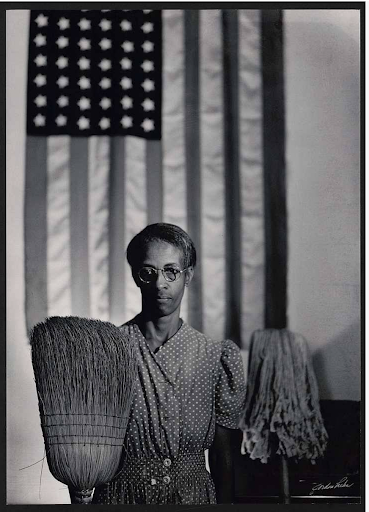
  • The mop and broom wielded by Ella Watson in Gordon Parks’ iconic American Gothic were symbols of both oppression and pride.
  • The hands that built railroads, cleaned schools, and cared for children also wrote poetry, organized unions, and sowed the seeds of cultural flourishing.
  • And that labor, in all its forms, is worthy of honor—not just one day a year, but every day we benefit from its fruits.

To our elders: thank you for your labor, your legacy, and your love. May we carry your example forward with reverence and resolve.

Gordon Parks, American Gothic, Washington, D.C., 1942. Photograph shows Farm Security Administration employee Ella Watson standing with mop and broom in front of American flag. The Gordon Parks Archives in the Library of Congress.
› Back to top
« back
08.14.25 | Uncategorized

Black Genius: Tre Johnson Reclaims Brilliance in the Everyday

Tre Johnson’s newly-published Black Genius: Essays on an American Legacy is a smart‑talking, deeply felt celebration of Black ingenuity that redefines genius for the Sage Collective® audience. Across 30 polished essays, Johnson dives into the daily, the personal, the unexpected—to show us a broader American excellence rooted in Black creativity, survival, resistance, and joy.

The Genius of the Everyday
Johnson opens with a central provocation: “We’re utterly amazing, yet Black folks are… left out of conversations about genius.” Rejecting the narrow focus on recognized luminaries, he instead draws attention to the brilliance embedded in everyday experiences—from his auntie’s weekend bus trips to Atlantic City to the bold designs of ’90s airbrush tees, and the razor‑sharp, profanity‑laced monologues of Dick Gregory. These essays invite readers to ask: is this not genius too?

Cultural Critique with Humor and Heart
Johnson’s writing is chatty, witty, and fiercely observant. He moves fluidly between family reminiscence, pop culture deconstructions, and historical reflection. Whether tracing his uncle’s path from Black Trenton to the University of Pennsylvania in 1977, spotlighting the Odunde festival in Philadelphia, or exploring comic‑book narratives and streetwear trends, Johnson’s voice remains grounded, urgent, and alive.

Depth and Range
What sets Black Genius apart is the thematic cohesion across distinct essays: appropriation and cultural extraction; communal structures and Black Paranoia™ (Johnson’s coined term for racialized surveillance); institutional failure versus grassroots creativity; and generational memory as inheritance and resistance. Published reviews affirm that each piece stands alone, yet the essays build a richer tapestry when read together—“astute and deeply felt,” with “thematic threads” that elevate the collection as a whole.

A Love Letter and a Call to Action
At its heart, the book serves both as a love letter to Black brilliance and a wake‑up call to readers of all backgrounds. Johnson challenges us to expand our definitions of genius beyond metrics, accolades, and dominant culture narratives. In doing so, he invites vigilance about how culture is appropriated, how language is policed, and how Black communities define their own legacies on their own terms.

About Tre Johnson
A Philadelphia native, Tre Johnson is an acclaimed essayist and cultural critic whose work has appeared in The New York Times, Washington Post Magazine, Rolling Stone, and Vanity Fair, among others. Known for his incisive explorations of race, identity, and pop culture, Johnson rose to national prominence with his viral 2020 essay, “When Black People Are in Pain, White People Just Join Book Clubs,” published in The Washington Post. His voice is both intellectually rigorous and emotionally resonant—qualities that have earned him a devoted readership. Black Genius marks his debut as a book author, and it solidifies his place as a leading voice in the contemporary conversation around cultural justice and collective memory.

Final Take for Sage Collective® Readers
Black Genius is perfect for readers seeking thoughtful cultural criticism infused with joy, wit, and ancestral wisdom. It’s a timely riposte to exclusionary narratives—rooting genius in ordinary moments and collective memory rather than mythology. While Johnson’s perspective is steeped in Black American experience, his assertions resonate across culture, race, and academic inquiry.

Some essays close with lingering questions rather than tidy conclusions—fitting for a work that asks readers to continue the conversation rather than just receive it. For those in Sage Collective®’s audience who engage teaching, civic life, or creative work, Johnson’s reframing of intelligence and brilliance offers a powerful toolset.

In short: vibrant, thought‑provoking, and unflinchingly honest, Black Genius is exactly the kind of book you will want to discuss, reference, and carry forward.

Black Genius: Essays on an American Legacy was published by Dutton in July, 2025. You can find it in local libraries, bookstores, and online.

https://www.facebook.com/DuttonPenguin/posts/chatty-yet-profound-black-genius-by-tre-johnson-subverts-expectations-from-the-v/1138186201657053/
› Back to top
« back
08.07.25 | Mental Wellbeing

Joyspan: Measuring Life in Moments, Not Years

At Sage Collective®, we believe that vibrant living isn’t measured solely by how many years we have—but by how fully we live in those years. Just as we talk about lifespan and healthspan, there’s another equally essential, if less frequently named, concept: joyspan.

Joyspan is the measure of how much joy we experience and sustain throughout our lives. It’s not about momentary happiness or fleeting pleasures. It’s about the deep, sustaining joy that comes from meaningful connections, a sense of purpose, curiosity, and the freedom to be our full selves—especially as we age.

Beyond Lifespan and Healthspan
Modern medicine and lifestyle changes have helped extend our lifespan—the number of years we live—and increasingly, our healthspan—the number of those years we live in good health. But neither of those measures captures the richness of human experience. That’s where joyspan comes in.

Joyspan is qualitative, not quantitative. It invites us to ask, Am I making space for joy in my life? What fills me up? What lifts my spirit?

 Joy Matters—Especially As We Age
We live in a world that often underestimates the emotional and creative lives of older adults. There’s a quiet but damaging narrative that says joy belongs to the young. But we know from experience—and from the beautiful lives of those in our communities—that joy can flourish at any age. In fact, many people report a renewed sense of joy in their later years, when priorities shift, distractions fall away, and we’re finally able to savor what matters most.

Joy isn’t frivolous—it’s foundational. Research shows that joy supports mental health, bolsters our immune system, and helps build resilience. It improves relationships, sharpens cognitive function, and even enhances longevity. But beyond the science, joy connects us to our humanity. It allows us to experience gratitude, wonder, and awe.

Cultivating Joyspan: Daily Practices
Unlike lifespan, which is out of our control, joyspan is something we can grow—intentionally and continuously. Here are a few practices we encourage at Sage Collective®:

  • Savor small pleasures: A cup of tea, the bloom of a flower, a warm sunbeam on your shoulder. Joy is often tucked into the ordinary.
  • Stay curious: Explore new interests, revisit old passions, take a class, or start a creative project. Curiosity opens the door to joy.
  • Connect deeply: Spend time with people who see you, love you, and make you laugh. Whether it’s family, friends, or community, joy grows in connection.
  • Practice gratitude: Take a moment each day to reflect on what brings you peace or pleasure. Gratitude enhances awareness of joy.
  • Move your body: Gentle movement, walking, dancing—these are not just physical exercises but expressions of life and aliveness.

A Joyspan Philosophy
At Sage Collective®, we are reimagining aging by prioritizing wellness, creativity, and community. Embracing joyspan means honoring the emotional dimension of wellness. It invites us to be present, to celebrate beauty in the everyday, and to believe that joy doesn’t have to fade—it can deepen.

Our joyspan is not determined by the absence of hardship, but by how often we can return to joy, even amidst challenge. As we age, joy becomes not just a possibility, but a practice. And in that practice, we find hope.

So we invite you to ask yourself—not how many years you’ve lived, or even how many healthy ones—but how much joy you’ve let in. Because joy is not the icing on life—it’s the nourishment that makes life worth living.

› Back to top
« back
07.30.25 | Community

Summer Reads: 6 New Novels by Black Authors

At Sage Collective®, we embrace the power of storytelling to inspire reflection, joy, and connection. Summer offers us a unique opportunity to slow down, seek shade, and stretch our imaginations. Whether you’re traveling or porch-sitting, a beautifully crafted novel can provide both escape and insight.

This season, we’re highlighting six compelling new works from Black authors, featured in The Guardian’s “Summer Sizzlers” list. These books span romance, family drama, queer identity, and cultural critique—offering fresh perspectives that align deeply with our values of vibrant living, cultural appreciation, and lifelong learning.

Here are six page-turners to enrich your summer:

Sweet Heat by Bolu Babalola
A radiant return from the queen of contemporary romcoms. In Sweet Heat, we reunite with Kiki and Malakai—former university lovers—now forced back into each other’s orbit as best man and maid of honor at the same wedding. Babalola masterfully explores how old flames reignite with both warmth and heat. It’s a story about second chances, emotional growth, and the vulnerability of love. For anyone who’s ever wondered what it would be like to revisit the one that got away, this novel will feel at once familiar and electrifying.

Great Black Hope by Rob Franklin
A deeply moving debut that confronts grief, class, and identity. After the death of his roommate, Smith—raised in Atlanta’s Black professional elite—retreats home, only to find solace elusive. Drawn once more into New York’s nightlife and its dangers, Smith’s story offers a searing examination of respectability politics and the myth of affluence as a buffer from pain. With sharp insight and vulnerability, Franklin invites us to consider how societal expectations shape—and sometimes distort—our grief, our choices, and our sense of self.

 Absence by Issa Quincy
A poetic, memory-rich meditation on family and loss. At the center of Quincy’s lyrical novel is a poem, shared between mother and son, that echoes across a lifetime. As letters, memories, and ghosts surface, the narrator reconstructs a life shaped by absence and fleeting connections. Quincy writes with a haunting clarity, reminiscent of Teju Cole and Rachel Cusk. This is a novel for lovers of introspective fiction—an invitation to sit with the quiet echoes of our past.

Necessary Fiction by Eloghosa Osunde
Set in Lagos, this vibrant and necessary novel explores queer identity, chosen family, and survival in a city of contradictions. Osunde, celebrated for Vagabonds!, captures the kinetic energy of a metropolis where art, struggle, and love intermingle. Through richly drawn characters navigating sexuality, spirituality, and resilience, Necessary Fiction reveals how imagination becomes essential to survival. Osunde’s storytelling is radical, affirming, and achingly beautiful.

The Catch by Yrsa Daley-Ward
Daley-Ward’s literary thriller blends family mystery with lyrical elegance. After the disappearance of their mother, twin sisters Clara and Dempsey have lived in emotional limbo. Years later, a chance sighting of a woman who looks exactly like their mother disrupts their fragile stability. Is Serene a stranger—or the return of a ghost? The Catch is an arresting exploration of grief, estrangement, and the unknowable spaces within families. With Daley-Ward’s poetic precision, each page is loaded with suspense and grace.

Sunstruck by William Rayfet Hunte
A queer summer romance meets class critique in this dazzling debut. When a mixed-heritage university student falls for his friend’s wealthy brother, he’s pulled into a sun-drenched world of affluence and allure—only to find himself disoriented by race and class tension. Set between the south of France and Notting Hill, Sunstruck captures the intoxicating thrill of desire and the ache of cultural dislocation. Smart, sexy, and psychologically astute, this novel is a beach read with bite.

From Beach Bags to Book Clubs
At Sage Collective®, we see summer reading as an act of vibrant engagement with the world around us. These six novels illuminate personal transformation, cultural identity, and the power of language to heal and stir. As you savor this season’s warmth, we invite you to dive into these powerful stories—and let them move, challenge, and inspire you.

Book selections sourced from The Guardian’s “Summer Sizzlers: Six Must-Read Books by Black Authors”.

Credit: Anne Adrian on Flickr Creative Commons (https://www.flickr.com/photos/aafromaa/3003188568). Licensed under CC BY 2.0 (https://creativecommons.org/licenses/by/2.0/deed.en)
› Back to top
« back
07.24.25 | Community

The Healing Power of Sunlight: Embracing the Outdoors for Body and Spirit

At Sage Collective®, we believe that vibrant living is rooted in the rhythms of nature—sunlight, fresh air, and the nourishing presence of the outdoors. Especially in the summertime, the sun offers more than just warmth; it provides a vital boost to our physical, emotional, and spiritual well-being. For older adults seeking to age with grace and intention, sunlight is a powerful (and free) source of renewal.

This season, we invite you to soak it in—mindfully, safely, and with joy.

Why Sunlight Matters
Sunlight triggers the production of vitamin D, which is crucial for bone health, immune function, and reducing inflammation in the body. Many older adults experience low levels of vitamin D, especially those with limited mobility or access to the outdoors. Even just 10–15 minutes of sunlight on your hands, face, or arms a few times a week can help maintain healthy levels.

Beyond the physical, sunlight also helps regulate our circadian rhythms—the body’s internal clock that controls sleep and wake cycles. Exposure to natural light during the day can lead to better sleep at night, improved mood, and increased mental clarity. It’s no coincidence that spending time outside feels like a natural “reset.”

A Mood Booster and a Mind Opener
In addition to its physical benefits, sunlight is a natural antidepressant. Sunlight exposure increases serotonin, the brain chemical associated with elevated mood and calm focus. This is especially meaningful for older adults, who may sometimes experience loneliness, grief, or seasonal changes in mood.

And while sunshine can brighten your day, being outdoors invites something deeper: a chance to pause and reconnect with your spirit. Whether it’s listening to birdsong, watching the wind rustle through leaves, or simply feeling the warmth of the sun on your skin, being present in nature reminds us that we are alive, connected, and growing—no matter our age.

Embrace the Outdoors, Your Way
You don’t need to go on a hike or spend all day outside to benefit from the healing power of sunlight. Small, intentional steps can create big shifts. Here are a few suggestions:

  • Porch Sitting: Whether it’s a sunny stoop, a garden bench, or a folding chair on the sidewalk, porch sitting offers community, reflection, and sunshine—all at once.
  • Morning Light Ritual: Open the curtains as soon as you wake up, or step outside with your coffee for 10 quiet minutes. Starting the day with sunlight helps set your internal clock and creates a calm, grounded beginning.
  • Walking Breaks: A short walk in your neighborhood or nearby park gives your body gentle movement and your eyes a much-needed break from screens.
  • Grounding Practices: Try standing barefoot in the grass or resting your hands on a tree. These sensory experiences bring your awareness into the present and can lower stress levels.
  • Sun-Safe Habits: Use sunscreen, wear a wide-brimmed hat, and protect your skin during peak hours (10 a.m. – 4 p.m.). Even filtered light through a window can be nourishing!

Let the Light In
At Sage Collective®, we see sunlight as both a symbol and a source of life—it represents growth, clarity, warmth, and the deep truth that we are always in a process of renewal. In our journey of aging, the goal is not to shrink away from life’s light but to stand in it. To bask in it. To share it with others.

So this summer, open the door, find a spot that brings you peace, and let the sun kiss your face. You’ve earned it.

› Back to top