« back
02.14.24 | Arts & Culture

Embracing the Art of Haiku: A Window into Mindfulness and Creativity

At Sage Collective, we appreciate the power of expression in its many forms, and one of the most enchanting and accessible forms of poetic expression is haiku. Originating in Japan in the 17th century, haiku is a brief, structured form of poetry that offers a window into the world of mindfulness, simplicity, and the beauty of the present moment.

The Essence of Haiku

Traditional haiku is a three-line poem with a 5-7-5 syllable structure, often focusing on images from nature and emphasizing clarity, intensity, and directness of expression. This poetic form is more than just a set of rules; it’s an invitation to pause and observe the world around us, to capture a fleeting moment in a few simple words.
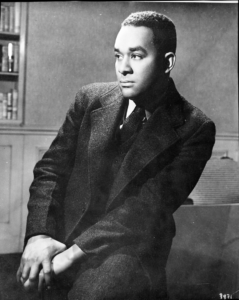
Richard Wright
Farm Security Administration – Office of War Information Photograph Collection (Library of Congress)

Contemporary haiku, while still rooted in the traditional form and essence of Japanese haiku, often explores a broader range of themes beyond the natural world, including urban life, human emotions, and social commentary. In fact, one of the greatest practitioners of contemporary haiku was the legendary novelist and short story writer, Richard Wright. In the last two years of his life, Wright, best known for seminal works like Native Son (1940) and his autobiography, Black Boy (1945), turned his artistic expression to the haiku form, writing nearly 4,000 poems. A magnificent collection of 817 of Wright’s haiku was published in 1998 entitled, Haiku: The Other World.

These contemporary haikus reflect the evolution of the form, embracing a wide array of subjects and emotions while maintaining the essence of haiku — capturing a moment, feeling, or thought with depth and clarity. Wright’s works honor the tradition by conveying powerful images and insights in just a few words, demonstrating the enduring appeal and adaptability of haiku poetry.

Haiku as a Mindful, Creative Exercise

For us, especially as we embrace the golden years, writing haiku can be a meditative and insightful practice. It encourages us to slow down and notice the small details of our environment — the dew on a leaf, the play of light and shadow, or the quiet stillness of the early morning. In focusing on these details, we engage in mindfulness, which can enhance our mental clarity and emotional balance.

Despite its apparent simplicity, crafting a haiku can be a delightful creative challenge. It pushes us to distill our thoughts and feelings into their purest form, to find the essence of an experience or emotion in just a few words. This creative process can be incredibly rewarding, offering a sense of accomplishment and joy in our ability to capture the beauty of the ordinary.

Sharing and Connecting Through Haiku

Haiku writing can also be a means of connecting with others. Sharing our haiku with friends, family, or within a community group can spark conversations, forge bonds, and offer insights into each other’s perspectives. It’s a way to communicate deeply felt experiences in a concise and poignant manner.

Embarking on the journey of writing haiku is simple:

  • Start by observing your surroundings or reflecting on a recent experience.
  • Focus on sensory details and the emotions they evoke.
  • Experiment with the 5-7-5 syllable structure, but don’t feel bound by it. The essence of haiku lies in capturing a moment or feeling.

Embracing the Art of Haiku

In the art of writing haiku, we find a blend of mindfulness, creativity, and connection. As a form of expression accessible to everyone, it holds a special place in the world of poetry. We encourage you to try your hand at this beautiful, contemplative practice and discover the joy and tranquility it can bring into your life.
Embracing the Art of Hailu
› Back to top
« back
02.08.24 | Sage Advice®

The Art of Storytelling: Langston Hughes

In our continuing series on “The Art of Storytelling,” we’ve journeyed through the narratives of luminaries who’ve masterfully woven the fabric of their experiences, cultures, and imaginations into storytelling. It’s an honor to now delve into the legacy of Langston Hughes, a pivotal figure whose poetic voice became a cornerstone of the Harlem Renaissance and a beacon for the African American experience.

Langston Hughes: A Storyteller’s Storyteller
Langston Hughes was a towering figure in American literature, known for his prolific output and for the depth and breadth of his influence. He rose in prominence during the period known as the Harlem Renaissance — the emergence of black intellectual, literary, and artistic life that took place in the 1920s across urban America, particularly in Harlem. He focused on lived experience as the basis for his unique storytelling, resulting in a vibrant tapestry of jazz rhythms, social commentary, and a profound exploration of the human condition. Hughes had the unique ability to distill complex emotions and societal truths into accessible poetry, stories, and plays, making him a true artisan of the narrative form.

Embracing the Human Experience
Hughes’s storytelling was deeply rooted in the African American experience, capturing its joys, sorrows, and resilient spirit. He celebrated black culture in his work, took a defiant stance against racial injustice, and shared a heartfelt portrayal of the everyday lives of black Americans. Through his famous jazz poetry, Hughes incorporated the rhythms and improvisations of jazz music, creating a dynamic and immersive narrative style that resonated with a wide audience.

The Power of Simplicity
Hughes used simple, yet profound language when he wrote, which became one of the hallmarks of his storytelling style. He believed that the power of clarity and accessibility would enable his stories and poems to speak directly to the heart. This simplicity was one of his greatest strengths, allowing him to convey deep emotions and complex societal critiques in a way that was both relatable and moving.

His approach to message, language, and cadence are powerfully rendered in the poem entitled, “I, Too,” which was published in Hughes’ first volume of poetry, The Weary Blues in 1926. To read this poem, and other examples of Hughes’ work, visit the Poetry Foundation.

Legacy and Inspiration
Langston Hughes’s legacy is a testament to the enduring power of storytelling to effect change, build community, and celebrate culture. His work continues to inspire new generations of storytellers, poets, and artists who see in Hughes a model for using narrative as a tool for social commentary, cultural affirmation, and personal expression.

For us at Sage Collective, Hughes’s storytelling is a reminder of the profound impact that stories can have on our understanding of ourselves and each other. His life and work encourage us to explore our own narratives, to find beauty in our experiences, and to share our stories with the world.

Inr Langston Hughes’ work, we are reminded of the transformative power of storytelling. His ability to capture the essence of the human spirit, to challenge societal norms, and to celebrate the richness of the African American experience is a beacon for all who believe in the power of words to shape our world.

Let us take inspiration from Hughes’s example, weaving our own stories with honesty, empathy, and a deep appreciation for the diverse tapestry of human life.

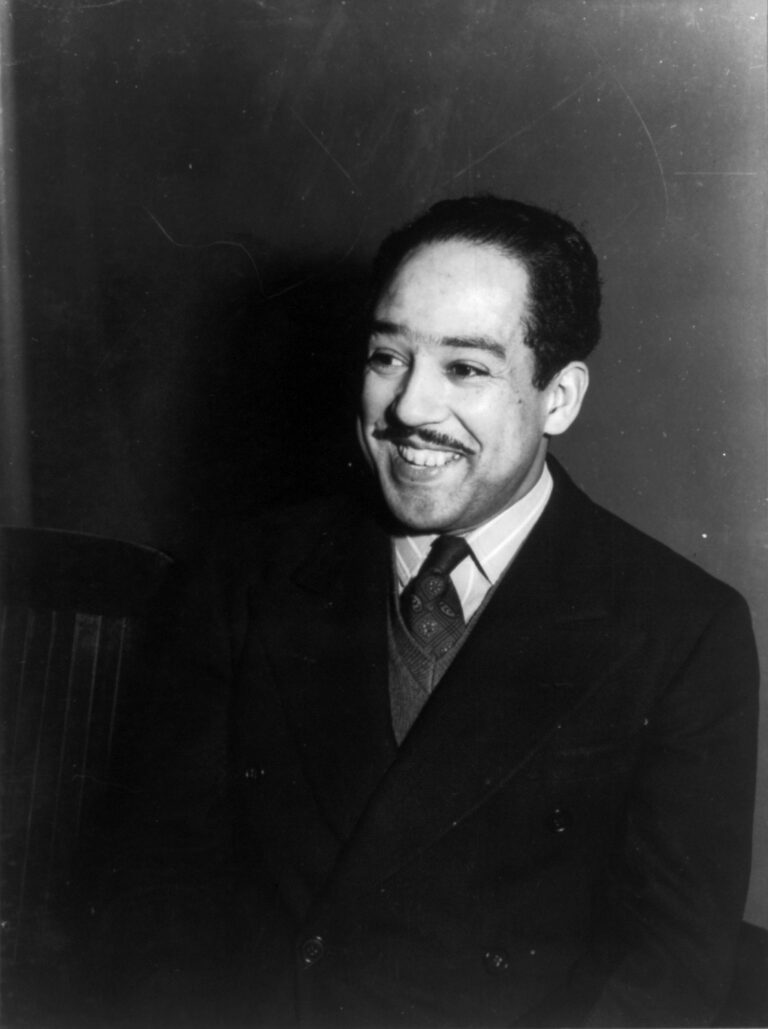
Langston Hughes by Jack Delano, 1942
Portrait of Langston Hughes by Jack Delano, 1942. Library of Congress, Prints and Photographs Collections.
› Back to top
« back
01.31.24 | Sage Advice®

Celebrating African American Artistry: ASALH’s 2024 Black History Month Theme “African Americans and the Arts”

At Sage Collective, we share a deep appreciation for the cultural traditions that have shaped African American life. So, as we step into Black History Month this year, the Association for the Study of African American Life and History (ASALH) has aptly chosen the theme “African Americans and the Arts.” This theme offers us a profound opportunity to delve into the rich tapestry of African American artistic contributions, encompassing an virtually-endless array of cultural expressions.

African American art, as highlighted by ASALH, is a vibrant fusion of African, Caribbean, and Black American experiences. This artistry is evident across various domains including visual and performing arts, literature, fashion, folklore, language, film, music, architecture, and culinary arts. Significantly, African American artists have consistently utilized their craft to preserve history, community memory, and empower themselves and others.

The journey of African American art has been shaped by various artistic and cultural movements like the New Negro, Black Arts, Black Renaissance, hip-hop, and Afrofuturism. These movements, predominantly led by people of African descent, have not only shaped popular trends globally but have also set a standard in the artistic world.

Historically, Western intellectuals often overlooked or minimized African contributions to the arts. However, the resilience and continuity of Black art production remain evident, stretching from ancient Egypt across Africa and Europe to the New World. The sweetgrass baskets made by enslaved Africans in the Lowcountry, for example, demonstrate a 300-year tradition of visual artistry through craft.


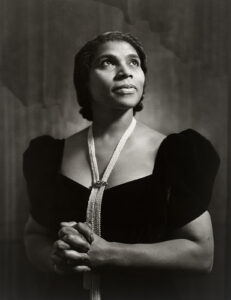
Photo-of-Marian-Anderson
Photo of Marian Anderson, 1945. Gelatin silver print. National Portrait Gallery, Smithsonian Institution; gift of Estrellita Karsh in memory of Yousuf Karsh. © Estate of Yousuf Karsh.
 

Music has been a significant avenue of expression, with the spirituals born from the suffering of bondage marking America’s first contribution to this art form. Blues musicians like Robert Johnson, McKinley ‘Muddy Waters’ Morganfield, and Riley “BB” King laid the foundation for many evolving music genres. Literature also boasts significant contributions from African Americans, with works from poets like Phillis Wheatley and novelists such as David Walker and Maria Stewart.

The 1920s and 30s saw the rise of the Black Renaissance and New Negro Movement, bringing Black Arts to an international audience. Figures such as James Reese Europe, Langston Hughes, Josephine Baker, and Lois Mailou Jones played pivotal roles in introducing Black culture and aesthetics to the world. This period recognized the contributions of Black artists in cities like Harlem, Los Angeles, Chicago, and New Orleans.

The 1960s’ Black Arts Movement continued this legacy, addressing issues like heritage pride and establishing platforms for Black artists through galleries, museum exhibitions, and publications. This era saw artists like Alvin Ailey, Judith Jamison, Amiri Baraka, Nikki Giovanni, and Sonia Sanchez come to the forefront.

In 1973, hip-hop emerged in the Bronx as a new genre of music, defined by its five foundational elements. Artists like DJ Kool Herc and Coke La Rock used technology to create a style that has since been a critical voice in political, social, and cultural discourses.


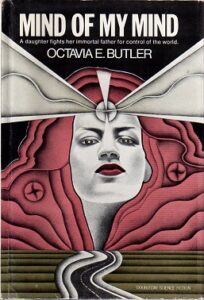
Mind-of-My-Mind-by-Olivia-Butler-Cover-Art
Photo of book cover, Mind of My Mind, by Octavia Butler. Originally published 1977. Credit: Wikipedia

Afrofuturism, a term coined about 30 years ago, represents cultural and artistic productions that envision a future for Black people free from oppression, blending Black history with science and technology. This movement includes artists like Sun Ra, Rashan Roland Kirk, Janelle Monáe, and Jimi Hendrix, writers like Octavia Butler, and films like Marvel’s Black Panther.

ASALH’s dedication of the 2024 theme to “African Americans and the Arts” invites us to celebrate the entirety of African American history in the arts. This commemoration not only honors the past and present contributions but also anticipates the continued impact and evolution of African American artistry in the 21st century and beyond.

Carmen-de-Lavallade-Bruce-Langhorne-Alvin-Ailey-_-Brother-John-Sellers-in-Alvin-Ailey-s-Roots-of-the-Blues
Credit: Carmen de Lavallade, Bruce Langhome, Alvin Ailey, and Brother John Sellers in Alvin Ailey’s Roots of the Blues. Photo by Jack Mitchell. ©Alvin Ailey Dance Foundation Inc. and Smithsonian Institution.
› Back to top
« back
01.17.24 | Arts & Culture

Celebrating National Hobby Month: Rediscovering Passion and Purpose

As we settle into National Hobby Month, it’s a wonderful time for us at Sage Collective to reflect on the joys and benefits that hobbies bring into our lives, particularly in our later years. Hobbies, whether old passions revisited or new interests explored, are not just leisure activities; they are vital components of vibrant living.

Many of us have hobbies that we once cherished but set aside due to the demands of career or family. National Hobby Month offers the perfect opportunity to reignite those past passions. It could be picking up a paintbrush after years, strumming a guitar, or dusting off a collection. These activities are more than just nostalgic; they reconnect us with parts of ourselves that we may have forgotten and provide a deep sense of fulfillment.

Exploring new hobbies is equally exciting. It’s about stepping out of our comfort zones and embracing the thrill of learning. Consider diving into activities like birdwatching or joyspotting, which connects us with nature, or photography, capturing moments and scenes that speak to us. These hobbies aren’t just pastimes; they’re gateways to new experiences and knowledge.

The link between hobbies and wellness is undeniable. Activities like gardening offer both physical exercise and the satisfaction of nurturing life. Creative pursuits like knitting or quilting can be meditative and relaxing. Engaging in such hobbies helps maintain mental agility and emotional balance, key aspects of our overall health.

Hobbies have the power to bring people together. Joining a book club, a walking group, or a cooking class opens avenues for socialization and community building.These shared interests foster connections, combat loneliness, and enrich our social lives. They remind us that at any stage of life, we can find kindred spirits and form meaningful relationships.

One of the beautiful aspects of hobbies is their role in lifelong learning. Whether it’s mastering a new recipe, learning to play a musical instrument, or speaking a new language, each hobby challenges our minds and keeps us intellectually engaged. This continual learning process is a cornerstone of vibrant living, keeping our minds sharp and spirits high.

As we celebrate National Hobby Month, let’s embrace the various ways in which hobbies enrich our lives. They are not just activities to pass time; they are pathways to joy, wellness, and deeper connections. This month, we encourage you to revisit an old hobby or embark on a new journey of discovery. Remember, each hobby you engage in is a testament to your ever-evolving story and a celebration of your zest for life.

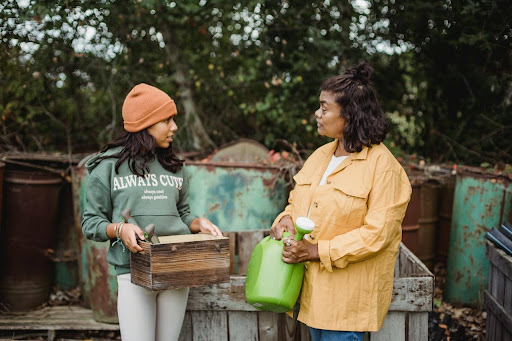
Credit to Pexels
› Back to top
« back
12.21.23 | Sage Advice®

The Art of Storytelling: Ava DuVernay

In our celebration of the art of storytelling, it’s impossible to overlook the profound impact of Ava DuVernay, a filmmaker who has redefined the landscape of American cinema. At Sage Collective, we not only appreciate storytelling in its traditional forms but also how it transcends into different mediums, like film, to evoke emotion, inspire change, and challenge perspectives.

Ava DuVernay, an American filmmaker, and director, has become a household name, known for her powerful storytelling that often centers on social issues, particularly those affecting the Black community. Her work is a testament to the power of film as a medium for storytelling, shedding light on pivotal but often overlooked aspects of history and contemporary society.

DuVernay’s journey in the film industry is one of resilience and perseverance. Initially working as a publicist, DuVernay transitioned into writing, producing, and directing. Her early works set the stage for what would become a career marked by impactful storytelling. It was her second feature film, “Middle of Nowhere,” that won her the Best Director Prize at the Sundance Film Festival in 2012, making her the first Black woman to win this award.

One of DuVernay’s most notable works is “Selma” (2014), a historical drama about the 1965 Selma to Montgomery voting rights marches led by Martin Luther King Jr. and other prominent figures. The film was not just a retelling of history; it was a resonant, powerful piece that connected past struggles to contemporary social issues.

Another significant work is the documentary “13th” (2016), which explored the intersection of race, justice, and mass incarceration in the United States. Through this documentary, DuVernay brought to light how inequality and racial injustice have been systematically embedded into the fabric of American society.

DuVernay’s work extends beyond the screen. She has been instrumental in advocating for diversity and inclusion in Hollywood, both in front of and behind the camera. Her commitment to these causes is evident in her work with ARRAY, a film collective dedicated to amplifying the voices of people of color and women filmmakers.

Ava DuVernay’s approach to storytelling aligns with the core values we hold dear at Sage Collective. Her work reminds us that stories have the power to effect change, connect us, and deepen our understanding of the human experience. DuVernay’s artistry in film inspires us to look at stories not just as a form of entertainment, but as a vehicle for enlightenment, empathy, and empowerment.

Ava DuVernay
Ava DuVernay
› Back to top
« back
10.26.23 | Sage Advice®

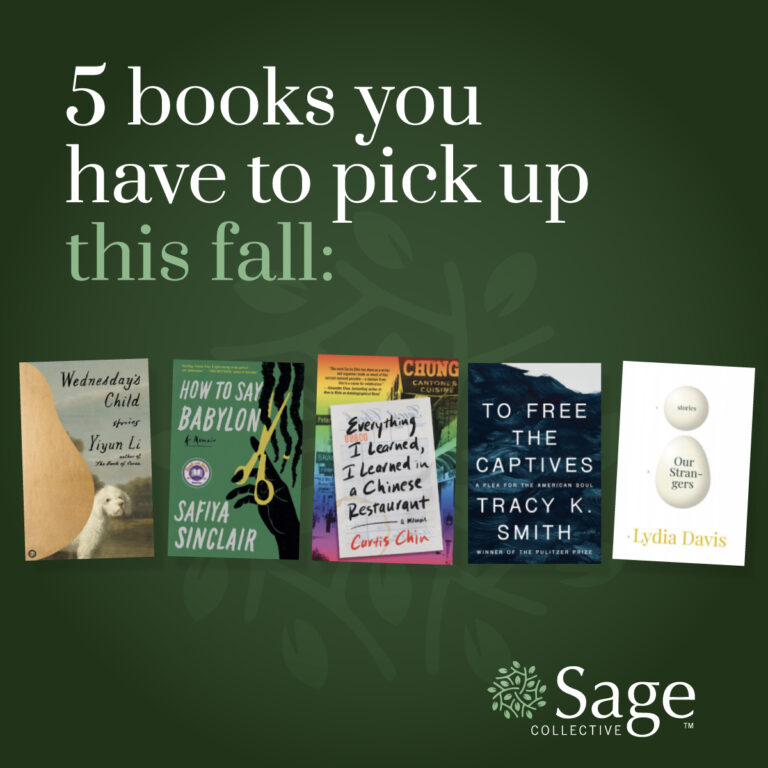
5 More Books You Have to Read This Fall

With autumn back again, there’s no better time to dive back into the art of reading. Last year, we recommended 5 books to enhance your fall reading, and this time around, we’re back with five more. Our selection this season includes captivating memoirs, enthralling collections of stories, and thought-provoking manifestos. These literary treasures are your passport to new worlds, fresh perspectives, and endless inspiration. So, let’s dive into this season’s must-reads:

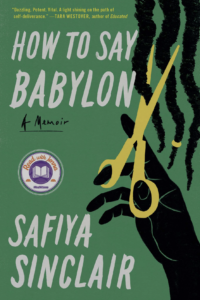
How to Say Babylon, Safiya Sinclair

How to Say Babylon, Safiya Sinclair

Found on nearly everyone’s fall book list, How to Say Babylon is a story that resonates deeply with our values at Sage Collective. Sinclair’s memoir illustrates a powerful story of a young Jamaican girl, who, even through a life of strict abuse, discovers her voice and the power of sharing her story. For anyone who loves a tale of liberation and one rich in moving storytelling, this is the book for you.

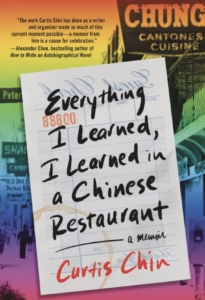
Everything I Learned, I Learned in a Chinese Restaurant, Curtis Chin

Everything I Learned, I Learned in a Chinese Restaurant, Curtis Chin

In another recently acclaimed memoir, Curtis Chin shares his experience growing up as a gay Chinese American in 1980’s Detroit. The memoir is filled with laughs, heartfelt moments and vivid memories of Chin’s past. For anyone who holds an appreciation to the community around them and belief in its power to shape us throughout life, this should be at the top of your list. 

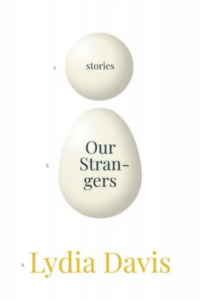
Our Strangers: Stories, Lydia Davis

Our Strangers: Stories, Lydia Davis

Author Lydia Davis’ latest collection of short fiction stories poetically explores a variety of topics from marriage to what we put in our coffee. Anyone who loves the ability to revisit the same story a handful of times and with each time, coming out with a new perspective will appreciate Our Strangers: Stories. And in a move to support small businesses, the book is only available to purchase form online independent retailers and bookstores. 

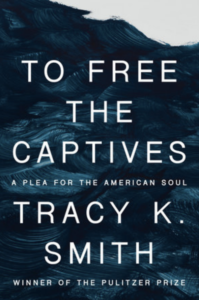
To Free The Captives, Tracy K. Smith

To Free The Captives, Tracy K. Smith

Smith bluntly shares her views on where the state of the Nation is in her latest novel. Exploring every topic from the pandemic and Black Lives Matter movement in 2020 to her own experience as a Black woman, mother and educator in the 21st century, she presents a manifesto on how our country could come to a new, shared perspective of recent history. 

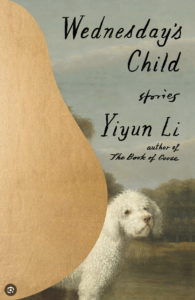
Wednesday’s Child, Yiyun Li

Wednesday’s Child, Yiyun Li

Award winning Author, Yiyun Li explores the unexplainable feelings of aging, alienation and grief in her latest collection of stories. Each piece, previously published as singular works by The New Yorker, Zoetrope and other publications over a span of a decade, shares a different perspective on the cost of living. 

Whether you prefer reading alone, with a companion or in a book club, don’t hesitate to pick one or two of these books up for yourself this fall. You can find them at your neighborhood libraries, local bookstore or online. And as with all good reads, spread the word to friends and family when you finish a book you really love!

› Back to top
« back
10.12.23 | Sage Advice®

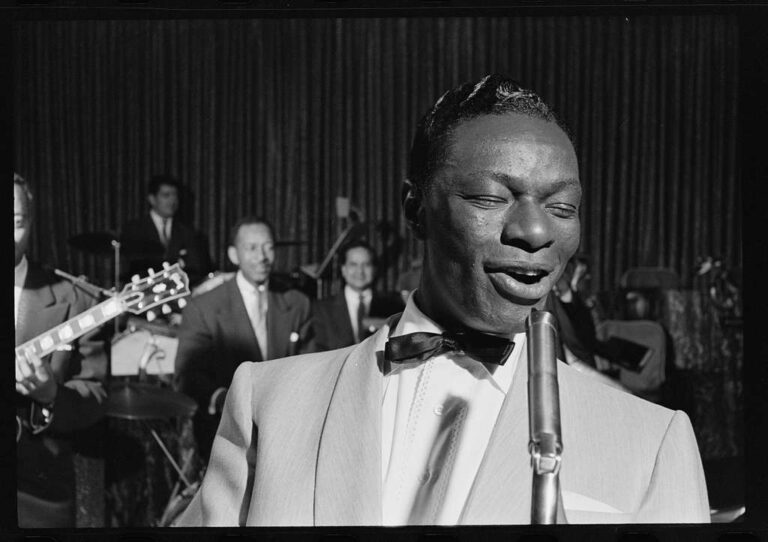
The Art of Storytelling: Nat King Cole

At Sage Collective, we’re all about the stories that shape our lives, and when an artist like Nat King Cole pours his heart into his music, it’s impossible not to be drawn in. Cole, with his smooth voice and heartfelt storytelling, teaches us invaluable lessons in the art of expression.

Cole’s storytelling prowess comes from a place of genuine authenticity. Take his iconic song “Unforgettable,” for instance. It’s not just a love song; it’s a moving tale of love’s enduring power. It’s a reminder that the most potent storytelling springs from the heart, conveying the raw, unfiltered truth of our experiences.

One thing that sets Cole apart is his ability to turn personal stories into something universal. Whether he’s singing about love, heartbreak, or everyday life, his songs resonate with people from all walks of life. Cole shows us the magic of finding the threads that connect our individual experiences to the larger tapestry of humanity.

While Amanda Gorman uses poetry, Cole does it through music. His songs like “Mona Lisa” and “The Christmas Song” enchant with their rhythms and reflective lyrics. When sharing your own story, consider adding a touch of the poetic. It’s not about composing verses but using language in an artful way to add depth and emotion to your narrative, just as Cole did with his timeless melodies.

Nat King Cole’s work isn’t just about beautiful music; it’s about stories that make a difference. Songs like “Nature Boy” and “Smile” carry messages of love, empathy, and hope. These narratives aren’t relics of the past; they’re catalysts for inspiring change. Cole teaches us that our stories can foster empathy, understanding, and action. Through storytelling, you too can inspire others and ignite transformation, just as he did with his timeless classics.

Exploring storytelling through Nat King Cole’s music reveals narratives that capture the essence of the human experience. Taking a page from his book, let’s believe that our stories, told with authenticity and purpose, have the potential to touch and change lives, just as his music has done for generations.

› Back to top
« back
10.05.23 | Sage Advice®

Understanding the Tradition of Walking Moai

We’ve all felt it: the comforting presence of a friend beside us, turning a regular walk into something special. That burst of laughter, that shared secret, or that debate over the best coffee shop in town. Now, imagine multiplying that by a few more friends, all walking together, with a shared sense of purpose. That’s the magic of a Walking Moai.

Originating from Okinawa, Japan, the term “moai” translates to a heartwarming “meeting for a common purpose”. It’s more than just hanging out – it’s about belonging to a tribe, each step echoing with shared dreams and aspirations. And when it comes to walking, this sense of unity turns every journey into a festival of memories.

And it’s not just about the fun moments. When we walk with our pals, we’re not just burning calories, we’re sparking joy. A study from 2020 whispered a sweet secret: walking with friends makes you healthier, happier, and more motivated. It’s as if our bodies and minds instinctively know: life’s better when we’re together.

In today’s world, where loneliness sometimes sneaks up on us, Walking Moais are like a warm hug. They’re more than just a group – they’re a family. A circle where shared stories replace solitude and laughter keeps away the blues.

What’s even more magical is the transformation that happens when we walk, talk, and dream together. Those in the known “blue zones” have shown us the way. Walking isn’t just about movement; it’s about connecting, feeling, and living. A quick stroll can chase away stress, and brainstorming on the go? That’s where the best ideas are born!

So next time you’re lacing up your shoes, consider inviting a friend or two. Walk, chat, dream, and discover the world through the wonderful rhythm of shared footsteps. Whether you’re chasing health goals, seeking heartfelt conversations, or simply wanting a break from the daily grind – your tribe, your Walking Moai, awaits.

› Back to top
« back
09.28.23 | Arts & Culture

Who Said Playtime Is Only For Kids?

From building sandcastles to playing hopscotch, every day was an adventure as kids. But as we grew up, responsibilities piled up, and the word ‘play’ somehow took a backseat. However, diving into recent research, we’re led to a revelation: Maybe it’s high time we adults introduce play back into our daily lives for better mental health and happiness.

The Transformative Power of Play

The act of playing, it turns out, isn’t just child’s play. It’s a profound tool that can transform our well-being. Engaging in playful activities has the potential to boost creativity, alleviate stress, and elevate our mood. It’s a reminder that joyspotting doesn’t have an age limit.

Engaging in play can also aid in cognitive functions. Just as children use play to understand the world, adults can use it to sharpen their minds, enhance problem-solving skills, and even foster better relationships with others. When we laugh, play, and engage in light-hearted competition, we break barriers, build trust, and foster camaraderie.

Reclaiming Your Playful Spirit with Vibrant Living

Our Vibrant Living program at Sage Collective recognizes the essence of holistic well-being. It’s not just about maintaining our physical health; it’s about nurturing our emotional and mental well-being. Embracing play and playful activities is aligned with this ethos, promoting not just life, but a life lived to its fullest.

So, how do you reintroduce play into your life? You don’t need a playground or toys. Playing for adults could mean trying out a new hobby, dancing whenever and wherever, joining a recreational sports league, or simply engaging in light-hearted banter with friends.

In the whirlwind of responsibilities and deadlines, it’s easy to dismiss play as frivolous. But as research suggests, it might be one of the simplest yet profound ways to infuse joy into our lives. Rediscover the magic of play. In doing so, you won’t just be rejoicing in the moment, but rejuvenating your soul. After all, why should kids have all the fun?

Who Said Playtime Is Only For Kids?
› Back to top
« back
08.10.23 | Arts & Culture

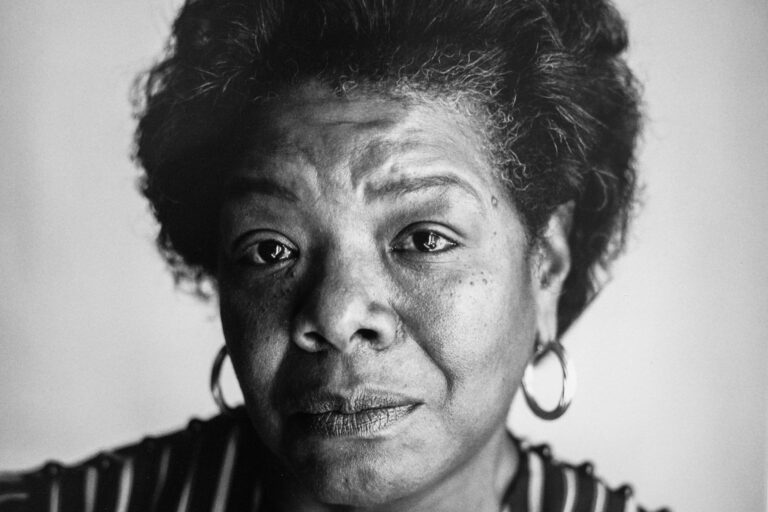
The Art of Storytelling: Maya Angelou

At Sage Collective, we hold dear the voices that share tales of human spirit, challenges, and victories. Among these, Maya Angelou stands tall, with her stories resonating through time, offering glimpses of her life and the wider journey. Through Angelou, we gain a fresh perspective on the art of storytelling.

Bearing Witness to Life’s Highs and Lows

Like Gorman, the power of Angelou’s tales comes from her genuine honesty. “I Know Why the Caged Bird Sings,” tells of the difficulties she faced, from facing prejudice to personal pain. Yet, she chose to openly share, lighting the way for countless silent stories. By sharing her struggles, she magnifies her successes, showing us that every part of our journey matters. Every story, whether personal or broad, has a universal echo. Through Angelou, we connect with emotions and experiences that touch hearts worldwide.

A Dance of Words and Rhythm

Angelou’s writing draws us in, but her poetry is where her words truly dance. Poems like “Still I Rise” and “Phenomenal Woman” enchant with their rhythmic flow and uplifting messages. When shaping your story, let Angelou inspire you. Fill your narrative with rhythm and emotion, creating an experience rather than just a tale.

Driving Forward With Purpose

A defining trait of Angelou’s work is its clear intent. She didn’t just share life moments; she shared lessons. “Still I Rise” isn’t just her journey—it’s a rallying cry for the oppressed. She shows that stories can do more than entertain; they can ignite change. When you write, know that your words have the power to move hearts and minds.

Lessons from Angelou on Storytelling

Angelou’s storytelling imparts wisdom beyond the narrative. She teaches us the importance of authenticity—stories need to come from a place of truth. She reminds us to embrace both pain and joy, as both are essential parts of the human experience. Moreover, her work emphasizes the need for stories to have a purpose, a message that drives them forward.

In wrapping up, exploring storytelling through Angelou’s eyes reveals tales that mirror shared hopes, challenges, and dreams. Taking a leaf from her book, let’s believe that our stories, grounded in truth and purpose, can touch and change lives.

› Back to top