The Growing Season: Cultivating Health, Connection, and Renewal
As late spring opens into early summer, the world seems to invite us outside. The days grow longer, the soil warms, and gardens begin to take shape in window boxes, raised beds, community plots, balconies, and backyards. For many people, gardening is a seasonal pleasure. But it can also be something more: a meaningful practice of vibrant living.
At Sage Collective®, we believe vibrant living is rooted in the everyday choices that help us stay engaged with our bodies, minds, communities, and sense of purpose. Gardening touches each of these dimensions. It asks us to move, observe, nurture, wait, and begin again. It connects us to the rhythms of nature while offering tangible benefits for physical, mental, and emotional well-being.
Movement with Meaning
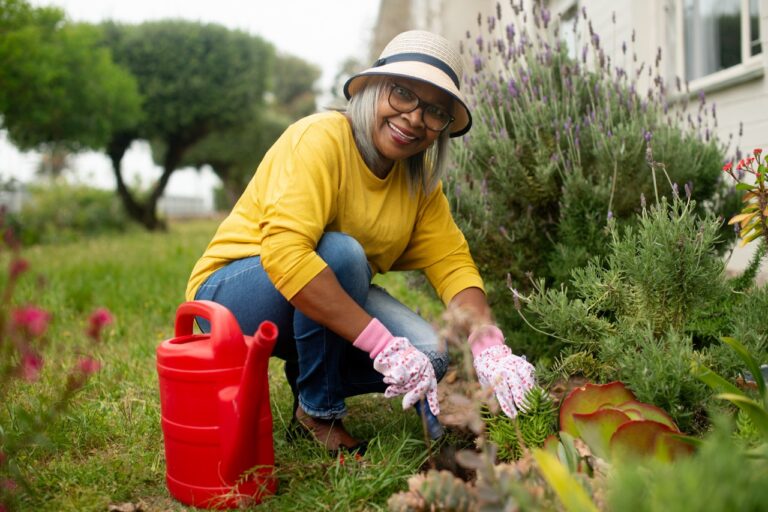
Gardening is a form of physical activity, but it rarely feels like exercise in the traditional sense. Planting, watering, pruning, raking, digging, carrying soil, and harvesting all invite the body into gentle, purposeful movement. For older adults, these actions can help support mobility, flexibility, strength, and balance.
The Centers for Disease Control & Prevention recommends that adults 65 and older aim for at least 150 minutes of moderate-intensity aerobic activity each week, along with muscle-strengthening and balance-supporting activities. Gardening can be one accessible way to add more movement into the week, especially because it can be adapted to a person’s energy level, mobility, and environment.
Raised beds, container gardens, kneeling benches, lightweight tools, and shaded work areas can make gardening more comfortable and accessible. Even a few minutes of tending herbs on a patio or watering flowers near a window can become part of a steady rhythm of care.
A Natural Boost for Mental Well-Being
Gardening also offers benefits for the mind. A 2017 meta-analysis found that gardening was associated with reductions in depression, anxiety, and body mass index, as well as increases in life satisfaction, quality of life, and sense of community.
Part of gardening’s power may come from the way it combines movement, fresh air, sensory engagement, and routine. The scent of basil, the feel of soil, the color of a new bloom, or the satisfaction of seeing a seedling take root can bring attention into the present moment. Gardening encourages us to slow down and notice small changes over time.
That kind of noticing can be restorative. In a world that often moves quickly, the garden reminds us that growth happens gradually. It asks for patience, care, and trust.
Purpose, Responsibility, and Joy
One of the most meaningful benefits of gardening is the sense of purpose it can provide. A review of research on home and community gardening among older adults found that gardening offered opportunities for connection with nature, productive activity, environmental care, and the responsibility of nurturing living things.
That responsibility matters. To tend a garden is to know that something depends on your attention. A plant needs watering. A tomato vine needs support. A flower bed needs weeding. These small acts create structure and meaning, especially during seasons of transition, retirement, or shifting routines.
Gardening also offers the joy of visible progress. A bare patch of soil becomes green. A small sprout becomes a meal. A forgotten corner becomes a place of beauty. These transformations can remind us that renewal remains possible at every age.
Connection in the Garden
Gardening can be deeply personal, but it can also be social. Community gardens, neighborhood planting days, shared herb pots, and informal conversations over fences all create opportunities for connection. Research on gardening and well-being has noted its relationship to social connectedness and community cohesion.
For older adults, these connections are especially valuable. A garden can become a place to exchange stories, seeds, recipes, advice, and encouragement. It can bring generations together, as grandparents teach children how to plant, harvest, and care for the natural world. In this way, gardening becomes more than a hobby. It becomes a bridge.
Growing Into Vibrant Living
The beauty of gardening is that it does not require perfection. A garden can be large or small, carefully designed or delightfully improvised. It can produce vegetables, flowers, herbs, or simply a few moments of peace. What also matters is the act of engagement it offers.
As we head into the prime months of late spring, gardening offers a gentle invitation to step outside, use the body, quiet the mind, and participate in the living world. It reminds us that care is reciprocal: we tend the garden, and in many ways, the garden tends us.
For Sage Collective®, this is the heart of vibrant living — remaining open to growth, grounded in purpose, and connected to beauty in every season of life.