« back
12.17.25 | Arts & Culture

The Sound of Memory: How Singing and Reading Aloud Support Brain Health in Older Adults

At Sage Collective®, we believe vibrant living isn’t just about adding years to life—it’s about filling those years with connection, joy, and continual growth. And increasingly, research affirms something that communities have known for generations: the simple acts of singing and reading aloud can profoundly support cognitive resilience, emotional well-being, and even help protect against dementia.

These practices may appear modest on the surface, but beneath them is a symphony of neurological engagement—rhythm, language, breath, memory, emotion—that stimulates the brain in ways both restorative and preventive.

A Workout for the Brain
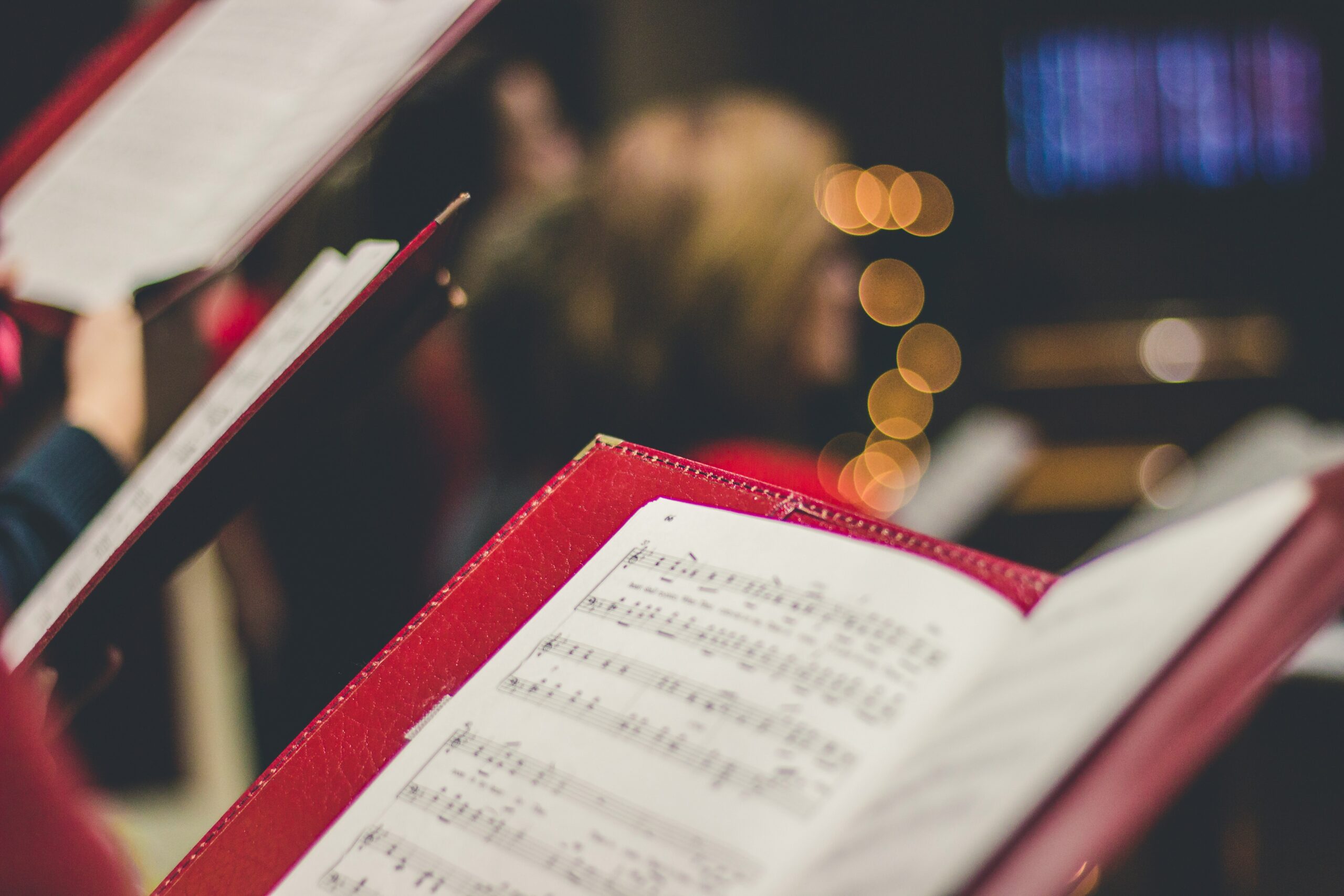
Singing and reading aloud are, quite literally, workouts for the brain. They engage multiple regions simultaneously: those responsible for speech and language, those that process rhythm and sound, and those that regulate memory and emotion. Neuroscientists often refer to this as “cross-training” for the brain—activities that stimulate layered pathways rather than single functions.

For older adults, keeping these networks active is essential. Studies suggest that regular engagement with language and music can strengthen cognitive reserves—the brain’s ability to adapt, compensate, and maintain function as we age. This reserve is one of the strongest protective factors against the onset or progression of dementia.

Memory’s Hidden Pathways
One of the extraordinary things about music is the way it threads through memory. Even when other pathways falter, musical memory often remains intact. Many caregivers of people with dementia have witnessed this miracle: a person who struggles with everyday conversation may still remember an old hymn, a favorite jazz standard, or the songs of their childhood.

This is because singing activates procedural and emotional memory—types of memory stored in areas of the brain that are often more resilient to decline. When older adults sing regularly, especially songs they know, they strengthen these pathways and reinforce connections to personal history, identity, and community.

Reading aloud has similar effects. Unlike silent reading, which is largely internal, reading aloud requires the brain to convert written symbols into spoken language, engage the breath and vocal cords, and sustain attention in the present moment. That combination enhances executive function and verbal fluency—two areas often affected early in cognitive decline.

Emotional Lift, Social Connection
The benefits of singing and reading aloud extend beyond cognitive health. They nurture emotional well-being, boost confidence, and encourage social connection—all protective factors against dementia.

Singing in a group—whether a choir, a casual gathering, or a weekly sing-along—creates a sense of belonging. Voices align, breath synchronizes, and participants often experience an uplifting release of endorphins. These positive emotions help counter stress and loneliness, both of which are linked to cognitive decline.

Reading aloud can do the same. Whether sharing a poem, telling a story, or participating in a reading circle, the practice builds community and encourages conversation. It becomes a shared ritual: a way of being present together, of listening and being heard.

A Practice That Sparks Joy
At Sage Collective®, we champion activities that nourish the whole person—mind, body, and spirit. Singing and reading aloud require no special equipment, no large commitment of time, no prior training. They are accessible, joyful, and deeply human.

For older adults looking to strengthen cognitive vitality, these practices offer a gentle and powerful daily ritual: a way to stay mentally agile, emotionally connected, and rooted in the pleasure of expression. And perhaps most importantly, they remind us that the tools for vibrant living have been within us all along—our voices, our stories, and the songs that help us remember who we are.

› Back to top
« back
09.10.25 | Community

Savoring the Seasons: Simple Ways to Welcome Change

At Sage Collective®, we believe vibrant living is a practice—rooted in mindfulness, cultural arts, and lifelong learning. The turning of the seasons offers a natural rhythm to support that practice. Rather than bracing against change, we can welcome it with small rituals that enrich body, mind, and community.

Notice before you name it
Begin with attention. Step outside and simply observe: the angle of light, the feel of air on your skin, the scent of rain or cut grass. Try a “five-sense scan”—name one thing you can see, hear, smell, taste, and touch. This gentle check-in is a quick way to ground yourself and build gratitude for what the season brings. Consider keeping a brief seasonal journal—three lines a day tracking the sky, your energy, and one thing that made you smile.

Move with the weather
Let each season suggest how you move. In cooler months, think steady, warming motion—indoor walking circuits, light strength work, or chair yoga by a sunny window. In warmer months, try early-morning strolls, gentle cycling, or stretching on a shaded porch. The aim isn’t intensity; it’s consistency. Pair movement with a cue you already do—after brewing tea, take a ten-minute walk, or after lunch, do a few standing balance exercises. Your future self will thank you for the routine.

Eat what the season offers
Seasonal foods are flavorful, budget-friendly, and nourishing. Build bright salads in spring, juicy berries and tomatoes in summer, roasted squash and soups in fall, and citrus and hearty greens in winter. Turn mealtime into a mini adventure: explore a farmers market, swap recipes with a neighbor, or host a simple “taste of the season” potluck. Cooking in community supports social connection and keeps experimentation fun and low-pressure.

Refresh routines and spaces
As the light shifts, refresh your daily rhythm. Rotate a new stack of library books, queue up a seasonal playlist, or set a small creative goal—a watercolor postcard, a poem, or a family history vignette. At home, make tiny changes with outsized impact: a softer throw for late-autumn evenings, a vase of spring branches, a bowl of lemons on the table. Clear a surface or two; a little open space helps your mind breathe, too.

Share the moment
Seasons are meant to be shared. Plan low-effort, high-delight outings: a neighborhood leaf walk, a matinee concert, a museum afternoon, or a cozy film night with friends. If mobility or weather complicate plans, bring the season to you—invite a grandchild to teach you a new app, host a tea tasting, or start a phone tree to swap “today’s small joys.” Belonging grows when we make room for others to belong with us

Be gentle with shifting needs
Changing weather can change how we feel. Dress in layers, hydrate, and check footwear for good traction. If shorter days affect your mood, sit near a bright window in the morning, schedule a friendly call, or plan something pleasant to anticipate each week. Ask for help when you need it—wisdom includes knowing you don’t have to do everything alone.

At its heart, enjoying the change of seasons isn’t about doing more—it’s about noticing more. It’s choosing a pace that suits your energy, savoring what’s fresh and available, and staying connected to people who make life richer. That’s vibrant living, the Sage Collective® way: mindful, creative, curious, and grounded in community—no matter what the calendar says.

Photo by Justin Cron on Unsplash
› Back to top
« back
12.12.24 | Sage Advice®

Exploring Book Clubs: A Window to New Worlds and Friendships

In an age where digital interactions often overshadow face-to-face connections, book clubs offer a refreshing opportunity to engage deeply with literature and build meaningful relationships. At Sage Collective®, we emphasize the importance of community engagement, lifelong learning, and cultural appreciation. Joining or starting a book club aligns perfectly with these values, offering a gateway to new worlds and fostering enduring friendships.

The Joy of Shared Reading
Reading is often seen as a solitary activity, but sharing this experience with others can enrich the understanding and enjoyment of a book. And with our encouragement of lifelong learning at Sage Collective, book clubs are a fantastic way to keep minds active and curious. They provide a platform where members can discuss their interpretations, question different perspectives, and dive deeper into the themes and characters of a story. This collaborative exploration enhances the reading experience, making it more dynamic and fulfilling.

For older adults, book clubs can be particularly beneficial. They offer a regular, structured opportunity to engage intellectually and socially. This can be a powerful tool against isolation, providing a sense of belonging and community. Whether it’s a historical novel, a contemporary piece, or a classic work of literature, each book offers unique insights and learning opportunities.

Building Connections and Friendships
One of the most rewarding aspects of joining a book club is the opportunity to build connections and friendships. Sharing thoughts and opinions about a book can lead to deeper conversations and stronger bonds among members. These discussions often extend beyond the book itself, touching on personal experiences, beliefs, and values.

Book clubs create a sense of community and can be a source of support and camaraderie. For older adults, especially those who may feel isolated or lonely, book clubs provide a regular social outlet and an opportunity to forge meaningful relationships.

Practical Tips for Starting or Joining a Book Club
Starting or joining a book club may seem daunting, but it’s easier than you might think. Here are some practical tips to get you started:

  • Find a Group: Look for local book clubs at libraries, community centers, or online platforms.
    Many organizations offer book clubs specifically for older adults.
  • Set a Regular Schedule: Consistency is key. Choose a regular meeting time that works for
    everyone in the group, whether it’s weekly, bi-weekly, or monthly.
  • Choose Diverse Books: Select books that will spark interesting discussions and expose members
    to different perspectives. Rotate who picks the book to ensure a variety of genres and authors.
  • Create a Comfortable Environment: Meetings can be held in person or virtually. Ensure that everyone feels comfortable sharing their thoughts and opinions.
  • Prepare for Discussions: Encourage members to come prepared with questions or topics they’d like to discuss. This can help guide the conversation and ensure that everyone participates.

Suggested Popular Titles for Book Clubs
If you’re looking for some inspiration, here are a few popular titles that book clubs are enjoying right now:

  1. The Vanishing Half by Brit Bennett – A powerful novel about twin sisters who choose to live in two very different worlds, exploring themes of identity, family, and race.
  2. Where the Crawdads Sing by Delia Owens – A gripping tale of isolation and resilience, set in the marshes of North Carolina, blending mystery and nature writing.
  3. The Night Watchman by Louise Erdrich – Based on the life of the author’s grandfather, this historical novel delves into Native American struggles and resilience.
  4. An American Marriage by Tayari Jones – A poignant story that examines love and loyalty in the face of wrongful incarceration and societal pressures.
  5. The Book of Longings by Sue Monk Kidd – A thought-provoking reimagining of the story of Jesus, told from the perspective of his wife, Ana.
  6. Little Fires Everywhere by Celeste Ng – A compelling drama about family dynamics, secrets, and the clash of cultural values in a suburban community.

These books not only provide engaging narratives but also offer rich material for discussion, making them excellent choices for any book club.

Exploring book clubs is a wonderful way to engage with literature, expand your horizons, and build lasting friendships. At Sage Collective, we believe in the power of community and the joy of shared experiences. Book clubs embody these values, offering a vibrant, interactive way to explore new worlds and connect with others.

Whether you’re an avid reader or someone looking to rediscover the joy of reading, a book club can provide the perfect opportunity. Embrace the world of book clubs and see how they can enrich your life with knowledge, friendship, and a deeper appreciation for the written word.

Join us at Sage Collective as we continue to promote vibrant living through activities that nourish the mind, body, and soul. Start your book club journey today and discover the endless possibilities that lie within the pages of a book.

Credit: RDNE Stock project on pexels.com
› Back to top
« back
10.10.24 | Lifestyle

The Art of Growing Older: Reflections on Aging with Wisdom and Grace

The art of growing older is a topic that invites reflection, wisdom, and grace. At Sage Collective®, we celebrate vibrant aging, recognizing that each stage of life offers opportunities for growth, learning, and joy. Below are some thoughtful writings on the subject, offering different perspectives on aging as both an art and a journey of discovery.

Grace Paley on the Art of Growing Older
In her later years, writer Grace Paley offered a poignant perspective on growing older. She spoke not only about the physical changes of aging but also about the wisdom and clarity that come with experience. For Paley, aging was not merely a decline but a deepening—an opportunity to reflect, create, and engage with the world in new and meaningful ways. She embraced the reality of aging while continuing to focus on the relationships, activism, and creativity that had always been central to her life. Paley’s reflections encourage us to view aging not as an endpoint but as another chapter in an ongoing narrative of vitality and purpose.
(Read more from Pocket: Grace Paley on the Art of Growing Older)

Henry Miller on Turning Eighty
The renowned writer Henry Miller reflected on aging with a sense of awe and acceptance. In his essay on turning eighty, Miller acknowledged the physical limitations of growing older but marveled at the richness of his inner life. For Miller, age brought a sense of liberation and freedom, as the preoccupations of youth faded, allowing him to focus on the beauty of the moment. He celebrated aging as a time of personal fulfillment, creativity, and contentment, encouraging readers to embrace aging as a period of inner growth and exploration. Miller’s perspective reminds us that while the body may age, the spirit remains vibrant and full of potential.
(Learn more from Marginalian: Henry Miller on Turning Eighty)

Pablo Casals on Work and Age
The legendary cellist Pablo Casals continued to play his instrument well into his nineties, demonstrating that passion and dedication to one’s craft can transcend age. Casals believed that work—particularly creative work—was the key to maintaining a sense of purpose and vitality as one aged. He famously said that he felt as if he were still learning to play the cello, even in his later years. This humility and commitment to growth serve as a powerful example of how staying engaged with life’s passions can contribute to aging well. Casals’ life is a testament to the idea that age should never be a barrier to pursuing one’s goals or engaging with the world.
(Read more from Marginalian: Pablo Casals on Work and Age)

Joan Didion and the Loneliness of Aging
Though not directly cited in the sources above, writer Joan Didion’s reflections on aging and loss offer a contrasting but equally important perspective. In her later works, Didion explored the emotional aspects of aging, including loneliness and grief. Her raw, honest depictions of loss remind us that aging is a complex experience that includes both beauty and hardship. Didion’s reflections challenge us to confront the emotional realities of growing older while still finding meaning and connection.
(Read more from Time Magazine: “Joan Didion Wrote About Grief Like No One Else Could”)

The art of growing older is not defined by any single experience. As these writings illustrate, it is a journey that can be filled with creativity, wisdom, and growth. Whether through the continued pursuit of passions, reflection on life’s meaning, or embracing the changes that come with age, growing older offers opportunities for rich, vibrant living. At Sage Collective, we honor these perspectives as we support older adults in their own unique paths toward aging with purpose and vitality.

Photo by Master Unknown on Unsplash
› Back to top
« back
04.03.24 | Sage Advice®

Ta-Nehisi Coates: Mastering the Art of Storytelling Through Reflection and Reality

In the rich landscape of contemporary storytelling, few voices are as compelling and influential as that of Ta-Nehisi Coates. As part of our ongoing exploration into the art of storytelling, Sage Collective is delighted to spotlight Coates, a writer who masterfully weaves together narratives of race, identity, and the American experience with both grace and unflinching honesty. Coates’ work not only captivates readers but also invites profound reflection on the society we inhabit and the changes we aspire to see.

A Voice for Our Times
Ta-Nehisi Coates emerged as a powerful voice in American literature and journalism through his thought-provoking essays and books. His ability to articulate complex issues related to race and society has made him a pivotal figure in national conversations about racism, democracy, and historical memory. Coates’s writing is characterized by its depth of insight, lyrical quality, and the personal perspective he brings to bear on topics of public concern.

The Beautiful Struggle: A Personal Odyssey
In The Beautiful Struggle, Coates offers a vivid glimpse into his formative years in Baltimore, navigating the complexities of boyhood within the broader context of racial and economic strife. This memoir is not only a tale of personal growth and familial bonds but also a reflection on the broader struggle for Black identity and liberation. Coates’ relationship with his father, a figure steeped in the legacy of the Black Panther movement, serves as a powerful narrative thread, illustrating the impact of history and activism on individual lives.

Between the World and Me: An Intimate Letter
Between the World and Me expands Coates’ exploration of America’s racial history through a deeply personal lens, structured as a letter to his teenage son. This work captures the fears, hopes, and realities of being Black in America, weaving personal narrative with historical analysis. Coates’ use of the epistolary form creates an intimate conversation on race, identity, and the quest for understanding in a country marked by systemic injustice.

The Water Dancer: Merging Fiction with History
Coates’ foray into fiction with his debut novel, The Water Dancer, further cements his status as a versatile and imaginative storyteller. The novel combines historical elements with magical realism to tell a captivating story of slavery and resistance in the antebellum South. Through the eyes of his protagonist, Hiram Walker, Coates explores themes of memory, freedom, and the unbreakable bonds of family. The Water Dancer showcases Coates’ skill in creating rich, immersive worlds that illuminate the struggles and resilience of the human spirit.

We Were Eight Years in Power: Reflecting on an Era
In We Were Eight Years in Power, Coates assembles a collection of essays that chronicle the Obama presidency’s significance against the backdrop of America’s racial landscape. The title, echoing a lament from the Reconstruction era, frames the book as a meditation on the cyclical nature of racial progress and backlash in American history. Through essays that examine the cultural and political implications of Obama’s presidency and the subsequent rise of Donald Trump, Coates offers a critical analysis of the forces that shape American society and the ongoing struggle for racial justice.

Across his works, Coates’ storytelling artistry lies in his ability to blend the deeply personal with the sweepingly historical. His narratives invite readers into a space of reflection, challenging them to consider the intricate tapestry of American identity and the indelible impact of race on the nation’s conscience. Through his incisive analysis, lyrical prose, and unflinching honesty, Coates has crafted a body of work that is essential reading for anyone seeking to understand the complexities of contemporary America.

As we celebrate Ta-Nehisi Coates’ contributions to the art of storytelling, we are reminded of the power of literature to illuminate the darkest corners of society, to heal, and to inspire change. His voice is a clarion call for awareness, empathy, and action — a testament to the enduring strength of the written word to move hearts and minds.

TA-NEHISI_COATES
Ta-Nehisi Coates at The Anthology of Rap, 92YTribeca. Photo: 92YTribeca, Flickr Creative Commons, CC BY-NC 2.0 Deed
› Back to top
« back
03.27.24 | Sage Advice®

Rediscovering Local Libraries: A Gateway to Lifelong Learning

In an era where the digital world dominates our sources of information and entertainment, the timeless charm and invaluable resources of local libraries stand as beacons for communities everywhere. At Sage Collective, we deeply value lifelong learning as a key component of vibrant living. It’s in this spirit that we explore the local library not just as a building with books, but as a vibrant gateway to endless learning opportunities, cultural enrichment, and community connection.

The Local Library: More Than Just Books
Local libraries have evolved significantly over the years, transforming into dynamic community centers that offer a wide range of resources and services. Beyond the shelves of books lies a treasure trove of digital resources, educational programs, and cultural events designed to engage and enrich community members of all ages.

A Hub for Lifelong Learning
One of the most compelling aspects of local libraries is their commitment to fostering lifelong learning. Whether it’s through free access to books, e-books, online courses, or workshops, libraries provide invaluable resources for personal and professional development. For older adults, particularly, libraries offer programs tailored to their interests and needs, making learning accessible and enjoyable.

Cultural and Social Enrichment
Libraries serve as cultural hubs, hosting an array of events such as author readings, discussion groups, art exhibitions, and film screenings. These events not only enrich our cultural understanding but also provide opportunities for social interaction, helping to build a sense of community and belonging. Engaging with these offerings allows us to expand our horizons, encounter new ideas, and connect with fellow community members.

Access to Technology and Digital Literacy
In today’s digital age, libraries play a crucial role in bridging the digital divide. They offer free access to computers and the internet, along with classes on digital literacy, helping individuals navigate the complexities of the digital world. For many in our community, especially seniors who may feel left behind by rapid technological changes, this access is invaluable in staying connected and informed.

Volunteer and Engagement Opportunities
Libraries also offer numerous opportunities for community members to get involved, whether through volunteer programs, friends of the library groups, or advisory boards. Participating in these activities can be a rewarding way to give back, share your skills and experience, and further strengthen community ties.

Rediscovering Your Local Library
Rediscovering your local library is as simple as walking through its doors or visiting its website. Explore the catalog, inquire about upcoming events, or ask the librarians about resources and services available. You might be surprised at the wealth of opportunities waiting to be discovered.

As we advocate for the enriching practice of lifelong learning at Sage Collective, we recognize local libraries as our vital partners, providing gateways to new experiences, avenues for personal growth, and the joys of community engagement. Not familiar with your local library? It’s easy to find! Use this handy website — libraryfinder.org/ — to enter your address and get information on locations, hours, and reviews from others.

Library books on shelves
› Back to top
« back
10.26.23 | Sage Advice®

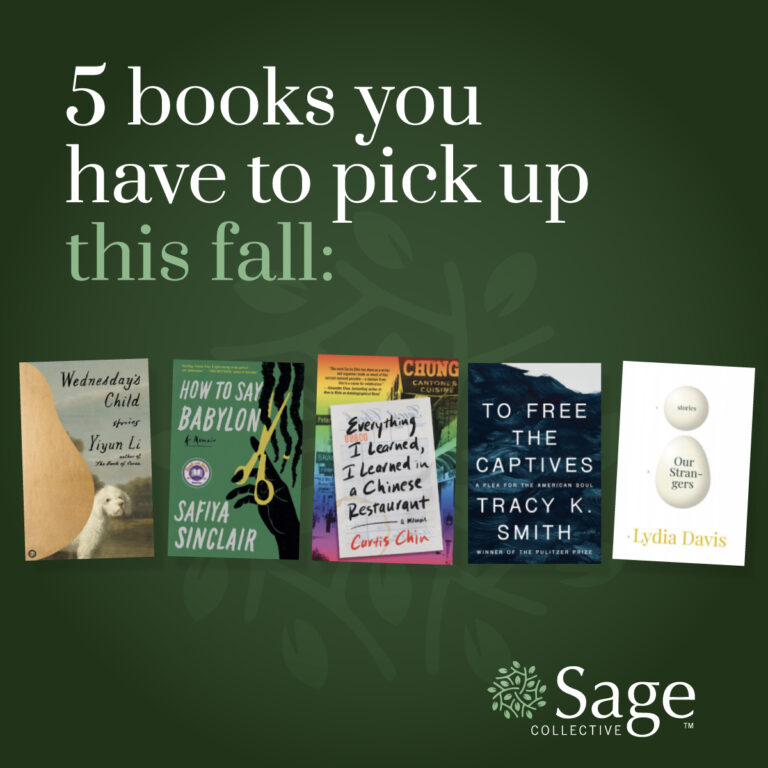
5 More Books You Have to Read This Fall

With autumn back again, there’s no better time to dive back into the art of reading. Last year, we recommended 5 books to enhance your fall reading, and this time around, we’re back with five more. Our selection this season includes captivating memoirs, enthralling collections of stories, and thought-provoking manifestos. These literary treasures are your passport to new worlds, fresh perspectives, and endless inspiration. So, let’s dive into this season’s must-reads:

How to Say Babylon, Safiya Sinclair

How to Say Babylon, Safiya Sinclair

Found on nearly everyone’s fall book list, How to Say Babylon is a story that resonates deeply with our values at Sage Collective. Sinclair’s memoir illustrates a powerful story of a young Jamaican girl, who, even through a life of strict abuse, discovers her voice and the power of sharing her story. For anyone who loves a tale of liberation and one rich in moving storytelling, this is the book for you.

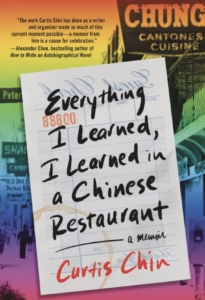
Everything I Learned, I Learned in a Chinese Restaurant, Curtis Chin

Everything I Learned, I Learned in a Chinese Restaurant, Curtis Chin

In another recently acclaimed memoir, Curtis Chin shares his experience growing up as a gay Chinese American in 1980’s Detroit. The memoir is filled with laughs, heartfelt moments and vivid memories of Chin’s past. For anyone who holds an appreciation to the community around them and belief in its power to shape us throughout life, this should be at the top of your list. 

Our Strangers: Stories, Lydia Davis

Our Strangers: Stories, Lydia Davis

Author Lydia Davis’ latest collection of short fiction stories poetically explores a variety of topics from marriage to what we put in our coffee. Anyone who loves the ability to revisit the same story a handful of times and with each time, coming out with a new perspective will appreciate Our Strangers: Stories. And in a move to support small businesses, the book is only available to purchase form online independent retailers and bookstores. 

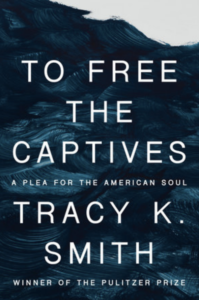
To Free The Captives, Tracy K. Smith

To Free The Captives, Tracy K. Smith

Smith bluntly shares her views on where the state of the Nation is in her latest novel. Exploring every topic from the pandemic and Black Lives Matter movement in 2020 to her own experience as a Black woman, mother and educator in the 21st century, she presents a manifesto on how our country could come to a new, shared perspective of recent history. 

Wednesday’s Child, Yiyun Li

Wednesday’s Child, Yiyun Li

Award winning Author, Yiyun Li explores the unexplainable feelings of aging, alienation and grief in her latest collection of stories. Each piece, previously published as singular works by The New Yorker, Zoetrope and other publications over a span of a decade, shares a different perspective on the cost of living. 

Whether you prefer reading alone, with a companion or in a book club, don’t hesitate to pick one or two of these books up for yourself this fall. You can find them at your neighborhood libraries, local bookstore or online. And as with all good reads, spread the word to friends and family when you finish a book you really love!

› Back to top
« back
10.19.23 | Sage Advice®

The Importance of Screen-free Time

There’s an undeniable charm in reminiscing about the times when activities like flipping the pages of a book, taking in the sounds and sights of nature, or engaging in heart-to-heart conversations didn’t involve any digital devices. Today, as we sit in the digital age, screens have seamlessly positioned themselves into the fabric of our daily lives. They connect us to distant loved ones, open doors to vast troves of information, and offer unprecedented convenience.

Yet, as much as we might appreciate the joys of instant connectivity, it’s essential to remember that there’s such a thing as too much of a good thing. The pull of the screen, while captivating, often comes at the cost of neglecting the world around us.

Consistent exposure to screens has its downsides. Physically, there’s the all-too-familiar sensation of eye strain after a long day of scrolling. Our posture might hunch, and the blue light from screens can disrupt our precious sleep cycles. Mentally and emotionally, the constant barrage of information, notifications, and digital engagements can leave us feeling overwhelmed. There’s also the small shift in our social interactions, with virtual chats often replacing genuine face-to-face connections.

But stepping back from screens allows us to rediscover various joys that lie just beyond their glow. It’s similar to joyspotting, where the world reveals delightful treasures waiting to be noticed. There’s the tactile joy of sketching on paper, the rustle of leaves during a morning walk, the enriching depth of a live conversation, and the simple act of being present in the moment.

To strike a balance between the digital and the real, consider implementing some conscious changes. Set designated tech-free hours during the day, allowing yourself to disconnect and recharge. Dive into hobbies that don’t require a screen—be it gardening, painting, reading, or even just daydreaming. Encourage face-to-face interactions, whether it’s through a friendly game night, a shared meal, or a leisurely stroll.

In our fast-paced world, where screens continually beckon us, it’s a radical act of self-care to pause, put down the device, and immerse ourselves in the tangible experiences surrounding us. It’s not about dismissing the advantages of technology but about cherishing the moments that make life vibrant and genuine. So, while we continue to navigate and appreciate the digital realm, let’s also remember to frequently take a step back, breathe, and savor the world beyond the glow of screens.

› Back to top
« back
10.12.23 | Community

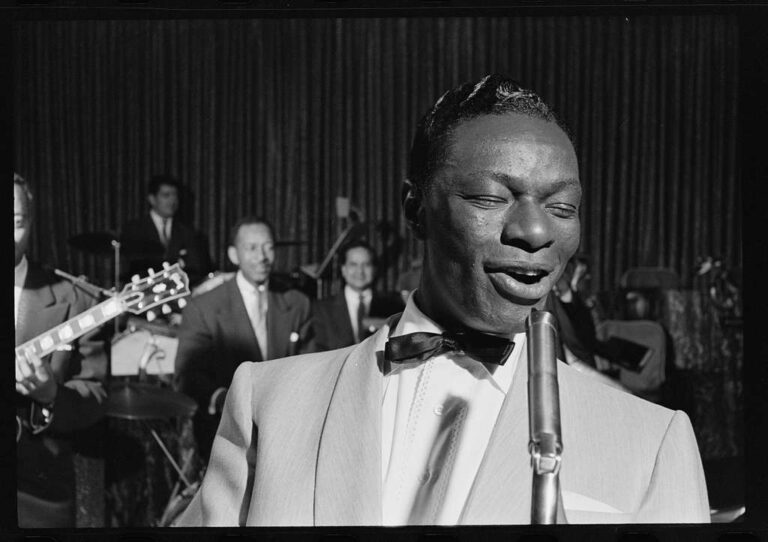
The Art of Storytelling: Nat King Cole

At Sage Collective, we’re all about the stories that shape our lives, and when an artist like Nat King Cole pours his heart into his music, it’s impossible not to be drawn in. Cole, with his smooth voice and heartfelt storytelling, teaches us invaluable lessons in the art of expression.

Cole’s storytelling prowess comes from a place of genuine authenticity. Take his iconic song “Unforgettable,” for instance. It’s not just a love song; it’s a moving tale of love’s enduring power. It’s a reminder that the most potent storytelling springs from the heart, conveying the raw, unfiltered truth of our experiences.

One thing that sets Cole apart is his ability to turn personal stories into something universal. Whether he’s singing about love, heartbreak, or everyday life, his songs resonate with people from all walks of life. Cole shows us the magic of finding the threads that connect our individual experiences to the larger tapestry of humanity.

While Amanda Gorman uses poetry, Cole does it through music. His songs like “Mona Lisa” and “The Christmas Song” enchant with their rhythms and reflective lyrics. When sharing your own story, consider adding a touch of the poetic. It’s not about composing verses but using language in an artful way to add depth and emotion to your narrative, just as Cole did with his timeless melodies.

Nat King Cole’s work isn’t just about beautiful music; it’s about stories that make a difference. Songs like “Nature Boy” and “Smile” carry messages of love, empathy, and hope. These narratives aren’t relics of the past; they’re catalysts for inspiring change. Cole teaches us that our stories can foster empathy, understanding, and action. Through storytelling, you too can inspire others and ignite transformation, just as he did with his timeless classics.

Exploring storytelling through Nat King Cole’s music reveals narratives that capture the essence of the human experience. Taking a page from his book, let’s believe that our stories, told with authenticity and purpose, have the potential to touch and change lives, just as his music has done for generations.

› Back to top
« back
07.13.23 | Sage Advice®

What Amanda Gorman Teaches Us About Storytelling

At Sage Collective, we’re all about those personal journeys and the stories they create. And when someone like Amanda Gorman uses her talent to share those journeys, it’s impossible not to sit up and take notice. Gorman, with her poignant words and masterful storytelling, has offered us some great lessons on expression.

Telling Your Truth with Boldness

Gorman’s work brings forth an essential aspect of storytelling: raw, unfiltered honesty. A great example of this is her inaugural poem, “The Hill We Climb,” where she candidly paints the picture of a nation divided, and uses this as a canvas to craft a vision of unity and resilience. It’s more than a reflection on America’s political scene—it’s an intensely personal story of hope and unwavering determination. This courageous sharing of her perspective is a reminder for us all: the bumpy roads on our journey deserve as much recognition as our triumphs.

One thing that sets Gorman’s storytelling apart is her knack for weaving her personal stories into universal narratives. Despite being rooted in specific experiences, her stories strike a chord worldwide— a testament to the shared human experience we all are a part of.

So, when you’re sharing your story, remember, your unique journey is part of the much larger, grand tapestry of human life. Seek those threads that tie your personal experiences to the bigger narratives.

Harnessing the Power of Poetry

Gorman’s “The Hill We Climb” also highlights the compelling allure of poetry in storytelling. The rhythmic cadence, vivid imagery, and intricate metaphors all come together to create a concise, yet deeply moving expression of her experiences and emotions.

When sharing your story, don’t hesitate to employ a touch of the poetic. It’s not about composing verses, but more about using language in an artful way to add layers and richness to your narrative.

Inspiring Change Through Storytelling

What truly makes Gorman’s work stand out is how it transcends the beauty of language; each poem, each story, is a call to action. “The Hill We Climb” is more than just a reflection of the present—it’s a clarion call for a better tomorrow. In this, Gorman teaches us that our stories aren’t just relics of the past, but catalysts for inspiring change. By sharing your experiences, you too can foster empathy, understanding, and even trigger action. Your story holds the power to inspire others and spark transformation.

› Back to top