What Still Feels Possible: Reclaiming Optimism in Later Life
Optimism is often portrayed as a youthful trait—an untested belief that anything can happen. But at Sage Collective®, we recognize another form of optimism: one shaped by experience, reflection, and resilience.
This later-life optimism doesn’t deny hardship or loss. It doesn’t gloss over complexity. Instead, it asks a quieter, more powerful question: What still feels possible?
Unlike the expectations of earlier life, this question doesn’t demand reinvention or constant forward motion. It invites agency without pressure. It honors the truth that possibility changes shape over time—and that this evolution is not a diminishment, but a refinement.
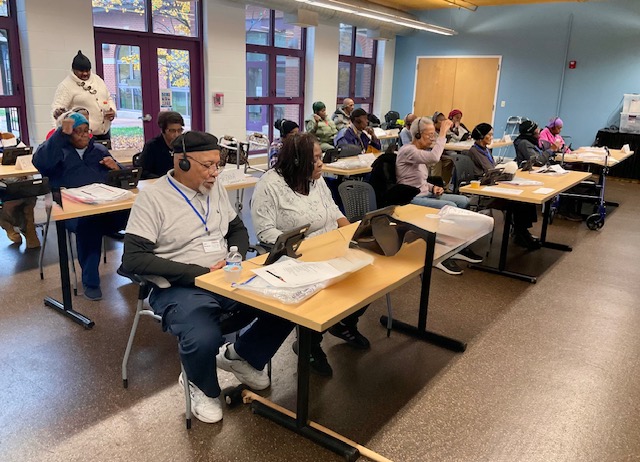
For many older adults, possibility no longer lives in sweeping plans or distant milestones. It shows up in meaningful engagement. In learning something new for the pleasure of discovery, not mastery. In deepening relationships through presence rather than performance. In contributing wisdom, care, or creativity to a community that values lived experience.
Reclaiming optimism at this stage of life means redefining success. It shifts from accumulation to meaning, from speed to depth. It allows curiosity to replace urgency. And it acknowledges that becoming does not end—it continues, differently.
At Sage Collective®, we believe vibrant living is sustained by curiosity and connection at every age. Optimism, in this context, is not blind hope—it is informed hope. It is the confidence that one can still participate fully in life: intellectually, socially, culturally, and emotionally.
Consider the older adult who enrolls in a class simply because the topic sparks interest. Or the one who volunteers, mentors, or shows up consistently for conversations that matter. Or the person who finds renewed optimism not in doing more, but in doing what feels aligned.
This form of optimism is grounded. It respects limits while refusing resignation. It recognizes that while some doors close, others open—often leading inward, toward clarity and purpose.
Community plays an essential role here. Possibility is easier to imagine when it is reflected back to us by others—through dialogue, shared learning, and belonging. When older adults are invited to engage, to contribute, and to be seen as vital participants, optimism becomes collective.
Asking What still feels possible? is not about measuring what remains. It is about affirming what endures: curiosity, connection, meaning, and care.
This question does not require an immediate answer. It simply asks for attention.
And in that attention—gentle, honest, and ongoing—optimism finds its way back in. Not as a promise of endless futures, but as a reminder that even now, life is still offering invitations worth accepting.