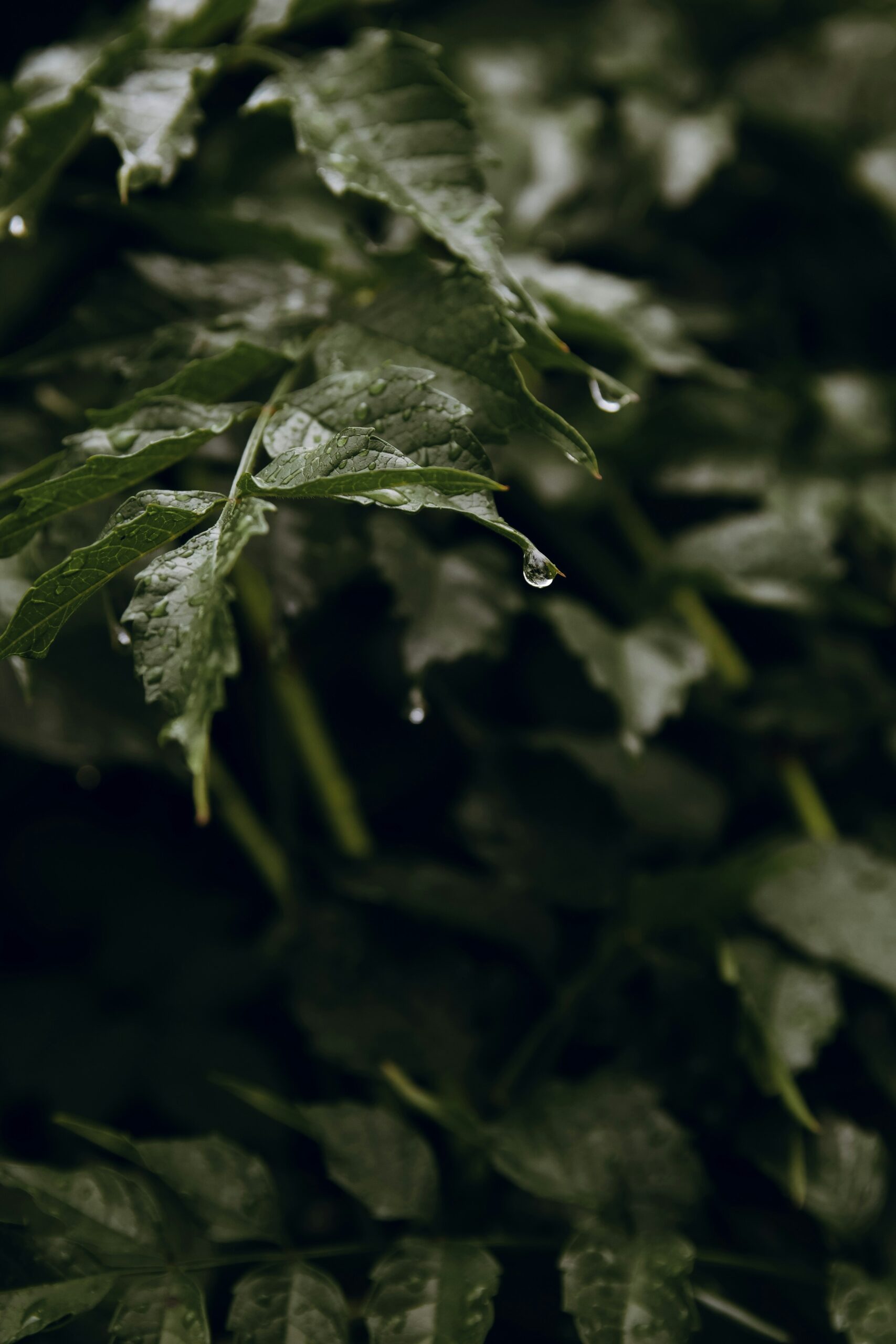
Outside Is a Practice: How Nature Supports Vibrant Living
At Sage Collective®, we believe vibrant living is shaped by the everyday practices that help us stay connected to our bodies, minds, communities, and sense of purpose. Some of those practices are structured: a class, a program, a walking group, a wellness routine. Others are beautifully simple.
Step outside.
Sit in the shade.
Notice the birds.
Walk to the corner.
Water the plants.
Feel the sun on your face.
These small acts may seem ordinary, but they can become part of a powerful practice of well-being. As conversations about healthy aging and longevity continue to grow, one of the most accessible forms of care is also one of the oldest: spending time in nature.
Nature does not have to mean a distant forest, a national park, or an elaborate trip. It can be a neighborhood tree, a community garden, a lakefront bench, a porch, a window box, or the sound of leaves moving in the wind. What matters is the invitation to slow down, pay attention, and reconnect with the living world.
Nature and the Body
Spending time outdoors often encourages movement, and movement is essential to healthy aging.
Walking, gardening, stretching in the yard, visiting a park, or simply choosing to sit outside can help support mobility, balance, circulation, and energy. The Centers for Disease Control and Prevention recommends that adults 65 and older aim for 150 minutes of moderate-intensity aerobic activity each week, such as brisk walking, along with muscle-strengthening and balance activities. The CDC also notes that regular physical activity supports the health and independence of older adults.
What makes nature especially valuable is that it can make movement feel less like a task and more like a pleasure. A walk may become easier when there is a bird to follow, a flower to notice, a neighbor to greet, or a familiar route that changes with the season. Gardening may strengthen the body while also offering the satisfaction of tending something alive.
For older adults, this kind of movement with meaning matters. It supports the body while also connecting activity to curiosity, beauty, and routine.
Nature and the Nervous System
Nature also offers a form of restoration that many people can feel before they can explain it.
After time outdoors, the mind may feel calmer. The breath may slow. Worry may loosen its grip. Attention may soften and widen. These experiences are not simply poetic. A growing body of research connects exposure to green spaces with lower stress, better mood, and improved well-being.
This matters because stress recovery is an important part of vibrant living. Health is not only built through effort. It is also supported through rest, regulation, and recovery. Spending time in nature can help shift the body away from constant alertness and toward a state of greater ease.
Even brief encounters with the natural world can be meaningful. A few minutes watching clouds, listening to birds, noticing a tree, or sitting near water can become a reset — not because nature solves every problem, but because it gives the mind and body a different kind of attention to inhabit.
Nature as Mindfulness
Mindfulness is often described as the practice of being present. Nature offers a natural pathway into that practice.
A garden asks us to notice gradual change. A walk invites us to attend to rhythm and breath. Birdsong draws the ear outward. The changing light reminds us that every day has texture. Even a small outdoor space can become a place to practice awareness.
For older adults, this can be especially grounding. Aging may bring changes in pace, routine, health, or identity. Nature reminds us that change is not failure. It is part of life’s design. Seasons turn. Flowers bloom and fade. Trees lose their leaves and begin again. Growth often happens slowly, quietly, and with care.
This lesson is deeply aligned with Sage Collective®’s view of vibrant living. We are not asked to remain unchanged. We are invited to remain engaged.
Nature and Connection
Being outside can also connect us to one another.
A park bench can become a place of conversation. A community garden can become a place to exchange advice, stories, and harvests. A walking group can become a circle of accountability and friendship. A shared porch can become a gathering place. Even greeting a neighbor along a familiar route can strengthen the feeling of belonging.
This is important because health is social as well as physical. Connection, routine, and a sense of place all contribute to well-being. Nature creates settings where those connections can happen gently and naturally, without requiring a formal agenda.
For older adults, the outdoors can offer a bridge between solitude and community. It can support independent reflection while also opening the door to social contact.
Making Nature Accessible
Of course, not everyone has the same access to safe, clean, welcoming green space. Neighborhood conditions, transportation, mobility, weather, safety concerns, and caregiving responsibilities can all shape how easily someone can spend time outside.
That means nature as everyday medicine should not be treated only as an individual choice. It is also a community responsibility.
Parks, benches, shade, safe sidewalks, accessible paths, community gardens, clean public spaces, and well-maintained gathering areas all matter. They help make outdoor life possible. They signal that people of every age belong in public space.
At Sage Collective®, this connects directly to our broader understanding of vibrant living. Wellness is personal, but it is also shaped by the environments we build and the opportunities we make available to one another.
A Practice Within Reach
The beauty of nature as a wellness practice is that it can begin simply.
Open a window.
Drink morning coffee outside.
Walk one block.
Sit beneath a tree.
Watch the birds.
Tend one plant.
Visit a garden.
Notice the sky.
None of these acts requires perfection. They do not need to become another obligation or measure of success. They are invitations — small ways of returning to the world and to ourselves.
Outside is not only a place. It is a practice. It is a way to move the body, quiet the mind, awaken the senses, and remember that we are part of something living and larger than ourselves. For older adults, and for all of us, time in nature can support a life of greater presence, connection, resilience, and joy.
This is vibrant living.