America at 250: The Freedom to Live Vibrantly
On July 4, 2026, the United States celebrates its 250th birthday. It is a remarkable milestone: two and a half centuries since the adoption of the Declaration of Independence and its bold assertion that people possess fundamental rights to life, liberty, and the pursuit of happiness.
At 250, America can look back on extraordinary imagination, achievement, courage, creativity, and change. But a milestone of this magnitude asks for more than fireworks and ceremony. It asks us to consider the distance between the ideals the nation declared and the lives its people have been able to live. It asks us to honor those who expanded the meaning of freedom when its promises did not yet include them. And it asks what each generation owes the one that follows.
At Sage Collective®, these questions connect deeply to our understanding of vibrant living.
A Birthday Belonging to Every Generation
A nation’s history is not held only in monuments, archives, and official documents. It is also carried in people.
Older adults are living witnesses to chapters of American history that younger generations know only through books. They remember neighborhoods before highways divided them, schools before and after desegregation, the struggle for civil rights, changing roles for women, new waves of migration, transformative cultural movements, and remarkable advances in health, technology, and communication.
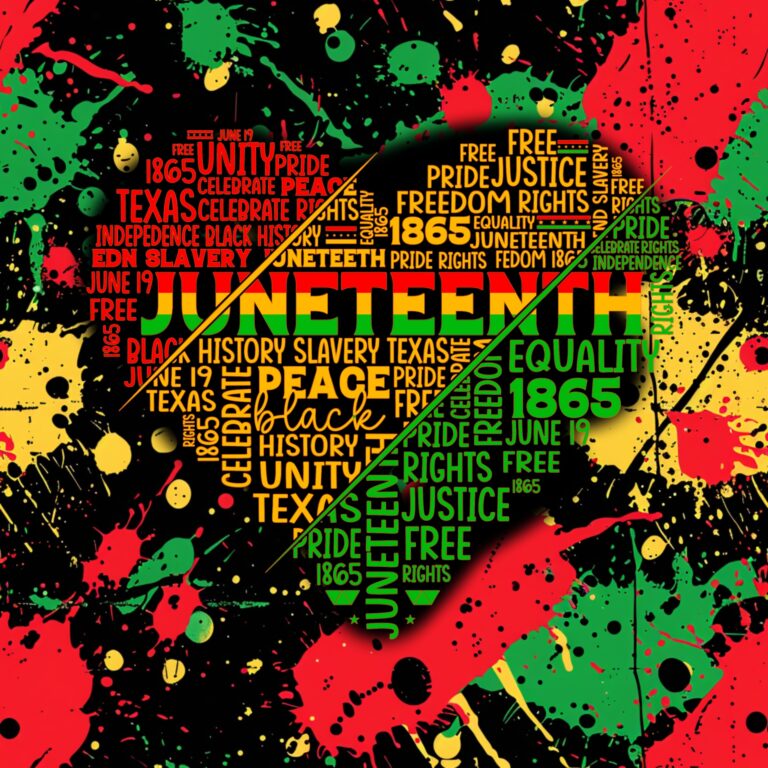
Older African Americans, in particular, carry memories shaped by both the country’s promises and its contradictions. Their lives reflect the endurance required to pursue opportunity in the face of exclusion, as well as the creativity, faith, leadership, and community care through which Black Americans have continuously helped build the nation.
To celebrate America at 250 without honoring these lives would be to tell an incomplete story.
This anniversary belongs not only to those who founded the country, but also to those who insisted it could become more faithful to its own ideals. It belongs to the people who organized, taught, cared, created, served, voted, protested, mentored, raised families, built institutions, and made room for others to flourish.
Freedom as a Living Practice
The Declaration of Independence gave Americans a lasting vocabulary of freedom. But freedom is more than a founding phrase. It must be expressed in the conditions of daily life.
Freedom means having the opportunity to live with dignity. It means access to safe housing, nourishing food, health care, education, culture, meaningful relationships, and the ability to participate in community life. It means being able to make choices about one’s future and to remain visible, valued, and heard at every age.
For older adults, freedom also means the ability to age with agency.
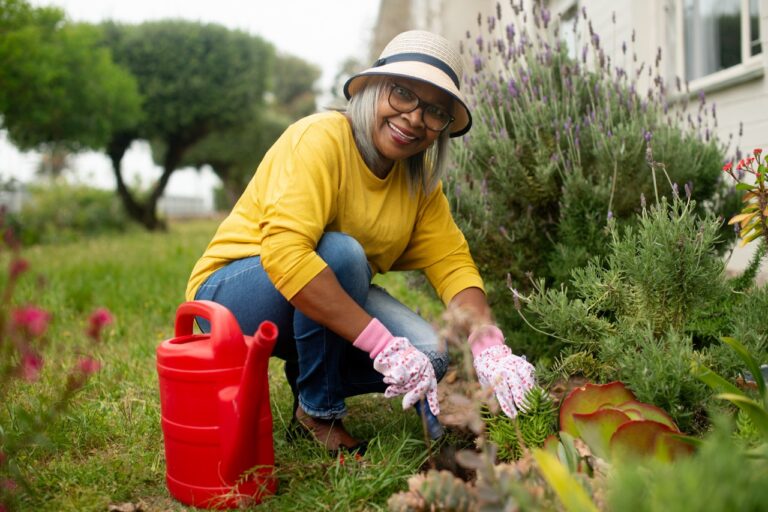
It is the freedom to remain in a familiar community when possible. To receive support without surrendering autonomy. To continue learning and creating. To form new relationships. To contribute wisdom and experience. To experience beauty, joy, purpose, and belonging. These aren’t secondary concerns. They are part of what the pursuit of happiness looks like across a long life.
Vibrant Living as an American Ideal
At Sage Collective®, vibrant living begins with the belief that every person deserves the opportunity to thrive—not merely to survive. It includes physical well-being, but it extends beyond health alone. It is sustained by purpose, culture, creativity, movement, reflection, social connection, and continued growth. It recognizes older adults not as people whose most meaningful contributions are behind them, but as active participants in the present and essential partners in shaping the future. Seen this way, vibrant living is both a personal aspiration and a civic one.
A strong society creates the conditions in which people can live fully throughout the lifespan. It values care as well as achievement. It recognizes interdependence as a form of strength. It understands that wisdom is a public resource and that communities are strengthened when generations remain connected. As America looks toward its next 250 years, this vision feels both hopeful and necessary.
What We Carry Forward
Anniversaries often lead us to ask what should be preserved. Traditions, institutions, stories, and achievements all deserve consideration. But we should also ask what must continue to grow.
Can we expand the meaning of belonging? Can we create communities in which older adults are not isolated or overlooked? Can we protect dignity while encouraging independence? Can we listen more closely to people whose experiences complicate the stories we tell about ourselves? Can we make freedom more tangible in the everyday lives of more Americans?
The country’s history shows that its ideals have never advanced on their own. Progress has depended on people willing to imagine more, demand more, and care for one another along the way. This work continues.
A Celebration With Purpose
America’s 250th birthday is a moment for music, gathering, food, remembrance, and joy. It is an opportunity to celebrate the cultures, communities, and people who have made the country what it is. It is also an invitation to listen to elders, preserve family histories, share memories across generations, and consider the future we are creating together.
At Sage Collective®, we celebrate this anniversary with gratitude for those who came before us and hope for those who will follow. We honor the freedom already won, the possibilities still unfolding, and the responsibility to help more people experience the promise of a vibrant life.
Two hundred and fifty years after the Declaration of Independence, the pursuit continues. May the next chapter be defined by greater dignity, deeper belonging, shared purpose, and the freedom for every generation to live fully.