The Rise of Social Prescribing
At Sage Collective®, we believe vibrant living is shaped by many practices: movement, nourishment, rest, creativity, purpose, connection, and a sense of belonging. Increasingly, public health leaders are recognizing something similar — that health is not only formed in clinics, hospitals, or pharmacies, but also in the everyday places where people gather, create, learn, move, and care for one another.
This idea is at the heart of a growing movement known as social prescribing. Social prescribing is a model of care that connects people to non-clinical sources of support in their communities. Instead of focusing only on medication or medical treatment, a health care provider, community worker, or “link worker” may help someone find a walking group, art class, gardening program, volunteer opportunity, cultural outing, support group, or other local activity that addresses their needs in a more holistic way. The World Health Organization describes social prescribing as a person-centered approach that helps address the root causes of health concerns through community-based, non-clinical services.
A Broader View of Health
The rise of social prescribing reflects a broader understanding of well-being. A person experiencing loneliness may benefit from more than a clinical intervention. They may need a weekly place to belong. Someone managing stress may benefit from time in nature, music, movement, or creative expression. Someone navigating retirement, caregiving, or loss may need opportunities to rebuild routine, purpose, and connection.
Social prescribing complements medical care. It recognizes that many health challenges have social, emotional, and environmental dimensions. In the United States, Social Prescribing USA describes the model as a way for health professionals to formally prescribe non-clinical community activities — including arts, movement, nature, and volunteering — to improve health and address social determinants such as connection.
This is why the concept feels so aligned with vibrant living. At its best, social prescribing honors the whole person. It understands that a healthier life may be supported by blood pressure medication and a walking group; by a nutrition plan and a community garden; by therapy and a choir; by preventive care and the steady joy of volunteering.
Why Connection Matters
One reason social prescribing has gained attention is the growing recognition that loneliness and social isolation can affect health in serious ways. For older adults in particular, disconnection can influence mental health, cognitive health, physical resilience, and quality of life. Social prescribing offers one pathway for helping people reconnect — not abstractly, but through specific, local, meaningful opportunities.
A recent overview of social prescribing in the United States notes that the country already has many community assets across arts, culture, heritage, nature, and social services, but that these resources often remain disconnected from the people whose health could benefit from them. That gap is important. Sometimes the support people need already exists, but they need help finding it, accessing it, and feeling welcomed into it.
For older adults, that bridge can make all the difference. It is one thing to tell someone to “get out more.” It is another to connect them to a specific class, group, program, or volunteer role that matches their interests, abilities, transportation needs, and sense of comfort.
Arts, Nature, Movement, and Purpose
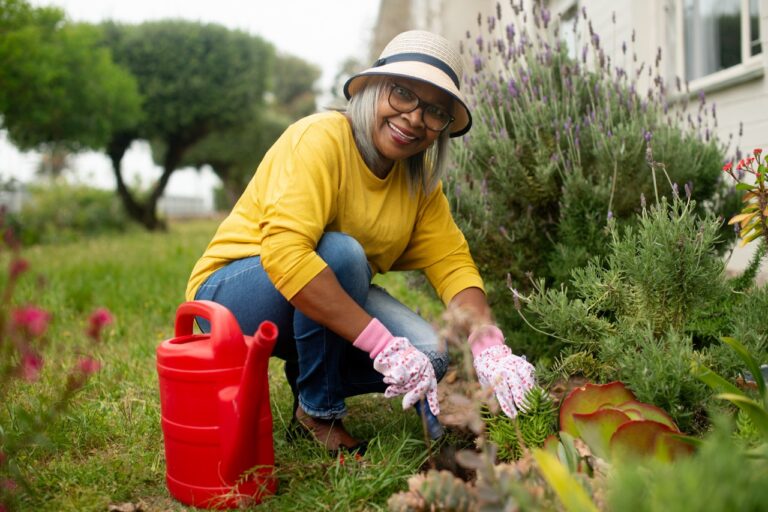
What makes social prescribing so compelling is the range of activities it can include. A social prescription might connect someone to a museum program, a dance class, a walking club, a gardening group, a creative writing workshop, a grief support circle, a library program, or a volunteer opportunity.
These are not “extras” in a vibrant life. They are often the very things that help people feel human, valued, and engaged.
The National Academy for Social Prescribing in the United Kingdom notes that social prescribing can support older people by connecting them to services and support through a link worker or similar role. Its work also highlights nature-based interventions such as walking schemes, community gardening, green gyms, and outdoor arts and cultural programs as promising community supports for people living with long-term conditions.
These examples are familiar to Sage Collective®. They echo the practices we often name as part of vibrant living: creative expression, physical activity, mindfulness, lifelong learning, and intergenerational connection. Social prescribing gives these practices a public health framework. It helps validate what communities have long known: well-being grows through participation.
Holding the Evidence With Care
As with many emerging health models, it is important not to overstate the promise of social prescribing. The evidence is growing, but it is also complex. Programs vary widely in design, quality, access, and outcomes, and research continues to map the evidence for older adults, including where the field is strongest and where more rigorous study is needed.
Vibrant Living as Everyday Care
For Sage Collective®, the rise of social prescribing affirms a central belief: vibrant living is both personal and communal. It is shaped by individual choices, but also by the opportunities communities create for people to participate fully.
A person should not have to navigate aging alone. They should have places to go, people to know, activities to enjoy, and ways to contribute. They should have access to beauty, movement, culture, nature, learning, and care. They should be seen not only as patients, clients, or recipients of services, but as whole people with histories, interests, talents, and wisdom to share.
Social prescribing is gaining attention because it names something simple and profound: community can be part of care.
And when community becomes part of care, health begins to look bigger than the absence of illness. It begins to look like belonging. It looks like purpose. It looks like a garden, a song, a walk, a class, a conversation, a shared meal, a new routine, or a reason to leave the house.
It looks, in many ways, like vibrant living.