« back
07.01.26 | Arts & Culture

America at 250: The Freedom to Live Vibrantly

On July 4, 2026, the United States celebrates its 250th birthday. It is a remarkable milestone: two and a half centuries since the adoption of the Declaration of Independence and its bold assertion that people possess fundamental rights to life, liberty, and the pursuit of happiness.

At 250, America can look back on extraordinary imagination, achievement, courage, creativity, and change. But a milestone of this magnitude asks for more than fireworks and ceremony. It asks us to consider the distance between the ideals the nation declared and the lives its people have been able to live. It asks us to honor those who expanded the meaning of freedom when its promises did not yet include them. And it asks what each generation owes the one that follows.

At Sage Collective®, these questions connect deeply to our understanding of vibrant living.

A Birthday Belonging to Every Generation
A nation’s history is not held only in monuments, archives, and official documents. It is also carried in people.

Older adults are living witnesses to chapters of American history that younger generations know only through books. They remember neighborhoods before highways divided them, schools before and after desegregation, the struggle for civil rights, changing roles for women, new waves of migration, transformative cultural movements, and remarkable advances in health, technology, and communication.

Older African Americans, in particular, carry memories shaped by both the country’s promises and its contradictions. Their lives reflect the endurance required to pursue opportunity in the face of exclusion, as well as the creativity, faith, leadership, and community care through which Black Americans have continuously helped build the nation.

To celebrate America at 250 without honoring these lives would be to tell an incomplete story.

This anniversary belongs not only to those who founded the country, but also to those who insisted it could become more faithful to its own ideals. It belongs to the people who organized, taught, cared, created, served, voted, protested, mentored, raised families, built institutions, and made room for others to flourish.

Freedom as a Living Practice
The Declaration of Independence gave Americans a lasting vocabulary of freedom. But freedom is more than a founding phrase. It must be expressed in the conditions of daily life.

Freedom means having the opportunity to live with dignity. It means access to safe housing, nourishing food, health care, education, culture, meaningful relationships, and the ability to participate in community life. It means being able to make choices about one’s future and to remain visible, valued, and heard at every age.

For older adults, freedom also means the ability to age with agency.

It is the freedom to remain in a familiar community when possible. To receive support without surrendering autonomy. To continue learning and creating. To form new relationships. To contribute wisdom and experience. To experience beauty, joy, purpose, and belonging. These aren’t secondary concerns. They are part of what the pursuit of happiness looks like across a long life.

Vibrant Living as an American Ideal
At Sage Collective®, vibrant living begins with the belief that every person deserves the opportunity to thrive—not merely to survive. It includes physical well-being, but it extends beyond health alone. It is sustained by purpose, culture, creativity, movement, reflection, social connection, and continued growth. It recognizes older adults not as people whose most meaningful contributions are behind them, but as active participants in the present and essential partners in shaping the future. Seen this way, vibrant living is both a personal aspiration and a civic one.

A strong society creates the conditions in which people can live fully throughout the lifespan. It values care as well as achievement. It recognizes interdependence as a form of strength. It understands that wisdom is a public resource and that communities are strengthened when generations remain connected. As America looks toward its next 250 years, this vision feels both hopeful and necessary.

What We Carry Forward
Anniversaries often lead us to ask what should be preserved. Traditions, institutions, stories, and achievements all deserve consideration. But we should also ask what must continue to grow.

Can we expand the meaning of belonging? Can we create communities in which older adults are not isolated or overlooked? Can we protect dignity while encouraging independence? Can we listen more closely to people whose experiences complicate the stories we tell about ourselves? Can we make freedom more tangible in the everyday lives of more Americans?

The country’s history shows that its ideals have never advanced on their own. Progress has depended on people willing to imagine more, demand more, and care for one another along the way. This work continues.

A Celebration With Purpose
America’s 250th birthday is a moment for music, gathering, food, remembrance, and joy. It is an opportunity to celebrate the cultures, communities, and people who have made the country what it is. It is also an invitation to listen to elders, preserve family histories, share memories across generations, and consider the future we are creating together.

At Sage Collective®, we celebrate this anniversary with gratitude for those who came before us and hope for those who will follow. We honor the freedom already won, the possibilities still unfolding, and the responsibility to help more people experience the promise of a vibrant life.

Two hundred and fifty years after the Declaration of Independence, the pursuit continues. May the next chapter be defined by greater dignity, deeper belonging, shared purpose, and the freedom for every generation to live fully.

American flag for 4th of July, Independence Day, Celebration Concept.
› Back to top
« back
06.24.26 | Sage Advice®

AI, Aging & the Human Touch

At Sage Collective®, we believe vibrant living is rooted in connection, purpose, creativity, and care. As technology continues to reshape nearly every part of daily life, one of the most important questions we can ask is not simply what artificial intelligence can do, but how it can support human dignity, independence, and belonging — especially as we age.

Artificial intelligence is already becoming part of the aging conversation. From smart home devices and fall detection tools to medication reminders, virtual assistants, wearable health monitors, and companion technologies, AI is being explored as a way to help older adults live more safely, independently, and confidently. The National Institute on Aging has identified AI as an important area of research for improving health and well-being across the lifespan, including through better data, infrastructure, and tools for healthy aging.

But as AI becomes more present in care, it also raises a deeply human question: Can technology help us care better without replacing the relationships that make care meaningful?

The Promise of Support
For many older adults and caregivers, the promise of AI is practical. It may help detect changes in routine, identify fall risks, simplify health information, support medication management, or make it easier to communicate with family and care teams. For people aging in place, these tools may offer an added layer of safety and reassurance.

Recent AARP research shows that adults aged 50 and older are increasingly using technology, and AI use among this group has grown significantly. Yet the same research also notes hesitation around data privacy and the need for better support designed for older consumers.

That tension matters. The goal should not be technology for technology’s sake. The goal should be technology that makes life easier, safer, more connected, and more humane.

When designed well, AI can help older adults maintain agency. It can make information more accessible. It can reduce some of the strain on family caregivers. It can support independence without requiring someone to give up privacy, choice, or dignity.

The Risk of Replacing What Matters
At the same time, AI is not a substitute for human presence. Recent reporting on AI and robotics in aged care highlights both the promise and the concern: technologies such as companion robots, virtual reality, and smart home tools may help with loneliness, safety, mood, and memory support, but experts caution that these tools should support caregivers rather than replace them.

This is especially important when we talk about loneliness. AI companions are increasingly marketed as solutions for social isolation, but the evidence is still developing. A 2025 systematic review examined AI-enabled interventions designed to reduce loneliness among older adults, reflecting growing interest in the field. Yet newer research also cautions against treating AI companions as a universal remedy, noting that people’s relationships with artificial companions can vary depending on age, attachment style, and vulnerability.

For Sage Collective®, the distinction is essential. Technology may help someone feel less alone in a moment, but it should not become society’s answer to loneliness. The deeper answer is still community. It is friendship, family, intergenerational connection, neighborliness, cultural life, purpose, and belonging.

Designing With Older Adults, Not Just For Them
Another important issue is design. Too often, technology is created for older adults without meaningfully including them in the process. That can lead to tools that are confusing, intrusive, inaccessible, or based on assumptions about what older people need.

The World Health Organization has warned that AI in health can worsen or introduce ageism if older adults are excluded from design, data, implementation, and oversight. Its policy brief emphasizes that AI can benefit older people only when ageism is addressed directly.

This point is central to vibrant living. Older adults are not passive recipients of innovation. They are thinkers, learners, creators, caregivers, leaders, and decision-makers. Their experience should shape the technologies intended to serve them.

A truly age-inclusive approach to AI would ask: Is this tool easy to understand? Does it respect privacy? Does it preserve choice? Does it support relationships? Does it reduce burden without reducing human contact? Does it help an older adult feel more capable, not more monitored?

Technology as a Bridge
The most hopeful vision of AI and aging is one where technology becomes a bridge to care, information, safety, creativity, and community.

AI might help someone manage appointments, understand health instructions, reconnect with a favorite song, translate a message, learn a new skill, or stay in touch with loved ones. It might help caregivers notice patterns earlier or communicate more clearly. It might support independence in ways that allow older adults to remain active in the lives and places they love.

But the human touch remains irreplaceable. A hand held during uncertainty. A neighbor checking in. A shared meal. A grandchild’s visit. A trusted caregiver’s kindness. A conversation that does not need to be efficient to be meaningful.

A Human-Centered Future
As AI continues to evolve, the question is not whether older adults should use technology. Many already do, and many more will. The more important question is whether technology will be shaped by values worthy of the people it serves.

At Sage Collective®, we believe those values must include dignity, access, privacy, purpose, creativity, and connection. AI can support vibrant living when it helps older adults remain engaged with life, empowered in their choices, and connected to others. It can be a useful tool when it expands possibility rather than narrowing it.

The future of aging should not be cold, automated, or impersonal. It should be deeply human — with technology used thoughtfully in service of care, not in place of it.

› Back to top
« back
06.17.26 | Uncategorized

Juneteenth 2026: Bringing Balance to America’s Celebration of Freedom

Each year on June 19, Juneteenth invites us to pause, remember, and reflect on one of the most significant moments in American history. It marks the day in 1865 when Union troops arrived in Galveston, Texas, and announced that enslaved African Americans in Texas were free — more than two years after the Emancipation Proclamation had been issued.

The 2026 national theme, “Juneteenth Brings Balance to America’s Celebration of Freedom,” offers a powerful way to understand the meaning of this day. Juneteenth does not diminish America’s broader celebration of liberty. It deepens it. It reminds us that the story of American freedom cannot be fully told without acknowledging those who were denied it, those who fought for it, and those who continued to expand its meaning across generations.

For many, Juneteenth is a celebration of freedom. It is a day of family gatherings, music, food, prayer, storytelling, education, and community pride. But it is also a day that asks us to sit with the complexity of history. Freedom was declared before it was fully delivered. The law changed before lived reality did. And for generations of African Americans, the work of freedom has meant not only liberation from slavery, but the continued pursuit of dignity, justice, opportunity, and full participation in American life.

At Sage Collective®, Juneteenth holds deep meaning. As an organization committed to supporting vibrant living among older African Americans, we recognize the power of memory, history, and intergenerational wisdom. Juneteenth reminds us that the stories we inherit shape the lives we build. It also reminds us that freedom is not only a historical event. It is an ongoing practice — one carried forward through care, resilience, community, and the determination to create better futures.

A Fuller Story of Freedom
The story of Juneteenth begins with delayed freedom, but it does not end there.

When General Gordon Granger arrived in Galveston on June 19, 1865, the announcement brought long-withheld news to enslaved people in Texas. The Civil War had ended. The institution of slavery was collapsing. A new chapter was beginning.

Yet that moment did not erase the harms of slavery, nor did it guarantee equality. The decades that followed brought Reconstruction, resistance, racial terror, segregation, disenfranchisement, and systemic barriers that shaped the lives of Black families across generations. Still, through every era, African Americans built communities, preserved culture, pursued education, created art, organized for justice, cared for one another, and passed down stories of strength.

This is where the idea of balance becomes essential. For too long, America’s freedom story has often been told from a limited perspective — one that celebrates independence while leaving out the experiences of those who were not yet free. Juneteenth helps restore balance by expanding the story. It asks us to hold celebration and truth together. It reminds us that freedom is not complete when only some people can claim it.

For older adults, especially those who have lived through profound social change, Juneteenth can carry personal as well as historical meaning. It may call to mind family stories, migration stories, church traditions, civil rights struggles, neighborhood memories, and the quiet acts of perseverance that rarely make their way into history books but have shaped generations.

Celebration as Remembrance
One of the most powerful aspects of Juneteenth is the way it holds joy and remembrance together.

The holiday has long been marked by community gatherings, parades, picnics, music, prayer, readings, and shared meals. These traditions are not incidental. They are part of the meaning of the day. To gather is to affirm belonging. To tell stories is to resist forgetting. To celebrate is to honor the lives, labor, faith, creativity, and courage of those who came before.

Food, music, and fellowship have always been ways communities carry memory. They connect past and present. They create space for elders to share what they know and for younger generations to ask, listen, and learn. In this way, Juneteenth becomes not only a day on the calendar, but a living bridge between generations.

At Sage Collective®, we see this as central to vibrant living. A vibrant life is not disconnected from history. It is enriched by it. When we know where we come from, we gain a deeper understanding of who we are, what we have survived, and what we are still called to build.

Freedom and Vibrant Living
Juneteenth also invites us to think more expansively about freedom.

Freedom is the ability to live with dignity. It is access to health, education, safety, housing, creativity, rest, and opportunity. It is the freedom to age with respect. It is the freedom to belong. It is the freedom to contribute, to be heard, to remain visible, and to continue growing at every stage of life.

For older African Americans, vibrant living is deeply connected to this broader vision of freedom. It includes physical health and emotional well-being, but also cultural pride, purpose, connection, lifelong learning, and the ability to pass wisdom forward. It includes the right to joy. The right to beauty. The right to community. The right to be honored not only for what one has endured, but for the fullness of one’s life.

This is another way Juneteenth brings balance. It widens the meaning of freedom beyond a single historical moment and invites us to consider the everyday conditions that allow people to thrive. Freedom must be lived in real lives, in real communities, across real generations. It asks us to support not only survival, but flourishing.

Carrying the Story Forward
As Juneteenth 2026 approaches, we are invited to honor the day in many ways: by learning its history, attending a local celebration, supporting Black cultural institutions, listening to elders, reading works by African American writers, sharing family stories, or simply taking time to reflect on what freedom means today.

But perhaps the most important invitation is to carry the story forward.

Juneteenth teaches us that freedom delayed is still worth claiming. That memory matters. That community sustains. That joy can be an act of resilience. And that the American story becomes stronger, not weaker, when it is told more truthfully.

At Sage Collective®, we honor Juneteenth as a day of remembrance, celebration, and renewed commitment. We honor the ancestors who waited for freedom, the generations who fought to expand it, and the elders whose lives continue to carry its lessons.

May this Juneteenth be a time to gather, reflect, celebrate, and recommit to the conditions that allow every person to live fully, freely, and vibrantly.


› Back to top
« back
05.27.26 | Community

The Growing Season: Cultivating Health, Connection, and Renewal

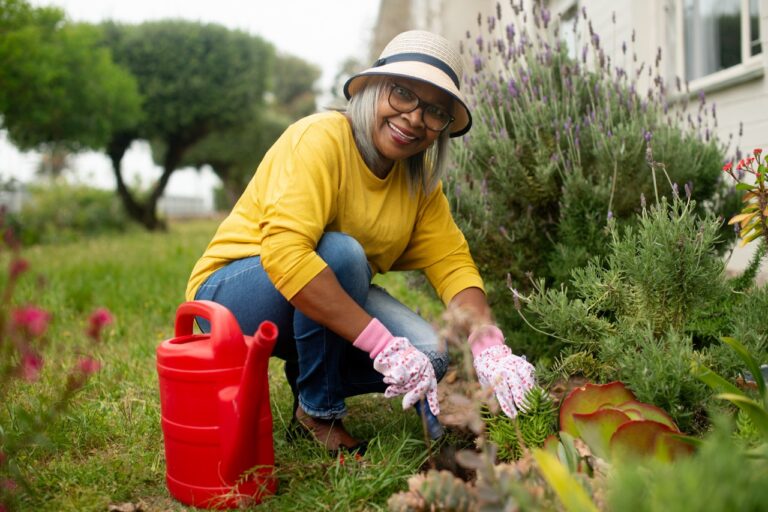
As late spring opens into early summer, the world seems to invite us outside. The days grow longer, the soil warms, and gardens begin to take shape in window boxes, raised beds, community plots, balconies, and backyards. For many people, gardening is a seasonal pleasure. But it can also be something more: a meaningful practice of vibrant living.

At Sage Collective®, we believe vibrant living is rooted in the everyday choices that help us stay engaged with our bodies, minds, communities, and sense of purpose. Gardening touches each of these dimensions. It asks us to move, observe, nurture, wait, and begin again. It connects us to the rhythms of nature while offering tangible benefits for physical, mental, and emotional well-being.

Movement with Meaning
Gardening is a form of physical activity, but it rarely feels like exercise in the traditional sense. Planting, watering, pruning, raking, digging, carrying soil, and harvesting all invite the body into gentle, purposeful movement. For older adults, these actions can help support mobility, flexibility, strength, and balance.

The Centers for Disease Control & Prevention  recommends that adults 65 and older aim for at least 150 minutes of moderate-intensity aerobic activity each week, along with muscle-strengthening and balance-supporting activities. Gardening can be one accessible way to add more movement into the week, especially because it can be adapted to a person’s energy level, mobility, and environment.

Raised beds, container gardens, kneeling benches, lightweight tools, and shaded work areas can make gardening more comfortable and accessible. Even a few minutes of tending herbs on a patio or watering flowers near a window can become part of a steady rhythm of care.

A Natural Boost for Mental Well-Being
Gardening also offers benefits for the mind. A 2017 meta-analysis found that gardening was associated with reductions in depression, anxiety, and body mass index, as well as increases in life satisfaction, quality of life, and sense of community.

Part of gardening’s power may come from the way it combines movement, fresh air, sensory engagement, and routine. The scent of basil, the feel of soil, the color of a new bloom, or the satisfaction of seeing a seedling take root can bring attention into the present moment. Gardening encourages us to slow down and notice small changes over time.

That kind of noticing can be restorative. In a world that often moves quickly, the garden reminds us that growth happens gradually. It asks for patience, care, and trust.

Purpose, Responsibility, and Joy
One of the most meaningful benefits of gardening is the sense of purpose it can provide. A review of research on home and community gardening among older adults found that gardening offered opportunities for connection with nature, productive activity, environmental care, and the responsibility of nurturing living things.

That responsibility matters. To tend a garden is to know that something depends on your attention. A plant needs watering. A tomato vine needs support. A flower bed needs weeding. These small acts create structure and meaning, especially during seasons of transition, retirement, or shifting routines.

Gardening also offers the joy of visible progress. A bare patch of soil becomes green. A small sprout becomes a meal. A forgotten corner becomes a place of beauty. These transformations can remind us that renewal remains possible at every age.

Connection in the Garden
Gardening can be deeply personal, but it can also be social. Community gardens, neighborhood planting days, shared herb pots, and informal conversations over fences all create opportunities for connection. Research on gardening and well-being has noted its relationship to social connectedness and community cohesion.

For older adults, these connections are especially valuable. A garden can become a place to exchange stories, seeds, recipes, advice, and encouragement. It can bring generations together, as grandparents teach children how to plant, harvest, and care for the natural world. In this way, gardening becomes more than a hobby. It becomes a bridge.

Growing Into Vibrant Living
The beauty of gardening is that it does not require perfection. A garden can be large or small, carefully designed or delightfully improvised. It can produce vegetables, flowers, herbs, or simply a few moments of peace. What also matters is the act of engagement it offers.

As we head into the prime months of late spring, gardening offers a gentle invitation to step outside, use the body, quiet the mind, and participate in the living world. It reminds us that care is reciprocal: we tend the garden, and in many ways, the garden tends us.

For Sage Collective®, this is the heart of vibrant living — remaining open to growth, grounded in purpose, and connected to beauty in every season of life.

› Back to top
« back
04.29.26 | Sage Advice®

International Jazz Day: Improvisation, Connection, and the Art of Vibrant Living

Every year on April 30, International Jazz Day invites the world to celebrate a musical form that has long stood for creativity, resilience, freedom, and connection. UNESCO proclaimed the day in 2011, recognizing jazz not only as an art form, but as a force for peace, dialogue, and mutual understanding across cultures. In 2026, the global celebration takes on special resonance in Chicago, which has been named the host city for the International Jazz Day All-Star Global Concert at the Lyric Opera of Chicago.

At Sage Collective®, International Jazz Day feels especially meaningful. Jazz is a living expression of many values that shape vibrant aging: curiosity, adaptability, collaboration, self-expression, and the confidence to keep discovering something new. Jazz reminds us that mastery and improvisation can coexist. It shows us that structure matters, but so does freedom. And perhaps most importantly, it demonstrates that every voice has a place in the larger composition.

There is something deeply affirming about that idea as we age. Later life is often described in overly fixed terms, as if growth belongs only to the young. Jazz offers another model. In jazz, experience matters. Listening matters. Timing matters. What you have lived through changes what you hear and what you play. The beauty is not in perfection, but in interpretation. A standard played at seventy does not mean the same thing it did at twenty. It carries more memory, more nuance, more feeling. That is not decline. That is depth.

Jazz also speaks to the value of improvisation in everyday life. Aging, like jazz, asks us to remain responsive. Plans change. Circumstances shift. We learn to adjust tempo, find new rhythms, and stay open to surprise. That kind of flexibility is not always easy, but it can be deeply life-giving. Jazz teaches us that improvisation is not chaos. It is presence. It is paying close attention to what is happening now and answering it with creativity.

That is a powerful lesson for older adults, and for all of us.

International Jazz Day was created in part to highlight jazz as an educational tool and as a way to bring people and communities together. UNESCO describes jazz as a universal language that crosses borders and fosters dialogue. That spirit of connection aligns beautifully with Sage Collective®’s commitment to meaningful engagement, lifelong learning, and the rich exchange of ideas across generations.

Jazz is also communal by nature. Even in a solo, someone is listening. Someone is supporting. Someone is preparing to respond. The music depends on relationship. For older adults, that offers a powerful reminder that creative life does not happen in isolation. Whether we are listening to a recording, attending a local performance, sharing favorite songs with friends, or learning more about the history of jazz, we are participating in a cultural conversation that is both personal and collective. And there is joy in that participation.

This International Jazz Day, Sage Collective® celebrates jazz not only for its sound, but for what it represents: lifelong creativity, cultural memory, emotional vitality, and the courage to keep improvising. Jazz tells us that expression can deepen with age. It tells us that listening is as important as speaking. It tells us that individuality and community are not opposites, but partners.

To live vibrantly is not to follow a rigid score. It is to stay awake to possibility, to remain in dialogue with the world around us, and to trust that our voice still belongs in the music. On April 30, that is something worth celebrating.


› Back to top
« back
04.22.26 | Community

Why Feeling Needed Matters More Than Ever as We Age

Healthy aging is often framed in practical terms: eat well, stay active, get enough sleep, keep your mind sharp. Those habits matter. But a growing body of research suggests that something less tangible may be just as important: the way we think about aging, our sense of purpose, and whether we feel that we still matter in the lives of others. Recent reporting in The New York Times highlighted evidence linking optimism, purpose, and volunteering with better health and longevity outcomes in later life.

There is a quiet question that can emerge as people grow older, especially after major life transitions like retirement, relocation, or the loss of familiar routines: Am I still needed?

It is a tender question, but also a profoundly important one. Because to feel needed is to feel connected to life beyond ourselves. It is to know that our presence carries weight, that our wisdom has value, and that our contribution — whether large or small — still matters. At Sage Collective®, we believe this feeling is not peripheral to vibrant living. It is central to it.

Purpose in later life doesn’t require launching a new career, writing a memoir, or becoming busier than ever. More often, it reveals itself in smaller, steadier ways: mentoring someone younger, checking in on a neighbor, tending a garden, joining a choir, volunteering in the community, helping a grandchild with homework, showing up for a friend. These acts may seem ordinary, but they create the threads that keep us tied to meaning. And meaning has power.

When we feel connected to something larger than ourselves, we are often more motivated to care for our bodies, protect our peace, and remain engaged with the world around us. Purpose can help create structure. It can give shape to the day. It can remind us that we’re still growing, still contributing, still part of the larger human story. Research on volunteering in older adulthood has linked it with better well-being and a range of healthier outcomes, reinforcing what many people know intuitively: contribution nourishes the contributor, too, and is just as important as mindset.

How we speak to ourselves about aging matters. If aging is seen only as decline, loss, or narrowing possibility, it becomes harder to imagine a future filled with joy, relevance, and discovery. But when aging is understood as an ongoing season of becoming — one that still holds room for curiosity, creativity, and connection — we create space for a different experience altogether. Research highlighted this spring found that positive views of aging were associated with better physical and cognitive trajectories over time.

We’re not advocating to deny life’s challenges or pretend that optimism erases difficulty. Rather, we recognize that our need to belong, to contribute, and to be seen doesn’t fade with age. In many ways, it becomes even more essential. At Sage Collective®, we celebrate aging as a dynamic, creative, deeply human stage of life. — not a closing chapter. To age well is to remain in relationship with possibility, and to keep finding ways to offer what only you can offer.


› Back to top
« back
04.08.26 | Fitness & Activity

The Art and Architecture of Intergenerational Living

There was a time not long ago when generations did not live apart. Grandparents sat on front porches while children ran through sprinklers. Meals stretched across long tables. Advice traveled across decades without needing a calendar invite. Aging was visible. Youth was audible. Life was layered.

Modern housing patterns slowly unraveled that proximity. Retirement communities emerged. Suburbs stretched. Families scattered. Privacy expanded and often isolation did, too.

Now, quietly and steadily, intergenerational living is returning as a viable strategy. Across the country and around the world, families and communities are rediscovering what research now affirms: when generations live alongside one another, everyone benefits emotionally, cognitively, and socially.

At Sage Collective®, we believe in the efficacy of intergenerational living and all the benefits it offers.

Beyond Proximity: Designing for Harmony
Intergenerational living is about balancing closeness and autonomy, and the most successful arrangements honor both. Separate bedrooms and quiet spaces allow restoration. Shared kitchens, gardens, and living rooms invite conversation. Sound management matters. Accessibility matters. Lighting matters. Physical layout shapes emotional climate.

The Power of Clear Expectations
Many multigenerational households begin with good intentions and unspoken assumptions. That is where tension grows. Instead, thriving intergenerational living depends on early, honest conversations:

  • Who contributes financially?
  • Who manages childcare or appointments?
  • What are the boundaries around time and space?
  • How are disagreements addressed?

Clarity is key to preventing resentment and building trust.

Shared Rituals Build Belonging
We have seen that belonging is rarely spontaneous, but is built through consistency and repetition. A weekly shared meal. Sunday morning walks. Storytelling evenings. Seasonal celebrations.

These rituals anchor the household and create shared memory. They give each generation a rhythm of togetherness. Children absorb stories of resilience. Older adults witness growth unfolding before them. The middle generation often finds stability in both directions. And in the process, routine becomes resilience.

Reciprocity, Not Role Fixation
Intergenerational living works best when contribution flows both ways. Older adults may offer wisdom, childcare support, cultural continuity, and emotional steadiness. Younger generations may offer technological fluency, physical assistance, fresh ideas, and energy. When roles remain fluid, dignity remains intact, helping build reciprocity and interdependence.

Autonomy Still Matters
Within a structure of intergenerational living, it is vitally important for people to maintain their individuality and sense of wholeness. Family members should be encouraged to maintain their personal friendships, hobbies, and quiet pursuits outside the household, allowing for space to retreat.

Planning for Change
We’ve all experienced the reality that life does not hold steady. Health shifts. Careers evolve. Children grow. Financial circumstances adjust. Regular check-ins allow living arrangements to evolve without crisis, reflecting the fact that intergenerational living is an organic system, sustained by flexibility.

A Broader Vision: Community-Scale Intergenerational Living
Intergenerational living can also extend beyond family homes. Communities across the globe are intentionally mixing seniors with students, young families, and children in shared housing environments. These models reduce loneliness, increase mutual support, and create daily cross-generational interaction. They make it possible to move from How do older adults age in place? to How do communities age together?

Why This Matters Now
Loneliness has been recognized as a serious public health concern. At the same time, housing costs strain families across generations. Longer lifespans mean longer arcs of shared family life. Intergenerational living offers a response that is both practical and profoundly human. It strengthens cognitive engagement through conversation. It deepens purpose through contribution. It stabilizes families through shared responsibility. And perhaps most importantly, it normalizes aging as visible and valued.

Living Forward Together
At Sage Collective®, we believe life expands with age. Intergenerational living is one of the ways that expansion becomes tangible. When generations live in proximity — thoughtfully, respectfully, intentionally — something powerful happens and aging becomes integrated rather than isolated. And in the process, it helps us reimagine how we belong.

› Back to top
« back
03.25.26 | Caregiver Support

Intergenerational Living: Connection, Cognition & Community

Across cultures and centuries, the idea of generations living and growing together wasn’t unusual — grandparents raising grandchildren, cousins playing on shared porches, aunts and uncles dropping by after school. In modern Western societies, however, aging and housing have often been treated as separate stages, siloed into retirement communities or care facilities far from younger generations.

At Sage Collective®, we are seeing a new trend emerge. As more people live longer and rates of social isolation rise, researchers and community innovators are revisiting what it means to live with other generations. And the findings suggest that intergenerational living is not just a cultural value but a neurological, psychological, and social strategy for thriving as we age.

The Benefits Go Beyond Nostalgia
Research consistently shows that older adults with meaningful intergenerational connections, whether through daily life or structured programs, experience better mental health and overall life satisfaction than those without them. Social contact with younger people reduces loneliness, boosts mood, and has been associated with improved psychological well-being.

Intergenerational programming — where older adults interact with children, teens, or young adults in shared activities — has been linked to better physical health, social inclusion, and community cohesion.

Cognitive Engagement & Communication Matters
Studies examining long-term intergenerational connections suggest that regular communication and social engagement with adult children and other younger family members can positively influence cognitive function in middle-aged and older adults. Importantly, the quality and frequency of communication seem to matter more than sheer proximity.

Shared Living as a Social and Economic Strategy
Multigenerational or intergenerational household arrangements, where older adults co-reside with adult children, grandchildren, or unrelated younger people, have become more common in recent years, partly due to economic pressures and housing costs. Beyond financial benefits like shared expenses, these living arrangements often provide emotional support, companionship, and shared daily purpose for older adults, which correlates with greater life satisfaction and lower risk of negative health outcomes tied to isolation.

Two Generations, Two Directions of Influence
The value of intergenerational living isn’t one-way. While older adults gain companionship, the younger generations benefit too:

  • Children exposed to older adults often develop more nuanced views of aging, reduced ageism, and improved empathy.
  • Grandchildren of involved grandparents may have better emotional well-being and healthier lifestyle influences throughout development.
  • Young adults living with older mentors report gains in emotional support, life skills, and even academic outcomes.

This bidirectional exchange deepens meaning for all involved and fosters communities rich in wisdom and energy.

Quality of Relationship Eclipses Mere Proximity
Research also highlights that the quality of intergenerational connection matters. Frequent contact with a single family member in a strained or conflict-laden context may not confer the same cognitive or emotional benefits as broader, balanced, and harmonious interactions with multiple relatives. This nuance suggests that intergenerational living isn’t inherently beneficial, but how these relationships are nurtured and supported are the factors that lead to an enriched quality of life.

Designing for Intergenerational Connection
Thought leaders in architecture, urban planning, and community design are now integrating intergenerational principles into housing and public space:

  • Purpose-built developments that house seniors alongside families or students.
  • Shared common spaces that encourage daily interaction across ages.
  • Community programs linking senior centers with schools, arts programs, and mentoring opportunities.

These approaches recognize that connection is a structural issue and that built environments can either reinforce isolation or promote flourishing cross-generational life.

A Future of Shared Lives
As demographics shift, with populations aging and younger generations facing economic pressures, intergenerational living offers a compelling path forward. It marries practical needs with deep human truths: belonging nourishes the brain, shared purpose enriches emotional life, and relationship is central to resilient communities.

At Sage Collective®, we’re reminded that thriving isn’t reserved for any single stage of life. It is co-created through laughter across ages, lessons exchanged, stories shared, and daily rhythms woven between generations.

› Back to top
« back
03.04.26 | Arts & Culture

Belonging as Brain Protection

We often think of brain health in personal terms: diet, exercise, sleep, mental stimulation. But one of the most powerful protective factors for cognitive vitality is not found in a supplement bottle or fitness tracker. It is belonging.

At Sage Collective®, we’ve been speaking about joyspan — measuring life in moments, not just years. Yet joy rarely flourishes in isolation. It grows in relationship. And neuroscience now confirms what many older adults have always known: Connection isn’t optional.  It is neurological protection.

The Brain Is Wired for Relationship
Human beings are biologically social. Our nervous systems co-regulate with one another. When we sit with someone who listens deeply, our heart rate slows. When we laugh together, stress hormones decrease. When we feel seen and valued, the brain’s reward pathways activate.

Belonging releases oxytocin, often called the bonding hormone,  which reduces inflammation and buffers stress. It supports memory formation and emotional regulation.In contrast, chronic loneliness elevates cortisol, increases cardiovascular strain, and accelerates cognitive decline. This is why public health experts now recognize social isolation as a major health risk. In other words, belonging isn’t sentimental. It is structural.

Cognitive Protection Through Community
Research increasingly shows that social engagement helps build cognitive reserve — the brain’s ability to adapt as it ages. Regular conversation challenges memory recall. Shared storytelling stimulates language networks. Group activities demand attention, coordination, and flexibility. Even navigating social nuance exercises executive function.

In short: community is cognitive cross-training. But it’s not only about mental stimulation. It’s about emotional safety. When we feel that we matter, we are more likely to remain engaged with life. Engagement protects the brain.

The Loneliness Paradox
Many older African Americans report that their social networks shrink with age — through retirement, relocation, or the loss of peers. Yet at the same time, later life can offer deeper, more meaningful relationships when the focus is on intention, not proximity.

Belonging is built through:

  • Regular rituals of connection
  • Shared purpose
  • Intergenerational exchange
  • Cultural continuity
  • Spaces that encourage participation rather than spectatorship

Belonging thrives where people are invited not just to attend, but to contribute.

Intergenerational Relationships as Neural Bridges
One of the most powerful forms of belonging may be intergenerational connection. When older adults mentor, teach, or simply share stories with younger people, something remarkable happens. Wisdom meets curiosity. Experience meets imagination. Both brains benefit. In this way, older adults experience renewed purpose and activation of long-term memory networks. Younger individuals gain empathy and perspective.

The brain does not age out of relevance. It deepens in narrative richness because belonging bridges generations, strengthening neural pathways in both directions.

Designing for Belonging
If belonging protects the brain, then it becomes a design question. How do we design communities, programs, and daily rhythms that encourage interaction?

At Sage Collective®, vibrant living is not a solo pursuit. It is relational. Belonging happens when:

The goal becomes meaningful exchange, not busyness.

Micro-Moments That Matter
Belonging does not require a large network. It requires consistency and authenticity.

A weekly coffee with a neighbor.
A standing phone call.
A book club conversation.
A choir rehearsal.
A shared walk.

Small, repeated interactions strengthen neural pathways associated with trust and reward. The brain begins to anticipate connection, and that anticipation itself releases dopamine.

From Isolation to Invitation
Aging narratives often emphasize independence. Independence matters, of course. But interdependence may matter more. To belong is not to lose autonomy. It is to gain reinforcement. It is to know that one’s presence changes the room.

Belonging tells the brain: You are safe. You are valued. You are needed. These messages ripple through physiology.

A Protective Equation
If stress accelerates aging, and connection buffers stress, then belonging becomes a protective layer around cognitive health. Not as a luxury or as an afterthought, but as a pillar.

Lifespan gives us time. Healthspan gives us capacity. Belonging gives us resilience. And resilience sustains the brain. At Sage Collective®, we believe life expands with age. Belonging is one of the ways it expands — outward into community and inward into neural strength.

Consider, then, that the future of brain health may not lie solely in what we do alone, but in how deeply we connect.

› Back to top